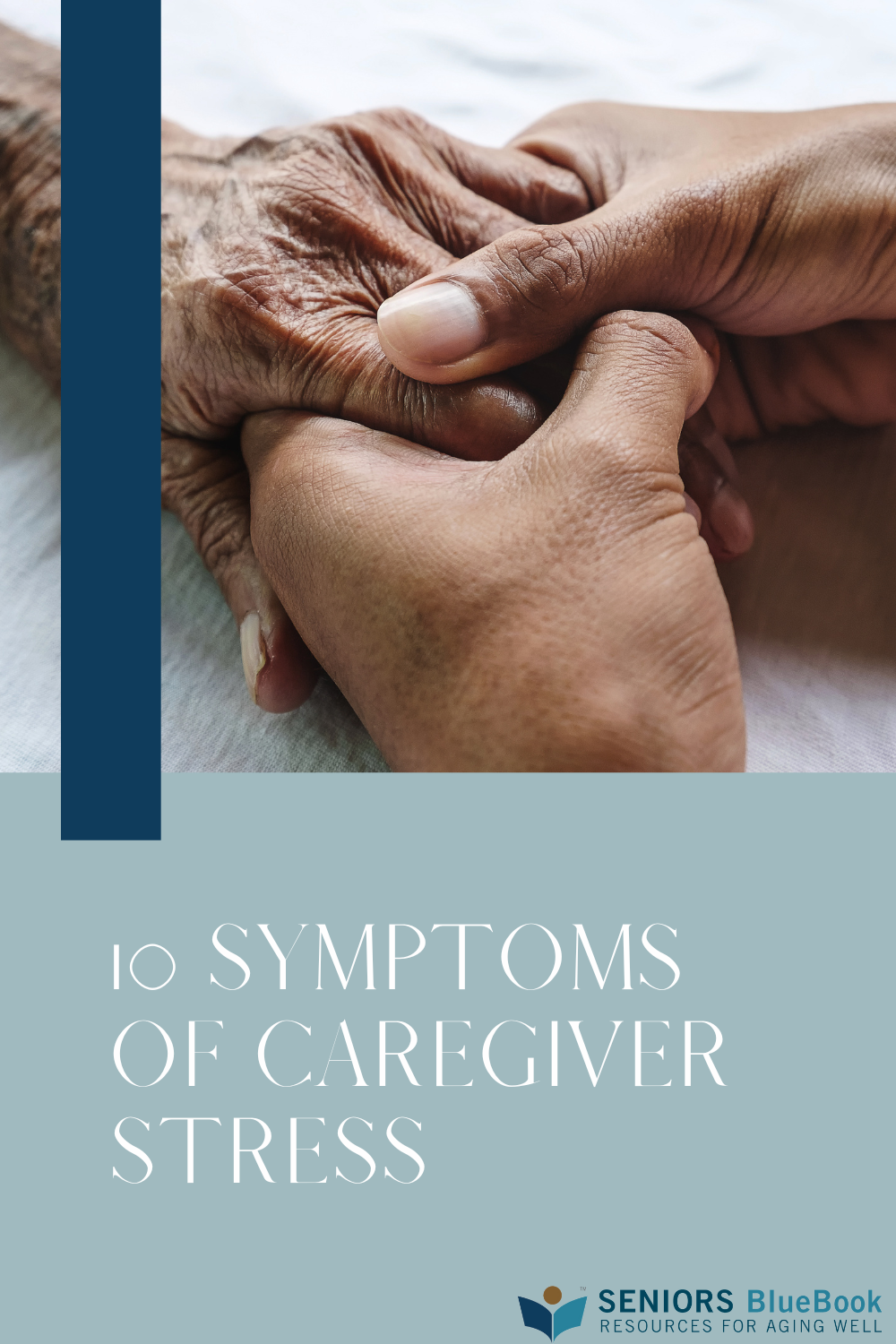
10 SYMPTOMS OF CAREGIVER STRESS
Town Square University Parkway
Mar 08, 2023
Florida - Sarasota, Bradenton & Charlotte Counties

Email US
Click to Email Us
- Denial of the disease and its effects on the person who has been diagnosed.
- Anger or frustration with the person with dementia that he or she cannot do the things they used to be able to do.
- Social withdrawal from your friends and family activities that used to make you feel good.
- Anxiety about the future and facing another day.
- Depression that breaks your ability to cope.
- Exhaustion that makes it impossible to complete necessary daily tasks.
- Sleeplessness that is caused by the never-ending list of concerns, causing your own brain to never turn off.
- Irritability that leads to moodiness and triggers negative responses that normally would not.
- Lack of concentration that makes it difficult to perform familiar tasks.
- Health problems that begin to creep up on you and take a mental and physical toll.
Other Articles You May Like
Understanding Your Digital Footprint
Digital what? Footprint? You may be thinking thats what you leave behind at the beach. While that may be correct, it is also what you leave behind every time you provide your email, set up a new online account, or allow your data to be tracked. Your digital footprint is the trail you leave behind with Location services on your phone. It is the data you leave behind when commenting on Aunt Sallys Facebook page, sharing your familys vacation pictures on Instagram, or traipsing around the internet to various sites looking for that cute Lladro figurine your mother wanted for Christmas. All of it tells something about you whether you realized it was happening or not.Most of the time, the sharing of your data what you do, how you do it, etc. may not be a big deal. Or is it? The reality is that your data supports big business every day. It is collected, bought and sold (mostly without your knowledge) by data brokers (i.e., Acxiom, Epsilon), credit and identity bureaus (i.e., Experian, Equifax, TransUnion), and Big Tech Companies (i.e., Google, Amazon, Meta, Microsoft, Apple) that share your data with their partners and ad networks.The danger to you is when there is a data breach at one of the many sites that has your data and your data is captured and posted on the dark web. This enables nefarious characters to better target you for scams and potentially steal your identity. Call Lily in the Details today 941-237-0157 and schedule Understanding Your Digital Footprint, Navigating the Online World Safely and Wisely for your community.
Caregiver Burnout: Recognizing the Signs
Caregiver Burnout: Recognizing the Signs and Finding the Support You Need Caring for a loved one can be one of the most meaningful things a person does. Whether helping an aging parent, a spouse, or a family member manage a serious illness or chronic medical condition, caregivers often make significant personal sacrifices to ensure their loved ones receive the care and attention they need. However, caregiving can also be physically and emotionally demanding. Between managing medical appointments, coordinating treatments, assisting with daily activities, and providing emotional support, caregivers may find themselves putting their own needs aside. Over time, the stress and responsibility of caring for someone else can take a toll on their health and well-being. This experience is commonly known as caregiver burnout. Caregiver burnout can develop gradually, making it difficult to recognize until exhaustion, frustration, and emotional stress become overwhelming. Understanding the warning signs and knowing where to find help can make a significant difference for caregivers and the loved ones who depend on them. What Is Caregiver Burnout? Caregiver burnout occurs when the ongoing physical, emotional, and mental demands of caring for another person become overwhelming. It can affect anyone who regularly provides care, whether they are helping a parent with dementia, supporting a spouse through cancer treatment, or assisting a family member with a chronic illness or disability. Unlike temporary stress, caregiver burnout often develops over time as responsibilities continue without enough rest, support, or opportunities for self-care. Many caregivers feel they must handle everything themselves. They may worry about leaving their loved one alone, feel guilty asking others for help, or believe that taking time for themselves means they are neglecting their responsibilities. Unfortunately, ignoring these feelings can make burnout worse. Caregiving should not mean sacrificing your own physical and emotional health. Recognizing when you need help is an important part of providing sustainable care. Common Signs and Symptoms of Caregiver Burnout Caregiver burnout can affect people in different ways. Some individuals experience physical exhaustion, while others notice changes in their mood, sleep patterns, or ability to concentrate. Recognizing these symptoms early can help caregivers take steps to protect their health and find additional support. 1. Constant Physical Exhaustion Feeling tired after a long day of caregiving is normal. However, ongoing exhaustion that does not improve with rest may be a warning sign of burnout. Caregivers may spend hours helping loved ones with bathing, dressing, meal preparation, transportation, medications, and other daily responsibilities. When these tasks become part of an ongoing routine, caregivers may not have enough time to recover physically. Common symptoms may include: Persistent fatigue and low energy. Frequent headaches or muscle aches. Changes in appetite. Difficulty sleeping or staying asleep. Becoming sick more frequently. When caregiving begins to affect your physical health, it may be time to reconsider your responsibilities and seek additional assistance. 2. Feeling Overwhelmed or Emotionally Drained Caregiving involves more than completing daily tasks. It also requires patience, understanding, and emotional strength. Watching someone you love struggle with a serious illness, lose independence, or experience changes in their physical or mental abilities can be heartbreaking. Caregivers may experience sadness, anxiety, frustration, or helplessness. They may also feel emotionally drained from constantly worrying about their loved one's health and future. If you find yourself feeling overwhelmed most of the time, it is important to recognize that these feelings deserve attention and support. 3. Increased Irritability and Frustration Caregiving can require an enormous amount of patience, especially when helping someone who has dementia, Alzheimer's disease, mobility limitations, or other challenging medical conditions. Over time, exhaustion and stress can make it harder to manage difficult situations calmly. Caregivers may notice that they become irritated more easily, lose patience over small things, or feel frustrated with their loved one, other family members, or healthcare providers. These feelings do not mean you are a bad caregiver. They may indicate that you are carrying more responsibility than you can comfortably manage. Recognizing these emotions can help you identify when it is time to take a break or ask someone else to help. 4. Withdrawing From Family and Friends Caregiving responsibilities can make it difficult to maintain personal relationships and social activities. You may begin declining invitations, missing family gatherings, or avoiding phone calls because you feel too tired or overwhelmed to socialize. Some caregivers also withdraw because they believe others will not understand what they are experiencing. Unfortunately, social isolation can increase feelings of loneliness, sadness, and stress. Maintaining connections with friends and family is important. Even a short conversation, coffee with a friend, or a little time away from caregiving responsibilities can provide emotional relief. 5. Neglecting Your Own Health One of the most common challenges caregivers face is putting their own health last. They may postpone medical appointments, skip meals, stop exercising, or ignore symptoms because they are focused on meeting someone else's needs. Over time, neglecting personal health can create additional problems and make caregiving even more difficult. Caregivers should remember that their health matters, too. Maintaining regular medical care, eating nutritious meals, getting adequate sleep, and finding time for physical activity are important parts of staying healthy. 6. Feeling Guilty or Like You Are Never Doing Enough Many caregivers experience guilt, even when they are doing everything possible to help their loved one. They may feel guilty about taking a break, asking another family member for assistance, considering professional caregiving services, or feeling frustrated by their responsibilities. Some also struggle with the belief that they should be able to manage everything themselves. It is important to understand that no one can provide continuous care without needing rest and support. Asking for help does not mean you love someone less or are failing in your responsibilities. It means you recognize that caregiving is a demanding job and that you need support, too. Why Caregiving Can Become So Overwhelming Every caregiving situation is different, but several circumstances can increase the risk of burnout. Managing a Serious or Chronic Illness: Caring for someone with cancer, heart disease, Parkinson's disease, diabetes, dementia, or another chronic condition may involve ongoing medical appointments, medications, treatment schedules, and changes in health needs. Providing Around-the-Clock Care: Some individuals require assistance throughout the day and night. Constant supervision and interrupted sleep can leave caregivers physically and emotionally exhausted. Balancing Work and Family Responsibilities: Many family caregivers also have full-time jobs, children, household responsibilities, and other personal obligations. Trying to balance everything can create significant stress. Lack of Family Support: When caregiving responsibilities fall primarily on one person, the workload can quickly become overwhelming. Financial Concerns: Medical expenses, medications, transportation, and reduced work hours can create financial pressure for families. Watching a Loved One's Health Decline: Seeing someone you love lose independence or experience changes in their abilities can be emotionally painful. Caregivers may also experience grief while their loved one is still living, particularly when a progressive illness changes the relationship they once shared. Understanding these challenges can help caregivers recognize that burnout is not a personal failure. It is often the result of prolonged stress and insufficient support. Finding the Support You Need One of the most important steps in preventing caregiver burnout is recognizing that you do not have to do everything alone. There are many resources available to help caregivers manage their responsibilities while protecting their own health and well-being. 1. Ask Family Members and Friends for Help Family members and friends may want to help but simply do not know what is needed. Instead of trying to manage everything yourself, identify specific tasks that others can take over. For example, someone may be able to: Provide transportation to medical appointments. Prepare meals or help with grocery shopping. Assist with household chores. Spend time with your loved one while you take a break. Help organize medical appointments and paperwork. Run errands or pick up prescriptions. Sharing responsibilities can help reduce stress and give caregivers time to rest and recharge. 2. Consider Respite Care Respite care provides temporary relief for family caregivers by arranging for another qualified person or care provider to assist with their loved one's needs. Depending on the situation, respite care may be available for a few hours, several days, or longer periods. Options may include: In-home respite care. Adult day programs. Short-term stays in assisted living or skilled nursing communities. Assistance from family members or trusted caregivers. Respite care allows family caregivers to attend appointments, spend time with friends, take a vacation, or simply enjoy a few hours away from their caregiving responsibilities. Taking a break is not abandoning your loved one. It is an important way to maintain your ability to provide care over the long term. 3. Explore Professional Home Care Services As a loved one's medical needs increase, family caregivers may find that providing all the necessary assistance becomes difficult. Professional home care services can help reduce some of the daily responsibilities while allowing individuals to remain in the comfort of their own homes when appropriate. Depending on the provider and the individual's needs, non-medical home care services may include: Assistance with bathing, dressing, and personal care. Meal preparation and nutrition support. Light housekeeping and laundry. Medication reminders. Transportation and errands. Companionship and social engagement. Assistance with daily routines. Having a professional caregiver available can give family members peace of mind while allowing them to spend more quality time with their loved one. 4. Connect With Caregiver Support Groups Sometimes, the most helpful support comes from talking with people who understand what you are experiencing. Caregiver support groups provide an opportunity to share experiences, discuss challenges, and learn from others who are facing similar situations. These groups may meet in person or online and can provide emotional encouragement, practical advice, and a sense of community. Support groups are available for caregivers assisting individuals with Alzheimer's disease, cancer, Parkinson's disease, and many other medical conditions. Knowing you are not alone can make a significant difference in how you manage the emotional demands of caregiving. 5. Work With a Healthcare Advocate Navigating the healthcare system can become another major source of stress for caregivers. Coordinating appointments, communicating with multiple specialists, understanding treatment recommendations, and organizing medical records can require considerable time and effort. A healthcare advocate can help patients and families navigate these responsibilities. Depending on the services provided, a healthcare advocate may assist with: Organizing medical records and healthcare information. Preparing questions for doctor appointments. Helping patients understand diagnoses and treatment recommendations. Coordinating communication among healthcare providers. Identifying appropriate community resources and support services. Helping families understand available care options. For caregivers who feel overwhelmed by medical responsibilities, having someone knowledgeable to help navigate the healthcare system can provide valuable guidance and reassurance. 6. Consider Counseling or Professional Emotional Support Caregiving can bring complicated emotions, including anxiety, sadness, frustration, grief, and guilt. Talking with a licensed counselor or mental health professional can help caregivers process these feelings and develop healthy coping strategies. Professional support can also help caregivers recognize unhealthy patterns, establish boundaries, and learn how to manage stress more effectively. If feelings of depression, anxiety, or hopelessness become persistent or interfere with daily life, reaching out to a qualified professional is especially important. The Importance of Making Time for Yourself Caregivers often hear that they need to practice self-care, but finding the time can feel nearly impossible when someone depends on them every day. However, self-care does not have to involve expensive activities or large amounts of free time. Small changes can help caregivers maintain their physical and emotional health. Consider incorporating these habits into your routine: Get Enough Rest: Try to establish a consistent sleep schedule and accept help when nighttime responsibilities interfere with your rest. Eat Healthy Meals: Skipping meals or relying on convenience foods can leave you feeling even more exhausted. Make time for balanced meals and stay hydrated. Stay Physically Active: Even a short walk, gentle stretching, or another activity you enjoy can help reduce stress and improve your overall well-being. Maintain Social Connections: Make time to talk with friends, spend time with family, or participate in activities outside your caregiving responsibilities. Set Realistic Expectations: Understand that you cannot control every aspect of your loved one's illness or recovery. Focus on what you can reasonably accomplish. Take Breaks Without Feeling Guilty: Schedule time for yourself, even if it is only a few minutes each day. Rest is a necessary part of maintaining your health. Remember, taking care of yourself is not separate from taking care of your loved one. It is part of being able to provide consistent, compassionate support. When Is It Time to Ask for More Help? Caregiving needs can change as a loved one's condition progresses. Someone who initially needed only occasional assistance may eventually require help with bathing, dressing, mobility, medication management, or around-the-clock supervision. If caregiving responsibilities are affecting your health, relationships, employment, or ability to manage everyday activities, it may be time to explore additional support. Consider seeking help if: You feel physically exhausted most of the time. You are experiencing ongoing anxiety, sadness, or frustration. You have little or no time for your own needs. You are struggling to manage medical appointments and treatment responsibilities. Your loved one requires more assistance than you can safely provide. You feel isolated or unsupported. You are worried about your ability to continue providing care. A healthcare professional, social worker, care manager, or healthcare advocate can help you evaluate your situation and identify resources that may be appropriate. Seeking additional help does not mean you are giving up on your loved one. It means you are taking steps to ensure both of you receive the support you need. Remember, Caregivers Need Care, Too Caring for someone you love is an act of compassion, patience, and dedication. However, the physical and emotional demands of caregiving can become overwhelming when responsibilities continue without adequate rest or support. Caregiver burnout is a real challenge, and recognizing the warning signs is the first step toward finding relief. Whether you need help coordinating medical care, assistance with everyday responsibilities, professional home care services, or someone to talk to, resources are available. You do not have to manage every responsibility on your own. Building a strong support system can help protect your health, reduce stress, and allow you to continue being there for the person you love. If you are feeling overwhelmed by the responsibilities of helping a loved one manage a serious illness or chronic condition, consider reaching out to Vital Voice Healthcare Navigation. Having knowledgeable support to help coordinate care, understand medical information, and identify available resources can make the caregiving journey easier to navigate. Remember, taking care of yourself is just as important as taking care of someone else.
Serving America and our community
By Dr. David RiceSouthwest Florida is home to more than 100,000 veterans, according to the U.S. Department of Veterans Affairs.They own homes, manage businesses and pay taxes here. They volunteer at local nonprofits and donate to local causes. They are the core of our community.Nearly every day, at least one veteran walks into Advocate Radiation Oncology for treatment. Cancer impacts people from every background, including veterans. Even the most hardened veterans struggle with a cancer diagnosis, which is understandable; no one is invincible and cancer generates a wave of emotions shock, anxiety, frustration, fear and stress.Over the years, veterans in Charlotte and Sarasota counties have found an ally inside the treatment room Dr. Brian Lawenda. A board-certified, Harvard-trained physician who completed medical school at Temple University, Lawenda has all the credentials to help a patient feel confident that they're in good hands, medically speaking. Then they find out something else about their physician. He is a veteran, too, having served this country 13 years with the U.S. Navy and attaining the rank of commander."When I enlisted, I took an oath to serve this country and uphold the U.S. Constitution," Lawenda said. "When I became a doctor, I pledged to dedicate my practice to patients and the community I serve, and it's especially gratifying when those patients are fellow veterans."The best doctors don't just treat symptoms; they connect with patients, usually through shared experiences they're from the same state, cheer for the same sports team or attended the same university. Lawenda's military experience helps create an instant doctor-patient bond that continues during treatment and beyond. In fact, Lawenda has become the region's go-to radiation oncologist for veterans, not just Navy veterans, but those who have admirably served across all six branches of the military."When he told me he served in the Navy, it gave me comfort," said Ret. Command Master Chief Scott Fusco, a North Port resident who recently completed prostate cancer treatments at Advocate. "I had absolute trust in him from that point on."Lawenda wasn't the only veteran on Fusco's care team, either. His urologist also served in the Navy and referred Fusco to Dr. Lawenda for treatment."We served at different times and places, but we're all part of the same team," Fusco said. "They've been there, done that, just like me. There is instant respect, instant trust."Lawenda, who sees patients at Advocate's cancer treatment centers in Port Charlotte and Venice, specializes in the treatment of prostate, lung, breast, head and neck, rectal, liver, bone, cervical and other types of cancers. Although Lawenda doesn't technically specialize in the treatment of veterans, he is especially proud to support patients like Fusco on their cancer journey."A veteran may retire or end their military service, but he or she will never stop serving this country and their community," Lawenda said. "Being able to help local veterans beat cancer is extremely gratifying and certainly rewarding. The military is a brotherhood and a sisterhood, and I'll continue fighting for my brothers and sisters."About the AuthorDr. David Rice is a board-certified radiation oncologist who sees patients through Advocate Radiation Oncologys cancer treatment centers in Port Charlotte and Venice. Visit AdvocateRO.com for more information.
Local Services By This Author

Town Square at University Parkway
Senior ActivitiesSpecialized Care for Seniors with Alzheimers, Dementia, and ParkinsonsAt Town Square University Parkway, we specialize in creating a vibrant, interactive 1950s-themed environment designed to support seniors with Alzheimer's, various forms of dementia, and Parkinson's disease. Our adult day program is an ideal solution for seniors who experience mobility or cognitive impairments, offering them a safe and engaging space to thrive.Engaging EnvironmentOur center operates Monday to Friday, from 8:30 AM to 4:30 PM, providing a full town center with 15 different storefronts for our members to explore. This unique setup promotes independence and engagement in a secure setting, ensuring that each day is filled with opportunities for interaction and stimulation.Comprehensive Medical Model-Town Square University Parkway stands out for its true medical model, providing a range of healthcare services on-site, including:Primary Care Services, , Psychiatric Services, Lab Services, Quarterly Podiatry, Dermatology, and Audiology ServicesThis integrated approach ensures that our members receive comprehensive care without the need to travel to multiple locations.Support for Families and Caregivers- In addition to our medical services, we offer various weekly groups and activities aimed at supporting both our members and their families. These include:Support Groups, , Educational Classes, Special Events, Our goal is to enhance the quality of life for our members while providing essential support to their families and caregivers, helping everyone involved enjoy a better quality of life and enabling seniors to stay at home as long as possible.Our PhilosophyAt Town Square, we understand that cognitive and functional abilities can change over time. Our programming is designed to adapt to these changes, providing a caring and supportive environment tailored to each members needs. We believe in the importance of improving quality of life as we age, and we are passionate about serving each member as a unique individual.ToursExperience our midcentury-themed environment firsthand by scheduling a tour. We are eager to show you around our engaging adult day center. Visit our website or call us today for more information.
Town Square at University Parkway
Adult Day ServicesSpecialized Care for Seniors with Alzheimers, Dementia, and ParkinsonsAt Town Square University Parkway, we specialize in creating a vibrant, interactive 1950s-themed environment designed to support seniors with Alzheimer's, various forms of dementia, and Parkinson's disease. Our adult day program is an ideal solution for seniors who experience mobility or cognitive impairments, offering them a safe and engaging space to thrive.Engaging EnvironmentOur center operates Monday to Friday, from 8:30 AM to 4:30 PM, providing a full town center with 15 different storefronts for our members to explore. This unique setup promotes independence and engagement in a secure setting, ensuring that each day is filled with opportunities for interaction and stimulation.Comprehensive Medical Model-Town Square University Parkway stands out for its true medical model, providing a range of healthcare services on-site, including:Primary Care Services, , Psychiatric Services, Lab Services, Quarterly Podiatry, Dermatology, and Audiology ServicesThis integrated approach ensures that our members receive comprehensive care without the need to travel to multiple locations.Support for Families and Caregivers- In addition to our medical services, we offer various weekly groups and activities aimed at supporting both our members and their families. These include:Support Groups, , Educational Classes, Special Events, Our goal is to enhance the quality of life for our members while providing essential support to their families and caregivers, helping everyone involved enjoy a better quality of life and enabling seniors to stay at home as long as possible.Our PhilosophyAt Town Square, we understand that cognitive and functional abilities can change over time. Our programming is designed to adapt to these changes, providing a caring and supportive environment tailored to each members needs. We believe in the importance of improving quality of life as we age, and we are passionate about serving each member as a unique individual.ToursExperience our midcentury-themed environment firsthand by scheduling a tour. We are eager to show you around our engaging adult day center. Visit our website or call us today for more information.