5 Natural Sweeteners That Are Healthier Than Sugar
CHEFS FOR SENIORS PITTSBURGH
For more information about the author, click to view their website: https://chefsforseniors.com/pittsburgh/
Mar 24, 2025
Pennsylvania - Greater Pittsburgh Area

Email US
Click to Email Us
In today’s fast-paced world, sugar has become an integral
part of our daily lives, infiltrating everything from our morning coffee to our
afternoon snacks. However, the consequences of excessive sugar consumption are
well-documented, ranging from weight gain and diabetes to heart disease and
even cognitive impairment. Fortunately, there are natural sweeteners that can
satisfy our cravings for something sweet while providing added health benefits.
In this article, we’ll explore five natural sweeteners that
not only taste delicious but also offer a range of nutritional advantages over
refined sugar. Whether you’re looking to revamp your baking recipes, enhance
your morning beverage, or simply make more mindful choices, this guide will
equip you with the knowledge to make the switch to these natural sweeteners and
enjoy a sweeter, healthier lifestyle.
Raw Honey
Raw honey stands out as one of the most remarkable natural
sweeteners, boasting an impressive nutritional profile that sets it apart from
its refined counterparts. Unprocessed and unfiltered, raw honey retains its
inherent enzymes, antioxidants, vitamins, and minerals, making it a true
superfood.
One of the key benefits of raw honey is its ability to
support a healthy immune system. The enzymes and antimicrobial properties
present in raw honey can help fight off harmful bacteria and promote the growth
of beneficial gut flora.
Additionally, the antioxidants in raw honey can neutralize free radicals,
reducing the risk of oxidative stress and inflammation.
Beyond its immune-boosting properties, raw honey also offers
a gentler impact on blood sugar levels compared to refined sugar. Its low
glycemic index ensures a more gradual release of energy, helping to regulate
blood sugar fluctuations and potentially reducing the risk of type 2 diabetes.
When it comes to incorporating raw honey into your diet, the
options are endless. Drizzle it over your morning oatmeal, stir it into your
tea, or use it as a natural sweetener in your baking recipes. Just be mindful
of the heat, as raw honey is best consumed in its raw, uncooked state to
preserve its nutritional benefits.
Stevia
Stevia, a natural sweetener derived from the leaves of the
Stevia rebaudiana plant, has gained tremendous popularity in recent years as a
viable alternative to artificial sweeteners and refined sugar.
One of the primary advantages of stevia is its ability to
support healthy blood sugar levels. Unlike sugar, which can cause spikes and
crashes in blood glucose, stevia has a minimal impact on insulin production and
maintains a stable blood
sugar response. This makes it an excellent choice for individuals with
diabetes or those looking to manage their weight and maintain a balanced
metabolism.
Stevia’s versatility extends beyond its health benefits. It
can be used in a wide range of applications, from sweetening your morning
coffee to baking delectable desserts. The key is to use it judiciously, as a
little goes a long way. When substituting stevia for sugar in recipes, start
with a small amount and gradually increase until you achieve the desired
sweetness level.
Dates
Dates, the sweet and plump fruits from the date palm tree,
have long been revered for their exceptional nutritional value and versatility
as a natural sweetener. These delectable treats are packed with an array of
essential vitamins, minerals, and fiber, making them a healthier alternative to
refined sugar.
One of the standout features of dates is their ability to
provide a natural caramel-like sweetness without the need for added sugars or
artificial ingredients. This makes them an excellent choice for those seeking
to satisfy their sweet cravings while also nourishing their bodies.
Beyond their sweetening capabilities, dates have also been
linked to various health benefits. Studies suggest that they may help lower LDL
(bad) cholesterol levels and reduce the risk of stroke, making them a
heart-healthy addition to your diet.
Coconut Sugar
Coconut sugar, derived from the sap of the coconut palm
tree, has emerged as a popular natural sweetener that offers a unique blend of
flavor and nutritional benefits. Unlike refined white sugar, which is stripped
of its inherent nutrients, coconut sugar retains a wide array of vitamins,
minerals, and antioxidants.
One of the standout features of coconut sugar is its low
glycemic index, which means it is absorbed more slowly by the body, resulting
in a more gradual rise in blood sugar levels. This property makes coconut sugar
an attractive choice for individuals concerned about managing their blood sugar
or maintaining a balanced diet.
Coconut sugar’s versatility extends beyond its health
benefits. Its caramel-like flavor and granular texture make it an excellent
substitute for traditional white sugar in a wide range of recipes, from baked
goods to sauces and marinades. When using coconut sugar, you can simply replace
it cup-for-cup in your favorite recipes, allowing you to enjoy the same sweet
indulgence with added nutritional value.
Maple Syrup
Maple syrup, a beloved staple from the Northeast, stands out
as a natural sweetener that not only delights the taste buds but also offers a
remarkable nutritional profile. Derived from the sap of maple trees, this
golden elixir is a true gift from nature, packed with essential vitamins,
minerals, and antioxidants.
One of the standout features of maple syrup is its
impressive mineral content. It is particularly rich in manganese, a crucial
mineral that plays a vital role in bone
health, metabolism, and antioxidant defense. Additionally, maple syrup
contains significant amounts of zinc, calcium, and potassium, all of which
contribute to overall well-being.
Beyond its mineral wealth, maple syrup also boasts a diverse
array of beneficial plant compounds, including polyphenols and flavonoids.
These antioxidants work to neutralize harmful free radicals, reducing the risk
of chronic diseases and supporting a healthy immune system.
It’s worth noting that not all maple syrups are created
equal. Opt for the darker, grade B varieties, as they tend to be richer in
antioxidants and possess a more robust maple flavor. By making the switch to
this natural sweetener, you can indulge your sweet cravings while nourishing
your body with a wealth of essential nutrients.
Blackstrap Molasses
Blackstrap molasses, the final byproduct of the sugar
refining process, is a remarkable natural sweetener that sets itself apart with
its impressive mineral content and unique, robust flavor. Unlike refined white
sugar, which has been stripped of its inherent nutrients, blackstrap molasses
retains a treasure trove of essential vitamins and minerals.
One of the standout features of blackstrap molasses is its
high concentration of iron, a crucial mineral for maintaining healthy red blood
cells and preventing anemia. Additionally, it is a rich source of copper,
calcium, magnesium, and manganese, all of which play vital roles in supporting
bone health, energy production, and immune function.
Beyond its mineral wealth, blackstrap molasses also boasts a
remarkable antioxidant profile. Studies have shown that this dark, viscous
sweetener contains a higher concentration of polyphenols and other beneficial
plant compounds compared to refined sugar and other sweeteners. These
antioxidants can help neutralize free radicals, reducing the risk of oxidative
stress and chronic diseases.
While the bold, slightly bitter-sweet flavor of blackstrap
molasses may not appeal to everyone’s taste buds, it can be easily incorporated
into a variety of recipes. Use it to add depth and richness to baked goods,
marinades, and sauces.

- To view the original version of this article visit chefsforseniors.com/blog/5-natural-sweeteners-that-are-healthier-than-sugar/
- Seniors Blue Book was not involved in the creation of this content.
Other Articles You May Like
How Do You Know When a Parent Needs More Help at Home?
A parent may need more help at home when everyday tasks become unsafe, inconsistent or so difficult that they stop doing them. The clearest signs are usually repeated problems with meals, hygiene, mobility, appointments, medication routines or being alonenot simply reaching a certain age. Families in Broomfield, Colorado, can use these changes to decide whether occasional assistance, regular personal care or more extensive supervision is appropriate. Start With What Has Actually ChangedThink about the past month rather than the past day. Has your parent stopped cooking foods they once enjoyed? Are there unopened groceries, missed appointments or frequent calls for help getting out of a chair? Have they become reluctant to bathe because they are worried about falling? These changes are more useful than a general statement that someone is slowing down.Ask what feels hardest and listen to the answer. Someone may be physically able to prepare food but too tired to shop. Another person may have plenty of energy but feel anxious leaving the house alone. Matching care to the real obstacle helps avoid both too little support and unnecessary restrictions. When Is Companionship Enough?Companionship may be a good starting point when a person can manage personal hygiene and move around safely but needs social interaction, help staying active, or an extra set of hands for errands. A caregiver might share a meal, accompany someone to an activity, help with light household tasks or provide conversation during the day.If the main concern is loneliness or difficulty getting to appointments, these visits may fill an important gap. But companionship alone is not a substitute for hands-on support when bathing, dressing, toileting or transfers are no longer safe. When Does Personal Care Make More Sense?Personal care becomes more relevant when basic self-care takes considerable effort or creates risk. Common examples include needing assistance stepping into a shower, putting on clothes, moving between a bed and chair, or maintaining a regular hygiene routine. Some families also arrange support around meal preparation and medication reminders, depending on the service plan.It helps to ask which activities can still be done independently and which require a nearby helper. The answer may vary by time of day. A person who is steady in the morning might have difficulty moving safely when tired in the evening. Care should be tailored to those patterns instead of assuming the same level of help is necessary all day. What if Your Parent Has Alzheimers or Another Dementia?Memory changes introduce different questions. Does the person become disoriented outside the home, forget meals, repeat tasks unsafely or have trouble following familiar routines? Consistent companionship and dementia-informed activities may help someone stay engaged, but supervision needs should be assessed carefully. A medical professional can evaluate new or worsening symptoms and help rule out treatable causes of confusion.Friends for Life offers Alzheimers and dementia care as part of its non-medical services. Families should describe the specific behaviors and times of day that are difficult, then ask how the agency would address those needs within a home care plan. Does Your Family Need Respiteor a Longer Care Schedule?Sometimes the older adults needs have not dramatically changed, but the family caregiver is reaching a limit. Interrupted sleep, missed work, reduced social time and constant worry can signal the need for respite care. Scheduled relief allows a spouse or adult child to step away while another caregiver provides agreed-upon support.For more complex situations, ask about extended shifts, 24-hour care and live-in care. These terms should not be treated as interchangeable: staffing arrangements, sleep expectations, coverage and prices can differ. Clarify who is present during overnight hours and what happens if the person needs help multiple times at night. If medical monitoring or treatment is required, ask a clinician about appropriate medical services alongside non-medical care. Five Questions to Ask Before Hiring HelpBefore choosing an agency, make sure you can answer five practical questions: What tasks will the caregiver do? How many hours and which days are needed? What screening and training are provided? Who covers a missed shift? How will changes in the care plan be handled? Ask for the written terms, including visit minimums and cancellation policies, so that everyone understands the arrangement.Include your parent in decisions wherever possible. Try framing the conversation around one difficult task or a trial schedule rather than announcing that they can no longer manage on their own. Protecting dignity is part of making home care sustainable. Where Can Broomfield Families Start?You do not need to predict every future need before asking for help. Begin with the routines that are becoming difficult, then revisit the plan as circumstances change. Friends for Life provides companionship, personal care, family respite, dementia support and other non-medical home care options in Broomfield and the greater Denver metro area. To talk through a parents situation or arrange a consultation, visit https://friendsforlifeinc.com/ or call (303) 321-2822.
In-Home Personal Care in Broomfield, CO Helps Seniors Stay Comfortable
For many older adults in Broomfield, the goal is simple: keep living at home while getting a little help with the tasks that have become difficult. In-home personal care can make that possible. Rather than changing where someone lives, a caregiver comes to the home to assist with everyday routines, from getting dressed to preparing a meal. The right arrangement protects independence without ignoring practical safety needs. What Does In-Home Personal Care Include?Personal care is hands-on help with activities of daily living. Depending on the persons needs and the care plan, this may include bathing, grooming, dressing, toileting, walking, transfers and reminders to take medication. It is different from skilled home health care, which involves medical services delivered by appropriately licensed clinicians. Families should be clear about which type of help they need before arranging visits.Friends for Life provides non-medical in-home support in Broomfield and across the Denver metro area. Its personal care services address everyday tasks that may be challenging because of age, limited mobility or changing health. A caregiver can also help keep the day organized, while the person receiving care continues to make choices about routines and preferences. Signs It May Be Time to Arrange Help at HomeA need for care does not always begin with a major event. Small changes often appear first. A parent may wear the same clothes for several days because dressing hurts, or begin skipping showers out of fear of slipping. Grocery bags may sit unopened, and household chores may pile up. Someone who used to attend regular appointments may start canceling because getting ready and leaving the house is exhausting.Look for patterns rather than a single off day. Repeated difficulty with hygiene, unsafe transfers, missed meals, growing isolation or caregiver fatigue all merit a conversation. If a loved one has sudden confusion, a fall with injury or another acute medical change, seek medical advice promptly instead of assuming non-medical care will solve it. Support Beyond Bathing and DressingKeeping a home routine manageable often takes more than personal care alone. Meal planning and preparation may help someone eat consistently. Light housekeeping and laundry can reduce clutter. Companionship can add conversation and activities to an otherwise quiet day. Accompaniment can make appointments, errands or a trip out with friends easier to manage.These services can work together, but they should be selected around the individual rather than automatically bundled. A senior who manages bathing independently might only want help with shopping and cooking. Another person may need regular assistance with dressing and safe movement, while family members continue to handle other errands. How to Choose a Home Care Schedule in BroomfieldStart with the hardest parts of the day. Is getting ready in the morning the main concern? Does a spouse need coverage while attending work or appointments? Are evenings more difficult because fatigue affects mobility or judgment? Writing down those specific times makes the first conversation with an agency much more useful.Ask about minimum visit lengths, caregiver availability, how coverage is handled when a regular caregiver is absent, and what happens if needs increase. Discuss costs, cancellation terms and whether the agency is private pay. Friends for Life lists different service options, including companion care, personal care and longer-duration support; families should confirm current rates and the schedule that fits their circumstances. What to Discuss During an In-Home AssessmentAn assessment should cover more than a checklist of chores. Explain how the person moves around the home, any trouble with stairs or bathing, preferred meals, communication needs and daily habits. Share the tasks family members can continue to do and those they cannot reliably cover. Invite the older adult into the conversation as much as possible; a workable plan depends on their comfort and preferences.It is also worth asking how caregivers are screened, how care instructions are shared and whom to call when a schedule needs adjusting. A good fit involves practical competence and personal rapport. If needs change, the care plan should be reviewed instead of continuing on autopilot. Getting Started With Local In-Home CareHome care works best when it solves a clearly identified problem while preserving the persons daily choices. For Broomfield families exploring help with personal care, meals, companionship or respite, Friends for Life offers a consultation and customized care planning. To discuss available services or request an in-home assessment, visit https://friendsforlifeinc.com/ or call (303) 321-2822.
You Don't Have to Face a Health Crisis Alone
You Don't Have to Face a Health Crisis Alone: How Vital Voice Healthcare Navigation Can Help. A serious health diagnosis can change your life in an instant. Whether you or someone you love has been diagnosed with cancer, is managing a chronic medical condition, preparing for surgery, or simply trying to understand complicated medical information, navigating the healthcare system can feel overwhelming. Suddenly, there are appointments to schedule, specialists to consult, test results to review, treatment options to consider, and important decisions to make. You may find yourself trying to understand unfamiliar medical terminology while managing fear, uncertainty, and concerns about what comes next. For many patients and families, the hardest part is not knowing where to turn for answers or how to make sense of everything happening around them. The good news is that you do not have to navigate these challenges alone. At Vital Voice Healthcare Navigation, the goal is to provide compassionate, personalized guidance to individuals and families facing healthcare challenges. Having someone knowledgeable by your side can help bring clarity to confusing situations, organize important information, and give you the confidence to become a more active participant in your healthcare journey. When Healthcare Becomes Overwhelming, Having an Advocate Matters The healthcare system can be complicated, especially when multiple medical professionals are involved in your care. Patients may receive information from several specialists, encounter different treatment recommendations, and struggle to understand what each step means for their health. Even routine medical appointments can become stressful when you are dealing with an unexpected diagnosis or trying to manage a long-term condition. You may find yourself asking: Am I asking my doctor the right questions? Do I fully understand my diagnosis? Are there other treatment options I should consider? Should I seek a second medical opinion? How do I coordinate care between multiple specialists? What should I do if I receive conflicting medical information? Am I making the best decisions for my health and quality of life? These are important questions, and you deserve to have the time and support needed to explore them. A healthcare advocate provides an additional layer of guidance, helping you organize your concerns, prepare for medical appointments, understand the information you receive, and identify appropriate resources. Rather than feeling like you are trying to figure everything out on your own, you have someone helping you navigate the process. Facing a Cancer Diagnosis: Finding Clarity During an Uncertain Time A cancer diagnosis can be one of the most frightening experiences a person and their family will ever face. Along with the emotional impact of the diagnosis, patients may need to undergo additional testing, meet with multiple specialists, consider treatment options, and make decisions about surgery, chemotherapy, radiation, or other therapies. The amount of information can be overwhelming. Patients may leave appointments with unanswered questions or struggle to remember everything their physicians discussed. Family members may also feel uncertain about how to help or what questions they should be asking. Having a healthcare advocate can make a meaningful difference during this difficult time. Support may include: Helping patients better understand medical terminology and diagnostic information. Preparing questions for appointments with oncologists and specialists. Organizing medical records, test results, and treatment information. Helping patients evaluate their satisfaction with their current healthcare team. Discussing when obtaining a second medical opinion may be appropriate. Providing a supportive presence during medical appointments, including virtual attendance when arranged. Helping patients and families identify additional resources and support services. Cancer treatment is rarely a simple or straightforward process. Having someone who can help you stay organized, ask important questions, and better understand your options can provide reassurance during an uncertain time. Most importantly, you deserve to feel heard and supported throughout your cancer journey. Managing a Chronic Condition: You Don't Have to Figure It All Out Alone Living with a chronic illness often means making healthcare decisions and managing medical responsibilities over an extended period. Conditions such as diabetes, lupus, heart disease, asthma, Alzheimer's disease, Hashimoto's disease, and multiple sclerosis may require ongoing appointments, medication management, testing, and communication with different healthcare professionals. Over time, the responsibilities can become exhausting. You may feel frustrated trying to coordinate multiple specialists or uncertain about whether your current treatment plan is meeting your needs. You may also have questions about new symptoms, lifestyle changes, or additional resources that could help improve your daily life. Healthcare navigation can provide support by helping you: Better understand your diagnosis and available information. Prepare questions for your healthcare providers. Organize medical records and treatment recommendations. Evaluate whether your current medical team is meeting your needs. Explore the possibility of a second opinion. Identify helpful educational materials and healthcare resources. Develop a more organized approach to managing your ongoing care. Living with a chronic condition can involve many adjustments, but having guidance and support can help make the process less confusing. You deserve to understand your healthcare choices and feel confident when discussing your needs with your medical team. Preparing for Surgery: Feel More Confident About the Road Ahead Preparing for surgery can bring a combination of emotions. You may feel hopeful that a procedure will improve your health while also experiencing anxiety about the surgery itself, recovery, and what to expect afterward. Whether you are preparing for a joint replacement, neck or back surgery, or another medical procedure, having a clear understanding of the process is important. Patients often have questions about surgical recommendations, recovery expectations, medications, rehabilitation, and follow-up care. A healthcare advocate can help you prepare for these conversations and organize the information you receive from your medical team. Support may include: Preparing a list of questions for your surgeon. Helping you understand the information provided about your procedure. Organizing medical instructions and important documents. Helping identify concerns that should be discussed with your healthcare providers. Providing a supportive listener during virtual appointments. Helping you understand follow-up instructions and recovery recommendations. Having someone help you prepare for surgery can make you feel more informed and less overwhelmed. It can also help family members better understand how they can support you during recovery. The Importance of Having Someone in Your Corner During Medical Appointments Medical appointments are important opportunities to ask questions, discuss symptoms, review test results, and understand treatment recommendations. Unfortunately, patients sometimes leave appointments feeling that they did not get all the answers they needed. When you are worried about your health, it can be difficult to remember every question or process all the information being discussed. This is especially true when receiving unexpected medical news or meeting with several different specialists. Having an additional person involved can provide valuable support. Vital Voice Healthcare Navigation offers remote appointment support, allowing an advocate to participate virtually as a supportive listener and note-taker when arranged with the patient and provider. This additional set of ears can help you: Remember important information discussed during the appointment. Keep track of questions and concerns. Identify information that may need further clarification. Review notes and instructions after the visit. Develop follow-up questions for your healthcare team. Sometimes, simply having someone help you organize your thoughts before an appointment can make the entire experience more productive. You should never feel uncomfortable asking your doctor to explain something again or clarify information you do not understand. Your healthcare journey should include your voice, your questions, and your concerns.
Local Services By This Author
Chefs for Seniors Pittsburgh
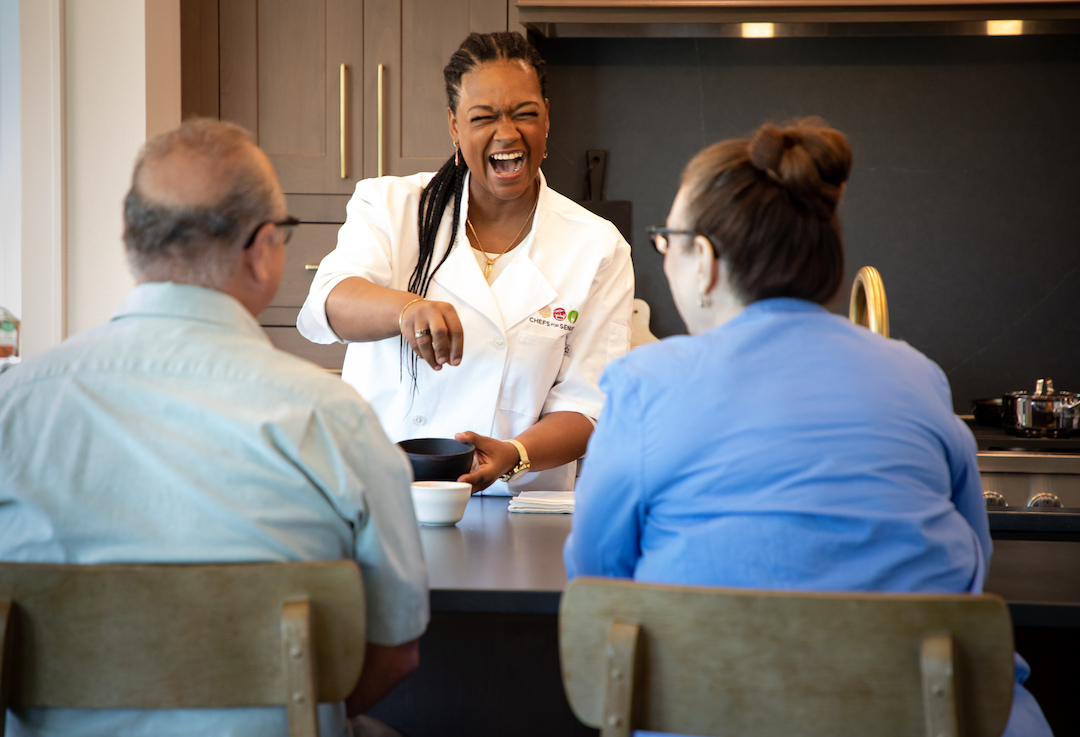
Meal Preparation 108 Copperwood Drive, Bethel Park, Pennsylvania, 15102Chefs for Seniors is a premium in-home meal preparation service tailored to meet the dietary and lifestyle needs of seniors, especially in the Pittsburgh area. With a focus on health, convenience, and personalized service, this unique offering connects clients with professional chefs who come directly to their homes to prepare nutritious and delicious meals.A Personalized Approach to Healthy LivingOne of the standout features of Chefs for Seniors is the customization it provides. Seniors often face specific dietary challenges due to health conditions like diabetes, hypertension, or heart disease, and Chefs for Seniors ensures that meals are not only delicious but also meet the unique needs of each individual. Whether you're following a low-sodium, diabetic-friendly, gluten-free, or heart-healthy diet, Chefs for Seniors prepares meals that align with these restrictions, giving clients peace of mind that their meals are both tasty and nutritious.Chefs for Seniors understands that as we age, cooking can become a difficult and tiring task, leading many seniors to resort to frozen meals or unhealthy fast food. The service is designed to bridge this gap, providing fresh, home-cooked meals without the hassle. This allows seniors to maintain independence while enjoying meals that promote health and well-being. No longer do Pittsburgh seniors have to worry about grocery shopping, cooking, or cleaning upChefs for Seniors handles it all.Meal Planning Tailored to Your TasteAnother remarkable aspect of the service is its flexibility and range of meal options. With over 175 meal choices, seniors can select dishes that suit their personal tastes, from classic comfort foods to more adventurous dishes. Whether you love roasted chicken, grilled fish, or a hearty vegetable stir-fry, theres something for everyone. This wide variety of choices ensures that meals remain exciting and prevent the monotony often associated with meal planning for seniors.In addition to taste and variety, the chefs also ensure that meals are balanced, offering a mix of proteins, vegetables, grains, and healthy fats to help maintain energy levels and promote long-term health. This focus on proper nutrition is important for seniors who may struggle to meet their dietary needs through traditional meals.Professional Chefs with a Personal TouchThe team behind Chefs for Seniors is made up of professional chefs who are not only skilled in the culinary arts but also trained to work with seniors and understand their unique needs. Each chef undergoes a thorough background check, ensuring peace of mind for families who want the best for their loved ones. These chefs are dedicated to providing a personal, in-home dining experience that goes beyond mere meal prepthey take the time to get to know their clients, their preferences, and their health requirements, building a relationship that fosters trust and satisfaction.The chefs visit clients homes on a bi-weekly or weekly basis, depending on the client's needs, and prepare meals right in the kitchen. This means no frozen, pre-packaged meals are involved, ensuring that every meal is fresh, wholesome, and free from preservatives or artificial ingredients. After cooking, the chef cleans up the kitchen, leaving the space spotless and the meals ready to be enjoyed throughout the week.Affordable and Convenient ServiceChefs for Seniors offers an affordable alternative to other meal options available to seniors. Traditional meal delivery services often come with a high price tag, especially when dietary customization is involved. In comparison, Chefs for Seniors provides a high-quality, personalized service at competitive rates. Seniors in Pittsburgh can access this invaluable service without breaking the bank, ensuring that good nutrition and delicious food remain within reach.This level of affordability, combined with the exceptional quality of service, makes Chefs for Seniors a valuable investment for seniors who wish to maintain their independence while enjoying restaurant-quality meals in the comfort of their own home. The service eliminates the need for costly restaurant meals, takeout, or pre-packaged meal kits that might not be tailored to specific health needs.Benefits Beyond NutritionWhile the primary focus of Chefs for Seniors is preparing healthy meals, the service offers much more than just food. It provides seniors with the opportunity to maintain their independence, enjoy the pleasures of home-cooked meals, and experience a sense of normalcy. The act of having a personal chef come into ones home provides a sense of dignity and comfort, especially for those who may be feeling isolated or have difficulty performing daily tasks like cooking and shopping.The service also frees up time for seniors to focus on other activities they enjoy. Instead of spending hours cooking, they can spend that time reading, exercising, socializing, or pursuing hobbiesactivities that are essential for maintaining both mental and physical well-being as we age.Furthermore, Chefs for Seniors offers more than just mealsits a way to reconnect with food, flavor, and life. Meals become an experience again, not just a necessity, which contributes to an overall improved quality of life.A Solution for Family CaregiversFor family members who are serving as caregivers, Chefs for Seniors is a game-changer. Caregivers often juggle many responsibilities, and meal preparation can become a stressful and time-consuming task. With Chefs for Seniors, family caregivers can rest easy knowing that their loved one is receiving nutritious, tailored meals without the need to spend additional hours in the kitchen.This service provides relief for caregivers, allowing them to focus on other aspects of caregiving, such as companionship, medical appointments, and emotional support. It also ensures that seniors are receiving meals that support their health and dietary needs, reducing the burden on caregivers who may not have the expertise to manage complex nutrition.How It WorksThe process begins with an initial consultation, during which the chefs get to know the client, their dietary needs, preferences, and lifestyle. From there, a meal plan is developed, and the chef will come to the home at a scheduled time to prepare the meals. These meals are then stored in the refrigerator or freezer, ready to be enjoyed throughout the week.Seniors can adjust their meal preferences over time, allowing the service to evolve with changing tastes or dietary needs. This flexibility ensures that Chefs for Seniors continues to meet the needs of its clients, providing a long-term solution that grows with them.Chefs for Seniors is more than just a meal delivery service, it is a life-changing service for seniors in Pittsburgh that makes healthy eating convenient, affordable, and personalized. With professional chefs, a variety of meal options, and a focus on nutrition, Chefs for Seniors is the perfect solution for seniors who want to enjoy home-cooked meals without the effort. Whether you are a senior looking for more independence or a caregiver seeking relief, Chefs for Seniors offers a reliable and high-quality service that enhances the lives of Pittsburghs senior community.