5 Reasons to Choose a Personal Chef Over Meal Delivery
CHEFS FOR SENIORS PITTSBURGH
For more information about the author, click to view their website: https://chefsforseniors.com/pittsburgh/
Mar 24, 2025
Pennsylvania - Greater Pittsburgh Area


The demands of everyday life can be taxing, leaving little
time and energy for preparing a nourishing meal. Many individuals find
themselves torn between the convenience of online food delivery services and
the desire for a more personalized, high-quality dining experience. However,
the solution may lie in a surprising alternative – hiring a personal chef. This
article explores the transformative impact a personal chef can have, shedding
light on the benefits that set this option apart from traditional meal
delivery.
Quality and Hygiene: A Cut Above the Rest
When it comes to the food we consume, quality and hygiene
are paramount concerns. Personal chefs take great pride in their craft,
meticulously sourcing the freshest and most premium ingredients to ensure each
dish is quality. Unlike mass-produced, pre-packaged meals from delivery
services, personal chefs work in the comfort of your own home, adhering to the
strictest sanitary protocols to safeguard your health and well-being.
Ingredient Integrity
Personal chefs are passionate about showcasing the true
flavors of high-quality, locally-sourced ingredients. This dedication to
ingredient integrity is often lacking in the standardized offerings of meal
delivery companies, where cost-cutting measures can compromise taste and
nutritional value.
Hygienic Meal Preparation
The kitchen environment is of utmost importance when it
comes to food safety. Personal chefs operate in the confines of your own home,
maintaining impeccable cleanliness and adhering to strict food handling
protocols. This level of control and oversight is challenging to replicate in
the commercial kitchens that supply meal delivery services,
where cross-contamination risks may be higher.
Customization and Flexibility: Tailored to Your Needs
One of the most compelling advantages of working with a
personal chef is the unparalleled level of customization and flexibility they
offer. Unlike the limited menu options and rigid scheduling of meal delivery
services, personal chefs cater
to your unique preferences and dietary requirements with remarkable dexterity.
Personalized Menus
Personal chefs collaborate closely with you to create
customized meal plans that reflect your culinary tastes, dietary needs, and
lifestyle preferences. Whether you require gluten-free, vegetarian, or
specialized diets, they will meticulously craft a menu that satisfies your
palate and nourishes your body.
Adaptable Scheduling
The schedules of busy individuals and families can be
unpredictable, and personal chefs understand this reality. They offer
flexibility, accommodating last-minute changes, special events, and even
preparing meals in advance for convenient reheating. This level of adaptability
is often lacking in the rigid delivery models of online food services.
Affordability: A Cost-Effective Solution
Many individuals assume that hiring a personal chef is an
extravagance reserved for the wealthy, but this misconception couldn’t be
further from the truth. In fact, personal chefs can provide a more
cost-effective solution compared to the ongoing expenses of frequent dining out
or relying on meal delivery services.
Reduced Food Waste
Personal chefs optimize ingredient usage, minimizing food
waste and ensuring that every purchase contributes to the creation of meals.
This efficiency translates to significant cost savings, as you no longer need
to worry about spoiled or unused items from your refrigerator.
Savings on Dining Out
By having a personal chef prepare meals in the comfort of
your own home, you can avoid the steep prices associated with dining out at
restaurants or ordering takeout on a regular basis. The cumulative savings can
be substantial, especially for families or individuals who frequently indulge
in these convenient but costly options.
Personalized Connection and Experience
Beyond the tangible benefits of quality, customization, and
affordability, working with a personal chef offers a unique and deeply personal
dining experience that online meal delivery services simply cannot replicate.
Cultivating Relationships
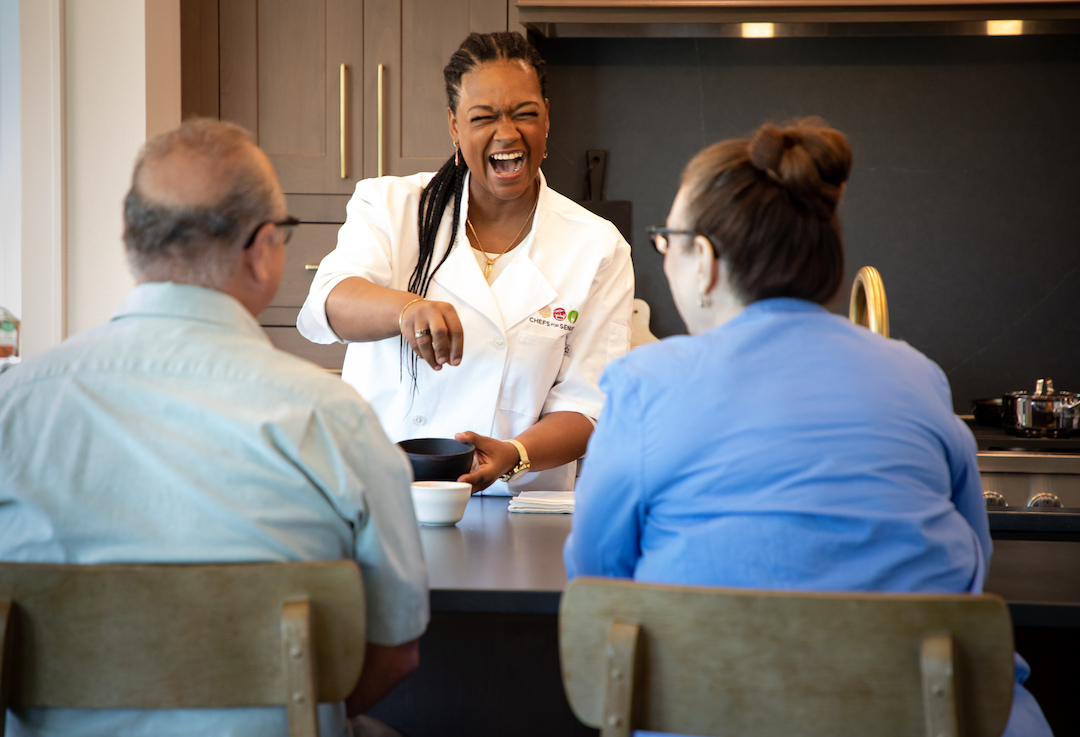
Personal chefs are more than just culinary experts; they
become trusted partners who take the time to understand your preferences,
lifestyle, and even your family’s dynamics. This personalized approach fosters
a genuine connection, allowing you to feel truly heard and valued.
Enriching Gatherings
Whether it’s a family dinner or a holiday celebration, a
personal chef can elevate the experience by crafting menus and handling all the
meal preparation. This frees you up to focus on enjoying the company of your
loved ones.
Nutritional Guidance and Accountability
Maintaining a balanced, healthy diet can be a constant
challenge, especially for those with busy schedules or specific dietary needs.
Personal chefs, often in collaboration with nutritionists or dieticians, can
provide invaluable guidance and support to ensure your meals align with your
wellness goals.
Tailored Nutrition
Personal chefs work closely with you to understand your
nutritional requirements, whether it’s managing a medical condition, supporting
weight management, or simply optimizing overall well-being. They can seamlessly
integrate personalized dietary recommendations into the meals they prepare,
making it easier to achieve your health goals.
Time-Saving Convenience
In today’s fast-paced world, time is a precious commodity,
and personal chefs can be a game-changing solution for individuals and families
who struggle to find the bandwidth for meal planning, grocery shopping, and
cooking.
Reclaiming Your Time
By entrusting the culinary responsibilities to a personal
chef, you free up valuable time that can be redirected towards more fulfilling
things, such as spending quality time with loved ones, pursuing hobbies, or
focusing on your career.
Stress-Free Dining
The burden of meal preparation can be a significant source
of stress, especially for those juggling multiple responsibilities. Personal
chefs alleviate this burden, allowing you to enjoy the simple pleasure of
dining without the associated hassle.
Dietary Accommodations and Specialized Diets
In an increasingly health-conscious world, the need for
dietary accommodations and specialized diets has become more prevalent.
Personal chefs excel at navigating these complex dietary requirements, ensuring
that your meals not only taste delicious but also cater to your unique
nutritional needs.
Seamless Dietary Integration
Whether you follow a gluten-free, vegan, low sodium, or
require specific dietary modifications due to medical conditions, personal
chefs can seamlessly integrate these preferences into their meal planning and
preparation. They possess the expertise to create flavorful, nutrient-dense
dishes that align with your dietary restrictions.
Intolerance-Friendly Menus
Food intolerances and allergies can pose a significant
challenge when it comes to dining, but personal chefs are adept at addressing
these concerns. They can meticulously source ingredients, implement strict
cross-contamination protocols, and develop custom menus to ensure a safe and
enjoyable dining experience.
Elevated Entertaining and Hosting
Hosting gatherings, whether it’s an intimate dinner party or
a grand celebration, can be a daunting task, but a personal chef can transform
the experience into a truly memorable occasion!
Effortless Hosting
By entrusting the culinary responsibilities to a personal
chef, you can focus on the joy of hosting and engaging with your guests, rather
than being consumed by the logistics of meal preparation and service.
Customized Menus and Presentations
Personal chefs excel at crafting menus that cater to the
preferences and dietary needs of your guests, ensuring that everyone can
indulge in a delectable and satisfying dining experience. They also bring a
keen eye for presentation, elevating the visual appeal of the dishes.
Conclusion
In a world where convenience often trumps quality, the personal chef offers a unique dining experience that transcends the limitations of traditional meal delivery services. By prioritizing quality, customization, and personalized connections, personal chefs elevate the act of eating into a truly pleasurable experience. Whether you’re seeking to optimize your health, reclaim your time, or simply indulge in the pleasure of exceptional cuisine, the personal chef presents a compelling and versatile solution that is well worth considering.

- To view the original version of this article visit chefsforseniors.com/blog/5-reasons-to-choose-a-personal-chef-over-meal-delivery/
- Seniors Blue Book was not involved in the creation of this content.
Other Articles You May Like
Facing a Cancer Diagnosis? How a Patient Advocate Can Help.
Facing a Cancer Diagnosis in Western Pennsylvania? How a Patient Advocate Can Help Understanding your diagnosis, navigating cancer treatment, and making important healthcare decisions can feel overwhelming. Discover how a healthcare patient advocate can help you find clarity, confidence, and support when you need it most. Hearing the words "You have cancer" can change your world in an instant. Suddenly, everyday life takes a back seat to medical appointments, unfamiliar terminology, treatment decisions, insurance questions, and concerns about what the future may hold. Whether you've recently received a cancer diagnosis, are undergoing treatment, or are helping a loved one navigate their healthcare journey, it's natural to feel overwhelmed. You may have excellent doctors and a supportive family, yet still find yourself wondering: Am I asking the right questions? Do I understand all my options? What if I'm missing something important? The good news is that you don't have to navigate a cancer diagnosis alone. A healthcare patient advocate can help you better understand medical information, prepare for important conversations, and feel more confident making decisions about your care. For individuals and families throughout Pittsburgh and Western Pennsylvania, Vital Voice, led by Wendy, provides personalized healthcare advocacy, clarity, and compassionate guidance during some of life's most challenging moments. Cancer in Pennsylvania: Why Patient Advocacy Matters More Than Ever Cancer affects thousands of Pennsylvania families every year. According to the American Cancer Society, an estimated 90,240 new cancer cases were projected to be diagnosed in Pennsylvania in 2025. Behind every statistic is a person trying to understand a diagnosis, a spouse worried about their partner, or an adult child helping an aging parent make important healthcare decisions. Western Pennsylvania is also home to a substantial population of older adults. According to the U.S. Census Bureau, approximately 21.9% of Allegheny County residents are age 65 or older. Because the risk of developing many types of cancer increases with age, older adults represent an important population when discussing cancer care, treatment decisions, and healthcare navigation. For seniors, a cancer diagnosis can bring additional challenges, particularly when they are already managing chronic health conditions, taking multiple medications, or trying to maintain their independence. And while the Pittsburgh region offers access to hospitals, oncology specialists, cancer treatment centers, and community resources, knowing where to turn and what questions to ask isn't always easy. That's why having someone who can help you navigate the healthcare system can be so valuable. What Is a Cancer Patient Advocate, and How Can One Help? A cancer patient advocate is someone who helps individuals better understand and navigate the medical, practical, and emotional challenges that can accompany a cancer diagnosis. Think of a healthcare advocate as an additional person in your corner. Your oncologist focuses on diagnosing and treating your cancer. Your nurses and other healthcare professionals provide essential medical care. A patient advocate helps you become a more informed, organized, and confident participant in the process. Healthcare advocacy isn't about replacing your medical team or making medical decisions for you. It's about helping you understand what's happening, identify the questions that matter, and feel comfortable speaking up about your needs and concerns. Depending on your situation, a healthcare advocate may help you: Understand medical information and unfamiliar terminology. Prepare questions for oncology appointments. Organize information about treatment options and recommendations. Identify concerns to discuss with your healthcare providers. Prepare for conversations about second opinions. Better understand the next steps in your care. Identify questions about insurance, treatment costs, or available resources. Feel supported during difficult healthcare decisions. Sometimes, simply having someone help you sort through everything can make an overwhelming situation feel much more manageable. Seven Ways a Healthcare Advocate Can Help During Your Cancer Journey 1. Understanding a New Cancer Diagnosis When you're first diagnosed with cancer, your mind may be racing. Your physician might explain pathology reports, imaging results, cancer staging, and recommended treatments, but absorbing that information while processing the emotional impact of a diagnosis can be difficult. You may leave the appointment realizing you didn't fully understand what was discussed. A healthcare advocate can help you review the information you've received, identify what needs clarification, and prepare questions for your medical team. For example: What type and stage of cancer do I have? Has the cancer spread? What additional tests are needed? What treatment options should I consider? How soon do I need to make a decision? What is the goal of the recommended treatment? Understanding your diagnosis is the first step toward feeling more empowered in your healthcare journey. You don't need to become a medical expert. You simply deserve information presented in a way you can understand. 2. Preparing for Oncology Appointments and Asking the Right Questions Have you ever walked out of a doctor's appointment and suddenly remembered everything you meant to ask? Now imagine doing that while navigating a cancer diagnosis. Oncology appointments often involve complicated conversations, unfamiliar information, and significant decisions. Even patients who are normally organized and confident may struggle to remember everything. A healthcare advocate can help you prepare by organizing your concerns, developing a list of questions, and identifying what information you need before your appointment. Keeping a notebook with your medications, symptoms, appointments, test results, and questions can also be helpful. You may want to bring a trusted family member, take notes, or ask your provider whether recording the conversation is permitted. Being prepared can help you leave appointments with a clearer understanding of what comes next. 3. Making Sense of Cancer Treatment Options Cancer treatment is rarely one-size-fits-all. Depending on the type and stage of cancer, your medical team may recommend surgery, chemotherapy, radiation therapy, immunotherapy, targeted therapy, hormone therapy, or a combination of treatments. Each approach can involve different benefits, risks, side effects, and schedules. For older adults, treatment decisions may also involve considerations such as existing medical conditions, mobility, medications, independence, and quality of life. You may wonder: What are the benefits and risks of this treatment? How will it affect my everyday activities? What side effects should I expect? Are there other treatment options worth discussing? Should I seek a second opinion? What happens if I choose not to pursue a particular treatment? A healthcare advocate can help you organize these questions and better understand the information provided by your medical professionals. The ultimate goal is to help ensure that your treatment decisions reflect your medical needs, personal preferences, and what matters most to you. 4. Helping Older Adults Maintain Independence During Cancer Treatment For many seniors in Pittsburgh and Western Pennsylvania, maintaining independence is a major concern when facing cancer treatment. Some older adults live alone. Others have spouses who may also be managing health challenges. Many worry about becoming a burden to their adult children. Cancer treatment can sometimes affect energy levels, mobility, appetite, and the ability to manage everyday responsibilities. In addition to medical treatment, patients may need to consider: Transportation to oncology appointments. Help with meals, housekeeping, or personal care. Home care or home health services when appropriate. Medication management and organization. Physical or occupational therapy. Nutrition support. Cancer support groups and counseling. Palliative care to help manage symptoms and improve quality of life. Palliative care is not the same as hospice care. It focuses on relief from symptoms and the stress of serious illness and can be provided alongside cancer treatment. A healthcare advocate can help patients and families recognize important support needs and prepare questions about available services. The earlier these conversations happen, the easier it may be to plan for changes before they become urgent. 5. Supporting Spouses, Adult Children, and Family Caregivers A cancer diagnosis doesn't affect only the person receiving treatment. It often changes the lives of everyone who loves them. Spouses may suddenly become primary caregivers. Adult children may find themselves coordinating appointments, managing paperwork, arranging transportation, and communicating with multiple healthcare providers. For families living in different parts of Western Pennsylvaniaor adult children living outside the regionthese responsibilities can become especially challenging. It's common for caregivers to feel overwhelmed, uncertain, or worried about making the wrong decision. A healthcare advocate can provide additional guidance by helping families organize their concerns, identify questions, and communicate more effectively with healthcare professionals. This support can be particularly helpful when family members have different opinions about treatment or when an older adult wants to maintain independence while accepting necessary assistance. The goal is to support the patient's wishes while helping loved ones feel better prepared for the journey ahead 6. Understanding Medicare, Insurance, and Cancer Treatment Costs A serious medical diagnosis often brings financial questions along with medical concerns. Patients may receive bills from hospitals, oncology specialists, laboratories, imaging centers, and treatment facilities. Even with Medicare or private health insurance, understanding deductibles, copayments, coinsurance, prior authorizations, and out-of-pocket expenses can be confusing. Some treatments or medications may require additional insurance approvals, and coverage can vary depending on the individual's plan. Important questions to ask include: Is my oncologist or cancer treatment center covered by my insurance? Does my treatment require prior authorization? What expenses might I be responsible for? Are financial assistance programs available? Does my cancer treatment center have a financial navigator or social worker? Who can help me understand an unexpected medical bill? A healthcare advocate can help you identify questions and determine which professionals or departments may be able to provide answers. For specialized insurance guidance, patients should also consult their insurance provider, hospital financial counselor, or a qualified Medicare counselor. Understanding potential costs and available resources early can help reduce unnecessary stress. 7. Having Someone to Turn to When Everything Feels Overwhelming Not every challenge associated with cancer involves a medical decision. Sometimes, it's simply the emotional weight of the experience. You may feel exhausted from appointments, frustrated by conflicting information, or anxious about what comes next. You may not want to worry your family with another question or concern. Even when surrounded by people who care about you, navigating a serious illness can feel isolating. This is where the personal side of healthcare advocacy becomes especially meaningful. Having someone who listens, helps you organize your thoughts, and encourages you to speak up can provide an important sense of support. You deserve to feel heard, respected, and involved in decisions about your own health. And sometimes, knowing you have someone in your corner can make a difficult day feel a little less overwhelming. Do You Need a Healthcare Advocate If You Already Have a Good Doctor? This is a question many patients and families ask. The answer is that even individuals with excellent physicians and compassionate medical teams may benefit from additional advocacy support. Doctors, nurses, oncology social workers, and hospital patient navigators play essential roles in cancer care. However, patients may still need help organizing information, preparing questions, or understanding what to do between appointments. An independent healthcare advocate can complement the support provided by your existing healthcare team. Think of it this way: Your medical team focuses on your cancer treatment. Your healthcare advocate helps you stay informed, organized, and confident as you navigate the experience. It's not about questioning the expertise of your physicians. It's about ensuring you feel comfortable participating in your care. Five Important Questions Every Cancer Patient Should Ask Whether you've recently been diagnosed or are already undergoing treatment, consider bringing these five questions to your next oncology appointment. 1. What is the goal of my treatment? Understanding whether treatment is intended to eliminate cancer, control its growth, relieve symptoms, or achieve another goal can help you evaluate your options. 2. What side effects should I expect, and when should I call my doctor? Ask which symptoms are common, which require a call to your treatment team, and which may require immediate medical attention. 3. How might treatment affect my daily life? Discuss fatigue, nutrition, transportation, mobility, caregiving responsibilities, and your ability to remain independent. 4. What additional support services are available? Ask about oncology social workers, nutrition specialists, financial counselors, rehabilitation services, support groups, and other community resources. 5. Who should I contact when I have questions between appointments? Knowing whom to call can provide reassurance when new symptoms, concerns, or questions arise. Remember, there is no such thing as a foolish question when it comes to your health. If something doesn't make sense, ask for clarification. If you need more time to understand your options, communicate that to your healthcare team. Your voice matters. When you're facing a serious health challenge, it's easy to feel like you're just another patient trying to make sense of a complicated healthcare system. Wendy, through Vital Voice, believes that every individual deserves personalized attention, clear information, and compassionate support throughout their healthcare journey. Based in Western Pennsylvania, Vital Voice provides individualized healthcare advocacy and guidance for people facing a wide range of medical challenges, including cancer diagnoses, upcoming surgeries, ongoing treatments, and uncertainty about their medical care. Wendy serves as a healthcare advocate, clarity coach, and supportive companion, helping individuals take a fresh look at their circumstances, organize their concerns, and feel more prepared to communicate with healthcare professionals. Her approach recognizes that no two healthcare journeys are exactly alike. Some individuals may need a conversation to help sort through their thoughts and prepare for an important appointment. Others may benefit from ongoing guidance while navigating a complicated medical situation. Whether you're an older adult facing cancer treatment, a spouse supporting a loved one, or an adult child helping an aging parent, Vital Voice provides personalized support based on your needs. For individuals searching for a cancer patient advocate in Pittsburgh or healthcare advocacy services in Western Pennsylvania, Vital Voice offers a local connection and a compassionate approach to navigating difficult healthcare experiences. Because behind every diagnosis is a real person with questions, concerns, hopes, and decisions that deserve thoughtful attention. You Have a Voice in Your Cancer Care. Don't Be Afraid to Use It. A cancer diagnosis can bring uncertainty, but it doesn't take away your right to ask questions, understand your options, express your preferences, and participate in decisions about your health. You don't have to understand every medical term. You don't have to remember every detail from every appointment. And you certainly don't have to pretend you have everything figured out. What matters is knowing that support is available. Whether you're newly diagnosed with breast cancer, prostate cancer, lung cancer, colorectal cancer, or another serious illness, or you're helping a loved one navigate treatment, a healthcare advocate can help you approach the next step with greater clarity and confidence. You Don't Have to Navigate Cancer Alone: If you or someone you love is facing a cancer diagnosis or another challenging healthcare situation in Pittsburgh or Western Pennsylvania, consider connecting with Wendy at Vital Voice to learn more about personalized healthcare advocacy and support. Because when it comes to your health, understanding your options, asking the right questions, and having someone in your corner can make all the difference. Your health matters. Your questions matter. Your voice matters. Vital Voice provides healthcare advocacy and guidance, not medical diagnosis or treatment. Always consult qualified healthcare professionals regarding medical decisions and treatment.
Building a Bucket Strategy for Your Retirement Income
Retirement income planning doesn't have to feel overwhelming and our bucket strategy can give you a powerful framework to make it manageable. In this course, we'll walk through how to design, fund, and maintain a customized bucket strategy that aligns asset allocation with your time horizons, spending priorities, and risk tolerance. You'll come away ready to address sequence-of-returns risk and the behavioral challenges that can derail even the best retirement income plans.For a quick, informative course click: https://tinyurl.com/NestEgg-Buckets .
Why Social Connection Is So Important for Seniors
As we age, staying socially connected can become just as important as staying physically active. Friendships, family relationships, community involvement, and regular social activities can bring joy and purpose to everyday life.Retirement and other life changes can sometimes reduce opportunities for social interaction. Children may live farther away, friends may move or pass away, and health or mobility changes may make it harder to participate in activities outside the home.For these reasons, finding meaningful ways to stay connected is an important part of healthy aging. Social connection can support emotional well-being, encourage an active lifestyle, and help seniors continue to feel a strong sense of belonging.Social Connection Can Help Reduce LonelinessLoneliness can affect anyone, but older adults may experience changes in their social networks as they age. Spending too much time alone can leave a senior feeling disconnected from family, friends, and the community around them.Regular social interaction provides opportunities to talk, laugh, share experiences, and simply enjoy another person's company.Even simple activities such as having coffee with a friend, eating a meal with others, attending a group activity, or taking a walk together can help a senior feel more connected.Friendships Give Seniors a Sense of BelongingFriendships remain important throughout life. Having people to talk with and share experiences with can provide comfort and companionship.Senior living communities can provide opportunities to develop new friendships while maintaining existing relationships. Shared meals, social gatherings, clubs, classes, and recreational activities give residents natural opportunities to meet people with similar interests.Making new friends can help a senior feel that they are part of a community rather than living in isolation.Social Activities Can Provide a Sense of PurposeHaving something to look forward to can make a meaningful difference in a person's daily life. Social activities give seniors opportunities to participate, contribute, and remain involved.For example, a senior might: Volunteer in the community Participate in a hobby group Attend an educational class Help organize an activity Join an exercise or walking group Enjoy music, games, or crafts with others Participate in community events These activities can provide structure while encouraging seniors to continue exploring their interests.Staying Connected Can Encourage Physical ActivitySocial interaction and physical activity often go hand in hand. Seniors may be more motivated to take a walk, attend an exercise class, or participate in an outdoor activity when they know friends will be joining them.Being active with others can make exercise more enjoyable and less like a chore.Regular movement is an important part of maintaining strength, balance, mobility, and independence as we age. Social activities that incorporate movement can provide both physical and social benefits.Social Engagement Keeps the Mind ActiveConversations, games, classes, hobbies, and other social activities can provide opportunities for seniors to think, learn, communicate, and solve problems.Trying something new or participating in a discussion with others can help keep everyday life interesting and mentally stimulating.Lifelong learning can also be an enjoyable way for older adults to meet people while exploring new interests or continuing to develop existing ones.Family Connections Remain ImportantWhile friendships and community involvement are valuable, family relationships can also provide an important source of social connection.Regular phone calls, video chats, visits, shared meals, and family activities can help seniors maintain close relationships with children, grandchildren, siblings, and other loved ones.When family members live nearby, visiting in person can be especially meaningful. When distance makes regular visits difficult, technology can help families stay connected between visits.Senior Living Communities Can Create Opportunities for ConnectionOne benefit of a senior living community is the opportunity to live among other people in a similar stage of life.Instead of having to arrange every social interaction, seniors may have activities and opportunities for connection close to home. Dining areas, common spaces, walking paths, fitness programs, educational opportunities, clubs, and community events can make socializing a natural part of daily life.Residents can choose the level of participation that feels right for them. Some may enjoy a busy schedule filled with activities, while others may prefer smaller gatherings and quiet conversations with friends.Staying Connected Can Help Seniors Maintain IndependenceSocial connection is also part of maintaining an active and fulfilling lifestyle. Seniors who remain engaged with others may be more likely to continue participating in hobbies, community activities, exercise, and other interests.Having friends and neighbors nearby can also provide an informal support network. Someone may notice when a friend isn't feeling well, offer encouragement, or simply check in after a difficult day.This sense of community can be especially valuable as circumstances change.It's Never Too Late to Build New RelationshipsSome seniors may hesitate to meet new people after moving to a new community or experiencing major changes in their lives. It can take time to feel comfortable in a new environment.Starting small can help. Saying hello to a neighbor, joining one activity, having a meal with others, or attending a class based on a personal interest can be a good first step.Over time, these small interactions can develop into meaningful friendships.How Families Can Encourage Social ConnectionFamily members can play an important role in helping an older loved one remain socially active.Consider encouraging a senior to: Stay in regular contact with family and friends Participate in activities they enjoy Explore new hobbies Attend community events Volunteer when possible Join an exercise or walking group Try a class or educational program Consider a senior living community if living alone has become isolating Most importantly, listen to what the senior wants. Social connection should be meaningful to the individual rather than simply adding more activities to their schedule.A Connected Life Can Be a Fulfilling LifeGrowing older brings many opportunities to enjoy new experiences, relationships, hobbies, and interests. Staying socially connected can help seniors maintain a sense of belonging and purpose while making everyday life more enjoyable.Whether through family, friendships, volunteering, lifelong learning, hobbies, or a senior living community, there are many ways older adults can remain connected.At Landis Homes, opportunities for community, friendship, wellness, learning, and meaningful engagement can be an important part of the senior living experience. Finding the right environment can help older adults continue living an active and connected life while building relationships and enjoying each new chapter.
Local Services By This Author
Chefs for Seniors Pittsburgh
Meal Preparation 108 Copperwood Drive, Bethel Park, Pennsylvania, 15102Chefs for Seniors is a premium in-home meal preparation service tailored to meet the dietary and lifestyle needs of seniors, especially in the Pittsburgh area. With a focus on health, convenience, and personalized service, this unique offering connects clients with professional chefs who come directly to their homes to prepare nutritious and delicious meals.A Personalized Approach to Healthy LivingOne of the standout features of Chefs for Seniors is the customization it provides. Seniors often face specific dietary challenges due to health conditions like diabetes, hypertension, or heart disease, and Chefs for Seniors ensures that meals are not only delicious but also meet the unique needs of each individual. Whether you're following a low-sodium, diabetic-friendly, gluten-free, or heart-healthy diet, Chefs for Seniors prepares meals that align with these restrictions, giving clients peace of mind that their meals are both tasty and nutritious.Chefs for Seniors understands that as we age, cooking can become a difficult and tiring task, leading many seniors to resort to frozen meals or unhealthy fast food. The service is designed to bridge this gap, providing fresh, home-cooked meals without the hassle. This allows seniors to maintain independence while enjoying meals that promote health and well-being. No longer do Pittsburgh seniors have to worry about grocery shopping, cooking, or cleaning upChefs for Seniors handles it all.Meal Planning Tailored to Your TasteAnother remarkable aspect of the service is its flexibility and range of meal options. With over 175 meal choices, seniors can select dishes that suit their personal tastes, from classic comfort foods to more adventurous dishes. Whether you love roasted chicken, grilled fish, or a hearty vegetable stir-fry, theres something for everyone. This wide variety of choices ensures that meals remain exciting and prevent the monotony often associated with meal planning for seniors.In addition to taste and variety, the chefs also ensure that meals are balanced, offering a mix of proteins, vegetables, grains, and healthy fats to help maintain energy levels and promote long-term health. This focus on proper nutrition is important for seniors who may struggle to meet their dietary needs through traditional meals.Professional Chefs with a Personal TouchThe team behind Chefs for Seniors is made up of professional chefs who are not only skilled in the culinary arts but also trained to work with seniors and understand their unique needs. Each chef undergoes a thorough background check, ensuring peace of mind for families who want the best for their loved ones. These chefs are dedicated to providing a personal, in-home dining experience that goes beyond mere meal prepthey take the time to get to know their clients, their preferences, and their health requirements, building a relationship that fosters trust and satisfaction.The chefs visit clients homes on a bi-weekly or weekly basis, depending on the client's needs, and prepare meals right in the kitchen. This means no frozen, pre-packaged meals are involved, ensuring that every meal is fresh, wholesome, and free from preservatives or artificial ingredients. After cooking, the chef cleans up the kitchen, leaving the space spotless and the meals ready to be enjoyed throughout the week.Affordable and Convenient ServiceChefs for Seniors offers an affordable alternative to other meal options available to seniors. Traditional meal delivery services often come with a high price tag, especially when dietary customization is involved. In comparison, Chefs for Seniors provides a high-quality, personalized service at competitive rates. Seniors in Pittsburgh can access this invaluable service without breaking the bank, ensuring that good nutrition and delicious food remain within reach.This level of affordability, combined with the exceptional quality of service, makes Chefs for Seniors a valuable investment for seniors who wish to maintain their independence while enjoying restaurant-quality meals in the comfort of their own home. The service eliminates the need for costly restaurant meals, takeout, or pre-packaged meal kits that might not be tailored to specific health needs.Benefits Beyond NutritionWhile the primary focus of Chefs for Seniors is preparing healthy meals, the service offers much more than just food. It provides seniors with the opportunity to maintain their independence, enjoy the pleasures of home-cooked meals, and experience a sense of normalcy. The act of having a personal chef come into ones home provides a sense of dignity and comfort, especially for those who may be feeling isolated or have difficulty performing daily tasks like cooking and shopping.The service also frees up time for seniors to focus on other activities they enjoy. Instead of spending hours cooking, they can spend that time reading, exercising, socializing, or pursuing hobbiesactivities that are essential for maintaining both mental and physical well-being as we age.Furthermore, Chefs for Seniors offers more than just mealsits a way to reconnect with food, flavor, and life. Meals become an experience again, not just a necessity, which contributes to an overall improved quality of life.A Solution for Family CaregiversFor family members who are serving as caregivers, Chefs for Seniors is a game-changer. Caregivers often juggle many responsibilities, and meal preparation can become a stressful and time-consuming task. With Chefs for Seniors, family caregivers can rest easy knowing that their loved one is receiving nutritious, tailored meals without the need to spend additional hours in the kitchen.This service provides relief for caregivers, allowing them to focus on other aspects of caregiving, such as companionship, medical appointments, and emotional support. It also ensures that seniors are receiving meals that support their health and dietary needs, reducing the burden on caregivers who may not have the expertise to manage complex nutrition.How It WorksThe process begins with an initial consultation, during which the chefs get to know the client, their dietary needs, preferences, and lifestyle. From there, a meal plan is developed, and the chef will come to the home at a scheduled time to prepare the meals. These meals are then stored in the refrigerator or freezer, ready to be enjoyed throughout the week.Seniors can adjust their meal preferences over time, allowing the service to evolve with changing tastes or dietary needs. This flexibility ensures that Chefs for Seniors continues to meet the needs of its clients, providing a long-term solution that grows with them.Chefs for Seniors is more than just a meal delivery service, it is a life-changing service for seniors in Pittsburgh that makes healthy eating convenient, affordable, and personalized. With professional chefs, a variety of meal options, and a focus on nutrition, Chefs for Seniors is the perfect solution for seniors who want to enjoy home-cooked meals without the effort. Whether you are a senior looking for more independence or a caregiver seeking relief, Chefs for Seniors offers a reliable and high-quality service that enhances the lives of Pittsburghs senior community.