A Home That Works for Everyone
Lifeway Mobility of Colorado Springs
For more information about the author, click to view their website: Accessible Systems
Jan 15, 2024
Colorado - Colorado Springs


People expect their home to provide independence,
accessibility, safety, and peace of mind – regardless of disabilities,
limitations, or health challenges. Many folks are choosing to stay in their
homes for as long as possible, bringing in supportive services to keep them
safe, happy and healthy.
This goal is important to everyone, not just those who are
aging. Patients with sudden health
changes (accidents, strokes, spinal cord injury) or those with degenerative
conditions (arthritis, ALS, dementia, MS, or Parkinson’s) all may wish to alter
or modify their home so they can remain where they are most comfortable.
If you share the desire to remain at home, will your current
home sustain your independence for years to come? Great design should be part of every
home. “Universal Design” dramatically
improves the use by everyone: Children,
people with disabilities, and folks who are aging. On the other hand, “Accessible Design” is
incredibly personal and can create a customized environment specific for your
needs.
Examples of “Universal Design” in Your Home
● Open Concept Floor Plan
● Multi-Height Countertops
● No Step Entry to the home or rooms in the home
Examples of “Accessible Design” in Your Home
● 36-inch doorways for all entrances and doorways in the
home
● Barrier Free Showers with no step or door to enter
● Stacked closets (4-foot x 5 foot or larger) on each level
for future elevator use
Both types of design keep the end-user in mind with the goal
of making the home convenient and upgraded.
“Universal Design” works to improve the home for every type of visitor
as well as those living in the home.
“Accessible Design” helps the homeowner plan ahead to avoid moving
if/when their needs change.
Whichever route you choose to follow, consult local
professionals in the area to obtain free estimates and ideas. Just like interior design, sometimes it takes
fresh eyes to see what is possible in the design of your home, accessible
modifications that can be made, or equipment that can be installed to add
safety features.
Editor’s Note: This article was submitted by Karli Johnson
with Accessible Systems and Lifeway Mobility. She may be reached at
719-974-4086 or by email at [email protected]

Other Articles You May Like
Falls Are Rising Among Older Adults
Falls Are Rising Among Older Adults. Heres How to Lower Your Risk at HomeAccidental fall deaths in the U.S. have roughly tripled since 2000, according to CDC data analyzed by USAFacts. For adults 65 and older, falls are now the leading cause of both fatal and non-fatal injury, and the increase shows up in every older age group.Several factors seem to be adding up: more prescription medication use, more drinking among older adults, and higher obesity rates. Fear of falling plays a part too. People who worry about falling often move less, and over time that can weaken strength and balance. Know your riskCommon risk factors include limited mobility, chronic conditions such as diabetes or arthritis, certain medications, changes in vision or hearing, and home hazards. The National Council on Agings free Falls CheckUp is a quick way to see where you stand. Build everyday habitsWear glasses and hearing aids as prescribed and keep up with regular eye and hearing exams.Review your medications with your doctor or pharmacist.Use a sturdy step stool, not a chair, to reach high places.Take your time, especially when standing up or changing direction. Make your home work for youFor stairs and steps, a stairlift, wheelchair ramp, home elevator or platform lift can make it easier to move between levels.Install grab bars and consider a shower seat or an accessible walk-in shower.Clear clutter, secure or remove loose rugs, and keep cords out of walkways.Add brighter lighting and nightlights. A few small changes can help you stay active and comfortable at home. Adapted from Deaths from Falls Are Rising. How Can You Reduce Your Fall Risk at Home? by Lifeway Mobility.Contact Person: Eric Rubel | Marketing [email protected]: 847.403.0132
Social Security and the New Senior Tax Deduction
Social Security and the New Senior Tax DeductionBy Senior Tax Advisory GroupTax law changes may help retirees keep more of their income. However, headlines about no tax on Social Security can create confusion. We want seniors to understand what has changed and how the new rules fit their retirement plans.The One Big Beautiful Bill Act created a temporary additional deduction for people age 65 and older. For tax years 2025 through 2028, eligible individuals may deduct up to $6,000. Married couples filing jointly may deduct up to $12,000 when both spouses qualify. There could be a ROTH conversion opportunity at No Additional Tax Cost!This deduction is available whether you itemize or take the standard deduction. Married taxpayers must file jointly to claim it, and each person claiming the deduction must have a qualifying Social Security number.Income limits matter. The deduction begins phasing out when Modified Adjusted Gross Income exceeds $75,000 for an individual or $150,000 for a married couple filing jointly. Taxable IRA withdrawals, capital gains, or Roth conversions may reduce the deduction available.The law did not repeal federal taxation of Social Security benefits. Depending on your combined income, up to 85% of benefits may still be included in taxable income. The new deduction reduces taxable income; it does not change the formula determining how much Social Security is taxable. Eligibility also does not require receiving Social Security.For example, a qualifying couple with both spouses age 65 or older could receive the full $12,000 deduction. If that entire deduction offsets income otherwise taxed at 12%, their federal tax savings would be $1,440. Actual savings depend on their tax situation.Before making withdrawals or changing withholding, review your income and eligibility. Social Security claiming decisions still deserve coordination with taxes, savings, and survivor needs. We believe retirement planning begins with understanding people. Contact Senior Tax Advisory Group at 719-596-4844 or visit www.springstax.com for help evaluating these changes within your retirement plan.
Mobility Equipment in Boise, ID
Changes in balance, strength, endurance, or recovery after an injury can make everyday movement more difficult. The right mobility equipment may help a person move more safely, conserve energy, participate in community life, and remain more independent at home.Choosing equipment, however, involves more than selecting a product from a photograph.What Mobility Equipment IncludesMobility equipment includes devices that help people walk, transfer, sit, travel, enter buildings, and move between levels of a home. Products may be used temporarily during recovery or as part of a long-term accessibility plan.Common Types of EquipmentMobility products may include: Canes, walkers, and rollators Manual wheelchairs Power wheelchairs Mobility scooters Lift chairs Patient lifts Portable and permanent ramps Stair lifts Vehicle lifts Hospital beds and other home accessibility equipment The safest choice depends on the users size, strength, balance, cognition, living space, transportation, and medical needs.Fit and Home Environment MatterBefore purchasing or renting equipment, measure: Doorways Hallways Turning areas Steps and thresholds Vehicle space Storage and charging areas Bathroom entrances Areas where transfers will occur Consider floor surfaces, bathroom access, thresholds, and whether a caregiver must lift or transport the device.A physical or occupational therapist may recommend features and help determine whether the user can operate the equipment safely. A prescription or clinical documentation may also be required when insurance coverage is requested.Buying, Renting, and Repairing EquipmentRenting may make sense for short-term recovery, visiting relatives, travel, or trying a device before purchase.Used equipment may lower the cost, but its condition, battery, fit, sanitation, and warranty should be checked. Ask who provides setup, training, repairs, and replacement parts.Insurance coverage varies. Confirm whether the supplier participates with the plan, whether prior authorization is required, and which documents must come from a clinician.Mobility Plus BoisePhone: 208-617-5200Mobility Plus Boise offers mobility equipment sales, rentals, service, delivery, and setup from its location at 339 N. Milwaukee Street in Boise. Its official location page lists new and used equipment and identifies short-term and long-term rental options. The availability of sales, rentals, and repairs gives families several ways to address a mobility need.A person recovering from surgery may only require temporary equipment, while someone planning for progressive mobility changes may need a longer-term solution and continued service support.New and Pre-Owned OptionsMobility Plus Boise states that it offers both new and pre-owned mobility products. Used equipment can be a practical option for some customers, but buyers should ask about: Inspection Battery condition Maintenance history Included accessories Return terms Warranty coverage Replacement parts Available repair services For powered equipment, clients should also ask about charging, battery replacement, weight capacity, portability, and safe operation on local terrain.Why Mobility Equipment Matters in BoiseBoise residents may need equipment for home use, appointments, shopping, community events, or travel throughout the Treasure Valley.Seasonal weather, uneven outdoor surfaces, parking distances, and home entrances can all affect which device works best.A local showroom and service provider allow users and caregivers to discuss fit, try available products, plan delivery, and arrange repairs. Local support can be especially important when a wheelchair, scooter, lift, or ramp is used every day.How to Get Started Ask a physician, physical therapist, or occupational therapist what type of device is appropriate. Write down the users height, weight, mobility challenges, transfer ability, and intended activities. Measure doorways, hallways, steps, turning areas, storage space, and the vehicle used for transportation. Contact Mobility Plus Boise at 208-617-5200 to discuss available products, rentals, and service. Ask to compare new, used, purchase, and rental options. Confirm delivery, setup, training, warranty, repair, and return policies. Verify insurance requirements before ordering if coverage will be requested. Reassess the equipment if the users condition, home, or caregiving needs change. Related Seniors Blue Book Categories Home Medical Equipment Home Modification Physical Therapy
Local Services By This Author
.jpg)
Accessible Systems a Life Way Mobility Company
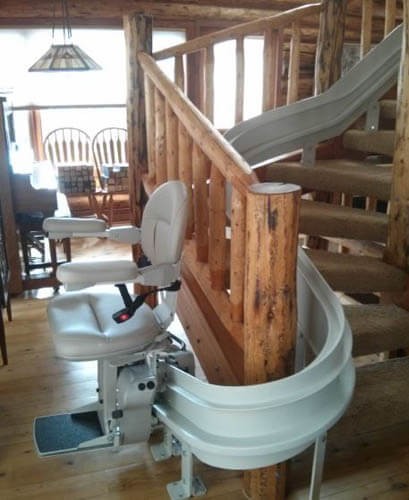
Ramps 4472 Barnes Road, Colorado Springs, Colorado, 80917Our passion is helping anyone with mobility challenges enjoy their home no matter what. This includes seniors, the handicap and people with physical disabilities. We offer accessibility and mobility solutions that can overcome almost any barrier. We not only offer accessibility and mobility medical equipment, but also install our products to create a customized fit for your home or business. As a local expert, we have the experience, the solutions, we are fully licensed and insured, and we care about you and your family. Our Services: Stair Lifts, Ramps, Bathroom Safety, Hand Rails, Elevators, Wheel Chair Lifts, Ceiling Mounted lifts and Transfer Aids.
Lifeway Mobility of Colorado Springs
Aging in Place Home Modifications 4472 Barnes Road, Colorado Springs, Colorado, 80917At Accessible Systems we offer accessibility equipment and also install our products to create a customized fit for your home or business. Our products include stair lifts, wheelchair lifts, wheelchair ramps, residential elevators and other lift systems that assist you and/or your caregiver in every room of your house including garages and stairs. We also have a complete line of specialized Medical Equipment to assist you. With over 20 years of experience in home accessibility we are a full service general contractor, a stair lift contractor, a bathroom remodel contractor, and an elevator contractor. In addition, we offer customized home modifications and remodeling including the installation of our products.

Lifeway Mobility of Colorado Springs
Bath Safety 4472 Barnes Road, Colorado Springs, Colorado, 80917Our passion is helping anyone with mobility challenges enjoy their home no matter what. This includes seniors, the handicap and people with physical disabilities. We offer accessibility and mobility solutions that can overcome almost any barrier. We not only offer accessibility and mobility medical equipment, but also install our products to create a customized fit for your home or business. As a local expert, we have the experience, the solutions, we are fully licensed and insured, and we care about you and your family. Our Services: Stair Lifts, Ramps, Bathroom Safety, Hand Rails, Elevators, Wheel Chair Lifts, Ceiling Mounted lifts and Transfer Aids.