Assisted Living vs. Home Care: Tips For Choosing Senior Care
The Barclay at Sarasota
For more information about the author, click to view their website: The Barclay at Sarasota
Jul 24, 2024
Florida - Sarasota, Bradenton & Charlotte Counties

Email US
Click to Email Us
Helping an aging family make decisions is difficult – to say the least. You may be considering assisted living or home care and trying to decide which would be better for your loved one. While each situation is unique, here are some thoughts on why an assisted living facility may be better for your loved one in the long run.
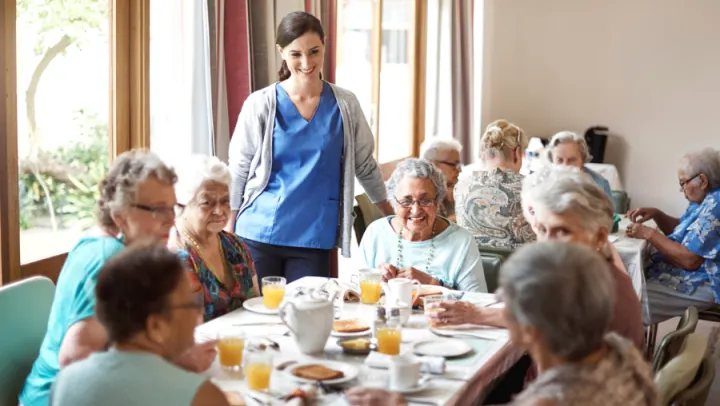
Assisted living communities offer healthy meals for residents.
Is your loved one who is living on their own eating healthy, well-balanced meals? Unfortunately, many seniors do not complete daily meal preparation and instead turn to convenience food and fast-food options. They may eat too little, too much, or not the right foods, and their health may suffer as a result.
Hiring a home health aide may not solve this problem. Home health agencies do not hire chefs. They may be able to help your loved one open a can of soup, but they won’t prepare fresh meals.
If you are worried that your loved one may be malnourished – even to the point of affecting their health, you might consider an assisted living facility. Dining programs offer meals three times daily to ensure that your loved one receives the nutrients they need – without having to go grocery shopping.
An assisted living community will offer transportation services for your loved one.
You may worry whenever your loved one gets behind the wheel to go out into the community. Another benefit of assisted living over in-home care is that most assisted living facilities offer safe, reliable transportation services. You can rest easy knowing that your loved one will still be able to get out in the community – and return home safely.
A person from a home health agency may be able to transport your family member out into the community, but transportation is not the primary service they provide. There may be issues with the vehicle and the caregiver’s driving ability.
Some older adults are uncomfortable with strangers in their homes.
Many wonderful in-home caregivers provide skilled health care services, companionship, and personal care. However, your older adult, until they get used to having workers in their own home, may feel uncomfortable.
In addition, it’s sometimes difficult to know how much help your loved one will need – especially if they don’t need one-on-one care. And managing caregivers can feel like a full-time job.
Assisted living communities fulfill the need to be social.
Your loved one may insist that they aren’t lonely and demand that they remain in their own homes. But once they move to assisted living homes, they may blossom socially. Most senior living communities offer social and religious activities and recreational activities inside and outside the community.
Social isolation can be devastating to the mental and physical health of a senior.
Other assisted living services make life easier and more enjoyable.
Home health agency workers won’t fix leaky faucets or clean leaves out of the gutter. They may help with medication management, but they don’t offer wellness programs that allow your loved one to connect with their peers. An in-home caregiver may help with activities of daily living, but they won’t coordinate programming focusing on community and family involvement.
To learn more about assisted living facilities, look at the properties offered by Retirement Unlimited, Inc. We have many beautiful senior living communities around the country – with several more being developed. Our communities provide Independent Living, Assisted Living, Inspiritás – Memory Care, and Respite Care, with a full array of life enrichment programs.
Key Takeaways: Assisted Living Facility vs. In-Home Care
- Assisted living communities offer healthy meals for residents.
- An assisted living community will offer reliable, safe transportation services for your loved one.
- Some older adults are uncomfortable with strangers in their homes.
- Assisted living communities fulfill the need to be social.
- Other assisted living services make life easier and more enjoyable.
- To view the original version of this article visit www.rui.net/blog/assisted-living-vs-home-care/
- Seniors Blue Book was not involved in the creation of this content.
Other Articles You May Like
Self-Care Tips for Staying Positive During Cancer Treatment
Cancer treatment can be a tough journey, its effects felt by both patients and their loved ones. Staying positive doesnt mean pretending everything is easy or ignoring the hard parts of dealing with cancer, but it can mean finding moments of hope, peace, and connection, even when things feel uncertain.In this guide, youll learn practical tips to feel better during treatment, including self-care strategies and ways to stay resilient.Acknowledging the Cancer JourneyBeing positive starts with understanding that its okay to feel scared, sad, or unsure. While it can be tempting to hide your emotions, honesty and self-kindness are crucial to caring for yourself or a loved one during this process.The American Cancer Society says that facing the reality of a cancer diagnosis and not avoiding it can help improve quality of life. Its normal to have tough or negative emotions while also feeling hopeful. Accepting both your fears and hope can help you process your feelings fully.Notice the hard days but remember that small moments of joy and laughter are still possible. Maybe its enjoying a sunny morning, talking to a friend, or listening to your favorite music. By facing the situation with courage and asking for support, you can build emotional strength and help calm your mind.No matter what you're feeling, your feelings are valid. You can cry, feel frustrated, or be angry at times. Being positive doesn't mean you push emotions away, it means you recognize them and still find ways to experience peace or happiness.Self-Care for Cancer PatientsSelf-care during cancer treatment looks different for everyone, but creating small daily habits that support healing and hope can help you feel your best during a time that's physically and emotionally taxing. In fact, research shows that caring for your body and mind can improve both your treatment experience and overall quality of life.Physical Self-CareCancer treatment is physically exhausting, so it's important to give your body as much energy as possible. Follow these guidelines.Eat WellEating nutritious food helps your body stay strong and manage side effects like nausea or low energy. Include fruits, vegetables, whole grains, and lean proteins. If you dont feel hungry, try smaller meals throughout the day, smoothies, or soups. Simple changes, like adding berries to oatmeal, can make a difference. Dont forget to drink plenty of water to stay hydrated.Stay ActiveGentle movement has a lot of benefits, such as improving mood, energy, and overall health. Walking, stretching, and doing yoga or light strength exercises are all helpful. Even a five-minute walk outside or gentle stretching in bed can reduce anxiety and boost your mood. Studies show that activity can improve how you feel during treatment and help fight fatigue. Always check with your care team before starting new exercises and remember that moving even a little is better than nothing.Prioritize SleepRest is critical for healing. Try to go to bed at the same time each night and wake up at a consistent time. Limit caffeine late in the day and make your bedroom calm and comfortable. Reading a book, listening to soft music, or doing a short meditation before bed can help you sleep better. Good sleep supports recovery, improves mood, and helps you cope with the challenges of treatment.Look and Feel GoodPersonal grooming and comfort can have a big impact on how you feel emotionally. Washing your face, brushing your hair, wearing clothes you enjoy, or using wigs and head coverings can help you feel more like yourself. Feeling confident in how you look can boost your mood and help you feel more in control, and routines can create moments of normalcy during a difficult time.Listen to Your BodyIf you're experiencing medication side effects, talk with your healthcare provider about possible treatments to alleviate them. Your doctor can let you know about options for managing pain, fatigue, nausea, appetite loss, digestive issues, mouth sores, anxiety, and more.Mental Self-CareWhile the physical challenges of cancer treatment are obvious, the process can also affect your mind. Take time for your mental health and get support when you need it.Practice Mindfulness or MeditationA few minutes of deep breathing, guided meditation, or focusing on your senses can help calm your mind and reduce anxiety. To practice, take slow breaths while paying attention to each inhale and exhale, or notice sounds, colors, and textures around you. Mindfulness helps you stay in the present instead of worrying about the future.Journal Your ThoughtsWriting down your feelings creates a private space to recognize your fears, track progress, or notice positive changes. Many people find that journaling helps them see patterns of where they find positivity and can give them a sense of relief. Even jotting down one sentence about how you feel each day can help.Seek SupportTherapists, oncology social workers, and support groups can provide coping strategies and a safe space to talk about feelings. The Cancer Support Community and the American Cancer Society have free resources for patients. Talking to someone trained to help can reduce stress and prevent feelings of isolation.Create RoutinesPredictable daily routines give a sense of stability when life feels unpredictable. Morning tea, short walks, or evening meditation can be comforting. Routines remind your body and mind what to expect and help reduce feelings of chaos or uncertainty.Emotional Self-CareEmbracing self-care in your emotional health can help you be realistic while focusing on the good things in your life. Here are some strategies that can help.Stay ConnectedStrong relationships are essential during the cancer treatment journey. Phone calls, video chats, or short visits remind you that you are not alone. Connection with friends and family provides encouragement and a sense of normalcy.Practice GratitudeFocusing on small daily positives can shift your mindset from fear to hope. You might write down one good thing each day or share something positive with a loved one at dinner. Gratitude can help you notice moments of joy even during hard times.Find JoyDoing activities you enjoy can lift your spirits. Listen to your favorite music, watch a movie you love, read a book, or spend time outdoors. Small pleasures can give you a break from stress and remind you of what makes life meaningful.Lean on EncouragementFamily and caregivers play a vital role in positivity. A kind word, shared memory, or simple act of care can boost morale. Encouragement works both ways; it helps patients feel supported and caregivers feel needed and appreciated.Staying Positive as a Caregiver for a Loved One with CancerCaring for someone with cancer can be meaningful, but it can also be exhausting. Many caregivers for people with cancer feel tired, stressed, or guilty. But remember: Its necessary, not selfish, to realize your limits. Taking time for your own self-care can make the journey easier for both you and your loved one.Watch for early signs of burnout, such as irritability, trouble sleeping, or feeling withdrawn. Take breaks, ask for help, make time for things that are just for you, and seek respite care services, if needed. Caregivers who eat well, rest, and connect with their own supporters can offer stronger emotional support to their loved ones.Special Considerations for Seniors with CancerOlder adults with cancer may face extra challenges, including limited movement, additional health conditions, or feeling lonely. Adjusting self-care to fit energy and ability is important for quality of life.Gentle physical activity, balanced meals, and daily routines can help seniors handle cancer treatment side effects and stay engaged. Even short walks or light stretching can improve mobility and mood. Companionship is also very important. Having a friend, family member, or caregiver to talk with provides comfort and decreases loneliness.Frequently Asked Questions for Staying Positive During Cancer TreatmentsWhat do cancer patients need most?Cancer patients need support, understanding, and encouragement from those they care about. They also need accurate information about their treatment and help with managing side effects. Emotional support, physical comfort, and practical help with daily activities are all important.What helps cancer patients feel better?Eating well, getting gentle exercise, resting, and practicing mindfulness can help. Staying connected with friends and family, keeping a routine, and enjoying small pleasures like music or hobbies can also improve mood.How do you care for cancer patients at home?Offer help with meals, medications, and household tasks. Encourage rest, accompany them to appointments if possible, and listen without judgment. Emotional support and patience are just as important as physical care.
How to Talk to Elderly Parents About Hygiene
Even though you know its coming, the role reversal that comes with caring for aging parents can catch you by surprise. For many, this switch happens when we notice a loved one is starting to struggle with hygiene or personal care.Its not easy to know how to talk to your aging parents about their hygiene, or how to offer your support while still respecting their dignity. Understanding why personal care can be a challenge for some seniors, along with actionable steps you can take to support your loved one's hygiene, can help you handle this sensitive situation with confidence and compassion.Why Do Seniors Struggle with Personal Care?Activities of daily living (ADLs)the basic self-care tasks we perform regularly to stay healthy, such as bathing, dressing, grooming, and toiletingcan be challenging for seniors who have limited mobility, memory loss, or other health conditions associated with aging.Understanding why your older loved one may be struggling can help you approach the topic with more empathy and less frustration. Common challenges include: Physical Limitations: Conditions such as arthritis, reduced mobility, balance issues, and chronic pain may make ADLs difficult or unsafe. Cognitive Decline: Problems with cognition, including dementia and Alzheimers disease, can affect a seniors awareness of hygiene needs. Depression or Social Withdrawal: Loss of motivation for self-care is a common symptom of depression. Fear of Falling: Seniors sometimes avoid bathing or showering because of legitimate safety concerns, such as fall-related injuries. Sensory Changes: Our sense of smell diminishes as we age, so seniors may not notice body odor or other biological reminders that they need to take care of their hygiene. Talking with Seniors About Hygiene & Personal CareTiming, tone, and framing of the conversation all matter when deciding how to talk to someone about hygiene. Now is not the time to rush into a conversation that may come off as a confrontation. Think carefully about how you want to proceed. After all, the goal is to open a door, not win an argument.Before the ConversationAs you prepare for your conversation with your elderly parent, dont just consider how to talk to your loved one about hygiene, but also when and where. Avoid bringing up the topic during or after a stressful or draining event. Instead, choose a calm, quiet moment when you know your loved one is likely to be alert and open to hearing you.Focus on leading with care and concern rather than criticism. For example, you might say, I want to make sure you feel comfortable and well instead of Ive noticed you havent been showering. This allows them to see you as genuinely interested in their well-being, rather than trying to offend them or take away their independence.In some cases, it can help to ask a doctor or trusted friend to introduce the topic first. They may be able to lend credibility to your concerns.During the ConversationAs you talk with your senior parent, use I statements that express your concern for their well-being. For example, instead of saying, You never keep up with hygiene anymore (which can suggest blame or shame), position it as your worry: I want to make sure you have what you need to feel clean and comfortable every day.Avoid using elderspeak, and be respectful. Acknowledge your loved ones desire for independence, and involve them in the solution by asking what would make it easier for them. Giving them the ability to be a part of the solution can help them feel less defensive.Remember to take their concerns seriously, particularly regarding privacy. Many seniors resist help with bathing or toileting out of embarrassment, and these feelings deserve to be addressed and validated. The role reversal that often comes with aging is not just difficult for you; it can be embarrassing for them to accept the change as well.Most importantly, don't make threats. Stay positive and emphasize the connection between hygiene and goals they care about. For example, you might say, I want you to feel confident when the grandkids visit or I know staying in your home matters to you, and good hygiene helps make that possible. Framing it around their prioritiescomfort, independence, family timecenters the conversation on offering support rather than pressure.Routines & Practical Strategies to Support Senior Hygiene at HomeOnce you've had the opportunity to talk about your concerns, work with your senior parent to build practical strategies into their routine. This can make staying on top of hygiene easier and more sustainable for both of you.Bathing & GroomingThe first step for many family caregivers in making bathing safer for seniors is adding fall-preventing features. These simple upgrades can include grab bars, a shower bench, and a handheld showerhead and can go a long way in helping your loved one maintain their dignity and independence.A consistent bath schedule can also be helpful. Many people find comfort in a routine. You can set the schedule according to when your parent typically has the most energy. For days when your loved one doesn't have the energy for a full shower, keep no-rinse bathing products on hand, and walk your loved one through how to use them for freshening up.If hair care is a struggle, it might be time to turn hair appointments or manicures into a regular habit. In-home hair care may be an option if getting to the salon or barbershop is a challenge.Oral HygieneOral hygiene for seniors often slips through the crackswith potentially serious consequences. Poor oral hygiene is linked to aspiration pneumonia (a leading cause of hospitalization) and cardiovascular disease. It can also make diabetes harder to control.Providing your older loved one with an easy-to-manage electric toothbrush and scheduling regular trips to the dentist can help you stop dental problems before they start.If your elderly parent has dentures, remind them to rinse their dentures after eating when possible, and to brush dentures and their own teeth/gums with a soft brush daily. Soaking dentures overnight with a mild soaking solution will also help them stay fresh.Skin CareSeniors skin becomes more fragile naturally during the aging process. It can be prone to issues like dryness, breakdown, and infection. This means moisturizing and checking skin for damage should be part of your loved ones daily care routine.Family caregivers should watch for rashes, cracks, and other sores, and seek medical attention if theres any suspicion the skin is infected or doesn't seem to be healing properly.An easy way to broach this subject is to ask your senior parent if they have enough towels and supplies and can reach the sink easily to wash their face and hands regularly. If it feels like it would be well-accepted, gift them with moisturizing face wipes or lightly scented soap designed for sensitive skin to make a skin care routine more enjoyable and refreshing.When to Consider In-Home Personal Care ServicesFamily caregivers often feel compelled to take on an aging parents personal care tasks themselves. This can be physically and emotionally exhausting for everyone involvedand potentially uncomfortable for your loved one.If you notice any of the following signs, professional in-home personal care may be the right next step: Your loved one resists hygiene help from family members but may accept it from a trained, professional caregiver. Hygiene needs have become a safety issue (e.g., fall risk in the bathroom, development of skin conditions, inability to trim their toenails, etc.). You or other family caregivers are experiencing burnout, or the personal care dynamic is straining the family relationship. Your loved one has been diagnosed with dementia or another condition affecting their ability to manage ADLs independently. Frequently Asked Questions About Senior HygieneWhat happens if a senior doesnt bathe or shower regularly?Not bathing or showering regularly can increase an elderly persons risk of potentially serious health problems. These include skin infections, fungal rashes, and urinary tract infections (UTIs). It can also cause body odor and an unkempt appearance, which may lead to social isolation and, in turn, bring on loneliness or depression.How often should a senior wash their hair?In general, seniors should wash their hair once or twice a week. As we get older, the scalp produces less sebum (i.e., the waxy substance that moisturizes hair and skin), so hair becomes drier. This means hair can be washed less frequently with old age.Dry shampoo and waterless, no-rinse shampoo can be helpful for keeping the hair and scalp clean and odor-free between washes, or even as a substitute for washing on days when showering cant be managed.Why do older people stop bathing or taking care of themselves?There are many reasons why a senior might neglect their personal care or hygiene. They may be facing physical challenges like loss of mobility or cognitive decline. Mental health issues like depression or anxiety about falling are also common reasons some seniors stop bathing or taking care of themselves.How BrightStar Care Supports Seniors' Dignity with Personal Care ServicesHelping an aging loved one with personal care is ultimately about preserving their dignity and quality of life. Its a physically and emotionally taxing job, but you don't have to go it alone.BrightStar Care offers in-home personal care services that can help your senior parent age comfortably in place. Our compassionate caregivers are experienced in assisting with activities of daily living (ADLs), such as bathing, grooming, toileting, eating, and other personal care needs while allowing for as much independence and privacy as possible.
Essential Tips for Caring for Aging Parents:
Essential Tips for Caring for Aging Parents: A Guide for Family Caregivers Caring for aging parents is a journey filled with both challenges and rewards. As our loved ones age, their needs often become more complex, requiring dedicated support and thoughtful planning. Whether youre just starting this caregiving journey or have been navigating it for years, having the right tools and knowledge can make all the difference. Below is essential caring for aging parents tips, practical advice, and insights into family caregiver support that will guide you in providing the best care for your elderly loved ones.Understanding Your Parents NeedsOne of the first steps in caring for aging parents is understanding their specific needs. Everyone will require a unique approach based on their health, mobility, cognitive abilities, and emotional state. Health Assessments: Regular health assessments are crucial. Ensure that your parents are visiting their doctor routinely and that their medications are regularly reviewed. Physical Needs: Evaluate their physical abilities. Are they able to perform daily tasks such as bathing, dressing, or eating independently? Recognizing areas where they need assistance helps ensure their safety and well-being. Mental Health: Aging can sometimes lead to depression, anxiety, or cognitive decline. Being aware of their mental and emotional health allows for early intervention and appropriate care. Organizing Finances and Legal AffairsElderly care often requires navigating financial and legal matters. Helping your aging parents organize their finances and legal affairs is an important aspect of being a family caregiver. Financial Planning: Begin by discussing your parents financial situation. Ensure they have the means to cover medical expenses, long-term care, or other related costs. You might consider speaking with a financial advisor to plan for future needs. Legal Documents: Ensure essential legal documents such as wills, power of attorney, and healthcare directives are in place. These documents help make critical decisions easier during emergencies. Creating a Safe Living EnvironmentAging parents often experience changes in mobility and balance, increasing the risk of falls or accidents. Adapting their living environment to suit their current needs is a key part of elderly care. Home Modifications: Simple modifications like installing grab bars in bathrooms, removing tripping hazards, and improving lighting can make a significant difference in creating a safer environment for your aging parents. Assistive Devices: Consider using assistive devices such as walkers, canes, or stairlifts to help maintain your parents mobility and independence. Building a Support NetworkAs a family caregiver, you dont have to handle everything on your own. Building a strong support network is essential for both your well-being and the well-being of your aging parents. Family Involvement: Involve other family members in caregiving. Whether its dividing tasks or providing emotional support, having a team approach reduces stress and ensures your loved one is cared for properly. Professional Support: Sometimes, the level of care required exceeds what family members can provide. In such cases, consider hiring professional caregivers, whether for full-time care or respite care, to give you a much-needed break. Maintaining Open CommunicationEffective communication between family caregivers and their aging parents is critical in ensuring that their needs are met and their preferences are honored. Regular Conversations: Engage in regular conversations with your parents about their care, preferences, and concerns. Keep communication open, honest, and respectful. Respecting Their Wishes: Even though youre making decisions in their best interest, its important to respect their wishes whenever possible. Whether its about living arrangements, medical treatments, or personal care, their input should be considered. Prioritizing Your Own Well-BeingCaring for aging parents can be emotionally and physically taxing. Its easy to focus entirely on their needs, but neglecting your own health and well-being can lead to caregiver burnout. Self-Care: Take time to care for your own physical and mental health. Regular exercise, proper sleep, and relaxation techniques can help you recharge and be more effective in your caregiving role. Support Groups: Family caregivers can benefit from joining support groups where they can share experiences, advice, and encouragement. Many local communities and online forums offer these groups, providing a place for caregivers to connect. Managing Medical and Personal CareMany aging parents will need help managing their medical appointments and personal care routines. Understanding the best way to offer support in these areas is essential for family caregiver support. Scheduling Medical Appointments: Help your parent schedule and attend medical appointments. Keep a record of their medications, treatments, and doctors recommendations. Assisting with Personal Hygiene: Personal hygiene can become challenging for elderly individuals. Provide respectful assistance with bathing, grooming, and dressing if necessary. Adapting to Changing NeedsAs your parents age, their needs will continue to evolve. Being flexible and adaptable in your caregiving approach is key to providing the best care possible. Monitoring Health Changes: Regularly monitor your parents health and be mindful of any signs of physical or cognitive decline. This will allow you to adjust care plans as needed. Long-Term Care Options: At some point, you may need to explore long-term care options like assisted living or nursing homes if your parents care needs become too demanding. Research these options ahead of time to make informed decisions when the time comes. Addressing Emotional and Social NeedsAging can often lead to feelings of loneliness, isolation, or sadness. Ensuring your parents emotional and social needs are met is just as important as their physical care. Encouraging Social Engagement: Encourage your parents to stay socially active. Whether through community events, senior centers, or simply spending time with family and friends, social interaction is crucial for emotional well-being. Providing Emotional Support: Offer a listening ear when your parents want to talk. Let them express their fears, frustrations, and hopes. Emotional support plays a key role in elderly care. Seeking Outside ResourcesThere are numerous resources available to help family caregivers on their journey. From community services to government programs, finding the right support can alleviate many burdens. Community Resources: Many communities offer resources like meal delivery services, transportation assistance, or in-home care support for elderly individuals. These services can supplement your caregiving efforts. Government Programs: Investigate government programs such as Medicare, Medicaid, or veterans benefits that can help cover some of the costs associated with elderly care. Planning for the FutureWhile its essential to focus on the present, planning for the future is equally important when caring for aging parents. End-of-Life Care: Have conversations with your parents about their end-of-life wishes, including whether they want hospice care or have specific preferences for how they want to spend their final days. Funeral and Estate Planning: These discussions can be difficult, but planning for funeral arrangements and estate distribution will make things easier for the family when the time comes. ConclusionCaring for aging parents is a meaningful and sometimes difficult responsibility. By following these caring for aging parents tips and seeking out elderly care advice, you can ensure that your parents physical, emotional, and social needs are met while also maintaining your own well-being. With a strong support system, open communication, and careful planning, family caregivers can provide the best possible care for their aging loved ones.As you move forward on this journey, remember that family caregiver support is available through community resources, professional services, and the shared experiences of others. By staying informed and prepared, youll be better equipped to provide compassionate and effective care.Need Professional Mental Health Therapy in Salt Lake City, UT?Here at Beacon Therapy of Utah, we understand that life can bring challenges that feel overwhelming, but you dont have to face them alone. Our personalized and compassionate care is here to guide you through those tough times, offering support and tools for emotional healing and personal growth. If youre ready to take the next step toward a healthier, more resilient you, we invite you to reach out and schedule a session with us today. Lets work together to find your path to peace and transformation.
Local Services By This Author

The Barclay at Sarasota
Assisted Living 3270 Lake Pointe Boulevard, Sarasota, Florida, 34231It's Never Too Soon To Look Into Assisted LivingFind the Right Home & Live HappilyIndividual care paired with high-end amenities make for an amazing Assisted Living experience. We seek to create whole-body wellness with comprehensive care, nutrition-focused dining, and an enriching social life. And thats just the start.The Support You Need, The Lifestyle You Want, Including:Restaurant-style dining that perfectly balances flavor with nutrition in a warm and welcoming atmosphere Fitness center A full life-enrichment calendar Library, theater, billiards room, card room, TV lounge rooms, and a multipurpose room Outdoor pool with lounge seating Transportation services Weekly housekeeping On-site nurses & personal care staff

The Barclay at Sarasota
Independent Living 3205 Lake Pointe Boulevard, Sarasota, Florida, 34231The Barclay at Sarasota invites vibrancy into the lives of our residents. There are so many ways to experience a fully supported, comfortable lifestyle filled with joy at The Barclay at Sarasota. With a variety of amenities, activities, events, and services, our community ensures that our residents feel cared for and respected in our home-like environment. This isnt just any senior living community in Sarasota, Florida this is a home that breathes fresh energy into your loved ones life with a kind team of caregivers, appealing amenities, and a cozy living suite.The Barclay at Sarasota is a charming, well-supported place to live for older adults. Activity rooms, a hair salon, transportation services, exciting events that include family members, and so much more. This is where meaningful moments happen.Our Community Has:Restaurant-Style Dining Room & Grand Piano Featuring Live Music Chef-Prepared Meals Beauty & Hair Salon Regularly Scheduled Transportation Enriching & Exciting Activities Routine Events w/ Opportunities to Include Family Members Balanced Variety of Programs & Services Beautifully Landscaped Courtyards Team of Trustworthy, Compassionate Caregivers & Staff Members Ready to learn more about Independent Living or Assisted Living options for your loved one? We cant wait for your loved one to enjoy all our beautiful community has to offer. Reach out to us today to ask questions or schedule a tour to see more of our inviting community.