Do Older Adults Really Smell Different?
HOME INSTEAD PITTSBURGH
For more information about the author, click to view their website: Home Instead Senior Care - Massillon & Wooster
May 21, 2025
Pennsylvania - Greater Pittsburgh Area

Email US
Click to Email Us
Odor – it’s a touchy subject, especially when it comes to the scents that may be associated with humans and the aging process. Some have asked the question: “Do older people really smell different?”
As it turns out, a significant amount of research has been done on the subject with mixed conclusions.
What You Need to Know About Nonenal
Sometimes when visiting senior care facility or an older adult’s home, you may notice a musty, grassy, or greasy odor. While some have inaccurately linked this scent with poor hygiene, scientists have another name for it: nonenal. It is a researched condition that could be connected to the aging process.
According to a study published by the Journal of Investigative Dermatology, nonenal is a chemical compound that is produced when omega-7 unsaturated fatty acids on the skin are degraded through oxidation. Around age 40 in both men and women, as the skin begins producing more fatty acids, its natural antioxidant defenses begin to deteriorate. Hormonal changes like menopause in women can contribute to this chemical process as well.
Not Everyone Agrees
In a New York Times column, essayist Ann Bauer discovered disagreement among researchers about this issue. Bauer noted that in 2001, Japanese researchers first discovered this unsaturated aldehyde called 2-nonenal that is more concentrated on the skin of older people.
The Japanese study was confirmed by Johan Lundstrom, who used study samples from the underarms of people from the ages of 20 to 95 and presented them to 41 participants who ranked them on intensity and unpleasantness. Dr. Lundstrom and his co-authors found that “participants were able to correctly assign age labels to body odors originating from old-age donors, but not to body odors originating from other age groups.”
But George Preti, a 74-year-old analytical organic chemist, says his studies did not match the results found by either the Japanese group or Dr. Lundstrom’s team. Dr. Preti’s team used upper back and forearm samples and submitted them to gas chromatography and mass spectrometry, concluding that “no method of analysis” revealed the presence of 2-nonenal in older subjects.
“Old people actually smell less than younger ones,” Dr. Preti said. “Unless you go to a nursing home, where there are hygiene issues in the mix, you’re not going to find this musty, unpleasant odor everyone is talking about.”
The scientists do agree that people with chronic diseases are more likely to give off odor no matter what their age, according to Bauer. Dr. Preti attributed this more to diet, metabolism, and self-care. Dr. Lundstrom credited the possibility — which he is in the process of investigating — that ongoing inflammation leads to odorous cell decay.
Tips to Keep Things Fresh
Regardless of what causes scents around older adults and their homes, experts do agree that there are ways to keep aging adults and their houses smelling fresh.
- Keep fresh air flowing through the house.
Open windows periodically to let clean air in. Good ventilation can help prevent stale air from hanging around a house. - Clean the House.
Check the home for spoiled or expired food and ensure bedding is regularly washed. Wash clothing after each wearing and air out shoes. Use these tips to keep a senior's house clean and address hoarding if that's an issue. - Practice good bodily and dental hygiene.
Floss and brush teeth, gums, and tongue daily, and follow guidelines for proper denture care. Make sure that bathing is happening several times a week. Encourage sponge baths on those days when a full shower isn't scheduled. - Hydrate.
Drinking plenty of water can help cleanse the body of odor. - Refresh and repack old items.
Old clothing and paper can carry a musty smell. Wash clothing, then store between dryer sheets. Put dried lavender in breathable cotton or linen bags and add them to storage containers. Set an open box of baking soda on closet floors or hang a bag of cedar chops in closets.
It may be difficult for some older adults to follow the healthy routines mentioned above if they are dealing with illness or other issues. Know the signs that an aging adult may need more help around the house.
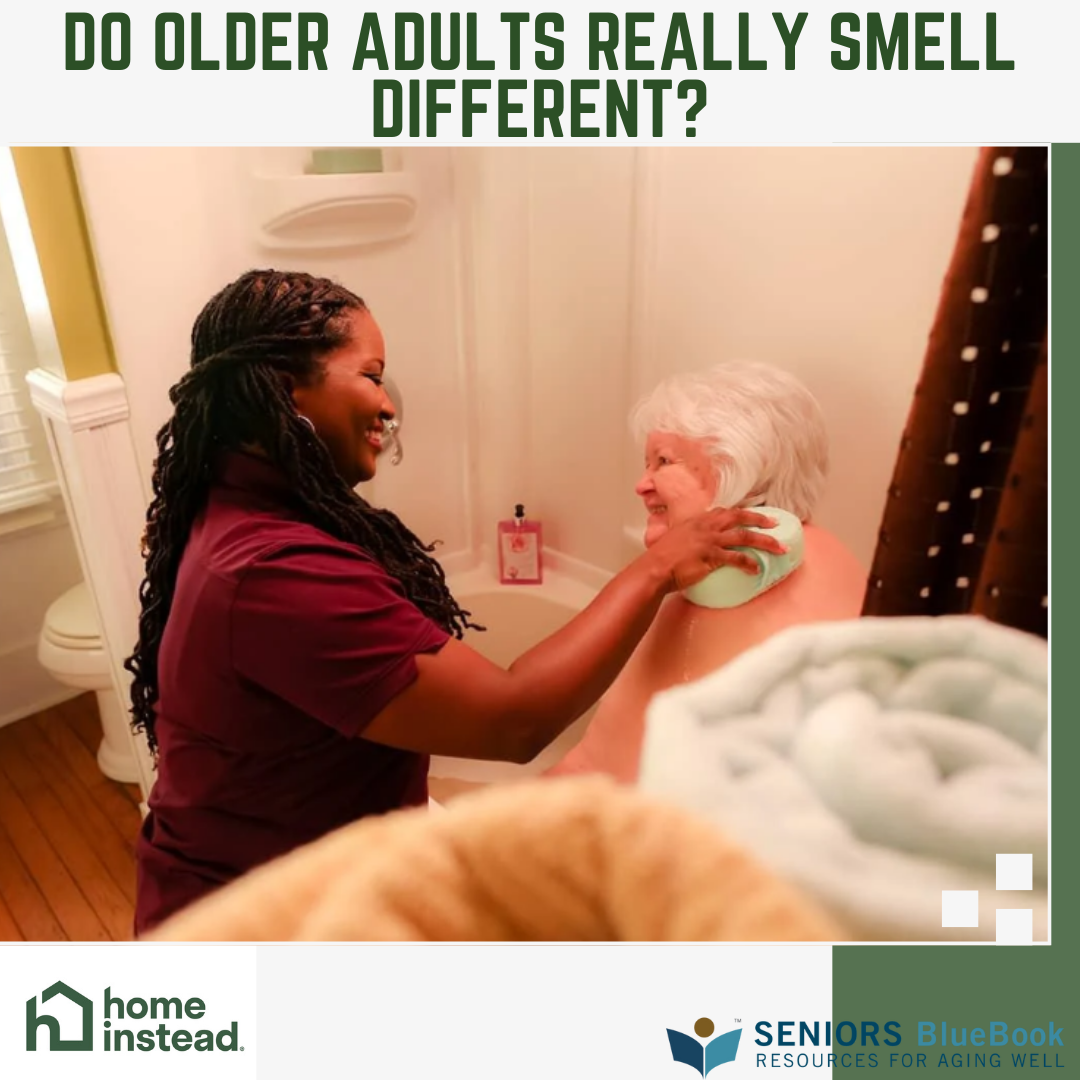
- To view the original version of this article visit www.homeinstead.com/care-resources/health-conditions/older-adults-smell-different/
- Seniors Blue Book was not involved in the creation of this content.
Other Articles You May Like
Senior Fitness Classes for Active Aging in Mobile, AL
Senior Fitness Classes for Active Aging in Mobile, ALStaying physically active can become more challenging with age, but it remains one of the most valuable ways to support everyday health and independence.For some older adults, physical activity means taking a morning walk or working in the garden. Others enjoy swimming, dancing, stretching, or participating in group fitness classes.However, as people grow older, changes in strength, flexibility, balance, and endurance may make familiar activities feel more difficult.A senior may notice that climbing stairs requires more effort. Another may feel less steady when walking across an uneven surface. Someone else may want to exercise regularly but feel uncomfortable joining a traditional gym.For older adults in Mobile, Alabama, finding fitness programs designed around different abilities can make physical activity more approachable and enjoyable.VIA! Health Fitness and Enrichment Center, located on Dauphin Street in Mobile, offers exercise classes, fitness equipment, recreational sports, and wellness programming for mature adults.The nonprofit organization provides opportunities for participants to develop healthier routines while connecting with others who share similar interests.From chair-based exercise and gentle stretching to strength training, yoga, and pickleball, VIA! offers several ways for older adults to remain active.Understanding the benefits of senior fitness and how to choose appropriate activities can help make exercise a sustainable part of everyday life.Why Fitness Matters for Healthy AgingPhysical activity contributes to several important areas of health.Regular movement may help support strength, flexibility, balance, cardiovascular health, and emotional well-being.The most appropriate activities depend on individual abilities and medical conditions.Maintaining Muscle StrengthMuscle strength can decline with age.This may make everyday activities, such as carrying groceries or standing from a chair, more challenging.Appropriate resistance exercises can help maintain muscle function.Supporting BalanceBalance involves coordination among muscles, vision, the nervous system, and other body systems.Balance-oriented activities may help improve stability and confidence.Improving FlexibilityGentle stretching can help maintain joint movement and comfort.Supporting Cardiovascular HealthAppropriate aerobic exercise can support heart and lung health.Encouraging Social ConnectionGroup fitness classes provide opportunities for conversation and shared activities.Supporting IndependenceMaintaining physical abilities can help older adults continue participating in activities that matter to them.What Makes Senior Fitness Different?Senior-focused fitness programs consider factors that may influence exercise participation later in life.These include changes in mobility, chronic medical conditions, joint health, balance, and previous exercise experience.Different Fitness LevelsNot every older adult begins at the same fitness level.Some participants have exercised regularly for decades.Others are returning to physical activity after a long break.Adapted MovementsCertain exercises can be modified for different abilities.For example, a stretching activity may be performed while seated or standing, depending on the participant's needs.Emphasis on Functional MovementFunctional exercises support movements used in everyday life.These may include standing, reaching, walking, turning, and lifting.Appropriate PacingParticipants should be able to progress gradually rather than feeling pressured to keep up with others.Safety and Medical ConsiderationsPeople with significant cardiovascular conditions, recent surgery, dizziness, or other medical concerns should discuss appropriate exercise with their healthcare provider.VIA! Health Fitness and Enrichment Center in MobileVIA! Health Fitness and Enrichment Center is a nonprofit community organization dedicated to promoting healthy, active, and independent lifestyles.The organization traces its history to 1970, when Senior Citizens Services began supporting older adults in the Mobile community.Today, VIA! operates from the Arlene F. Mitchell Campus on Dauphin Street.Its facilities include a fitness center, gymnasium, aerobics space, and areas used for educational and recreational programming.Fitness Designed for Mature AdultsVIA! offers specialized fitness classes for participants with different activity levels.Its programming includes strength, flexibility, balance, cardio, movement, and recreational activities.Classes are led by certified or specially trained fitness instructors, according to the organization's membership information.Fitness Equipment and FacilitiesThe VIA! fitness center advertises equipment including:TreadmillsElliptical machinesStationary bicyclesRecumbent bicyclesResistance machinesFree weightsThe organization also provides fitness orientations and assessments.New members can ask how to use equipment appropriately and which activities may suit their experience.Senior FitSenior Fit is a low-impact exercise class designed to improve cardiovascular and muscular endurance.The program uses alternating activity intervals.It may appeal to participants who want a structured class without the demands of high-impact exercise.SilverSneakers ClassesVIA! offers SilverSneakers programming.These classes emphasize physical abilities important for everyday activities, including:StrengthRange of motionBalanceCoordinationAgilityEligible insurance-sponsored memberships may help some participants access these programs.Silver&Fit ExcelSilver&Fit Excel focuses on flexibility, joint stability, balance, muscular strength, and cardiovascular endurance.This combination may be useful for participants interested in maintaining several aspects of physical function.Stretch & FlexStretch & Flex is a low-impact, seated fitness class.It emphasizes flexibility, endurance, and mindfulness.Chair-based exercise may be appealing to older adults who prefer seated activities or need additional support.Participants should confirm whether the class is appropriate for their physical abilities.Stretch & BalanceThe Stretch & Balance program combines elements of Pilates, yoga, and athletic stretching.Its goals include improving flexibility, posture, and balance.Participants can ask instructors about appropriate modifications.Tai Chi for BeginnersTai chi uses controlled movements, balance, and focused attention.VIA! advertises a beginner program emphasizing fluid movement and mindfulness.For some older adults, tai chi provides an enjoyable way to combine movement with concentration.Yoga for EveryoneVIA! offers yoga programming emphasizing breathing, meditation, and physical movement.Yoga can be adapted to different abilities.Participants should discuss limitations or concerns with the instructor.Rhythm & MovementRhythm & Movement incorporates exercise designed to support joint health, physical strength, and circulation.Movement-based classes may appeal to people who enjoy exercising with music or rhythmic activity.Body SculptingVIA! also offers Body Sculpting classes.These incorporate resistance-training movements using equipment such as weights or bands.Resistance exercises can help maintain strength when performed appropriately.Stability Ball TrainingStability Ball Training focuses on core muscles and may involve resistance bands, light weights, and other movements.Because stability exercises can be challenging, participants should select activities suited to their balance and physical abilities.Recreational SportsVIA! provides opportunities for recreational activities such as:PickleballBilliardsLine dancingThe organization also advertises gymnasium space and other group sports activities.Recreational programs can provide enjoyable alternatives to conventional workouts.Verified VIA! Contact InformationVIA! Health Fitness and Enrichment CenterAddress: 1717 Dauphin Street, Mobile, AL 36604Phone: 251-478-3311Website: https://viamobile.org/Center Hours:Monday: 7:00 AM to 6:00 PMTuesday: 7:00 AM to 6:00 PMWednesday: 7:00 AM to 6:00 PMThursday: 7:00 AM to 6:00 PMFriday: 7:00 AM to 1:00 PMSaturday: 8:00 AM to 12:00 PMSunday: ClosedAvailable Facilities: Fitness center, gymnasium, exercise equipment, and group fitness spaces.Class schedules may change, so participants should check the current calendar before visiting.Why Senior Fitness Matters Locally in Mobile CountyMobile County has an established older adult population with different activity preferences and healthcare needs.Some residents enjoy walking, gardening, or outdoor recreation.Others prefer structured indoor programs.The Gulf Coast climate can also influence how people plan physical activities throughout the year.Indoor Fitness OptionsMobile's warm and humid weather may make outdoor exercise uncomfortable at certain times.Indoor fitness classes and equipment provide alternatives when outdoor conditions are unsuitable.Opportunities for Community ConnectionGroup activities can help residents meet people while maintaining physical activity.Supporting Long-Term IndependenceMaintaining physical abilities can help older adults continue participating in familiar routines.Accessible Program ChoicesA center offering seated exercise, low-impact classes, strength training, and recreational activities may appeal to people with different preferences.Understanding Balance and Fall PreventionFalls are an important health concern among older adults.Several factors may influence fall risk.These include:Muscle weaknessBalance problemsVision changesCertain medicationsNeurological conditionsFootwearEnvironmental hazardsPrevious fallsFitness activities may address some physical factors, but exercise does not eliminate every fall risk.Why Balance Training MattersBalance training challenges the body's ability to maintain stability.Appropriate activities may help improve coordination and confidence.Why Strength Training HelpsLeg and core strength contribute to everyday movement.Maintaining strength may make activities such as standing and walking easier.Combining Different Types of ExerciseA balanced fitness routine may include strength, flexibility, aerobic movement, and balance activities.Know When to Seek Medical AdviceAnyone experiencing repeated falls, unexplained dizziness, fainting, or sudden changes in balance should seek medical evaluation.Strength Training for Older AdultsStrength training is not limited to lifting heavy weights.Many exercises use light resistance, bands, or body weight.Everyday BenefitsAppropriate resistance exercise may help support:Getting out of a chairClimbing stairsCarrying household itemsMaintaining postureWalkingCompleting personal activitiesStarting GraduallyBeginners should use manageable resistance and focus on proper movement.Rest and RecoveryMuscles require adequate recovery.ModificationsExercises may need adaptation for joint pain, physical limitations, or medical conditions.Professional GuidanceA qualified instructor can explain equipment use and class expectations.Cardiovascular Fitness and Senior WellnessAerobic activity involves movement that increases breathing and heart rate.Examples include walking, cycling, dancing, and certain group exercise classes.Why Aerobic Activity MattersAppropriate cardiovascular activity can support heart and lung health, endurance, and general well-being.Choosing Suitable ActivitiesSome participants enjoy stationary bicycles.Others prefer low-impact group classes.Monitoring Exercise IntensityMany older adults can use the talk test as a general guide, meaning they can still speak while exercising at a moderate intensity.However, people with complex medical conditions should follow individualized recommendations.When to StopChest pain, severe breathlessness, faintness, or other concerning symptoms require stopping the activity and seeking appropriate medical attention.Flexibility and Joint MobilitySome older adults experience stiffness in the morning or after sitting for long periods.Gentle movement may help maintain joint flexibility.Stretching ClassesVIA!'s Stretch & Flex and Stretch & Balance programs offer structured ways to participate in stretching activities.YogaYoga combines movement, breathing, and flexibility.Tai ChiTai chi incorporates controlled movements that may support balance and coordination.Avoiding OverstretchingStretching should not cause sharp pain.Participants should avoid forcing joints beyond comfortable limits.Finding Motivation Through Group ExerciseMaintaining a fitness routine can be difficult when exercising alone.Group classes may offer structure and encouragement.Regular SchedulesA scheduled class can help create a consistent routine.Social AccountabilitySeeing familiar participants may encourage continued attendance.Shared ProgressParticipants may enjoy noticing gradual improvements in endurance or confidence.VarietyTrying different activities can prevent routines from becoming repetitive.EnjoymentExercise is more sustainable when the activity feels worthwhile and enjoyable.VIA! Membership and Fitness CostsVIA! publishes Fit Pass membership rates.The organization states that membership is open to adults age 21 and older, although many programs are particularly suited to mature adults.Published Membership Pricing for Ages 50 and OlderMembership PeriodPublished RateThree months$60Six months$120Twelve months$240These are published rates and may change.Membership for Ages 21 to 49The official website lists:Three months: $70Six months: $140Twelve months: $280Insurance-Sponsored MembershipsVIA! states that certain insurance plans may cover membership costs.Programs may include SilverSneakers and Silver&Fit.Coverage depends on the individual's specific insurance benefits and eligibility.Income-Based ScholarshipsVIA! also advertises income-based membership scholarships for qualifying individuals.Applicants should contact the center to learn about eligibility and availability.Questions to Ask Before JoiningIs my insurance plan accepted?What activities are included?Are there additional class fees?Do I need to register?Is a fitness assessment required?Are scholarships available?What is the cancellation policy?How to Choose the Right VIA! Fitness ClassThe best class is not necessarily the most challenging.It is one that matches the participant's current abilities, interests, and goals.For BeginnersLow-impact or introductory activities may provide an approachable starting point.For Balance ConcernsAsk about classes emphasizing controlled movement, strength, and balance.For FlexibilityStretching or yoga programs may be appropriate.For StrengthResistance-based classes or suitable fitness equipment may support strength goals.For Social EnjoymentLine dancing, pickleball, or group fitness may provide additional opportunities for interaction.For Limited MobilityAsk whether seated activities or other modifications are available.A healthcare professional can help identify appropriate exercise limitations when necessary.Planning a Sustainable Weekly Fitness RoutineConsistency often matters more than intensity.Older adults may benefit from a routine that includes different types of movement.Begin With Realistic GoalsSomeone returning to exercise may start with one or two classes per week.Include VarietyCombining movement, stretching, and strength activities may address different fitness needs.Schedule RestRest and recovery should be part of the plan.Listen to Your BodyUnusual pain, dizziness, or persistent fatigue should not be ignored.Review ProgressParticipants may notice improvements in comfort, balance, endurance, or confidence over time.Results vary.Wellness Beyond ExerciseVIA! also provides health and wellness education.Its membership information identifies:Annual Healthy Living ExpoWellness WednesdaysHealth screeningsMedication counselingNutrition educationWellness seminarsThese services support learning about health-related topics in a community setting.Participants should verify event schedules, registration requirements, and the type of services available.Educational programs and screenings do not replace ongoing medical care.Expert Tip for Starting Senior FitnessExpert Tip: Choose a fitness class you can realistically attend every week rather than starting with an overly ambitious schedule. Ask the instructor about modifications, begin at a comfortable level, and gradually increase participation according to your abilities and medical guidance.Consistency and enjoyment can help make physical activity a lasting part of your routine.How to Get Started With VIA! Fitness and WellnessStep 1: Identify Your Fitness GoalsConsider whether you want to improve strength, flexibility, endurance, balance, or social engagement.Step 2: Review Your Health NeedsIf you have significant medical conditions or new symptoms, discuss appropriate exercise with your healthcare provider.Step 3: Contact VIA!Call 251-478-3311 to learn about classes and membership.Step 4: Check Insurance BenefitsAsk whether your health plan includes SilverSneakers, Silver&Fit, or another eligible fitness benefit.Step 5: Review the Current ScheduleVisit https://viamobile.org/schedules/ for current fitness and activity information.Step 6: Visit the CenterVIA! is located at 1717 Dauphin Street in Mobile.Step 7: Ask About OrientationFind out whether a fitness orientation or assessment would be appropriate.Step 8: Begin With a Comfortable RoutineChoose activities that fit your interests, schedule, and physical abilities.Frequently Asked Questions About Senior Fitness in Mobile1. Does VIA! offer fitness classes specifically for older adults?Yes. VIA! provides senior-focused programs including Senior Fit, SilverSneakers, Silver&Fit Excel, Stretch & Flex, yoga, tai chi, and other fitness activities.2. Can beginners join VIA! fitness classes?VIA! advertises programs for different ability levels. Beginners should ask which classes are appropriate and whether modifications are available.3. Does VIA! accept SilverSneakers or Silver&Fit?Yes. VIA! lists SilverSneakers and Silver&Fit programs among its membership and fitness offerings. Participants should confirm eligibility through their insurance plans.4. How much does VIA! membership cost?The published Fit Pass rate for adults age 50 and older is $60 for three months, $120 for six months, or $240 annually. Rates may change, and eligible participants may qualify for insurance-sponsored membership or scholarships.5. Does VIA! offer activities beyond traditional exercise classes?Yes. VIA! advertises recreational sports, line dancing, wellness education, health screenings, and other community programs in addition to its fitness facilities.Find Your Fitness Routine and Enjoy the Benefits of MovementHealthy aging does not require becoming an athlete or following an intense exercise program.For many older adults, meaningful progress begins with small, consistent activities that support strength, flexibility, confidence, and enjoyment.A suitable fitness routine should reflect personal goals, medical needs, and individual abilities.For residents throughout Mobile County, VIA! Health Fitness and Enrichment Center offers fitness classes, exercise equipment, recreational sports, and wellness programming designed to help mature adults remain active.Whether you are beginning a fitness routine, returning to exercise, or looking for a more social way to stay healthy, VIA! provides several opportunities to explore.Contact VIA! to learn about membership, review class schedules, and find a program that fits your lifestyle.Featured Seniors Blue Book ListingVIA! Health Fitness and Enrichment CenterRecommended Main SBB Category: Fitness & WellnessAddress: 1717 Dauphin Street, Mobile, AL 36604County: Mobile County, AlabamaPhone: 251-478-3311Website: https://viamobile.org/Center Hours: Monday through Thursday, 7:00 AM to 6:00 PM; Friday, 7:00 AM to 1:00 PM; Saturday, 8:00 AM to 12:00 PMFitness Programs: Senior Fit, SilverSneakers, Silver&Fit Excel, Stretch & Flex, Stretch & Balance, Tai Chi, Yoga for Everyone, Rhythm & Movement, Body Sculpting, Stability Ball Training, and other activities.Facilities: Fitness center, cardiovascular equipment, resistance machines, free weights, gymnasium, and activity spaces.Additional Services: Wellness screenings, fitness orientations, nutrition education, health seminars, recreational sports, and enrichment programs.Published Membership Rate for Ages 50+: $60 for three months, $120 for six months, or $240 annually.Insurance Benefits: Eligible SilverSneakers, Silver&Fit, and other participating plans may cover membership.Scholarships: Income-based assistance may be available to qualifying individuals.Membership Note: Confirm current fees, class schedules, and eligibility before enrolling.Seniors Blue Book Business Profile: [SBB Listing URL]Find VIA! Fitness and Wellness on Seniors Blue BookLooking for senior fitness classes and wellness activities in Mobile, Alabama?Explore VIA! Health Fitness and Enrichment Center through Seniors Blue Book on SeniorsBlueBook.com.Learn about its fitness center, group classes, recreational activities, and wellness programs. Contact VIA! to discuss memberships, insurance-sponsored fitness benefits, and current class schedules.
Whole-Person Senior Wellness in Mobile, AL
Whole-Person Senior Wellness in Mobile, ALHealthy aging involves more than attending medical appointments or taking prescribed medications. It also means staying socially connected, eating nutritious meals, maintaining physical abilities, and finding activities that bring enjoyment to everyday life.For older adults in Mobile, Alabama, these aspects of wellness become especially important when chronic medical conditions or mobility limitations make daily routines more challenging.A senior may be managing diabetes while also experiencing reduced strength. Another may need physical therapy following an illness but struggle with transportation. Someone else may feel isolated after retirement or the loss of a spouse.Although these situations are different, they share an important connection: physical, emotional, and social health influence one another.This is why a whole-person approach to wellness can be valuable.Mercy LIFE of Alabama, located on Springhill Avenue in Mobile, provides comprehensive healthcare and wellness support through the Program of All-Inclusive Care for the Elderly, commonly known as PACE.The program combines medical care, rehabilitation therapy, nutrition planning, recreational activities, social services, and home-based assistance through one coordinated healthcare team.For eligible older adults who require a nursing facility level of care but wish to remain safely in their communities, Mercy LIFE offers an approach that considers much more than individual medical diagnoses.What Does Whole-Person Wellness Mean for Seniors?Whole-person wellness involves addressing different areas of health and recognizing how they work together.A person may have well-managed blood pressure but still struggle with loneliness, poor nutrition, or limited mobility.Another individual may enjoy social activities but need help managing medications or recovering strength after an illness.Important Dimensions of Senior WellnessThese include:Physical healthNutritionEmotional well-beingSocial connectionCognitive engagementMobility and functional abilitiesPreventive healthcareSpiritual or personal well-beingDaily living supportNo single activity or treatment addresses every area.A comprehensive wellness plan considers the person's medical needs, abilities, preferences, and everyday circumstances.Why Wellness Needs Change With AgeAs people grow older, health priorities often become more complex.Some individuals manage several chronic conditions.Others notice changes in balance, strength, stamina, or appetite.These changes may influence independence and quality of life.Chronic Medical ConditionsConditions such as diabetes, cardiovascular disease, and arthritis may require ongoing monitoring.Reduced MobilityPhysical limitations can make it difficult to remain active.Nutritional ChallengesChanges in appetite, medications, swallowing, or food access may affect nutrition.Social IsolationRetirement, transportation limitations, and changes in family circumstances may reduce opportunities for social interaction.Emotional ConcernsManaging a serious illness or increasing dependence on others can create stress.A coordinated wellness approach addresses these concerns as connected parts of a person's overall health.Mercy LIFE of Alabama in MobileMercy LIFE of Alabama is part of Trinity Health PACE.PACE stands for Program of All-Inclusive Care for the Elderly.The program provides comprehensive medical and supportive services to eligible older adults who meet nursing facility level-of-care requirements but can remain safely in the community with appropriate assistance.Mercy LIFE operates through its LIFE Health Center in Mobile and an interdisciplinary healthcare team.The organization emphasizes helping participants remain connected to their homes, families, and communities.A Team-Based Approach to WellnessMercy LIFE's interdisciplinary team includes professionals from several healthcare disciplines.These include:Primary care providersRegistered nursesHome care registered nursesPhysical therapistsOccupational therapistsRecreational therapistsSocial workersRegistered dietitiansAdditional professionals, including personal care aides, drivers, and spiritual support personnel, may contribute to participant care.The team reviews individual needs and develops personalized care plans.Primary Medical CareMercy LIFE provides primary care through its healthcare team.Services may involve routine evaluations, chronic disease management, medication review, preventive care, and coordination with specialists.Rather than requiring participants to independently manage multiple healthcare relationships, the PACE program organizes covered care through its team and authorized network.Preventive HealthcarePrevention is an important part of Mercy LIFE's care model.Preventive services may include appropriate medical evaluations, screenings, vaccinations, and monitoring based on individual health needs.The team considers each participant's medical history and current condition.Nursing ServicesNursing professionals support ongoing medical assessment and care coordination.They may monitor changes in health and assist with treatment planning.The specific nursing services provided depend on the participant's care plan.Recreational Therapy and the Importance of EnjoymentWellness is not limited to medical treatment.Activities that encourage movement, creativity, and interaction may contribute to emotional and social well-being.Mercy LIFE provides recreational therapy through its LIFE Center.Its published activity examples include:Arts and craftsComputer classesGentle movementPet therapyBingoTriviaHoliday celebrationsCultural activitiesThese activities offer opportunities for participants to remain engaged according to their interests and abilities.Creative ActivitiesArts and crafts may encourage self-expression and provide opportunities for group participation.The activity can be adapted to different physical and cognitive abilities.Gentle MovementAppropriate movement activities can encourage participation without requiring strenuous exercise.Participants should follow recommendations suited to their medical needs.Games and TriviaGames may provide opportunities for conversation, enjoyment, and mental engagement.Pet TherapyAnimal-assisted activities may offer enjoyable interactions for participants who appreciate animals.Seasonal CelebrationsHoliday and cultural events may help participants maintain familiar traditions and community connections.Not every participant is expected to attend every activity.Programming should reflect the individual's preferences and care plan.Nutrition as a Foundation of Healthy AgingNutrition can become complicated when older adults manage chronic conditions or experience changes in appetite.A person may need dietary guidance for diabetes.Another may have difficulty chewing or swallowing.Someone living alone may struggle to prepare regular meals.Mercy LIFE includes registered dietitians as part of its interdisciplinary team.Individualized Nutrition AssessmentsThe program evaluates factors such as:Medical conditionsWeight changesMedication effectsSwallowing abilitiesFood availabilityDietary requirementsIndividual preferencesNutrition recommendations are developed according to the participant's needs.Meals at the LIFE CenterMercy LIFE provides breakfast and lunch to participants when they attend the center.These meals are part of the program's organized daytime services.Home-Delivered MealsThe organization also states that home-delivered meals may be arranged when appropriate.Availability depends on the participant's care plan.Why Nutritional Guidance MattersAdequate nutrition supports:EnergyMuscle functionGeneral healthRecoveryAppropriate weight maintenanceManagement of certain chronic conditionsPeople with diabetes, kidney disease, heart failure, or other complex conditions may require individualized recommendations.Physical Therapy and Maintaining MobilityPhysical mobility can influence whether an older adult can safely complete everyday activities.Difficulty walking, standing, or transferring may affect independence.Mercy LIFE provides physical therapy as part of its rehabilitation services.Common Physical Therapy GoalsDepending on the participant's condition, therapy may address:Muscle strengthBalanceWalking abilityFunctional movementMobility limitationsRecovery after illnessAppropriate use of assistive devicesWhy Strength MattersMuscle weakness may make everyday activities more difficult.An appropriate therapy program can help participants work toward realistic goals.Balance and Fall ConcernsFalls can affect confidence and independence.A qualified therapist may assess balance and recommend exercises or strategies appropriate for the participant.Individualized TreatmentNot every older adult can safely perform the same exercises.Therapy recommendations must reflect medical conditions, functional abilities, and professional assessment.Occupational Therapy and Everyday IndependenceOccupational therapy focuses on helping people participate in meaningful everyday activities.For older adults, these activities may include bathing, dressing, cooking, and moving safely around their environment.Mercy LIFE includes occupational therapy in its rehabilitation services.Daily Living SkillsA therapist may help evaluate challenges involving personal care or household routines.Adaptive StrategiesSome individuals benefit from learning different ways to complete familiar tasks.Assistive EquipmentAppropriate equipment may help with selected activities.Supporting Existing AbilitiesThe goal is to promote participation and function according to the person's abilities.Occupational therapy services are prescribed and coordinated according to individual clinical needs.Emotional Wellness and Social ConnectionSocial relationships contribute to quality of life.However, some older adults experience fewer opportunities for daily interaction because of mobility limitations, transportation challenges, or medical conditions.Mercy LIFE's center-based activities provide structured opportunities for participants to interact with others.Shared ExperiencesParticipating in games, creative activities, or celebrations may encourage conversation and connection.Emotional SupportSocial workers are part of Mercy LIFE's interdisciplinary team.They may help participants and families address emotional, practical, and social concerns.Maintaining Personal IdentityWellness programs should recognize that older adults have individual interests, experiences, and preferences.A retired musician, gardener, teacher, or business owner may enjoy different activities.Meaningful engagement is more valuable when it reflects those personal interests.Recognizing Emotional ChangesPersistent sadness, anxiety, withdrawal, or changes in behavior should be discussed with a qualified healthcare professional.Social activities can complement appropriate treatment but do not replace medical or mental health care when needed.Spiritual Wellness and Personal MeaningFor some older adults, spiritual practices or personal beliefs provide comfort and purpose.For others, meaningful activities may involve family relationships, creativity, or community involvement.Mercy LIFE identifies spiritual support within its comprehensive care approach.The organization's services include access to spiritual care and support for participants who wish to receive it.Participation should reflect individual preferences and beliefs.Whole-person care respects that spiritual wellness is personal and does not mean the same thing to everyone.Why Whole-Person Wellness Matters in Mobile CountyMobile County includes older adults with different healthcare needs, living arrangements, and family circumstances.Some residents live independently but require support managing medical conditions.Others rely on caregivers for transportation, personal care, or other daily activities.For eligible seniors with substantial health needs, coordinating medical and wellness services can be particularly valuable.Helping Seniors Stay ConnectedThe LIFE Center provides opportunities for social interaction and participation in organized activities.These experiences may complement time spent at home.Reducing Transportation BarriersMercy LIFE provides transportation to and from the center and authorized medical appointments.This may help participants access services without arranging every trip independently.Supporting Home-Based IndependenceThe program combines healthcare with approved in-home assistance.This can help eligible participants address medical and daily living needs while remaining in familiar surroundings.Supporting Family CaregiversFamilies may struggle to coordinate appointments, medications, meals, therapy, and daily assistance.A comprehensive care team can help organize authorized services and communicate care plans.A Typical Day at the Mercy LIFE CenterMercy LIFE's official frequently asked questions describe what participants may experience during a day at the center.Schedules vary according to individual care plans.Morning TransportationParticipants may be transported from home to the LIFE Center.Breakfast and Social TimeA nutritious breakfast and opportunities for conversation may begin the day.Healthcare AppointmentsParticipants may meet with medical professionals, nurses, or therapists according to their schedules.Wellness ActivitiesAvailable activities may include gentle movement, social groups, creative programs, or recreational therapy.LunchThe center provides a midday meal.Afternoon Activities and TransportationParticipants may continue scheduled services before returning home through program transportation.This structured combination of healthcare, nutrition, and social engagement is part of Mercy LIFE's coordinated model.Center attendance frequency depends on the participant's individualized plan.How Wellness Activities Are Adapted to Individual NeedsNot every participant has the same physical abilities or medical conditions.A successful wellness program considers these differences.Mobility LimitationsAn individual may require seated activities or rehabilitation support.Cognitive ChangesInstructions or activities may need to be simplified or adapted.FatigueSome participants may need shorter activity periods and additional rest.Personal InterestsActivities should reflect what the person enjoys whenever possible.Medical ConsiderationsCertain exercises or activities may not be appropriate for participants with specific conditions.Mercy LIFE's care team helps identify suitable services according to individual needs.The Importance of Preventive CarePreventive healthcare aims to identify risks and address appropriate concerns before complications develop.For older adults with complex medical needs, preventive care often includes ongoing monitoring.Chronic Disease MonitoringHealthcare professionals may evaluate conditions such as diabetes and cardiovascular disease.Medication ReviewRegular reviews can help identify questions about treatment effectiveness and side effects.Vaccination PlanningAppropriate immunizations may help protect against certain illnesses.Functional AssessmentChanges in mobility or daily activities may require further evaluation.Nutritional AssessmentChanges in weight, appetite, or swallowing may affect treatment planning.Preventive recommendations should reflect each participant's medical history and current health status.Why Wellness Planning Should Include the Home EnvironmentMany older adults spend most of their time at home.Even when medical services are available at a center, the home environment remains important.Safe MobilityWalking paths, bathroom access, and transfer needs may influence daily safety.Medication OrganizationParticipants should understand how medications are managed and whom to contact with questions.Meal AccessFood availability and preparation abilities can affect nutrition.Household AssistanceSome individuals require approved personal care or light housekeeping support.Emergency PlanningFamilies should understand how to contact Mercy LIFE and when emergency medical services are necessary.The interdisciplinary team considers appropriate home-based support as part of the overall care plan.Who Qualifies for Mercy LIFE of Alabama?Mercy LIFE is available to individuals who meet specific PACE enrollment requirements.Age RequirementApplicants must be 55 years of age or older.Service AreaApplicants must live within an eligible service-area ZIP code.Mercy LIFE serves approved communities in Mobile and Baldwin Counties.Nursing Facility Level of CareApplicants must be assessed by the state as needing nursing home care.Community SafetyApplicants must be able to live safely in the community with services provided through the program.Enrollment AssessmentThe team determines eligibility through an assessment process.Meeting basic criteria does not automatically guarantee enrollment.Understanding PACE CostsPACE payment arrangements depend on Medicare and Medicaid eligibility.Participants With MedicaidEligible participants who have Medicaid, with or without Medicare, generally have no out-of-pocket charges for covered and authorized PACE services.Participants With Medicare OnlyParticipants who do not qualify for Medicaid may be responsible for a monthly program premium.Private-Pay ParticipantsEligible individuals without Medicare or Medicaid may have private-payment options.Important Coverage ConsiderationsMercy LIFE coordinates covered healthcare through its team and authorized providers.Except for emergency care and other applicable exceptions, outside services generally require program authorization.Families should discuss enrollment consequences, participating providers, and payment responsibilities before making a decision.Building a Personalized Wellness PlanA useful wellness plan should consider more than a list of diagnoses.Review Medical ConditionsIdentify chronic illnesses, medications, and ongoing treatment needs.Evaluate Physical FunctionConsider strength, mobility, balance, and ability to complete daily activities.Discuss NutritionReview eating habits, dietary restrictions, and food access.Identify Social InterestsAsk what activities the person enjoys.Consider Emotional Well-BeingDiscuss loneliness, stress, mood, and available support.Review Home SafetyIdentify potential challenges involving mobility or daily routines.Establish Realistic GoalsGoals might involve participating in a favorite activity, maintaining mobility, improving meal consistency, or managing a chronic condition more effectively.The appropriate goals depend on the person's circumstances.Expert Tip for Whole-Person Senior WellnessExpert Tip: When discussing wellness with an older adult, ask three questions: What daily activity matters most to you? What makes that activity difficult? What kind of support would help you continue doing it?These answers can reveal priorities that may not appear in a medical chart.Sharing this information with the healthcare team may help connect treatment recommendations with the person's everyday goals.How to Get Started With Mercy LIFE of AlabamaStep 1: Review Current Health NeedsIdentify medical conditions, mobility limitations, nutrition concerns, and daily support requirements.Step 2: Consider Wellness GoalsDiscuss which activities, routines, and relationships are most important to the older adult.Step 3: Contact Mercy LIFECall 251-287-8420 to learn about the program.For enrollment referrals, call 855-287-8427.Step 4: Confirm EligibilityAsk about age, service area, nursing facility level-of-care requirements, and community safety criteria.Step 5: Review Insurance and CostsDiscuss Medicare, Medicaid, or private-payment arrangements.Step 6: Complete the Assessment ProcessThe program can explain the evaluations required for enrollment.Step 7: Discuss Available Wellness ServicesAsk about rehabilitation therapy, nutrition planning, social activities, preventive healthcare, and appropriate home-based support.Step 8: Develop an Individualized PlanIf approved for enrollment, work with the care team to establish suitable healthcare and wellness goals.Frequently Asked Questions About Senior Health and Wellness1. Does Mercy LIFE of Alabama provide health and wellness programs?Yes. Mercy LIFE includes recreational therapy, nutrition planning, rehabilitation, preventive healthcare, social services, and other wellness-related support through its comprehensive PACE program.2. Can seniors attend Mercy LIFE for activities without enrolling in PACE?Mercy LIFE's center-based activities are part of its healthcare program for eligible enrolled participants. It is not advertised as a general-public recreation or fitness center.3. Does Mercy LIFE provide physical therapy and exercise activities?Yes. The program offers physical therapy and recreational programming, including gentle movement. Services and participation depend on individual needs and care plans.4. Does Mercy LIFE help seniors with nutrition?Yes. Registered dietitians assess nutritional needs, the LIFE Center provides breakfast and lunch for attending participants, and home-delivered meals may be arranged when appropriate.5. Who qualifies for Mercy LIFE of Alabama?Applicants generally must be at least 55, live within the eligible service area, meet the state's nursing facility level-of-care criteria, and be able to remain safely in the community with PACE services.Wellness Is About Living Well Every DayHealthy aging involves much more than managing symptoms or attending appointments.Nutrition, physical movement, emotional well-being, social relationships, and personal interests all contribute to everyday quality of life.For older adults with complex medical and functional needs, coordinating these different areas of wellness can be challenging.Mercy LIFE of Alabama brings medical care, rehabilitation therapy, nutrition planning, recreational activities, and practical support together through its comprehensive PACE program.For eligible seniors in Mobile County, this approach may help address healthcare needs while preserving important connections to home and community.Families interested in whole-person senior wellness can contact Mercy LIFE to discuss eligibility, available services, and how individualized care planning works.Featured Seniors Blue Book ListingMercy LIFE of AlabamaArticle Category: Health & WellnessRecommended Main SBB Category: PACEProgram Type: Program of All-Inclusive Care for the ElderlyAddress: 2900 Springhill Avenue, Mobile, AL 36607County: Mobile County, AlabamaPhone: 251-287-8420Referral Phone: 855-287-8427Office Hours: Monday through Friday, 8:00 AM to 4:30 PMParticipant Support: 24/7 on-call assistanceServices: Medical and preventive care, physical therapy, occupational therapy, speech therapy, recreational therapy, nutrition counseling, LIFE Center meals, social services, approved in-home support, transportation, and spiritual care.Eligibility: Adults age 55 and older who meet the program's geographic, nursing facility level-of-care, and community safety requirements.Service Note: Wellness activities and healthcare services are provided to enrolled PACE participants according to individualized care plans.Find Mercy LIFE of Alabama on Seniors Blue BookLooking for senior health and wellness services in Mobile, Alabama?Explore Mercy LIFE of Alabama through its Seniors Blue Book listing on SeniorsBlueBook.com.Learn how its coordinated PACE program combines healthcare, nutrition, rehabilitation, activities, and everyday support to help eligible older adults remain connected to their communities.Contact Mercy LIFE to discuss eligibility and learn more about its whole-person approach to senior wellness.
Fitness & Wellness in Saraland, AL
Staying active is one of the best things an older adult can do for long-term health, yet it is also one of the hardest habits to start. Many families notice the same pattern. A parent or grandparent who once walked every morning slows down after a health scare, a loss, or simply a few quiet winters at home. Gyms can feel intimidating, schedules are confusing, and it is not always clear where an older adult will feel welcome, safe, and understood.For families in Saraland, Alabama, the good news is that two strong options sit right in town. One is a friendly, free-to-join senior center built around the needs of adults 55 and up. The other is a brand-new sports and recreation complex with a full-service fitness center, an indoor walking track, and plenty of space to move. This guide walks through both so you can decide which fits your loved one best, and how to take the first step.What Is Fitness & Wellness for Seniors?Fitness and wellness services for older adults go beyond lifting weights or running on a treadmill. They include any structured, supportive way to keep the body moving and the mind engaged. That can mean a weekly exercise class, a strength and balance session, a walk on an indoor track, a game night with friends, or a health seminar that helps someone understand their own care.These programs are a good fit for a wide range of people: Active adults who want to stay strong and independent for as long as possible. Seniors recovering from an illness, surgery, or a fall who are ready to rebuild confidence. Older adults who live alone and would benefit from regular social contact. Family caregivers looking for safe, welcoming places to send a loved one during the day. Regular movement supports balance, heart health, mood, and sleep. Just as important, a familiar place with friendly faces gives older adults a reason to leave the house and a community to belong to.Fitness & Wellness Options in Saraland, ALSaraland Parks and Recreation Senior CenterAddress: 718 Mae Street, Saraland, AL 36571 Phone: 251-679-5511The Saraland Senior Center is run by the City of Saraland Parks and Recreation Department and sits next to the Civic Center. Its stated purpose is to provide recreation resources and opportunities that improve the health and well-being of people ages 55 and up. The center describes its focus as exceptional recreational, social, and creative services delivered by people who truly care, in an environment that promotes community pride and wellness.What You Can Do at the Senior Center Exercise and movement. A fitness room with equipment is available to members any time the center is open, and a strength and balance exercise class is part of the schedule. Weekly exercise classes are also listed. Social activities. Offerings include arts and crafts, monthly game nights, bingo on Fridays, pool tables, and a computer lab members are welcome to use. Health education. The center schedules health seminars, health education information, and health fairs. Transportation. Seniors can ride to medical appointments, social service agency appointments, local merchants, and the senior center itself, with trained drivers operating the vehicles. Shopping trips and outings are also part of the calendar. Nutrition. Through a grant with the South Alabama Regional Planning Commission and the Area Agency on Aging, the Alabama Elderly Nutrition Program offers hot meals with social time. Seniors must apply to take part. The center also delivers hot meals to homebound seniors after the center manager completes an eligibility assessment. Who It Is Best ForThis center is a strong match for seniors who want a low-pressure, social place to build a routine. Programs are provided free of charge, with a small fee possible for breakfasts and special events. Anyone in Mobile County is welcome, and the building is described as easily accessible. It is especially helpful for older adults who would enjoy exercise as part of a bigger day that includes friends, activities, and a meal.Hours and JoiningThe center is open Monday through Friday during daytime hours and is closed on weekends. The City of Saraland website has listed weekday closing times of both 4:30 p.m. and 5:00 p.m., so it is smart to call ahead and confirm the current schedule. To join, stop by the center and fill out an application.The Land at Saraland Sports & Recreation ComplexAddress: 7365 Celeste Road, Saraland, AL 36571 Phone: 251-222-2204The Land is Saralands newest destination for sports, fitness, and community events. The $72 million, 100-acre complex is owned by the City of Saraland and managed by KemperSports. Its indoor recreation center covers roughly 78,000 square feet and includes four basketball courts, eight volleyball courts, 12 indoor pickleball courts, two multipurpose rooms, an indoor walking track, and locker room facilities.The Fitness Den and Training OptionsAt the heart of the wellness offering is The Fitness Den, a full-service fitness center with monthly and annual memberships. According to the Seniors Blue Book listing, the facility is equipped with commercial-grade gear from brands such as Matrix, True, Torque, TKO, Body Solid, and Spri. That includes treadmills, ellipticals, cycles, a rower, selectorized strength machines, plate-loaded stations, free weights, and functional training tools like TRX straps, BOSU trainers, kettlebells, and stability balls. The listing also notes wipe stations and organized storage, which help keep the space clean and easy to use.Walking, Pickleball, and Outdoor SpaceNot every older adult wants a traditional gym, and The Land offers gentler ways to stay active. The indoor walking track allows year-round walking in air conditioning, which is a real advantage during Alabama summers. Outdoor walking and bike trails connect the complex to the surrounding grounds. Pickleball, a popular low-impact sport among older adults, has a dedicated indoor setup with 12 courts.Who It Is Best ForThe Land is a good fit for seniors who are already comfortable with exercise or who want a more modern, athletic environment. It also works well for active grandparents who want to share the space with family, since the complex serves all ages. The listing states the recreation center is open to adults 18 and older and minors ages 12 to 17. Membership types include daily, monthly, and annual options. Because rates and hours can change, call 251-222-2204 or visit the website for current pricing, hours, and any senior-specific options.Quick Comparison Best for: The Senior Center suits a social, supportive routine for ages 55 and up. The Land suits active adults who want a full gym and walking track. Cost: The Senior Centers programs are free, with small fees for some meals and events. The Land offers daily, monthly, and annual memberships. Movement options: The Senior Center has a fitness room, a strength and balance class, and weekly exercise classes. The Land has the Fitness Den, an indoor track, pickleball, and trails. Extras: The Senior Center adds meals, transportation, and health seminars. The Land adds locker rooms, multipurpose rooms, and family-friendly space. Phone: Senior Center, 251-679-5511. The Land, 251-222-2204. Why Fitness & Wellness Matters in SaralandSaraland has grown from a small railroad stop into a thriving city of more than 16,000 residents, and recreation has become a major part of its identity. The city maintains a dozen parks plus a boat launch, and sits beside the Mobile-Tensaw River Delta, where boating, fishing, hiking, and bird watching are part of everyday life. For older adults, that means there is no shortage of reasons to get outside and move.Local summers are hot and humid, though, and that can make outdoor exercise tough for seniors. Having both a neighborhood senior center and an air-conditioned indoor complex gives families dependable options in every season. Keeping these resources close to home also matters for safety and consistency. A loved one is far more likely to stick with a routine when the place is minutes away, the staff know their name, and a ride is available if driving is no longer comfortable.How to Get Started Talk with your loved one first. Ask what they enjoy and what worries them. Some people want company more than a workout, while others want a challenge. Their answer will point you toward the right option. Check with their doctor. Before beginning a new exercise routine, especially after a health event or with a chronic condition, ask their physician what types and levels of activity are safe. Call ahead. Reach the Senior Center at 251-679-5511 or The Land at 251-222-2204 to confirm current hours, costs, and what to bring. Ask about transportation and meals if those would help. Visit together. A first visit with a family member can make a new place feel far less intimidating. Walk the space, meet the staff, and try a class or the walking track. Complete the application or membership. The Senior Center asks new members to fill out an application in person. The Land offers daily, monthly, and annual memberships through the front desk or website. Start small and build. Aim for two or three visits a week at first. Consistency matters more than intensity, and a friendly face at the next class makes it easier to come back. If you are not sure where to begin, the team at Seniors Blue Book can help you explore local options. Call 800-201-9989 to talk with a resource specialist. Related Categories Senior Resources Personalized Visitations Physical Therapy
Local Services By This Author

Home Instead Senior Care - Southwest Allegheny County
Non-Medical 100 Fleet Street, Pittsburgh, Pennsylvania, 15220
Home Instead - Greensburg
Non-Medical 4540 Pennsylvania 136, Greensburg, Pennsylvania, 15601Families throughout Westmoreland County know how quickly life can change when an aging parent or loved one begins needing extra support at home. What often starts as small concerns missed medications, difficulty preparing meals, trouble getting around safely, or increasing forgetfulness can slowly become overwhelming for both seniors and their families. Home Instead Westmoreland County helps ease that burden by providing compassionate in-home senior care that allows older adults to remain safe, comfortable, and independent in the place they know best: home.Based in Greensburg, Home Instead proudly serves seniors and families throughout Westmoreland County and surrounding communities including Murrysville, Irwin, Latrobe, Jeannette, Delmont, Mount Pleasant, Ligonier, Trafford, Scottdale, Youngwood, Belle Vernon, New Stanton, Export, Penn Township, and many neighboring areas throughout western Pennsylvania. Their team understands that every familys situation is different, which is why care is never treated like a one-size-fits-all service. Instead, they take the time to truly listen, understand concerns, and create a personalized care plan designed around each seniors lifestyle, routines, health challenges, and individual goals.For many older adults, remaining at home is deeply important. Home represents familiarity, memories, routines, neighbors, pets, and a sense of independence that many seniors do not want to lose. Home Instead helps make aging in place possible by providing reliable non-medical home care services that support both physical needs and emotional wellbeing. Whether someone needs a few hours of companionship each week or more advanced daily assistance, their caregivers are there to provide support with kindness, patience, and respect.Home Instead offers a wide range of in-home senior care services throughout the Greensburg and Westmoreland County area. Services may include companionship care, meal preparation, light housekeeping, medication reminders, grocery shopping, transportation to appointments, laundry assistance, mobility support, bathing and dressing assistance, overnight care, respite care for family caregivers, and 24-hour home care. Their flexible care options allow families to adjust services as needs change over time, providing reassurance that support can evolve alongside a loved ones health and circumstances.What many families appreciate most about Home Instead is that the care feels personal and relationship-focused rather than clinical or impersonal. Their caregivers, known as Care Professionals, take time to get to know each client beyond just their care needs. They learn favorite routines, hobbies, interests, personalities, and the little details that help seniors feel comfortable and valued. Sometimes the most meaningful moments are the simplest ones sharing stories over coffee, taking a walk outside, helping prepare a favorite meal, or simply being there to provide companionship and conversation during the day.Loneliness and isolation can become major challenges for older adults, especially after the loss of a spouse, reduced mobility, or health changes that make it harder to stay socially active. Home Instead understands that emotional health matters just as much as physical safety. Their companionship services are designed to help seniors stay socially connected, mentally engaged, and emotionally supported while continuing to enjoy life at home.For families caring for a loved one with Alzheimers disease or another form of dementia, finding dependable support can feel especially stressful. Home Instead provides specialized Alzheimers and dementia care focused on creating stability, routine, reassurance, and familiarity for seniors experiencing memory loss. Their caregivers receive training to understand the unique behaviors and challenges that dementia can bring, helping families feel more supported throughout what is often an emotionally difficult caregiving journey. Remaining in familiar surroundings can often provide additional comfort and reduce anxiety for seniors living with memory impairment.Home Instead also supports seniors recovering from surgery, illness, rehabilitation stays, or hospitalization. Returning home after a hospital stay can sometimes feel intimidating, especially for older adults who may temporarily need additional help with mobility, meals, medications, or transportation. Their caregivers help make that transition smoother by providing practical support while seniors regain confidence and strength at home.Family caregivers often spend months or even years balancing caregiving responsibilities alongside careers, parenting, and their own personal obligations. Over time, that level of responsibility can become physically and emotionally exhausting. Home Insteads respite care services allow family caregivers an opportunity to rest, travel, attend appointments, or simply recharge while knowing their loved one is receiving compassionate and attentive care. Many families discover that having reliable help not only benefits the senior, but also greatly improves overall family wellbeing and reduces caregiver burnout.Another reason families throughout Westmoreland County trust Home Instead is their strong focus on communication and consistency. Families want reassurance that their loved one is being cared for with professionalism, compassion, and reliability. The Home Instead team works closely with clients and families to adjust care plans as needs evolve while providing ongoing support and guidance every step of the way.Since becoming part of the Greensburg community in 2000, Home Instead has built a reputation for delivering compassionate senior care rooted in dignity, trust, and meaningful human connection. Their mission goes beyond simply helping with daily tasks they strive to help older adults continue living fulfilling lives while remaining connected to the people, routines, and communities they love most.Whether a family is beginning to explore home care for the first time or urgently needs support after a recent health change, Home Instead Westmoreland County remains a trusted local resource for personalized in-home senior care throughout Greensburg and the surrounding area. Through compassionate caregivers, flexible care plans, and a heartfelt commitment to helping seniors age safely at home, Home Instead continues to provide peace of mind for families across Westmoreland County every single day.

Home Instead - Uniontown
Non-Medical 659 Old Pittsburgh Road, Uniontown, Pennsylvania, 15401Families throughout Fayette County know how important it is for aging loved ones to remain comfortable, safe, and independent at home for as long as possible. But as parents and older family members age, everyday routines can gradually become more difficult. Things like preparing meals, keeping up with laundry, driving to appointments, bathing safely, or remembering medications may start requiring extra assistance. For many families, that realization can feel emotional and overwhelming. Home Instead Uniontown helps make that transition easier by providing compassionate in-home senior care designed to support both older adults and the families who love them.Based in Uniontown, Home Instead serves seniors throughout Fayette County and surrounding southwestern Pennsylvania communities including Connellsville, Brownsville, Masontown, Perryopolis, Hopwood, Smithfield, Fairchance, Grindstone, Mount Pleasant, Scottdale, and nearby areas. Their mission is simple helping older adults continue living safely and comfortably in the place that feels most familiar: home. For many seniors, staying at home means maintaining routines, independence, memories, pets, neighbors, and a sense of normalcy that simply cannot be replaced.Home Instead provides non-medical home care services tailored to each individuals needs and lifestyle. Some seniors may only need companionship and a little extra help around the house a few hours a week, while others may require more hands-on assistance due to mobility issues, chronic illness, dementia, or recovery after hospitalization. Their care plans are flexible and personalized, allowing families to adjust support as needs change over time.Services may include companionship care, personal care assistance, meal preparation, medication reminders, light housekeeping, laundry assistance, transportation to appointments, grocery shopping, mobility support, bathing and dressing assistance, overnight care, respite care for family caregivers, and 24-hour home care services. Their caregivers also help seniors remain socially engaged and emotionally connected something that becomes increasingly important as older adults face isolation, reduced mobility, or the loss of a spouse or close friends.One of the things families often appreciate most about Home Instead is how personal the care feels. Their caregivers, known as Care Professionals, do much more than help with tasks. They build relationships. They take time to learn about a clients personality, routines, interests, favorite hobbies, and the little details that help someone feel comfortable and valued. Sometimes it is the simplest moments that matter most sitting together for conversation, helping a client tend to flowers on the porch, sharing stories over coffee, or accompanying someone on a walk through the neighborhood.Home Instead understands that quality senior care is not just about physical assistance. Emotional wellbeing matters too. Loneliness and isolation are very common among older adults, especially after health changes or the loss of independence. Having a trusted caregiver visit regularly can bring companionship, encouragement, routine, and reassurance into a seniors daily life while also giving families peace of mind knowing someone is checking in consistently.Families caring for loved ones with Alzheimers disease or other forms of dementia often face additional stress and uncertainty. Home Instead provides specialized dementia and Alzheimers care services focused on safety, consistency, patience, and familiarity. Their caregivers receive training to better understand the unique challenges memory loss can create for both seniors and families. Remaining at home in familiar surroundings can often help reduce confusion and anxiety for individuals living with dementia, while families gain support from caregivers who understand the emotional complexities of memory care.Home Instead also assists seniors recovering after hospitalization, surgery, illness, or rehabilitation stays. Returning home after a medical event can feel intimidating for many older adults, particularly if they live alone or temporarily need additional support. Caregivers can help ease the transition home by assisting with meals, transportation, medication reminders, mobility support, and household tasks while seniors regain strength and confidence during recovery.For family caregivers, balancing caregiving responsibilities alongside work, parenting, and personal obligations can quickly become exhausting. Many family members spend months or years trying to manage everything on their own before finally seeking outside support. Home Insteads respite care services allow family caregivers an opportunity to rest, travel, attend appointments, or simply recharge while knowing their loved one is receiving attentive and compassionate care from someone they trust. Even a few hours of dependable support each week can significantly reduce stress and caregiver burnout.Another reason families throughout Fayette County turn to Home Instead is because of their commitment to individualized care and ongoing communication. Every family situation is unique, and their team works closely with clients and loved ones to create care plans that truly fit the seniors needs, personality, and lifestyle. As care needs evolve over time, services can be adjusted to continue providing the right level of support.As more seniors choose to age in place, in-home care continues to become one of the most valuable resources available to older adults and caregivers throughout southwestern Pennsylvania. Many families want alternatives to institutional care settings and appreciate having options that allow loved ones to remain where they feel happiest and most comfortable. Home Instead helps make that possible by combining compassionate caregivers with flexible support designed around maintaining dignity, independence, and quality of life.Locally owned and deeply connected to the Uniontown community, Home Instead has built strong relationships with families throughout Fayette County by focusing on trust, compassion, and meaningful human connection. Their team understands that inviting a caregiver into a loved ones home is a deeply personal decision, and they work hard to ensure families feel comfortable, supported, and confident every step of the way.Whether a family is beginning to explore senior care options for the first time or urgently needs help following a recent health change, Home Instead Uniontown remains a trusted local resource for compassionate in-home senior care. Through personalized care plans, dependable caregivers, and a heartfelt commitment to helping seniors age safely at home, they continue helping older adults throughout Fayette County live with greater comfort, dignity, and peace of mind.