Exploring Seniors’ Changing Role in the Workforce
Discovery Commons at Bradenton
For more information about the author, click to view their website: Discovery Commons At Breadenton
Aug 04, 2023
Florida - Sarasota, Bradenton & Charlotte Counties

Email US
Click to Email Us
t appears that the days of seniors simply riding off into the retirement sunset may well be fading, with large segments of the senior population now launching “encore careers” in retirement, and even more not retiring at all. For some, it’s financially necessary, while others simply don’t want to give up the security and satisfaction they get from working, even into those “later years” like their 60s and 70s.
How prevalent is the trend, you wonder? Well, consider this: The U.S. Bureau of Labor Statistics reported in 2016 that 27% of seniors ages 65-74 had full- or part-time jobs…and the rate has been climbing for 20 years now! In fact, by 2026, it’s expected to reach 30%, and as soon as 2030, the number of working seniors 65 and older is expected to surpass the number of workers 18 and under.
So by all measures, what we’re seeing unfold is a demographic and cultural megatrend of epic proportions.
The reality is this: Having accumulated considerable knowledge and skills throughout the course of decades in the workforce, seniors’ value in terms of productivity, team membership and the ability to mentor and influence younger workers is doing much to re-invigorate employers’ interest and investment. And because of it, plenty of companies are doing away with “ageism” and previously held biases that typecast senior workers as being less desirable due to lower tech-savvy, greater health risks and diminished overall productivity (which, data suggests, is unproven if not altogether false).
As the future unfolds, here are no less than 7 employment options and avenues that are more open than ever for seniors, and how those who follow something other than the “traditional” retirement route might go about pursuing additional career interests as their working years kick into overtime.
CONSULTING
Employers are coming to embrace the concept that it’s often bad business to simply let senior workers, who are presumably experienced and long-tenured team members, just one day walk out the door. And that paves the way for “retiring” seniors to stay on as consultants, working on a contract or project basis for their employer or (gasp) the competition if the grass is indeed greener over there.
PHASED RETIREMENT
Something of a new concept phased retirement is when a senior worker, in partnership with their employer, begins to dial back time and/or workload to create a longer and more controlled transition to full-on retirement. It allows contributions to continue, which benefits the company, while also allowing seniors to dip a proverbial toe into the retirement pond and see what life is like without the everyday 9-to-5.
ENCORE CAREER
Some seniors who struggle to occupy their days in retirement have become entrepreneurs and started some fascinating second acts of their own. Whether opening retail shops or other small businesses, brewing craft beer or spirits, or doing trades like wood or metalworking, the choices are unique as each individual senior and limited only by the depth of their skills…and their ability to kick in or raise the necessary startup cash.
SPORTS/INTEREST-BASED EMPLOYMENT
Retirement, for many, is a long-awaited opportunity to devote more time to favorite activities and pursuing longtime interests, whether it’s golf or tennis, music or the arts, and so on. No surprise, then, that pursuing interest-based employment is a fine way to get more immersed in those arenas or others. Part-time jobs like these aren’t hard to come by, and seniors will likely find fun and fulfillment in doing something they love, while the modest, hourly compensation provides a little, extra income on the side.
TEACHING
Various programs exist nationwide that aim to create teaching and mentorship opportunities between seniors and the younger generation. AARP and other service-minded organizations, as well as institutions for higher learning, are all actively looking for retirees to share knowledge and expertise on everything from machine tools and mathematics to business and foreign languages and beyond.
TRAVEL INDUSTRY
Getting paid to travel may sound too good to be true, but it turns out seniors who know where to look can enjoy their dream of exploring the US and beyond in retirement…and can even earn money while doing it! Cruise lines, tour and excursion companies, and seasonally driven resort communities in popular beach and ski locales can provide interesting employment options, all while offering wonderful opportunities to head out in search of excitement and worldly adventure.
HEALTHCARE & MEDICAL RESEARCH
Plenty of seniors volunteer their time at local hospitals, assisting patients and visitors. But few know that there is a need in the medical trial and research space as well, where seniors are needed to help analyze and track data, as well as assist with bookkeeping and administration. Those who wish to get involved might try making contact with the research departments at area hospitals and universities, where work is being done today to uncover the medicines and treatments of tomorrow.

- To view the original version of this article visit www.discoveryseniorliving.com/discovery-senior-living-blog/exploring-seniors-changing-role-in-the-workforce/
- Seniors Blue Book was not involved in the creation of this content.
Other Articles You May Like
Understanding Your Digital Footprint
Digital what? Footprint? You may be thinking thats what you leave behind at the beach. While that may be correct, it is also what you leave behind every time you provide your email, set up a new online account, or allow your data to be tracked. Your digital footprint is the trail you leave behind with Location services on your phone. It is the data you leave behind when commenting on Aunt Sallys Facebook page, sharing your familys vacation pictures on Instagram, or traipsing around the internet to various sites looking for that cute Lladro figurine your mother wanted for Christmas. All of it tells something about you whether you realized it was happening or not.Most of the time, the sharing of your data what you do, how you do it, etc. may not be a big deal. Or is it? The reality is that your data supports big business every day. It is collected, bought and sold (mostly without your knowledge) by data brokers (i.e., Acxiom, Epsilon), credit and identity bureaus (i.e., Experian, Equifax, TransUnion), and Big Tech Companies (i.e., Google, Amazon, Meta, Microsoft, Apple) that share your data with their partners and ad networks.The danger to you is when there is a data breach at one of the many sites that has your data and your data is captured and posted on the dark web. This enables nefarious characters to better target you for scams and potentially steal your identity. Call Lily in the Details today 941-237-0157 and schedule Understanding Your Digital Footprint, Navigating the Online World Safely and Wisely for your community.
Serving America and our community
By Dr. David RiceSouthwest Florida is home to more than 100,000 veterans, according to the U.S. Department of Veterans Affairs.They own homes, manage businesses and pay taxes here. They volunteer at local nonprofits and donate to local causes. They are the core of our community.Nearly every day, at least one veteran walks into Advocate Radiation Oncology for treatment. Cancer impacts people from every background, including veterans. Even the most hardened veterans struggle with a cancer diagnosis, which is understandable; no one is invincible and cancer generates a wave of emotions shock, anxiety, frustration, fear and stress.Over the years, veterans in Charlotte and Sarasota counties have found an ally inside the treatment room Dr. Brian Lawenda. A board-certified, Harvard-trained physician who completed medical school at Temple University, Lawenda has all the credentials to help a patient feel confident that they're in good hands, medically speaking. Then they find out something else about their physician. He is a veteran, too, having served this country 13 years with the U.S. Navy and attaining the rank of commander."When I enlisted, I took an oath to serve this country and uphold the U.S. Constitution," Lawenda said. "When I became a doctor, I pledged to dedicate my practice to patients and the community I serve, and it's especially gratifying when those patients are fellow veterans."The best doctors don't just treat symptoms; they connect with patients, usually through shared experiences they're from the same state, cheer for the same sports team or attended the same university. Lawenda's military experience helps create an instant doctor-patient bond that continues during treatment and beyond. In fact, Lawenda has become the region's go-to radiation oncologist for veterans, not just Navy veterans, but those who have admirably served across all six branches of the military."When he told me he served in the Navy, it gave me comfort," said Ret. Command Master Chief Scott Fusco, a North Port resident who recently completed prostate cancer treatments at Advocate. "I had absolute trust in him from that point on."Lawenda wasn't the only veteran on Fusco's care team, either. His urologist also served in the Navy and referred Fusco to Dr. Lawenda for treatment."We served at different times and places, but we're all part of the same team," Fusco said. "They've been there, done that, just like me. There is instant respect, instant trust."Lawenda, who sees patients at Advocate's cancer treatment centers in Port Charlotte and Venice, specializes in the treatment of prostate, lung, breast, head and neck, rectal, liver, bone, cervical and other types of cancers. Although Lawenda doesn't technically specialize in the treatment of veterans, he is especially proud to support patients like Fusco on their cancer journey."A veteran may retire or end their military service, but he or she will never stop serving this country and their community," Lawenda said. "Being able to help local veterans beat cancer is extremely gratifying and certainly rewarding. The military is a brotherhood and a sisterhood, and I'll continue fighting for my brothers and sisters."About the AuthorDr. David Rice is a board-certified radiation oncologist who sees patients through Advocate Radiation Oncologys cancer treatment centers in Port Charlotte and Venice. Visit AdvocateRO.com for more information.
Living Well with Diabetes: How Exercise & Therapy Can Help
Managing diabetes is more than watching your blood sugar. Its about staying active, maintaining your strength, and continuing to enjoy the activities you love.Diabetes affects millions of older adults and can have a significant impact on overall health, mobility, and independence. As we age, managing diabetes becomes especially important because it can increase the risk of falls, nerve damage, muscle weakness, and other health complications.The good news? With the right support, regular physical activity, and a personalized treatment plan, older adults living with diabetes can take meaningful steps toward better health and a more active lifestyle.Why Is Exercise So Important for Diabetes?When you have diabetes, your body has difficulty regulating blood sugar levels. Physical activity helps your muscles use glucose for energy, which can improve blood sugar control.Regular exercise can also help:Improve muscle strength: Maintain the strength needed for walking, climbing stairs, and completing everyday activities.Improve blood sugar management: Help your body use insulin more effectively.Support heart health: Improve circulation and help manage blood pressure.Improve balance: Reduce the risk of falls and injuries.Maintain independence: Make daily activities such as dressing, bathing, cooking, and shopping easier.Increase energy and confidence: Help you feel stronger and more comfortable staying active.Even small amounts of movement throughout the day can make a difference!How Can Physical and Occupational Therapy Help?For many older adults, beginning an exercise program can feel overwhelming, especially when dealing with joint pain, weakness, balance problems, or other medical conditions.Thats where FOX Rehabilitation can help.FOX provides personalized physical and occupational therapy designed to help older adults safely improve their mobility, strength, and ability to perform everyday activities.A physical therapist can evaluate your walking, balance, endurance, and muscle strength to develop an exercise program that meets your individual needs.An occupational therapist can help you find safer, easier ways to perform everyday tasks while improving your ability to remain independent at home.Together, these professionals can help address the physical challenges associated with diabetes, including decreased sensation in the feet, muscle weakness, and difficulty with balance.The Benefits Go Beyond Blood SugarResearch has shown that structured exercise programs can help people with Type 2 diabetes improve their blood sugar control, preserve muscle mass, and increase overall strength.Regular physical activity may also improve blood pressure and reduce the risk of certain diabetes-related complications.Most importantly, staying active can help older adults maintain the freedom to do what matters most whether thats spending time with grandchildren, enjoying a walk with friends, gardening, or simply moving safely around their homes.Therapy That Comes to You!One of the greatest benefits of FOX Rehabilitation is that therapy can take place right in the comfort of your own home.FOX provides physical, occupational, and speech therapy through Medicare Part B for eligible individuals.You do not have to be homebound or recently hospitalized to receive services.This means older adults who may benefit from skilled therapy can receive personalized care in their familiar surroundings without having to travel to an outpatient clinic.Take the First Step Toward Better HealthLiving with diabetes doesnt mean giving up the activities you enjoy. With proper management, regular movement, and professional guidance, you can continue building strength, improving mobility, and maintaining your independence.Before beginning a new exercise routine, speak with your healthcare provider, particularly if you have diabetes-related complications or take medications that can cause low blood sugar.Remember: Its never too late to get stronger, move better, and take control of your health!
Local Services By This Author
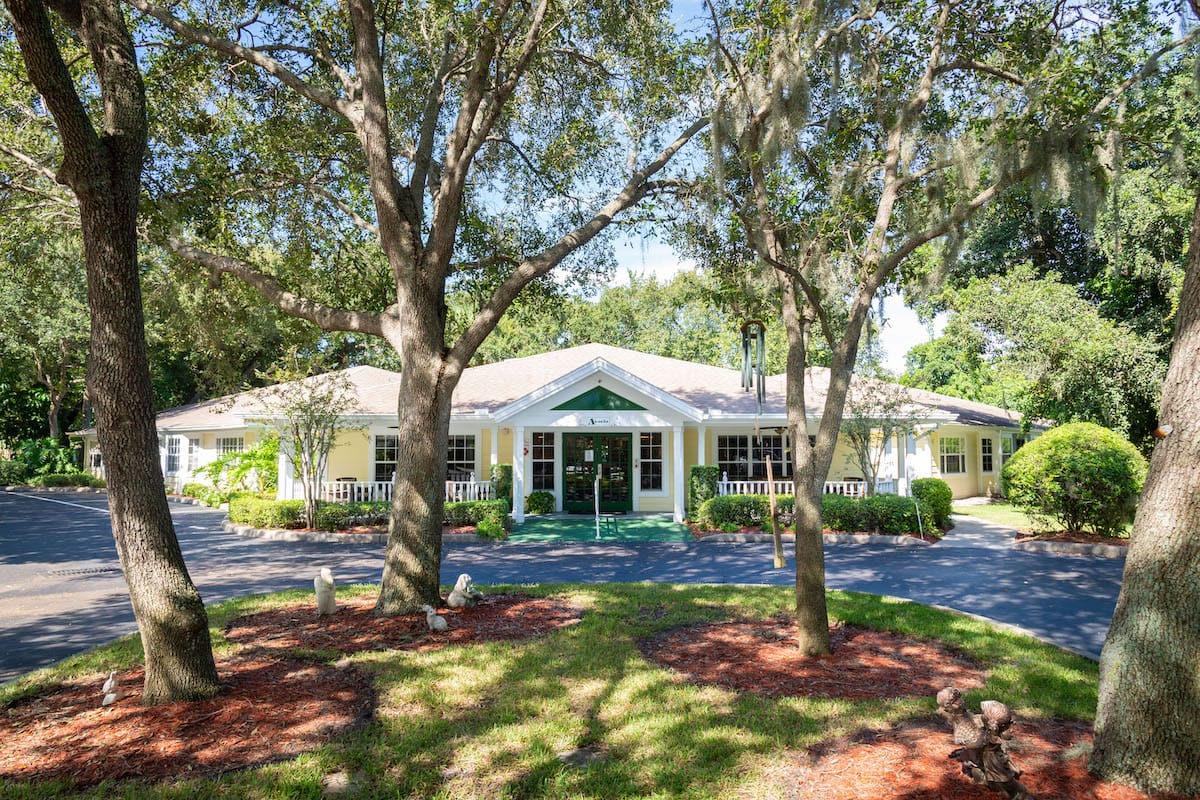
Discovery Commons Bradenton
Assisted LivingSenior Assisted Living is the perfect blend between luxury, convenience, and care. Youre housed in a picturesque, comforting community where you have the utmost freedom. On the other hand, you have access to personalized day-to-day care including assisted bathing and grooming to continence and medication management, amongst others. Our on-site amenities such as therapy services and 24-hour nursing care promote a high quality of life. With the vast array of dining, transport, and wellness amenities, we aim to prioritize your needs. It's clear that Discovery Commons At Bradenton recognizes the importance of holistic care for seniors and has integrated wellness and therapy services into their assisted living program to meet a variety of needs. Here's a breakdown of their approach:Comprehensive services: The wellness and therapy services offered cater to a wide range of needs, including those recovering from surgery, stroke, spinal cord injuries, traumatic brain injuries, and memory-related conditions like dementia or Alzheimer's disease, as well as Parkinson's disease. This comprehensive approach ensures that residents receive tailored care that addresses their specific health challenges.Improved mobility and activity: By participating in these services, residents can expect to increase their mobility and become more active. This can have a significant impact on their overall quality of life, allowing them to engage more fully in daily activities and maintain independence.Pain relief and fall prevention: The program aims to alleviate joint pain in areas crucial for mobility, such as the back, neck, shoulders, and knees. Additionally, by addressing mobility issues and building strength and balance, residents can reduce their risk of falls, which is particularly important for those who have experienced previous falls.Enhanced daily living: The ultimate goal of the wellness and therapy services is to improve residents' ability to manage their daily living activities. Whether it's simple tasks like grooming and housekeeping or more complex activities, residents can expect to receive support and guidance to help them
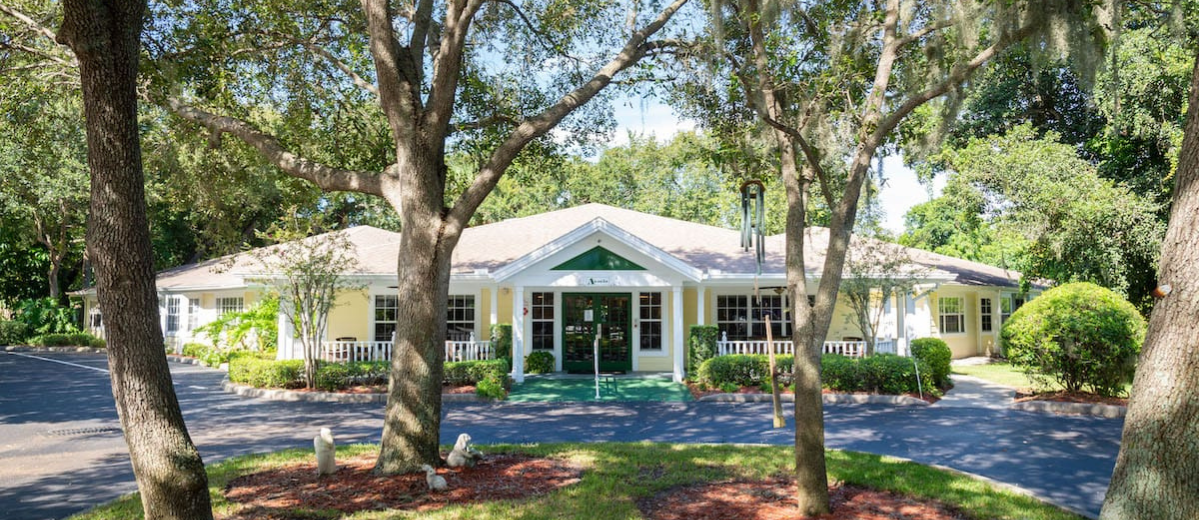
Discovery Commons Bradenton
Memory CareDiscovery Commons At Bradenton's SHINE Memory Care Program sounds like an exceptional resource for those seeking memory care services in Bradenton, FL. The program's national recognition highlights its dedication to providing top-quality care for individuals with memory impairments.The emphasis on fostering independence, confidence, and self-esteem is commendable. Celebrating small successes, focusing on positivity, and encouraging active participation in daily activities are all key components of creating a supportive and uplifting environment for residents.The commitment to stimulating mental activity, promoting physical exercise, and maintaining social and religious connections underscores the holistic approach to memory care. By addressing various aspects of well-being, residents can enjoy a higher quality of life and greater overall satisfaction.The focus on dining experiences is also noteworthy. Nutrient-dense gourmet meals contribute to residents' overall health and well-being, while the emphasis on active participation in dining promotes a sense of normalcy and social engagement. The provision of "Food on the Run" for residents who may struggle with mealtime focus or wander frequently demonstrates a thoughtful approach to meeting individual needs and preferences.Overall, Discovery Commons At Bradenton's SHINE Memory Care Program appears to be a compassionate and comprehensive resource for individuals and families navigating the challenges of memory impairment.