Family Caregiving: Practical Steps Following a Loved One's Alzheimer's Diagnosis
Advocate In-Home Care - Lee & Collier Counties
For more information about the author, click to view their website: American In Home Care
Oct 18, 2022

Email US
Click to Email Us
A diagnosis of Alzheimer’s disease or another form of dementia is likely to raise a variety of questions and bring about numerous emotions for both the individual diagnosed and his or her family. While life will change, there are a number of steps to take that can help ensure a practical plan is in place that helps a loved one live with dignity and independence and family caregivers receive needed support.
To help families navigate a new Alzheimer’s diagnosis, the Florida care experts at American, Advocate and Whitsyms In-Home Care offer the following tips.
Get Organized
Following an Alzheimer’s diagnosis, it is extremely important to tackle and organize the administrative tasks that will guide an older adult’s care. Gathering information and having it readily available will provide an important measure of control and stability.
- Finances. Discuss with a newly diagnosed loved one the importance of designating a financial power of attorney who can help manage investments, savings accounts, and insurance policies. Now is also an ideal time to have a frank discussion about the older adult’s financial situation, the options available to fund future care needs, and any loans or debts they have.
- Record-Keeping. Use binders to gather and store financial records, medical records, names and contact information for the attorney, investment advisor, CPA, or other professionals. Additionally, ask the older adult to provide the names and contact information for anyone who is important to them.
- Calendar. To help the older adult continue to maintain independence for as long as possible, set up a physical calendar and use it to record the dates and times of medical appointments, social visits with family and friends, support group meetings, etc. Encouraging the older adult to keep a pocket-sized notebook to write down notes, details from conversations, and other information they want to remember is also helpful.
Educate Yourself
For family caregivers, it is easy to feel overwhelmed not just by a loved one’s diagnosis, but by the many changes that can be anticipated as the disease progresses. Maintain a one-day-at-a-time approach and look for reliable resources that can help you plan and prepare, such as:
- Ask the physician for resources that explain what to expect following an Alzheimer’s diagnosis
- Seek out support groups – either local groups that meet in person, or groups that meet virtually
- Access the resources available online at The Alzheimer’s Association, the National Institute on Aging, and other well-regarded organizations
- Ask for referrals to local organizations that help families and their loved one following an Alzheimer’s diagnosis
Build a Support Team
Caring for a loved one with Alzheimer’s is a great deal of responsibility, and it is not a role to take on without support. Building a trusted care team is critical and can help provide support, strategies for care, resources, and insight into what to expect during each stage of the disease.
Primary Care Physician. A trusted physician who has experience managing memory care issues and who is willing to patiently answer questions is critical. In addition to helping to manage the dementia, the physician will also continue to monitor the older adult for other pre-existing health conditions as well as any new health concerns that may arise.
Memory Care Specialist. Following an Alzheimer’s diagnosis, it is important to make an appointment with a physician who specializes in caring for older adults with dementia. This may be a geriatrician, a neurologist and /or a psychiatrist. The knowledge and expertise offered by a specialist can help guide care and provide information about clinical trials.
Geriatric Care Specialists. Social workers, care coordinators and case managers have experience and special training in working with older adults who have been diagnosed with Alzheimer’s. They can help develop a customized care plan and provide practical advice in navigating the stages of the disease, while helping the older adult maintain a high quality of life.
Home Health Care. Partnering with a referred care provider from American, Advocate and Whitsyms In-Home Care is beneficial for both the older adult and the family caregiver. With specialized Alzheimer’s and dementia training, the providers we refer offer friendly companionship, medication management, assistance with personal care needs, and respite care to ensure family caregivers can take needed time away to rest and recharge.
Family and Friends. Having the support and family and friends is critical when navigating an Alzheimer’s diagnosis. From sharing care responsibilities to providing a shoulder to lean on for support, maintaining connections to family and friends is critical for both the older adult and the family caregiver.
American, Advocate and Whitsyms In-Home Care have been trusted by Florida families for over three decades. To learn more about how experienced, friendly, and high-trained referred care providers can help following an Alzheimer’s diagnosis, reach out to the office nearest you to learn about our wide-variety of in-home care services:
- American In-Home Care – Serving North, Central, and West Coast of Florida
- Advocate In-Home Care – Serving Southeast and Southwest Florida
- Whitsyms In-Home Care – Serving Southeast and Southwest Florida
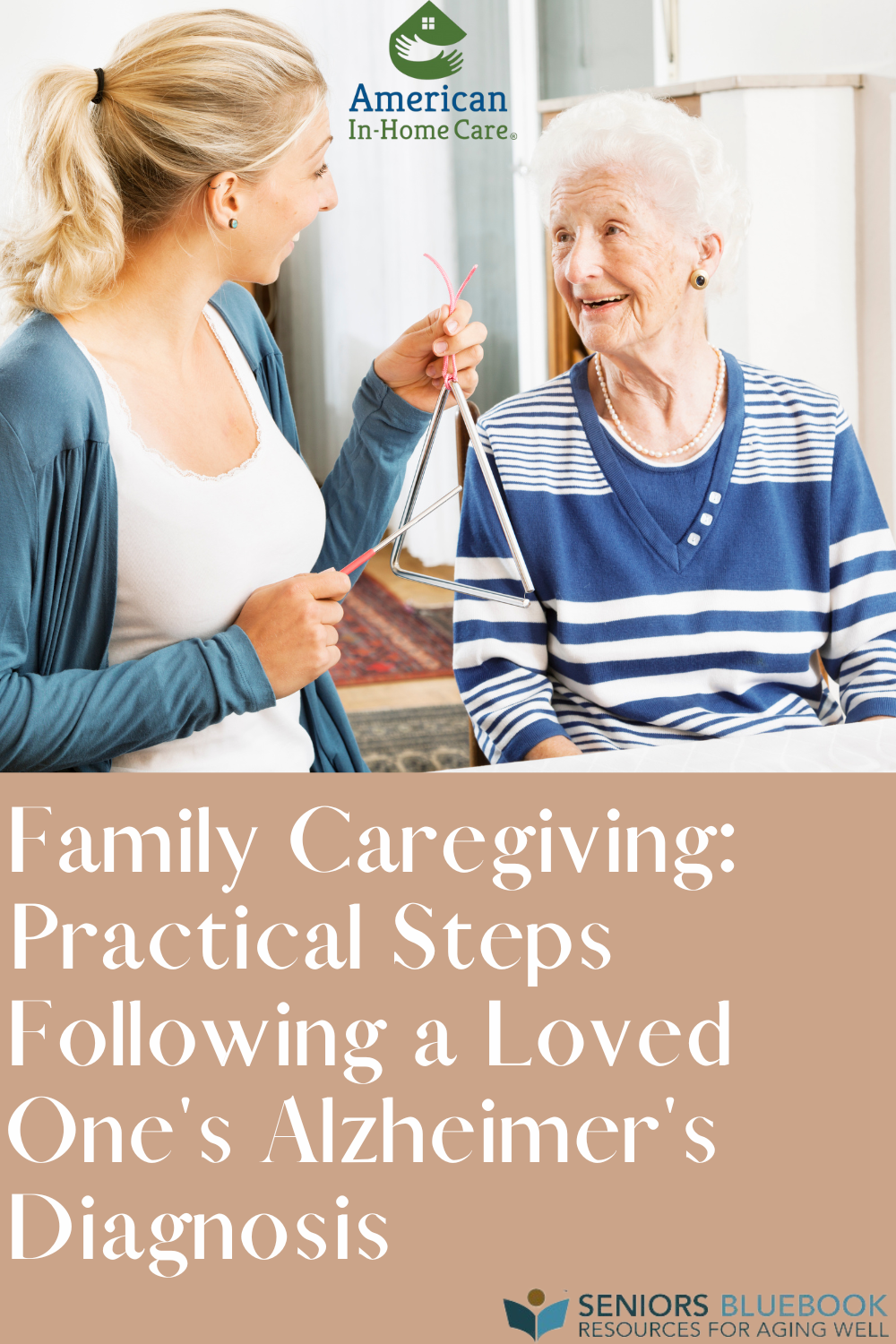
- To view the original version of this article visit www.americaninhomecare.com/blog/2022/10/17/alzheimers-diagnosis/
- Seniors Blue Book was not involved in the creation of this content.
Other Articles You May Like
What to Look for When Choosing an Assisted Living Community
Finding the right support for an aging parent or loved one is one of the most significant decisions a family caregiver can make! For more than 70 years, Westminster Communities of Florida has helped countless families navigate this process and find the right option for their loved one. Our expert team is always here to provide guidance and ensure peace of mind. Weve compiled this guide to help you evaluate assisted living communities and choose a community where your loved one will receive high-quality, comprehensive support while maintaining their dignity, autonomy, and independence. Defining Assisted Living: Independence with a Helping HandAssisted living offers a supportive residential setting designed for older adults who want to maintain their independence but require help with activities of daily living (ADLs). Unlike nursing homes, assisted living communities focus on enhancing autonomy while providing personalized aid.When choosing an assisted living facility, families often balance immediate physical care needs with a desire to preserve their loved ones lifestyle. It is important to remember that most adults transitioning to assisted living remain sharp, active, and eager to participate in life. They may simply need extra support with day-to-day physical tasks or mobility due to managing chronic health conditions. For more on the difference between assisted living and nursing home care, read our article, Assisted Living vs. Nursing Home: What Are the Differences? A high-quality assisted living community usually includes these core services: Assistance With Activities of Daily Living (ADLs): Help with daily personal tasks such as bathing, dressing, grooming, and mobility.Medication Management: Reminding residents to take medication or professionally administering medication to ensure adherence and safety. .Household Support: Maintenance-free living to eliminate upkeep associated with home ownership. Many assisted living communities also offer housekeeping, linen services, and daily meal preparation.24-Hour Support: Trained staff on-site continuously for safety, emergencies, and peace of mind.Assessing Levels of Care for Seniors: The Life Plan Community AdvantageWhen evaluating assisted living communities, look beyond immediate needs. Your loved ones needs may change over time, and moving repeatedly to different care environments can be stressful for older adults and caregivers alike. This is where choosing a Life Plan Community (also known as a Continuing Care Retirement Community or CCRC) makes a vital difference. A Life Plan Community provides multiple levels of care for seniors on a single, unified campus: Independent Living: Active, maintenance-free apartment or single-family home living within a community for independent seniors.Assisted Living: Specialized personal care support tailored to physical needs while honoring personal independence.Memory Care: Dedicated environment and specialized programming for individuals living with Alzheimers disease or other forms of dementia or cognitive decline.Skilled Nursing: long-term care, staffed 24/7 by skilled, licensed medical professionals Senior Rehabilitation: short-term physical, occupational, and speech therapy to help seniors regain strength, mobility, and confidence. By choosing a Life Plan Community, families secure access to the care needed today while guaranteeing a smooth transition to additional levels of care on the same familiar campus if future needs evolve.The Value of a Full Continuum of CareA seamless continuum of care ensures that if a resident experiences an acute health change, such as surgery or a fall, they receive high-quality senior rehabilitation or skilled nursing care right where they live, without the disruption of relocating to an outside facility.Research consistently indicates that receiving integrated, on-site healthcare within senior living settings leads to improved health outcomes. According to findings published by the National Institute on Aging (NIA), coordinated care management and proximity to medical therapy reduce hospital readmission rates, support faster physical recovery, and lower overall caregiver stress.Healthcare Awards and AccreditationWhen evaluating the strength of an assisted living communitys health services, look for third-party accreditations. For example, Westminster Communities of Florida provides a spectrum of on-site care, from skilled nursing care to specialized physical, occupational, and speech rehabilitation therapy.Joint Commission Gold Seals for National Quality ApprovalGovernors Gold Seal Awards for Excellence in Long-Term Care5-Star Overall Ratings from the U.S. Centers for Medicare & Medicaid Services (CMS)U.S. News & World Report Best Nursing Homes honorsUnderstanding Costs: Tiered Care vs. All-Inclusive PricingFinancial clarity is critical when evaluating senior living contracts. As detailed in our previous article on the cost of assisted living in Florida, communities generally operate under two primary pricing models:Pricing ModelHow It WorksKey BenefitsTiered (Fee-for-Service) CareResidents pay a base rate for housing, with additional fees added as care needs increase (measured in tiers or levels).Lower initial monthly base fee for residents who require minimal personal physical assistance at move-in.All-Inclusive PricingA comprehensive monthly rate covers residence, amenities, dining, and extensive personal care support without escalating fees as care needs change.Predictability, budget security, and freedom from unexpected fee spikes as physical care needs evolve.While an all-inclusive model provides families with predictable monthly budgeting and peace of mind, a tiered model offers financial flexibility by ensuring residents only pay for the specific care services they actually use.Prioritizing Social Engagement and Quality of LifeSocial isolation poses significant health risks for aging adults. The U.S. Surgeon Generals Advisory on Social Connection reports that chronic loneliness increases the risk of heart disease by 29%, stroke by 32%, and dementia by 50% in older adults, making social connection a medical necessity.Assisted living communities combat social isolation by integrating daily opportunities for social, physical, and intellectual connection.Checklist: What to Ask Assisted Living CommunitiesUse this comprehensive checklist of questions to ask when looking for assisted living in Florida.1. Matching Care Levels & Future Needs[ ] Does the campus offer a full continuum of care (Independent Living, Assisted Living, Memory Care, Skilled Nursing)?[ ] What is the process for transitioning to a higher level of care if physical needs increase?[ ] Are short-term senior rehabilitation services available on-site?2. Staff Training & Qualifications[ ] What specialized certifications do direct care staff and nurses hold?[ ] How does the team handle emergencies or sudden changes in health status?[ ] Is staff available on-site 24/7, and what is the staff-to-resident ratio during day and night shifts?3. Amenities & Services Included[ ] What maintenance, housekeeping, and transportation services are included?[ ] Are dynamic dining options provided that accommodate specific nutritional guidelines?[ ] Does the community feature accessible outdoor gardens, fitness facilities, and creative spaces?4. Costs, Contracts & Pricing Structure[ ] Is the fee structure tiered or all-inclusive?[ ] What specific services trigger additional out-of-pocket expenses?[ ] Are refund policies and contract terms clearly defined in writing?5. Social Engagement & Quality of Life[ ] Does the social calendar offer diverse physical, intellectual, and spiritual programs?[ ] How are residents empowered to maintain their independence, daily schedules, and personal hobbies?[ ] How does the community help new residents connect with peers during their transition?Finding Local Support Across FloridaLocation plays a crucial role when staying close to family, trusted medical providers, and familiar neighborhoods. If you are exploring regional options across Florida, consider Westminster Communities outstanding residences in these areas:Central Florida: Search options for assisted living Orlando FL, including Westminster Towers, Westminster Winter Park and Westminster Baldwin Park. Plus explore historic neighborhood options for assisted living Lakeland FL, including Westminster Lakeland.Gulf Coast & Suncoast: Explore premier coastal environments offering assisted living St Petersburg FL, including Westminster Palms, Westminster Shores, and Westminster Suncoast, or community offerings in assisted living Bradenton, including Westminster Bradenton.North & East Coast Florida: Discover historic coastal living via assisted living Jacksonville and assisted living St Augustine, including Westminster Woods on Julington Creek and Westminster St. Augustine, or capital city care options at assisted living Tallahassee, including Westminster Oaks.Selecting the right community provides your loved one with an environment where they can thrive, combining physical support with independence, safety, and a vibrant social life.
Boosting Senior Cognitive Health Through Art, Culture, and Community
When thinking about ways to maintain cognitive health for seniors , solo brain games and puzzles often come to mind. While individual mental exercises certainly have value, research increasingly shows that engaging in creative arts, especially within a supportive group setting, delivers a more dynamic and comprehensive workout for the brain.Whether it is painting side-by-side in a studio, singing in a choral group, or collaborating on a woodworking project, artistic pursuits do more than fill an afternoon. They actively stimulate neural pathways, foster deep social connections, and support long-term cognitive resilience.At Westminster Communities of Florida, were dedicated to helping residents maintain cognitive wellness so they can continue to lead happier, healthier lives. Our Life Plan Communities provide a wide range of art programs for seniors to help residents stay engaged, foster social connections, and reap the proven benefits of creativity.The Science of Creativity and Brain HealthThe human brain possesses a remarkable capacity for neuroplasticitythe ability to form new neural connections and adapt over time. A 2025 study published in Nature found that creative experiences are linked to delayed brain aging and can enhance connectivity in regions of the brain associated with aging. Unlike routine daily tasks, creative expression engages cognitive function in several ways:Multisensory Neural Activation: Mediums like painting, ceramics, and sculpture demand spatial reasoning, planning, and fine motor coordination, engaging both the visual and motor cortex.Dual-Hemisphere Integration: Performing arts, music, and writing activate auditory processing, language recall, and emotional recognition across both sides of the brain.Stress Reduction and Cognitive Focus: Engaging in creative work lowers cortisol levels. Reducing stress directly supports memory retention, focus, and overall mental clarity.Reclaiming Time for Lifelong PassionsFully pursuing creative interests requires two essential components: dedicated time and accessible space.For many older adults living in traditional homes, daily household upkeep, including lawn care, roof maintenance, and routine repairs, consumes energy that could otherwise be spent pursuing personal growth.Life Plan Communities, such as Westminster Communities, address this by removing the burdens of home maintenance. With property upkeep fully managed, seniors can free up time to participate in workshops, explore new artistic mediums, or join group projects with neighbors.Creative Expression in Action: Community HighlightsThe multiple art programs offered at Westminster Communities of Florida locations illustrate how dedicating resources and providing cognitive stimulation activities for older adults can provide a greater sense of fulfillment and purpose to daily life.1. Bringing Regional Arts onto CampusProviding direct access to professional artists keeps creative programming dynamic. Westminster Winter Park served as a host site for the Winter Park Paint Out, held in partnership with the local Albin Polasek Museum & Sculpture Gardens. During the event, fine artist Cory Wright led a live outdoor painting demonstration along Lake Berry titled The Positive Aspects of Negative Space in Painting. Observing a professional artists process in real time provided residents with fresh insights into visual composition, lighting, and perspective.2. Statewide Resident ShowcasesExhibiting resident work provides a sense of goal-oriented accomplishment. The annual Westminster Communities Foundation Resident Art Show highlights this creative spirit on a broad scale, featuring more than 300 works submitted by residents and team members of Westminster Communities of Florida. The exhibition spans diverse disciplines, including fine woodworking, pottery, watercolors, acrylics, and mixed media. Watch this video to see the wide array of creative talent featured in the showcase.https://youtu.be/p2blpith9YY3. Purpose-Built Cultural InfrastructureAs part of our commitment to improving cognitive health for seniors, two new Cultural Enrichment Centers are currently under construction at Westminster Winter Park in Winter Park, FL, Westminster St. Augustine in St. Augustine, FL, and Westminster Woods on Julington Creek in St. Johns, FL. Heres a look at the exciting cultural infrastructure were building:Community LocationVenue Seating & Key FeaturesOperational HighlightsRelated ArticleWestminster Winter Park (Winter Park, FL)375 Seats High-caliber performance acoustics Advanced audiovisual technology Expansive reception hall & lakeview terraceDesigned for resident showcases, performing arts, and intergenerational cultural partnerships with local schools and arts organizations.Groundbreaking: Westminster Winter Park Senior Living Cultural Enrichment Center Elevates Arts & Lifelong LearningWestminster St. Augustine (St. Augustine, FL)300+ Seats Cutting-edge stage lighting Specialized acoustic designBuilt to host fine art shows, theatrical performances, concerts, and educational collaborations with Flagler College and UNF.Westminster St. Augustine Breaks Ground on Brand-New Cultural Enrichment CenterWestminster Woods on Julington Creek(St. Johns, FL)The Woodlands Expansion Integrated Cultural Enrichment Center Waterfront bistro & fitness centerPart of a major campus expansion adding 42 waterfront independent living residences along Julington Creek, dedicated to arts, culture, and lifelong learning.Construction Update: New Jacksonville Waterfront Senior Living Comes to Life4. Personal Perspectives from Resident ArtistsThe real value of these opportunities lies in the lived experience of the residents who participatemany of whom bring decades of professional mastery to our community studios.Among them is Beatrice Athanas, a resident at Westminster Winter Park and an accomplished representational painter. Born in Germany and trained in Hamburg, Beatrice has built a distinguished 30-year career bringing her vibrant oil and acrylic landscapes to juried venues across Florida, earning honors at prestigious events like the Winter Park Art Shows, ArtiGras, and Disneys Masters. Her works are held in notable collections, including Walt Disney World, the Orlando International Airport, and the Copelouzos Family Art Museum in Athens, Greece.For professional artists like Beatrice, as well as neighbors discovering their creative side for the first time, community living provides the ideal backdrop to create, teach, and stay connected.I have witnessed and felt how creativity keeps us vibrant, whole, and productive. A song can lift a weary spirit, a poem can spark a lively conversation, and a painting can open profound doors to memory. Beatrice Athanas, Resident & Professional ArtistTo hear more from Beatrice on how she found more time to dedicate to her passions at Westminster Winter Park, watch the video below.https://youtube.com/shorts/4aiAZe-ENXoSupporting Cognitive Wellness Through the ArtsMaintaining cognitive health is about more than routine mental drills, it is about cultivating curiosity, building strong social networks, and continuously discovering new interests. By removing the demands of home maintenance and investing in robust artistic environments, older adults are empowered to protect their brain health while fully enjoying the time to dedicate to their passions and creative pursuits.Find your ideal active lifestyle and explore artistic opportunities at one of our communities today!
Creating a Vibrant Lifestyle at The Glenview
When Rachel Ritter first walked through the doors of The Glenview, she wasnt leading concerts, organizing excursions, or planning community-wide celebrations.She was 15 years old, bussing tables in the dining room.Today, more than three decades later, Rachel has come full circle as The Glenviews new Lifestyle Director a role that perfectly combines her lifelong dedication to the community with her passion for enriching the lives of residents.Along the way, Rachel earned both a nursing degree and a degree in history, supported in part by a scholarship from The Glenview Scholarship Fund. She worked at The Glenview throughout college, held numerous leadership roles in Dining Services, and built lasting relationships with residents and team members alike.Now, she has found what she calls her true calling.After 31 years at The Glenview, Ive discovered that my greatest passion is creating a vibrant lifestyle for our residents, said Rachel. Dining Servies allowed me to create exceptional experiences around the table, but I wanted to contribute even more to daily life here. My goal is simple: every resident should wake up each morning with something exciting to look forward to.That philosophy is reflected in every square of The Glenviews bustling Activities Calendar. A Calendar Packed with PossibilityRachels vision is ambitious: create enough variety that every resident can find something that sparks joy, curiosity, connection, or purpose.Its my job to bring joy to peoples lives, said Rachel. I take that responsibility very seriously.Each month, residents enjoy an extraordinary mix of entertainment, education, wellness, social events, and excursions. Signature Events & EntertainmentTwo to three major events each month bring the community together for unforgettable experiences. From jazz ensembles and classical concerts to vocal performances and thought-provoking lectures by college professors, residents can explore topics ranging from history and philosophy to pop culture and current events. Culinary ExperiencesFood lovers eagerly await the monthly cooking demonstrations led by Executive Chef David Chidsey or Pastry Chef Ashley Yedeski. Residents learn professional techniques, enjoy generous tastings, and occasionally see favorite recipes make their way onto the dining room menu.The culinary fun continues with themed luncheons and tea parties. Recent favorites have included French and Asian-inspired lunches, farm-to-table seasonal luncheons, a Southern Tea Party, and a whimsical Mad Hatter Tea complete with imaginative desserts.Ashley has a gift for creating memorable pastries, said Rachel. Together, we love finding ways to surprise residents with something delicious and unexpected. Wellness for the Whole PersonAt The Glenview, wellness extends far beyond exercise.Working alongside Director of Health & Wellness Navigation Kari Bone, Rachel helps create programming that supports all eight Dimensions of Wellness: physical, emotional, social, spiritual, intellectual, vocational, health services, and environmental health.Recent speakers have included cardiologists, dietitians, meditation specialists, IT & fraud advocates, and other experts all lectures paired with refreshments and opportunities for discussion.Our residents are incredibly curious and engaged, said Kari Bone. Its a pleasure working with Rachel to bring in exceptional speakers on topics that matter most to the quality of life for our seniors. Lifelong learning is alive and well at The Glenview!Residents can also choose from 13 fitness classes every week, including yoga, meditation, cardio exercise, balance training, chair fitness, Tai Chi, and specialized classes led by physical therapy professionals. For independent workouts, the Fitness Center offers access to state-of-the-art equipment seven days a week. Adventure Awaits in Pelican BayWhile there is always something exciting happening on campus, Rachel also loves taking residents on the road. Recent outings have included a Rhythm & Blooms Jazz Concert at the Naples Botanical Garden, rooftop happy hour at The Perry Hotel, and visits to every new exhibition opening at the Artis Naples Museum.Rachel also coordinates transportation for residents who are season ticket holders for Naples Players productions and Artis Naples Masterworks Concerts.One of the best parts of my job is helping residents continue exploring the community they love, said Rachel. Theres always another adventure waiting in Pelican Bay. The Power of Shared InterestsSome of the communitys most beloved activity programs are resident-led. Book lovers can join either the Fiction Book Club, led by resident Lynn Nolan, or the Non-Fiction Book Club, led by resident Cynthia Bye. Creative residents can gather for the Social Crafting Bee, where simple projects are paired with cookies, lemonade, and conversation. The newest project a handmade greeting card was suggested and organized by resident Carol Levy.The Card Room is always a hub of activity at The Glenview. Card players gather regularly for bridge, Mexican Train, mahjongg, and other favorite games, while movie enthusiasts enjoy Saturday matinees complete with buttered popcorn.Rachel has a remarkable talent for turning resident ideas into reality, said Lynn Nolan, resident and Chair of the Lifestyle Committee. She listens, encourages participation, and helps create the sense of community that makes The Glenview so special. Rachel is much loved by all our residents. Giving Back TogetherSome activities focus on something even bigger than fun.Through a partnership with Meals for Hope, residents participate in quarterly philanthropy events that help organize and distribute food for local families in need.Many residents want hands-on ways to serve others, Rachel said. This program allows them to make a direct impact while working together as a community.The Glenview knitting group has found a similarly meaningful mission by connecting with the global non-profit Knitted Knockers, where they create soft knitted prostheses for women recovering from breast surgery.Its amazing to watch residents use their talents to comfort someone theyve never met, said Rachel. The project gives purpose to every stitch. A Scholarship That Came Full CircleOne activity especially close to Rachels heart is the monthly Scholarship Bingo fundraiser. All proceeds benefit The Glenview Scholarship Fund, which helps employees further their education.I was fortunate enough to receive one of those scholarships myself, said Rachel. It changed the course of my life. Every time we host Scholarship Bingo, Im reminded of how much this community invests in its people. Always Looking AheadRachel is already looking to expand the already full Activities Calendar.A new Dining Out Club is in development, giving residents opportunities to explore local restaurants together. Rachel is also working with yoga instructor Marjorie to launch a Senior Salsa class and continues partnering with the resident-led Lifestyle Committee to bring new ideas to life.The best ideas often come from residents, said Rachel. When people share their passions, we can create even more opportunities for connection and fun.Resident Judy Johansen agrees. Rachels enthusiasm is contagious, said Judy. She creates opportunities for everyone to get involved, make friends, and try something new. Theres always something exciting on the horizon here.For Executive Director Daniel Gomez, Rachels impact is impossible to miss. Rachel brings tremendous energy, creativity, and heart to everything she does, said Daniel. Her decades of experience at The Glenview, combined with the genuine relationships shes built with residents, make her truly irreplaceable. She helps create the culture of joy that defines this community.Rachel sums up her vision with characteristic enthusiasm: I want The Glenview to feel like a cruise ship that never leaves the dock, she said. There should always be great food, lively conversation, and exciting activities waiting around every corner!Judging by the packed calendar and the smiles it creates Rachel has certainly contributed to making The Glenview a destination of choice for seniors.We invite you to experience The Glenview personally. Join us for lunch, tour the community, meet the residents, and see firsthand why so many discerning individuals choose to call it home.To learn more about our community or schedule a visit, call us at (239) 977-9744 or complete our Contact Us form.
Local Services By This Author
Advocate In-Home Care
Home Health 3800 Colonial Boulevard, Fort Myers, Florida, 33966Advocate In-Home Care LLC is a leading provider of customizable and affordable in-home care services in Florida. With a focus on senior home health care, we offer a range of services tailored to meet the unique needs of each individual. Whether you require companion care, personal care, live-in or 24-hour care, Alzheimers and dementia care, post-operative care, skilled nursing, or respite care, our dedicated team is here to help.We understand the importance of finding the right care provider for your loved one, which is why we take the time to match our clients with caregivers who are not only qualified but also compassionate and dedicated. Our testimonials and reviews speak to the high level of care and attention to detail that we provide.At Advocate In-Home Care LLC, we care about you and your family, and we strive to make the process of finding quality in-home care as seamless as possible. Contact us today to learn more about what to expect when you choose us as your care provider. Our experienced Client Care Liaisons are here to help you every step of the way.Since 1992 Advocate In-Home Care has helped clients live at home by matching them with the best referred Care Providers for their situation, we guarantee it. Services can include Companion Care, Personal Care, Live-in Care, Alzheimers Care, Respite Care, and Assistance with Daily Activities. Visit our web site for a Free Consultation with a local Care Liaison.
Advocate In-Home Care
Non-Medical 3800 Colonial Boulevard, Fort Myers, Florida, 33966Advocate In-Home Care LLC is a leading provider of customizable and affordable in-home care services in Florida. With a focus on senior home health care, we offer a range of services tailored to meet the unique needs of each individual. Whether you require companion care, personal care, live-in or 24-hour care, Alzheimers and dementia care, post-operative care, skilled nursing, or respite care, our dedicated team is here to help.We understand the importance of finding the right care provider for your loved one, which is why we take the time to match our clients with caregivers who are not only qualified but also compassionate and dedicated. Our testimonials and reviews speak to the high level of care and attention to detail that we provide.At Advocate In-Home Care LLC, we care about you and your family, and we strive to make the process of finding quality in-home care as seamless as possible. Contact us today to learn more about what to expect when you choose us as your care provider. Our experienced Client Care Liaisons are here to help you every step of the way.Since 1992 Advocate In-Home Care has helped clients live at home by matching them with the best referred Care Providers for their situation, we guarantee it. Services can include Companion Care, Personal Care, Live-in Care, Alzheimers Care, Respite Care, and Assistance with Daily Activities. Visit our web site for a Free Consultation with a local Care Liaison.