FINANCIAL SERIES - Identity Theft
ProMedica Skilled Nursing and Rehabilitation at Lely Palms
Mar 25, 2021
Florida - Southwest

Email US
Click to Email Us
According to the Federal Trade Commission, 16.6 million people were victims of identity theft in 2012, and the number continues to rise. Its important to be aware of the risks and protect yourself before it happens. That begins with knowing how to prevent it from happening at all.
Not all identity theft starts with computers. Thieves can find information from discarded mail, prescription bottles, stolen wallets, and even eavesdropping when using your credit card or writing a check. According to the FBI, identity thieves start with names, Social Security numbers and dates of birth. They also use Medicare numbers, bank account or credit card numbers, birth certificates, death certificates, passport numbers, telephone numbers, passwords that use maiden or middle names, and even fingerprints. The most common ways thieves get this information are through burglaries that involve the loss of checkbooks, drivers license, registration, credit cards, etc., email and phishing scams, and computer hacking.
Even though just about anyone can become the victim of identity theft, it doesnt have to happen. There are a number of things you can do to protect yourself from these crafty thieves.According to the Department of Commerce, there are four main things you can do to protect yourself.
1.Keep and dispose of your personal information, especially your social security number, securely. Keep your financial documents and records in a safe place that can be locked and only carry identification and other cards you will need for that specific errand. Shred documents that are no longer needed, destroy or remove labels from empty prescription bottles, and take outgoing mail to a US Postal Service mail box or post office.
2.Take all the appropriate security measures for your cellular telephone, computer and other electronic devices. Make sure you are using a secure wireless network before you send any information. Use passwords, locks and antivirus software. And make sure you permanently delete all information from computers, phones and other mobile devices before you dispose of them.
3.Ask questions before you share your personal information. Ask why they need the information, how the information is to be used, what their security measures are for protecting the information, and what would happen if you choose not to share the information.
4.Never give information to someone you dont know. This includes phishing emails that should never be opened and the links or downloads contained in these emails. By opening an email from a stranger, you could be exposing your computer or device to a virus or spyware that can give thieves access to your information. Never give out your personal information to someone via the telephone, internet or mail unless you initiated the contact.
IF YOU THINK YOU ARE A VICTIM OF IDENTITY THEFT, TAKE ACTION IMMEDIATELY.
1.Call the fraud departments of the company or companies where the fraud occurred and tell them you are a victim of identity theft.
2.Put a fraud alert on your credit and get a credit report from one of the three credit bureaus. When one credit bureaus gets a fraud alert, they will automatically contact the others. This is free and allows you to review your credit history for new accounts or purchases that you did not initiate.
3.Report any fraudulent transactions to the Federal Trade Commission. The FTC has an online complaint form or you can call them at 1-877-438-4338. They will issue you an Identity Theft Affidavit which you should print and keep.
4.File a report with the police department in your community. Take a copy of your Identity Theft Affidavit from the FTC, a photo ID, proof of your address, and any proof you have of the theft.
These steps will start your recovery from the theft, and begin to restore your credit. Unfortunately, the investigation and follow-up on identity theft can take months or even years. But your quick action can limit the financial loss and damage.
Submitted and Written By: HCR Manorcare - click here for more information

Other Articles You May Like
Naples Clinic Expands to Provide Free Medications for Low-Income Workers
For low-income Collier County residents who are working but uninsured, access to the medications they need is not as easy as going to a regular chain pharmacy to pick them up. Thats where the Neighborhood Health Clinics expanded non-narcotic medication room comes in, giving patients managing chronic conditions including hypertension and diabetes timely access to medications at no cost. The 1,850-square-foot medication room, located at the clinic on Goodlette-Frank Road near Central Avenue, was built at a cost of $500,000 and is named for the late Stacy Forman, a Naples philanthropist who donated funding for the expansion.Keith Maples, CEO of Neighborhood Health Clinic, said the expanded medications facility enhances the clinics ability to serve patients faster and more efficiently. On a typical day, a patient can walk in and when they walk out, theyre walking out with thousands of dollars worth of medication that, if it were outside of the Clinic, they would not be able to fill those prescriptions because it would be outside of what they could afford, Maples said. He said the expanded space, equipped with updated technology and increased storage capacity, allows for a larger inventory of non-narcotic medications that enables the Clinic to fill prescriptions immediately to minimize delays in treatment. In 2024, the Clinic distributed $6.5 million in retail value of medications thanks to partnerships with Americares, Direct Relief, Dispensary of Hope and other pharmaceutical companies. The expansion allows us to work even more with our pharmaceutical partners to basically procure all of the medications necessary for our patients, Maples said. He said that many patients arriving at the Clinic for the first time have not previously received medical care for the condition needing treatment and may have vastly elevated blood pressure or blood sugar levels, for example. When they walk through the doors, theyre at such a heightened level that were trying to bring it back to a controlled number to where its manageable for them, Maples said. If their A1Cs are through the roof, their [blood] sugars are through the roof, were trying to get them back to an established number that helps them feel better. Well never cure them of all those illnesses, but well maintain that health for them, so they feel better and have a better quality of life.Clinic grows to meet patient demand The nonprofit Neighborhood Health Clinic was established in 1999 by Dr. Bill and Nancy Lascheid to provide medical care to low-income, working but uninsured Collier County adults. Their daughter, Leslie Lascheid, now serves as president of the organization. In 2024 the clinic saw more than 12,000 patient visits and delivered more than 30,000 patient procedures, Maples said, with all medications, primary care, specialty care, surgeries and outpatient procedures provided free of charge to patients.All funding is through philanthropy, as the Clinic does not receive any city, county, state or federal funding including Medicaid or Medicare. Over the years the clinic has expanded as the patient load has increased. The original 11,000-square-foot facility more than doubled in size with the completion of the Armstrong Medical Specialties Building in 2021, which expanded the campus to 23,000 square feet. The addition of the Van Domelen Education and Wellness Building, also in 2021, took the total to its current 32,000 square feet, and when the Bill and Candy Raveis Pathology Building is completed this summer, the total campus will be at 43,000 square feet, according to Marcie Berland, the Clinics director of development. Maples said the Clinic has expanded strategically over the years to meet the medical needs of patients many of whom work in hospitality, service or construction industries in Collier County and the growing volume of patient visits. When weve expanded, we didnt do it just to do it, he said. We based it on what were the patient needs and what do we need in-house on a daily basis to deliver the care, providing the opportunity for a patient to walk in the door, get all the care they need and not have to go to another location somewhere else, or come for another appointment. Because when our patients miss days of work, thats food on the table and the roof over their heads. Its not like if I call in sick: I get a sick day and still get paid. He said the campus expansions allow most procedures including lab work to be done in-house, creating opportunities for sustainable, uninterrupted patient care. When that patient walks through the doors, I never want them to wonder where theyre going to get their care or how theyre getting to their next appointment, Maples said. Many of our patients get rides here, or they walk or ride their bikes, because very few own cars that they can drive in. And while the Clinic does have a full-time paid staff of 14 and five part-time staff, no medical professionals are paid to deliver care, Maples said. More than 250 physicians, 50 dentists, 100 nurses and 300 non-medical personnel deliver care and provide patient education on a volunteer basis.
How to Approach Tough Senior Move Conversations by A Call to Order Professional Organizers
How to Approach Tough Senior Move ConversationsGentle Talks That Open the Door to a Brighter Tomorrow Few conversations are as emotionally delicate as discussing a move with a senior loved one. Whether its downsizing to a smaller home, transitioning to assisted living, or clearing a longtime residence, these talks touch deep feelings of independence, memory, and identity. For many families, this moment is filled with uncertainty: How do we bring it up? Will they feel hurt or betrayed? What if they say no?At A Call to Order Professional Organizer, we believe that these tender conversations, when handled with care and love, can become opportunities for connection and growth. With the right approach, families can honor their loved ones feelings while gently guiding them toward a new chapter of safety and peace.Start with Empathy, Not LogisticsLead with the heart, and the rest will follow.Before any talk of movers or packing, remember this: a seniors home is not just a building. Its a lifetime of memories, milestones, and meaning. That kitchen may hold memories of holiday dinners. That chair might be where Dad read his morning paper. A move often feels like leaving part of themselves behind.Here are heartfelt steps to begin the conversation:1. Choose the Right Time and PlaceAvoid rushing into the topic during a stressful or emotional moment. Find a quiet, private time when everyone is calm. This shows respect and allows space for open, honest communication.2. Listen First, Talk SecondAsk gentle questions like, How are you feeling about the house these days? or Is anything at home starting to feel overwhelming? Listening with compassion builds trustand trust makes future decisions easier.3. Acknowledge Their EmotionsSay things like, I know this is really hard, or I can see how much this home means to you. Validating their emotions shows them youre not just trying to make decisions for them, but with them.4. Focus on Their Well-BeingCenter the conversation on care and safety, not on whats convenient for the family. Share your concerns lovingly: I want you to feel safe when moving around the house, or We want to make sure youre comfortable and supported every day.Build a Plan Together, One Gentle Step at a TimeEmpowerment is the bridge between fear and acceptance.Once the initial conversation has opened the door, its time to move forwardbut slowly, and with full inclusion. Seniors who feel part of the planning process are more likely to accept and embrace the move.1. Make a Family PlanGather key family members and involve the senior. Together, outline a general timeline, and identify roles. Who will help with packing? Who will handle paperwork? Make sure the seniors voice is front and center.2. Consider Professional SupportThis is where A Call to Order Professional Organizer comes in. We help remove overwhelm by guiding seniors and families through every phase of the move. Our team offers compassionate, step-by-step assistancefrom organizing and downsizing to setting up their new home with care.3. Take Breaks and Celebrate ProgressEmotionally heavy tasks like sorting through a lifetime of belongings can take a toll. Build in regular breaks. Reflect on joyful memories. Celebrate small wins, like donating gently used items to a local charity or passing heirlooms down to grandchildren.4. Tour New Spaces TogetherIf the move includes a transition to assisted living or a smaller home, visit the new space together. Talk about how to make it feel cozy and familiar. Bring their favorite chair or family photos. Let them dream a little about decorating or setting up a new routine.Loving Conversations Build Stronger FuturesApproaching a senior move isnt easybut it doesnt have to be heartbreaking. With tenderness, patience, and the right support, these conversations can lead to safer environments, simpler living, and a renewed sense of peace.At A Call to Order, we believe in honoring the emotional side of every move. Were here to help families bridge the gap between I cant imagine leaving and Im ready for whats next.Lets make this transition togetherwith love, understanding, and a plan made just for your family. Ready to talk about a senior move with kindness and clarity?Visit www.acalltoorderco.com or call 719-231-5425.Because every move deserves more than just boxesit deserves a soft place to land.FOLLOW US and stay inspired as you simplify and transition with love: LinkedIn: https://www.linkedin.com/in/acalltoorderco/ Facebook: https://www.facebook.com/ACalltoOrder Instagram: https://www.instagram.com/acalltoorderco/
Beyond the Surface: Naples Cancer Advisors Spotlight Melanoma During Awareness Month
Beyond the Surface: Naples Cancer Advisors Spotlight Melanoma During Awareness MonthMay 1, 20256 Min ReadBy Jillian Hunt, CNP Executive Director of Clinical Operations at Naples Cancer AdvisorsMay is Melanoma Awareness Month, and in sun-drenched Collier and Lee Counties, its more than a calendar observance. Its a call to action. The sunny environment increases exposure to ultraviolet (UV) rays, which are a significant risk factor for skin cancer, including melanoma. Understanding the risks and adopting preventive measures can help residents enjoy the sun safely while minimizing their skin cancer risk.At NCA, we specialize in delivering second opinions and expert oncology guidance at no cost to patients. Our team, including nationally recognized oncologist Dr. Philip Leming, believes that no one should face a cancer diagnosis alone. This month, we want to shine a light on reshaping melanoma prevention, detection, and awarenessso you can stay protected and proactive.Prevention: A Daily Practice, Not Just a Summer ChecklistMost people know the basics: use sunscreen, avoid tanning beds, cover up when outside. But melanoma doesnt just show up where the sun shines. It can develop under your fingernails, between your toes, even on your scalp or eyes. We educate patients to look everywhere, not just the obvious spots.One powerful (and often overlooked) fact: a single blistering sunburn in childhood doubles your lifetime risk of melanoma. Thats why prevention is a family affair. We urge parents to build sun safety habits early and keep them consistent all year.Detection: A Watchful Eye is The Best ToolThe front line of defense against skin cancer is early detection. Identifying skin changes especially changes in moles is the easiest way to catch skin cancer earlier.What is a mole?A mole is a benign (non-cancerous) growth on the skin that develops when melanocytes, the cells responsible for producing pigment, cluster together instead of being evenly distributed. Moles can be present from birth or develop later in life.ABCDEs of Moles and Melanoma Detection Asymmetry: One half of the mole doesnt match the other. Border irregularity: The edges of the mole are uneven, ragged, or notched. Color variation: The mole has multiple shades of brown, black, or other colors like red, white, or blue. Diameter: The mole is larger than 6 millimeters (about the size of a pencil eraser). Evolving: The mole has changed in size, shape, or color, or has new symptoms like itching, bleeding, or crusting.The ABCDEs are a helpful tool for self-examination and can prompt individuals to seek professional medical advice if any of these signs are present.Dermatologists remain the front line in detection and diagnosis. However, emerging technologies are offering exciting backup. Artificial intelligence skin scanners and total body imaging are improving the speed and accuracy of diagnosis.Whether its through advanced tools or a trained eye, one truth remains: catching melanoma early saves lives.The NCA Difference: Compassionate, Cost-Free Cancer GuidanceNaples Cancer Advisors was founded to be a bridge for patients who feel lost, overwhelmed, or unsure where to turn after a cancer diagnosis. We offer a second set of expert eyes, help explain treatment options, connect people to top-tier providers, and support them throughout their journey.Melanoma may be aggressive, but its also highly preventable and treatable when caught early. This May, we urge everyone in our community to schedule a skin check, learn your ABCDEs (Asymmetry, Border, Color, Diameter, Evolving), and take sun safety seriously.And if you ever need clarity or support after a diagnosis, Naples Cancer Advisors is herefree, local, and fully focused on you.Jillian Hunt, CNP BioJillian has been caring for cancer patients since 2004. In that time, she has set the benchmark for her patient-centric approach in Cincinnati, Southwest Florida, and beyond.Her professional journey began at Cincinnati Childrens Hospital Medical Center in 1999 on the hematology/oncology/bone marrow transplant unit and later the emergency department.After spending five years caring for children, Jillian found her passion in caring for the adult oncology patient. Starting as a chemotherapy infusion nurse in private practice with Dr. Philip Leming at Cincinnati Hematology Oncology, she then pursued an advanced degree to offer a higher level of care to her cancer patients.Jillian has been an oncology nurse practitioner since 2011 and is passionate about patient care, education and staying current on research opportunities available for the patients she cares for.Jillian is a national speaker traveling to educate clinicians on the use and management of toxicities of medications that are used in cancer treatments. She has spoken at national nursing conferences and sits on several advisory boards. Jillian feels strongly about staying on the front lines to improve patient care and expert advice on cancer.Jillian was born and raised in Cincinnati and graduated from Lakota High School. She and her husband have five children. Outside of her love and passion for oncology, Jillian and her husband are licensed foster parents and have participated in global mission trips to serve orphaned children around the world.Naples Cancer Advisors239-846-2273 (CARE)3201 Tamiami Trail N, Suite 112, Naples, FL 34103
Local Services By This Author
Arden Courts of Lely Palms Memory Care
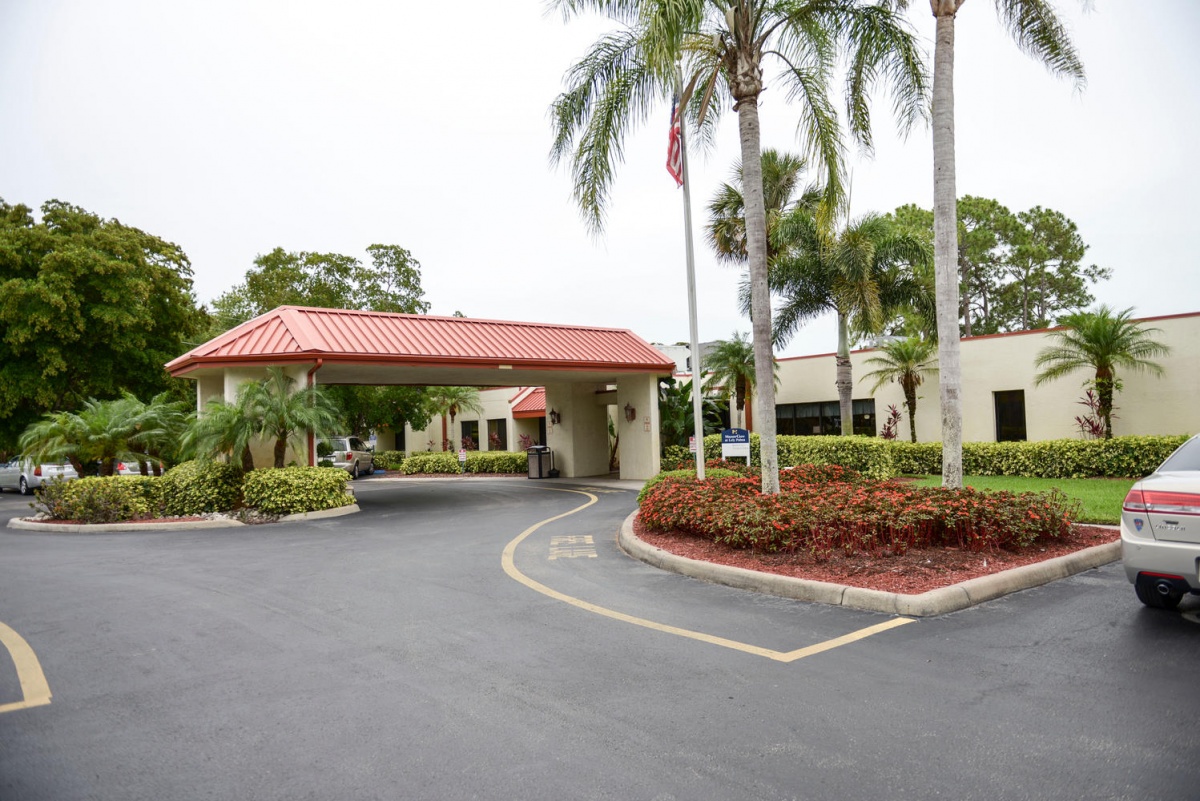
Memory Care 6135 Rattlesnake Hammock Rd., Naples, Florida, 34113Your Best Way HomeLocated on Rattlesnake Hammock Road in Naples, FL, ManorCare provides individualized post-hospital skilled nursing care in a comfortable environment. Our clinical and therapy teams are experienced in providing specialized care focused on your needs, interests, and ability. This commitment results in a smoother and safer transition throughout your recuperation.
Lely Palms Skilled Nursing and Rehabilitation
Skilled Nursing 6135 Rattlesnake Hammock Rd., Naples, Florida, 34113Your Best Way HomeLocated on Rattlesnake Hammock Road in Naples, FL, ManorCare provides individualized post-hospital skilled nursing care in a comfortable environment. Our clinical and therapy teams are experienced in providing specialized care focused on your needs, interests, and ability. This commitment results in a smoother and safer transition throughout your recuperation.