Four Benefits Of Skilled Care Housing Options at Hover Senior Living
Hover Manor Independent Living Apartments
For more information about the author, click to view their website: Hover Manor Independent Living Apartments
Apr 27, 2023
Colorado - Boulder County


As we age, the need for skilled care housing options increases. Hover Senior Living in Longmont is an assisted living home that provides a safe and secure environment for seniors. With Hover Senior Living in Longmont, Colorado, seniors can enjoy a comfortable living experience with access to the best healthcare services available.
From affordable senior living to caring for elderly parents, Hover Senior Living provides a variety of services that make life easier for seniors. In this blog, we’ll explore four benefits of skilled care housing options at Hover Senior Living. If you’re ready for peace of mind and affordable pricing, we’re standing by to answer your questions!
Affordable Pricing
Hover Senior Living is proud to offer affordable senior living plans for those who may not be able to afford traditional nursing home care. We have a no-buy-in policy, and our pricing model is fully transparent. Hover Senior Living offers competitive pricing and flexible payment plans that make our services more affordable. Residents have access to a variety of amenities, including meals, housekeeping, medication management, and social activities as well!
Professional Care
Hover Senior Living is staffed with a team of professionals who are dedicated to providing the best care possible. The staff at Hover Senior Living is committed to providing compassionate, individualized care to each resident. Their team of experts can assist with medical needs and help with activities of daily living.
Secure Environment
The safety and security of our residents are our top priority. Our facilities are equipped with state-of-the-art security systems and 24-hour monitoring, such as our call light emergency system, to ensure that residents are safe, secure, and just a short call away from care.
Caring Staff
At Hover Senior Living, our staff is highly trained and committed to providing the best care possible. Our team is dedicated to providing a supportive and caring environment for seniors. Our team can assist with medication management, social activities, and other needs. They also provide emotional support and companionship to ensure that every resident feels supported and valued.
Hover Senior Living is a top-notch assisted living home in Longmont that provides a variety of services to seniors. From affordable senior living to caring for elderly parents, Hover Senior Living offers a variety of benefits that make life easier for seniors. With professional care, a secure environment, and a caring staff, seniors can enjoy the best in skilled care housing options at Hover Senior Living. Contact us today to get started with a tour!

- To view the original version of this article visit www.hovercommunity.org/blog/four-benefits-of-skilled-care-housing-options-at-hover-senior-living/
- Seniors Blue Book was not involved in the creation of this content.
Other Articles You May Like
Independent Living, Rehabilitation, or Skilled Nursing
The best senior care setting depends on what a person can safely do each day and whether they need medical treatment, temporary recovery support, or ongoing nursing oversight. Independent living is usually best for someone who manages most personal needs and wants fewer household responsibilities. Rehabilitation may fit a person recovering after an illness, injury, or hospital stay. Skilled nursing is intended for people whose health needs require care delivered or supervised by licensed healthcare professionals. Start With the Type of Help Needed Rather than choosing a community by its name alone, write down what help is actually needed today. Does the person dress and bathe independently? Can they move safely between bed, chair, and bathroom? Are medications or treatments difficult to manage? Has a clinician recommended therapy following hospitalization? Answers to these questions can help a family speak more productively with a physician, discharge planner, or senior care team. When Independent Living Makes Sense Independent living can be a good fit when someone is largely independent but would benefit from less cooking, cleaning, and maintenance. It offers privacy in an apartment with opportunities for meals and activities nearby. At Garden Valley Retirement Village in Garden City, Kansas, residents can choose from studio, one-bedroom, and two-bedroom layouts. The community lists a daily meal, weekly housekeeping, utilities, maintenance, and planned events among its independent living services. Some independent living residents need additional assistance with everyday tasks. Garden Valley reports that on-site home care and individualized personal care plans are available. Ask what those services cover before assuming they include nursing treatment or round-the-clock hands-on assistance. When Short-Term Rehabilitation May Be Appropriate After hospitalization, a person may be medically ready to leave the hospital but not yet ready to handle stairs, dressing, or daily movement at home. Short-term rehabilitation focuses on recovering function and preparing for the next setting. Garden Valley offers skilled nursing and rehabilitation stays, including individualized care planning and physical therapy focused on mobility, balance, and fall prevention. Its rehabilitation information also describes speech therapy addressing communication, swallowing, and some memory or problem-solving needs. The particular therapies and frequency appropriate for an individual should be discussed with the clinical team. Progress, discharge plans, and length of stay depend on medical needs and recovery, not a fixed timetable. When Skilled Nursing or Extended Care Is Needed Skilled nursing differs from independent living because it involves a higher level of medical care furnished by or under the supervision of licensed professionals. It may support short-term recuperation or longer-term needs. Garden Valley describes extended care for medically stable individuals who need intensive nursing care or monitoring over a longer period. Families should ask what clinical services the community can provide for a specific diagnosis, whether it can accommodate mobility or cognitive needs, and how treatment plans are reviewed. A medical professional should help determine whether the level of care is appropriate. Living on a campus that offers several services does not guarantee that every resident will qualify for every service. Where Does Respite Care Fit? Respite care answers a different question: Who can safely care for a loved one while the usual caregiver takes a break? It is generally temporary and does not necessarily mean a permanent change in living arrangements. Garden Valley describes a respite program for adults who need 24-hour care, with stays of 5 to 30 days. Availability, admission requirements, and the exact services provided should be confirmed directly. A respite stay may help when a family caregiver is traveling, dealing with an emergency, or needs time to rest. It can also give the family a clearer picture of daily support needs, although a respite stay should not be treated as a substitute for a medical assessment. Five Questions to Guide the Conversation What can the person do safely without assistance, and what has recently changed? Is the need primarily housing convenience, personal care, rehabilitation, or licensed nursing? Would a doctor or hospital discharge planner recommend a particular level of care? What is the expected duration of support, and how will progress be reassessed? What are the total costs, admission criteria, and possible coverage or payment options? Why Having Several Options in Garden City Can Help Garden Valley Retirement Village offers independent living, skilled nursing and rehabilitation, respite care, and extended care at its Garden City campus. Having several service types at one local address may make conversations about changing needs more straightforward. Still, the right placement must be based on the individuals health, preferences, eligibility, and current availability. If your family is comparing care options in Garden City, contact Garden Valley Retirement Village at 620-275-9651 or explore https://gvrvhealth.com/independent-living/ to discuss the next step and schedule a visit.
Independent Living in Garden City, KS
Choosing independent living in Garden City, KS, often starts with a practical question: What would daily life look like without home maintenance, regular housework, and the pressure to handle every meal alone? For older adults who want their own space but also appreciate nearby neighbors and planned activities, an independent living community can offer a useful middle ground between a traditional house and a more care-intensive setting. What Does Independent Living Include? Independent living is generally designed for older adults who can manage most of their daily routines and want housing with conveniences built in. Residents retain their own apartments and make decisions about how to spend their time. The community may handle maintenance, offer meals, arrange activities, and provide shared spaces for socializing. Unlike skilled nursing, independent living does not automatically include continuous medical care. Ask specifically how any personal assistance or health services are arranged and billed. Apartment Options at Garden Valley Retirement Village Garden Valley Retirement Village, a Frontline Management community at 1505 E. Spruce Street in Garden City, offers independent living apartments in a quiet residential neighborhood. Its available floor-plan types include studios, one-bedroom and two-bedroom apartments, plus deluxe one- and two-bedroom layouts. According to the community, standard apartment sizes range from 300 to 720 square feet, with deluxe options reaching up to 833 square feet. Each apartment includes a kitchenette with a refrigerator and microwave, window coverings, and vinyl, tile, or carpet flooring. When touring, think about more than square footage. Check whether there is room to move comfortably around furniture, where visitors might sit, and whether storage is sufficient for the belongings a resident uses every day. Which Everyday Services Are Included? At Garden Valley, the independent living services described by the community include: Interior and exterior maintenance, so residents do not have to coordinate routine upkeep. A daily meal, including options for special diets. Weekly housekeeping and paid utilities. Special events, entertainment, and worship services. Priority entrance into the Health Care Center, subject to individual care needs and admissions arrangements. Garden Valley advertises month-to-month terms without a long-term commitment. It also notes that all-inclusive rates may be available. Because the exact inclusions and charges can vary, request a written explanation of the monthly rate, possible add-on services, and what happens if care needs change. Social Life Without a Packed Schedule An appealing part of community living is having choices close to home. Garden Valley describes games, movies, and other resident activities. That can make it easier to join an event without arranging a drive across town. Equally important, residents can choose quiet afternoons in their own apartments. During a visit, ask for the current activity calendar and notice whether residents seem comfortable participating at their own pace. What If a Resident Needs Extra Help? A common concern is whether moving to independent living means someone must handle every task alone. Garden Valley says home care is available on-site for residents who need assistance with everyday activities, with personal care plans tailored to individual needs. The community also notes convenient access to home health services or personal care providers. Families should clarify who provides each service, how to request it, what it costs, and whether the support is appropriate for the persons needs. Garden Valley also provides skilled nursing and rehabilitation services on its campus. That does not mean an independent living apartment functions as a nursing room. Ask the team how care transitions are evaluated and whether a different setting would be needed if a resident requires regular skilled medical attention. Questions to Ask on an Independent Living Tour Which floor plans are available now, and can we see the actual apartment? What is included in the monthly fee, and what costs extra? Can meals accommodate specific dietary requirements? How are housekeeping, maintenance, and resident requests handled? What personal care or home health services can be arranged on-site? How do residents learn about activities and transportation options? Making a Local Decision in Garden City Staying in Garden City may allow an older adult to remain near familiar businesses, medical appointments, family, and friends while changing the amount of work involved in running a household. A good visit should include time to picture an ordinary Tuesday, not just special events: preparing breakfast, doing laundry, receiving visitors, or asking for help when something breaks. To learn about apartment availability or arrange a no-obligation tour of Garden Valley Retirement Village, call 620-275-9651 or visit https://gvrvhealth.com/independent-living/.
Can a Nursing Home Stay Be Temporary?
When a parent, spouse, or other loved one enters a nursing home after a fall, hospitalization, surgery, or serious medical event, families often assume that the move has become permanent.Sometimes it has. Sometimes it has not.A nursing facility can serve very different purposes depending on the persons needs. One resident may be there temporarily for rehabilitation and skilled nursing after a hospital stay. Another may need ongoing help with daily activities and long-term care. A third person may have lived in a nursing facility for months or years but later decide that returning to a home in the community is worth exploring.Pennsylvania has a program specifically designed for people who want to consider that possibility. The states Nursing Home Transition Program helps eligible nursing facility residents explore moving back to a home of their choice in the community with appropriate services and supports.For families, the important lesson is simple: entering a nursing home does not automatically answer the question of where someone must live for the rest of their life.A Nursing Home Stay Can Be Short-Term or Long-TermThe phrase nursing home can be misleading because not every person in a nursing facility is there for the same reason.Some people enter a skilled nursing facility after being discharged from the hospital. They may need physical therapy, occupational therapy, wound care, medication management, or other skilled services before they are ready to function more independently.Medicare explains that nursing homes may provide short-term rehabilitation after surgery or illness as well as long-term care for people who need ongoing assistance with activities such as bathing, dressing, or eating. Medicare may cover qualifying skilled nursing facility care for a limited period, while it generally does not cover long-term custodial care when that is the only type of care needed.That distinction can matter enormously for a family.Consider a parent who falls at home and breaks a hip. After surgery, the hospital may discharge that parent to a skilled nursing facility because going directly home would not yet be safe. Several weeks of rehabilitation may improve strength, mobility, and confidence.At that point, the family should not assume that remaining in the facility is automatically the next step. It may be appropriate to ask whether returning home is realistic and, if so, what assistance would be required.Families facing those larger care decisions may also benefit from understanding how long-term care planning works in Pennsylvania, especially when legal authority, Medicaid eligibility, the family home, and future care costs are all becoming part of the same conversation.What Is Pennsylvanias Nursing Home Transition Program?Pennsylvanias Nursing Home Transition Program was created to help nursing facility residents who want to move back into the community.According to the Pennsylvania Department of Human Services, the program is intended to help consumers understand available long-term services and supports and determine whether community living may be possible. The process can include evaluating the persons health needs, housing situation, available support, and barriers that must be addressed before a move can safely occur.This does not mean every nursing facility resident can simply choose to leave and automatically receive services at home.Eligibility and transition planning depend on the individual.A person may need significant assistance with mobility, medication, bathing, meals, transportation, or other daily needs. Their current home may require accessibility changes. A suitable home may need to be located. Benefits or services may need to be arranged before the transition can occur.The purpose of the transition process is to determine whether those pieces can be put together in a way that supports the individual outside the nursing facility.What Does Returning to the Community Mean?Returning to the community does not necessarily mean returning to the exact house where someone lived before entering the nursing home.Pennsylvania describes the Nursing Home Transition Program as helping people move to a home of their choice in the community. Depending on the persons circumstances, that may involve returning to a previous residence or establishing another appropriate community living arrangement. The larger question is whether the individual can receive appropriate care and support in a setting outside the nursing facility.Pennsylvania also provides information about alternatives to nursing homes, including programs that provide long-term services and supports in community settings for people who meet program requirements.For many families, this changes the conversation from:Can Mom manage completely on her own?to:What services would Mom need in order to live safely outside the nursing home?Those are very different questions.A person may no longer be able to live without assistance, yet still potentially be able to live in the community with appropriate support.What Kinds of Services May Help Someone Live at Home?Pennsylvania offers Home and Community-Based Services for certain people who qualify for long-term services and supports.The exact services available depend on the persons eligibility, care needs, program enrollment, and service plan. Families should not assume that a particular service will automatically be available simply because a person wants to leave a nursing home.Possible needs that may be considered as part of community-based care can include personal assistance, home health services, medical equipment, transportation, home accessibility needs, and coordination of long-term services and supports.Pennsylvanias Community HealthChoices program is one route through which qualifying Medicaid participants may receive long-term services and supports. The state explains that qualifying participants can include people who need the level of care provided by a nursing facility but receive long-term services and supports in another setting.The legal and financial side of that planning can become complicated quickly. Entrusted Legacy Laws Pennsylvania elder law and Medicaid planning services address the broader issues families may face when a loved one needs long-term care, including planning for care costs, Medicaid eligibility, legal documents, and asset protection.How Does the Nursing Home Transition Process Begin?Families do not have to wait for someone at the nursing facility to bring up the subject.Pennsylvania states that a resident or family member can begin exploring Nursing Home Transition assistance by asking nursing facility staff to initiate a referral. People enrolled in Community HealthChoices can contact their managed care organization for assistance. People who are not enrolled in Community HealthChoices can contact the state-designated Nursing Home Transition coordination provider. Pennsylvania also provides an Office of Long-Term Living Nursing Home Transition Helpline for people who have questions or encounter difficulties during the process.This is important because families may not realize that they can raise the issue themselves.A nursing facility may be focused on the persons immediate medical and care needs. Adult children may be focused on work, transportation, finances, and visiting. A spouse may simply be relieved that the loved one is receiving care.Weeks can pass before anyone asks whether the current living arrangement is intended to be temporary or whether the person wants to explore returning to the community.If returning home is important to the resident, that preference is worth discussing early.What Can Delay a Transition Back Home?Wanting to return home and being ready to return home are not always the same thing.Pennsylvania notes that the timing of a Nursing Home Transition can vary significantly because the process may depend on housing availability, home modifications, the arrangement of in-home services, and other individual circumstances.A transition plan may need to address several practical questions. Is there an appropriate place to live? Can the person safely enter and move around the home? Who will provide assistance with bathing, dressing, meals, or transfers if those services are needed? How will medications and medical appointments be managed? What equipment is necessary? What happens if the persons condition changes? Who has legal authority to help with financial or health care decisions? How will the cost of long-term care services be handled? None of these questions necessarily means community living is impossible. They do mean that a safe transition often requires coordination.The Legal Side of Returning Home Can Matter TooMost discussions about leaving a nursing home understandably begin with medical needs and housing. Legal planning can be just as important.A person who needs significant care may also need someone who can communicate with financial institutions, manage bills, coordinate benefits, sign documents, or make health care decisions if the person cannot do so independently.That is why powers of attorney and other estate planning documents should be reviewed as part of broader long-term care planning.The way assets are owned can also affect planning. Families may be worried about savings, the family home, Medicaid eligibility, or what will remain for a spouse or children.Those concerns can lead people to make quick decisions such as transferring a home to a child, adding someone to a deed, moving money, or giving assets away. Those steps can have significant legal and Medicaid consequences.Families should understand the rules before changing ownership of major assets.For people concerned specifically about their residence, Entrusted Legacy Law also explains how Pennsylvania Medicaid and the family home can intersect. The answer depends on circumstances such as ownership, marital status, Medicaid eligibility, and estate recovery, which is why a one-size-fits-all strategy can create problems. Does Medicaid Planning Still Matter If Someone Wants to Go Home?Yes, potentially.Returning home does not necessarily eliminate the need for long-term care. It may change where that care is delivered.A person who leaves a nursing facility may still need extensive assistance each day. Paying privately for ongoing care can place substantial pressure on a household, especially when care needs continue for years.Some people may qualify for Medicaid-funded long-term services and supports in the community, depending on their financial and clinical eligibility and the applicable Pennsylvania program.Pennsylvanias Community HealthChoices program, for example, includes long-term services and supports for qualifying Medicaid participants who require a nursing facility level of care.Financial eligibility for Medicaid can be complicated. Income, resources, marital status, prior transfers, and other circumstances may affect the analysis. Families who are beginning to think about these issues can use Entrusted Legacy Laws Medicaid Planning Checklist as an educational starting point before making major financial or property decisions.What If the Person Has Been in the Nursing Home for a Long Time?A long stay does not necessarily mean the resident should never ask about community living.Pennsylvania describes the Nursing Home Transition Program as a resource for people currently residing in nursing facilities who want to explore receiving services in a community setting. The state does not describe the program only as a discharge option for people who recently entered rehabilitation.That means a resident who has been in a nursing facility for a longer period may still have reason to ask about transition assistance.The actual feasibility of moving will depend on the individuals health, housing, support needs, program eligibility, and other circumstances.Some people may discover that a community transition is realistic.Others may determine that the nursing facility remains the safest or most appropriate setting.The value of asking the question is that the decision can be based on the persons current circumstances and preferences rather than an assumption that a prior placement can never be reconsidered.A Family Conversation Worth HavingImagine an older adult named Robert who enters a nursing facility after a serious fall.At first, his family is simply focused on getting him through rehabilitation. Robert needs help transferring from bed to chair, uses a walker, and cannot safely prepare meals.Two months later, he is stronger. He still needs assistance, but his needs have changed. Robert begins telling his daughter that he wants to return home.The family could assume that the answer is no because he still needs care.A more useful response would be to ask what support would be required for Robert to live safely in the community. Could he qualify for long-term services and supports? Would his home need modifications? Does he need help with bathing or meals? Is transportation available? Are his powers of attorney current? Could Medicaid planning affect how his ongoing care is funded? The answers might ultimately show that returning home is possible. They might also show that significant barriers remain.Either way, the family has more information. That is a much stronger position than making a permanent decision based on assumptions.What Families Should Ask Before Assuming a Nursing Home Stay Is PermanentIf someone you love is living in a Pennsylvania nursing facility and wants to return to the community, several questions can help start a productive conversation: What is the purpose of the current nursing facility stay? Has the persons condition improved or changed? What level of assistance is still needed? Does the resident want to return to the community? What housing would be available? What services would be necessary to make the move safe? Could the person qualify for Pennsylvania Home and Community-Based Services? Who should be contacted to initiate a Nursing Home Transition referral? Are current powers of attorney and other planning documents sufficient? Could Medicaid eligibility or asset planning affect the familys choices? These questions bring together medical, financial, housing, legal, and personal considerations rather than treating a nursing home placement as a single decision that can never be revisited.Start With the Question: What Does Your Loved One Want?Long-term care planning is not only about where care happens or how it will be paid for. It is also about preserving as much choice and independence as circumstances reasonably allow.For some people, a nursing facility will remain the appropriate setting.For others, rehabilitation may be one stage in a recovery that eventually leads back home.Some long-term nursing facility residents may also be able to explore returning to the community with services and support.Pennsylvanias Nursing Home Transition Program gives families a formal way to ask whether that option may be realistic.If your family is trying to understand how a nursing home stay, Medicaid eligibility, the family home, powers of attorney, and long-term care planning fit together, you can schedule a consultation with Entrusted Legacy Law to discuss your situation and the Pennsylvania planning options that may apply. This article is for educational purposes only and is not legal advice. Eligibility for Medicaid, Nursing Home Transition assistance, Home and Community-Based Services, and other long-term care programs depends on individual circumstances and current program requirements.
Local Services By This Author
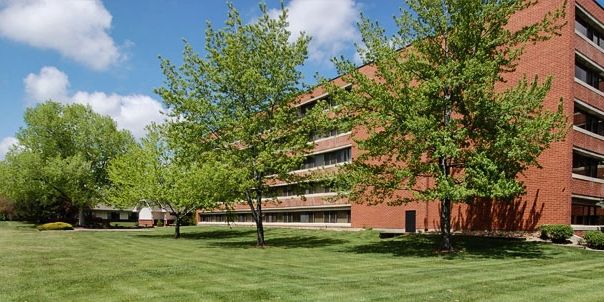
Hover Manor Independent Living Apartments
Independent LivingHover Community Senior Living: A Tradition of Dignity, Affordability, and CompassionFor more than a century, Hover Community Senior Living has stood as a trusted name in senior care, rooted in values established by the Hover Family. Founded on principles of affordability, attentiveness, and compassion, Hover remains dedicated to providing older adults with a place they can proudly call home. What began as a mission-driven initiative has grown into a vibrant community where seniors are empowered to live securely, comfortably, and with purpose.At Hover Community, we believe senior living should feel like more than a care setting it should feel like belonging. We honor the unique needs, interests, and life experiences of every resident. Whether someone is seeking independent living, assisted support, or a community that nurtures meaningful connections, Hover offers a thoughtful blend of services designed to support aging with dignity.A Legacy Built on Family ValuesHover Community Senior Living is deeply rooted in the tradition and legacy of the Hover Family, whose belief in serving others laid the foundation for the culture that still thrives today. Their commitment to creating a place where older adults could live affordably, comfortably, and with a sense of security continues to guide every decision we make.This long-standing history is more than a talking point its reflected in the way our staff members interact with residents and families. Our team understands that every person who walks through our doors brings a lifetime of memories, challenges, joys, and hopes. We take pride in preserving the Hover Familys vision by treating every resident with respect, understanding, and compassion.A Lifestyle Designed for Comfort and Well-BeingResidents at Hover Community enjoy a lifestyle that beautifully balances independence and support. Our goal is to create an environment that encourages personal growth, lifelong learning, and emotional and physical well-being.Each day at Hover is shaped by a holistic approach to senior living. Residents can enjoy:Comfortable and practical living spaces designed for ease, safety, and relaxationA secure environment that brings peace of mind to both residents and their familieA pleasant atmosphere that promotes social engagement, recreation, and personal enrichmentAttentive, dedicated staff who provide support with dignity and respecWe understand that senior living is not a one-size-fits-all experience. Some individuals prefer the privacy of quiet reading corners or peaceful outdoor spaces, while others thrive in a lively schedule full of activities, outings, and community events. Hover Community embraces both, allowing residents to shape their own routines while offering gentle guidance and support when needed.A Staff Dedicated to Respect, Attentiveness, and CompassionThe heart of Hover Community Senior Living lies in its people. Our team is dedicated to creating an environment where residents feel valued and understood. Every interaction is centered around attentiveness from the simple act of listening to a residents concerns to anticipating needs before they arise.Our staff members view their roles not as jobs, but as service. They are committed to ensuring that each resident feels heard, respected, and supported in every aspect of daily life. Whether assisting with personal care, helping a resident participate in an activity, or providing a friendly smile, our team understands that dignity and compassion make all the difference.Activities That Inspire Growth, Joy, and ConnectionHover Community believes that senior living should be vibrant, enriching, and full of opportunity. A wide range of activities is available to encourage physical movement, intellectual stimulation, creativity, and social interaction.Residents may enjoy:Group fitness classes and wellness programsArts and crafts, music, and creative workshopsEducational talks, lifelong learning programs, and special interest groupsSocial gatherings, games, and community celebrationOutdoor activities, gardening, and walks around the groundsThese activities are thoughtfully organized to help residents stay engaged, maintain a sense of purpose, and connect with others. Our community culture encourages individuals to continue developing passions, exploring interests, and enjoying the social bonds that enrich daily life.A Place to Age with DignityAging is a personal journey, and Hover Community Senior Living recognizes the importance of preserving independence, dignity, and individuality. We aim to support residents in a way that allows them to continue growing intellectually, socially, physically, and emotionally.Our approach honors the autonomy of each individual. Residents are encouraged to make choices that reflect their preferences, abilities, and comfort levels. When additional support is needed, our professional staff is always available to provide assistance and guidance in a way that maintains dignity and privacy.Affordable Options Without CompromiseAffordability is not simply a feature of Hover Community it is a core value. The Hover Familys founding traditions emphasize the importance of accessible senior living options for individuals of varied financial circumstances. We continue to uphold this philosophy by offering quality care and a meaningful community experience at a reasonable cost.Families appreciate knowing that their loved ones can receive dependable support and a fulfilling lifestyle without the burden of excessive financial strain. Hover Community is committed to ensuring seniors have access to compassionate care, enriching activities, and a secure environment regardless of economic circumstances.Community, Connection, and ContinuityHover Community Senior Living is more than a residence it is a connected community where friendships flourish, families feel included, and residents gain a renewed sense of purpose. We invite families to be active participants in their loved ones life journey, fostering communication, shared experiences, and continuing relationships.Our community setting encourages:A sense of belongingStrong connections among residentsOngoing collaboration between staff, residents, and familiesRespect for individual life stories and personal journeysHover Community Senior Living is organized with intention, purpose, and heart. Our goal is to provide a safe, comfortable, and stimulating environment where seniors can age gracefully and continue to thrive.