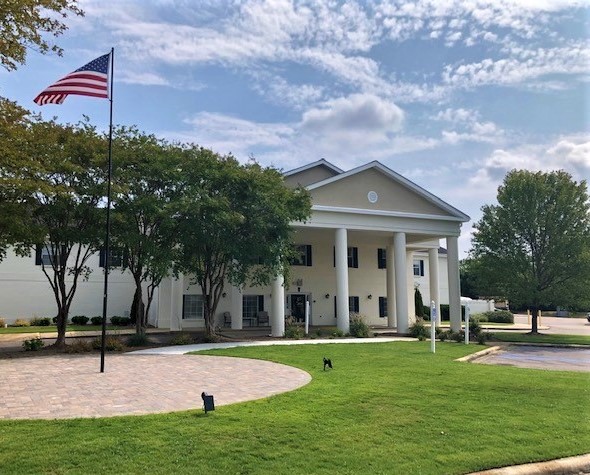
Personalized Memory Care for Seniors in Mobile, ALA familiar song can bring a smile. A photograph may inspire a story. Even when remembering names or recent events becomes difficult, a person living with dementia can continue to experience happiness, connection, and meaningful moments.For families in Mobile, Alabama, witnessing a loved one's memory changes can be emotional and sometimes overwhelming. Everyday activities that were once simple may require additional guidance. A parent may forget medication instructions, become confused in familiar surroundings, or struggle to maintain established routines.As these changes progress, families often begin exploring specialized memory care.The decision involves more than finding a secure residential environment. It means choosing a community that understands the individual's personality, history, preferences, and changing abilities.Kauhale Heritage Woods, located in Mobile County, offers specialized memory care for individuals living with Alzheimer's disease and related dementias.The community uses a distinctive approach called ASAP, Awakening the Subconscious of the Alzheimer's Patient, which emphasizes meaningful engagement, emotional well-being, physical health, personal identity, and everyday abilities.For older adults and families throughout Mobile, understanding how personalized memory care works can make an important difference when evaluating long-term support options.What Is Memory Care?Memory care is a specialized residential service designed for people living with Alzheimer's disease and other forms of dementia.Memory care communities provide assistance with daily activities while addressing challenges involving memory, judgment, communication, orientation, and behavior.Although memory care shares certain features with assisted living, it typically includes additional dementia-specific support and environmental safeguards.Common Memory Care ServicesDepending on the community and individual care plan, services may include:Caregiver assistance throughout the day and nightSecured residential areasHelp with bathing and dressingMedication administrationMobility assistanceStructured daily routinesMeaningful recreational activitiesPersonalized dining supportSocial engagementHousekeeping and laundryFamily communicationMonitoring changes in residents' needsA quality memory care approach should recognize that dementia affects individuals differently.Two people with the same diagnosis may have very different abilities, interests, and support needs.Understanding Alzheimer's Disease and DementiaDementia is a general term describing changes in memory, thinking, behavior, and everyday functioning severe enough to interfere with daily life.Alzheimer's disease is one of the most common causes of dementia.Other conditions associated with dementia include vascular dementia, Lewy body dementia, and frontotemporal dementia.Common Changes Families May NoticeThese can include:Forgetting recent conversationsRepeating questionsDifficulty following instructionsConfusion about dates or locationsChanges in judgmentDifficulty managing medicationsTrouble completing familiar tasksChanges in sleep patternsIncreased anxiety or frustrationDifficulty recognizing people or surroundingsThese symptoms vary according to the underlying condition and its progression.Not every memory change indicates dementia. Other medical conditions, medication effects, depression, and sleep problems can also affect thinking and memory.A qualified healthcare professional should evaluate concerning changes.Why Personalized Memory Care MattersPeople living with dementia have unique life histories.A retired teacher may enjoy reading aloud. A former gardener may find comfort arranging flowers. Someone who loved music may respond positively to familiar songs.These personal interests can remain meaningful even when cognitive abilities change.Recognizing the Person Beyond the DiagnosisPerson-centered care involves learning about the individual's:Previous occupationsFavorite activitiesFamily relationshipsPersonal routinesCultural backgroundSpiritual preferencesCommunication styleLikes and dislikesThis information helps caregivers provide more individualized support.Preserving FamiliarityFamiliar routines can help create a sense of predictability.Consistent mealtimes, preferred activities, and familiar belongings may reduce some forms of confusion or distress.Supporting Existing AbilitiesMemory care should not automatically involve doing everything for residents.When appropriate, individuals can continue participating in familiar activities with assistance.Respecting Personal PreferencesResidents may prefer different activities, meal choices, or ways of interacting.Caregivers should consider these preferences whenever possible.Kauhale Heritage Woods in Mobile, AlabamaKauhale Heritage Woods is an assisted living and memory care community located at 3440 Hillcrest Road in Mobile.The community provides specialized residential support for people living with Alzheimer's disease and related dementias.Its memory care services emphasize safety, dignity, personalized assistance, and meaningful daily engagement.Specialized Memory Care AccommodationsKauhale Heritage Woods advertises secured living spaces designed for residents experiencing cognitive challenges.The goal is to provide a supportive environment that accounts for changes in memory, orientation, and judgment.Families should discuss specific security procedures, supervised access, emergency response protocols, and outdoor access during a tour.Trained Memory Care TeamThe community advertises specially trained caregivers who support individuals living with dementia.Its memory care approach includes personalized assistance with daily activities and opportunities for meaningful engagement.Twenty-Four-Hour StaffingKauhale Heritage Woods lists caregiver staffing 24 hours a day.This provides access to assistance throughout the day and night.Families should ask how staffing assignments work, particularly during overnight hours and when residents require additional support.Personalized Daily AssistanceMemory care services include help with:Personal careGroomingDressingMedication administrationMobilityLaundryDaily routinesThe level of assistance depends on individual needs.Dining and Nutritional SupportKauhale Heritage Woods provides dining services and advertises dietician support.Nutrition can become more complicated when someone experiences memory changes.A resident may forget to eat, have difficulty recognizing food, or need additional assistance during meals.Families should ask how dining support is adapted for individual residents.Activities and Social EngagementThe community offers structured activities and enrichment opportunities.Programming is intended to help residents remain engaged while recognizing their current abilities.Additional AmenitiesThe community also advertises:Salon servicesArranged transportationAccess to pastoral carePet visitsPersonal laundryMaintenance servicesPrivate dining optionsVacation and respite staysFamilies should confirm availability, eligibility, fees, and scheduling requirements for individual services.Understanding the ASAP Memory Care ProgramOne of the distinguishing features of Kauhale Heritage Woods is its ASAP program.ASAP stands for Awakening the Subconscious of the Alzheimer's Patient.The community describes ASAP as a holistic approach used throughout interactions between caregivers and residents.Rather than focusing exclusively on memory loss, the program considers several dimensions of well-being.1. Spiritual NeedsThe spiritual component emphasizes personal identity, dignity, and feeling valued.Spiritual well-being may involve religious practices, personal beliefs, meaningful relationships, or activities that provide comfort.The appropriate approach depends on each resident's preferences.2. Societal NeedsThe program emphasizes preventing prolonged social isolation and encouraging participation in community activities.Social engagement may include conversation, shared meals, group activities, or individualized interaction.Residents should be supported according to their comfort and abilities.3. Physical HealthPhysical well-being involves nutrition, activity, sleep, and observation of changes in health.Caregivers may notice subtle changes in behavior or physical condition that require further assessment.This is particularly relevant because someone living with dementia may have difficulty explaining symptoms.4. Emotional HealthThe emotional component emphasizes positive interactions and awareness of how caregiver communication affects residents.Even when a person has difficulty recalling an interaction, feelings associated with the experience may remain important.Calm communication, patience, and reassurance can help create a supportive environment.5. Habilitative CareHabilitative care focuses on helping residents use their remaining abilities.Rather than expecting someone to regain skills that may have been permanently affected, caregivers support what the individual can still do.For example, a resident may be able to participate in dressing by selecting clothing or completing part of the task with assistance.The goal is to preserve participation and personal dignity.The Importance of Familiar Routines in Dementia CareA predictable daily routine can be helpful for some people living with dementia.When activities occur in a familiar order, individuals may experience less uncertainty.Morning RoutinesSome residents prefer to wake gradually, while others enjoy getting dressed and beginning activities early.Personal preferences should be considered when possible.MealtimesRegular mealtimes can provide structure.Familiar foods and a comfortable dining environment may encourage participation.ActivitiesMeaningful activities can provide opportunities for movement, creativity, and social interaction.Rest PeriodsPeople living with dementia may become tired or overwhelmed by excessive stimulation.A balanced schedule should allow time for rest.Evening RoutinesFamiliar evening routines may help residents prepare for sleep.Caregivers should be attentive to changes in nighttime behavior.The Alzheimer's Association recommends adapting routines to a person's abilities, interests, and changing needs.Why Emotional Connection Remains ImportantDementia can change communication, but it does not eliminate a person's need for companionship and respect.A reassuring voice, familiar music, or shared activity may provide comfort.Communicating With PatienceCaregivers can use simple language, maintain eye contact when appropriate, and allow additional time for responses.Avoiding Unnecessary CorrectionRepeatedly correcting someone about minor inaccuracies can sometimes create distress.When safety is not involved, responding to the person's feelings may be more helpful.Using Familiar InterestsMusic, photographs, hobbies, and personal stories may encourage connection.Respecting Individual ResponsesAn activity that works well one day may be overwhelming another day.Caregivers should observe responses and make adjustments.Why Memory Care Matters Locally in Mobile CountyMobile County includes many older adults and families navigating changes in healthcare and long-term support needs.When a loved one develops dementia, relatives may initially provide assistance at home.Over time, responsibilities can become more demanding.Supporting Family CaregiversFamily caregivers may coordinate medications, meals, transportation, personal care, and supervision.As dementia progresses, these responsibilities can become difficult to manage alongside employment and family obligations.Specialized memory care offers another option when residential support becomes appropriate.Maintaining Family ConnectionsKauhale Heritage Woods is located in West Mobile along Hillcrest Road.For relatives living in Mobile and nearby communities, the location may make regular visits more manageable.Access to a Structured EnvironmentPeople with dementia may benefit from familiar routines, trained caregivers, and a residential environment designed around cognitive changes.Planning for Changing NeedsDementia is generally progressive, although the rate and pattern of change vary.Families should discuss how a community evaluates changing care needs and whether additional services can be provided.Recognizing When Memory Care May Be AppropriateThere is no single moment when every person living with dementia should move into memory care.The decision depends on individual safety, support needs, family resources, and personal preferences.Increasing Safety ConcernsA loved one may begin getting lost, leaving home unexpectedly, or forgetting household safety precautions.Medication DifficultiesMemory changes can make it difficult to follow medication instructions consistently.Challenges With Daily ActivitiesBathing, dressing, eating, and other routines may require increasing assistance.Sleep and Behavioral ChangesNighttime activity, anxiety, or agitation may create additional support needs.Caregiver ExhaustionFamily caregivers may become unable to provide the necessary level of supervision.Reduced Social EngagementSome individuals become isolated when memory changes make familiar activities more difficult.A healthcare professional can help families evaluate whether specialized residential care is appropriate.Memory Care Versus Assisted LivingAlthough Kauhale Heritage Woods offers both services, they serve different needs.Assisted LivingAssisted living generally supports older adults who need assistance with daily activities but do not require a specialized dementia-focused residential environment.Memory CareMemory care is designed for individuals whose cognitive changes affect safety, daily functioning, and support needs.Memory care typically includes dementia-specific staff training, structured activities, and secured spaces.Families should ask how the community determines the appropriate level of care.Creating Meaningful Activities for Residents With DementiaActivities should reflect individual interests and current abilities.The goal is meaningful engagement rather than completing a task perfectly.MusicFamiliar songs may inspire singing, movement, or conversation.Art and CraftsCreative activities can provide opportunities for self-expression.Household TasksSome residents enjoy folding towels, organizing familiar objects, or participating in simple household routines.Gentle MovementAppropriate physical activities may support mobility and enjoyment.ReminiscencePhotographs, stories, and familiar objects may encourage interaction.Spiritual ActivitiesFor interested residents, pastoral care or familiar spiritual practices may provide comfort.Families should ask how Kauhale Heritage Woods adapts activities for different stages of dementia.Helping a Loved One Transition Into Memory CareMoving into memory care can be emotional for residents and family members.Thoughtful preparation may help reduce stress.Share Personal History With StaffProvide information about favorite activities, routines, important relationships, and communication preferences.Bring Familiar BelongingsPhotos, bedding, decorations, and other familiar items may help personalize the living space.Establish Communication ExpectationsAsk how staff provide updates and whom family members should contact with questions.Allow Time for AdjustmentSome residents need time to become familiar with new surroundings.Maintain Meaningful VisitsContinue activities your loved one enjoys when possible.Avoid Comparing ExperiencesEvery person adjusts differently.Families should work with the care team to understand individual needs.Understanding Memory Care Accommodations and CostsKauhale Heritage Woods lists several memory care floor plans.Its published options include:Dauphin Studio, approximately 270 square feetOakleigh Studio, approximately 335 square feetFinley Two-Bedroom, approximately 435 square feetAvailability and suitability should be confirmed directly.Published Community FeeThe official memory care webpage lists a one-time initial community fee of $1,500.The community also identifies possible additional charges for salon services, crafts or outings, and continence management.These figures may change.Families should request a current written pricing proposal that clearly identifies accommodation costs, personal care charges, and optional services.Questions to Ask About PricingWhat is the current monthly memory care rate?Which services are included?Are care-level fees assessed separately?Are medications or personal supplies additional?Are transportation and outings included?How often are rates reviewed?What happens when care needs increase?What are the terms of the residency agreement?The assisted living starting rate advertised elsewhere for the community should not be assumed to be its memory care price.What to Look for During a Memory Care TourA tour provides an opportunity to observe the environment and ask detailed questions.Staff InteractionObserve how caregivers communicate with residents.Look for patience, respect, and individualized attention.Resident EngagementAsk how activities are adapted to different abilities.Safety ProceduresDiscuss secured access, wandering risks, emergency systems, and supervision.Daily RoutineRequest an example of a typical day.Dining SupportAsk how the community assists residents who need additional help during meals.Care PlanningLearn how families contribute personal history and preferences.CommunicationAsk how health changes, incidents, or care concerns are communicated.Medical CoordinationDiscuss how residents receive healthcare outside the community when needed.Expert Tip for Choosing Memory CareExpert Tip: When touring a memory care community, ask how staff learn about each resident's life before dementia. A personalized care plan should consider favorite routines, family relationships, hobbies, communication preferences, and activities that provide comfort.Also ask for examples of how staff adapt those routines when a resident's abilities change.How to Get Started With Kauhale Heritage Woods Memory CareStep 1: Review Your Loved One's Current NeedsConsider changes in memory, daily activities, safety, behavior, and supervision requirements.Step 2: Speak With a Healthcare ProfessionalDiscuss the diagnosis and whether a specialized residential setting may be appropriate.Step 3: Contact Kauhale Heritage WoodsCall 251-665-9063 to ask about memory care availability.Step 4: Schedule a TourVisit the community at 3440 Hillcrest Road in Mobile.Step 5: Ask About ASAPRequest an explanation of how the ASAP program is incorporated into everyday care.Step 6: Discuss Personal Care RequirementsAsk how the team evaluates daily assistance, mobility, medications, nutrition, and changing needs.Step 7: Review Accommodations and PricingRequest current floor plans, monthly rates, community fees, and any additional charges.Step 8: Prepare for the TransitionShare important personal history, routines, preferences, and healthcare information with the care team.Frequently Asked Questions About Memory Care in Mobile1. What is the difference between memory care and assisted living?Memory care provides dementia-specific support, structured activities, and secured residential environments for people with cognitive challenges. Assisted living generally focuses on help with daily activities without the same level of specialized dementia programming.2. Does Kauhale Heritage Woods provide memory care for Alzheimer's disease?Yes. Kauhale Heritage Woods offers specialized memory care for residents living with Alzheimer's disease and related dementias.3. What is the ASAP memory care program?ASAP stands for Awakening the Subconscious of the Alzheimer's Patient. The program focuses on spiritual, social, physical, emotional, and habilitative aspects of resident well-being.4. Does Kauhale Heritage Woods have caregivers available overnight?Yes. The community advertises 24-hour staffing. Families should ask about overnight staffing arrangements and individual supervision needs.5. How much does memory care cost at Kauhale Heritage Woods?Memory care pricing depends on accommodations and care needs. The official memory care page lists a $1,500 initial community fee, but families should request current monthly rates and a complete breakdown of additional charges.Meaningful Memory Care Begins With Understanding the IndividualA dementia diagnosis changes many aspects of life, but it does not erase a person's identity, interests, or need for meaningful connection.Effective memory care recognizes what makes each individual unique.Familiar routines, respectful communication, appropriate personal assistance, and engaging activities can help create a more supportive daily experience.For older adults and families in Mobile County, Kauhale Heritage Woods offers specialized memory care through its ASAP approach, secured accommodations, trained caregivers, and personalized daily support.Whether your loved one is experiencing increasing memory challenges or requires a more structured residential environment, learning about available services can help your family make an informed decision.Contact Kauhale Heritage Woods to schedule a tour, discuss the ASAP program, and explore its memory care accommodations.Featured Seniors Blue Book ListingKauhale Heritage WoodsRecommended Main Category: Memory CareAddress: 3440 Hillcrest Road, Mobile, AL 36695County: Mobile County, AlabamaPhone: 251-665-9063Memory Care Program: ASAP, Awakening the Subconscious of the Alzheimer's PatientServices: Specialized dementia care, 24-hour staffing, secured living spaces, personal care assistance, medication administration, dining, dietician support, structured activities, mobility assistance, laundry, transportation, and respite stay options.Accommodations: Studio and two-bedroom floor plans advertised for memory care.Additional Living Option: Assisted LivingPricing Note: Request current memory care rates and a written explanation of fees.Find Kauhale Heritage Woods Memory Care on Seniors Blue BookLooking for specialized memory care in Mobile, Alabama?Explore Kauhale Heritage Woods through its Seniors Blue Book business listing on SeniorsBlueBook.com.Learn about the community's memory care approach, review available services, and contact the team to discuss Alzheimer's care, residential accommodations, pricing, and tours.