How to Help Someone Caring for an Elderly Parent
Grace Pointe
For more information about the author, click to view their website: Grace Pointe
Jul 31, 2023
Colorado - Northern Colorado

Email US
Click to Email Us
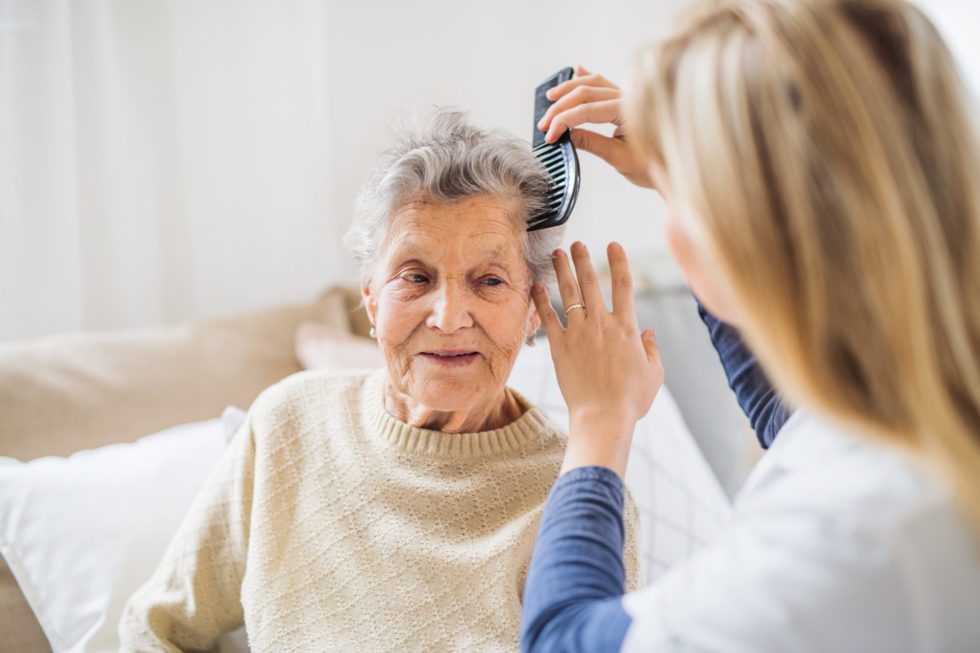
As we get older, our parents are getting older, too. And while we may not be caring for our parents, we may have to discern how to help someone caring for an elderly parent. Caring for elderly parents can be an all-consuming season of life. Support for friends in this season can be simple acts of kindness or can look like coming alongside them in the care.
Watching someone give everything to care for their elderly parent can be difficult. With all of their focus on their parent, you may see them decline in energy and enthusiasm, neglect and withdraw from normal patterns of life, and even grow in feelings of hopelessness. It’s good and right to want to help during these times, though it can be difficult to know how. Here is some guidance on how to best show support.
Be an Ear to Listen and a Voice to Encourage
When someone is caring for an elderly parent, they may be hearing a lot of internal chatter. Frequently wondering if they are doing the right thing or if it’s making any difference, sometimes listening and encouraging will be the best support.
Let them know they are doing a good job and mention ways you see them making a difference. Offer to sit and chat with them about how they’re doing and let them pick a time that works for them. Tell them you appreciate them and ask if there is anything you can do to help.
Tackle Some Lingering Tasks
In this season of full investment, there may be a list of things they simply haven’t gotten to. By offering to help, you can take some of the pressure off their shoulders, and allow them a bit more room to breathe.
This might look like writing a grocery list and stocking that empty fridge, cooking dinner for them and their parent once a week, washing some of the piled-up laundry, or running some errands and picking up medication. Little things like these will help them to feel supported and less hopeless.
Sacrifice Some Time to Help to Provide Care
Sometimes the work may be too much for them to manage themselves, and what would be best for them is for you to help with the care of their elderly parent. While you may not be able to give all of your time for support, even a day’s worth will provide relief.
This can look like taking a Saturday to scrub the bathrooms and tidy the house, spending the day with their parent and allowing your friend to take some time to recharge, or even staying the night to help navigate the graveyard shift. Bigger supports like these will remind them they’re not alone.
Suggesting Appropriate Alternatives for Care
Perhaps the toughest part of supporting a friend through this time is knowing when it’s time to suggest an alternative method of care. Chances are they’ve thought of this themselves, but haven’t chosen another option because they aren’t familiar with the options available.
Trusting your parent to the care of someone else can be unsettling for some. Knowing if professional care is right for their parent can be difficult to discern. A practical way you can help them with this decision is by investigating the types of care available, and ultimately helping them choose the best option.
Understanding the Options
While someone caring for an elderly parent may not have time to investigate other options, you can help by doing the research for them. With the assortment of options available, taking the time to understand them on your friend’s behalf is an enormous support. Here’s a look at a few of the options.
- Assisted Living – Moving a parent to an assisted living facility allows them to maintain as much autonomy as they are capable of, while also providing them the care they need. Learn more about assisted living here.
- Independent Living – Choosing an independent living service allows their parent to go about their lives the way they’re used to without the worries of household maintenance. Learn more about independent living here.
- Long-Term Care – Long-term care provides a more extensive care for their parent in an environment designed for family and loved ones to stay for dinner. Learn more about long-term care here.
When You’ve Done All You Can Do to Care for an Elderly Parent
As you support your friend in providing care for their elderly parent, you may see that there is only so much they can provide. While they may feel it’s their duty to care for their parent, choosing the support of an assisted living facility is not neglecting that responsibility; on the contrary, it’s fulfilling it.
It’s important for them to be able to recognize when they’ve done all that they can do. As you gently help them see this, you can comfort them in assuring that assisted living is a quality, loving choice, and may be the best choice for caring for their parent.
Learn more about assisted living, and contact Grace Pointe to gather the information you need.
- To view the original version of this article visit gracepointegreeley.com/how-to-help-someone-caring-for-an-elderly-parent/
- Seniors Blue Book was not involved in the creation of this content.
Other Articles You May Like
When Going Home Isnt the Next Step: Guide for Monmouth & Ocean Cty
When Going Home Isnt the Next Step: A Guide for Monmouth & Ocean County FamiliesWhen an older loved one needs more support, families in Monmouth and Ocean Counties often find themselves navigating unfamiliar territory. A hospital discharge may lead to rehabilitation. A fall may reveal that living alone is no longer safe. Or a family caregiver may realize that managing medications, meals, personal care, and medical appointments has become too much to handle alone.The good news is that senior care isn't one-size-fits-all. Depending on a person's needs, there are options ranging from short-term rehabilitation to assisted living and long-term skilled nursing care.For families across the Jersey Shore, Complete Care provides a continuum of senior care services through multiple communities in Monmouth and Ocean Counties, including locations in Holmdel, Long Branch, Ocean Grove, Wall, Shrewsbury, Toms River, and Brick.Understanding the Right Level of CareOne of the most important steps in choosing senior care is understanding what type of support a loved one actually needs.Post-Acute RehabilitationAfter a hospitalization, surgery, stroke, illness, or injury, an older adult may not be ready to return home immediately. Post-acute rehabilitation provides a bridge between the hospital and home, helping individuals regain strength, mobility, and independence.Depending on the location and individual needs, Complete Care provides physical, occupational, and speech therapy along with nursing and clinical support.For families in Toms River, Brick, Wall, and surrounding communities, having rehabilitation options nearby can make it easier for family members to remain involved during recovery.Skilled NursingSome individuals need more than therapy. Skilled nursing may be appropriate for people who require ongoing medical monitoring, wound care, medication management, chronic disease management, or other specialized clinical services.Complete Care communities offer a variety of clinical programs, with services differing by location. These may include orthopedic and postsurgical care, cardiac care, wound care, neurological and stroke care, pulmonary care, and memory care.When comparing skilled nursing communities, families should ask specifically about the clinical services available at each location.Assisted LivingAssisted living can be a good option for older adults who need help with daily activities but still want to maintain as much independence as possible.Support may include assistance with bathing, dressing, medications, meals, and other everyday routines, along with opportunities for social engagement and activities.For families in Holmdel, Middletown, Red Bank, Freehold, and neighboring Monmouth County communities, assisted living can offer an alternative to managing increasing care needs at home.Long-Term CareFor some seniors, rehabilitation is only one step in a longer care journey. Chronic illness, cognitive impairment, disability, or increasing difficulty with daily activities may eventually require ongoing nursing support.Long-term care provides assistance around the clock while also addressing the social and emotional needs that contribute to quality of life.A Local Presence MattersFor families choosing senior care, location can be an important consideration.Being close to home makes it easier for spouses, children, grandchildren, and friends to visit regularly and remain involved in care. That's particularly meaningful in Monmouth and Ocean Counties, where families may live in neighboring communities but still want their loved one to remain close to their established support system.Complete Care has a broad local presence, with communities serving residents throughout the region. Its Monmouth County locations include communities in Holmdel, Long Branch, Ocean Grove, Wall Township, and Shrewsbury. Ocean County options include multiple communities in Toms River and Brick Township.Because services vary by location, families should contact the individual community to determine which level of care and specialized programs are available.What Should Families Look For?Whether you're looking for assisted living in Monmouth County, skilled nursing in Ocean County, or rehabilitation following a hospital stay, consider more than just the building.Ask: What level of care does my loved one need today? What happens if their needs change? What rehabilitation and therapy services are available? Does the community offer specialized clinical care? How involved can family members be in the care plan? What activities and social opportunities are available? How close is the community to family? And whenever possible, visit in person.Notice how staff interact with residents. Ask questions. Talk with the admissions and care teams. Pay attention to whether residents appear engaged and comfortable.These observations can help families understand what daily life may actually feel like for their loved one.Planning Before a CrisisMany families begin researching senior care only after a crisisa fall, hospitalization, diagnosis, or caregiver burnout.Planning ahead can provide more choices and less pressure.Even if your loved one isn't ready for assisted living or long-term care today, learning about senior care communities in Monmouth and Ocean Counties can help your family understand what resources are available if circumstances change.Having these conversations early also gives older adults an opportunity to participate in decisions about their own future.Complete Care in Monmouth & Ocean CountiesFor families looking for assisted living, post-acute rehabilitation, skilled nursing, or long-term care in Monmouth and Ocean Counties, Complete Care offers multiple local communities and a range of care services.The right choice will depend on your loved one's medical needs, level of independence, preferences, and family circumstances. Taking the time to understand those needsand exploring local options before a crisis occurscan make the process easier for everyone.Frequently Asked QuestionsWhat types of care does Complete Care provide?Complete Care offers assisted living, post-acute rehabilitation, skilled nursing, and long-term care. Specific services and clinical programs vary by location.Where does Complete Care serve Monmouth County?Complete Care has communities in areas including Holmdel, Long Branch, Ocean Grove, Wall Township, and Shrewsbury.Where does Complete Care serve Ocean County?Complete Care has multiple communities in Toms River and Brick Township, among other nearby locations.What is post-acute rehabilitation?Post-acute rehabilitation helps individuals recover after hospitalization, surgery, illness, or injury. Therapy and nursing services are designed to help patients regain function and return home safely when possible.If you're researching senior care options in Monmouth or Ocean County, NJ, visit Complete Care's Seniors Blue Book listing for more information about available services and local care options.
When Care Needs Change, Starting Over Shouldn't Be Necessary
Aging rarely follows a predictable path. Learn how CareAparent helps Minnesota seniors remain at home with personal care, skilled nursing, therapy and support that evolves as care needs change.One month, an older adult may be living completely independently. Later, they may need a little help around the house, assistance after a hospital stay, physical therapy to regain strength, medication management or more advanced nursing support.For families, each change can bring another round of questions.Who should we call? What kind of care does Mom need now? Will we need to find another provider? Who will coordinate everything?Those questions can become especially stressful when a family is already dealing with a hospitalization, illness or sudden change in a loved one's abilities.That's why having a care provider that can adapt as needs change can make such a difference.For more than 10 years, CareAparent has helped Minnesota seniors and their families receive personalized care in the place many older adults most want to remaintheir own home. Today, CareAparent provides a continuum of in-home services throughout the seven-county Twin Cities metro area. CareAparentIt May Start With Just a Little HelpSometimes the first sign that an aging parent needs assistance is subtle.Maybe Dad isn't keeping up with housekeeping like he once did. Mom may be having difficulty getting dressed or safely taking a shower. Meals aren't being prepared regularly, medications are becoming confusing, or an adult child is spending more and more time helping with everyday tasks.That doesn't necessarily mean an older adult can no longer live independently.The right support can help make independence possible for longer.CareAparent provides personal care that can include assistance with bathing, dressing and grooming, as well as light housekeeping, laundry and medication reminders. Care can be customized based on the individual's needs rather than forcing the person into a predetermined schedule or level of service. CareAparentFor families, that flexibility matters.The goal isn't to take over someone's life. It's to provide enough assistance so the person can continue participating in it.Then Something ChangesA fall occurs.There's a hospital stay.A chronic condition becomes more difficult to manage.An older adult needs help recovering from surgery.Suddenly, the type of support that worked six months ago may no longer be enough.This is where continuity of care becomes particularly important.Instead of requiring a family to begin searching for an entirely different organization, CareAparent can provide skilled services through licensed medical professionals, including skilled nursing, medication management, wound care, physical therapy and occupational therapy. CareAparentThat allows care to evolve along with the person.Coming Home From the Hospital Can Be a Vulnerable TimeDischarge day can feel like a victoryand it is.But getting home doesn't necessarily mean the recovery is finished.There may be new medications to manage, mobility limitations, wounds requiring attention, exercises to complete or everyday activities that suddenly feel more difficult.Family members may receive discharge instructions but still wonder how they're going to manage everything once their loved one gets home.CareAparent specifically works with individuals transitioning home from hospitals, rehabilitation centers and other acute-care settings. Its skilled services are designed to support recovery and continuity of care in the home. CareAparentFor an older adult, recovering in familiar surroundings can also mean sleeping in their own bed, following familiar routines and remaining close to the people and things that bring comfort.Therapy Can Help Restore IndependencePhysical and occupational therapy aren't simply about completing exercises.They can be important tools for maintaining independence.Physical therapists can work with older adults experiencing pain, injury, illness or age-related declines in mobility. Treatment can address strength, balance, endurance and safer movement.Occupational therapists look at everyday functionhelping individuals find safer and more effective ways to accomplish the activities that are important in daily life.Together, those services can help an older adult work toward a very meaningful goal:Doing more for themselves. CareAparentFamilies Need Support TooWhen someone needs care, the impact extends beyond that individual.Spouses and adult children frequently become caregivers themselvescoordinating appointments, checking medications, helping with meals, managing household responsibilities and worrying about what happens when they aren't there.Over time, those responsibilities can become overwhelming.Professional in-home care can provide something important for both generations.The older adult receives personalized assistance.The family gets to spend more time being family.That distinction matters.A daughter shouldn't always have to be the nurse, housekeeper or care coordinator. A spouse shouldn't have to handle every caregiving responsibility alone.Having trusted support can make the entire family's situation more manageable.Specialized Support for Minnesota VeteransVeterans and their families may also have access to services they don't realize are available.CareAparent serves veterans throughout the seven-county Twin Cities metro as a Home Health Community Provider. Depending upon eligibility and authorization, VA-supported services can include skilled nursing, therapy, respite care, homemaking and home health aide assistance. CareAparentFor families of veterans, understanding available benefits can be an important part of developing a long-term care plan.One Relationship as Needs EvolvePerhaps one of the most reassuring things a family can hear is:You don't have to figure out the next step alone.CareAparent's model is designed around continuity. Personal care, skilled nursing, therapy and additional support can work together so that when circumstances change, the care plan can change too. CareAparentThat can mean fewer unfamiliar faces, fewer transitions between organizations and less time for families spent searching for the next provider.Instead, there is one relationship and a care team that already understands the individual.Aging at Home Should Still Feel Like HomeUltimately, home care isn't simply about completing tasks.It's about helping someone continue living a life that feels familiar and meaningful.It's having coffee in your own kitchen.Sleeping in your own bed.Seeing neighbors you recognize.Following your own schedule.Having family visit without visiting hours.And continuing to make choices about how you live your day.CareAparent describes its approach as combining clinical care with hospitality and personalized attention. The organization has served Minnesota families for more than a decade and provides care throughout Anoka, Carver, Dakota, Hennepin, Ramsey, Scott and Washington counties. CareAparentAs needs change, the answer doesn't always have to be changing where someone lives.Sometimes, the answer is bringing the right care to where they already call home. Learn more about CareAparent's personalized in-home care services and find resources to help your family navigate changing care needs. Call us at 651-702-HOME (4663) or visit our website at www.careaparent.com
Helping Aging Parents Stay Safely at Home
Discover how TruBlue Home Service Ally helps Minnesota families make aging parents' homes safer, easier to maintain and better suited for independent living. For many adult children, there comes a time when visiting Mom or Dad feels a little different.Maybe you notice a loose railing that hasn't been repaired. A lightbulb has been out for months because it's too difficult to reach. The bathroom could use a grab bar, the front steps are becoming harder to navigate, or the list of small home repairs seems to be getting longer.Individually, these things may not seem significant. Together, however, they can be signs that maintaining the home is becoming more difficult.For families who want to help an aging parent remain independent, one of the most important places to start is the home itself.The Home May Need to Change as We AgeA house that worked perfectly at age 50 may present very different challenges at 75 or 80.Stairs become more difficult. Reaching overhead becomes risky. Carrying items while navigating steps can be harder. Bathrooms may lack adequate support, and outdoor maintenance that was once routine can become physically demanding.That doesn't necessarily mean it's time to move.Often, relatively modest changes can make the home easier and safer to navigate while allowing an older adult to maintain the independence they value.For families in Plymouth, Maple Grove and surrounding communities, TruBlue Home Service Ally helps identify and address many of these everyday home concerns. TruBlue's services include home safety assessments, repairs, maintenance and modifications designed to support older adults who want to continue living at home. mn.gov // Minnesota's State PortalStart by Looking at the Home Through New EyesAdult children often know their parents' homes almost as well as their own. That familiarity can actually make potential problems easier to overlook.Instead of simply visiting, walk through the home while thinking about how your parent's needs may have changed.Are stairs adequately lit? Are handrails secure? Is getting in and out of the shower becoming difficult? Are frequently used items stored where they can be reached safely? Are there loose flooring, cords or other potential tripping hazards? Are exterior steps, decks and walkways in good condition?TruBlue's senior home safety assessment takes a more systematic approach. Minnesota's aging-services directory describes the company's assessment as covering dozens of areas, including walkways, garage access and lighting, porches and decks, doors, slipping and tripping hazards, water temperature, stairs and railings. mn.gov // Minnesota's State PortalThe goal isn't to completely remodel a parent's home. It's to identify practical improvements that can make everyday activities easier and safer.Don't Let the Small Repair List Keep GrowingOne of the biggest challenges for aging homeowners isn't necessarily a major renovation.It's the little things.A sticking door. A loose cabinet handle. A damaged step. A dripping faucet. A railing that wiggles. A light fixture that needs attention. Seasonal maintenance that keeps getting postponed.For an adult child, those tasks can quickly turn into another weekend "to-do" listespecially when you're also balancing your own home, career, children and other responsibilities.This is where having a trusted home service professional can make a significant difference.Rather than waiting until small problems become larger ones, families can have repairs and maintenance handled proactively.Home Safety Is About Independence, Not Just RepairsA grab bar isn't simply a piece of hardware.A sturdy railing isn't simply a home improvement.For an older adult, these improvements can provide confidence.Being able to move around the home comfortably, use the bathroom more safely, enter and exit the house with greater ease and keep the property maintained can all contribute to a person's ability to remain independent.That distinction is important.Aging-in-place improvements aren't about making a home look "medical." They're about adapting the environment so it continues to work for the person who lives there.Give Adult Children Peace of Mind, TooSupporting an aging parent from across townor across the countrycan be stressful.Adult children may wonder whether the house is being maintained, whether something needs repair or whether their parent is attempting projects that are no longer safe for them to tackle.Having a reliable local resource can relieve some of that pressure.TruBlue's approach combines handyman services, senior home modifications, home safety and ongoing maintenance. The Plymouth and Maple Grove operation describes its role as helping homeowners maintain their homes through different stages of life. LinkedInThat can allow adult children to spend less time worrying about the house and more time simply being a son or daughter.Have the Conversation Before There's a CrisisFamilies sometimes wait until after a fall, hospitalization or other major event before evaluating the home.A better approach is to start earlier.Ask your parent what has become difficult around the house. Walk through the home together. Talk about the chores they no longer enjoy or feel comfortable doing. Look for simple changes that could make daily life easier.Most importantly, involve your parent in the decisions.Aging in place works best when older adults feel that changes are helping them maintain control and independence, rather than taking those things away.A Trusted Home Ally Can Make a DifferenceHelping a parent remain at home doesn't have to mean doing everything yourself.For families throughout Plymouth, Maple Grove and surrounding Twin Cities communities, TruBlue Home Service Ally provides professional home repairs, maintenance, home safety assessments and senior-focused modifications that can help make aging at home more manageable. mn.gov // Minnesota's State PortalSometimes the best way to help Mom or Dad remain independent isn't a major life change.It may simply begin by making sure the home they love continues to work for them. Learn more about TruBlue Home Service Ally Plymouth & Maple Grove through their Seniors Blue Book profile, or contact their team at 763-400-3748 to discuss home safety, maintenance or aging-in-place needs.
Local Services By This Author
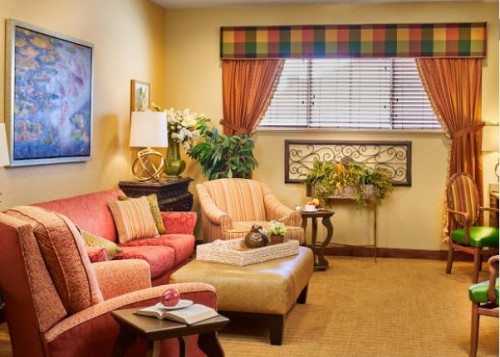
Grace Pointe Senior Care Community
Skilled Nursing 1919 68th Avenue, Greeley, Colorado, 80634Grace Pointe in Greeley, Colorado, sets the standard for excellence in skilled nursing and rehabilitation services within our esteemed Continuing Care Retirement Community (CCRC). With a commitment to compassionate care, personalized attention, and state-of-the-art facilities, we provide residents with the support they need to recover, rehabilitate, and thrive.Our Skilled Nursing and Rehabilitation Center at Grace Pointe is staffed by a team of dedicated healthcare professionals who are passionate about providing the highest quality care to our residents. From registered nurses and licensed therapists to certified nursing assistants and social workers, our interdisciplinary team works collaboratively to develop personalized care plans tailored to each resident's unique needs and goals.At Grace Pointe, we understand that rehabilitation is a journey, and we're here to support residents every step of the way. Whether recovering from surgery, injury, or illness, our comprehensive rehabilitation services are designed to help residents regain strength, mobility, and independence. With a focus on evidence-based therapies and cutting-edge techniques, we provide residents with the tools they need to achieve their highest level of functioning and quality of life.Our Skilled Nursing and Rehabilitation Center features state-of-the-art amenities and facilities to support residents on their journey to recovery. From spacious therapy gyms and rehabilitation rooms to private accommodations and comfortable common areas, we provide a warm and inviting environment where residents can focus on their rehabilitation in comfort and privacy.As part of our CCRC, Grace Pointe offers the assurance of knowing that residents have access to a full continuum of care services, should their needs change over time. From skilled nursing to assisted living, memory care, and independent living, our community provides seamless transitions and comprehensive support, allowing residents to age in place with confidence and peace of mind.Health and wellness are top priorities at Grace Pointe. Our skilled nursing and rehabilitation services are complemented by a range of amenities and programs designed to support residents' overall well-being. From nutritious dining options prepared by our talented culinary team to wellness programs, social activities, and spiritual care services, we provide the resources and support our residents need to thrive.Our compassionate caregivers are at the heart of everything we do at Grace Pointe. With a commitment to person-centered care and dignity, our team goes above and beyond to ensure that each resident receives the individualized attention and support they deserve. Whether assisting with activities of daily living, providing medication management, or offering emotional support and companionship, our caregivers are dedicated to making a positive difference in the lives of our residents.At Grace Pointe, we believe that recovery is not just about physical healing; it's also about emotional and spiritual well-being. That's why we offer a range of support services and programs to help residents and their families navigate the challenges of rehabilitation with confidence and peace of mind. From support groups and counseling services to educational seminars and caregiver respite options, we are here to support families every step of the way.Our beautiful campus provides the perfect setting for residents to focus on their rehabilitation in a serene and tranquil environment. With meticulously landscaped grounds, walking paths, and outdoor seating areas, residents can enjoy the beauty of nature and find moments of peace and reflection during their recovery journey.As part of the Grace Pointe community, residents of our Skilled Nursing and Rehabilitation Center enjoy the peace of mind of knowing that they are part of a supportive and caring community that values their well-being and dignity. Our team of dedicated professionals is committed to providing personalized attention and support to each and every resident, ensuring that their individual needs and preferences are always met.Discover the compassionate care and support of our Skilled Nursing and Rehabilitation Center at Grace Pointe in Greeley, Colorado. Contact us today to schedule a tour and experience the unparalleled lifestyle our community has to offer. Welcome home to Grace Pointe.
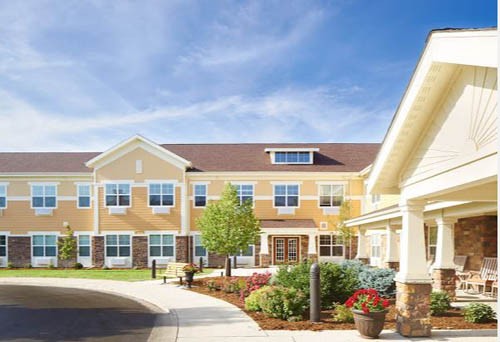
Grace Pointe Senior Care Community
Independent Living 1919 68th Avenue, Greeley, Colorado, 80634Grace Pointe in Greeley, Colorado, stands as a beacon of premier senior independent living, offering a vibrant community and a continuum of care. Nestled in the heart of Greeley, our Continuing Care Retirement Community (CCRC) provides seniors with a fulfilling lifestyle, robust amenities, and peace of mind for the future.At Grace Pointe, we understand that independent living means different things to different people. That's why we offer a variety of spacious and comfortable living options, including apartments and cottages, to suit individual preferences and lifestyles. Whether you're looking for cozy charm or modern elegance, our residences provide the perfect blend of comfort and convenience.Our community is more than just a place to live; it's a vibrant hub of activity and connection. Residents at Grace Pointe enjoy a rich array of amenities and activities designed to promote engagement, wellness, and socialization. From fitness classes and art workshops to cultural outings and social events, there's always something exciting happening at our community.One of the hallmarks of Grace Pointe is our commitment to providing residents with the freedom and flexibility to live life on their terms. Our maintenance-free lifestyle allows seniors to say goodbye to the burdens of household chores and hello to more time for the things they love. Whether it's pursuing hobbies, spending time with family and friends, or exploring the local area, residents have the freedom to create their own schedule and make the most of each day.As a CCRC, Grace Pointe offers residents the peace of mind of knowing that they have access to a full continuum of care services, should their needs change over time. From independent living to assisted living, memory care, and skilled nursing, our community provides seamless transitions and comprehensive support every step of the way.Health and wellness are top priorities at Grace Pointe. Our residents have access to a range of amenities and services designed to support their physical, emotional, and spiritual well-being. From on-site fitness centers and wellness programs to nutritious dining options and spiritual care services, we provide the resources and support our residents need to live their best lives.Our beautiful campus is a haven of tranquility, with meticulously landscaped grounds, walking paths, and outdoor seating areas where residents can enjoy the beauty of nature and soak in the sunshine. With breathtaking views of the Rocky Mountains as a backdrop, Grace Pointe offers seniors the perfect setting to relax, rejuvenate, and reconnect with the world around them.As part of the Grace Pointe community, residents enjoy the peace of mind of knowing that they are part of a supportive and caring community that values their independence, dignity, and well-being. Our team of dedicated professionals is committed to providing personalized attention and support to each and every resident, ensuring that their individual needs and preferences are always met.
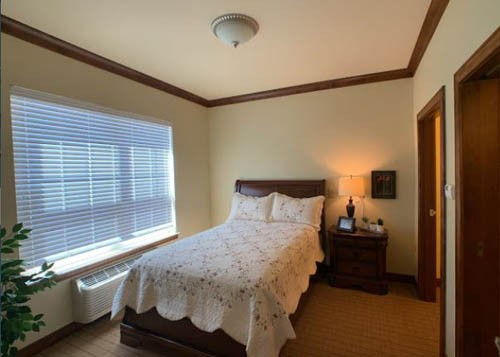
Grace Pointe Senior Care Community
Memory Care 1919 68th Avenue, Greeley, Colorado, 80634Grace Pointe in Greeley, Colorado, is a beacon of hope and support for individuals and families navigating the challenges of memory loss. Our Memory Care Secured Unit, nestled within our esteemed Continuing Care Retirement Community (CCRC), provides a safe, nurturing environment where residents can live with dignity, purpose, and compassion.Memory loss can be a daunting journey, but at Grace Pointe, we believe that every individual deserves to be treated with the utmost respect and dignity. Our Memory Care Secured Unit is specially designed to meet the unique needs of residents with Alzheimer's disease, dementia, and other memory-related conditions. With a team of dedicated caregivers trained in memory care techniques and best practices, we provide personalized support and assistance tailored to each resident's specific needs and preferences.Safety and security are top priorities in our Memory Care Secured Unit. Our state-of-the-art facility features secure access and monitoring systems, ensuring that residents are always safe and protected. From secure entrances and exits to enclosed outdoor spaces, we provide peace of mind for both residents and their families, knowing that their loved ones are in a safe and nurturing environment.Our Memory Care Secured Unit offers residents a comforting and familiar environment designed to promote independence, engagement, and overall well-being. Residents enjoy spacious and thoughtfully designed accommodations, providing a warm and inviting space where they can feel at home. With amenities such as cozy common areas, secure outdoor spaces, and life enrichment activities tailored to their unique interests and abilities, residents have every opportunity to thrive and live their best lives.As part of our CCRC, Grace Pointe offers the assurance of knowing that residents have access to a full continuum of care services, should their needs change over time. From memory care to assisted living and skilled nursing, our community provides seamless transitions and comprehensive support, allowing residents to age in place with dignity and grace.Health and wellness are at the forefront of our Memory Care Secured Unit. Our dedicated team of caregivers works closely with residents and their families to develop personalized care plans that address their unique needs and preferences. From medication management to assistance with activities of daily living and specialized memory care programming, we provide the support and resources our residents need to thrive.At Grace Pointe, we understand that memory loss affects not only individuals but also their families and loved ones. That's why we offer a range of support services and resources to help families navigate the challenges of memory care with confidence and peace of mind. From educational seminars and support groups to counseling services and respite care options, we are here to support families every step of the way.Our beautiful campus provides the perfect setting for residents to enjoy the beauty of Colorado's natural landscape. With meticulously landscaped grounds, walking paths, and secure outdoor spaces, residents can enjoy the sunshine and fresh air in a safe and nurturing environment.As part of the Grace Pointe community, residents of our Memory Care Secured Unit enjoy the peace of mind of knowing that they are part of a supportive and caring community that values their dignity, independence, and well-being. Our team of dedicated professionals is committed to providing personalized attention and support to each and every resident, ensuring that their individual needs and preferences are always met.Discover the compassionate care and support of our Memory Care Secured Unit at Grace Pointe in Greeley, Colorado. Contact us today to schedule a tour and experience the unparalleled lifestyle our community has to offer. Welcome home to Grace Pointe.