Navigating Long Term Senior Care Costs: What if My Parents Run Out of Money?
Nov 23, 2023
Colorado - Northern Colorado

Email US
Click to Email Us
As we journey through life, many people find themselves facing one of the most pressing concerns: ensuring that they provide care and support to their loved ones, particularly their aging parents, as they transition into their senior years. Long-term senior care frequently raises questions and concerns, with one of the most common worries being, “What if my parents run out of money?”
The cost of senior care services can indeed be a significant burden on families. Many are apprehensive about the affordability of these services and the potential financial strain they might impose. This is where a comprehensive continuum of care approach, like the one offered by Grace Pointe of Greeley, can make all the difference.
Tailored Care for Your Unique Needs
Our team of experienced care professionals adopts a personalized approach to assess the specific care needs of each resident. We commit to ensuring that you don’t pay for services that you or your loved one don’t need. This ensures that you won’t bear unnecessary costs, and your loved ones will receive the appropriate level of care to enhance their quality of life.
If the affordability of long-term senior care concerns you, Grace Pointe’s approach is here to help. We dedicate ourselves to providing the right care at the right cost, supporting both your financial peace of mind and your loved one’s well-being.
To learn more about our long-term senior care services and our continuum of care approach, visit our Grace Pointe of Greeley’s Long-Term Senior Care Services page.
Frequently Asked Questions About Long-Term Senior Care
At Grace Pointe, we understand the financial concerns that come with long-term senior care, and we’re here to put your mind at ease. Our continuum of care services is designed to ensure affordability while providing your loved ones with the precise level of care they need. We understand that every individual is unique, and their care requirements can vary greatly – which is why we have compiled this list of FAQs about long term senior care services below.
What is long-term senior care, and when is it needed?
Long-term senior care is a comprehensive service designed to provide assistance and support for seniors who may require help with daily activities due to age-related challenges or medical conditions. It becomes necessary when individuals find it increasingly difficult to maintain their independence and well-being.
How do I know which type of long-term senior care is suitable for my loved one?
Our experienced care professionals at Grace Pointe will assess your loved one’s individual needs and recommend the most appropriate level of care. We believe in personalized care plans to ensure your loved one receives the best possible care.
What is the cost of long-term senior care at Grace Pointe, and how can I afford it?
The cost of long-term senior care varies depending on the level of care and services required. Grace Pointe offers a continuum of care approach, ensuring you only pay for the care your loved one needs. We will work with you to explore financing options, including community resources for Medicaid and Veterans benefits, to make care more affordable.
Can I visit my loved one in long-term senior care at Grace Pointe of Greeley?
Yes, we encourage family visits and understand the importance of staying connected. We also encourage you to enjoy activities and events to see the life of Grace Pointe experienced by your family members. There are some guidelines for visiting after hours to ensure the safety and comfort of the Grace Pointe residents, which can be discussed with our staff.
How can I learn more about Grace Pointe’s long-term senior care options?
You can explore more details about our long-term senior care services on our Long-Term Care Services page. Feel free to contact our team for specific information and to request a tour.
How can Grace Pointe of Greeley help ensure that I don’t pay for services my loved one doesn’t need in the long term?
At Grace Pointe, we understand the importance of affordability in long-term senior care. We offer a continuum of care approach, which means we tailor care plans to your loved one’s specific needs. By doing so, we ensure that you only pay for the necessary services, maximizing affordability while maintaining high-quality care.
Can I modify my loved one’s care plan if their needs change over time?
Yes, we understand that care needs can change. At Grace Pointe, we regularly review care plans and adjust them to accommodate changing requirements to ensure your loved one receives the best care.
For answers to common questions about long-term senior care and all our services, visit our FAQ page.
Don’t let financial concerns hold you back from providing the best care for your aging parents. Grace Pointe of Greeley is here to support you every step of the way. Reach out to our care team with any other questions you may have about your family’s care.

- To view the original version of this article visit gracepointegreeley.com/navigating-long-term-senior-care-costs/
- Seniors Blue Book was not involved in the creation of this content.
Other Articles You May Like
Financial Services in Vestavia Hills, AL
A parent may know exactly which purchases would improve a loved ones life, which routines bring comfort, and whom to call when something changes. The harder question is who will carry that knowledge forward.Choosing a trustee involves thinking about both financial administration and continuity. Families need to understand who will manage the arrangement, how information will be shared, and how the beneficiarys needs will remain visible over time.For families in Vestavia Hills, AL, Alabama Family Trust is one resource to explore when the planning need involves a special needs trust. The conversation should address the practical experience of working with a trustee as carefully as the initial paperwork.What Does Choosing a Trustee Involve?A trustee administers a trust under its terms and applicable requirements. Before selecting someone, families should identify the responsibilities the arrangement will require.These may include communication, recordkeeping, review of financial requests, coordination with professionals, and continuing administration through changes in family circumstances.Who Should Be Part of the Discussion?Consider including: The beneficiary, when appropriate. Family members who understand daily needs. The attorney advising on the arrangement. The proposed trust representative. Relevant tax and financial professionals. Keep the conversation manageable by assigning one person to collect questions and document answers.Alabama Family Trust as an Administrative ResourceAlabama Family Trust provides information for trust representatives as well as families and attorneys. Its website identifies support for representatives carrying out their responsibilities. Ask How the Relationship WorksA family should understand how it will interact with the administrator after the account is established.Ask: Who will be our main contact? Which matters require written requests? What information should we keep current? How do we report a change in the beneficiarys circumstances? What happens if our designated contact becomes unavailable? How are questions escalated when additional review is needed? The answers should give the family a realistic picture of ongoing participation.Review the Setup ProcessAlabama Family Trusts current document collection includes materials for different trust arrangements. Its third-party setup documents include confidential information, investment selection, and other supporting forms. Ask which packet applies after obtaining appropriate legal advice. Then request a checklist showing what must be completed, signed, and submitted.Avoid rushing through forms simply because some questions appear repetitive. Consistent information helps everyone understand the same arrangement.Understand Reporting and Investment InformationAlabama Family Trusts investment materials identify professional money management through Waverly Advisors and options with varying levels of risk. For trustee selection, the practical question is how the family will understand and monitor the arrangement.Ask who can access statements, how to request an explanation, and how a change in expected expenses should be communicated.Review Costs Before Making a DecisionAsk for the full current schedule rather than comparing only the opening fee.Discuss how costs may affect the anticipated account and which services are included. Request an explanation of any separate administrative, investment, or tax-related charges.The goal is a clear understanding of the ongoing relationship.Preserving Knowledge About the BeneficiaryFinancial records tell only part of the story. Families should also document the persons preferences and daily circumstances.Create a Personal Information SummaryInclude: Preferred communication methods. Important relationships. Typical routines. Interests and activities. Relevant care contacts. Transportation arrangements. Goals the person wants help pursuing. Explain where the current version will be kept and who will update it.This summary should support professional communication. It should not be treated as a substitute for legal documents or formal instructions.Plan for Changes in Family AvailabilityAn arrangement should remain understandable if the primary caregiver becomes ill, moves, or can no longer participate.Identify a backup contact and ask how a representative change would be documented. Make sure important records are accessible to authorized people.Why This Matters Locally in Vestavia HillsFamilies in Vestavia Hills may have longstanding relationships with local professionals and care providers. That knowledge can support continuity when it is documented clearly.At the same time, relatives may live outside Alabama or have different levels of involvement. A shared process reduces dependence on one persons memory.A local provider meeting is an opportunity to discuss how communication will work across distance, schedules, and changing responsibilities.How to Get Started1. Define the Role You Need FilledExplain whether the need concerns special needs trust administration, a future arrangement, or review of an existing plan.2. Prepare a Question ListInclude communication, requests, reporting, fees, investment coordination, and representative changes.3. Speak With an AttorneyReview the proposed structure and the responsibilities of everyone involved.4. Contact Alabama Family TrustCall 205-883-8333 to discuss its process and request current information.5. Document the Agreed ResponsibilitiesKeep a concise record of contacts, procedures, and follow-up tasks.Expert TipAsk someone who was not involved in the meetings to read your responsibility sheet. If they cannot tell whom to contact or where records are kept, revise it before relying on it.Related Categories Fiduciary Services Special Needs Trusts Estate Planning
Supporting Senior Couples at Home in Northern Colorado
Supporting Senior Couples at Home in Northern ColoradoFor 45 years, they divided household responsibilities without much discussion. She handled the cooking. He took care of the shopping and household repairs. Together, they built a comfortable routine.Then something changed.A health condition made everyday tasks more difficult for one spouse. Suddenly, the other was preparing meals, managing appointments, handling laundry, and providing personal assistance.The relationship was still strong, but their daily responsibilities had changed dramatically.This situation is familiar to many older couples throughout Northern Colorado. When one partner begins needing additional assistance, the other often becomes the primary caregiver without fully anticipating the demands involved.Amada Senior Care provides personalized non-medical home care throughout Northern Colorado, helping older adults receive everyday assistance while allowing couples to preserve familiar routines, shared experiences, and meaningful time together.When Marriage Becomes a Caregiving PartnershipMarriage often involves supporting each other through life's challenges. However, becoming a spouse's primary caregiver introduces responsibilities that may be unfamiliar.A husband who once managed household finances may now need help dressing. A wife who enjoyed preparing family dinners may begin struggling with standing for extended periods.These changes can affect both individuals.The spouse providing assistance may gradually take responsibility for nearly every household task. Meanwhile, the partner receiving care may feel frustrated about needing help with activities they previously managed independently.Neither experience is unusual.Recognizing these changing responsibilities allows couples to discuss what assistance would make everyday life more comfortable.Protecting the Relationship Beyond CaregivingOne important consideration often gets overlooked: Couples still need opportunities to enjoy their relationship outside daily care responsibilities.When every conversation revolves around medications, appointments, meals, or household chores, familiar moments of connection may become less frequent.Make Room for Shared ExperiencesCouples may benefit from maintaining simple activities they have always enjoyed together.These might include:Drinking morning coffee together without rushing.Watching a favorite television program.Sharing meals at their usual dining table.Looking through family photographs.Enjoying a short outing when appropriate.Spending time with visiting grandchildren.These experiences help preserve the personal connection that existed long before caregiving became necessary.Professional non-medical caregivers can assist with certain daily responsibilities, potentially giving couples more time and energy for activities they enjoy.Divide Responsibilities Without Creating ResentmentOne of the biggest challenges for senior couples is determining which tasks each person can realistically manage.The goal shouldn't be to recreate an earlier household arrangement exactly. Instead, couples can develop a new routine that respects their current abilities.Identify Tasks That Have Become DifficultBegin by reviewing everyday responsibilities.Consider meal preparation, grocery shopping, bathing, dressing, housekeeping, transportation, and mobility assistance.Ask which activities are manageable and which have become physically demanding or stressful.Some tasks may require occasional help, while others may benefit from regularly scheduled assistance.Let Both Partners Participate in DecisionsWhenever possible, include both spouses in discussions about home care.The person receiving assistance should have opportunities to express preferences about personal care, daily routines, and caregiver compatibility.The spouse providing assistance should also feel comfortable discussing practical limitations.A successful care arrangement considers the well-being of both individuals rather than focusing exclusively on completing household tasks.How Non-Medical Home Care Supports Senior CouplesAmada Senior Care in Northern Colorado provides non-medical assistance tailored to individual needs and preferences.Its professional caregivers help older adults manage activities of daily living and everyday household responsibilities.Available services include assistance with bathing, dressing, walking, medication reminders, meal preparation, light housekeeping, transportation, and companionship.Personal Care Without Placing Every Responsibility on a SpouseHelping a partner bathe, dress, or move around the home can become physically demanding.Professional caregivers may provide assistance with these activities according to an individualized care plan.This can reduce the amount of hands-on assistance a spouse must provide while supporting the older adult's privacy and dignity.Helping Maintain Household RoutinesWhen one partner needs additional assistance, familiar household responsibilities can become difficult to manage.A caregiver may help prepare meals, complete light housekeeping, or assist with essential errands.These services can make daily routines more manageable without requiring couples to completely change how they live.Providing Assistance That Fits the HouseholdSome couples need support during busy mornings. Others may benefit from assistance several afternoons each week.Amada develops customized care plans based on the client's needs, preferences, and family input.Families should discuss scheduling, caregiver availability, service limitations, and household responsibilities during their consultation.Maintaining Familiar Lifestyles in Northern ColoradoNorthern Colorado offers a combination of established neighborhoods, growing communities, and rural surroundings.Senior couples living in Fort Collins, Loveland, Greeley, Windsor, or nearby communities may have spent decades building connections with neighbors, local organizations, and familiar businesses.For some, remaining at home means continuing to enjoy a garden or nearby walking path. Others value attending religious services, visiting relatives, or maintaining lifelong friendships.Non-medical home care can help support these routines through appropriate assistance with transportation, mobility, and everyday activities.Finding Additional Community ResourcesCouples in Fort Collins and Loveland can explore aging-related information through the Larimer County Office on Aging.The Weld County Area Agency on Aging provides information, caregiver support, and community resources for eligible residents of Greeley and surrounding Weld County communities.These organizations may help families explore additional services that complement privately arranged in-home care.Recognizing When a Spouse Needs Additional HelpMany older adults hesitate to request assistance because they believe caregiving is simply part of marriage.However, recognizing personal limitations is an important part of maintaining a sustainable household routine.Consider whether caregiving responsibilities are interfering with sleep, personal appointments, hobbies, or other essential activities.If helping a spouse move, bathe, or complete daily tasks has become physically difficult, professional assistance may be appropriate.Working With Amada Senior CareAmada Senior Care's Northern Colorado team helps families explore non-medical home care options through personalized consultations.The company emphasizes individualized care planning and caregiver matching based on client needs and preferences.Amada also provides assistance navigating long-term care insurance benefits, helping families understand policies and available coverage options.Because insurance benefits vary, families should confirm eligibility, documentation requirements, and potential out-of-pocket expenses before arranging services.The goal is to establish practical assistance that respects the older adult's preferences while supporting a manageable daily routine.Frequently Asked Questions About Home Care for Senior Couples in Northern Colorado1. Can Amada Senior Care Help When Only One Spouse Needs Assistance?Yes. Amada provides individualized non-medical home care for older adults who need help with everyday activities. Couples can discuss the specific assistance required and how caregiving visits may fit into their household routine.2. Can Professional Home Care Reduce Responsibilities for a Spouse?Yes. Depending on the care plan, professional caregivers may assist with personal care, meal preparation, light housekeeping, and other daily tasks. This can allow the other spouse to spend less time managing hands-on caregiving responsibilities.3. Can Senior Couples Choose How Frequently Caregivers Visit?Amada offers flexible care arrangements based on individual needs and scheduling availability. Families should discuss visit minimums, preferred times, and service frequency directly with the Northern Colorado team.4. Where Can Northern Colorado Couples Find Additional Caregiving Resources?The Larimer County Office on Aging and Weld County Area Agency on Aging provide information about caregiver support, community programs, and aging-related services. Eligibility and availability depend on the specific program.5. Does Long-Term Care Insurance Cover Non-Medical Home Care?Some long-term care insurance policies cover qualifying non-medical home care services. Coverage depends on policy terms, benefit requirements, and eligibility. Amada Senior Care offers assistance understanding benefits and navigating claims.Supporting Each Other Shouldn't Mean Doing Everything AloneA lifelong partnership is built on shared experiences, familiar routines, and mutual understanding.When one spouse begins needing additional assistance, the relationship doesn't have to become defined entirely by caregiving responsibilities.The right support can help couples maintain meaningful activities, manage everyday tasks, and continue enjoying the comfort of their home together.Amada Senior Care in Northern Colorado provides personalized non-medical home care for older adults who need assistance with daily activities.Whether your household needs occasional personal care support, help with meals and errands, or more consistent caregiving assistance, Amada can help you explore available options.Looking for trusted non-medical home care for your spouse in Northern Colorado?Visit the Amada Senior Care listing on Seniors Blue Book to learn more about available services and connect with their team.Discover how personalized in-home care can help senior couples maintain their routines, share meaningful moments, and continue enjoying life together.
Coordinating Senior Home Care in Northern Colorado
Coordinating Senior Home Care in Northern ColoradoA handwritten note on the refrigerator says, "Mom has a haircut Thursday."Another note reminds someone to buy milk. A third contains a phone number nobody recognizes.Meanwhile, one family member thinks the groceries were ordered, another assumes the laundry is finished, and a caregiver is trying to understand which activities matter most to the person receiving assistance.Sound familiar?When several people help an older adult remain at home, important details can easily get lost between conversations, text messages, and busy schedules.For families throughout Northern Colorado, a simple home care communication system can turn scattered information into a more organized daily routine.Amada Senior Care provides personalized non-medical home care in Northern Colorado, helping seniors and families coordinate everyday assistance while maintaining familiar lifestyles.Why Good Home Care Requires Good CommunicationSenior care often involves more people than families initially realize.An older adult may receive help from adult children, neighbors, professional caregivers, and other trusted individuals.Each person contributes something valuable, but without a shared understanding of responsibilities, everyday tasks may be overlooked or unnecessarily repeated.For example, one relative might assume someone else arranged transportation. Another may purchase groceries that are already in the refrigerator.These situations aren't necessarily caused by a lack of effort. Often, everyone is working with different information.A clear communication plan helps identify responsibilities, recognize changing needs, and maintain consistency without requiring constant phone calls.Start With a Simple Home Care Communication LogA communication log doesn't need expensive software or complicated forms.For many households, a notebook kept in an agreed location can provide a useful starting point.The purpose is to document practical information that helps everyone understand what happened and what needs attention.What Should Go Into the Log?Consider including five sections:Daily activities: Meals prepared, errands completed, and household tasks.Upcoming responsibilities: Appointments, shopping trips, and scheduled visits.Personal preferences: Favorite activities, preferred routines, and important requests.Observations: Changes in everyday abilities or behavior that may need attention.Follow-up tasks: Questions or concerns requiring a response from the appropriate person.Keep entries brief, factual, and respectful.Rather than writing, "Dad was difficult today," document a specific observation, such as, "Dad preferred to postpone his afternoon walk because he felt tired."This communicates useful information without making judgments.The Three-Minute Caregiver HandoffOne of the most valuable communication habits is a short update whenever caregiving responsibilities change hands.It doesn't need to become a formal meeting.A three-minute conversation can cover three essential questions:1. What Happened Today?Share completed activities, including meals, errands, or scheduled tasks.If an older adult enjoyed a particular activity, mention it.Positive observations help caregivers understand which routines bring comfort and enjoyment.2. What Needs Attention?Identify unfinished tasks, upcoming commitments, or concerns.For example, a caregiver might explain that a prescription pickup still needs to be arranged.Any concerning health changes should be communicated promptly through the appropriate channels rather than waiting for the next routine update.3. What Matters Tomorrow?Discuss the next day's priorities.Perhaps the senior wants to attend a family gathering, prepare a favorite recipe, or receive assistance with bathing before breakfast.A short handoff helps the next caregiver begin with a clear understanding of the person's preferences.Keep the Senior at the Center of Every UpdateA communication system should never make an older adult feel as though everyone is discussing their life without including them.Whenever possible, invite the senior to participate.Ask questions such as:"What would you like help with tomorrow?""Is there anything you'd prefer to do differently?""Which activities would you like to keep doing yourself?""Who would you like us to contact about your schedule?"Personal preferences should guide caregiving arrangements whenever possible.Coordinating Care Across Northern Colorado CommunitiesNorthern Colorado families often balance responsibilities across several cities.An adult child living in Fort Collins may help a parent in Loveland, while another relative works in Greeley or Windsor.The distance between communities can make spontaneous visits difficult, especially when work schedules and other family obligations overlap.A shared calendar can help families coordinate responsibilities more effectively.Use One Schedule Everyone UnderstandsWhether families prefer a paper calendar or a secure digital tool, it should clearly identify:Who is providing assistance.What time visits are scheduled.Which appointments are coming up.Who is responsible for transportation.Which tasks still need attention.For digital systems, obtain the older adult's permission before sharing personal information and limit access to authorized individuals.Know When Community Resources Can HelpThe Larimer County Office on Aging offers information, caregiver resources, and assistance identifying services for older adults in communities including Fort Collins and Loveland.Its Answers on Aging Resource Guide helps families explore local programs.For residents of Greeley and other Weld County communities, the Weld County Area Agency on Aging provides information about available aging-related services and caregiver resources.These organizations can complement privately arranged non-medical home care by helping families understand additional community support options.How Amada Senior Care Helps Families Coordinate Daily AssistanceAmada Senior Care in Northern Colorado provides non-medical in-home support tailored to each older adult's needs, habits, and preferences.Its services include assistance with:Bathing, dressing, and personal care.Meal preparation and grocery shopping.Light housekeeping.Medication reminders.Walking and mobility.Transportation and everyday errands.Companionship and meaningful activities.The company's care planning process incorporates input from clients and their families.Amada also describes regular check-ins with caregivers, clients, and families to review changing needs and adjust services when appropriate.Families can discuss communication preferences during the initial consultation, including who should receive routine updates and how concerns should be reported.Because every household has different needs, the communication process should be established as part of the individualized care arrangement.Know When a Written Note Isn't EnoughA communication log is useful for routine coordination, but it should never replace urgent conversations.If a caregiver observes sudden confusion, a serious fall, breathing difficulties, or another potentially dangerous situation, immediate action may be necessary.Call 911 for medical emergencies.For non-emergency health concerns, contact the appropriate healthcare professional and follow the established care plan.Professional non-medical caregivers can document observations and communicate concerns, but medical diagnosis and treatment remain the responsibility of qualified healthcare providers.Clear boundaries help ensure important information reaches the right person.Frequently Asked Questions About Home Care Coordination in Northern Colorado1. How Can Families Improve Communication With Home Caregivers?Begin with a shared schedule, clearly defined responsibilities, and an agreed method for routine updates. Ask the home care agency how communication and changes to the care plan are handled.2. Does Amada Senior Care Offer Personalized Care Plans?Yes. Amada Senior Care develops individualized non-medical home care plans based on client needs, preferences, and family input. Contact its Northern Colorado team to discuss specific services and communication arrangements.3. Can Family Members Help Coordinate Care From Different Northern Colorado Cities?Yes. Families can use shared calendars, scheduled check-ins, and authorized communication channels to coordinate responsibilities between Fort Collins, Loveland, Greeley, Windsor, and surrounding communities.4. Where Can Families Find Additional Senior Care Resources in Northern Colorado?The Larimer County Office on Aging and Weld County Area Agency on Aging provide aging-related information, referrals, and caregiver resources. Availability and eligibility vary by program.Make Everyday Senior Care Easier to CoordinateGood communication doesn't require everyone to be available every minute.It requires a reliable way to share information, clarify responsibilities, and keep the older adult's wishes at the center of daily decisions.A simple care log, consistent updates, and clearly defined responsibilities can make caregiving more organized for everyone involved.Amada Senior Care in Northern Colorado helps older adults manage daily activities through personalized non-medical home care while working with families to establish appropriate support.Whether your loved one needs assistance with personal care, meal preparation, companionship, or household responsibilities, Amada can help you explore caregiving options.Looking for reliable non-medical home care in Northern Colorado?Visit the Amada Senior Care listing on Seniors Blue Book to learn more about available services and connect with their team.Discover how personalized caregiving and thoughtful coordination can help make everyday life more manageable for seniors and their families.
Local Services By This Author

Grace Pointe Senior Care Community
Skilled Nursing 1919 68th Avenue, Greeley, Colorado, 80634Grace Pointe in Greeley, Colorado, sets the standard for excellence in skilled nursing and rehabilitation services within our esteemed Continuing Care Retirement Community (CCRC). With a commitment to compassionate care, personalized attention, and state-of-the-art facilities, we provide residents with the support they need to recover, rehabilitate, and thrive.Our Skilled Nursing and Rehabilitation Center at Grace Pointe is staffed by a team of dedicated healthcare professionals who are passionate about providing the highest quality care to our residents. From registered nurses and licensed therapists to certified nursing assistants and social workers, our interdisciplinary team works collaboratively to develop personalized care plans tailored to each resident's unique needs and goals.At Grace Pointe, we understand that rehabilitation is a journey, and we're here to support residents every step of the way. Whether recovering from surgery, injury, or illness, our comprehensive rehabilitation services are designed to help residents regain strength, mobility, and independence. With a focus on evidence-based therapies and cutting-edge techniques, we provide residents with the tools they need to achieve their highest level of functioning and quality of life.Our Skilled Nursing and Rehabilitation Center features state-of-the-art amenities and facilities to support residents on their journey to recovery. From spacious therapy gyms and rehabilitation rooms to private accommodations and comfortable common areas, we provide a warm and inviting environment where residents can focus on their rehabilitation in comfort and privacy.As part of our CCRC, Grace Pointe offers the assurance of knowing that residents have access to a full continuum of care services, should their needs change over time. From skilled nursing to assisted living, memory care, and independent living, our community provides seamless transitions and comprehensive support, allowing residents to age in place with confidence and peace of mind.Health and wellness are top priorities at Grace Pointe. Our skilled nursing and rehabilitation services are complemented by a range of amenities and programs designed to support residents' overall well-being. From nutritious dining options prepared by our talented culinary team to wellness programs, social activities, and spiritual care services, we provide the resources and support our residents need to thrive.Our compassionate caregivers are at the heart of everything we do at Grace Pointe. With a commitment to person-centered care and dignity, our team goes above and beyond to ensure that each resident receives the individualized attention and support they deserve. Whether assisting with activities of daily living, providing medication management, or offering emotional support and companionship, our caregivers are dedicated to making a positive difference in the lives of our residents.At Grace Pointe, we believe that recovery is not just about physical healing; it's also about emotional and spiritual well-being. That's why we offer a range of support services and programs to help residents and their families navigate the challenges of rehabilitation with confidence and peace of mind. From support groups and counseling services to educational seminars and caregiver respite options, we are here to support families every step of the way.Our beautiful campus provides the perfect setting for residents to focus on their rehabilitation in a serene and tranquil environment. With meticulously landscaped grounds, walking paths, and outdoor seating areas, residents can enjoy the beauty of nature and find moments of peace and reflection during their recovery journey.As part of the Grace Pointe community, residents of our Skilled Nursing and Rehabilitation Center enjoy the peace of mind of knowing that they are part of a supportive and caring community that values their well-being and dignity. Our team of dedicated professionals is committed to providing personalized attention and support to each and every resident, ensuring that their individual needs and preferences are always met.Discover the compassionate care and support of our Skilled Nursing and Rehabilitation Center at Grace Pointe in Greeley, Colorado. Contact us today to schedule a tour and experience the unparalleled lifestyle our community has to offer. Welcome home to Grace Pointe.
Grace Pointe Senior Care Community
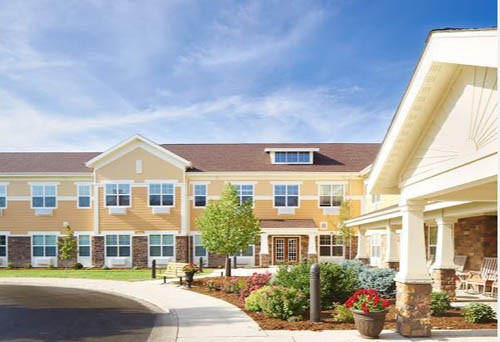
Independent Living 1919 68th Avenue, Greeley, Colorado, 80634Grace Pointe in Greeley, Colorado, stands as a beacon of premier senior independent living, offering a vibrant community and a continuum of care. Nestled in the heart of Greeley, our Continuing Care Retirement Community (CCRC) provides seniors with a fulfilling lifestyle, robust amenities, and peace of mind for the future.At Grace Pointe, we understand that independent living means different things to different people. That's why we offer a variety of spacious and comfortable living options, including apartments and cottages, to suit individual preferences and lifestyles. Whether you're looking for cozy charm or modern elegance, our residences provide the perfect blend of comfort and convenience.Our community is more than just a place to live; it's a vibrant hub of activity and connection. Residents at Grace Pointe enjoy a rich array of amenities and activities designed to promote engagement, wellness, and socialization. From fitness classes and art workshops to cultural outings and social events, there's always something exciting happening at our community.One of the hallmarks of Grace Pointe is our commitment to providing residents with the freedom and flexibility to live life on their terms. Our maintenance-free lifestyle allows seniors to say goodbye to the burdens of household chores and hello to more time for the things they love. Whether it's pursuing hobbies, spending time with family and friends, or exploring the local area, residents have the freedom to create their own schedule and make the most of each day.As a CCRC, Grace Pointe offers residents the peace of mind of knowing that they have access to a full continuum of care services, should their needs change over time. From independent living to assisted living, memory care, and skilled nursing, our community provides seamless transitions and comprehensive support every step of the way.Health and wellness are top priorities at Grace Pointe. Our residents have access to a range of amenities and services designed to support their physical, emotional, and spiritual well-being. From on-site fitness centers and wellness programs to nutritious dining options and spiritual care services, we provide the resources and support our residents need to live their best lives.Our beautiful campus is a haven of tranquility, with meticulously landscaped grounds, walking paths, and outdoor seating areas where residents can enjoy the beauty of nature and soak in the sunshine. With breathtaking views of the Rocky Mountains as a backdrop, Grace Pointe offers seniors the perfect setting to relax, rejuvenate, and reconnect with the world around them.As part of the Grace Pointe community, residents enjoy the peace of mind of knowing that they are part of a supportive and caring community that values their independence, dignity, and well-being. Our team of dedicated professionals is committed to providing personalized attention and support to each and every resident, ensuring that their individual needs and preferences are always met.
Grace Pointe Senior Care Community
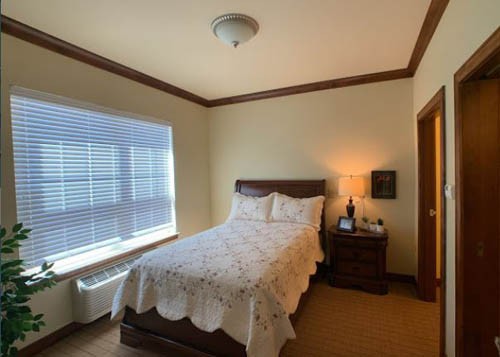
Memory Care 1919 68th Avenue, Greeley, Colorado, 80634Grace Pointe in Greeley, Colorado, is a beacon of hope and support for individuals and families navigating the challenges of memory loss. Our Memory Care Secured Unit, nestled within our esteemed Continuing Care Retirement Community (CCRC), provides a safe, nurturing environment where residents can live with dignity, purpose, and compassion.Memory loss can be a daunting journey, but at Grace Pointe, we believe that every individual deserves to be treated with the utmost respect and dignity. Our Memory Care Secured Unit is specially designed to meet the unique needs of residents with Alzheimer's disease, dementia, and other memory-related conditions. With a team of dedicated caregivers trained in memory care techniques and best practices, we provide personalized support and assistance tailored to each resident's specific needs and preferences.Safety and security are top priorities in our Memory Care Secured Unit. Our state-of-the-art facility features secure access and monitoring systems, ensuring that residents are always safe and protected. From secure entrances and exits to enclosed outdoor spaces, we provide peace of mind for both residents and their families, knowing that their loved ones are in a safe and nurturing environment.Our Memory Care Secured Unit offers residents a comforting and familiar environment designed to promote independence, engagement, and overall well-being. Residents enjoy spacious and thoughtfully designed accommodations, providing a warm and inviting space where they can feel at home. With amenities such as cozy common areas, secure outdoor spaces, and life enrichment activities tailored to their unique interests and abilities, residents have every opportunity to thrive and live their best lives.As part of our CCRC, Grace Pointe offers the assurance of knowing that residents have access to a full continuum of care services, should their needs change over time. From memory care to assisted living and skilled nursing, our community provides seamless transitions and comprehensive support, allowing residents to age in place with dignity and grace.Health and wellness are at the forefront of our Memory Care Secured Unit. Our dedicated team of caregivers works closely with residents and their families to develop personalized care plans that address their unique needs and preferences. From medication management to assistance with activities of daily living and specialized memory care programming, we provide the support and resources our residents need to thrive.At Grace Pointe, we understand that memory loss affects not only individuals but also their families and loved ones. That's why we offer a range of support services and resources to help families navigate the challenges of memory care with confidence and peace of mind. From educational seminars and support groups to counseling services and respite care options, we are here to support families every step of the way.Our beautiful campus provides the perfect setting for residents to enjoy the beauty of Colorado's natural landscape. With meticulously landscaped grounds, walking paths, and secure outdoor spaces, residents can enjoy the sunshine and fresh air in a safe and nurturing environment.As part of the Grace Pointe community, residents of our Memory Care Secured Unit enjoy the peace of mind of knowing that they are part of a supportive and caring community that values their dignity, independence, and well-being. Our team of dedicated professionals is committed to providing personalized attention and support to each and every resident, ensuring that their individual needs and preferences are always met.Discover the compassionate care and support of our Memory Care Secured Unit at Grace Pointe in Greeley, Colorado. Contact us today to schedule a tour and experience the unparalleled lifestyle our community has to offer. Welcome home to Grace Pointe.