Navigating Real Estate Auctions
HomeSmart
For more information about the author, click to view their website: Jude Creamer /HomeSmart
Oct 20, 2023
Florida - Sarasota, Bradenton & Charlotte Counties


Buying a home at a home auction is not a new process, but it’s one that’s unfamiliar to most. There are lots of myths surrounding home auctions, and plenty of people who think of a home auction as a last resort, rather than a first choice.
RealtyHive is here to clear the air. Knowing about home auctions could make your next home purchase easier—and could even save you money.
Types of Home Auctions
If you think a home auction only happens in the event of a foreclosure, you’re not alone. However, there are actually multiple types of real estate auctions:
Short Sale
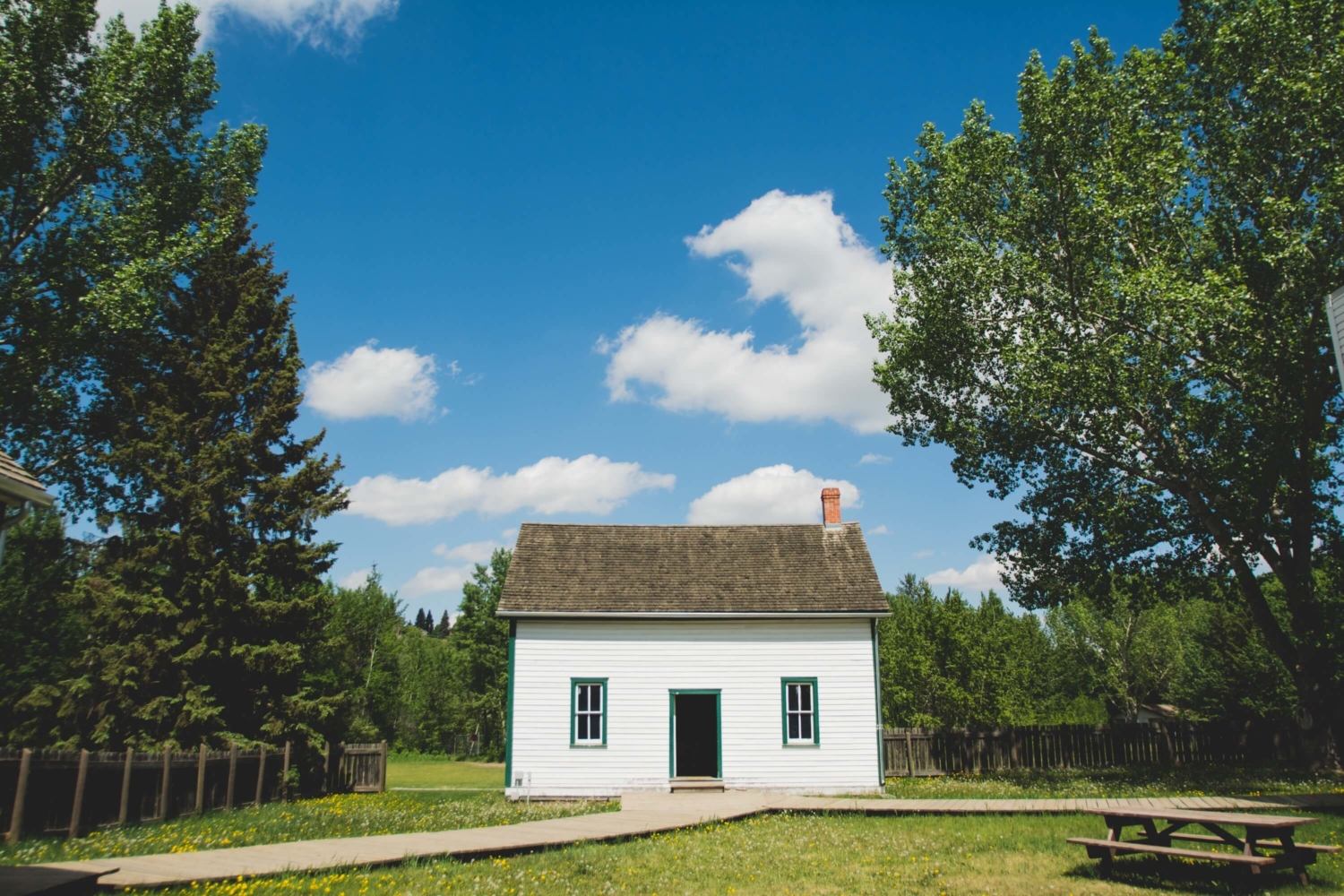
Foreclosures are time-consuming and expensive. When a homeowner owes more on their mortgage than what the house is worth, they might have the choice to put their home up for a short sale auction and avoid foreclosure.
From a buyer’s perspective, this type of real estate auction has its pros and cons. Home inspections are a toss-up—you might be able to get one, or you might not. Oftentimes, these sales are cash only, which works great for some, but isn’t ideal for home buyers needing to finance the purchase. Short sale auctions are also difficult to find for regular home buyers.
Sheriff/Trustee/Federal Sale

The name changes depending on location, but this is a foreclosure auction. The bank wants to get the money or the property. If you’re able to purchase, you’ll need to have the funds right away and there are typically no inspections. More often than not, you’ll buy without even getting to see the site first.
Auction

Regular real estate auctions happen at the seller’s choice—they’re not foreclosing or at risk for it. Interestingly enough, this type of home sale happens a lot in Europe and Australia. Home auctions are just beginning to pick up speed in the US.
Auctions can have high fees—15% at the highest. Whether they’re paid for by the seller or the buyer depends, so as a buyer, your expenses could dramatically increase. These fees do not include working with a real estate agent—an additional 6% commission on average.
That being said, luxury properties often sell faster at an auction than if going the traditional route. If you’re looking to buy an average/regular home and are in the US, it will be harder to find one through real estate auctions.
Time-Limited Events
This is an exclusive home auction, available through RealtyHive. Here are some of the draws:
Benefits of Time-Limited Events for Home Buying
- Don’t require a reserve
The market helps find the right price.
- Contingencies are still allowed
Buyers (and their potential investment) are still protected.
- Traditional financing
Unlike other auctions, buyers can still apply for loans to finance their home purchase.
- No crazy fees
Buyers are waived from having to pay expensive fees.
- All properties
Time-limited events work for all types of properties, including vacant land and commercial properties.
At RealtyHive, we truly think we offer the best home auction option on the market. The countless sellers and buyers who have worked with us would agree.
But don’t feel as though you have to take our word for it—this blog is for information purposes, not a sales pitch. No matter the buying route you go, it’s good to know how home auctions work.

- To view the original version of this article visit blog.homesmart.com/navigating-real-estate-auctions
- Seniors Blue Book was not involved in the creation of this content.
Other Articles You May Like
Navigating Later-in-Life Moves: You Don't Have to Do It Alone
Navigating Later-in-Life Moves: You Don't Have to Do It AloneUsually, moves that happen later in ones life are necessary moves. They are different from the moves we make when we are younger to celebrate an exciting change, like marriage, the birth of a child, or a job promotion.Sometimes a later-in-life move is planned and all parties are excitedlike when a grandparent is invited to move in with their adult childs family (multi-generational living) or a couple chooses to "right-size" into a smaller home for a safer environment and less maintenance.At other times, later-in-life moves are not a matter of choice. They are often related to aging: physical limitations, cognitive decline, illness, or even the loss of a spouse. These can be challenging transitions that usually require more help from extended family members and/or hired professionals. Because adult children often live far away, are busy working, or are raising their own families, their time can be limited, making professional support essential.Later-in-life moves are complex and deeply emotional journeys for everyone involved. I helped my own parents move from their home into an assisted living community in Boulder a few years ago, so I truly understand the challenges. That experience inspired me to help other families navigate these life changes. I know first-hand how essential it is to have a reliable team, clear guidance, and compassionate support.As a designated Senior Real Estate Specialist (SRES ), I bring both professional expertise and deep personal empathy to every transition. I consider it an honor to guide families through these later-in-life moves.By Laura Lambrecht
Senior Relocation in Monmouth & Ocean: More Than Finding a House
Senior Relocation in Monmouth & Ocean Counties: Why Moving Is About More Than Finding a HousePicture two homes.The first has the perfect number of bedrooms, a beautiful kitchen and a price that fits the budget.The second is slightly smaller but is closer to family, restaurants, healthcare, shopping and the activities the homeowner enjoys.Which one is actually the better home?For a senior relocation, the answer often depends on what happens outside the front door.That is why choosing a new home later in life should be about more than bedrooms, bathrooms and square footage.It should be about lifestyle.A Home Is Part of a Larger CommunityFor many older adults, the neighborhood becomes increasingly important.A senior may want to be close to a favorite restaurant in Red Bank, family in Middletown, the beaches along the Jersey Shore, golf courses, shopping or community activities.Someone else may want a quiet neighborhood where they can spend more time at home.The right choice is personal.Monica Reddin's professional background and local market experience give her an understanding of the communities that make up Monmouth and Ocean Counties and the surrounding Central Jersey area.Think About the Next Five to Ten YearsA common mistake is choosing a home based exclusively on what works today.Instead, consider what may matter several years from now.That does not mean assuming something will go wrong.It means choosing flexibility.Ask: Is there a first-floor bedroom? Are the bathrooms convenient? Is there excessive maintenance? Are there stairs? Is the home easy to enter and exit? Is shopping nearby? Is family reasonably close? Is there access to transportation? Can the homeowner remain socially connected? These considerations can make a home more adaptable.The Importance of Right-SizingSome homeowners do not need a dramatically smaller house.They simply need a better-fitting house.That is the idea behind right-sizing.Maybe the homeowner wants: A smaller yard Fewer stairs Less exterior maintenance A garage A first-floor primary suite A manageable condominium An active-adult community A home closer to family A home closer to healthcare and shopping The goal is to match the property to the lifestyle.Why Local Knowledge MattersOnline real-estate searches can show properties, but they do not always explain what daily life feels like in a particular location.Local expertise matters.A REALTOR who works across Monmouth and Ocean Counties can help buyers understand differences among communities and neighborhoods.For example, a buyer considering Middletown may have very different priorities from someone looking in Toms River or Howell.Even neighboring communities can have different housing stock, commuting patterns, amenities and lifestyle characteristics.Moving to a New Community Can Be ExcitingRelocation is sometimes portrayed only as a difficult transition.But a move can also open the door to new experiences.A smaller home can mean less maintenance.A 55+ community can provide new social opportunities.Moving closer to family can mean more spontaneous dinners and visits with grandchildren.Relocating near the Shore can make it easier to enjoy favorite Jersey Shore destinations.A move can also provide an opportunity to finally choose a location based on how you want to live rather than where you needed to live decades earlier.What Should Buyers Look For During a Home Tour?Don't simply walk through the rooms.Imagine living there.Stand in the kitchen and picture making breakfast.Walk from the bedroom to the bathroom.Consider where groceries would be unloaded.Look at the stairs.Open cabinets.Check lighting.Think about where guests would sit.Then step outside.How easy is it to get to the car?How busy is the street?What is nearby?Would you feel comfortable walking?This type of practical evaluation can reveal things that photographs never show.Make the Move About the PersonSenior relocation works best when the older adult remains at the center of the process.Family members may have opinions.Adult children may have concerns.Professionals may provide advice.But the senior's goals should remain an important part of the conversation whenever possible.Monica's approach emphasizes that personal dimension.Family and community mean everything to me, and I bring that same care to real estate.What Makes a Senior Relocation Specialist Different?A senior-focused REALTOR understands that the transaction may involve more than buying or selling property.It can involve: Downsizing Decluttering Timing the sale and purchase Relocating closer to family Comparing 55+ communities Planning for lower maintenance Coordinating with other professionals Transitioning from a longtime home Evaluating a new community Monica holds the Seniors Real Estate Specialist designation, reflecting specialized education focused on the needs of older adults in real estate.Frequently Asked QuestionsWhat is senior relocation?Senior relocation is the process of helping an older adult transition from one home or community to another while considering real-estate, lifestyle, timing and practical needs.Why should seniors work with a senior-focused REALTOR?A senior-focused REALTOR can bring specialized knowledge to situations involving downsizing, 55+ communities, relocation closer to family and later-life housing transitions.What areas does Monica Reddin serve?Monica's professional profiles identify Monmouth and Ocean Counties along with other Central Jersey communities.Is moving to a 55+ community the only option for seniors?No. Seniors may choose a condominium, townhouse, smaller single-family home, active-adult community or another housing option depending on their goals.What should I do first if I am considering a senior move?Start with a conversation about lifestyle. Identify what is working, what is becoming difficult and what you want the next chapter to look like before focusing on individual properties.Learn MorePlanning a senior relocation in Monmouth, Ocean or surrounding Central Jersey communities? Visit Monica Reddin's Seniors Blue Book Listing: Homepage - MonicaReddin
55+ Communities in Monmouth and Ocean: What Should Seniors Look For?
55+ Communities in Monmouth and Ocean Counties: What Seniors Should Look For Beyond the AmenitiesA swimming pool.A clubhouse.A fitness center.A golf course.Those features may appear prominently in advertisements for 55+ communities across New Jersey, but choosing the right community involves much more than checking off a list of amenities.For older adults considering an active-adult or 55+ community in Monmouth or Ocean County, the most important question may be:Will this community fit the way I actually want to live?That requires looking beyond the brochure.Start With Your LifestyleImagine an ordinary Tuesday rather than a Saturday afternoon open house.Where will you have coffee?Where will you grocery shop?How far will you drive to see your children?Will you participate in clubs?Do you want neighbors who are socially active?Would you use a pool or fitness center?How important is golf?Do you want easy access to restaurants?These questions can reveal more than a list of amenities.Monica Reddin specializes in working with buyers age 55 and older and holds the Seniors Real Estate Specialist designation.Not All 55+ Communities Are the SameThe term 55+ community covers a wide variety of housing environments.Some are large developments with extensive amenities and hundreds or thousands of residents.Others are smaller neighborhoods.Some emphasize golf.Others focus on clubs, pools, fitness or social activities.There are communities where homeowners own single-family homes, while others offer condominiums, villas or attached residences.Homeowners should compare the details carefully.Five Questions to Ask Before Buying1. What Are the Monthly Costs?The purchase price is only one piece of the financial picture.Ask about: HOA fees Community fees Property taxes Special assessments Maintenance responsibilities Recreation fees Transfer fees Other recurring expenses Understand what is included before making a decision.2. What Does the HOA Cover?A lower-maintenance lifestyle can be a major reason for moving to an active-adult community.But low maintenance can mean different things in different communities.Find out who handles landscaping, exterior maintenance, snow removal, roofs, roads and other responsibilities.3. What Is the Community Actually Like?Visit when residents are actually there.Talk to people.Observe whether neighbors gather outdoors.Ask about clubs and activities.Look at community calendars.A community can have dozens of amenities, but if they do not align with your interests, they may not add much value to your lifestyle.4. How Close Is Everything Else?A clubhouse may be five minutes away, but what about the grocery store?What about restaurants?Healthcare?Family?Places of worship?Golf?The beach?Shopping?Theater?Location outside the community matters just as much as what is inside it.5. What Happens If Your Needs Change?No one can predict exactly what life will look like 10 years from now.That does not mean buyers should make decisions based on worst-case scenarios.But it is reasonable to consider future flexibility.Is the home easy to navigate?Are there stairs?Could a first-floor bedroom work?How accessible are bathrooms?Could the home accommodate changing mobility needs?Monmouth and Ocean County Offer Different Lifestyle ChoicesThe Central Jersey and Jersey Shore region gives prospective buyers many options.A senior who loves Red Bank's restaurants, shops and cultural atmosphere may have different priorities from someone who wants a quieter community near golf.Someone who wants to remain near Middletown may prioritize proximity to family and familiar services.Another buyer may prefer Freehold, Howell, Toms River, Brick or Jackson.Monica's professional experience throughout Monmouth and Ocean Counties can help buyers compare communities based on both property characteristics and lifestyle priorities.Consider the Social SideOne of the potential benefits of an active-adult community is having built-in opportunities to meet people.That can matter significantly after retirement or following a move.Look at the actual activities available: Card groups Fitness classes Pickleball Golf Walking groups Book clubs Arts and crafts Volunteer opportunities Dining groups Holiday events Educational programs But remember that a schedule on a website does not necessarily tell the whole story.Ask residents what they actually participate in.A REALTOR Can Help Compare the Whole PictureSearching online can provide a tremendous amount of information, but it can also make the process confusing.A senior-focused real-estate professional can help organize the search around the buyer's priorities.Monica's professional background includes extensive experience in business and finance, followed by her real-estate career. Her current professional credentials include SRES and ABR designations.Her approach is centered on understanding the client's needs rather than simply matching a buyer with a property.As Monica says:Understanding the challenges that come with moving to a new town, not just a new home, I work closely with my clients to ensure their transition is smooth and enjoyable.Frequently Asked QuestionsWhat should seniors look for in a 55+ community?Look beyond amenities. Consider monthly costs, maintenance responsibilities, location, social opportunities, home design, accessibility and proximity to family and services.Are all 55+ communities in New Jersey the same?No. Communities vary substantially in size, housing styles, amenities, HOA structures, fees, activities and location.Is a 55+ community appropriate for someone who wants to stay active?It can be an option for people seeking an active-adult lifestyle, but each community should be evaluated individually based on its amenities and social environment.What questions should I ask before buying in a 55+ community?Ask about HOA fees, maintenance, taxes, assessments, community rules, amenities, activities, resale considerations and what is included in the monthly costs.How can I find a REALTOR who understands 55+ communities?Look for a REALTOR with experience working with older adults and specialized credentials such as the Seniors Real Estate Specialist designation.Learn MoreThinking about a move to a 55+ or active-adult community? Learn more about Monica Reddin's senior real-estate services through her Seniors Blue Book Listing: Homepage - MonicaReddin