Navigating Senior Care: The Vital Role of a Geriatric Care Manager
Assisted Living Locators - Greater Pittsburgh
For more information about the author, click to view their website: pghassistedliving.com
Aug 07, 2023
Pennsylvania - Greater Pittsburgh Area

Email US
Click to Email Us
As our loved ones age, their health and well-being become paramount concerns. The complexities of managing their care, medical needs, and overall quality of life can be overwhelming for both seniors and their families. This is where the indispensable role of a geriatric care manager comes into play. Assisted Living Locators of North Pittsburgh understands the critical importance of these professionals in ensuring comprehensive and tailored care for seniors. In this article, we delve into the significant contributions of geriatric care managers and how they can make a positive impact on the lives of seniors and their families.
The Multifaceted Role of a Geriatric Care Manager:
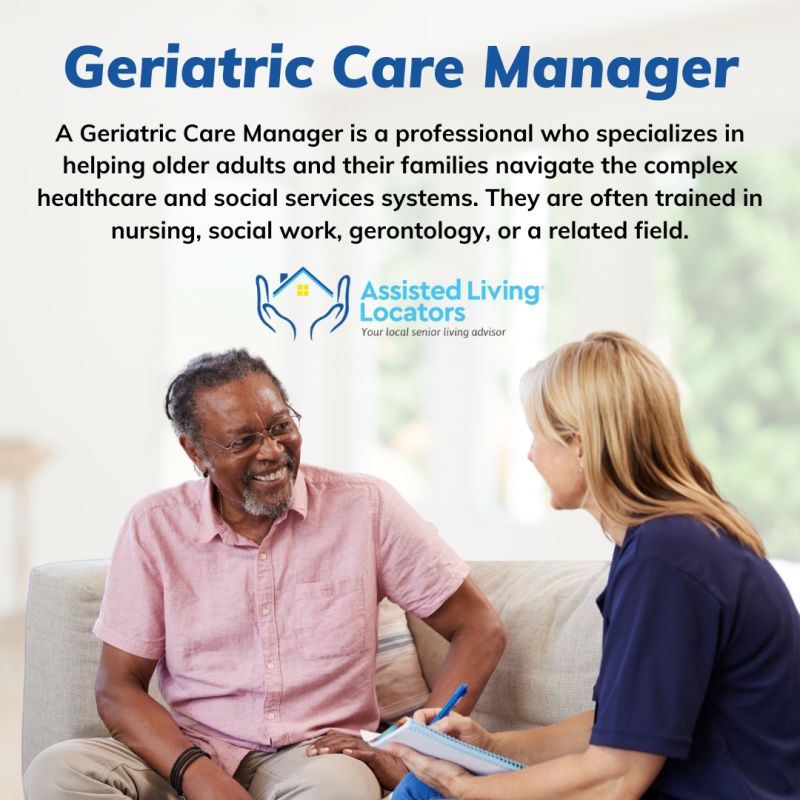
A geriatric care manager is a seasoned professional with specialized training in gerontology, social work, nursing, or related fields. Their primary role is to act as a liaison between seniors, their families, and various healthcare providers, ensuring that the senior's needs are met holistically.
Comprehensive Assessments:
Geriatric care managers conduct thorough assessments of a senior's physical, emotional, and social well-being. By analyzing these aspects comprehensively, they create a personalized care plan that addresses the senior's unique needs and preferences.
Expert Guidance:
Navigating the intricate landscape of senior care services and resources can be daunting. Geriatric care managers serve as knowledgeable guides, offering insights into suitable care options, assisted living facilities, medical professionals, and more.
Care Coordination:
The coordination of medical appointments, therapies, and day-to-day care can become challenging as a senior's needs evolve. Geriatric care managers ensure seamless communication between various healthcare providers, streamlining the care process.
Emotional Support:
Geriatric care managers understand the emotional toll that aging can take on both seniors and their families. They provide compassionate emotional support and offer coping strategies for the inevitable transitions and changes that come with aging.
Crisis Management:
During emergencies or sudden changes in health, geriatric care managers act swiftly to address the situation. Their expertise helps mitigate crises and make informed decisions in high-stress situations.
Advocacy:
Advocacy is a crucial aspect of a geriatric care manager's role. They represent the senior's best interests, ensuring that they receive appropriate care, treatment, and support.
The Assisted Living Locators Advantage:
At Assisted Living Locators of North Pittsburgh, we recognize that geriatric care managers play an integral role in enhancing the lives of seniors and their families. Our team includes dedicated geriatric care managers who collaborate with families to create personalized care plans that prioritize the well-being of their loved ones. Here's how our approach sets us apart:
Personalized Care: Our geriatric care managers take the time to understand each senior's unique needs and preferences, tailoring care plans accordingly.
Vast Network: Leveraging our extensive network of trusted senior care providers, we connect families with the best possible resources, from medical professionals to assisted living facilities.
Continued Support: We provide ongoing support, assisting families in navigating changes, adjustments, and any challenges that arise as a senior's care needs evolve.
Geriatric care managers are invaluable allies in the journey of aging, offering expert guidance, compassionate support, and holistic care solutions. Assisted Living Locators of North Pittsburgh is proud to have a team of dedicated geriatric care managers who are committed to enhancing the lives of seniors and their families. Together, we strive to ensure that every senior receives the comprehensive care and support they deserve.
Other Articles You May Like
Finding the Right Senior Living Fit in Fairhope, AL
Finding the Right Senior Living Fit in Fairhope, ALChoosing a senior living community is not simply about finding an available apartment or selecting the closest location. For many families, the decision involves carefully balancing healthcare needs, independence, finances, personal preferences, and proximity to loved ones.An older parent may be managing well at home but feel increasingly isolated. Another individual may need regular assistance with bathing, dressing, or medication routines. Someone living with Alzheimer's disease may require specialized supervision and a more structured environment.Each situation is different, which means the right senior living option will not be the same for every family.For older adults and families in Fairhope, Alabama, understanding the available choices is an important first step.Housing placement and resource specialists help individuals compare senior living communities and identify options that align with their care needs, lifestyle, preferred location, and budget.Rather than asking families to contact numerous communities independently, a placement specialist can help organize the search, explain care levels, arrange tours, and identify important questions.Prime Senior Placement Mobile and Baldwin County provides personalized senior living placement assistance throughout the Alabama Gulf Coast.The organization helps families explore independent living, assisted living, memory care, and other appropriate residential options.Its services are offered at no cost to families, with compensation generally provided by participating senior living communities.For residents throughout Baldwin County, this guidance can make the process of choosing senior housing more organized and manageable.What Is a Housing Placement and Resource Specialist?A senior housing placement specialist helps older adults and families understand available residential care options.The specialist gathers information about the individual's circumstances and helps identify communities that may be appropriate.Common Placement ServicesThese may include:Discussing daily care needsExplaining senior living optionsReviewing personal preferencesEstablishing a housing budgetIdentifying potential communitiesContacting senior living providersAsking about availabilityArranging community toursComparing services and amenitiesReviewing potential move-in requirementsSupporting the transition processA placement specialist does not replace a physician, attorney, financial advisor, or licensed healthcare professional.The role is to help families navigate the senior housing search and make better-informed decisions.Why Finding Senior Living Can Feel OverwhelmingFamilies often begin searching for senior living during an emotionally demanding period.A recent hospitalization, increasing memory difficulties, or changes in a parent's ability to live independently may create urgency.Different Levels of CareIndependent living, assisted living, memory care, and skilled nursing serve different needs.Different Pricing StructuresSome communities have one base monthly rate, while others charge separately for personal assistance or additional services.Different AmenitiesDining, housekeeping, activities, transportation, and residential accommodations vary.Different Admission RequirementsCommunities may require medical assessments, paperwork, or financial documentation.Different EnvironmentsA community that feels comfortable to one person may not suit another individual's preferences.Limited TimeFamilies facing a discharge or sudden change may have little time to compare options.A knowledgeable placement specialist can help prioritize the most important considerations.Prime Senior Placement Mobile and Baldwin CountyPrime Senior Placement Mobile and Baldwin County is part of Prime Senior Placement, an organization that helps families find appropriate senior living arrangements.The Alabama Gulf Coast team serves communities throughout Baldwin and Mobile Counties.The company's approach centers on personalized guidance, local community knowledge, and support during the residential transition.Personalized DiscoveryPrime begins by learning about the older adult's health, mobility, cognitive needs, lifestyle, budget, and desired location.Community MatchingThe team helps narrow the search to senior living communities that may meet the individual's requirements.Tour CoordinationPrime assists families with introductions, communication, and arranging tours.Comparing OptionsFamilies receive guidance in understanding differences among prospective communities.Transition SupportPrime provides assistance with planning the next steps after a community has been selected.Continued AvailabilityThe company states that its team remains available to answer questions and help families consider future care changes.Meet the Local Placement SpecialistJennifer Scott serves as a Senior Placement Specialist for Prime Senior Placement's Alabama Gulf Coast location.According to the company's official profile, Jennifer brings more than 15 years of experience in senior care services.Her background includes working with older adults, families, and caregivers as they navigate important residential and care decisions.Understanding Individual CircumstancesJennifer's work involves listening to family concerns and considering each older adult's needs.Local Community KnowledgeShe assists families throughout Baldwin and Mobile Counties.Personalized RecommendationsRecommendations are based on practical considerations rather than assuming the same type of housing will suit every person.Support Through the ProcessFamilies can discuss community options, tours, and planning steps.Keeping the Older Adult InvolvedThe individual's personal preferences, comfort, and dignity should remain important throughout the search.Verified Prime Senior Placement Contact InformationPrime Senior Placement Mobile and Baldwin CountyLocal Office: 21883 State Highway 181, Fairhope, AL 36532Official Alabama Gulf Coast Phone: 251-545-3037Seniors Blue Book Listing Phone: 251-277-3338Company Website: https://placedbyprime.com/Alabama Gulf Coast Office: https://placedbyprime.com/alabama-gulf-coast/Senior Placement Specialist: Jennifer ScottService Area: Baldwin County and Mobile County, AlabamaPrimary Category: Housing Placement & Resource SpecialistsConsultation: No-cost senior living placement guidanceSpecialties: Independent living, assisted living, memory care, senior housing searches, community comparisons, and transition support.The official local webpage and Seniors Blue Book profile currently publish different phone numbers. Families can use the official Alabama Gulf Coast contact number or confirm the preferred number directly with Prime.Understanding Independent LivingIndependent living communities are generally designed for older adults who can manage daily personal activities but want a more convenient residential lifestyle.Common FeaturesDepending on the community, services may include:Private apartmentsDining optionsHousekeepingMaintenanceSocial activitiesFitness programsTransportationCommunity amenitiesWho May Benefit?Independent living may appeal to someone who wants to downsize, reduce property maintenance, or develop more opportunities for social interaction.Important DistinctionIndependent living does not automatically include hands-on personal care or ongoing nursing assistance.How Prime Can HelpA placement specialist can help identify communities that match the individual's lifestyle, location, and financial priorities.Understanding Assisted LivingAssisted living provides housing and support for individuals who require help with certain daily activities.Common Assisted Living ServicesThese may include:Bathing assistanceDressing assistanceGroomingMedication-related supportMealsHousekeepingLaundrySocial activitiesTransportationThe services available depend on the community's licensing and care arrangements.Who May Benefit?Assisted living may be appropriate for someone who needs regular daily assistance but does not require the level of medical care associated with skilled nursing.What Families Should AskConfirm which activities are included in the base rate and whether additional care fees apply.How Prime Can HelpPrime can help families compare communities based on personal assistance needs, living arrangements, and budget.Understanding Memory CareMemory care communities serve individuals with Alzheimer's disease and other forms of dementia.These communities generally provide more specialized cognitive support.Common Memory Care FeaturesDepending on the provider, features may include:Structured daily routinesDementia-trained staffSupervisionSecured environmentsPersonalized activitiesAssistance with personal careFamily communicationSpecialized care planningWhy the Environment MattersSomeone with dementia may have difficulty understanding unfamiliar surroundings or managing everyday routines.Individual Needs VaryNot everyone with a memory-related condition requires immediate residential memory care.How Prime Can HelpPrime assists families in identifying communities appropriate for cognitive, functional, and personal needs.Families should still verify staffing, care capabilities, admission criteria, and current licensing.Comparing Senior Living OptionsThe right community should support the older adult's current needs while accounting for likely changes.ConsiderationIndependent LivingAssisted LivingMemory CareMain purposeLifestyle and convenienceDaily living assistanceSpecialized cognitive supportPersonal careUsually separateCommonly availableCommonly availableSocial activitiesYesYesAdapted programsSpecialized dementia supportNot typicallyVariesCentral focusMedical careLimitedVaries by licenseVaries by licenseThis comparison provides general guidance. Individual communities may offer different services, and skilled nursing may be required when medical needs exceed the capabilities of these settings.How Prime Senior Placement Helps Narrow the SearchFamilies sometimes create long lists of communities without knowing which ones can meet their needs.Prime's process is designed to make the search more focused.Step 1: Understanding Care RequirementsThe specialist asks about mobility, cognition, personal care, medical needs, and daily routines.Step 2: Establishing a BudgetThe family identifies an appropriate financial range.Step 3: Selecting a Preferred LocationOptions may be considered based on proximity to family, community connections, and other priorities.Step 4: Identifying Potential CommunitiesPrime uses its knowledge of senior living options to develop recommendations.Step 5: Coordinating ToursFamilies can explore suitable communities in person.Step 6: Comparing Important DetailsThe specialist helps families review services, cost structures, and the overall suitability of each option.Step 7: Planning the TransitionPrime assists with next steps after the family makes a decision.The family retains responsibility for choosing the community.Why Location Matters in Baldwin CountyFairhope and the surrounding Alabama Gulf Coast offer a range of senior living environments.Some older adults prefer the Eastern Shore, while others want to remain closer to family in Mobile or another nearby community.Proximity to FamilyA nearby community may make regular visits more convenient.Healthcare AccessFamilies should consider access to preferred physicians, hospitals, and specialists.Familiar SurroundingsSome seniors value remaining close to longtime friends, places of worship, and established activities.Transportation NeedsAccess to medical appointments and community resources may influence the decision.Lifestyle PreferencesDifferent communities offer different recreational opportunities, dining arrangements, and residential environments.Geographic FlexibilityPrime serves families throughout Mobile and Baldwin Counties, allowing the search to consider multiple nearby areas.Understanding Senior Living CostsSenior living costs vary significantly.Families should evaluate the total expense rather than focusing only on a starting monthly rate.Base Monthly RateThis may include housing and selected services.Personal Care ChargesSome communities charge additional fees according to care requirements.Medication SupportMedication-related services may be billed separately.Community FeesCertain communities charge an initial or one-time fee.TransportationTransportation may be included or available at additional cost.Additional ServicesLaundry, personal care, specialized programs, or other options may involve fees.Future Rate ChangesFamilies should ask how frequently charges are reviewed and under what circumstances rates may increase.Prime helps families understand pricing structures, but current rates and contractual terms must be verified directly with each community.Why Prime's Placement Service Is Free to FamiliesPrime Senior Placement advertises its consultation and placement guidance as free for older adults and families.How the Business Model WorksThe company explains that participating senior living communities generally compensate Prime through referral relationships.No Family Consultation FeeFamilies are not charged by Prime for placement guidance.No Placement Guidance FeePrime states that families do not pay an additional community fee for using its referral service.Why Transparency MattersFamilies should understand which communities participate in referral arrangements.Ask About AlternativesIt may be appropriate to ask whether the specialist can discuss communities outside Prime's referral network.Final Costs Still ApplyAlthough Prime's guidance is free, the selected senior living community charges its own housing and care fees.Families should request written pricing directly from each provider.Planning for an Urgent Senior Living TransitionSome families have several months to prepare for a move.Others need to make decisions quickly because of hospitalization, caregiver illness, or a sudden decline in functioning.Identify Immediate NeedsDetermine what assistance is required.Request Medical GuidanceHealthcare professionals should recommend the appropriate level of care when clinical needs are involved.Contact a Placement SpecialistPrime can help identify potential communities.Discuss AvailabilityOpenings change, so communities must confirm current availability.Prepare DocumentationMedical assessments, identification, insurance details, and other records may be required.Arrange ToursFamilies should tour appropriate options when circumstances permit.Review Admission TermsA quick decision should still involve understanding costs and contractual obligations.Prime advertises assistance with time-sensitive senior living searches, but immediate placement cannot be guaranteed.Special Considerations for VeteransVeterans and surviving spouses may have additional questions about senior living expenses.Prime advertises specialized support for veterans through its connection with Prime Honors Veterans.Understanding Potential BenefitsCertain eligible veterans or surviving spouses may qualify for Department of Veterans Affairs benefits.Aid and AttendanceThe VA's Aid and Attendance benefit may provide additional pension payments to eligible individuals who meet applicable requirements.Eligibility Is IndividualMilitary service alone does not guarantee approval.Documentation MattersEligibility may involve service history, financial circumstances, medical requirements, and other factors.Professional GuidanceFamilies should verify benefits directly with the VA or an appropriately accredited representative.Prime can help families explore senior living options while coordinating with appropriate veteran resources.Questions to Ask During a Senior Living TourA tour is an opportunity to understand more than the appearance of a building.About Personal CareWhat assistance is included?How are care needs assessed?How often are care plans reviewed?What happens if needs increase?About StaffingWhat staff are available during the day and overnight?How are emergencies handled?What training is required?About MealsAre meals included?Can dietary needs be accommodated?Can family members participate in dining?About ActivitiesWhat programs are available?Are activities optional?How are individual interests considered?About CostsWhat is the total monthly estimate?Which services cost extra?Are there one-time fees?How are rate changes handled?About ContractsWhat are the move-out requirements?What happens during hospitalization?What are the refund and cancellation terms?When legal or financial provisions are unclear, families may benefit from review by a qualified professional.Supporting an Older Adult's Role in the DecisionSenior living decisions should not automatically be made without the older adult's participation.When the person has the capacity to make decisions, their preferences and legal rights remain central.Discuss PrioritiesAsk what matters most about the next living arrangement.Explain Options ClearlyDescribe the differences among communities without overwhelming the individual.Encourage ToursWhenever possible, include the prospective resident.Respect Familiar RoutinesDaily preferences can influence whether a community feels comfortable.Allow Time for QuestionsThe person may need time to understand the proposed move.Avoid Unnecessary PressureThe goal is to identify an appropriate setting rather than rush someone into an unsuitable decision.Preparing for the MoveOnce a community has been selected, families can begin organizing the transition.Complete Admission FormsAsk the community which documents are required.Coordinate Medical InformationProvide accurate medication lists and appropriate medical records.Plan Moving LogisticsConsider furniture, belongings, transportation, and scheduling.Personalize the New ResidenceFamiliar photographs, decorations, and meaningful belongings may make the space more comfortable.Communicate With StaffShare routines, dietary preferences, hobbies, and personal needs.Maintain Family ContactVisits and regular communication can support the adjustment.Prime advertises transition assistance, while actual move-in requirements are determined by the selected community.Expert Tip for Families Comparing Senior LivingExpert Tip: Before touring communities, identify three non-negotiable priorities and three preferences.Non-negotiable priorities might include the required care level, an affordable monthly budget, and proximity to an important healthcare provider.Preferences might include a private apartment, outdoor space, or particular recreational activities.Share these priorities with the placement specialist.This can make the search more focused and help prevent attractive amenities from distracting from essential care requirements.How to Get Started With Prime Senior PlacementStep 1: Identify the Current NeedDetermine whether the older adult needs independent living, personal assistance, memory care, or further medical assessment.Step 2: Review the BudgetEstablish an estimated monthly amount and discuss anticipated future care needs.Step 3: Contact PrimeCall the official Alabama Gulf Coast number at 251-545-3037.Step 4: Speak With a Placement SpecialistDiscuss the individual's circumstances and preferred location.Step 5: Receive Community RecommendationsReview options that may align with the established priorities.Step 6: Arrange ToursVisit appropriate communities and ask detailed questions.Step 7: Compare Written CostsReview fees, included services, admission requirements, and contract terms.Step 8: Plan the TransitionCoordinate the selected community's admission and move-in process.Frequently Asked Questions About Senior Placement in Fairhope1. What services does Prime Senior Placement Mobile and Baldwin County provide?Prime assists families with identifying and comparing independent living, assisted living, memory care, and other suitable senior residential options. Its services include personalized assessments, community recommendations, tour coordination, and transition support.2. Is Prime Senior Placement free for families?Yes. Prime advertises no-cost placement guidance. Its business model generally involves compensation from participating senior living communities rather than fees charged to families.3. Where is Prime Senior Placement located in Fairhope?The official Alabama Gulf Coast office lists 21883 State Highway 181, Fairhope, AL 36532. The official local phone number is 251-545-3037.4. Does Prime help families in both Baldwin and Mobile Counties?Yes. The Alabama Gulf Coast team assists families across Baldwin and Mobile Counties, including Fairhope, Daphne, Foley, Spanish Fort, Mobile, and other nearby communities.5. Can Prime help when a senior needs to move quickly?Yes. Prime advertises assistance with time-sensitive senior housing searches, including situations involving hospital discharge or changing care needs. Placement depends on appropriate care options, admission requirements, and current community availability.Find the Right Community With Greater ConfidenceSelecting senior living is an important decision that should reflect the older adult's healthcare needs, independence, personality, family circumstances, and financial priorities.The process can become overwhelming when families compare multiple communities without knowing where to begin.A housing placement specialist can help clarify available options, coordinate research, organize tours, and identify important questions.For families throughout Baldwin County, Prime Senior Placement Mobile and Baldwin County offers personalized, no-cost guidance.With local experience and senior placement specialist Jennifer Scott's background in senior care, the organization helps families explore appropriate residential options while maintaining focus on the individual's needs.Whether you are planning ahead or responding to an immediate care transition, taking time to understand the available options can lead to a more informed decision.Contact Prime Senior Placement to discuss your family's goals and begin exploring senior living communities in the Alabama Gulf Coast region.Featured Seniors Blue Book ListingPrime Senior Placement Mobile and Baldwin CountyRecommended Main SBB Category: Housing Placement & Resource SpecialistsLocation: 21883 State Highway 181, Fairhope, AL 36532County: Baldwin County, AlabamaOfficial Local Phone: 251-545-3037Seniors Blue Book Listed Phone: 251-277-3338Website: https://placedbyprime.com/Alabama Gulf Coast Office: https://placedbyprime.com/alabama-gulf-coast/Senior Placement Specialist: Jennifer ScottServices: Senior living placement guidance, independent living searches, assisted living placement, memory care options, community matching, tour coordination, housing cost comparisons, and transition assistance.Additional Support: Time-sensitive placement assistance, care partner guidance, and information about veteran-related resources.Service Area: Baldwin County and Mobile County, AlabamaConsultation Fee: No cost to familiesPayment Model: Participating communities generally compensate Prime for placement referrals.Important Note: Prime is a placement and resource service, not a residential senior living facility or licensed medical care provider.Seniors Blue Book Business Profile: https://seniorsbluebook.com/senior-resources/prime-senior-placement-mobile-and-baldwin-countyFind Prime Senior Placement on Seniors Blue BookLooking for help comparing senior living communities in Fairhope, Alabama?Explore Prime Senior Placement Mobile and Baldwin County through its dedicated Seniors Blue Book listing.Learn about senior housing guidance, assisted living searches, memory care placement, and support for families making residential care decisions.Contact Prime Senior Placement to discuss available resources and begin your no-cost senior housing search.
Care Management - Nonprofit in Mobile, AL
When several people help an older adult, an important task can still fall through the cracks. One relative handles groceries, another schedules appointments, and a neighbor checks in. The family may have plenty of goodwill but no shared understanding of what support is needed or which services might be available.Care management can help organize those questions. For people exploring nonprofit care management in Mobile, AL, AgeSouth offers a route into public aging and disability resources, including program-specific case management. The first step is learning what assistance fits the persons needs and what requirements apply.What care management meansCare management generally involves identifying needs, planning support, coordinating services, and reviewing whether arrangements remain appropriate. Organizations use the term differently, so ask what a particular program provides and who will be responsible for follow-up.Public and nonprofit resource systems may offer screening, options counseling, or case management through specific programs. Those services should not be assumed to include continuous personal assistance, medical treatment, or an unrestricted private care manager for every caller.Recognize when coordination is the missing pieceA family may need coordination when tasks overlap, instructions are unclear, or support changes from week to week. Start by listing the responsibilities involved: meals, personal care, household needs, transportation, medicines, and communication with healthcare professionals.Mark which tasks are covered reliably and which are not. Include the older adults priorities and willingness to accept help. This gives a resource professional a clearer picture than a general statement that the family is overwhelmed. AgeSouths role in care coordinationPhone: 251-706-4680 AgeSouths official Medicaid waiver information describes the Elderly and Disabled Waiver as serving eligible older adults and people with disabilities at risk of nursing facility placement. Case managers develop person-centered plans based on medical needs. Depending on the plan, services may include personal care, homemaker assistance, respite, adult day health, companion services, or home-delivered frozen meals. The same page describes the Alabama Community Transition program for qualifying people leaving nursing facilities for home or community settings, and Personal Choices as a self-directed service option. Ask which program, if any, warrants screening for your situation. A service mentioned in a program description is not automatically available to every applicant.Clarify eligibility and the path to enrollmentAgeSouth states that its Medicaid waiver services require financial and medical eligibility and are provided at no cost to qualifying clients. [3] Request current requirements directly rather than applying a general income figure to your household.Ask who completes the assessment, what records are needed, and whether a physician or another professional must provide information. Confirm whether a referral, screening, or application has actually been initiated.Useful questions include:Which program are we discussing?What financial and medical criteria apply?Who completes each part of the review?What happens if the person is not eligible?Are approved services subject to availability or a waiting list?Establish who does whatIf the person enrolls in a program, ask how the plan identifies responsibilities. Clarify what the case manager coordinates, what a service provider delivers, and what remains the familys responsibility.Request instructions for reporting a missed visit, a change in needs, or a concern about the plan. Ask who handles questions outside ordinary office hours and which issues should go directly to the treating healthcare professional.Keep a current list of the organizations involved. Record the service, contact person, schedule, and method for reporting changes. This reduces the chance that family members assume someone else has made a necessary call.Build a plan around the persons dayCoordination works best when it reflects actual routines. Explain when assistance is most important and whether the person is alone during certain periods. Mention access issues, such as steps, pets, or instructions for entering the home.Include what the person can and wants to do independently. A support plan should describe where help is needed without overlooking abilities, preferences, and familiar ways of doing things.Review the arrangement when circumstances changeHospital care, a caregivers illness, or a change in mobility may affect the plan. Ask how reassessment works and what information the program needs when circumstances change.Avoid treating the original service schedule as permanent. Keep notes about uncovered needs and discuss them with the responsible professional. Ask what alternatives can be explored if a requested change is not available through the program.Why this matters locally in MobileFor Mobile households, a coordinated plan may need to fit relatives work schedules, travel across the county, and appointments at different offices. Identify who can respond locally if the usual caregiver cannot be there.Give AgeSouth the address where services would occur and explain transportation limitations. If the older adult is moving between a facility and home, describe the proposed destination and the help that will actually be present there.Weather disruptions can also affect schedules. Ask each organization how cancellations and changes are communicated, then create a family backup plan for tasks that cannot wait.How to get started1. List the older adults daily needs, preferences, and current sources of help.2. Call AgeSouth at 251-706-4680 and ask about screening for appropriate coordination or waiver services.3. Request current program requirements and the document checklist.4. Clarify whether your request is an inquiry, assessment, application, or enrollment.5. Review who will coordinate and deliver any approved support.6. Keep the plan and contact information current as circumstances change.Practical tip: Use a weekly calendar to show existing help and uncovered periods. Share it during planning so the discussion focuses on specific needs rather than a general request for more support. Related categoriesArea Agencies on Aging in MobileNon-Medical Home Care Adult Day Services
When a Parent Is Ready to Move: Helping Family Navigate a Home Sale
The conversation often begins with a simple observation: the house seems quieter than it used to be.Perhaps the children have long since moved away. The upstairs bedrooms rarely get used, the yard requires more attention, and everyday errands are becoming less convenient. A parent may still love the home but wonder whether it makes sense to remain there indefinitely.For adult children, these changes can prompt difficult questions. Should Mom or Dad sell? Would a smaller home be easier to manage? Could moving closer to family help? And how can everyone approach the decision without making a parent feel that independence is being taken away?For families in Manahawkin, Long Beach Island, Stafford Township, Barnegat, and surrounding Ocean County communities, a residential real estate professional can help clarify the housing choices involved. Carol Grinbaum, Realtor with Better Homes and Gardens Real Estate Murphy & Co., is a local resource families can explore when a home sale or purchase becomes part of the conversation.Begin With a Conversation, Not a Moving PlanWhen adult children first raise the possibility of moving, parents may hear something different from what their children intend.A suggestion to consider a smaller home can sound like criticism of a longtime residence. An offer to help sort belongings may feel like pressure to leave behind treasured possessions.A better starting point is a conversation about what the parent wants.Ask open-ended questions: What do you enjoy most about living here? Which parts of homeownership have become difficult? Would you prefer to remain in this neighborhood? What would make everyday life more comfortable? Are there places you would consider living if you decided to move? These questions allow the homeowner to express concerns without immediately committing to a decision.Some older adults will want to move. Others will prefer to remain in their homes with practical modifications or additional support. The goal is to understand the individual's priorities rather than assume a move is necessary because of age.Recognize the Signs That a Home No Longer FitsA home that worked well for a growing family may become less practical over time.Look for recurring challenges rather than treating any single concern as proof that a move is needed.Maintenance is becoming overwhelmingA large lawn, multiple floors, exterior repairs, and seasonal upkeep can require substantial time and expense. If the homeowner is struggling to keep up, compare the cost of hiring help with the cost and benefits of moving.The layout presents daily obstaclesStairs, narrow doorways, high bathtub sides, and distant bedrooms may become inconvenient. A home assessment can identify potential improvements, while a Realtor can help the family consider whether another property's layout would be more suitable.Everyday services are harder to reachDriving may become less comfortable, or the homeowner may want to live closer to family, shopping, medical appointments, or public transportation.For someone living on Long Beach Island, seasonal traffic and access to mainland services may also be relevant. Manahawkin and other mainland communities may offer alternatives worth exploring, depending on individual needs.The home no longer matches the householdEmpty bedrooms, unused living areas, and high utility bills can prompt a homeowner to reconsider how much space is actually needed.On the other hand, a home may remain an important gathering place for children and grandchildren. That value should be included in the decision rather than dismissed.What Are the Options Besides Selling?A home sale is only one possible solution.Depending on the circumstances, families may explore: Aging in place: Staying in the current home while arranging maintenance, transportation, or other support. Home modifications: Improving lighting, adding grab bars, addressing trip hazards, or modifying an entryway. Moving to a smaller property: Choosing a more manageable house, condominium, or townhome. Relocating closer to family: Reducing travel time for visits and practical assistance. Exploring adult communities: Considering residential communities with amenities and age-related requirements that match the homeowner's preferences. If a parent needs assistance with daily activities, housing and care decisions should be evaluated separately. A residential community does not automatically provide personal care or healthcare services.Ocean County's Office of Senior Services can also be a starting point for information about community programs, housing resources, and support for older adults and caregivers.How a Realtor Can Support the FamilyOnce the homeowner expresses interest in moving, a real estate professional can help turn a general idea into a practical plan.Carol Grinbaum can be contacted to discuss the local housing market and explore possible selling or buying options in Ocean County.A productive initial conversation might cover the following:Understanding the current home. What is the property's approximate market value? Are repairs likely to affect its sale? What improvements may be worthwhile before listing?Identifying the next home. Would a one-story property be preferable? Is the homeowner interested in staying near LBI, moving to Manahawkin, or considering other Ocean County neighborhoods?Coordinating the timeline. Does the homeowner need to sell before purchasing another property? Is temporary housing a possibility? How much time is needed to sort and move belongings?Managing expectations. What costs should be anticipated? What happens if the property takes longer to sell than expected? Which decisions need input from a lender, attorney, tax professional, or insurance agent?Suggested quote for Carol's approval: A home sale can be a major life transition for a family. Taking time to understand the homeowner's goals, explain the available options, and plan the next steps can help everyone approach the process with greater confidence.The homeowner should remain involved in decisions to the extent they are able and wish to participate. If a family member has a formal power of attorney or other legal authority, the applicable documents and legal requirements should guide their role.Preparing for the Practical Work of MovingEven when a move is welcome, the logistics can be substantial.Start early with a room-by-room inventory. Identify belongings that will move to the next home, items family members may want, and possessions that can be donated or sold.Avoid trying to clear an entire house in one weekend. Short, manageable sessions can reduce fatigue and make it easier to preserve important memories.Before listing the home, discuss which repairs or updates are worth considering. Major renovations are not always necessary, and the best preparation strategy depends on the property's condition and likely buyers.Families should also make a written moving budget covering packing, transportation, temporary storage, repairs, closing costs, and expenses associated with the next property.Frequently Asked QuestionsHow do I talk to my parent about selling their home?Begin by asking about their preferences and concerns. Discuss practical challenges without making assumptions, and allow time for the parent to consider different options.Should my parent sell their home if maintaining it has become difficult?Not necessarily. Compare the costs of maintenance assistance and home modifications with the benefits and costs of moving. The decision should reflect safety, finances, personal preferences, and available support.Can Carol Grinbaum help a family sell a parent's home in Ocean County?Carol Grinbaum's Seniors Blue Book listing is a starting point for contacting her about real estate services and discussing a potential property sale or purchase.What if my parent wants to move closer to family?Consider the distance to relatives, transportation, local services, housing costs, and whether the parent wants to remain in a familiar community. Explore several locations before making a decision.Where can Ocean County families find senior support resources?The Ocean County Office of Senior Services provides information about programs and resources for older adults, caregivers, and families. Its services can help families investigate options beyond the real estate transaction itself.Make the Next Step a Family DecisionSelling a longtime home can be an opportunity to create a living arrangement that better fits the homeowner's current goals. With thoughtful communication, practical planning, and appropriate professional guidance, families can explore the possibilities without rushing a deeply personal decision.Visit Carol Grinbaum's Seniors Blue Book listing to learn more about her real estate services and begin exploring housing options in Ocean County. More information: Carol Grinbaum, Realtor Seniors Blue Book Listing
Local Services By This Author

Assisted Living Locators - Greater Pittsburgh Area
Senior Transition Services 1419 Macon Avenue, Pittsburgh, Pennsylvania, 15218Hello, I am Jennifer Thayer. Exploring senior living options can be confusing and timeconsuming. Assisted Living Locators Care Advisors are in your community and work closely with you to guide you through the process from beginning to endanswering your questions and addressing your concerns, helping you feel confident and comfortable with your decisions. As a native of Pittsburgh with expertise in nursing as well as senior living options, I will provide a hands-on approach that is unique to your needs. I will guide you & your family through the entire complex, time consuming, and sometimes overwhelming process of senior care. We will discuss your needs, visit communities together, and I answer all of your questions about care options and cost. Beyond move-in day at your community, I will continue to visit and advocate for your well-being. I will make sure your community is meeting all of your needs & providing you with excellent care. I have been a Registered Nurse for 15 years, providing care, guidance and compassion for people in the Pittsburgh area as well as nationally. In addition to my nursing degree, I also have a bachelors degree in Psychology. My Psychology degree combined with my work/volunteer experience in the field as equipped me to deal with the diverse mental and emotional needs of others. Helping others has always been a passion of mine. Our seniors are overlooked too often and this is why I have been inspired to pay it forward and to assist seniors with their next chapter in life. You and your family will have a personal Senior Care Advisor free of charge assisting you through the entire process. As a Registered Nurse I have a network of reputable, trusted communities and providers throughout the Pittsburgh area that share one common goal: providing excellent care while showing compassion. I will listen to you and address your concerns and needs. I will make sure care options and cost are appropriate. I will be available to you and your family every step of the way even after you are settled into your new home. You never need to worry about getting a one size fits all solution. Instead, you can rest assured that the communities and homes we recommend have been pre-screened and personally matched to your loved ones needs.Unbiased solutions at no cost to you.My only obligation is to you and making sure that we help you find the best solution for your needs. You can depend on me to make finding care as simple and quick as possible.I am ready to help you:- Simplify your search- Understand the options- Compare costs and services- Provide unbiased, personal, and expert guidance- Make the best senior care choice for your loved oneOur Free Senior Living Services:Our care advisors take a 4-step approach to guiding you through the process of finding the best senior living option for your family.In-Depth Assessment of Your NeedsDiscuss your needs (in-person or by phone) to learn how we can best serve you.Thoughtful Analysis & RecommendationsProvide a customized plan to match your particular needs.Assistance with Selection ProcessHands-on help and guidance as you review services and amenities, and tour care options.Transition SupportCaring support to make the move smooth and worry free, as well as follow up support to make sure that your expectations are being met by the community or home.What to Expect When You Call UsWe want to learn as much as we can We dig deep with you to really understand what your family needs both for a new living situation and for other support services.Our Individualized AssessmentAn Assisted Living Locators care advisor will meet with you and your family to discuss available and appropriate options. We evaluate all aspects of your senior situation to find the right match, whether its health care needs, religious and political affiliations, mobility requirements, budgets, desired social activities, locations, or the 1001 ways that make your senior unique.We Are Your Comprehensive GuideWe are committed to being compassionate and concerned with the needs of our clients. We are your comprehensive guide to matching the care you desire with the living options in your community. The facilities in our network reimburse for our services so that we can remain at no cost to you.Finding the Care that is Right for Your FamilyWhen we evaluate a senior living facility, we examine not only the amenities, but also the special features and characteristics. After we verify the services you need are met by the community, we consider the unique aspects that will make the difference in selecting a home best suited for your loved one.Im here, ready to help. Give me a call today!
Assisted Living Locators - Greater Pittsburgh Area
Housing Placement & Resource Specialists 1419 Macon Avenue, Pittsburgh, Pennsylvania, 15218Hello, I am Jennifer Thayer. Exploring senior living options can be confusing and timeconsuming. Assisted Living Locators Care Advisors are in your community and work closely with you to guide you through the process from beginning to endanswering your questions and addressing your concerns, helping you feel confident and comfortable with your decisions. As a native of Pittsburgh with expertise in nursing as well as senior living options, I will provide a hands-on approach that is unique to your needs. I will guide you & your family through the entire complex, time consuming, and sometimes overwhelming process of senior care. We will discuss your needs, visit communities together, and I answer all of your questions about care options and cost. Beyond move-in day at your community, I will continue to visit and advocate for your well-being. I will make sure your community is meeting all of your needs & providing you with excellent care. I have been a Registered Nurse for 15 years, providing care, guidance and compassion for people in the Pittsburgh area as well as nationally. In addition to my nursing degree, I also have a bachelors degree in Psychology. My Psychology degree combined with my work/volunteer experience in the field as equipped me to deal with the diverse mental and emotional needs of others. Helping others has always been a passion of mine. Our seniors are overlooked too often and this is why I have been inspired to pay it forward and to assist seniors with their next chapter in life. You and your family will have a personal Senior Care Advisor free of charge assisting you through the entire process. As a Registered Nurse I have a network of reputable, trusted communities and providers throughout the Pittsburgh area that share one common goal: providing excellent care while showing compassion. I will listen to you and address your concerns and needs. I will make sure care options and cost are appropriate. I will be available to you and your family every step of the way even after you are settled into your new home. You never need to worry about getting a one size fits all solution. Instead, you can rest assured that the communities and homes we recommend have been pre-screened and personally matched to your loved ones needs.Unbiased solutions at no cost to you.My only obligation is to you and making sure that we help you find the best solution for your needs. You can depend on me to make finding care as simple and quick as possible.I am ready to help you:- Simplify your search- Understand the options- Compare costs and services- Provide unbiased, personal, and expert guidance- Make the best senior care choice for your loved oneOur Free Senior Living Services:Our care advisors take a 4-step approach to guiding you through the process of finding the best senior living option for your family.In-Depth Assessment of Your NeedsDiscuss your needs (in-person or by phone) to learn how we can best serve you.Thoughtful Analysis & RecommendationsProvide a customized plan to match your particular needs.Assistance with Selection ProcessHands-on help and guidance as you review services and amenities, and tour care options.Transition SupportCaring support to make the move smooth and worry free, as well as follow up support to make sure that your expectations are being met by the community or home.What to Expect When You Call UsWe want to learn as much as we can We dig deep with you to really understand what your family needs both for a new living situation and for other support services.Our Individualized AssessmentAn Assisted Living Locators care advisor will meet with you and your family to discuss available and appropriate options. We evaluate all aspects of your senior situation to find the right match, whether its health care needs, religious and political affiliations, mobility requirements, budgets, desired social activities, locations, or the 1001 ways that make your senior unique.We Are Your Comprehensive GuideWe are committed to being compassionate and concerned with the needs of our clients. We are your comprehensive guide to matching the care you desire with the living options in your community. The facilities in our network reimburse for our services so that we can remain at no cost to you.Finding the Care that is Right for Your FamilyWhen we evaluate a senior living facility, we examine not only the amenities, but also the special features and characteristics. After we verify the services you need are met by the community, we consider the unique aspects that will make the difference in selecting a home best suited for your loved one.Im here, ready to help. Give me a call today!