New Colorado Law for Mandatory Reporting of Elder Abuse
Gormley, Jennifer S., P.C.
Apr 06, 2014

Email US
Click to Email Us
Those persons required to report are a long list of professionals identified by the law including: medical and mental health professional, social workers, dentists, law enforcement officials, guardians and conservators, clergy (with some exceptions), caretakers, home health providers and professionals associated with care facilities, personnel at banks or financial institutions, fire protection personnel and others. These professionals, whether paid or unpaid, must report the abuse or exploitation to law enforcement. Willfully violation of this law is a class 3 misdemeanor. Reporting is not required if the person knows that another person has already reported the abuse or exploitation. Law enforcement must notify the county department and the district attorneys office within twenty-four hours of receiving the report and law enforcement shall complete a criminal investigation when appropriate. Immunity from suit and liability for damages is given to the person making the good faith report, except that no immunity is given to the alleged perpetrator of the abuse or exploitation.
At-risk elders now have more protection because many more people in the elders life are required to make a report to law enforcement within twenty-four hours. The days of looking the other way, minding your own business or assuming that someone else is reporting the abuse or exploitation are gone now. A mandatory reporter that observes or has reasonable cause to believe that an at-risk elder has been abused or exploited is required make a report within twenty-four hours. This law penalizes a person for not reporting, whether they were working for the elder or not.
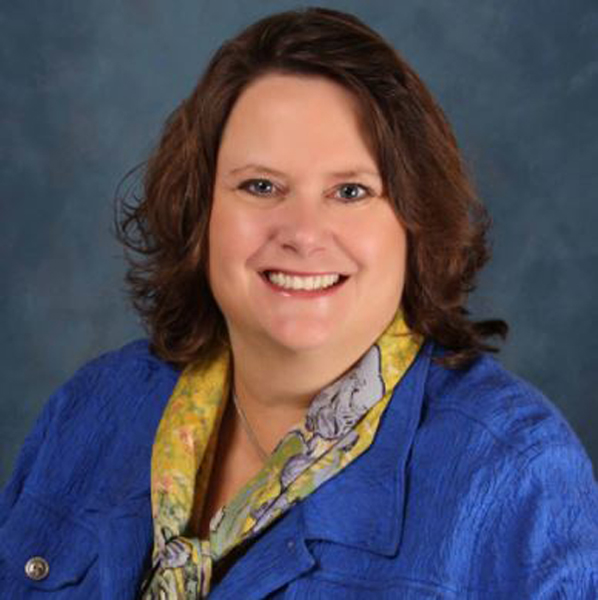
Editors Note: Jennifer S. Gormley, Esq. is an elder law attorney and advocate for elders, at-risk adults and persons with disabilities. Ms. Gormley is also an Adjunct Law Professor at University of Denver Sturm College of Law where she teaches elder law. To contact Jennifer Gormley, please call 303-783-9600 or email, [email protected]. The Law Office of Jennifer S. Gormley, P.C. is located in Greenwood Village, Colorado.
Other Articles You May Like
Assisted Living vs. Nursing Homes: Are they the same?
When it comes to various housing and care communities for older adults, one of the most common misconceptions is that assisted living and nursing homes are essentially the same thing.The simple answer is, they are not. Heres how they are different:Nursing Homes Provide Skilled Medical CareNursing homes are designed for individuals who require ongoing medical supervision and skilled nursing services.Residents may:-Have complex medical conditions-Need rehabilitation after hospitalization-Require around-the-clock nursing care-Depend on specialized healthcare services, labs, medical oversight and moreMedical staff are available 24 hours a day to provide clinical care and monitor residents health in a nursing home.Assisted Living Focuses on IndependenceBy contrast, Assisted Living emphasizes lifestyle, independence, and support.Residents typically:-Live in private apartments or suites-Participate in community activities, programs and events-Receive assistance with activities of daily living, but not necessarily around the clock-Maintain greater control over their daily routinesFor many older adults, assisted living offers the right balance between support and independence. Staff provide care and guidance, but not so much that the individual is bedridden, highly monitored or restricted to a hospital-like setting.At Kavod Senior Life, Assisted Living residents enjoy the best parts of living as Kavod lifts the struggles and isolation of individual home life outside a community. Benefits include:-Three meals a day in a family-style dining environment-Activities such as music, lectures and outings (at no extra cost!)-Housekeeping, laundry and bed-making-Medication monitoring-Five wellness checks per day-On-site access to geriatric medical clinics, physical/occupational and speech therapy, and a variety of health clinics-Available add-on services (oxygen management, incontinence care and escorting to appointments around campus)-Affordable rents that are 66% below market rate in the Denver area!If youre wondering whether a nursing home or Assisted Living is right for you or your loved one, consider the tips above to help you make that decision. We are always happy to discuss your options with no obligation. Contact us today for assistance!Created with the assistance of ChatGPT
The Bridge to Independence: A Story of Integrated Care in Colorado
For years, home was a place that felt more like a memory than a reality for one senior who spent most of his time moving between hospitals and rehab centers. As someone relying on Health First Colorado, his healthcare journey was often exhausting and repetitive until he found a way to bridge the gap between needing help and wanting to stay in his own favorite chair.A Lifeline through Colorado Medicaid Remote Support ServicesEverything changed when he started a new routine that combined four hours of daily help from a caregiver with the around the clock security of Colorado Medicaid remote support services. While his caregiver focused on making sure his home was clean and his meals were delicious, the remote support team acted like a quiet guardian watching over him through the day and night. By using simple devices to check his blood pressure and oxygen levels, he was never truly alone, and his remote coordinators became familiar voices who checked in on him with a friendly call every single day.Technology that Catches the Small DetailsThe true value of this hybrid care became clear when his daily vitals showed a trend that no one would have noticed otherwise. His remote team saw his blood pressure was dropping to a level that made him feel lightheaded, and they immediately coordinated with his doctor to adjust his medication before he could have a dangerous fall. Even during a sudden bout with an infection, he was able to use his emergency button to keep everyone informed while he was being helped by paramedics, ensuring that his care team was right there with him every step of the way.Six Months of Staying Home After a lifetime of being told he needed to be in a facility, he has now spent six months thriving in his own home with only one very short hospital stay. This story proves that when we combine human heart with the power of technology, staying home is not just a dream but a reality that is accessible through programs like Colorado Medicaid.
A Path to Wellness: Care That Continues at Home
Returning home from a hospital stay can challenge anyone, especially people with chronic conditions. For Colorado Medicaid members, Remote Support Services simplify this transition. Our program provides comprehensive support right in your home, ensuring a smooth and safe return to your daily life. We use technology to monitor your health, empowering you to take an active role in your wellness journey and prevent future complications.Our Post-Hospitalization ProcedureOur simple process focuses on your well-being: Initial Contact: A member or family member contacts our agency to discuss their needs. Service Determination: We assess the members condition and decide if our chronic disease management services are right for them. Coordination with County/Case Manager: We contact the members case manager or county to confirm their benefits are initiated or enrolled. This step ensures a seamless process and proper coverage under Health First Colorado, the states Medicaid program. Initiating Remote Monitoring: Once we have confirmation, we start the member on remote monitoring to ensure their safety and track their progress. This allows us to proactively address any potential issues. Continuation Discussion: After the initial three-month period, we discuss continuing services to ensure the member continues receiving the care they need to maintain their health. How We Monitor Your HealthOur remote monitoring program uses easy-to-use, at-home equipment to help you track your health vitals and communicate with your care team. The program combines devices and daily check-ins: Bluetooth-enabled blood pressure cuff: For those with hypertension or heart conditions, this device automatically sends your blood pressure readings to us, giving us a continuous picture of your cardiovascular health. Bluetooth-enabled weight scale: We use this to monitor for sudden weight changes. For conditions like heart failure, a significant, rapid weight increase can signal fluid retention and may need prompt attention. Pulse oximeter: This small device clips onto your finger to measure your blood oxygen saturation and heart rate. Its especially useful for managing conditions that affect breathing, such as COPD or asthma, and provides a quick look at how well oxygen gets to your body. Daily phone questionnaire: You will have a brief daily check-in with your remote care coordinator by phone. This allows you to report on how youre feeling, discuss symptoms, and ask questions. This personal touch ensures we can provide timely support and adjust your care plan as needed. This regular monitoring allows our team to identify changes and intervene early, preventing complications and giving you a sense of security at home.Benefits of Chronic Disease ManagementOur chronic disease management program offers significant benefits to Colorado Medicaid members: Improved Health Outcomes: With continuous, proactive management, members can better control their chronic conditions, reducing the risk of complications and future hospitalizations. Enhanced Access to Care: Using technology and telehealth services, our program helps overcome barriers to care, ensuring members have timely access to medical advice and support. This particularly benefits those in rural or underserved areas of Colorado. Better Care Coordination: Our team serves as a central point of contact, facilitating communication between all healthcare providers involved in a members care. This ensures a well-coordinated treatment plan and effective communication of any changes. Increased Patient Engagement: By regularly monitoring their vitals, members become more engaged and knowledgeable about their own health. This empowers them to make better lifestyle choices and stick to their treatment plan. ConclusionOur remote support program provides seamless, personalized care for Colorado Medicaid members after a hospital stay. This approach benefits both the individual, by empowering them to manage their health safely at home, and the healthcare system, by ensuring resources are used efficiently and effectively. If you or a loved one are a Colorado Medicaid member returning from the hospital, our remote supports program can be a critical step toward long-term wellness and independence.
Local Services By This Author
Gormley, Jennifer S., P.C.
Elder Law 6060 Greenwood Plaza Boulevard, Greenwood Village, Colorado, 80111At The Law Office of Jennifer Gormley, we are proud to offer premier elder law services to individuals and families in Centennial, CO and the surrounding areas. With many years of experience and a clear understanding of the issues that seniors and their families face, our firm offers complete elder law plans for long term care, asset protection, and Medicaid planning. We want everyone to feel safe and understood as they go through the processes that come with aging, healthcare, and financial management.End to End Solution for Elder Law Planning According to Your NeedsElder law is a branch of legal practice that deals with legal, financial, and personal issues that affect the elderly. At The Law Office of Jennifer Gormley, we offer a holistic approach to elder law planning based on a case by case analysis of your assets, income and past transfers to determine your needs. This is because we get to understand your current and future financial situation in order to come up with good strategies that will help you and your family in the long run.Our elder law planning services are aimed at future oriented long term care, asset protection and Medicaid eligibility to make our clients more comfortable in the period of uncertainty. If you are planning for your own care or that of a loved one, our lawyers will help you to put together a plan that is tailored to your needs and wishes.Long-Term Care PlanningAs people get older, they require care in the later years of their lives. No matter if you are looking for a care giver to take care of you at home, in an assisted living or in a nursing home, our firm will assist you. We help you to consider your present and future care requirements, the choices available and how to go about getting the care you require without having to break your bank.We know that long term care is not cheap and if you have not planned for it, it can be a financial strain to your family. Thats why our elder law planning aims at establishing a framework of alternative sources of support in order to enhance your level of security and autonomy. From private insurance and personal funds to government assistance such as Medicaid, we assist you in identifying the sources that are most appropriate for your needs.Asset Protection StrategiesElder law planning is incomplete without the protection of the assets that you have worked so hard to acquire. At The Law Office of Jennifer Gormley, we offer services that help you protect your assets from taxes, legal demands, and the expense of healthcare. Thus, we help you to arrange your assets in a manner that is compatible with the Medicaid eligibility guidelines so that you can keep your wealth for the future generation while at the same time getting the care and assistance you require.Our asset protection strategies may include tools such as trusts, gifting plans, and other legal mechanisms to safeguard your financial future. It is our mission to guarantee that your property is applied for in the right manner and also in a way that is legal and appropriate for the given laws and regulations.Medicaid Planning and Eligibility AssistanceMedicaid is a government funded program that offers medical care to people who require long term care and meet the set medical and financial qualifications. However, applying for Medicaid can be quite complicated and time-consuming, especially for those who are not familiar with the programs requirements. At The Law Office of Jennifer Gormley, we are Medicaid planners and we can guide you and your family through this system with ease.Our Medicaid planning services include an assessment of your income, resources, and health to determine if you are eligible for the program. We discover how to change your financial situation in a way that you will be able to receive maximum benefits while keeping your funds. We also assist in the actual application for Medicaid, including the required documents to avoid having the application denied.Supporting Independence and Peace of MindAt The Law Office of Jennifer Gormley, we understand that each client is different. That is why we listen to your concerns, answer your questions and prepare a elder law plan that is specifically for you and your needs. We want to establish a platform for our clients and their families to embrace life with no worries about the future legal and financial issues. No matter if you require assistance with long term care, Medicaid qualifications or asset protection, our staff will guide you through the process until the end.Why Choose The Law Office of Jennifer Gormley?Selecting the appropriate elder law attorney is a key decision. At our firm, we boast of offering:Elder Law Specialization: We have wide exposure to long term care, Medicaid and asset protection to offer you solutions that are appropriate for you.Personalized Service: We spend time with you to understand your case and come up with a plan that meets your objectives.Compassionate Support: It is our goal to assist and reassure you and your loved ones in the time of need.Local Knowledge: Located in Centennial, CO, we know the legal and financial environments that affect seniors in the area.If you or a loved one requires assistance with elder law planning, contact The Law Office of Jennifer Gormley. Schedule a consultation with us; visit our website at ElderLawSource.com or give us a call. Let us help you create a plan that protects your assets, ensures your care, and provides the security and independence you deserve.
Gormley, Jennifer S., P.C.
Probate 6060 Greenwood Plaza Blvd Ste 300, Greenwood Village, Colorado, 80111Law Office of Jennifer S. Gormley, P.C. provides high quality, comprehensive legal help to individuals, families and professionals in the areas of probate, elder law, estate planning, litigation, trusts and estates, long term care planning, guardianships, conservatorships, disability law, Social Security and Aid and Attendance for Veterans. We focus on law and public policy with emphasis in aging and disability. We have litigation experience with complex cases involving financial exploitation, trust/will contests and protective proceedings. Also, we have years of experience assisting clients with estate and long term care planning, wealth protection and navigating public benefits. You can reach us by phone at 303 783 9600 or by email [email protected].
Gormley, Jennifer S., P.C.
Trust Management 6060 Greenwood Plaza Blvd Ste 300, Greenwood Village, Colorado, 80111Law Office of Jennifer S. Gormley, P.C. provides high quality, comprehensive legal help to individuals, families and professionals in the areas of probate, elder law, estate planning, litigation, trusts and estates, long term care planning, guardianships, conservatorships, disability law, Social Security and Aid and Attendance for Veterans. We focus on law and public policy with emphasis in aging and disability. We have litigation experience with complex cases involving financial exploitation, trust/will contests and protective proceedings. Also, we have years of experience assisting clients with estate and long term care planning, wealth protection and navigating public benefits. You can reach us by phone at 303 783 9600 or by email [email protected].