New Mom and Society Senior Pastor Gets COVID-19 Vaccine
Good Samaritan Society - Fort Collins Village
Jul 29, 2021
Colorado - Northern Colorado

Email US
Click to Email Us
The 36-year-old is also a new mom.
Ive been a mom for just under a year. It is the most profound experience of being connected to another human, Pastor Christy says.
That human is her daughter Anja. In an effort to protect herself and her family during the pandemic, Pastor Christy is making the personal choice to get the COVID-19 vaccine.
I am a nursing mom, Pastor Christy says. I talked to her pediatrician and he said that this was safe and that it would be safe for my daughter. I did my research and decided this was the right thing.
Do your research
Medical professionals at the Society and Sanford Health are encouraging breastfeeding moms and pregnant women to get the safe and effective vaccines.
Part of my call I believe is to do what I can to end this pandemic, Pastor Christy says.
For moms who might be on the fence about the shot, she urges them to ask questions.
I get it and yet I urge anyone who is uncertain to do their research. Talk to doctors, to medical experts about this decision. I think theyre going to hear that this is far less risky than getting COVID, Pastor Christy says.
Feeling hopeful
Choosing to get the vaccine is bringing a lot of hope to Pastor Christys home. Shes excited about what it means for her future with her immediate family and the one she serves with at work.
This is a historic moment for me and my own life. I think decades down the road, I will tell my daughter about this day. Its also a huge milestone in the life of my calling with Good Sam and the whole world, Pastor Christy says.
Months spent reaching staff members and residents spiritually on virtual devotions and meetings can now shift to more in-person gatherings thanks to a high number of vaccinations at the Society.
This is how we end this pandemic. Its a shot of hope for me and for my family, to think that my little bubble and world is getting just a bit safer, not even just a bit safer, a whole lot safer. Im also getting to contribute to the hope of the whole world by seeing an end to this pandemic.
Hope is the word I hear over and over and over that is palpable in the experience of coming here. Its an honor to be a part of it, Pastor Christy says.
The Centers for Disease Control and Prevention says COVID-19 vaccines can be offered to pregnant and breastfeeding women. It urges people to talk with their doctors about getting vaccinated.

Other Articles You May Like
Supporting Senior Couples at Home in Northern Colorado
Supporting Senior Couples at Home in Northern ColoradoFor 45 years, they divided household responsibilities without much discussion. She handled the cooking. He took care of the shopping and household repairs. Together, they built a comfortable routine.Then something changed.A health condition made everyday tasks more difficult for one spouse. Suddenly, the other was preparing meals, managing appointments, handling laundry, and providing personal assistance.The relationship was still strong, but their daily responsibilities had changed dramatically.This situation is familiar to many older couples throughout Northern Colorado. When one partner begins needing additional assistance, the other often becomes the primary caregiver without fully anticipating the demands involved.Amada Senior Care provides personalized non-medical home care throughout Northern Colorado, helping older adults receive everyday assistance while allowing couples to preserve familiar routines, shared experiences, and meaningful time together.When Marriage Becomes a Caregiving PartnershipMarriage often involves supporting each other through life's challenges. However, becoming a spouse's primary caregiver introduces responsibilities that may be unfamiliar.A husband who once managed household finances may now need help dressing. A wife who enjoyed preparing family dinners may begin struggling with standing for extended periods.These changes can affect both individuals.The spouse providing assistance may gradually take responsibility for nearly every household task. Meanwhile, the partner receiving care may feel frustrated about needing help with activities they previously managed independently.Neither experience is unusual.Recognizing these changing responsibilities allows couples to discuss what assistance would make everyday life more comfortable.Protecting the Relationship Beyond CaregivingOne important consideration often gets overlooked: Couples still need opportunities to enjoy their relationship outside daily care responsibilities.When every conversation revolves around medications, appointments, meals, or household chores, familiar moments of connection may become less frequent.Make Room for Shared ExperiencesCouples may benefit from maintaining simple activities they have always enjoyed together.These might include:Drinking morning coffee together without rushing.Watching a favorite television program.Sharing meals at their usual dining table.Looking through family photographs.Enjoying a short outing when appropriate.Spending time with visiting grandchildren.These experiences help preserve the personal connection that existed long before caregiving became necessary.Professional non-medical caregivers can assist with certain daily responsibilities, potentially giving couples more time and energy for activities they enjoy.Divide Responsibilities Without Creating ResentmentOne of the biggest challenges for senior couples is determining which tasks each person can realistically manage.The goal shouldn't be to recreate an earlier household arrangement exactly. Instead, couples can develop a new routine that respects their current abilities.Identify Tasks That Have Become DifficultBegin by reviewing everyday responsibilities.Consider meal preparation, grocery shopping, bathing, dressing, housekeeping, transportation, and mobility assistance.Ask which activities are manageable and which have become physically demanding or stressful.Some tasks may require occasional help, while others may benefit from regularly scheduled assistance.Let Both Partners Participate in DecisionsWhenever possible, include both spouses in discussions about home care.The person receiving assistance should have opportunities to express preferences about personal care, daily routines, and caregiver compatibility.The spouse providing assistance should also feel comfortable discussing practical limitations.A successful care arrangement considers the well-being of both individuals rather than focusing exclusively on completing household tasks.How Non-Medical Home Care Supports Senior CouplesAmada Senior Care in Northern Colorado provides non-medical assistance tailored to individual needs and preferences.Its professional caregivers help older adults manage activities of daily living and everyday household responsibilities.Available services include assistance with bathing, dressing, walking, medication reminders, meal preparation, light housekeeping, transportation, and companionship.Personal Care Without Placing Every Responsibility on a SpouseHelping a partner bathe, dress, or move around the home can become physically demanding.Professional caregivers may provide assistance with these activities according to an individualized care plan.This can reduce the amount of hands-on assistance a spouse must provide while supporting the older adult's privacy and dignity.Helping Maintain Household RoutinesWhen one partner needs additional assistance, familiar household responsibilities can become difficult to manage.A caregiver may help prepare meals, complete light housekeeping, or assist with essential errands.These services can make daily routines more manageable without requiring couples to completely change how they live.Providing Assistance That Fits the HouseholdSome couples need support during busy mornings. Others may benefit from assistance several afternoons each week.Amada develops customized care plans based on the client's needs, preferences, and family input.Families should discuss scheduling, caregiver availability, service limitations, and household responsibilities during their consultation.Maintaining Familiar Lifestyles in Northern ColoradoNorthern Colorado offers a combination of established neighborhoods, growing communities, and rural surroundings.Senior couples living in Fort Collins, Loveland, Greeley, Windsor, or nearby communities may have spent decades building connections with neighbors, local organizations, and familiar businesses.For some, remaining at home means continuing to enjoy a garden or nearby walking path. Others value attending religious services, visiting relatives, or maintaining lifelong friendships.Non-medical home care can help support these routines through appropriate assistance with transportation, mobility, and everyday activities.Finding Additional Community ResourcesCouples in Fort Collins and Loveland can explore aging-related information through the Larimer County Office on Aging.The Weld County Area Agency on Aging provides information, caregiver support, and community resources for eligible residents of Greeley and surrounding Weld County communities.These organizations may help families explore additional services that complement privately arranged in-home care.Recognizing When a Spouse Needs Additional HelpMany older adults hesitate to request assistance because they believe caregiving is simply part of marriage.However, recognizing personal limitations is an important part of maintaining a sustainable household routine.Consider whether caregiving responsibilities are interfering with sleep, personal appointments, hobbies, or other essential activities.If helping a spouse move, bathe, or complete daily tasks has become physically difficult, professional assistance may be appropriate.Working With Amada Senior CareAmada Senior Care's Northern Colorado team helps families explore non-medical home care options through personalized consultations.The company emphasizes individualized care planning and caregiver matching based on client needs and preferences.Amada also provides assistance navigating long-term care insurance benefits, helping families understand policies and available coverage options.Because insurance benefits vary, families should confirm eligibility, documentation requirements, and potential out-of-pocket expenses before arranging services.The goal is to establish practical assistance that respects the older adult's preferences while supporting a manageable daily routine.Frequently Asked Questions About Home Care for Senior Couples in Northern Colorado1. Can Amada Senior Care Help When Only One Spouse Needs Assistance?Yes. Amada provides individualized non-medical home care for older adults who need help with everyday activities. Couples can discuss the specific assistance required and how caregiving visits may fit into their household routine.2. Can Professional Home Care Reduce Responsibilities for a Spouse?Yes. Depending on the care plan, professional caregivers may assist with personal care, meal preparation, light housekeeping, and other daily tasks. This can allow the other spouse to spend less time managing hands-on caregiving responsibilities.3. Can Senior Couples Choose How Frequently Caregivers Visit?Amada offers flexible care arrangements based on individual needs and scheduling availability. Families should discuss visit minimums, preferred times, and service frequency directly with the Northern Colorado team.4. Where Can Northern Colorado Couples Find Additional Caregiving Resources?The Larimer County Office on Aging and Weld County Area Agency on Aging provide information about caregiver support, community programs, and aging-related services. Eligibility and availability depend on the specific program.5. Does Long-Term Care Insurance Cover Non-Medical Home Care?Some long-term care insurance policies cover qualifying non-medical home care services. Coverage depends on policy terms, benefit requirements, and eligibility. Amada Senior Care offers assistance understanding benefits and navigating claims.Supporting Each Other Shouldn't Mean Doing Everything AloneA lifelong partnership is built on shared experiences, familiar routines, and mutual understanding.When one spouse begins needing additional assistance, the relationship doesn't have to become defined entirely by caregiving responsibilities.The right support can help couples maintain meaningful activities, manage everyday tasks, and continue enjoying the comfort of their home together.Amada Senior Care in Northern Colorado provides personalized non-medical home care for older adults who need assistance with daily activities.Whether your household needs occasional personal care support, help with meals and errands, or more consistent caregiving assistance, Amada can help you explore available options.Looking for trusted non-medical home care for your spouse in Northern Colorado?Visit the Amada Senior Care listing on Seniors Blue Book to learn more about available services and connect with their team.Discover how personalized in-home care can help senior couples maintain their routines, share meaningful moments, and continue enjoying life together.
Coordinating Senior Home Care in Northern Colorado
Coordinating Senior Home Care in Northern ColoradoA handwritten note on the refrigerator says, "Mom has a haircut Thursday."Another note reminds someone to buy milk. A third contains a phone number nobody recognizes.Meanwhile, one family member thinks the groceries were ordered, another assumes the laundry is finished, and a caregiver is trying to understand which activities matter most to the person receiving assistance.Sound familiar?When several people help an older adult remain at home, important details can easily get lost between conversations, text messages, and busy schedules.For families throughout Northern Colorado, a simple home care communication system can turn scattered information into a more organized daily routine.Amada Senior Care provides personalized non-medical home care in Northern Colorado, helping seniors and families coordinate everyday assistance while maintaining familiar lifestyles.Why Good Home Care Requires Good CommunicationSenior care often involves more people than families initially realize.An older adult may receive help from adult children, neighbors, professional caregivers, and other trusted individuals.Each person contributes something valuable, but without a shared understanding of responsibilities, everyday tasks may be overlooked or unnecessarily repeated.For example, one relative might assume someone else arranged transportation. Another may purchase groceries that are already in the refrigerator.These situations aren't necessarily caused by a lack of effort. Often, everyone is working with different information.A clear communication plan helps identify responsibilities, recognize changing needs, and maintain consistency without requiring constant phone calls.Start With a Simple Home Care Communication LogA communication log doesn't need expensive software or complicated forms.For many households, a notebook kept in an agreed location can provide a useful starting point.The purpose is to document practical information that helps everyone understand what happened and what needs attention.What Should Go Into the Log?Consider including five sections:Daily activities: Meals prepared, errands completed, and household tasks.Upcoming responsibilities: Appointments, shopping trips, and scheduled visits.Personal preferences: Favorite activities, preferred routines, and important requests.Observations: Changes in everyday abilities or behavior that may need attention.Follow-up tasks: Questions or concerns requiring a response from the appropriate person.Keep entries brief, factual, and respectful.Rather than writing, "Dad was difficult today," document a specific observation, such as, "Dad preferred to postpone his afternoon walk because he felt tired."This communicates useful information without making judgments.The Three-Minute Caregiver HandoffOne of the most valuable communication habits is a short update whenever caregiving responsibilities change hands.It doesn't need to become a formal meeting.A three-minute conversation can cover three essential questions:1. What Happened Today?Share completed activities, including meals, errands, or scheduled tasks.If an older adult enjoyed a particular activity, mention it.Positive observations help caregivers understand which routines bring comfort and enjoyment.2. What Needs Attention?Identify unfinished tasks, upcoming commitments, or concerns.For example, a caregiver might explain that a prescription pickup still needs to be arranged.Any concerning health changes should be communicated promptly through the appropriate channels rather than waiting for the next routine update.3. What Matters Tomorrow?Discuss the next day's priorities.Perhaps the senior wants to attend a family gathering, prepare a favorite recipe, or receive assistance with bathing before breakfast.A short handoff helps the next caregiver begin with a clear understanding of the person's preferences.Keep the Senior at the Center of Every UpdateA communication system should never make an older adult feel as though everyone is discussing their life without including them.Whenever possible, invite the senior to participate.Ask questions such as:"What would you like help with tomorrow?""Is there anything you'd prefer to do differently?""Which activities would you like to keep doing yourself?""Who would you like us to contact about your schedule?"Personal preferences should guide caregiving arrangements whenever possible.Coordinating Care Across Northern Colorado CommunitiesNorthern Colorado families often balance responsibilities across several cities.An adult child living in Fort Collins may help a parent in Loveland, while another relative works in Greeley or Windsor.The distance between communities can make spontaneous visits difficult, especially when work schedules and other family obligations overlap.A shared calendar can help families coordinate responsibilities more effectively.Use One Schedule Everyone UnderstandsWhether families prefer a paper calendar or a secure digital tool, it should clearly identify:Who is providing assistance.What time visits are scheduled.Which appointments are coming up.Who is responsible for transportation.Which tasks still need attention.For digital systems, obtain the older adult's permission before sharing personal information and limit access to authorized individuals.Know When Community Resources Can HelpThe Larimer County Office on Aging offers information, caregiver resources, and assistance identifying services for older adults in communities including Fort Collins and Loveland.Its Answers on Aging Resource Guide helps families explore local programs.For residents of Greeley and other Weld County communities, the Weld County Area Agency on Aging provides information about available aging-related services and caregiver resources.These organizations can complement privately arranged non-medical home care by helping families understand additional community support options.How Amada Senior Care Helps Families Coordinate Daily AssistanceAmada Senior Care in Northern Colorado provides non-medical in-home support tailored to each older adult's needs, habits, and preferences.Its services include assistance with:Bathing, dressing, and personal care.Meal preparation and grocery shopping.Light housekeeping.Medication reminders.Walking and mobility.Transportation and everyday errands.Companionship and meaningful activities.The company's care planning process incorporates input from clients and their families.Amada also describes regular check-ins with caregivers, clients, and families to review changing needs and adjust services when appropriate.Families can discuss communication preferences during the initial consultation, including who should receive routine updates and how concerns should be reported.Because every household has different needs, the communication process should be established as part of the individualized care arrangement.Know When a Written Note Isn't EnoughA communication log is useful for routine coordination, but it should never replace urgent conversations.If a caregiver observes sudden confusion, a serious fall, breathing difficulties, or another potentially dangerous situation, immediate action may be necessary.Call 911 for medical emergencies.For non-emergency health concerns, contact the appropriate healthcare professional and follow the established care plan.Professional non-medical caregivers can document observations and communicate concerns, but medical diagnosis and treatment remain the responsibility of qualified healthcare providers.Clear boundaries help ensure important information reaches the right person.Frequently Asked Questions About Home Care Coordination in Northern Colorado1. How Can Families Improve Communication With Home Caregivers?Begin with a shared schedule, clearly defined responsibilities, and an agreed method for routine updates. Ask the home care agency how communication and changes to the care plan are handled.2. Does Amada Senior Care Offer Personalized Care Plans?Yes. Amada Senior Care develops individualized non-medical home care plans based on client needs, preferences, and family input. Contact its Northern Colorado team to discuss specific services and communication arrangements.3. Can Family Members Help Coordinate Care From Different Northern Colorado Cities?Yes. Families can use shared calendars, scheduled check-ins, and authorized communication channels to coordinate responsibilities between Fort Collins, Loveland, Greeley, Windsor, and surrounding communities.4. Where Can Families Find Additional Senior Care Resources in Northern Colorado?The Larimer County Office on Aging and Weld County Area Agency on Aging provide aging-related information, referrals, and caregiver resources. Availability and eligibility vary by program.Make Everyday Senior Care Easier to CoordinateGood communication doesn't require everyone to be available every minute.It requires a reliable way to share information, clarify responsibilities, and keep the older adult's wishes at the center of daily decisions.A simple care log, consistent updates, and clearly defined responsibilities can make caregiving more organized for everyone involved.Amada Senior Care in Northern Colorado helps older adults manage daily activities through personalized non-medical home care while working with families to establish appropriate support.Whether your loved one needs assistance with personal care, meal preparation, companionship, or household responsibilities, Amada can help you explore caregiving options.Looking for reliable non-medical home care in Northern Colorado?Visit the Amada Senior Care listing on Seniors Blue Book to learn more about available services and connect with their team.Discover how personalized caregiving and thoughtful coordination can help make everyday life more manageable for seniors and their families.
Helping Northern Colorado Seniors Manage Medical Appointments
Helping Northern Colorado Seniors Manage Medical AppointmentsA doctor's appointment might last just 20 minutes. Getting there, preparing for it, and following through afterward can take most of the day.For an older adult in Northern Colorado, a routine medical visit may involve finding transportation, gathering paperwork, remembering questions, navigating a large medical building, and understanding instructions afterward.These responsibilities can become increasingly difficult when mobility limitations, fatigue, or memory changes are involved.While medical professionals provide diagnosis and treatment, non-medical home care can help seniors manage the everyday responsibilities surrounding their healthcare visits.Amada Senior Care, serving Northern Colorado, offers personalized in-home assistance that can help older adults prepare for appointments, arrange transportation, and maintain essential daily routines.The Challenges That Happen Outside the Exam RoomHealthcare appointments involve more than conversations with doctors.For seniors managing multiple medical conditions, a single visit may require considerable preparation.Common challenges include:Arranging reliable transportation.Getting dressed and ready on time.Managing mobility limitations.Remembering appointment details.Organizing medical documents.Navigating unfamiliar healthcare facilities.Completing errands after appointments.For older adults who live alone, these responsibilities may feel especially demanding.Family members often step in to help, but work schedules, childcare responsibilities, and travel distances can make consistent assistance difficult.Having dependable support with practical tasks can make healthcare appointments more manageable.Before the Appointment: Preparation Makes a DifferenceA successful medical visit often begins several days before the appointment.Organize Important InformationThe National Institute on Aging recommends bringing an updated medication list, insurance information, and written questions to healthcare appointments.Seniors may benefit from keeping essential documents in one location.Consider preparing a folder containing:Appointment confirmation and location.Insurance cards and identification.Current medication and supplement lists.Questions for the healthcare provider.Information about recent health changes.Emergency contact information.Non-medical caregivers may assist with organizing everyday materials and reminding clients about upcoming appointments.However, medical questions and medication decisions should always be directed to qualified healthcare professionals.Prepare Without RushingGetting ready for an appointment can take longer when someone experiences arthritis, reduced mobility, or difficulty dressing.Caregivers can help with personal care routines, clothing selection, and other daily activities.Allowing additional preparation time may help reduce unnecessary stress.A calm morning can make the entire appointment experience more comfortable.Getting There: Transportation Is Only Part of the JourneyNorthern Colorado includes established communities such as Fort Collins, Loveland, Greeley, Windsor, and surrounding towns.Healthcare appointments may require traveling between communities, particularly when a specialist practices outside the patient's immediate neighborhood.For someone who no longer drives, transportation can become a significant obstacle.More Than a RideTransportation assistance is not always limited to taking someone from one address to another.Depending on the individual's needs and the caregiver's approved responsibilities, additional help may include:Preparing to leave home.Walking to and from a vehicle.Carrying necessary personal belongings.Locating the appropriate medical office.Providing companionship during the outing.Returning home after the appointment.Amada Senior Care offers transportation assistance as part of its non-medical home care services, helping older adults attend appointments and complete everyday errands.Families should confirm transportation arrangements, accessibility requirements, and caregiver availability directly with the local team.During the Appointment: Keeping Seniors InvolvedOlder adults should remain active participants in healthcare decisions whenever possible.Some appreciate having a trusted companion nearby. Others prefer speaking privately with their healthcare provider.Both preferences deserve respect.Encourage Clear CommunicationBefore the appointment, ask what type of assistance the senior wants.Would they appreciate someone helping them remember questions? Do they prefer a companion in the waiting room?If a family member or authorized companion participates in the medical conversation, they should allow the senior to speak for themselves whenever possible.Healthcare providers must also follow applicable patient privacy and consent requirements.Non-medical caregivers can provide practical assistance and reassurance, but they do not diagnose medical conditions, interpret clinical findings, or make treatment decisions.After the Appointment: The Often-Forgotten ResponsibilitiesLeaving the doctor's office doesn't necessarily mean the day's responsibilities are finished.A healthcare provider may recommend additional appointments, laboratory testing, prescription changes, or adjustments to daily routines.These instructions can create another round of tasks.Make Follow-Through More ManageableFamilies can help seniors create a simple follow-up plan.For example:Place the next appointment on a calendar.Keep written medical instructions in an accessible folder.Arrange transportation for future visits.Schedule time for necessary errands.Contact the healthcare provider when instructions are unclear.A non-medical caregiver may assist with reminders and routine organization according to the agreed care plan.Caregivers should not independently change medications or provide skilled medical services outside their authorized scope.How Amada Senior Care Supports Everyday Healthcare RoutinesAmada Senior Care provides non-medical home care services for older adults who need assistance with daily living.Its Northern Colorado service area includes communities such as Greeley, Fort Collins, Loveland, and Windsor.Caregivers can help with essential responsibilities that often surround medical appointments.Services may include:Transportation to appointments and errands.Assistance with bathing and dressing.Walking and mobility support.Medication reminders.Meal preparation.Light housekeeping.Companionship and personal assistance.These services can be tailored to individual needs and scheduling arrangements.For example, a senior who manages most daily activities independently may need occasional transportation assistance. Another individual may benefit from more consistent help with personal care and household routines.Amada also provides guidance related to long-term care insurance, helping eligible families explore potential coverage for non-medical caregiving services.Actual benefits depend on the individual's policy, eligibility requirements, and insurer decisions.Building a Reliable Support Network in Northern ColoradoProfessional caregivers are one part of a broader support system.Families may also benefit from exploring local organizations that provide aging-related information and community resources.Larimer County Office on AgingThe Larimer County Office on Aging helps older adults and families in communities such as Fort Collins and Loveland locate resources for transportation, caregiving, and other aging-related concerns.Its Answers on Aging Resource Guide offers information about available services throughout Larimer County.Families can contact the office for assistance identifying relevant community programs.Coordination Makes a DifferenceWhen several people help an older adult, communication becomes especially important.Families can create a shared appointment calendar identifying:Upcoming medical visits.Transportation responsibilities.Important contact numbers.Follow-up tasks.Changes to caregiving schedules.Keep medical information accessible only to people authorized to receive it.A consistent system can reduce missed details while respecting the senior's privacy and independence.Frequently Asked Questions About Senior Appointment Assistance in Northern Colorado1. Can Amada Senior Care Help Seniors Get to Medical Appointments?Yes. Amada Senior Care includes transportation among its non-medical home care services. Families should contact the Northern Colorado team to discuss scheduling, transportation arrangements, and individual assistance needs.2. Can a Non-Medical Caregiver Attend a Doctor's Appointment With a Senior?Depending on the care arrangement and the senior's preferences, a caregiver may provide accompaniment and practical support. Participation in medical conversations requires appropriate consent and must remain within the caregiver's authorized responsibilities.3. Does Medicare Cover Non-Medical Transportation and Companion Services?Original Medicare generally does not cover routine transportation or standalone non-medical companion care. Certain Medicare Advantage plans may offer supplemental benefits. Families should review their specific insurance coverage.4. Where Can Northern Colorado Families Find Additional Senior Care Resources?The Larimer County Office on Aging offers information and referrals for older adults and caregivers. Families can also contact Amada Senior Care to discuss available in-home assistance and potential payment options.Make Healthcare Appointments Less Stressful With Amada Senior CareMedical appointments are an important part of maintaining health, but the responsibilities surrounding them shouldn't become an overwhelming burden.From getting ready in the morning to arranging transportation and managing everyday follow-up tasks, practical assistance can help older adults approach healthcare visits with greater confidence.Amada Senior Care in Northern Colorado provides personalized non-medical home care designed to support seniors with transportation, personal care, companionship, and everyday responsibilities.Whether your loved one needs occasional appointment assistance or more regular support at home, Amada's team can help families explore appropriate care options.Looking for dependable non-medical home care in Northern Colorado?Visit the Amada Senior Care listing on Seniors Blue Book to learn more about available services and connect with their team.Discover how personalized in-home assistance can make daily responsibilities and healthcare appointments easier to manage while helping seniors maintain their independence.
Local Services By This Author
Good Samaritan Society - Fort Collins Village
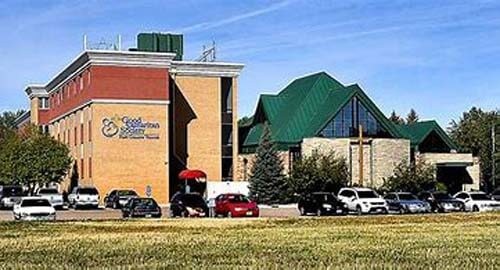
Assisted Living 508 West Trilby Road, Fort Collins, Colorado, 805254054Fort Collins Village offers senior housing with services, Assisted Living, long-term Skilled Nursing Care, and short-term Post-Acute Rehabilitation services & therapies - all offered in the same building if care needs change. The Good Samaritan Society is a not-for-profit, faith-based community that welcomes people of all faiths and backgrounds.Good Samaritan Society Fort Collins Village is nestled in the foothills of the majestic Rocky Mountains. We are committed to providing an unprecedented level of quality service, compassionate care and range of amenities to ensure our residents enjoy a care-free, fulfilling lifestyle that is tailored to their needs.Our friendly, professional staff is dedicated to enhancing your life, bringing you joy and creating opportunities that care for your whole person - body, mind and spirit

Good Samaritan Society - Fort Collins Village
Skilled Nursing 508 West Trilby Road, Fort Collins, Colorado, 805254054Established in 1973, the Fort Collins Village has been dedicated to serving seniors for 45 years, providing dignity in care, in living and in spirit. We are a not-for-profit, faith based continuum of care community, offering post-acute rehab, skilled nursing care, assisted living apartments and senior housing with services.Good Samaritan Society Fort Collins Village is nestled in the foothills of the majestic Rocky Mountains. We are committed to providing an unprecedented level of quality service, compassionate care and range of amenities to ensure our residents enjoy a care-free, fulfilling lifestyle that is tailored to their needs.Our friendly, professional staff is dedicated to enhancing your life, bringing you joy and creating opportunities that care for your whole person - body, mind and spirit
Good Samaritan Society - Fort Collins Village
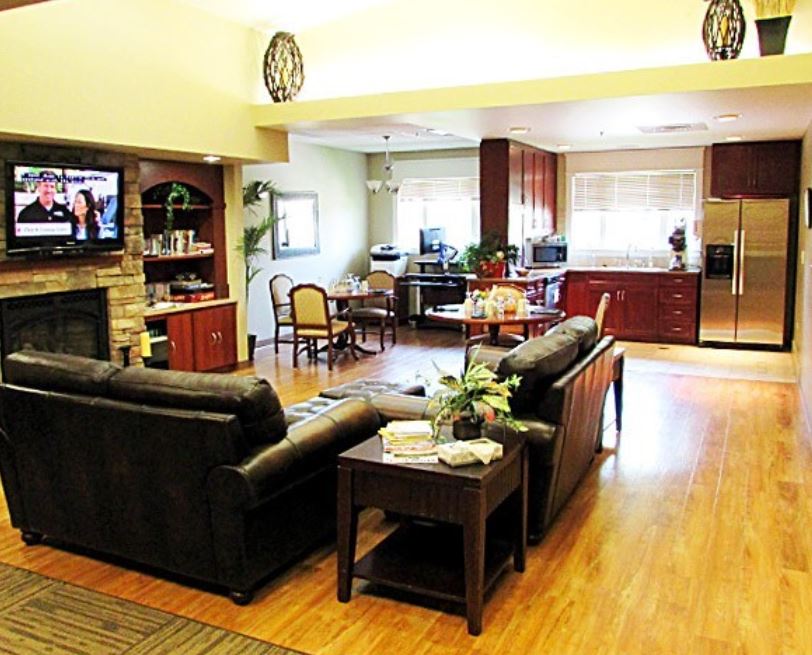
Independent Living 508 West Trilby Road, Fort Collins, Colorado, 805254054Fort Collins Village offers senior housing with services, along with and health and wellness programs. Also, Assisted Living, long-term Skilled Nursing Care, and short-term Post-Acute Rehabilitation services & therapies are all offered in the same building if care needs change. The Good Samaritan Society is a not-for-profit, faith-based community that welcomes people of all faiths and backgrounds.Good Samaritan Society Fort Collins Village is nestled in the foothills of the majestic Rocky Mountains. We are committed to providing an unprecedented level of quality service, compassionate care and range of amenities to ensure our residents enjoy a care-free, fulfilling lifestyle that is tailored to their needs.Our friendly, professional staff is dedicated to enhancing your life, bringing you joy and creating opportunities that care for your whole person - body, mind and spirit.