The Beginner's Guide to Real Estate Investing
HomeSmart
For more information about the author, click to view their website: Jude Creamer / HomeSmart
Oct 20, 2023
Florida - Sarasota, Bradenton & Charlotte Counties

Email US
Click to Email Us
You've heard about real estate investing, but do you know what it really entails? On the surface, it might sound like a flashy gig to make some extra money and diversify your portfolio. And while the job can certainly be lucrative, it takes consistent learning and hard work to be successful.
We're here to break down the basics of real estate investing so that you're equipped with the knowledge you need to get started. To help us, we talked to James Judge, a top-ranked HomeSmart agent and residential real estate investor with a specialty in flipping houses. Here's our beginner's guide to real estate investing:
First, Know Your Options.
Being a successful investor requires choosing the right investments. To figure out what investing method works best for you, first decide if you want to be an "active" or passive investor: do you want to have a hands-on or hands-off role in the process? Active investing requires greater real estate knowledge and overseeing a project form start to finish. Passive investing can be done regardless of experience and often involves handing over capital to professionals who will invest for you. Here are a few common types of investments that you can make:
Active Opportunity: Flipping Houses
As an expert house-flipper, James perfectly captured what he does as "looking for opportunities to make houses into homes." To elaborate, flipping houses requires purchasing a home, making renovations to increase its market value and selling it at a higher price to make a profit. This is the most active, hands-on form of investing that you can engage in. It comes with a lot of work but also has a lot of potential.
According to James, flipping houses is a full-time job. While having a good team can reduce the time spent working, you still have to oversee the project and ensure that the moving parts come together. It's especially important to have a passion for this kind of work so you can enjoy it. As both a REALTOR® and an investor, James works long hours that can make it hard to find a work-life balance, but he stated, "Thankfully I love what I do; therefore, it doesn't always feel like work."
Despite the time commitment, James is proof that flipping houses can be an incredibly rewarding investment. Over the past eight years, he and his team have successfully flipped over 100 properties. But when you're just starting out, James suggests taking any opportunity that's available, even if it's small. Small projects often move much more quickly and can become more worthwhile as a result.
Here's a before-and-after look at one of the many homes James has flipped:
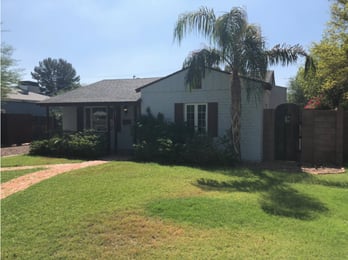

Active Opportunity: Rentals
Investing in short or long-term rental properties has the advantage of providing you regular cash flows as a property owner, as long as your tenants are responsible. However, finding reliable tenants requires some upfront work, like conducting background checks and drafting legally sound contracts. Once you have tenants, it's also your responsibility to collect rent, maintain the property and ensure legal compliance. Still, the benefits of rentals can outweigh the costs.
Many investors choose to focus on long-term rentals, which provide more consistent income and are usually a shorter time commitment. But short-term rentals have their perks, too. Having experience working with short-term rentals, James told us that while there may be more upfront costs and less consistent cash flows, the income generated from short-term rentals is often much higher than long-term rentals overall. If you're willing to put a few extra dollars into your rentals, short-term rentals might give you the most bang for your buck.
Here's what James did to fix up a rental property:


Passive Opportunity: Real Estate Investment Trusts
If managing a property sounds like too much work, you can start small by investing in real estate investment trusts (REITs). REITs are companies that own and offer investors' shares of commercial real estate-–like office buildings and retail spaces. They usually require very little money to invest. Additionally, they are required to distribute at least 90% of their taxable income to shareholders each year, so investors can often expect high dividends without having to actively manage their investments.
While investing in REITs might seem like a no-brainer, it's important to recognize the different types of investments before committing. Publicly traded, publicly non-traded, and private REITs each have their own advantages and risks. Non-traded REITs aren't easily sold and are harder to value, so beginners are better off starting with publicly traded REITs, which you can buy from an online broker.
Next, Figure Out Your Finances
No matter what type of investing you pursue, your plans for success could backfire if you aren't mindful of where your money is going. To save yourself the future headache, it's important to get your finances in order before deciding to invest. Real estate investing can be expensive, so before starting, make sure that you have enough money set aside in an emergency fund in case things don't work out as planned. You can also set yourself up for success by paying off any debt and automating your savings.
James emphasized the importance of having a budget when you start investing. He said, "It's challenging to find the right balance between what you want to do and what you need to do [when renovating a home]," and it's important to make investments that align with your financial position to set yourself up for success. For him, this means focusing less on making a house "perfect" and more on making the necessary renovations for a successful flip to maximize function and make it feel special at the same time. While your budgeting strategy might look different than his, it's important to have one for long-term success.
Find Your Market, and Know It Well
Many new investors think that they can do real estate investing in any market, but every market is different. What works well in one market may not in another. One of James' biggest tips for beginners is to find your market and learn it. When he started his investing career, he did flips all over the Phoenix valley. He said, "Ultimately, I found that it was best to focus on one specific market so that I could learn what people wanted and understand how to spot a deal." When he started focusing on one area, James realized that different styles of homes sell better in different locations, and price per square foot can vary dramatically by neighborhood. Now that he has identified and learned his market, he knows how to adjust his investment strategies to the area around him and has seen exceptional results.
And Remember... You Can Do It!
If you still need that push to give investing a try, just remember that real estate investing provides opportunities for everyone. James got into investing unexpectedly when he couldn't find a job after college. After graduating with an Interior Architecture degree, he started working with an investor to source homes and remodel properties. The agent he was working with suggested he tried flipping houses, and the rest is history. So if you haven't spent your whole life preparing to invest, don't worry. If James can do it, so can you!
To learn more about James and see the work he’s doing, follow along on his website and his Instagram @thehousejudge for your daily dose of investing inspiration.

- To view the original version of this article visit blog.homesmart.com/the-beginners-guide-to-real-estate-investing
- Seniors Blue Book was not involved in the creation of this content.
Other Articles You May Like
Stay or Move? How Ocean County Homeowners Over 50 Plan for the Future
Stay or Move? How Ocean County Homeowners Over 50 Can Plan for the FutureFor many adults over 50, home is more than a place to live. It is a connection to neighbors, familiar routines, favorite local businesses, and years of memories. In Ocean County, those connections may also include a favorite stretch of Long Beach Island, a boating community, a neighborhood gathering place, or easy access to family.As retirement approaches or household needs change, homeowners may begin asking an important question: Should I stay where I am, or would another home make life easier?There is no universal answer. Some homeowners can remain comfortably in their existing homes with a few modifications and additional help. Others discover that moving to a smaller property, relocating closer to family, or choosing a different neighborhood better supports their goals.For people considering a move in Manahawkin, Stafford Township, Barnegat, Long Beach Island, and surrounding communities, Carol Grinbaum, Realtor with Better Homes and Gardens Real Estate Murphy & Co., can be a resource for exploring the real estate side of this decision.Aging in Place: When Staying Makes SenseAging in place means remaining in your current home and community as you grow older, adapting the property and arranging services as needed.For homeowners who love their neighborhood, staying may preserve important social connections and reduce the disruption associated with moving.It may also be financially practical, particularly when the mortgage is paid off and the home is in good condition. However, a mortgage-free home is not necessarily inexpensive to maintain. Property taxes, utilities, repairs, insurance, and exterior upkeep can still represent substantial expenses.Evaluate the home itselfWalk through your property with an eye toward present and future convenience.Are the frequently used rooms on one level? Is the entrance easy to navigate? Are the stairs comfortable? Is the bathroom practical? Could better lighting, improved railings, or grab bars make everyday activities easier?A qualified home-modification or accessibility professional can help identify potential improvements.Consider the support you may needRemaining at home can involve more than physical modifications. Homeowners may eventually need assistance with transportation, shopping, housekeeping, meal preparation, or personal care.Think about whether family, friends, community programs, or paid providers could meet those needs if they arise.Ocean County's Office of Senior Services offers information about resources for older residents and caregivers, including transportation and housing-related assistance. Exploring available services can help homeowners understand their options before making a major decision.Review the long-term costPrepare a realistic annual budget for repairs, maintenance, insurance, utilities, and any services you anticipate needing.Compare that figure with the cost of moving to a smaller home. Staying may be the better option, but the comparison should account for both financial costs and the amount of time and effort required to maintain the property.When Moving May Be Worth ConsideringFor some homeowners, the advantages of a new property gradually become more compelling.Perhaps a large yard has become difficult to maintain. Maybe the stairs are inconvenient, the house feels too large, or driving to everyday appointments is no longer appealing.Other homeowners simply want a change. They may be ready to travel more, spend less time on household responsibilities, or live closer to adult children and grandchildren.A move can be a positive lifestyle decision rather than a response to a crisis.Explore a smaller homeA smaller single-family property, condominium, or townhome may reduce certain maintenance responsibilities. Before choosing, investigate what the homeowner remains responsible for and whether any association fees or restrictions apply.Consider a different Ocean County locationA homeowner who loves the Shore may not need to leave the region to find a better-fitting property.Manahawkin and Stafford Township offer mainland locations near Long Beach Island. Barnegat and Waretown may also be worth considering, depending on the buyer's budget, preferred surroundings, and daily routine.The most suitable community will depend on individual priorities. Some people want coastal access; others prefer a quieter residential setting or proximity to family and services.Look at adult communitiesSome adult communities offer shared amenities, recreational facilities, and opportunities to meet neighbors. These features can be attractive to people who want to simplify homeownership while remaining independent.However, an age-restricted residential community is not the same as assisted living or a continuing care retirement community. Buyers should understand the actual services, eligibility requirements, fees, and responsibilities before purchasing.How to Compare Staying and MovingRather than making the decision based on one concern, compare the two options across several areas. Consideration Staying in your current home Moving to another property Familiarity Preserves established routines and neighborhood connections Requires time to adjust to a new environment Maintenance May involve ongoing repairs and yard work May reduce some responsibilities, depending on the property Accessibility May require home modifications Offers an opportunity to choose a more suitable layout Finances Retains existing housing arrangements but requires ongoing upkeep Involves selling and purchasing expenses, plus new ownership costs Location Keeps you close to familiar places May improve access to family, services, or preferred activities Lifestyle Maintains current routines Creates an opportunity to reshape daily life There is no need to decide immediately. Gathering information about both choices can reveal whether a move would provide meaningful benefits.The Role of a Realtor in Future PlanningHomeowners sometimes hesitate to speak with a real estate agent until they are ready to sell. In reality, an early conversation can help them understand the possibilities without committing to a transaction.Carol Grinbaum can be a starting point for discussing a home's potential market value, identifying alternative property types, and exploring neighborhoods throughout Ocean County.A useful conversation might include: What might the current home sell for in today's market? Which repairs or improvements, if any, could be worthwhile before listing? What smaller properties are available in the preferred area? How do the costs of different housing options compare? What timeline would allow the homeowner to move comfortably? Suggested quote for Carol's approval: Planning ahead gives homeowners more choices. Whether you decide to stay or move, understanding your real estate options can help you make a decision that reflects your priorities and the lifestyle you want.A Realtor can provide real estate guidance, but other professionals may be needed to assess specific questions. Financial and tax professionals can help evaluate the financial implications of selling, while healthcare and aging-services professionals can assist with questions about support needs.Make the Decision Before It Becomes UrgentOne of the advantages of planning early is that homeowners can evaluate their options while they have time to make thoughtful choices.Consider these steps: Discuss your priorities. Identify what you most want to preserve about your current home and what you would change. Assess the property. Review maintenance, accessibility, repair needs, and future expenses. Research alternatives. Explore smaller homes and different communities without assuming you must move. Understand your finances. Estimate the cost of staying versus selling and purchasing another property. Build a flexible timeline. Allow time to gather information, consult professionals, and make decisions without unnecessary pressure. For couples, adult children, and other family members, open communication can make planning easier. The homeowner's preferences should remain central, and discussions should focus on practical choices rather than assumptions about age.Frequently Asked QuestionsHow do I know whether to age in place or move?Consider the home's condition, accessibility, maintenance requirements, finances, support network, and preferred lifestyle. Compare the cost and practicality of remaining at home with those of moving.Can I make my current Ocean County home easier to live in?Potential modifications include improved lighting, grab bars, safer entrances, better railings, and other accessibility improvements. A qualified professional can help assess the property and identify suitable changes.Where should I look if I want to move but stay near Long Beach Island?Explore Manahawkin, Stafford Township, Barnegat, Waretown, and other Ocean County communities based on your budget, desired property type, and access to daily services.Will selling my home necessarily reduce my expenses?No. Selling may reduce maintenance or other costs, but the next property could have higher taxes, insurance, association fees, or other expenses. Compare the complete financial picture before deciding.Can I speak with a Realtor before I am ready to sell?Yes. An exploratory conversation can help you understand potential property values, available alternatives, and the steps involved in a future move. You can gather information without committing to a sale.Your Home Should Support the Life You Want to LiveWhether you remain in your longtime home or move to a new property, planning ahead can give you greater flexibility and confidence. For Ocean County homeowners over 50, the decision is an opportunity to consider not only where to live, but how to make the next chapter comfortable, connected, and fulfilling.Visit Carol Grinbaum's Seniors Blue Book listing to learn more about her real estate services and explore options for buying or selling a home in Ocean County, New Jersey.More information: Carol Grinbaum, Realtor Seniors Blue Book Listing
Buying a Retirement Home in Ocean County, NJ
Buying a Retirement Home in Ocean County, NJ: The Costs and Questions Buyers Shouldn't OverlookA home that looks perfect during a showing may tell only part of the story. The kitchen is updated, the neighborhood feels welcoming, and the location seems ideal. But what will the property cost to maintain? How much will insurance be? Are there community fees or restrictions? And will the home still suit the buyer's needs several years from now?These questions are particularly important for adults over 50 who are planning retirement, relocating to the Jersey Shore, or choosing a home they hope to keep for many years.Ocean County offers a range of residential settings, from Long Beach Island's coastal communities to mainland neighborhoods in Manahawkin, Stafford Township, Barnegat, and Waretown. Each property and location has its own financial and practical considerations.Carol Grinbaum, Realtor with Better Homes and Gardens Real Estate Murphy & Co., can be a starting point for buyers researching local properties and planning a real estate move.Look Beyond the Asking PriceThe purchase price is only one part of the cost of owning a home.Before deciding what you can afford, estimate the complete monthly and annual expenses associated with each property.Property taxesProperty taxes can vary substantially by municipality and individual property. Review the current tax bill, but do not assume that a previous owner's bill will remain unchanged indefinitely.Buyers should confirm current figures and ask appropriate local or tax professionals about any relevant exemptions, credits, or relief programs for which they may qualify.Homeowners and flood insuranceInsurance deserves particular attention in coastal New Jersey.Depending on the property's location and characteristics, buyers may need to consider homeowners insurance, flood insurance, wind-related coverage, deductibles, and exclusions.A property near the water is not automatically subject to identical insurance requirements as every other coastal home. Request property-specific quotes and confirm applicable lender requirements before making a final financial commitment.Utilities and maintenanceA smaller home may reduce some expenses, but costs depend on insulation, heating and cooling systems, roof condition, appliances, and other factors.Ask about the age and condition of major systems. An inspection can help identify issues that may require near-term repairs.Association fees and special assessmentsCondominiums and some planned communities charge monthly or annual fees. These may cover certain exterior maintenance, amenities, or shared expenses.Review the governing documents, budget, reserve information, restrictions, and any disclosed assessments. Understand exactly what the fee covers and what remains the homeowner's responsibility.Coastal Properties Require Property-Specific Due DiligenceLong Beach Island offers a distinctive coastal environment, but buyers should consider the realities of owning property in a barrier-island setting.Flood exposure, elevation, drainage, storm preparation, and insurance costs can all affect the suitability and long-term expense of a home.Before purchasing, ask questions such as: Is the property in a mapped flood zone? What flood insurance would be available and at what cost? Is there a known history of flooding or water intrusion? What maintenance has been performed on the roof and exterior? Are there local requirements affecting renovations or additions? What evacuation guidance applies to the location? The answers should be verified through appropriate records, inspections, insurance professionals, and local authorities. A real estate listing alone is not sufficient to assess these risks.Buyers considering Manahawkin or other mainland communities should also evaluate the individual property's drainage, condition, and insurance requirements rather than assuming every inland location has the same risk profile.Choose a Layout That Can Adapt Over TimeFor many adults over 50, the right home is one that works today and remains practical if needs change.A single-level floor plan may be appealing because bedrooms, bathrooms, and living areas can be accessible without stairs. A two-story home may still be an excellent choice if the layout, location, and buyer's preferences make it suitable.Consider the following features: A full bathroom and bedroom on the main level. A manageable entrance and convenient parking. Adequate lighting and clear pathways. Bathroom space that could accommodate future modifications. Laundry facilities that are easy to access. Storage that meets actual needs without adding excessive upkeep. Buyers should not assume a property is accessible simply because it is marketed as a ranch or one-story home. Entry steps, narrow doorways, bathroom layouts, and other features can still present obstacles.A qualified professional can advise on the feasibility and cost of accessibility improvements.Evaluate the Community, Not Just the HouseDaily life is shaped by the surrounding neighborhood.Before making an offer, consider how often you expect to visit grocery stores, pharmacies, healthcare providers, family members, and recreational destinations.For some people, living close to Long Beach Island is a major priority. Others may prefer a mainland location with easier access to the services they use regularly.Visit at different times of day and, where possible, during different seasons. This can reveal differences in traffic, parking, noise, and the general atmosphere.If you're considering an adult community, ask about age requirements, guest policies, amenities, fees, and restrictions. If you expect to travel frequently, clarify any rules or arrangements that could affect how the property is maintained while you are away.How a Realtor Helps Buyers Make Informed DecisionsThe local real estate market can be difficult to evaluate from online listings alone.A Realtor can help identify suitable properties, arrange showings, discuss comparable sales, explain transaction steps, and coordinate questions that arise during an offer and closing.Carol Grinbaum's Seniors Blue Book listing provides a way to explore her real estate services and contact her about buying or selling property in Ocean County.Suggested quote for Carol's approval: Buying a home is about more than finding a property you like. Buyers should understand the full cost of ownership, evaluate the location carefully, and make sure the home fits their plans for the years ahead.A Realtor is one member of the buying team. Buyers may also need a mortgage lender, home inspector, insurance agent, attorney, and tax professional to evaluate issues within their respective areas of expertise.A Practical Pre-Offer ChecklistBefore submitting an offer, make sure you have considered the following: Estimated monthly mortgage payment, if applicable. Current property taxes and potential future changes. Homeowners and flood insurance quotes, as applicable. Inspection findings and likely repair costs. Association fees, rules, and disclosed assessments. Access to shopping, healthcare, family, and transportation. Any accessibility modifications that may be needed. Closing costs, moving expenses, and emergency reserves. The purpose of this checklist is not to make the process intimidating. It is to help buyers compare homes on an equal basis and reduce the risk of unexpected expenses.Frequently Asked QuestionsWhat should retirees budget for besides the purchase price?Consider taxes, insurance, utilities, maintenance, repairs, association fees, closing costs, and moving expenses. Coastal properties may have additional insurance or storm-preparation costs.Is buying a home on Long Beach Island different from buying on the mainland?The basic real estate process is similar, but individual coastal properties may require additional investigation of flood exposure, insurance, storm preparation, and seasonal conditions.Are ranch homes always better for older buyers?Not necessarily. A ranch may reduce the need to use stairs, but accessibility depends on the complete layout and entry. Buyers should consider their personal preferences and future plans.What should I review before buying into an adult community?Review age eligibility, association documents, fees, maintenance responsibilities, amenities, restrictions, reserves, and any disclosed assessments. Ask questions before committing.Can a Realtor estimate my future homeownership costs?A Realtor can help identify common expenses and relevant property information, but exact insurance premiums, tax implications, financing terms, and repair costs should be confirmed with the appropriate professionals.Make Your Next Home a Well-Informed ChoiceA successful home purchase combines lifestyle priorities with realistic financial planning. By evaluating the property, neighborhood, ownership costs, and potential future needs, buyers can make a decision that supports their goals.Visit Carol Grinbaum's Seniors Blue Book listing to learn more about her real estate services and explore buying opportunities in Ocean County, including Manahawkin and the Long Beach Island area. More information: Carol Grinbaum, Realtor Seniors Blue Book Listing
When a Parent Is Ready to Move: Helping Family Navigate a Home Sale
The conversation often begins with a simple observation: the house seems quieter than it used to be.Perhaps the children have long since moved away. The upstairs bedrooms rarely get used, the yard requires more attention, and everyday errands are becoming less convenient. A parent may still love the home but wonder whether it makes sense to remain there indefinitely.For adult children, these changes can prompt difficult questions. Should Mom or Dad sell? Would a smaller home be easier to manage? Could moving closer to family help? And how can everyone approach the decision without making a parent feel that independence is being taken away?For families in Manahawkin, Long Beach Island, Stafford Township, Barnegat, and surrounding Ocean County communities, a residential real estate professional can help clarify the housing choices involved. Carol Grinbaum, Realtor with Better Homes and Gardens Real Estate Murphy & Co., is a local resource families can explore when a home sale or purchase becomes part of the conversation.Begin With a Conversation, Not a Moving PlanWhen adult children first raise the possibility of moving, parents may hear something different from what their children intend.A suggestion to consider a smaller home can sound like criticism of a longtime residence. An offer to help sort belongings may feel like pressure to leave behind treasured possessions.A better starting point is a conversation about what the parent wants.Ask open-ended questions: What do you enjoy most about living here? Which parts of homeownership have become difficult? Would you prefer to remain in this neighborhood? What would make everyday life more comfortable? Are there places you would consider living if you decided to move? These questions allow the homeowner to express concerns without immediately committing to a decision.Some older adults will want to move. Others will prefer to remain in their homes with practical modifications or additional support. The goal is to understand the individual's priorities rather than assume a move is necessary because of age.Recognize the Signs That a Home No Longer FitsA home that worked well for a growing family may become less practical over time.Look for recurring challenges rather than treating any single concern as proof that a move is needed.Maintenance is becoming overwhelmingA large lawn, multiple floors, exterior repairs, and seasonal upkeep can require substantial time and expense. If the homeowner is struggling to keep up, compare the cost of hiring help with the cost and benefits of moving.The layout presents daily obstaclesStairs, narrow doorways, high bathtub sides, and distant bedrooms may become inconvenient. A home assessment can identify potential improvements, while a Realtor can help the family consider whether another property's layout would be more suitable.Everyday services are harder to reachDriving may become less comfortable, or the homeowner may want to live closer to family, shopping, medical appointments, or public transportation.For someone living on Long Beach Island, seasonal traffic and access to mainland services may also be relevant. Manahawkin and other mainland communities may offer alternatives worth exploring, depending on individual needs.The home no longer matches the householdEmpty bedrooms, unused living areas, and high utility bills can prompt a homeowner to reconsider how much space is actually needed.On the other hand, a home may remain an important gathering place for children and grandchildren. That value should be included in the decision rather than dismissed.What Are the Options Besides Selling?A home sale is only one possible solution.Depending on the circumstances, families may explore: Aging in place: Staying in the current home while arranging maintenance, transportation, or other support. Home modifications: Improving lighting, adding grab bars, addressing trip hazards, or modifying an entryway. Moving to a smaller property: Choosing a more manageable house, condominium, or townhome. Relocating closer to family: Reducing travel time for visits and practical assistance. Exploring adult communities: Considering residential communities with amenities and age-related requirements that match the homeowner's preferences. If a parent needs assistance with daily activities, housing and care decisions should be evaluated separately. A residential community does not automatically provide personal care or healthcare services.Ocean County's Office of Senior Services can also be a starting point for information about community programs, housing resources, and support for older adults and caregivers.How a Realtor Can Support the FamilyOnce the homeowner expresses interest in moving, a real estate professional can help turn a general idea into a practical plan.Carol Grinbaum can be contacted to discuss the local housing market and explore possible selling or buying options in Ocean County.A productive initial conversation might cover the following:Understanding the current home. What is the property's approximate market value? Are repairs likely to affect its sale? What improvements may be worthwhile before listing?Identifying the next home. Would a one-story property be preferable? Is the homeowner interested in staying near LBI, moving to Manahawkin, or considering other Ocean County neighborhoods?Coordinating the timeline. Does the homeowner need to sell before purchasing another property? Is temporary housing a possibility? How much time is needed to sort and move belongings?Managing expectations. What costs should be anticipated? What happens if the property takes longer to sell than expected? Which decisions need input from a lender, attorney, tax professional, or insurance agent?Suggested quote for Carol's approval: A home sale can be a major life transition for a family. Taking time to understand the homeowner's goals, explain the available options, and plan the next steps can help everyone approach the process with greater confidence.The homeowner should remain involved in decisions to the extent they are able and wish to participate. If a family member has a formal power of attorney or other legal authority, the applicable documents and legal requirements should guide their role.Preparing for the Practical Work of MovingEven when a move is welcome, the logistics can be substantial.Start early with a room-by-room inventory. Identify belongings that will move to the next home, items family members may want, and possessions that can be donated or sold.Avoid trying to clear an entire house in one weekend. Short, manageable sessions can reduce fatigue and make it easier to preserve important memories.Before listing the home, discuss which repairs or updates are worth considering. Major renovations are not always necessary, and the best preparation strategy depends on the property's condition and likely buyers.Families should also make a written moving budget covering packing, transportation, temporary storage, repairs, closing costs, and expenses associated with the next property.Frequently Asked QuestionsHow do I talk to my parent about selling their home?Begin by asking about their preferences and concerns. Discuss practical challenges without making assumptions, and allow time for the parent to consider different options.Should my parent sell their home if maintaining it has become difficult?Not necessarily. Compare the costs of maintenance assistance and home modifications with the benefits and costs of moving. The decision should reflect safety, finances, personal preferences, and available support.Can Carol Grinbaum help a family sell a parent's home in Ocean County?Carol Grinbaum's Seniors Blue Book listing is a starting point for contacting her about real estate services and discussing a potential property sale or purchase.What if my parent wants to move closer to family?Consider the distance to relatives, transportation, local services, housing costs, and whether the parent wants to remain in a familiar community. Explore several locations before making a decision.Where can Ocean County families find senior support resources?The Ocean County Office of Senior Services provides information about programs and resources for older adults, caregivers, and families. Its services can help families investigate options beyond the real estate transaction itself.Make the Next Step a Family DecisionSelling a longtime home can be an opportunity to create a living arrangement that better fits the homeowner's current goals. With thoughtful communication, practical planning, and appropriate professional guidance, families can explore the possibilities without rushing a deeply personal decision.Visit Carol Grinbaum's Seniors Blue Book listing to learn more about her real estate services and begin exploring housing options in Ocean County. More information: Carol Grinbaum, Realtor Seniors Blue Book Listing