They Joys of Connection
Someren Glen - Christian Living Communities
Jun 02, 2021
Colorado - Denver Metro

Email US
Click to Email Us
Just the other day while delivering the mail, I saw one of our residents and asked how she was doing. She looked up at me and said she was mad. I looked her straight in the eye and told her she didnt look mad to me, which made her laugh. She then proceeded to tell me, with tears in her eyes, how much she missed seeing her son, because he had been out of town for several weeks. I told her he had just phoned a few moments ago and wanted one of the nurses to help her place a call so that they could talk on the phone. Her face lit up and beamed with joy of the news. Tears once again returned to her eyes and I quickly reminded her how blessed she was to have children who loved her so much. With a big smile on her face, she agreed. I gave her a hug and was off to finish my deliveries. I'm glad I had taken that moment in time to engage in a brief conversation with her and offer a bit of encouragement.
Other days being the first person someone meets as they enter our doors can be harder as you offer a hug and condolences to a family member who has recently lost their loved one, listening as a caregiver tearfully comes to the realization they need to place a spouse or parent, or calm the nerves of someone coming in for an interview. Being a Concierge offers a variety of ways to represent Someren Glen to those around us not only when they call in, but when a guest comes through our door.
I hope youll take time today to offer a word of encouragement, a smile, or a hug to those around you. I would love to hear if you were surprised when instead of giving the blessing, you were the one who was blessed.

Other Articles You May Like
How High Interest Rates Are Slowing Home Sales in the Denver Metro Are
By Brandis Meeks Nov 2026 Quick answer: are high interest rates slowing home sales in Denver?Yes. With 30-year fixed mortgage rates sitting around 7.3% in October 2026, up from about 6.3% a year earlier, Denver metro buyers are pulling back and sellers are feeling it. The Colorado Association of Realtors reported that September 2026 closed sales in the Denver metro fell 18.7% from a year earlier and pending sales dropped 12.7%. The Denver metro housing market by the numbersHere is where the market stands as of late October 2026, using the most recent data released.What the numbers say: prices are drifting lower rather than collapsing, but volume is falling hard. Fewer buyers can qualify at 7%+ rates, so homes sit longer, sellers cut prices or pay concessions, and many listings expire with no sale at all.Figures reflect the latest published reports as of October 28, 2026. Market data is revised each month, so check the sources below for updates.Why high mortgage rates slow home salesThree forces are working together in the Denver metro.1. Monthly payments jump. On a home at the $565,000 metro median with 20% down ($452,000 loan), principal and interest at 7.32% is about $3,105 a month. At last year's 6.34% rate, the same loan was about $2,810. That is roughly $295 more per month, or about $3,500 a year, for the identical house. For buyers already stretched by Denver prices, that gap is often the difference between qualifying and not.2. The lock-in effect keeps sellers on the sidelines. Many Denver homeowners locked in mortgages at 3% to 4% during 2020 and 2021. Local agents quoted by the Denver Gazette have noted that moving to a similar home at today's rates can add $1,500 to $2,000 a month to the housing payment. Owners who don't have to sell stay put, which keeps inventory tight in some price ranges even while demand falls.3. Buyers get cautious and negotiate harder. When affordability shrinks, buyers wait, ask for repairs, and request concessions. In September, 64% of Denver metro sales included seller concessions and nearly half had price reductions. Homes that are dated, deferred-maintenance, or priced optimistically are hit hardest because they need a buyer who can both finance the purchase and absorb surprises at inspection.The result is a stalled market: fewer showings, longer days on market, and more listings that expire unsold.What this means for sellers in Denver and Surrounding CitiesThe slowdown is metro-wide, but it shows up differently depending on the home.Condos and townhomes are seeing the sharpest price pressure. The attached-home median fell 6.2% to $375,000 in September, and HOA dues make monthly payments even harder for buyers to absorb.Move-in-ready single-family homes in strong neighborhoods are still selling, but often with price cuts or concessions.Homes that need work in Aurora, Denver, Lakewood, Centennial, Littleton, Arvada, Thornton and other Front Range cities face the longest waits, because financed buyers and their lenders push back on condition.Inherited, tenant-occupied, hoarder, and storage-heavy properties are especially hard to list, since buyers must stomach cleanout costs on top of a 7% mortgage.If you list in this market, plan for a longer timeline, a possible price reduction, and repair negotiations after inspection. Carrying costs such as mortgage payments, property taxes, insurance, and utilities keep running the whole time. About 45% of listings that left the market in recent REcolorado data did so without selling, so a listing is not a guaranteed sale.Your options when the market is slow1. List on the MLS and wait. This can net the highest price for a turnkey home, but expect longer marketing time, buyer concessions, and repair requests. Costs include agent commissions, staging, and repairs.2. Cut the price or offer concessions. Many Denver sellers are doing this, with nearly half of September sales including a price reduction. It can speed things up but lowers your net.3. Rent the home out or hold it. This works only if the numbers cover your payment, taxes, insurance, and maintenance, and you are comfortable being a landlord.4. Sell as-is to a local cash home buyer. If you need certainty, a fast timeline, or you don't want to fix, clean, or stage the home, a direct sale removes the financing risk that high rates create. A cash buyer doesn't depend on a mortgage approval, so rate swings can't cancel the deal.How The Property Buyers can helpThe Property Buyers is a Colorado home buying company based in Aurora, founded in 2008. We have an A+ Rating with the Better Business Bureau. Plenty of 5 Star Google Reviews show why we are a trusted professional Cash Home Buyer. We buy houses throughout the Denver metro area:Get a No-Obligation Cash Offer for your homeAs-is condition. No repairs, no updates, no inspection haggling.No cleanout. Leave the furniture, belongings, and debris. We handle it.Close in as little as 10 business days, or on the date that fits your schedule.No agent commissions and no financing contingencies.Whether the house is inherited, tenant-occupied, in foreclosure trouble, or just not selling, call 720-650-7986 or visit thepropertybuyers.com to request a no-obligation cash offer. A cash offer may be lower than a fully renovated listing price, so compare it with your net after repairs, commissions, carrying costs, and time on the market.Frequently asked questionsAre high interest rates slowing home sales in Denver?Yes. Mortgage rates near 7.3% have cut buyer purchasing power, and the Colorado Association of Realtors reported Denver metro closed sales down 18.7% and pending sales down 12.7% year over year in September 2026.What is the mortgage rate in Colorado right now?Freddie Mac's national 30-year fixed average was 7.32% for the week of October 22, 2026, compared with 6.34% a year earlier. Colorado rates track the national average and vary by lender, credit score, and down payment.Are Denver home prices falling because of high rates?Prices are softening, not crashing. The Denver metro median price was $565,000 in September 2026, down 1.7% from a year earlier, and the attached-home median fell 6.2% to $375,000.Is it a good time to sell a house in Denver?It depends on your home and your timeline. Turnkey homes in good locations still sell, but sellers are giving more price reductions and concessions. If your home needs repairs or you need to sell quickly, selling as-is to a cash buyer can avoid the delays.Can I sell my Denver house as-is without cleaning it out?Yes. The Property Buyers buy houses as-is across the Denver metro with no cleanout required, so you can leave furniture and belongings behind.How fast can The Property Buyers close on a house?We can close in as little as 10 business days, or later if you need more time.How can I schedule a walk-through of my house?It's very easy: just call 720-650-7986 or visit thepropertybuyers.com to request a home walk-through and your no-obligation cash home offer.SourcesColoradoBiz: Colorado home sales fall as buyers pull back in the Denver metro (September 2026 data, Colorado Association of Realtors)Freddie Mac: Primary Mortgage Market SurveyMile High Title Guy: Denver metro expired listings, September 2026 (REcolorado data)Mortgage News Daily: NAR existing-home sales, September 2026Trading Economics: U.S. existing home salesDenver Gazette: Denver realtors say rates, not prices, are holding back the market (June 4, 2026)Denver Metro Association of Realtors market trendsPayment comparisons are our own calculation: 30-year fixed, 20% down on a $565,000 home, principal and interest only, excluding taxes, insurance, and HOA dues.
Social and Recreational Activities in Senior Living
Are you hoping for your loved one to stay active in senior living? Senior living communities provide comfortable, safe living environments for older adults, but they also offer the opportunities for an active, vibrant lifestyle. Staying active and social is very important for the well-being of older adults, and as such, these communities offer a wide variety of activities to keep their residents both physically and mentally engaged - including book clubs, game nights, exercise groups, field trips, art classes, and more. The range of activities means there's something for everyone, no matter their interests or ability level. In this article, we'll explore different aspects of activities in senior living, including why they matter, the different types offered, how they can suit different ability levels, and more.Why social and recreational activities in senior living matterSenior living activities are more than just a way to fill time. They also help to engage residents both with life and with one another.This engagement is particularly important for seniors, as they may no longer perform many of the regular activities they once engaged in, like work, child-rearing, and even housekeeping.A study published in the Journal of Positive Psychology linked meaningful activities to better mood, life satisfaction, and general well-being, making them crucial for every age. Activities also offer a place to form friendships and discover new interests. Other benefits include: - Reduced loneliness.- Improved physical and mental health.- Increased sense of purpose.- A sense of meaning and belonging.- Cognitive stimulation.- Better quality of life.- Increase engagement in the community.Because the abilities and interests of people vary, offering a wide range of activities is a must for senior living environments.Some may even offer 40 activities or more per week, with a full weekly calendar to choose from. Others might have fewer activities but still focus on quality and resident engagement. Others still might directly involve residents in the planning and suggesting of new programs, in order to make sure that they reflect the interests of the residents, while also fostering a sense of ownership and community pride.Types of activities offered in senior livingWhile individual activities vary between communities, most offer similar types, including: - Creative activities, like painting, music therapy, creative writing, crafts, and sing-alongs.- Social activities, like movie nights, card games, birthday celebrations, talent shows, and outings.- Educational and cognitive activities, like classes, book clubs, talks from experts, discussion groups, and language classes.- Physical activities, like exercise classes, swimming, walking, and dancing.- Supportive activities, like mindfulness, prayer groups, support groups, and yoga.- Specific memory care activities, like reminiscence therapy, picture matching, sensory stimulation, and guided walks.Cost of activitiesAs these activities are essential for residents' quality of life, all communities will include some of them in their base fee. However, there may be extra fees in some cases. For example, you might pay for: - The materials used in craft classes.- Premium activities, especially in low-cost communities.- Classes with a guest speaker.- Field trips.- Costs when visiting a restaurant or during a shopping trip.- Professional services from outside providers (like massages).- Private classesAdapting senior living activities for all levels of careSenior living activities should be suited to the abilities of the residents. Within a community, you might see approaches like: - Offering a wide selection of activities, with some suited for more active residents and others for those with limited mobility.- Variation within an activity. For example, flexible art classes might allow residents to paint what they like, perhaps even to do so using their fingers instead of a brush. - Accessible spaces, which make participation easier for residents who use mobility aids.There are also variations between community types, as certain living options cater to seniors with more limited abilities.Independent livingIndependent living communities are designed for seniors who are largely self-sufficient and want to enjoy an active, maintenance-free lifestyle surrounded by peers. Because the residents in these communities are generally active and mobile, they often focus on fun, fitness, and personal growth, with options like hobby clubs, outings, and wellness classes.While there are still likely to be accessible options for those with limited mobility (like arts and crafts or discussion groups), there's usually less variation specifically tailored for those people compared to assisted living or skilled nursing, which provide more hands-on support and adaptive programming.Assisted livingResidents of assisted living communities typically receive help with personal care tasks but remain relatively independent. As a result, activities here are engaging and often focused on the residents' interests. There are generally plenty of activities to choose from, like book clubs and exercise classes. Staff are typically available to provide support to residents where needed.Skilled nursingResidents of skilled nursing facilities have significant medical and personal care needs, and thus a greater variation in their functional abilities. As a result, activities need to be adjusted to better support certain residents.For example, music and exercise programs are available, but are typically designed for those with limited mobility. Activities might also include additional features to support those with limited cognitive abilities.The focus of the activities can also vary. In particular, where assisted living activities tend to be enjoyment-focused, skilled nursing provides many therapeutic recreational activities. These are both enjoyable and help residents retain function, while also promoting physical well-being. Such activities may include gardening, chair yoga, animal therapy, and guided walks.Memory careActivities in memory care units tend to be more structured, shorter, and often sensory-based. They are usually designed to reassure and engage residents, even if they can't perform the activity as they once may have been able to.How senior living communities encourage participation in activitiesCommunities use a variety of approaches to get residents engaged, including: - Resident-focused planning. Activities are planned based on what residents are likely to enjoy.- Flexible, low-pressure activities. Most activities require little commitment and can be adjusted to residents' abilities. This approach makes it easier for residents to turn up and try various activities.- Ample information and advertising. Activities are often advertised in multiple ways, including schedules, posters, and announcements.- Staff attitudes. Staff are trained to be positive and gently encourage residents. They are also consistently involved in the activities as well, making them more predictable and less overwhelming.- Helping residents find activities. Staff may also help residents to find the best activities that suit their interests.- Removing any barriers. This includes targeting anything that makes engaging in activities more challenging.- Resident feedback. Involving residents in event creation and modification can foster a sense of ownership, which in turn encourages participation.Family involvement and visitsFamily members can play a notable role in senior communities. They provide a sense of continuity, ensuring an easier transition from one environment to the next. As a result, most communities encourage family involvement. Family members may be able to participate in activities and collaborate with staff members to promote the best outcomes.Some approaches include:- Joining in with some group activities.- Being part of community celebrations.- Volunteering to help with activities, such as reading to residents.- Talking to staff about their loved one's interests.- Encouraging their loved one to get involved.However, rules vary from community to community, so it's essential to check in with the staff. Following those rules is particularly important for memory, as people with dementia can be highly sensitive to their environment.Social and recreational activities are vital to senior living, helping residents stay active, connected, and fulfilled. By offering a wide variety of options and adapting them to different ability levels, communities create opportunities for engagement and joy, enriching daily life for residents and supporting their well-being.Oasis Senior Advisors Carrollton-Frisco helps families look beyond basic services to understand how each community supports engagement, connection, and well-being. Contact your local advisor, Holly DeLisi, at (682) 375-9604 to find communities that may be a good fit for your lifestyle.The rules and requirements of senior care facilities vary based on company policies and state regulations. The contents of this article represent common guidelines, but may differ from a particular facility's policies or requirements. Oasis can help you learn about the regulations in your state.
A Community That Feels Like Home
A Community That Feels Like Home: The Appeal of Independent Senior LivingHome has never just been a placeit's a feeling. It's the comfort of familiar routines, the warmth of friendly faces, and the sense that you belong somewhere. For a growing number of older adults, that feeling isn't tied to a specific house anymore. It's found in independent senior living communities, where simplicity, connection, and freedom come together to create something surprisingly close to the ideal of home, sometimes even richer than what came before.Letting Go of the Burdens, Keeping the ComfortFor many seniors, the decision to leave a long-time family home isn't about giving up independenceit's about reclaiming it. Home maintenance, yard work, and the endless upkeep of a large house can become more burden than blessing over time. Independent living communities remove these responsibilities, handling maintenance, landscaping, and housekeeping so residents can spend their time and energy on what actually brings them joy.This shift often surprises new residents. Rather than feeling like a loss of autonomy, it feels like liberation. Freed from chores and repairs, residents frequently describe rediscovering hobbies, travel, and social time they hadn't made space for in years.The Power of Built-In CommunityOne of the most cited reasons residents come to love independent living is the sense of built-in companionship. Unlike a traditional neighborhood where neighbors may barely interact, these communities are designed around connection. Shared dining spaces, common lounges, and daily programming naturally bring people together.Friendships often form quickly and run deep, in part because residents share a life stage and similar experiences. A morning coffee chat, a shared table at dinner, or a weekly card game can turn into meaningful, lasting relationships. For those who've experienced the isolation that can come with agingespecially after losing a spouse or seeing friends move awaythis built-in social fabric can be transformative.Familiar Comforts, New PossibilitiesWhat makes a community feel like home is often a blend of the familiar and the new. Personalizing a living space with cherished furniture, photos, and mementos helps preserve a sense of continuity and identity. At the same time, the surrounding environment opens up new possibilities: a fitness class never tried before, a book club that sparks new friendships, or a hobby rediscovered after years on the back burner.This balancehonoring the past while embracing new experiencesis part of what makes independent living communities feel less like a departure from home and more like an evolution of it.A Rhythm to the DayMany residents find comfort in the structure and rhythm that community living provides. Scheduled meals, regular activities, and a lively events calendar bring a natural cadence to daily life. This isn't about rigid routineit's about having engaging options readily available, removing the friction of always having to plan, cook, or seek out social opportunities alone.That built-in rhythm often makes days feel fuller and more purposeful, without requiring residents to do the legwork of organizing it all themselves.Support Without Sacrificing IndependenceIndependent living strikes a particular balance that appeals to many seniors: access to support without a loss of autonomy. Staff are present and available, but residents maintain control over their schedules, routines, and lifestyle choices. This is a significant departure from assisted living or nursing care, and it's precisely this balance that makes many residents feel more at ease, not less.Knowing help is nearbyfor maintenance issues, questions, or emergenciesprovides peace of mind without residents feeling like their independence has been compromised.Design That Feels Warm, Not InstitutionalThe physical design of modern independent living communities plays a significant role in how "homey" they feel. Gone are the sterile, clinical aesthetics once associated with senior living. Today's communities often feature inviting common areas with comfortable furniture, natural light, fireplaces, and thoughtfully landscaped grounds.Private living spaces are designed to feel like true apartments or homes rather than institutional rooms, often including full kitchens, private bathrooms, and outdoor access. This attention to design helps residents feel a genuine sense of ownership and comfort in their space.A Place to Be Seen and KnownPerhaps the deepest appeal of independent senior living is the sense of being known. In a well-run community, staff learn residents' names, preferences, and stories. Neighbors become familiar faces who notice when something feels off and celebrate life's milestones together. This kind of recognition and belonging is a core part of what makes any place feel like home.For residents who may have felt increasingly isolated living alone, this renewed sense of being seen and valued can have a profound impact on emotional well-being.
Local Services By This Author
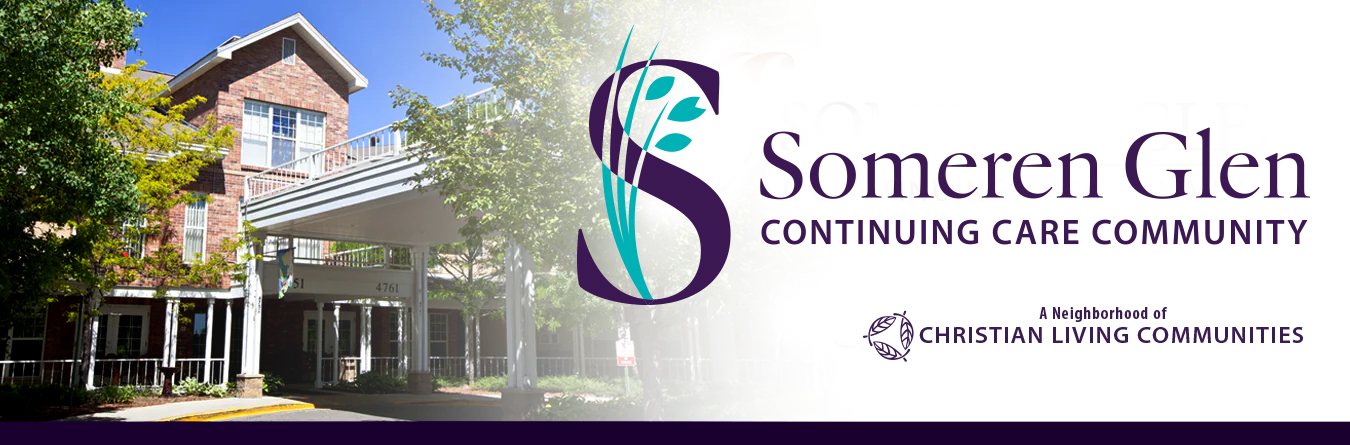
Someren Glen - Christian Living Communities
Independent LivingLife at Someren Glen, a Continuing Care Community, is brimming with opportunities to relax with a maintenance-free lifestyle or to get involved with programs that foster social, intellectual, purposeful, physical and spiritual growth. Offering residential and assisted living, Someren Glen has newly-renovated one and two-bedroom apartment homes, some with patios and balconies, all surrounded by beautiful landscaping in a quiet Centennial neighborhood. Amenities include an emergency call system, secured building access, twice a month housekeeping, cable television, and enriching opportunities. Enjoy chef-prepared meals, a gift/convenience shop, beauty salon, wood shop and fitness center all located within the community. At Someren Glen you'll discover the Fine Art of Living. Call for a personal visit today!
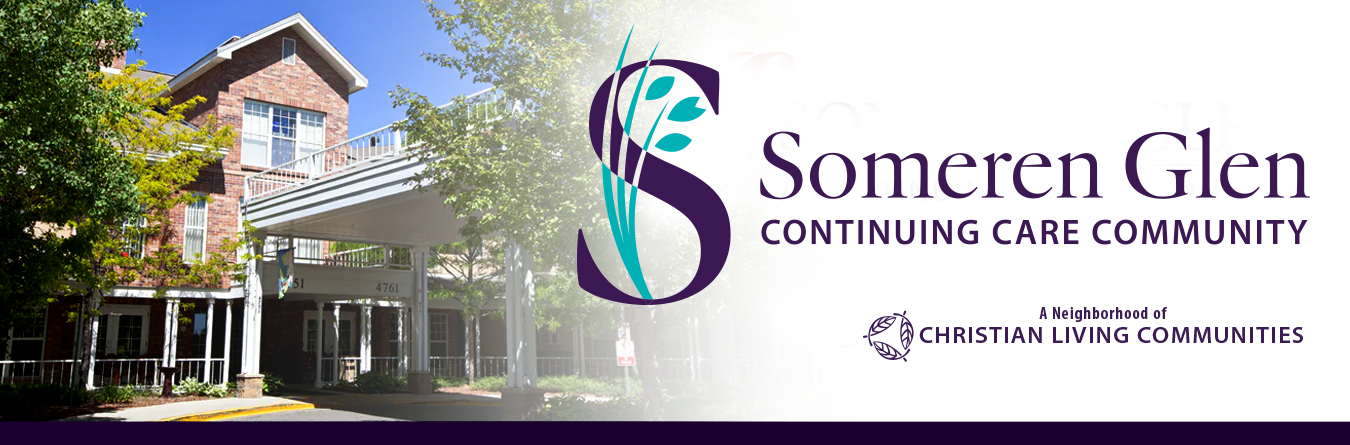
Someren Glen - Christian Living Communities
Assisted LivingThe Fine Art of Living is what you will find at Someren Glen, a Continuing Care Community. Life is brimming with opportunities to relax with a maintenance-free lifestyle or to get involved with programs that foster social, intellectual, purposeful, physical and spiritual growth. Our spacious assisted living apartment homes offer a wide variety of floor plans ranging from studio to two-bedrooms and offer you privacy coupled with the reassurance that experienced care partners are there to assist you. Basic services include meals, weekly housekeeping and laundry, wellness programs and enriching, enjoyable opportunities. Additional service packages are available as needed. Call for a personal visit today!