Understanding the Cost of Senior Care


Understanding the cost of senior care can go a long way towards helping you making the right decisions for yourself or for a loved one. Most people underestimate these numbers, simply because they aren’t taking into account all the aspects of what senior care involves. Once you take a closer look at the information, you can feel more confident with a plan that best suits your family’s needs.
The Cost of Senior Care: What’s Involved
Right off the bat, many people assume that caring for an older adult at home would be less expensive than moving them to assisted living or memory care. And for those individuals who only need a small amount of assistance, that might be true, at least until their needs change. But for those who require 24-hour assistance with bathing, dressing, using the toilet, transferring from a chair to a bed, incontinence, and eating and drinking, home care can prove to be more expensive than a senior living community.
Take a look at these costs, according to a 2021 Genworth survey.
| TYPE OF AT-HOME CARE | HOURLY RATE | MONTHLY ESTIMATE |
|---|---|---|
| Homemaker services | $21 | $15,120 |
| Home health aide services | $22 | $15,840 |
| CNA (medical) services | $17 | $12,240 |
| LPN (medical) services | $27 | $19,400 |
There Are More Expenses to Consider at Home
If you’re contemplating a budget if your loved one stayed at home, don’t forget all the other expenses a well. Such as housekeeping, home repairs and maintenance, food and supplies, medications, modifying the home for safety, transportation to physicians and therapists, and more.
The cost of senior care isn’t just medical or health-related, it’s committing to 24-hour attention and assistance—whether that’s you, a family member, or caregivers you bring in to help. The physical and emotional stress can be overwhelming. And like so many things, the costs of senior care are rising, due to factors such as lack of labor, sicker patients, and wage pressures. It is estimated that 80% of home care comes from unpaid caregivers.
The Cost of Senior Care: Assisted Living and Memory Care
Senior living communities offer more care and housing options today than ever before. It truly can be a new beginning for a senior, offering not only the right amount of support and assistance, but a greater sense of independence, opportunities for safe socializing, freedom from home upkeep or other everyday worries, and so much more.
In other words, when you do your comparisons, you might decide that the right senior living is worth every penny.
- Assisted living provides housing, onsite care and support with activities of daily living while helping residents maintain their independence and enjoy a purposeful life. Personalized care includes assistance with bathing, dressing, eating and medication as well as onsite medical care. Features include 24-hour supervision, transportation, access to exceptional amenities, housekeeping and other services, and more. (Some assisted living settings also include designated neighborhoods offering memory care.)
- Average monthly cost—private, one-bedroom: $4,500
- Skilled nursing offers 24-hour supervised care, a licensed physician or nurse on site, as well as physical, speech and occupational therapists. Features include health monitoring and medication management, exercise programs, social opportunities and activities, housekeeping, laundry service, three daily meals, and more. This level of care is best suited for those with chronic health conditions or incontinence, who require dispensing and monitoring intravenous medications and/or who are recovering after a surgery or hospitalization.
- Average monthly cost—semi-private room: $7,908; private room: $9,034
- Memory care is specifically designed to nurture those with Alzheimer’s disease and dementia with 24-hour supervised care. Senior living communities that offer memory care do so with specially trained staff that provides individualized support in a safe environment with opportunities for an older adult to find purpose and joy.
- Average monthly cost—$3,233 to $10,447
What Determines the Costs in A Senior Living Community?
Some senior living communities are located in parts of the country where costs are higher. Some are large, “big box” senior communities with large campuses and resort-style amenities. While it’s difficult to give an average cost of senior care, it is important to remember that you do have choices.
For example, Assured Senior Living stands apart by offering an intimate, residential-style setting for assisted living and memory care that genuinely feels like home—folding into a friendly neighborhood that residents can feel part of—and at a fraction of the cost of standard home care. With an outstanding staffing ratio of 1 to 4, residents are able to engage and thrive in the least restrictive environment. We would love to tell you more.
Our personalized care, home environment, and Montessori Activities program help our residents to keep their golden years golden.

Other Articles You May Like
Why Having a Healthcare Advocate Can Make a Difference
Why Having a Healthcare Advocate Can Make a Difference in Your Medical Journey. Navigating the healthcare system can sometimes feel overwhelming, especially when dealing with a new diagnosis, managing a chronic condition, or making important decisions about medical treatment. Between scheduling appointments, understanding medical terminology, communicating with multiple healthcare providers, and keeping track of treatment plans, patients and their families can quickly become frustrated or confused. This is where a healthcare advocate can make a meaningful difference. A healthcare advocate serves as a knowledgeable support person who helps patients navigate the healthcare system, understand their medical options, communicate with healthcare professionals, and make informed decisions about their care. Whether someone is facing a serious diagnosis, preparing for surgery, managing a long-term illness, or simply trying to understand their treatment options, having an advocate can provide valuable guidance and reassurance throughout the medical journey. What Is a Healthcare Advocate? A healthcare advocate is someone who helps patients understand and navigate the often-complicated healthcare system. Their role is to support patients by helping them access information, communicate with medical professionals, coordinate care, and better understand their healthcare choices. Healthcare advocates may assist with a variety of needs, including: Helping patients understand medical diagnoses and treatment recommendations. Preparing questions for upcoming doctor appointments. Helping patients communicate concerns and symptoms to healthcare providers. Coordinating appointments with multiple specialists. Reviewing treatment options and helping patients understand the information provided by their medical team. Helping patients obtain and organize medical records. Supporting patients who are considering a second medical opinion. Helping families understand available healthcare resources and services. A healthcare advocate does not replace a physician or make medical decisions for the patient. Instead, they help patients become more informed, confident, and involved in their own healthcare decisions. Understanding Your Diagnosis and Treatment Options Receiving a medical diagnosis can be an emotional and confusing experience. Patients may leave a doctor's appointment with more questions than answers, especially when they are unfamiliar with medical terminology or are trying to process unexpected news. A healthcare advocate can help patients better understand the information they receive from their healthcare providers. For example, after receiving a diagnosis of cancer, heart disease, diabetes, or another serious medical condition, a patient may need to understand several aspects of their care, including treatment options, potential side effects, follow-up appointments, and lifestyle changes. An advocate can help organize this information, identify questions that need clarification, and encourage patients to discuss their concerns directly with their physicians. Having someone help explain complicated healthcare information can make it easier for patients and families to understand their situation and feel more prepared for the decisions ahead. Improving Communication Between Patients and Doctors Good communication between patients and healthcare providers is essential for effective healthcare. However, patients sometimes feel intimidated, rushed, or unsure about how to express their concerns during medical appointments. They may forget important questions, struggle to describe their symptoms, or leave without fully understanding their physician's recommendations. A healthcare advocate can help bridge this communication gap. Before an appointment, an advocate may help patients prepare a list of questions, organize medical information, and identify concerns they want to discuss. During an appointment, when authorized and welcomed by the patient and provider, an advocate may attend to help take notes, ask questions, and make sure important information is understood. After the appointment, an advocate can help patients review their notes, understand the next steps, and identify any follow-up questions. This additional support can be particularly helpful for older adults, individuals managing complex medical conditions, and patients who feel overwhelmed by the amount of information they receive. Coordinating Care Among Multiple Healthcare Providers Many patients receive care from several different healthcare professionals. Someone managing a chronic illness, for example, may see a primary care physician, cardiologist, neurologist, endocrinologist, or other specialists. Although each provider plays an important role, coordinating appointments, medical records, treatment recommendations, and follow-up instructions can become challenging. A healthcare advocate can help patients stay organized and navigate these different aspects of their care. Care coordination may include: Helping schedule appointments with specialists. Keeping track of upcoming medical visits and follow-up care. Organizing medical records and test results. Helping patients communicate information between healthcare providers. Identifying questions about conflicting or unclear treatment recommendations. Helping patients understand referrals and recommended next steps. When patients have multiple medical providers, having someone help organize their healthcare information can make the process less stressful and help reduce the likelihood of important details being overlooked. Helping Patients Make Informed Healthcare Decisions Medical decisions can have a significant impact on a person's health, independence, finances, and quality of life. Patients may be asked to consider medications, surgical procedures, treatment plans, rehabilitation services, or other medical interventions. Making these decisions can be difficult, particularly when patients are facing unfamiliar medical conditions or complicated treatment choices. A healthcare advocate helps patients understand the information available so they can have more productive conversations with their medical providers. An advocate may help patients: Understand the purpose of recommended treatments. Prepare questions about potential risks and benefits. Discuss alternative treatment approaches with their physicians. Understand what to expect during recovery. Explore whether a second medical opinion may be appropriate. Consider how different treatment options may affect daily life and personal goals. The goal is not to tell patients which treatment to choose. Instead, it is to make sure they have the information and support needed to participate in decisions about their healthcare. Ultimately, medical decisions should reflect the patient's needs, values, preferences, and conversations with qualified healthcare professionals. The Importance of a Second Medical Opinion When facing a serious or complicated diagnosis, patients may benefit from seeking a second medical opinion. Getting another professional perspective can help confirm a diagnosis, provide additional information about treatment options, or identify alternative approaches. However, knowing when and how to seek another opinion can be confusing. A healthcare advocate can help patients understand the process and prepare for a second opinion appointment. This may involve organizing medical records, collecting test results, identifying specialists, and preparing questions about the diagnosis and recommended treatment. Having additional information can help patients feel more confident about the decisions they make and better understand the options available to them. Seeking a second opinion does not mean a patient distrusts their current physician. It is simply another way to become informed and make thoughtful decisions about their health. Providing Support for Family Members and Caregivers A serious medical condition affects more than just the individual receiving care. Family members and caregivers often become involved in managing appointments, understanding treatment recommendations, communicating with physicians, and providing emotional support. These responsibilities can become overwhelming, especially when family members are balancing caregiving with their own personal and professional obligations. A healthcare advocate can help ease some of this burden by providing guidance and organizational support. With the patient's permission, an advocate can help family members understand the care plan, keep track of upcoming appointments, organize medical information, and identify questions that need to be addressed. This support can be particularly valuable when adult children are helping aging parents navigate healthcare decisions or when families live in different locations. Having an additional knowledgeable person involved can help families feel more supported while keeping the patient's preferences and needs at the center of care. When Should You Consider Hiring a Healthcare Advocate? There is no single time when everyone needs a healthcare advocate. Some people benefit from assistance during a major medical event, while others appreciate having ongoing support as they manage complicated healthcare needs. You may want to consider working with a healthcare advocate if: You have recently received a serious or unexpected medical diagnosis. You are managing multiple chronic health conditions. You have difficulty understanding medical terminology or treatment recommendations. You see several specialists and need help coordinating your care. You are preparing for surgery or a complicated medical procedure. You want assistance obtaining a second medical opinion. You feel rushed or uncomfortable during medical appointments. You are helping an aging parent or loved one navigate the healthcare system. You want someone to help organize medical records, appointments, and treatment information. Even patients who are generally comfortable managing their healthcare may benefit from having an advocate during particularly complicated or stressful medical situations. How to Choose the Right Healthcare Advocate Choosing a healthcare advocate is an important decision. You want someone who understands the healthcare system, communicates effectively, respects your preferences, and has your best interests in mind. When considering an advocate, look for someone who: Has experience navigating healthcare systems and working with patients. Communicates clearly and listens carefully to your concerns. Understands the importance of patient choice and confidentiality. Can help organize medical information and coordinate care. Is willing to explain complicated information in an understandable way. Respects your relationship with your physicians and other healthcare providers. Provides personalized guidance based on your individual needs. It is also important to understand what services are included, how the advocate works with healthcare providers, and whether services are available in person, remotely, or both. A good healthcare advocate should help you feel informed, respected, and empowered rather than pressured into making decisions. Take an Active Role in Your Healthcare Journey Your health is one of your most valuable assets, and you deserve to feel informed and supported when making decisions about your medical care. Unfortunately, navigating the healthcare system is not always easy. Complicated diagnoses, multiple specialists, confusing medical information, and difficult treatment decisions can leave patients feeling uncertain about what to do next. A healthcare advocate can help make the process more manageable by providing guidance, improving communication, organizing healthcare information, and helping patients understand their options. Most importantly, having an advocate can help patients become more confident participants in their own healthcare journey. You do not have to navigate complicated medical situations alone. With the right support, you can ask better questions, understand your choices, and work more effectively with your healthcare team. If you or someone you love is feeling overwhelmed by the healthcare system, consider reaching out to Vital Voice Healthcare Navigation. Having a knowledgeable advocate by your side can make a meaningful difference in understanding your care and moving forward with greater confidence.
Want to save money? Get organized!
Sometimes my organizing clients are less-than-thrilled when they realize that they are going to need to invest some money to get organized. Often, they have the double-whammy of realizing that 1) theyve already spent a lot of money on things they dont want or need and 2) they need to spend more money on services like professional organizing and junk hauling to get their place organized. I feel their pain. When I got organized myself about 10 years ago, it hurt when I thought about how much money I had spent on clothes that were headed to Goodwill. I called 1-800-GOT-JUNK to clear out my garage, and I couldnt believe that my bill was over $1,000. Who knew trash hauling was so expensive? You know the saying no pain, no gain? When it comes to organizing, I believe a little bit of pain is actually a good thing, because it motivates us to create lasting changes. My own painful experience with decluttering has helped me stay organized for years, and inspired me to become a professional organizer. Although there are some upfront costs to organizing, getting organized can be a money-saver over the long term. So if you are thinking about getting organized, its actually a long-term investment that is going to save you money over time. Heres how: Eliminate expensive storage unitsThere has been a boom in self-storage units in recent years. Storage units can be helpful resources if you have a short gap between moving out of your old place and into your new one. But if you are using a storage unit to store extra stuff for more than a few months, the cost can really add up (this article estimates that it costs an average of $2,000 a year to keep your stuff in a small storage unit). Ive helped clients clear out their storage units, which immediately starts saving them hundreds of dollars a month. Stop buying things you already have Have you ever run out and bought a roll of masking tape, then later found six more rolls stuffed in a drawer somewhere? Weve all been there. Americans collectively spend an estimated $2.7 billion a year replacing lost items. Organizing makes it easier to find and use what you already have, so you dont have to waste your time or money buying duplicates of things you already have.Cut down on fees and convenience costsSomething that surprised me about getting organized was how much time it saved me. Once I could easily find the things I needed to get out the door in the morning or whip up a quick dinner, I was less rushed. And having a little more slack in my schedule meant that I could take public transit instead of an Uber, or make dinner at home instead of ordering takeout, which ended up saving me money. If you struggle with paying late fees because you cant find your bills or remember when they need to be paid, getting organized can help you eliminate those unnecessary fees.Change your shopping habits for goodAfter going through my own painful decluttering experience, I realized that the way I was shopping led me to over-buying, which was not only cluttering my house, but wasting money. (I wrote a whole blog post about how I started shopping differently after getting organized, if you want to learn more about how organizing can change your shopping habits.) Since then, Im much more critical about what I decide to buy because I dont want to have to do a massive decluttering again. Resell unused itemsWhile decluttering, a lot of my clients come across unwanted items they can resell. While its not exactly a way to make money (because items sold secondhand usually sell for much less than their original price), reselling can help you recoup some of your original expenditure. I even had one client who offset most of her organizing costs by having me sell things she didnt want anymore. If youre not sure where to start when it comes to reselling, I can help you. If organizing feels daunting or too expensive, remember that clutter has a cost, too. In the long run, decluttering and creating systems that work for you will save you time, money, and your mental health. If youre ready to get organized, book a free consultation with me.
Renovate or Relocate? What To Know Before You Decide To Age in Place
You've spent years making your house feel like home, celebrating milestones, making each room your own, and turning neighbors into friends. As you look ahead to the next chapter of your life, it's natural to wonder if this is still the place you want to spend it.Whether you're leaning toward staying in your house as you get older or moving to a 55+ community, the goal is the same: a home that fits the life you want, with more time for the people and things you love. So, here's what to consider before you decide.What It Can Take To Stay PutWanting to stay in a house you love and are familiar with makes sense. But most houses need at least some updates to make aging in place easier.In fact, the Joint Center for Housing Studies of Harvard University (JCHS) finds that fewer than 4% of homes have the basics, like single-floor living, no-step entries, and wide hallways and doorways (see graph below):That means for most homeowners, staying put means doing a remodel.The National Association of Home Builders (NAHB) reports more than half of remodelers (56%) take on this kind of work. Some of the most common projects are installing grab bars, curb-less showers (walk-in showers with no ledge to step over), and wider doorways.Now, thats not to say you cant go this route. You most certainly can. But if this is how youre leaning just know you'd be living with contractor noise and dust until the work gets done. Some people dont want to live in a construction zone. Not to mention, having to manage the contractors and schedules, etc.Your Equity Could Pay for Your Next MoveIf that sounds like something youd rather avoid, heres the good news. The money for your next home may already be sitting in your current one. It's called equity, which is the difference between what your house is worth and what you still owe on it. After years of mortgage payments and rising home values, it adds up. Jess Catorc, Co-Founder of Carry, explains:"The way home equity builds and is used changes a lot depending on your stage of life. . . . For older homeowners, decades of mortgage payments and home-value growth can turn equity into a financial cushion."When you sell, that cushion can go toward a home that's ready for this stage of life. No demo required. You just get the keys and its all there, ready for you. That means less time on projects and more time for living. And one option you may consider if youre entertaining a move is a 55+ plus community.Why 55+ Communities Are Worth a Look From the homes to the shared spaces to the activity calendar, these communities are planned around this stage of life. And that means everything you need is already rolled into one place. Rocket Mortgage lists some of the biggest perks (see visual below):Instead of spending time and money to make your house easier to live in, you'd move into a community that's designed with that in mind from the jump. That frees you up for the good stuff, like a morning walk with a neighbor, a game night down the street, or finally trying the hobby you've been putting off.Bottom LineStaying and moving can both be good choices. What matters most is finding the place where you'll feel comfortable and at home for years to come.If you'd like help weighing the two, let's connect. We can look at what your house could sell for and what 55+ communities in our area have to offer, so you can decide what feels right for you.
Local Services By This Author

Assured Senior Living 7
Memory CareMEMORY CARE WITH A MISSION - LOVE IT'S WHAT WE DO! Maybe youve already sampled the typical memory care routeonly to find your concerns were more than founded. Instead of thriving, your loved one declineddeprived of the love, comfort, and consideration they once enjoyed. Isnt there a better way? you wondered, hopeful a new path might emerge?Your decision to transition your loved one into memory care wasnt made lightly. You acted out of selfless love knowing you could no longer provide the level of daily care they needed to remain safe and independent in their own home. Still, the thought of watching your once-vibrant loved one fading, locked away to stare at the walls in the dreary institution, makes your heartache. No one should be forced to choose between a loved ones safety and quality of life. Your decision to transition your loved one into memory care wasnt made.At Assured Senior Living, you can be assured of our quality care in a safe, secure environment, as well as peace of mind knowing your family member will receive the comprehensive services, personal care, and emotional support he or she needs, 24 hours a day. (*Including awake staff). Our innovative program provides the structure and routine needed to ensure feelings of security and certainty in day-to-day life. Please call for a personal tour of how Assured Senior Living can meet your loved one's unique needs.
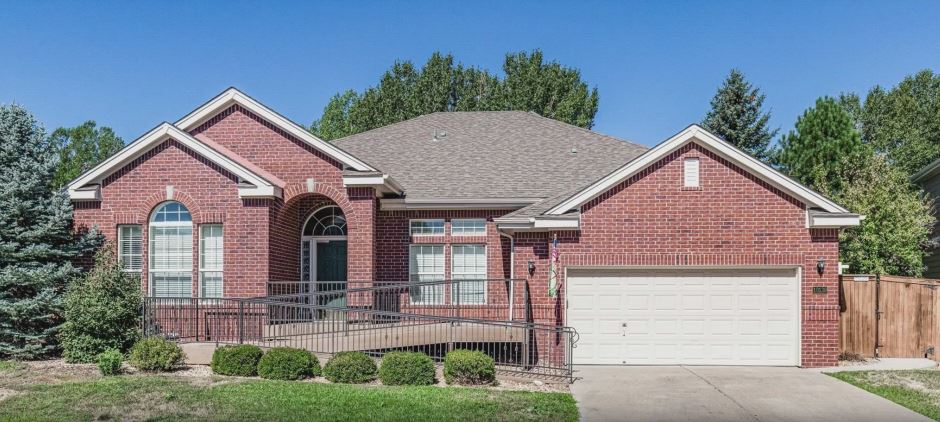
Assured Senior Living 6
Memory CareAssured Senior Living - 2 Parker LocationsMEMORY CARE WITH A MISSION - LOVE IT'S WHAT WE DO! Maybe youve already sampled the typical memory care routeonly to find your concerns were more than founded. Instead of thriving, your loved one declineddeprived of the love, comfort, and consideration they once enjoyed. Isnt there a better way? you wondered, hopeful a new path might emerge?Your decision to transition your loved one into memory care wasnt made lightly. You acted out of selfless love knowing you could no longer provide the level of daily care they needed to remain safe and independent in their own home. Still, the thought of watching your once-vibrant loved one fading, locked away to stare at the walls in the dreary institution, makes your heartache. No one should be forced to choose between a loved ones safety and quality of life. Your decision to transition your loved one into memory care wasnt made.At Assured Senior Living, you can be assured of our quality care in a safe, secure environment, as well as peace of mind knowing your family member will receive the comprehensive services, personal care, and emotional support he or she needs, 24 hours a day. (*Including awake staff). Our innovative program provides the structure and routine needed to ensure feelings of security and certainty in day-to-day life. Please call for a personal tour of how Assured Senior Living can meet your loved one's unique needs.

Assured Senior Living 2
Memory CareAssured Senior Living - 5 Castle Rock LocationsMEMORY CARE WITH A MISSION - LOVE - IT'S WHAT WE DO! Maybe youve already sampled the typical memory care routeonly to find your concerns were more than founded. Instead of thriving, your loved one declineddeprived of the love, comfort, and consideration they once enjoyed. Isnt there a better way? you wondered, hopeful a new path might emerge?Your decision to transition your loved one into memory care wasnt made lightly. You acted out of selfless love knowing you could no longer provide the level of daily care they needed to remain safe and independent in their own home.Still, the thought of watching your once-vibrant loved one fading, locked away to stare at the walls in the dreary institution, makes your heartache. No one should be forced to choose between a loved ones safety and quality of life. Your decision to transition your loved one into memory care wasnt made.At Assured Senior Living, you can be assured of our quality care in a safe, secure environment, as well as peace of mind knowing your family member will receive the comprehensive services, personal care, and emotional support he or she needs, 24 hours a day. (*Including awake staff).Our innovative program provides the structure and routine needed to ensure feelings of security and certainty in day-to-day life.Please call for a personal tour of how Assured Senior Living can meet your loved one's unique needs.