


Understanding the differences
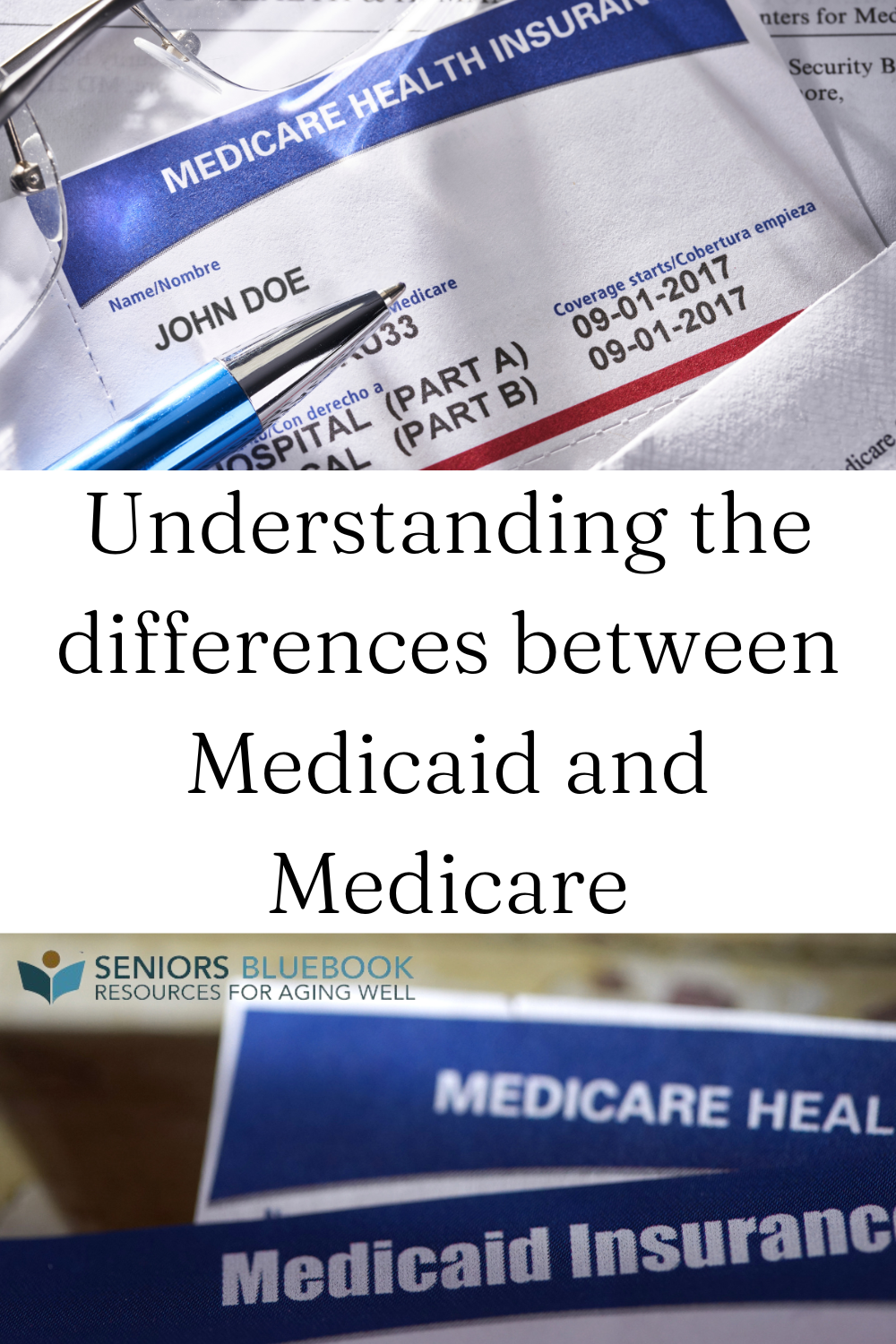
Medicaid and Medicare are 2 types of public health insurance programs. Learn about the differences in eligibility requirements and available coverage.
Medicaid and Medicare are 2 types of public health insurance programs. Learn about the differences in eligibility requirements and available coverage.
Generally, Medicaid is a public health insurance plan that provides health insurance for millions of Americans. Coverage is open to people who meet income guidelines, qualified families and children, pregnant women, seniors, and people with disabilities. People of any age can qualify to receive Medicaid benefits.
Often, Medicaid benefits are free or low cost. The Medicaid program is administered (run) by the federal government and individual state governing agencies. Regardless of where you live, Medicaid recipients typically receive the same set of basic benefits.
Many state governing agencies choose to team up with private health insurance companies, like Humana, to support their members with extra benefits and services.
Each state runs its own Medicaid program and decides who is eligible. Some states will cover anyone whose income is below a certain amount. You may need to meet other requirements to qualify for Medicaid in your state.
Find out if you qualify for Medicaid in any of the states where Humana offers Medicaid recipients coverage:
Medicare is a federal health insurance program open to most people ages 65 and older and to some people under 65 who have specific disabilities.
People eligible for Medicare can get coverage through the federal government or through a private health insurance company like Humana.
Like Medicaid, every Medicare plan is required by law to give the same basic benefits. Private health insurance plans, like Humana’s, often add extra benefits and services for members.
You may qualify for Medicaid and Medicare. People who qualify for both health insurance programs are called “dual eligible.”
If you are “dual eligible,” your Medicaid and Medicare plan(s) will work together to give you the best coverage for your needs.
For people with this dual eligibility, Medicare will be your primary plan and cover most healthcare services. Your Medicaid plan will cover services and benefits that Medicare does not.
Can Idaho Medicaid Help Pay for Long-Term Care at Home?When families hear the words Medicaid long-term care, many immediately think of nursing homes.That is understandable.Medicaid is a major source of payment for nursing facility care for people who meet financial and functional eligibility requirements.But nursing home coverage is not the only long-term care option available through Idaho Medicaid.For qualifying older adults and people with disabilities, Home and Community-Based Services, commonly called HCBS, may provide support in a person's home or community rather than requiring care in an institutional setting.Idaho's Department of Health and Welfare says the goal of its long-term care system is to provide the right level of care in the least restrictive setting possible and to help people remain in their homes and communities whenever appropriate.For families in Nampa and Canyon County, this can significantly change the Medicaid planning conversation.Instead of asking only:Can Medicaid help pay for a nursing home?families may also want to ask:Could Medicaid help support this person at home or in the community?Idaho Medicaid Planning, located at 360 Caldwell Boulevard, Suite 104 in Nampa, works with Idaho families navigating Medicaid qualification, long-term care planning, and the financial complexities involved in obtaining benefits. Its current website describes its focus as simplifying Medicaid and helping families develop a path toward qualification.What Are Home and Community-Based Services?Home and Community-Based Services are Medicaid-supported long-term care services provided outside a traditional institutional environment.Idaho explains that HCBS may be delivered:In a person's own homeIn the communityIn certain congregate residential settingsThe purpose is to allow qualifying people to receive the support they need while remaining as independent and connected to their communities as possible.Depending on the person's assessed needs and program eligibility, Idaho lists possible HCBS services including:Case managementHomemaker servicesHome health aide servicesPersonal careAdult day health servicesHabilitationRespite careNon-medical transportationEnvironmental accessibility adaptationsSpecialized medical equipmentPersonal Emergency Response SystemsHome-delivered mealsSkilled nursingBehavioral and crisis-management servicesSelf-directed community supportsNot every Medicaid participant receives every service.Services are based on individual need, eligibility, and the person's approved care plan.Planning Tip: If a parent wants to remain at home, do not assume Medicaid planning should begin with nursing home placement. Ask whether Home and Community-Based Services should also be evaluated.HCBS Still Requires Financial EligibilityReceiving care at home does not eliminate Medicaid's financial requirements.For 2026, Idaho currently publishes the following HCBS financial guidelines:Individual monthly income limit: $3,002Couple monthly income limit: $5,984Individual resource limit: $2,000Couple resource limit: $2,000 each, subject to additional applicable Medicaid rulesThese figures are important, but they do not tell the entire story.Eligibility may also be affected by:Marital statusCountable versus excluded resourcesTrustsAnnuitiesPrior transfersSpousal protectionsThe applicant's actual care needsFamilies should therefore avoid making an eligibility decision based on one income number alone.Functional Eligibility Matters TooOne of the most important things families should understand is that Medicaid long-term care eligibility is not purely financial.Idaho requires a Level of Care Determination for people seeking Home and Community-Based Services or nursing home coverage.The state explains that this assessment determines whether the person needs the type of care ordinarily associated with a nursing home or long-term care facility.That means an applicant generally has to satisfy two different categories of requirements.Financial EligibilityThe person must meet applicable Medicaid income and resource rules.Functional EligibilityThe person must demonstrate a qualifying level of care need.Someone could potentially satisfy the financial rules but not meet the required level of care.Another person might clearly need substantial assistance but still require financial planning before Medicaid qualification is possible.Both sides matter.What Happens During a Level of Care Determination?According to Idaho's current application guidance, a person seeking Home and Community-Based Services first applies for Medicaid.After financial eligibility is reviewed, Idaho may contact the applicant to arrange the Level of Care Determination.The assessment looks at whether the person requires the kind of support normally provided in an institutional long-term care setting.Families may need to provide additional information about:Daily functioningPhysical limitationsMedical needsAbility to complete everyday activitiesAmount of assistance requiredThe exact assessment depends on the program and the individual's circumstances.Families should be accurate.Do not minimize someone's needs because they are embarrassed to admit how much help is required.At the same time, do not exaggerate.The purpose is to establish the person's real level of care.The Medicaid Application Is a Two-Part ProcessIdaho's current guidance for elderly or disabled applicants describes the process in two primary steps:Step 1: Apply for MedicaidApplications may currently be submitted:Online through Idaho's idalink systemBy telephoneIn personBy mailBy emailBy faxApplicants should be prepared to provide information concerning identity, household income, resources, monthly expenses, and immigration status when applicable.Step 2: Complete the Level of Care DeterminationIf the applicant is financially eligible and needs long-term care services, Idaho evaluates whether the required level of care is met.These two steps help explain why Medicaid planning is not simply paperwork about money.Care needs matter too.Medicaid May Use a Higher Income Standard for Long-Term CareSome families assume a parent cannot qualify for Medicaid because their income exceeds the ordinary Medicaid threshold.That is not always the correct comparison.Idaho explains that when someone needs the level of care associated with a nursing facility or HCBS program, a different long-term care income standard may apply.For 2026, that individual HCBS income limit is currently $3,002 per month.This is one reason families should identify the specific Medicaid program before concluding that someone earns too much.Some Resources Do Not CountMedicaid resource limits can look intimidating.But not every asset is necessarily counted.Idaho currently lists countable resources such as:CashSavingsCertificates of depositStocksBondsMutual fundsCertain notes and contractsExtra vehiclesReal estate in some circumstancesThe state also identifies resources that may be excluded under applicable rules, including:A home when a spouse remains there or the applicant intends to returnOne vehicleHousehold goodsPersonal effectsCertain burial propertyLimited life-insurance valueThis distinction is crucial.Families should not begin selling or transferring assets until they understand whether those assets actually affect eligibility.Home Care Medicaid Planning Still Involves the Five-Year Look-BackChoosing community-based care does not necessarily avoid Medicaid's asset-transfer rules.Idaho's long-term care Medicaid system may review certain transfers made during the applicable look-back period when someone seeks qualifying HCBS or institutional care.That means gifts, below-market transfers, and other financial transactions can still affect eligibility.Families considering Medicaid-supported care at home should therefore follow the same cautious approach:Do not transfer property casuallyDo not give away large sums without understanding the consequencesKeep financial recordsReview prior transfersUnderstand which assets are countableHCBS is a different care setting, not a shortcut around Medicaid eligibility rules.HCBS May Include Respite CareFor family caregivers, one important HCBS service is respite care.Idaho lists respite among the services that may be approved based on individual needs.Respite can provide temporary relief to a family member who normally provides care.This may be particularly valuable when:A spouse is providing most daily assistanceAn adult child balances caregiving with employmentThe caregiver needs appointments of their ownThe household needs a more sustainable long-term routineAvailability, amount of service, and provider options depend on the individual's approved Medicaid plan.Personal Care and Homemaker Services May Also Be AvailableIdaho's HCBS program currently lists personal care and homemaker services among potential benefits.Depending on the person's approved needs, these services may support activities that help someone continue living in the community.This can be significant for older adults whose primary challenge is not constant skilled nursing but difficulty managing daily life safely without assistance.Families should ask exactly which services the individual may qualify for rather than assuming Medicaid-funded long-term care means one specific form of care.Home-Delivered Meals and Transportation Can Matter TooCommunity living depends on more than hands-on personal care.A person may need help accessing food, appointments, or other resources.Idaho currently includes home-delivered meals and non-medical transportation among possible services under its broader elderly and disability-related HCBS system.These supports can make a substantial difference for someone trying to remain outside an institution.A senior may still be capable of living at home if reliable assistance is available.Without that assistance, the same person may struggle.Home Modifications May Support Community LivingEnvironmental barriers can make staying home difficult.A wheelchair user may need better access.A bathroom may require modification.Other equipment may be necessary.Idaho lists environmental accessibility adaptations and certain specialized medical equipment among services that may be available through applicable Medicaid programs.Again, approval depends on eligibility and assessed need.Families should not purchase expensive modifications assuming Medicaid will reimburse them afterward.Ask first.Idaho Home Choice Can Help Some People Leave Institutional CareIdaho also operates Idaho Home Choice, a program designed to help certain Medicaid members move from institutional settings back into home or community-based living.Current eligibility criteria include:Having lived at least 45 consecutive days in a qualifying nursing or intermediate care facilityIdaho residencyMedicaid eligibility at dischargeQualification for an applicable waiverMoving into a qualifying residenceThe program currently offers transition assistance that may include a transition manager, waiver benefits, home modifications, and up to $2,000 for certain household goods, moving costs, or utility and security deposits.This can be valuable for families who assumed nursing facility placement had to be permanent.Not everyone will qualify.But families should know the option exists.HCBS Does Not Guarantee That Home Is Always the Right SettingHome-based care can be appealing.But it is not appropriate for every situation.Some people require:Continuous clinical oversightIntensive nursing careExtensive assistance that cannot safely be provided at homeA secured environmentSpecialized equipment or staffing unavailable in the residenceIdaho's own long-term care framework acknowledges that nursing facility services remain necessary when a higher level of care is required.The goal should not be to keep someone home at all costs.It should be to identify the least restrictive setting that can safely meet the person's actual needs.Care Needs Can ChangeSomeone may qualify for HCBS today and require nursing facility care later.Another person may temporarily enter a nursing facility and eventually transition back into the community.Long-term care planning should therefore be flexible.Families may need to revisit:Care needsFinancial eligibilityService availabilityHousingFamily caregiver capacitySafetyMedicaid eligibility is also subject to re-evaluation.Idaho currently states that Medicaid recipients go through an annual re-evaluation process and receive instructions when renewal is required.Estate Recovery Still Matters With Home-Based Medicaid ServicesReceiving Medicaid services at home does not necessarily eliminate estate recovery concerns.Idaho explains that its Medicaid estate recovery program can apply to certain services received by people age 55 and older, including nursing home and community-based in-home care services.The state also identifies important protections.Recovery cannot be pursued during the lifetime of a surviving spouse, and federal protections apply in certain circumstances involving surviving children.Families should therefore discuss estate recovery as part of planning even when the person's goal is to remain at home.Eligibility today and estate recovery later are separate questions.Why HCBS Matters for Nampa and Canyon County FamiliesNampa continues to grow, along with the broader Canyon County senior population.As more older adults age throughout the Treasure Valley, families will increasingly face choices involving:Home careFamily caregivingAssisted livingNursing homesMedicaid eligibilityCommunity servicesHCBS gives qualifying families another option to explore.It may allow some older adults to receive substantial support without immediately moving into an institution.That can be especially important when the individual's preference is to remain close to family, familiar routines, and the community.Idaho Medicaid Planning in NampaIdaho Medicaid Planning360 Caldwell Boulevard, Suite 104Nampa, Idaho 83651Phone: 986-236-4300Its current official website says the organization helps families navigate Medicaid complexity, qualification, paperwork, and financial planning needs.The Seniors Blue Book profile for Idaho Medicaid Planning lists service in Canyon, Ada, Elmore, Gem, Owyhee, Payette, Twin Falls, Valley, and Washington counties.A recent Seniors Blue Book Nampa Medicaid planning guide also identifies Idaho Medicaid Planning as a local resource for both families planning ahead and those already facing a long-term care crisis.Families should confirm current consultation fees, services, and whether legal, tax, estate planning, or other licensed professionals should also be involved.What to Gather Before Applying for HCBS MedicaidFamilies can make the process easier by preparing early.Useful information may include:Proof of identitySocial Security incomePension incomeBank statementsInvestment accountsProperty informationInsurance policiesHousehold expensesTrust or annuity recordsPrior financial transfersCurrent diagnosesFunctional limitationsExisting care servicesIdaho specifically identifies household income, resources, monthly expenses, and identity information among the materials applicants should be prepared to provide.Frequently Asked Questions About Idaho Medicaid HCBSCan Idaho Medicaid pay for care at home?Potentially. Idaho offers Home and Community-Based Services that may provide qualifying people with personal care, homemaker services, respite, case management, adult day health, and other community supports.What are the 2026 Idaho HCBS financial limits?Idaho currently publishes a $3,002 monthly individual income limit and $2,000 individual resource limit for HCBS in 2026, subject to all additional Medicaid eligibility rules.Does someone have to need nursing home-level care to qualify?Idaho requires a Level of Care Determination for HCBS applicants. The assessment evaluates whether the person needs the type of care associated with an institutional long-term care setting.Can Medicaid help someone move out of a nursing home?For certain qualifying members, Idaho Home Choice can help transition someone from an institutional setting into a home or community residence.Does receiving Medicaid care at home affect estate recovery?Potentially. Idaho states that estate recovery can apply to certain Medicaid-funded community-based in-home care services for qualifying recipients.Long-Term Care Planning Should Include More Than One SettingFamilies sometimes feel that long-term care decisions offer only two choices:Pay privately at home.Or move into a nursing facility.Idaho Medicaid's Home and Community-Based Services show that the picture can be more flexible.For qualifying individuals, support may be available through personal care, homemaker assistance, respite, transportation, adult day services, home-delivered meals, accessibility modifications, case management, and other community-based services.The challenge is understanding how financial eligibility, functional eligibility, Medicaid rules, and the person's actual care needs fit together.For families in Nampa and Canyon County, Idaho Medicaid Planning on SeniorsBlueBook.com provides a local resource focused on navigating that process and helping families understand potential paths toward qualification.The right question is not always:Which nursing home can Medicaid pay for?Sometimes it is:What level of care does this person need, and is there a safe Medicaid-supported way to provide it in the community?Understanding that distinction can give families more options and more time to make thoughtful long-term care decisions.This article provides general educational information and is not legal, tax, financial, or Medicaid eligibility advice. Program rules, limits, service availability, and individual eligibility can change. Families should verify current information with the Idaho Department of Health and Welfare and consult appropriate qualified professionals for individualized guidance.
What Nampa Families Should KnowWhen long-term care becomes necessary, families often start looking for ways to protect savings.Someone may suggest transferring a house to the children.Another relative may recommend giving away money.A family member may think moving funds into someone else's account will make Medicaid qualification easier.Unfortunately, actions that seem financially sensible can create serious problems when long-term care Medicaid is involved.For families in Nampa and Canyon County, Idaho, one of the most important rules to understand is Medicaid's five-year look-back period.Idaho's current Medicaid rules state that transfers made for less than fair market value can be reviewed during a 60-month look-back period when someone applies for qualifying long-term care or Home and Community-Based Services. A transfer discovered during that period can potentially result in restricted Medicaid coverage.That does not mean families are prohibited from ever giving money or transferring property.It means timing, value, purpose, documentation, and Medicaid rules all matter.Idaho Medicaid Planning, located at 360 Caldwell Boulevard, Suite 104 in Nampa, focuses on helping Idaho families understand Medicaid qualification and navigate the financial and administrative decisions involved in long-term care. Its current website describes its work as helping families simplify Medicaid and develop a path toward qualification based on their financial goals and needs.What Is the Medicaid Five-Year Look-Back?The look-back period is a review of certain financial transfers made before or around the time someone seeks long-term care Medicaid.Under Idaho's current administrative rules, any asset transferred for less than fair market value may be subject to a 60-month look-back period.In simple terms, Medicaid may ask:Did the applicant give away money?Was property transferred to someone else?Was an asset sold for less than it was worth?Were accounts moved or retitled?Were financial arrangements created that reduced the applicant's available assets?The purpose of the rule is to prevent people from giving away substantial assets solely to become eligible for Medicaid-funded long-term care.Planning Tip: Do not move money or property simply because someone tells you that Medicaid only looks at what you own today. Long-term care Medicaid may review years of financial history.Why Giving Money Away Can Create a ProblemImagine a parent gives an adult child $40,000.The parent later needs nursing home care and applies for Medicaid within the five-year look-back period.That gift may be treated as an uncompensated transfer because the parent did not receive fair market value in return.Idaho's rules state that an asset-transfer penalty can restrict Medicaid coverage for nursing facility services or make someone ineligible for certain Home and Community-Based Services during the penalty period.This is why families should not assume that giving assets away automatically solves an eligibility problem.It may instead create a new one.Medicaid Looks at Fair Market ValueThe key concept is not simply whether an asset changed hands.It is whether the applicant received fair market value.If someone sells an asset for approximately what it is worth, that is different from giving it away.For example:A car worth $20,000 is sold for $20,000.That is generally different from transferring the same car to a relative for $1.Similarly, selling real estate at fair market value is not the same as gifting the property.The financial details and documentation matter.Families should keep records showing:Purchase pricesSale pricesAppraisalsContractsBank depositsReceiptsOther evidence of what was received in exchangeWhen Medicaid reviews the transaction later, documentation may be essential.The Penalty Is Not Simply the Amount Given AwayOne of the most confusing parts of Medicaid planning is how the transfer penalty is calculated.Idaho's current rules state that the period of restricted coverage is calculated by dividing the net uncompensated value of the transferred asset by the statewide average cost of nursing facility care for private-pay patients.That means a transfer can translate into a period during which Medicaid will not cover qualifying long-term care costs.The result can be financially difficult because the person may still need care during that time.A family may have already transferred the money away but still be responsible for paying the nursing facility.That is one reason seemingly simple gifting strategies can become dangerous.Multiple Transfers May Be Added TogetherA family might assume that several smaller gifts are safer than one large gift.That is not necessarily true.Idaho rules state that the value of transfers made during the look-back period can be accumulated when calculating a penalty.For example, a parent may have:Given $5,000 to one childHelped a grandchild with $8,000Transferred another $12,000 laterEven though no single transfer looks enormous, Medicaid may review the overall financial history.Families should therefore disclose significant transfers rather than trying to determine on their own which ones probably don't matter.The Penalty May Begin Later Than Families ExpectAnother common misunderstanding is that the penalty period automatically begins on the date money was given away.Idaho's current rules are more complicated.The penalty generally begins based on the later applicable date described by the rule, including when the applicant would otherwise have become eligible for qualifying long-term care services.This can create a difficult situation.A parent may have made a gift years earlier.Then they enter a nursing home and eventually apply for Medicaid.The family may discover that the transfer still falls within the look-back period and creates a penalty at exactly the time Medicaid assistance is needed.This is why early planning can be valuable.Do Not Assume Every Transfer Is PenalizedThe look-back rule is important, but families should not assume every transfer automatically causes a penalty.Medicaid rules include exceptions and special treatment for certain transactions and circumstances.For example, transfers involving spouses and certain other protected situations may receive different treatment under Medicaid rules.The rules can become especially technical when the transfer involves:A spouseThe family homeA disabled family memberA trustAn annuityA life estateA caregiver family memberOther specialized circumstancesBecause of these exceptions, a family should not automatically reverse a transaction or assume the case is hopeless without reviewing the specific facts.Professional Medicaid planning can help identify whether a transfer is actually penalized and what options remain.Annuities Can Also Trigger Medicaid QuestionsFamilies sometimes purchase annuities believing they will automatically convert countable savings into protected income.That can be risky.Idaho's Medicaid rules specifically address annuities purchased during the look-back period and state that certain annuity purchases may be treated as transfers unless they satisfy applicable requirements.That does not mean annuities are never used in Medicaid planning.It means they should not be purchased casually without understanding the Medicaid consequences.Before buying an annuity as part of a long-term care strategy, families should understand:Who owns itWho receives the incomeWhether it is revocableWhether it is assignableIts payout structureBeneficiary requirementsMedicaid treatmentThese are areas where professional advice may be particularly valuable.Selling Property Is Different From Giving It AwaySuppose a family believes Mom must reduce countable resources.They may decide to sell a second property.Selling the property for fair market value does not necessarily reduce countable assets because the property may simply be converted into cash.For example:A $100,000 property becomes $100,000 in the bank.The form of the asset changed, but the person's financial resources may not have decreased.If the family instead transfers the property to a child without receiving fair market value, the transfer may create Medicaid eligibility concerns.This illustrates why Medicaid planning is not simply about getting assets out of Mom's name.The way assets are handled matters.Some Resources May Not Count in the First PlaceFamilies sometimes transfer property unnecessarily because they assume every asset counts against Medicaid eligibility.Idaho's Department of Health and Welfare currently identifies several resources that may be excluded under applicable Medicaid rules.These can include:A home when a spouse continues living there or qualifying return-home rules applyOne vehicleHousehold goodsPersonal effectsCertain burial arrangementsLimited life-insurance valueThis is another reason families should understand the rules before giving assets away.An asset they are trying to remove may already receive favorable Medicaid treatment.The Home Deserves Special CautionThe family home is often a senior's largest asset.It is also emotionally significant.Relatives may quickly suggest transferring the house to children to protect it from Medicaid.That decision should never be made casually.The home may already be excluded from countable resources in certain circumstances, including when a spouse continues living there.At the same time, home ownership can raise separate questions involving:Medicaid eligibilityTransfersCapital gains taxesEstate planningEstate recoverySpousal protectionsFuture sale of the propertyMoving a deed can have consequences far beyond Medicaid.Families should generally review the full legal and financial picture before transferring real estate.Estate Recovery Is Different From EligibilityAnother source of confusion is the difference between Medicaid eligibility and Medicaid estate recovery.Eligibility asks:Can the person receive Medicaid benefits now?Estate recovery asks:Can the state seek repayment from certain assets after the Medicaid recipient dies?Idaho participates in Medicaid estate recovery for qualifying services, including certain long-term care expenses. However, Idaho states that recovery cannot be pursued during the lifetime of a surviving spouse and recognizes other federally required protections.These two issues should not be mixed together.A house may receive favorable treatment for eligibility purposes yet still raise estate recovery questions later.Planning should consider both.Crisis Planning Is Different From Five-Year Advance PlanningIdeally, families would begin long-term care planning years before care is needed.Reality is often different.A hospital stay leads to rehabilitation.Rehabilitation leads to nursing home placement.The family then realizes private-pay costs cannot continue indefinitely.If a transfer has already occurred, the family may feel that nothing can be done.That is not necessarily true.A current Seniors Blue Book Nampa guide identifies Idaho Medicaid Planning as a local resource for both pre-planning and crisis cases, including families with a loved one already in a nursing home and paying privately.The correct strategy depends on the facts.The important point is not to assume that either:It is too early to plan.or:It is too late to plan.Financial Eligibility Is Only Part of Long-Term Care MedicaidAvoiding a transfer penalty does not automatically make someone eligible.Idaho's 2026 published limits for Long-Term Facility Care list:Individual monthly income limit: $3,002Individual resource limit: $2,000with separate published figures for couples.These figures are only part of the analysis.Idaho also requires a Level of Care Determination for people seeking qualifying nursing home or Home and Community-Based Services.Therefore, long-term care Medicaid involves both:Financial EligibilityIncome and resources must satisfy applicable program rules.Functional EligibilityThe person must meet the required level of care.Families should plan around both.Medicaid May Support Care Outside a Nursing FacilityThe five-year look-back is relevant not only to nursing facility care.Idaho's rules apply transfer penalties to certain Home and Community-Based Services as well.Idaho Medicaid offers community-based programs intended to help qualifying older adults and people with disabilities receive appropriate care in less restrictive settings when possible.That means families considering home-based Medicaid services should also be careful about asset transfers.Do not assume the look-back applies only when someone enters a nursing home.Good Records Can Make the Application EasierFamilies should keep financial records rather than waiting until Medicaid requests them.Idaho currently tells Medicaid applicants for elderly and disabled programs to be prepared to provide information about:IdentityHousehold incomeHousehold resourcesMonthly expensesOther eligibility informationFor long-term care planning, families may also want to retain:Bank statementsCancelled checksInvestment statementsProperty sale documentsDeedsGift recordsLoan agreementsTrust documentsAnnuity contractsLarge purchase receiptsA transaction that looks suspicious without documentation may be easy to explain when records show exactly what happened.Why Medicaid Transfer Planning Matters in NampaNampa and Canyon County continue to experience substantial population growth.As the area's older-adult population grows, more local families will eventually face decisions involving:Nursing home careMedicaid eligibilityHome and Community-Based ServicesAsset preservationSpousal planningEstate recoveryMedicaid rules are federal and state-specific at the same time.That means advice from a family member in another state may not fully apply in Idaho.Working from current Idaho rules is important.Idaho Medicaid Planning in NampaIdaho Medicaid Planning360 Caldwell Boulevard, Suite 104Nampa, Idaho 83651Phone: 986-236-4300Its official website states that the organization helps families navigate Medicaid complexity, qualification, paperwork, and financial planning needs.Seniors Blue Book's current Nampa Medicaid planning guide also identifies Idaho Medicaid Planning as a local resource for families planning ahead as well as those already facing an urgent long-term care situation.Families should confirm current consultation fees, planning services, and whether an elder law attorney, tax professional, accountant, or other licensed professional should also be involved.Questions to Ask Before Moving Money or PropertyIs This Asset Actually Countable?Some resources may already receive favorable Medicaid treatment.Would This Transaction Be Considered a Gift?Ask whether fair market value is being received.Is the Transaction Inside the Five-Year Look-Back?Timing matters.Does an Exception Apply?Transfers involving spouses, the home, trusts, or other circumstances may require specialized analysis.Could This Create a Penalty Later?Understand the consequences before completing the transaction.Do We Have Documentation?Keep clear records supporting the value and purpose of the transaction.Frequently Asked Questions About Idaho's Medicaid Look-BackHow long is Idaho's Medicaid look-back period?Idaho's current long-term care Medicaid rules use a 60-month, or five-year, look-back period for covered asset transfers.Does every gift cause a five-year penalty?No. The look-back period is five years, but the actual penalty depends on the value and treatment of the transfer. Certain transactions may also qualify for exceptions under Medicaid rules.Can Medicaid review several smaller gifts?Yes. Idaho's rules state that transfers made during the look-back period can be accumulated when calculating the penalty.Can giving away the house create problems?Potentially. Real estate transfers require careful analysis. The home may already be excluded from countable resources in some situations, including when a spouse continues living there.Is it too late to seek help if a gift has already been made?Not necessarily. The effect depends on the amount, timing, circumstances, eligibility date, and whether an exception or corrective option applies. Families should have the transaction reviewed before assuming the outcome.Medicaid Planning Should Happen Before the Transfer, Not AfterWhen long-term care expenses begin rising, families naturally want to protect what their parents or grandparents worked decades to build.But Medicaid planning is not as simple as moving assets out of someone's name.A gift today can affect long-term care coverage years later.A house transfer may be unnecessary.An annuity may create new Medicaid questions.Several small gifts may still be reviewed together.For families in Nampa and Canyon County on SeniorsBlueBook.com, understanding Idaho's five-year look-back period before making financial changes can prevent avoidable eligibility problems.Idaho Medicaid Planning provides a local resource for families who want help navigating those rules and preparing for Medicaid qualification.The safest first step is often not transferring anything.It is gathering the records, understanding the care situation, and learning how Medicaid will treat the assets before deciding what should happen next.Because when long-term care is involved, a financial decision that takes five minutes to make can affect Medicaid eligibility for years.This article is general educational information and is not legal, tax, or financial advice. Medicaid rules are detailed, fact-specific, and subject to change. Families should confirm current requirements with the Idaho Department of Health and Welfare and consult appropriate qualified professionals for individualized guidance.
Protecting the Spouse at HomeWhen one spouse needs nursing home care and the other remains at home, families often have an immediate fear:Will everything we saved have to be spent on care?A couple may have spent decades building retirement savings, paying down a mortgage, and creating financial stability. Then a stroke, dementia diagnosis, fall, or other health change creates a need for long-term care.Suddenly, the spouse remaining at home is worrying about two things at once.How will we pay for care?And will I still have enough to live on?For married couples in Nampa and Canyon County, Idaho, Medicaid includes special rules intended to prevent the spouse who remains in the community from becoming impoverished when the other spouse needs qualifying long-term services and supports. Federal Medicaid calls these spousal impoverishment protections, and Idaho incorporates these rules into its long-term care eligibility process.Understanding these protections before transferring money, changing account ownership, or selling property can make long-term care planning much more manageable.Idaho Medicaid Planning, located at 360 Caldwell Boulevard, Suite 104 in Nampa, focuses on helping Idaho families navigate Medicaid qualification and the financial questions surrounding long-term care.What Does Community Spouse Mean?Medicaid uses specific terminology for married couples when one spouse needs long-term care.The spouse receiving qualifying institutional or certain home and community-based long-term care is generally referred to as the long-term care spouse or institutionalized spouse.The husband or wife who remains outside long-term care is called the community spouse.Idaho's current administrative rules apply federal spousal impoverishment methodology when a married participant requires qualifying long-term care and has a community spouse.The purpose is important.Medicaid is not designed to require the healthy spouse to become financially destitute simply because their husband or wife needs expensive long-term care.Planning Tip: Married couples should not use the single-person Medicaid resource limit as the only measure of what the household may retain. Spousal impoverishment rules create additional protections that require a separate calculation.Medicaid Looks at the Couple's Financial SituationWhen a married person applies for nursing home Medicaid, Idaho evaluates both income and resources according to applicable long-term care rules.Idaho's Department of Health and Welfare explains that it determines how much income belongs to each spouse. In many cases, Idaho uses the name on the check method, meaning income is attributed to the spouse who receives it. If a payment is issued jointly, half may be attributed to each spouse. Idaho also describes a community-property income method that may apply in certain situations.The important point is that married-couple Medicaid planning is not simply:Add all household income together and compare it with one number.The analysis can involve:Who owns the incomeWho receives the paymentWhich spouse needs long-term careWhich spouse remains at homeWhich resources are countableWhich resources are excludedHow the community spouse allowance is calculatedThis is why generic Medicaid calculators can be misleading for married couples.The Community Spouse Resource Allowance Can Protect AssetsMedicaid's spousal impoverishment rules include a Community Spouse Resource Allowance, commonly called the CSRA.This allowance protects a portion of the couple's resources for the spouse who remains in the community.Idaho's current rules state that the Department conducts a resource assessment and determines a spousal share based on the couple's combined resources. Idaho then uses that calculation when determining the protected community-spouse resource amount.For 2026, federal Medicaid standards establish a minimum community spouse resource standard of $32,532 and a maximum of $162,660. These figures establish the federal range used under spousal impoverishment rules; the amount actually protected in an Idaho case depends on the couple's resources and Idaho's calculation.This is very different from assuming:My spouse can only keep $2,000.For 2026, Idaho's standard published resource limit for an individual applying for Long-Term Facility Care is $2,000, but married applicants with a community spouse may be subject to the additional spousal impoverishment protections described above.Idaho Uses a Resource AssessmentUnder Idaho's spousal impoverishment rules, the Department performs a one-time assessment of the couple's resources associated with the beginning of the first continuous period of long-term care.The rules describe the spousal share as one-half of the couple's combined resources at the applicable assessment point, subject to the minimum and maximum resource standards used to determine the community spouse allowance.That means timing and documentation matter.Families may need statements showing what the couple owned at the relevant point in time.Useful documentation may include:Checking accountsSavings accountsCertificates of depositInvestment accountsBrokerage statementsRetirement account informationReal estate informationLife insurance policiesAnnuitiesOther financial assetsKeeping complete records can make the eligibility process easier.The Spouse at Home May Also Be Able to Keep IncomeResources and income are treated differently under Medicaid.After the long-term care spouse qualifies, Idaho states that some of that spouse's income may be available to support the community spouse at home.Federal Medicaid refers to this concept through the Monthly Maintenance Needs Allowance.For Idaho and other states outside Alaska and Hawaii, the federal minimum monthly maintenance needs allowance increased to $2,705 effective July 1, 2026, while the 2026 maximum monthly maintenance needs allowance is $4,066.50. Actual allowance calculations can vary based on the community spouse's income, shelter costs, and applicable Medicaid rules.This protection recognizes that the spouse remaining at home still has ordinary living expenses.They may still need to pay:Mortgage or rentUtilitiesFoodInsuranceTransportationProperty expensesOther household costsA Medicaid plan should therefore consider both resources and ongoing income.The Family Home May Receive Special TreatmentFamilies often assume the house must immediately be sold if one spouse enters a nursing home.That is not automatically true.Idaho's Medicaid guidance lists the applicant's home among resources that may be excluded from countable resources when a spouse continues living there or when qualifying return-home rules apply.That can be an important protection for a married couple.The community spouse should not assume that Medicaid eligibility automatically requires leaving the marital home.However, the home can raise additional questions involving:OwnershipEquityEstate recoveryFuture saleTransfersWhat happens after the surviving spouse diesThese issues are different from the initial eligibility calculation and should be considered carefully.Do Not Transfer the House or Money Without Understanding the RulesFamilies often hear advice such as:Just put the house in the children's names.Move the savings to your daughter.Give away the money before applying.These actions can create serious problems.Federal Medicaid policy generally applies a five-year look-back period to certain transfers for less than fair market value when someone seeks long-term care Medicaid. Such transfers can lead to a period during which Medicaid will not pay for qualifying long-term care services.At the same time, not every transfer is treated the same way.Idaho's administrative rules include specific exceptions to transfer penalties, including certain transfers to a spouse and some narrowly defined transfers involving the home.Because the difference between an allowed transfer and a penalized transfer can be extremely important, families should not move assets solely based on advice from friends or online forums.Transfers Between Spouses Can Be Part of Medicaid PlanningIdaho's rules specifically provide a mechanism for transferring a permitted amount of resources from the long-term care spouse to the community spouse.The Resource Transfer Allowance is based on the difference between what the community spouse already owns and the calculated Community Spouse Resource Allowance.Idaho rules state that the long-term care spouse may transfer this permitted amount to the community spouse without an asset-transfer penalty. They also specify a protected period for completing the transfer after eligibility is approved.This illustrates why Medicaid planning is more nuanced than simply spending everything down.The structure and timing of assets matter.What If the Community Spouse Needs More Financial Support?Some households have unusually high expenses.A spouse remaining at home may have significant housing costs or limited income.Federal rules provide minimum and maximum maintenance allowances, and Idaho's rules include procedures that may allow review of the community spouse allowance and resource allowance under qualifying circumstances.Idaho's current administrative rules also provide for notice and hearing rights regarding the calculated Community Spouse Resource Allowance and Resource Transfer Allowance.Families should therefore review the state's calculation rather than assuming it cannot be questioned.Estate Recovery Is a Separate IssueQualifying for Medicaid today is not the end of the financial-planning discussion.Idaho participates in Medicaid estate recovery.However, federal and Idaho rules protect a surviving spouse in important ways.Idaho states that Medicaid estate recovery cannot be pursued during the lifetime of the surviving spouse, regardless of where that spouse lives. Protections also apply when there is a surviving child under age 21 or a qualifying blind or permanently disabled child.That does not mean estate recovery should be ignored.It means families should distinguish between:Eligibility while both spouses are livingandpotential estate recovery later.Those are separate planning questions.Medicaid May Also Support Care Outside a Nursing HomeLong-term care planning does not always involve permanent nursing facility placement.Idaho Medicaid offers Home and Community-Based Services, or HCBS, for qualifying people who meet the required financial and functional criteria.HCBS may include services such as:Case managementHomemaker assistanceHome health aide servicesPersonal careAdult day healthRespite careIdaho describes these programs as helping eligible people receive support in their own homes and communities rather than exclusively in institutional settings.For 2026, Idaho lists an individual HCBS monthly income threshold of $3,002 and an individual resource limit of $2,000, subject to the full eligibility rules and spousal protections that may apply.Families planning for a married couple should therefore ask not only:How can we pay for a nursing home?but also:Are there Medicaid-supported care options that could allow my spouse to remain in the community?Why Early Planning Helps Married CouplesPlanning early gives families time to understand:Which assets are countableWhat the community spouse may retainHow income will be treatedWhether the home is excludedWhich transfers may be allowedWhich transfers could create penaltiesWhat records will be neededWhether HCBS may be an optionHow estate recovery could affect future planningWaiting until savings are nearly exhausted can make the process more stressful.However, a family already facing a nursing home crisis should not assume that planning opportunities are gone.Seniors Blue Book's current Nampa Medicaid planning guide identifies Idaho Medicaid Planning as a local resource for both advance planning and crisis cases where someone is already paying privately for long-term care.Idaho Medicaid Planning in NampaIdaho Medicaid Planning360 Caldwell Boulevard, Suite 104Nampa, Idaho 83651Phone: 986-236-4300Its official website describes the organization as helping families navigate Medicaid complexity, qualification, and paperwork while considering their financial goals and needs.The Seniors Blue Book profile for Idaho Medicaid Planning lists service across Canyon, Ada, Elmore, Gem, Owyhee, Payette, Twin Falls, Valley, and Washington counties.Families should confirm current consultation fees, services, and whether an elder law attorney, tax professional, accountant, or other licensed advisor should also participate in the planning process.Documents Married Couples Should GatherBefore a Medicaid planning consultation, it can help to gather:Recent bank statementsInvestment statementsRetirement accountsPension informationSocial Security benefit informationProperty deedsMortgage informationLife insurance policiesAnnuity contractsTrust documentsPowers of attorneyLong-term care insurance informationRecords of major gifts or transfersDo not hide transactions.Accurate financial history is essential to proper Medicaid planning.Questions to Ask During the ConsultationHow Much Can the Community Spouse Keep?Ask for the calculation based on the couple's actual resources rather than a generic number.How Will Each Spouse's Income Be Treated?Idaho uses specific income-attribution rules for married couples.Is Our Home Countable?Ask how the current living arrangement affects the home's treatment.Have We Made Any Transfers That Could Affect Eligibility?Discuss gifts, deeds, account transfers, and other significant transactions.Could Home and Community-Based Services Apply?Not every long-term care plan needs to begin with a nursing facility.What Is the Potential Estate Recovery Impact?Understand today's eligibility and tomorrow's estate issues separately.Frequently Asked Questions About Medicaid Planning for Married CouplesDoes the spouse at home have to spend everything before the other spouse can qualify?No. Medicaid's spousal impoverishment rules provide protections for the community spouse, including resource and income allowances. The exact amount depends on the couple's circumstances and Medicaid calculations.What is the 2026 Community Spouse Resource Allowance?Federal 2026 standards set a minimum resource standard of $32,532 and a maximum of $162,660. The actual protected amount in an Idaho case is calculated under Idaho's spousal impoverishment rules and depends on the couple's resources.Can the spouse at home keep the house?A home may be excluded from countable Medicaid resources while a spouse continues living there, subject to applicable Medicaid rules.Can one spouse simply give assets to the other?Certain transfers between spouses may be permitted under Medicaid rules, but the amount, ownership, timing, and eligibility calculation matter. Idaho's rules include specific provisions for transfers to the community spouse.Does estate recovery happen while the community spouse is alive?Idaho states that Medicaid estate recovery cannot be pursued during the lifetime of a surviving spouse.Protecting the Spouse at Home Starts With Understanding the RulesWhen one spouse needs long-term care, the financial questions can feel frightening.But Medicaid planning for married couples is not based on a rule that says the household must simply become poor.Spousal impoverishment protections exist specifically because the husband or wife remaining at home still needs financial stability.The challenge is understanding how those protections apply to the couple's actual income, savings, property, and care situation.For families in Nampa and Canyon County, Idaho Medicaid Planning provides a local resource focused on helping seniors and families understand Medicaid qualification and long-term care planning.Families can also review the Idaho Medicaid Planning listing on SeniorsBlueBook.com for local contact information and service-area details.The most important step is often the one taken before money moves.Before transferring property.Before gifting savings.Before assuming the spouse at home must sacrifice everything.Understand the rules first.Because careful Medicaid planning is not only about helping one spouse qualify for long-term care.It is also about protecting the financial stability and independence of the spouse who remains at home.