Using Every Part of Your Home Safely
Lifeway Mobility of Colorado Springs
For more information about the author, click to view their website: Accessible Systems
Apr 08, 2021
Colorado - Southern Colorado

Email US
Click to Email Us
Lets cover some of the most frequent questions about stairlifts.
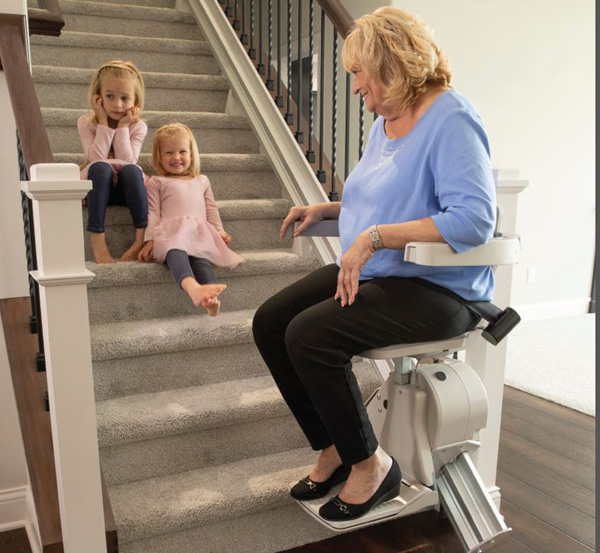
Price: A straight stairlift is a less expensive option. Many homeowners opt to have two straight stairlifts installed instead of a single curve unit because it is a more cost-effective option for covering two flights of stairs. However, if you or a loved one are unable to transfer safely between these two lifts, then a custom curve stairlift would be a better choice.
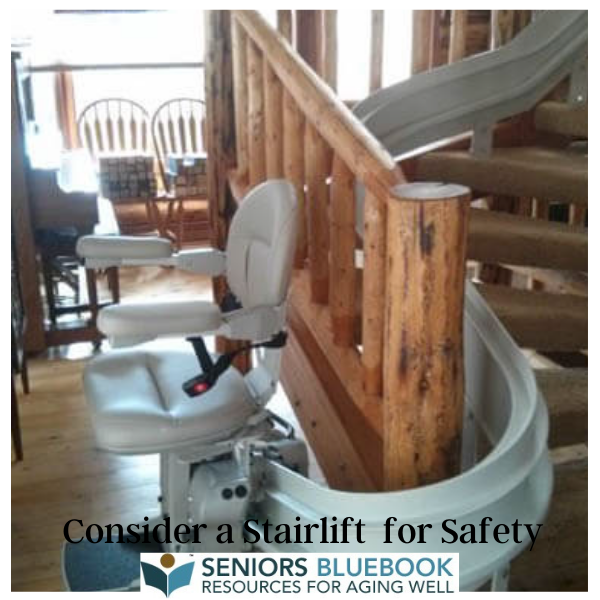
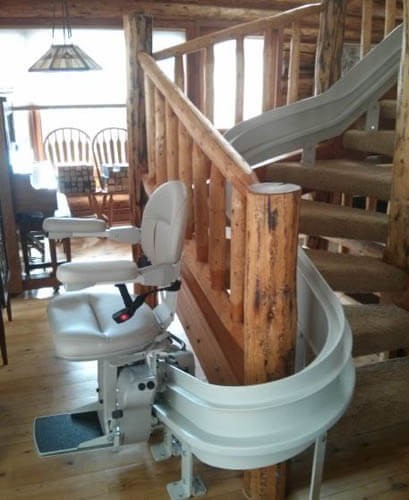
Curved Stairs: When a customer needs a curved stairlift, our team comes to their home and uses software to measure. Compared to other companies, Bruno curved stairlifts are precisely made to fit the stairs inside your home.
Look: The addition of a stairlift to your home doesnt have to take away from the beauty of your house. Bruno offers eight different color and fabric combinations for the chair to help it blend into the decor of your home.
Standard Features: Bruno Stairlifts come with width adjustable armrests. Obstruction sensors on the chair detect pets, and other obstructions for added safety. A covered gear track for an improved appearance. Continuous charge strips along the rail power the unit wherever it stops. These features come standard with all Bruno lifts.
Additional features which can help make the stairlift easier to use include a power swivel seat and folding footrest. These features make the chair easier to use for those who have difficulty turning their body or who are unsteady.
Call our local team for a free home safety evaluation. Use your whole home with confidence. Dont let COVID-19 keep you stranded.
Editors Note: This article was submitted by Karli Johnson, CAPS. Karli is a Certified Aging in Place Specialist with Accessible Systems and may be reached at: 719-387-0675 or by email at: [email protected]
To learn more contact Karli Johnson owner of Accessible Systems in Colorado Springs
Other Articles You May Like
A Guide to Safer, More Accessible Living
Home Modifications for Seniors in New Jersey: A Guide to Safer, More Accessible LivingA home that once felt easy to navigate can become more challenging as mobility needs change.A few steps at the entrance may become difficult for someone using a walker. A narrow bathroom may make wheelchair access complicated. Stairs that once seemed manageable may now require more strength and balance than before.For older adults living in Bergen County and throughout New Jersey, these challenges can affect everyday comfort, safety, and independence.But changing physical abilities do not always mean a family must consider moving.Thoughtful home modifications can address accessibility barriers and help make familiar living spaces more functional.Amramp Accessibility of Northern & Southern NJ provides home accessibility solutions, including wheelchair ramps, stair lifts, vertical platform lifts, bathroom safety modifications, and professional accessibility assessments.Understanding how different modifications work can help families identify improvements that fit their homes and changing needs.What Are Home Modifications?Home modifications are changes made to a living environment to improve accessibility, usability, or safety.They may involve installing specialized equipment, adjusting existing features, or changing the layout of certain spaces.Some improvements are relatively simple, while others require more extensive planning and installation.Common Home Modifications for SeniorsExamples include:Wheelchair rampsStair liftsVertical platform liftsGrab barsAccessible shower arrangementsBathroom transfer supportsImproved lightingAdjusted door thresholdsWider doorways where feasibleAccessible entrywaysChanges to frequently used living areasThe appropriate improvements depend on the resident's mobility, abilities, and home environment.Why Home Accessibility Matters in New JerseyMany New Jersey homes were designed around traditional layouts rather than universal accessibility.Raised entrances, narrow doorways, multi-level floor plans, and high-sided bathtubs can create difficulties for individuals with mobility limitations.These challenges are particularly relevant for older homeowners hoping to remain in their communities.Bergen County's Aging PopulationAccording to U.S. Census Bureau estimates, approximately 19.8% of Bergen County residents are age 65 or older.This represents a substantial population for whom accessible housing and aging-in-place planning may become increasingly relevant.In communities such as Englewood, Hackensack, Fort Lee, Ridgewood, Teaneck, and Paramus, homeowners may need to adapt existing properties rather than move to different housing.The same consideration applies to families throughout Northern, Central, and Southern New Jersey.For many households, improving the home's accessibility is an important part of long-term planning.Home Modification 1: Accessible Entrances and Wheelchair RampsOne of the first areas to evaluate is the home's entrance.Even one or two steps can create barriers for individuals who use wheelchairs, walkers, or other mobility aids.How Wheelchair Ramps HelpA wheelchair ramp creates a sloped route between elevations, allowing compatible mobility equipment to travel along the pathway.Amramp offers modular and portable wheelchair ramp options, including rental solutions for qualifying short-term needs.When a Ramp May Be AppropriateA ramp may be considered when:A resident uses a wheelchair.Entrance steps have become difficult.Someone is returning home after surgery.A caregiver needs improved mobility access.A family is preparing for future accessibility needs.The design must account for the entrance height, available space, suitable slope, landings, and appropriate safety features.Why Custom Planning MattersAn entrance with several steps may require more ramp length than homeowners initially expect.Limited outdoor space can also affect the design.Professional planning helps determine whether a ramp is practical and which configuration may be suitable.Home Modification 2: Stair Lifts for Multi-Level HomesStaircases are another common source of mobility difficulties.Older adults with arthritis, weakness, or balance limitations may find climbing stairs physically demanding.A stair lift provides a motorized seated travel option between levels.Benefits of Stair LiftsFor an appropriate user, a stair lift may:Reduce the need to climb stairsMake upstairs rooms easier to reachDecrease physical effortSupport daily routinesAllow continued use of a multi-story homeChoosing the Right Stair LiftDifferent staircase configurations require different equipment.Straight staircases may accommodate straight stair lifts, while stairs with turns may require curved systems.The user must also be able to transfer safely and operate the lift.A professional assessment is necessary to determine suitability.Home Modification 3: Vertical Platform LiftsSometimes a ramp is not the most practical solution for a raised entrance.For example, a home may have a significant height difference between the driveway and porch but limited space for a long ramp.A vertical platform lift may be an alternative.How Platform Lifts WorkA vertical platform lift carries the user and compatible mobility equipment between designated elevations.It can provide access to raised entrances or other appropriate areas without requiring a long sloped path.When to Consider a Platform LiftA vertical platform lift may be worth evaluating when:The entrance has substantial elevation.Outdoor space is limited.A wheelchair user requires access between levels.A ramp configuration is impractical.A professional assessment identifies the lift as a suitable option.Platform lifts require appropriate installation, safeguards, power access, and maintenance.Families should also plan for emergencies and electrical outages.Home Modification 4: Bathroom Safety ImprovementsBathrooms deserve special attention in an accessible home.Wet surfaces, limited space, and frequent changes in position can make bathing and toileting difficult for people with reduced mobility.Grab Bar InstallationGrab bars provide designated support points during movements such as entering a shower or rising from a toilet.Their effectiveness depends on proper placement and secure installation.Accessible Shower FeaturesPotential changes include:Shower seatingLower shower thresholdsHandheld showerheadsAppropriate slip-resistant surfacesBetter lightingAccessible transfer arrangementsImproving Toilet AccessSome individuals may benefit from toilet-area grab bars or changes to fixture height.Recommendations should reflect the person's strength, balance, and transfer ability.Amramp provides bathroom safety upgrades as part of its home modification services.Home Modification 5: Improving Everyday MovementNot every accessibility improvement involves large equipment.Changes to the home's layout can also help.Hallways and DoorwaysFamilies should check whether hallways and doorways provide appropriate clearance for the resident's mobility equipment.Furniture may need to be rearranged to improve movement.LightingGood lighting helps users recognize obstacles and changes in flooring.Consider lighting near:StaircasesBathroomsHallwaysBedroomsEntrywaysFlooringLoose rugs, damaged flooring, and slippery surfaces can contribute to fall hazards.Appropriate repairs and maintenance can improve the walking environment.Frequently Used ItemsEssential household items should be stored where they can be reached without unsafe stretching, bending, or climbing.These adjustments can complement larger home accessibility projects.Temporary Versus Long-Term Home ModificationsFamilies often wonder whether they should invest in permanent equipment or choose temporary arrangements.The answer depends on the individual's expected needs.Temporary Accessibility NeedsTemporary solutions may be appropriate following:Joint replacement surgeryAn injuryA rehabilitation stayA short-term mobility restrictionA temporary caregiving arrangementFor example, a ramp rental may help someone navigate the entrance while recovering.Long-Term Accessibility NeedsMore lasting modifications may be appropriate when mobility limitations are expected to continue.These may involve permanently installed equipment or changes to several areas of the home.Questions to AskHow long is the equipment expected to be needed?Could the person's mobility improve?Are future changes likely?What are the rental and purchase costs?Will the equipment require maintenance?Can the modification be removed if no longer needed?A professional evaluation can help families make practical decisions.Home Modifications After Hospital DischargeReturning home after surgery, illness, or rehabilitation can be a major transition.A person who previously walked without assistance may now need a wheelchair, walker, or caregiver support.The home should be evaluated before discharge whenever possible.Preparing the HomeFamilies should consider:Entrance accessCan the individual enter the home using the prescribed mobility equipment?Sleeping arrangementsIs the bedroom accessible without difficult stair climbing?Bathroom accessCan the person safely use the toilet and bathing facilities?Caregiver supportIs there enough space for necessary assistance?Emergency planningCan the individual leave the home safely during an emergency?Equipment readinessWill needed devices and accessibility modifications be available when the person returns?Discharge planners and rehabilitation professionals can help identify mobility requirements.Amramp's accessibility services may help address recommended changes to the home environment.Understanding Home Modification CostsCosts vary widely depending on the equipment, property, and installation requirements.A simple improvement may cost substantially less than an extensive modification involving specialized equipment or construction.Factors That Affect PricingType of accessibility equipmentProperty layoutInstallation complexityMaterials and finishesCustomization requirementsPermit and inspection requirementsElectrical workMaintenance needsRental versus purchase arrangementsFamilies should request a written explanation of what is included before approving work.What About Insurance Coverage?Coverage depends on the insurance plan, type of equipment, and reason for the modification.Original Medicare generally does not cover most structural home modifications, although some other programs and benefits may have different eligibility requirements.Families should confirm available benefits directly with the relevant insurer or program administrator.Local aging services organizations may also be able to identify community resources or potential assistance programs.How Home Modifications Can Support Family CaregiversCaregivers often help older adults with walking, bathing, transfers, and daily activities.When the home is difficult to navigate, these tasks can create additional physical demands.Appropriate modifications may reduce some environmental barriers.For example:A wheelchair ramp may improve entrance access.Grab bars may provide designated support during certain movements.A stair lift may reduce stair-climbing demands for an eligible user.Better bathroom layouts may provide additional space for assistance.However, modifications do not replace professional guidance on safe lifting or transfer techniques.Families should seek appropriate healthcare advice when a loved one requires significant physical assistance.Why a Home Accessibility Assessment Is Worth ConsideringOne of the challenges in home modification planning is knowing where to begin.A family may recognize that the front steps are difficult but overlook bathroom hazards or narrow interior pathways.A home accessibility assessment takes a broader view.What an Assessment May IdentifyEntrance and exit barriersStaircase challengesBathroom safety concernsMobility equipment clearanceUnsafe walking routesEnvironmental fall hazardsAppropriate modification optionsPotential needs associated with changing mobilityThe goal is to create a plan that addresses the individual's actual difficulties.Amramp Accessibility of Northern & Southern NJ offers professional home accessibility assessments and equipment solutions for a range of mobility needs.Expert Tip: Focus on the Whole HomeHome Modification Tip: The most effective accessibility plan considers the complete route through the homefrom the driveway and front door to the bedroom, bathroom, and everyday living areas. Improving one space is helpful, but accessibility works best when the entire environment supports the resident's needs.This approach may help families prioritize improvements and avoid overlooking important barriers.Frequently Asked Questions About Home Modifications1. What are the most common home modifications for seniors?Common improvements include wheelchair ramps, stair lifts, grab bars, bathroom safety upgrades, vertical platform lifts, and adjustments to walking routes and lighting.2. Do I need to remodel my entire home to improve accessibility?Not necessarily. Many accessibility concerns can be addressed through targeted improvements. The extent of the work depends on the property and the individual's needs.3. Can home modifications help after surgery?Yes. Temporary or long-term accessibility improvements may make a home easier to navigate after surgery or rehabilitation. The appropriate changes should reflect healthcare recommendations.4. How do I determine which modifications are necessary?A professional home accessibility assessment can identify barriers and help families evaluate equipment and modification options.5. Can wheelchair ramps and accessibility equipment be removed later?Some modular ramps and other products may be removable or adjustable. Removal requirements depend on the specific equipment and installation. Ask the provider before purchasing or renting.Make Your Home More Accessible With Amramp Accessibility of Northern & Southern NJA safer, more accessible home can help older adults maintain familiar routines and participate more comfortably in everyday life.Whether a family needs wheelchair ramp installation, bathroom safety improvements, stair lift solutions, or a broader home accessibility plan, choosing appropriate modifications begins with understanding the person's needs.Amramp Accessibility of Northern & Southern NJ provides home modification solutions for seniors, individuals with disabilities, caregivers, and families throughout New Jersey.Ready to explore ways to make your home safer and more accessible?Visit Amramp Accessibility of Northern & Southern NJ on SeniorsBlueBook.com to learn more about home modification solutions and connect with the team.Taking a proactive approach to home accessibility can help create a living environment that supports safety, comfort, and independence for years to come.
Simple Changes That Help Prevent Falls
Bathroom Safety for Seniors in New Jersey: Simple Changes That Help Prevent FallsThe bathroom is one of the most frequently used rooms in any home, but it can also present significant challenges for older adults.Slippery surfaces, high bathtub walls, limited space, and a lack of sturdy handholds can turn everyday activities into potential safety concerns.For seniors living in Englewood, Bergen County, and surrounding New Jersey communities, making the bathroom more accessible can be an important step toward maintaining independence.Many families do not consider bathroom modifications until a loved one has experienced a fall or begins struggling with bathing.However, making improvements before an emergency occurs may help reduce risks and make daily routines more comfortable.Amramp Accessibility of Northern & Southern NJ offers bathroom safety solutions, including grab bar installation, shower accessibility improvements, and home safety assessments.Understanding common bathroom hazards and available modifications can help families make informed decisions.Why Bathroom Safety Is Important for Older AdultsBathrooms combine several conditions that can contribute to falls.Floors become wet, movements often require bending or turning, and stepping into a bathtub can challenge someone with limited strength or balance.According to the Centers for Disease Control and Prevention, more than one in four Americans age 65 and older reports falling each year.Falls can cause injuries, reduce mobility, and affect a person's confidence in managing daily activities.Not every fall occurs in the bathroom, but this room deserves special attention because routine activities may involve slippery surfaces and changes in body position.Common Bathroom Safety ConcernsOlder adults may experience difficulty with:Entering and exiting bathtubsStanding for extended periods in the showerRising from a low toiletWalking across wet flooringReaching for towels or toiletriesMaintaining balance while bathingUsing fixtures that are difficult to gripNavigating narrow bathroom spaces with mobility equipmentAddressing these challenges can make bathing and personal care more manageable.The Importance of Accessible Bathrooms in Bergen CountyBergen County has a large population of older adults, with U.S. Census Bureau estimates indicating that approximately 19.8% of residents are age 65 or older.In communities such as Englewood, Teaneck, Hackensack, Fort Lee, and Ridgewood, families may live in homes that were built before modern accessibility features became common.Traditional bathrooms often include high-sided bathtubs, limited floor space, and towel bars that are not designed to support a person's weight.These features may work well for someone without mobility limitations but become less practical as needs change.For older homeowners planning to remain in their properties, bathroom accessibility improvements can be an important part of long-term home planning.Common Signs a Bathroom Needs Safety ImprovementsBathroom accessibility needs do not always appear suddenly.Some changes develop gradually.Warning Signs Families Should NoticeHolding onto towel bars for supportTowel bars are generally not designed to support body weight.Using one for balance can be dangerous.Difficulty stepping over the bathtub wallReduced hip flexibility, knee pain, or poor balance may make entering a traditional tub challenging.Avoiding showersAn older adult may begin bathing less frequently because the process feels physically demanding or unsafe.Needing help standing from the toiletDifficulty rising may indicate that additional support or changes to fixture height should be considered.Experiencing slips or near-fallsEven when no injury occurs, a near-fall can signal that modifications are needed.Increased caregiver assistanceIf a family member must frequently provide physical support during bathing, a professional assessment may help identify safer techniques and equipment.Grab Bars: A Practical Bathroom Safety ImprovementGrab bars are among the most widely recognized bathroom accessibility features.They provide a designated handhold that may help users maintain balance during specific movements.Unlike ordinary towel racks, properly selected and installed grab bars are designed for support.Where Grab Bars May Be UsefulGrab bars may be considered:Near the shower entranceAlong shower wallsBeside a bathtubNear the toiletIn locations where users change positionAt transfer points identified during an accessibility assessmentTheir placement should reflect the user's reach, strength, and movement patterns.Why Professional Grab Bar Installation MattersInstalling grab bars requires more than choosing a convenient wall location.Proper installation must account for the wall structure, mounting method, intended loading, and fixture requirements.A poorly secured grab bar can become dangerous if it detaches when someone relies on it for support.Amramp Accessibility of Northern & Southern NJ provides grab bar installation as part of its bathroom safety services.Families should ask about suitable placement, materials, and installation requirements before proceeding.Creating a Safer Shower EnvironmentShowers can be difficult for individuals who experience fatigue, joint pain, or balance limitations.Improving accessibility may involve a combination of equipment and environmental changes.Shower SeatingA properly selected shower chair or bench can allow some individuals to bathe while seated.This may reduce fatigue associated with standing.However, seating must be stable, properly sized, and appropriate for the shower environment.Handheld ShowerheadsHandheld showerheads can make rinsing easier for individuals who need to remain seated.They may also assist caregivers who provide bathing support.Accessible Shower EntryHigh shower thresholds can make entry difficult for people using walkers or wheelchairs.Depending on the bathroom layout, lower-threshold or roll-in shower configurations may be worth evaluating.Non-Slip SurfacesAppropriate slip-resistant flooring and shower surfaces can improve traction.Families should avoid loose mats that may shift underfoot.Improved LightingAdequate lighting helps users identify fixtures, flooring changes, and obstacles.Lighting should illuminate the shower entrance, toilet area, and walking route.Making Toilet Use EasierToilet transfers can become challenging for older adults with reduced leg strength or joint mobility.An individual may struggle to lower themselves onto the toilet or rise afterward.Potential improvements include:Properly positioned support barsSuitable toilet heightAdequate clearance for mobility aidsImproved lightingClear pathwaysA layout that permits safe transfersThe appropriate arrangement depends on the user's abilities.A healthcare professional or occupational therapist may recommend additional equipment or techniques when transfers are difficult.How Bathroom Modifications Support Aging in PlaceAging in place involves making the home better suited to the person's needs.Because bathing and toileting are essential daily activities, bathroom accessibility has a direct connection to independence.Benefits of a More Accessible BathroomGreater confidenceAn older adult may feel more comfortable using a bathroom designed around their mobility needs.Reduced physical effortSupport bars, seating, and accessible fixtures may make certain movements less demanding.More convenient caregiver assistanceA better layout can provide safer working space for caregivers, although individual transfer and assistance needs must still be assessed.Improved everyday routinesAccessible bathrooms may allow users to participate more actively in personal care.Long-term adaptabilityModifications can be incorporated into a larger aging-in-place strategy as needs change.Bathroom Safety After Surgery or RehabilitationA bathroom may become unexpectedly difficult to use after a hospital stay.Someone recovering from a hip replacement, knee surgery, or another procedure may temporarily experience restrictions on bending, standing, or bearing weight.Before discharge, families should discuss mobility limitations with the healthcare team.Questions to Ask Before Returning HomeCan the person safely enter the shower?Is assistance required during transfers?Would shower seating be appropriate?Are grab bars needed?Can the person reach the toilet safely?Is there room for a walker?Are temporary modifications appropriate during recovery?Planning these details before returning home may help avoid unnecessary difficulties.Amramp's home accessibility services can be useful when families need to evaluate modifications for short-term recovery or ongoing mobility concerns.Bathroom Safety and Family CaregiversHelping someone bathe can involve physical strain, especially when the person has limited balance or mobility.Caregivers may feel pressure to lift or steady their loved one without appropriate equipment.This can create risks for both individuals.Bathroom modifications may help make some tasks more manageable.However, equipment does not replace safe transfer training.Caregivers should seek appropriate professional instruction when substantial physical assistance is required.Expert Tip: Do Not Wait for a FallBathroom Safety Tip: If an older adult is using towel racks, countertops, or shower doors to maintain balance, it may be time for a professional bathroom safety assessment. Everyday fixtures are not necessarily designed to provide dependable physical support.Early evaluation can help families identify concerns before they become emergencies.A Whole-Home Approach to Fall PreventionBathroom improvements are valuable, but other areas of the home also deserve attention.Families should evaluate:Entry steps and outdoor walkwaysStairwaysHallway lightingLoose rugsBedroom accessibilityDoorway clearanceFrequently used furnitureKitchen storage arrangementsAmramp provides broader accessibility services, including ramps, stair lifts, vertical platform lifts, and home modifications.Considering the complete home can help create a more coordinated accessibility plan.Frequently Asked Questions About Bathroom Safety1. Where should grab bars be installed in a bathroom?Placement depends on how the person enters, exits, stands, sits, and transfers. Common locations include the shower, bathtub, and toilet area. A professional assessment can identify appropriate positions.2. Are towel bars safe to use as grab bars?No. Ordinary towel bars generally are not designed to support a person's body weight. Properly installed grab bars should be used where physical support is needed.3. Can bathroom modifications help seniors age in place?Yes. Appropriate modifications may make essential daily activities more manageable and support continued living at home.4. Do bathroom safety improvements require complete remodeling?Not always. Some improvements, such as professionally installed grab bars, may be completed without a full renovation. More extensive changes depend on the bathroom and individual needs.5. When should families arrange a bathroom safety assessment?An assessment is worth considering when someone has difficulty bathing, experiences near-falls, requires increased assistance, or is returning home with new mobility limitations.Create a Safer Bathroom With Amramp Accessibility of Northern & Southern NJBathroom accessibility is an important part of creating a home that supports safety, comfort, and independence.Small improvements may help address everyday challenges, while more extensive modifications can accommodate changing mobility needs.For families in Englewood, Bergen County, and throughout Northern and Southern New Jersey, professional guidance can help determine which options are most appropriate.Amramp Accessibility of Northern & Southern NJ offers bathroom safety installation, grab bars, and other home accessibility solutions tailored to individual circumstances.Interested in making your bathroom easier and safer to use?Visit Amramp Accessibility of Northern & Southern NJ on SeniorsBlueBook.com to learn more about bathroom safety services and connect with the team.A thoughtful bathroom safety plan can help protect independence and make everyday routines more comfortable.
Wheelchair Ramps for Seniors in New Jersey
Wheelchair Ramps in New Jersey: Making Home Access Safer and Easier for SeniorsFor many older adults, getting in and out of the house is something they have done thousands of times without giving it much thought. But when mobility changes, even a few steps leading to the front door can become a daily challenge.A person recovering from surgery may suddenly need a wheelchair or walker. An older adult with arthritis might find porch steps painful. A family caregiver may struggle to help a loved one safely navigate the home's entrance.These situations are common reasons families begin exploring wheelchair ramps in New Jersey.For seniors and caregivers in Bergen County, Englewood, and surrounding communities, an accessible entrance can make daily activities easier while helping older adults maintain their independence.Amramp Accessibility of Northern & Southern NJ provides wheelchair ramp installation, rental, and other accessibility solutions designed to help families overcome mobility barriers.Understanding the available options is the first step toward creating a home that works better for everyone.Why Accessible Home Entrances MatterHome accessibility is about more than convenience. It affects whether an individual can comfortably leave home for medical appointments, visit friends, enjoy outdoor activities, or participate in community life.When entering or exiting becomes difficult, older adults may begin limiting how often they go outside.This can affect independence and social connections.The Importance of Accessibility in Bergen CountyBergen County has a significant older adult population.According to the U.S. Census Bureau's 2025 estimates, Bergen County had approximately 977,000 residents, with 19.8% age 65 or older.For communities such as Englewood, Teaneck, Hackensack, Fort Lee, Paramus, and Ridgewood, accessible housing remains an important consideration for residents planning to remain in their homes.Many properties throughout New Jersey have raised entrances, porch steps, or changes in elevation between the driveway and front door.A wheelchair ramp may help address these barriers without requiring a family to relocate.What Is a Wheelchair Ramp?A wheelchair ramp is a sloped access structure designed to make moving between different elevations easier for individuals using wheelchairs, walkers, scooters, and other mobility aids.Ramps are commonly installed at:Front and back entrancesPorches and decksGarage entrywaysRaised doorwaysEntry points with several stepsCertain commercial or community buildingsA properly designed ramp provides a more accessible route between ground level and an elevated entrance.However, the correct slope, landing size, surface, and handrail requirements depend on the location, use, and applicable building rules.Professional evaluation is important to ensure the design is appropriate.Types of Wheelchair Ramps Available in New JerseyNot every household needs the same ramp.Some families require temporary access following surgery, while others need long-term solutions for someone with a permanent mobility limitation.Modular Wheelchair RampsModular ramps are assembled using sections that can be configured to accommodate different entrances.They may be useful when a property has limited space or requires a customized route.Potential benefits include:Configurations designed for different entrance heightsOptions for turns and intermediate landingsInstallation that may require less permanent constructionThe possibility of adjustment or removalCompatibility with a range of residential entrancesAmramp offers modular ramp solutions that can be evaluated for individual properties.Portable Wheelchair RampsPortable ramps are generally designed for specific short-distance accessibility needs.Depending on the model, they may help users navigate small elevation changes or thresholds.They are not appropriate for every entrance.Families should confirm the ramp's load capacity, stability, length, slope, and intended use before relying on one.Temporary Wheelchair Ramp RentalsNot every mobility limitation is permanent.Someone recovering from hip surgery, knee replacement, or another medical procedure may need temporary home access.A wheelchair ramp rental can provide an alternative to purchasing equipment for a relatively short period.Families should ask about rental terms, installation, maintenance responsibilities, and removal arrangements.Permanent Wheelchair Ramp SolutionsWhen a person expects to use a wheelchair or walker long-term, a more lasting accessibility arrangement may be appropriate.A professional assessment can identify a suitable design based on:Available outdoor spaceEntrance heightMobility equipmentUser and caregiver needsStructural conditionsWeather exposureApplicable regulationsThe goal is to make the entrance accessible without creating new hazards.How Wheelchair Ramps Support Aging in PlaceAging in place means remaining in a familiar home and community while adapting to changing needs.For many seniors, that means finding practical ways to make everyday routines manageable.A ramp can support this goal by addressing one of the first obstacles residents encounter: getting through the door.Benefits for Older AdultsGreater independenceAn appropriately designed ramp may allow some individuals to enter and leave their homes with less assistance.Easier access to transportationA more accessible entrance can simplify trips to medical appointments, family gatherings, and community activities.Reduced need to navigate stepsFor people who struggle with stairs, a ramp provides an alternative route.More comfortable caregiver assistanceCaregivers may find it easier to assist with mobility equipment on a properly designed ramp than on steps.Long-term home accessibilityA ramp can become part of a broader home modification strategy that supports changing mobility needs.It is important to remember that a ramp does not automatically make independent movement safe for every user. Steepness, surface conditions, strength, equipment, and personal abilities all matter.What Families Should Consider Before Installing a RampChoosing a wheelchair ramp involves more than measuring the number of steps.Entrance Height and Available SpaceHigher entrances generally require longer ramp runs to achieve an appropriate slope.A short driveway or narrow walkway may affect the available design options.Wheelchair or Mobility Device TypeManual wheelchairs, powered wheelchairs, scooters, and walkers have different operating characteristics.The ramp must accommodate the intended equipment.Landing AreasUsers need appropriate space to stop, turn, open doors, and maneuver safely.Handrails and Edge ProtectionDepending on the design and applicable requirements, handrails and edge protection may be necessary.Surface ConditionsThe surface should provide suitable traction and drainage.Installation RequirementsFamilies should confirm whether permits, homeowner association approval, or local inspections apply.Requirements may differ among New Jersey municipalities.Planning for New Jersey WeatherNorthern and Southern New Jersey experience changing weather conditions throughout the year.Rain, snow, ice, and falling leaves can affect outdoor surfaces.These conditions make ongoing ramp maintenance especially important.Seasonal Ramp Safety TipsKeep the ramp clear of snow and debris.Inspect surfaces for damage or loose components.Use manufacturer-approved winter maintenance products.Maintain adequate outdoor lighting.Check that water drains properly.Avoid using the ramp when icy or otherwise unsafe.Follow instructions for maintaining traction surfaces.Even ramps designed for outdoor use require regular attention.Families should ask the installer for specific maintenance guidance.Choosing Between a Ramp and a Vertical Platform LiftFor some properties, a ramp may not be the most practical option.A raised entrance with limited surrounding space might require a long ramp to achieve an appropriate slope.In those situations, a vertical platform lift may be worth considering.A platform lift transports a user and compatible mobility equipment vertically between designated levels.Unlike a ramp, it does not require a long sloped pathway.However, it has different installation, operational, maintenance, and emergency-use considerations.Amramp offers both ramps and vertical platform lifts, allowing families to discuss different approaches to entrance accessibility.Why Professional Ramp Installation MattersA ramp must safely support its users and function properly with the surrounding property.Incorrect slope, inadequate landings, unstable surfaces, or poor placement can create hazards.Professional evaluation helps identify these concerns before installation.Questions to Ask a Ramp ProviderWhat type of ramp would work best for this entrance?Is a rental or purchase more appropriate?What are the weight and equipment limitations?Are permits or approvals required?What preparation is needed?How will the ramp perform during winter?What maintenance is recommended?Can the ramp be removed if circumstances change?Clear answers help families make informed decisions.A Helpful Accessibility TipHome Accessibility Tip: Measure more than the height of the steps. A successful wheelchair ramp must account for the user's mobility equipment, safe turning areas, door clearance, weather conditions, and the entire route into the home.Families should also think about accessibility beyond the entrance.Once inside, are doorways wide enough? Can the person reach the bathroom? Are there additional steps?A whole-home perspective can help avoid solving one problem while overlooking another.When Should Families Consider a Wheelchair Ramp?Common situations include:An older adult begins using a wheelchair.A family member has difficulty climbing entrance steps.Someone is returning home after surgery.A rehabilitation team recommends improved home access.A caregiver needs a safer route for assisting with mobility.The family is preparing the home for future accessibility needs.The ideal time to evaluate accessibility is often before entering and exiting becomes an emergency.Early planning provides an opportunity to compare options and arrange appropriate installation.Frequently Asked Questions About Wheelchair Ramps in NJ1. Can wheelchair ramps be rented in New Jersey?Yes. Amramp offers wheelchair ramp rental options for suitable temporary needs. Families should confirm availability, rental duration, installation costs, and removal arrangements.2. Do I need a permit to install a wheelchair ramp?Permit requirements depend on the municipality, property, and type of installation. Contact the local building department or ask the installer to clarify applicable requirements.3. Can a ramp be installed without major construction?Some modular ramps can be installed with relatively limited property modification. The actual requirements depend on the site and design.4. Are wheelchair ramps safe during snowy weather?Outdoor ramps require proper maintenance in snow and ice. Appropriate traction, drainage, clearing, and manufacturer-approved maintenance are important. No outdoor ramp should be treated as automatically safe in icy conditions.5. How do I know whether I need a ramp or a platform lift?The best option depends on entrance height, available space, mobility equipment, and individual needs. A professional accessibility assessment can help identify suitable alternatives.Make Home Access Easier With Amramp Accessibility of Northern & Southern NJA safe and accessible entrance can make a meaningful difference in everyday life.Whether someone is recovering from surgery, adapting to long-term mobility changes, or preparing to age in place, the right accessibility solution can help reduce unnecessary barriers.Amramp Accessibility of Northern & Southern NJ works with families seeking wheelchair ramps, rentals, installation, and other home access solutions throughout New Jersey.Ready to explore wheelchair ramp options for your home?Visit Amramp Accessibility of Northern & Southern NJ on SeniorsBlueBook.com to learn more about ramp solutions and connect with the team.Making an entrance more accessible is an important step toward creating a home that supports comfort, mobility, and independence.
Local Services By This Author
Lifeway Mobility of Colorado Springs
Aging in Place Home Modifications 4472 Barnes Road, Colorado Springs, Colorado, 80917At Accessible Systems we offer accessibility equipment and also install our products to create a customized fit for your home or business. Our products include stair lifts, wheelchair lifts, wheelchair ramps, residential elevators and other lift systems that assist you and/or your caregiver in every room of your house including garages and stairs. We also have a complete line of specialized Medical Equipment to assist you. With over 20 years of experience in home accessibility we are a full service general contractor, a stair lift contractor, a bathroom remodel contractor, and an elevator contractor. In addition, we offer customized home modifications and remodeling including the installation of our products.
Lifeway Mobility of Colorado Springs
Stair Lifts 4472 Barnes Road, Colorado Springs, Colorado, 80917Our passion is helping anyone with mobility challenges enjoy their home no matter what. This includes seniors, the handicap and people with physical disabilities. We have accessibility and mobility solutions that can overcome almost any barrier.We not only offer accessibility and mobility medical equipment, but also install our products to create a customized fit for your home or business. As a local expert, we have the experience, the solutions, we are fully licensed and insured, and we care about you and your family.
Lifeway Mobility of Colorado Springs
Home Improvements & Modifications 4472 Barnes Road, Colorado Springs, Colorado, 80917Our passion is helping anyone with mobility challenges enjoy their home no matter what. This includes seniors, the handicap and people with physical disabilities. We have accessibility and mobility solutions that can overcome almost any barrier.We not only offer accessibility and mobility medical equipment, but also install our products to create a customized fit for your home or business. As a local expert, we have the experience, the solutions, we are fully licensed and insured, and we care about you and your family.