What is a Senior Care Advisor?
Senior Care Authority
For more information about the author, click to view their website: Senior Care Authority
Jul 23, 2023
Florida - Southwest

Email US
Click to Email Us
Have you wondered what exactly a Senior Care Advisor is and how they can help you? Find out the many different ways they can help seniors and their caregivers.
A Senior Care Advisor is a professional consultant with extensive knowledge on elder care. They have dedicated themselves to assisting people transition into the next stage of life through elder care consulting, placement into assisted living, and advocacy.
For many, it can be difficult to know when, or if, assisted living is appropriate. Resisting change is human nature and caretakers of elderly loved ones may even feel guilty when thinking of how to best care for older parents. A Senior Advisor can help you understand the benefits of assisted living and why it is often the better choice for an aging parent.
They will help you talk with your parent(s) and other family members until everyone feels comfortable with the decision. Your Advisor will do an in-depth, non-medical assessment to gain a clear understanding of your loved one's needs, then narrow down the communities that might be a good fit, saving you time, money and the hassle of weeding through them on your own.
There is a lot to navigate through when it comes to caring for an elder loved one. Paperwork, insurance, physical property, coping with change, juggling a career and family, financial and emotional strain, and so many other things. It can all pile up until you feel completely overwhelmed. A Senior Care Advisor will help guide you through all of this, lessening your burden and lightening your load. Having someone helping you who knows exactly what you are going through, can make such a difference.
What to look for in a Senior Care Advisor
When deciding to work with a Senior Care Advisor, there are certain qualities that they should have, including:
- The right qualifications and experience
- Training and Certifications
- Friendly
- Access to Resources
- Up to date knowledge of local communities and policies
- Honesty/Transparency
A good advisor will be your coach, a cheerleader and pillar of support during this challenging time, and will help you and your family get through it and feel good about the outcome and the solution.
Senior Care Authority of New York and Southwest Florida is offering a free one-hour consultation with one of our professional Senior Care Advisors right now. This is your opportunity to ask questions and get answers from someone who understands what you are going through and has the experience to guide you.
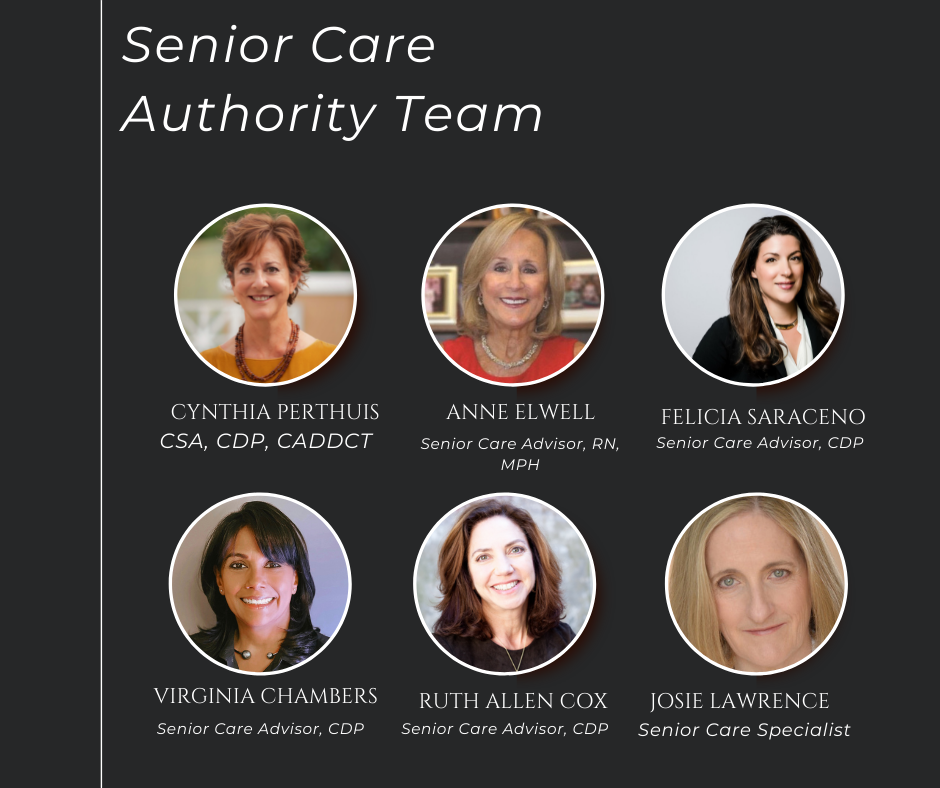
Our Advisors are knowledgeable, experienced and qualified when it comes to helping you find the right assisted living community for your loved one, as well as a clear understanding of what to expect every step of the way. To contact one of the Senior Care Advisors at Senior Care Authority of New York and Southwest Florida, or to learn more about them, please visit our website.
- To view the original version of this article visit www.seniorcare-nyfl.com/elder-care-and-senior-living-blog/what-is-a-senior-care-advisor-1646141414283.html
- Seniors Blue Book was not involved in the creation of this content.
Other Articles You May Like
When Siblings Disagree About Moms Care
The letter below is a composite written to illustrate a common situation. It is not from a real person. My mother is 84 and lives alone in Grand Junction. Im a short drive away and see her most days. My brother lives out of state and thinks Im overreacting. My sister wants to move Mom into a facility next month. Mom says shes fine. Were not speaking much anymore. Where do we even start? Worn Out on the Western Slope Dear Worn Out,First, a deep breath. What you describe is one of the most common stories in elder care, and it doesnt mean your family is broken. It usually means everyone is worried and scared, and each person is expressing it differently.Heres how families in your position often find their way through.Why Siblings Clash (Its Rarely About the Care)Disagreements about a parents care tend to rest on a few predictable fault lines: Different information: the person nearby sees daily changes; the person far away sees a cheerful phone call. Different fears: one dreads a fall, another dreads taking away Moms independence. Old family roles: the responsible one and the easygoing one can fall back into childhood patterns. Guilt and grief: these feelings often come out as anger or defensiveness. Unequal workload: the local caregiver may feel unseen, and the distant sibling may feel shut out. Naming these dynamics out loud can lower the temperature before youve said a word about housing or money.Step One: Put Mom at the CenterIts easy for adult children to debate a parent as though she werent in the room. Unless shes unable to participate, she should be part of the conversation. Ask her: What matters most to you about where and how you live? What are you worried about? What would you want us to do if things got harder? Her answers are often more flexible, and more revealing, than her children expect.Step Two: Get the Facts on the TableOpinions fade when everyone is looking at the same information. Try to gather: A recent medical overview, with Moms permission, including diagnoses, medications, and any memory or mobility concerns A home safety picture: stairs, lighting, bathroom setup, and whether she can reach food and medications A list of current supports, including who helps with what A realistic look at finances: income, assets, insurance, and the costs of different options Legal paperwork: whether a power of attorney, medical directive, or other documents are in place A shared document that everyone can see helps keep the conversation fair.Step Three: Hold a Family Meeting That Doesnt Blow UpA little structure goes a long way.Before the meeting Agree on a time when everyone can attend, by video if needed. Share an agenda in advance so nobody is blindsided. Decide whether a neutral outsider, such as a care manager or a trusted professional, should join. During the meeting Start with shared goals: Moms safety, dignity, and wishes. Let each person speak without interruption. Stick to I statements: Im worried about her stairs, not You never help. List the options without deciding on the spot. After the meeting Write down who is doing what, and by when. Schedule a follow-up. Small, specific steps beat sweeping decisions. The Case for a Neutral Third PartyWhen family members have history, even a calm conversation can reopen old wounds. A professional with no stake in the family dynamics can often reset the tone.Assurance Guardianship and Care Services provides care management in Grand Junction, along with guardianship and conservatorship services. In situations like yours, a care managers role might include: Completing an assessment of needs, safety, and existing supports Offering an objective view that doesnt favor one siblings position Laying out options so the family can compare them side by side Coordinating services once decisions are made Keeping everyone informed, including relatives who live out of state A neutral voice wont make the hard feelings vanish, but it can keep the focus on the person who matters most.Grand Junction Resources That Can Help The Area Agency on Aging serving Mesa County: a good starting point for information about senior services in the area Mesa County Human Services: for adult services and community supports Local hospital social workers: often knowledgeable about care options and next steps Senior centers and community groups: for activities, meals, and social connection that may reduce isolation Local elder law attorneys: for advice on powers of attorney, advance directives, and related planning Caregiver support groups: sometimes the best help for the sibling who feels like theyre carrying everything When the Disagreement Is Really About CapacitySometimes the underlying question is whether Mom can still make safe decisions on her own. That is a medical and legal question, not a family vote. If youre unsure, talk with her doctor and an attorney about next steps. In some situations, additional legal protections may be discussed, but that is generally considered only after less restrictive options have been explored.A Few Ground Rules Worth Printing Out Moms wishes come first, wherever possible. No decisions made in anger. Everyone contributes something, whether time, money, research, or phone calls. Facts before opinions. Ask for help early. Frequently Asked QuestionsWhat if my mother in Grand Junction refuses help?Many older adults resist help out of a desire for independence. Start with small, specific offers, involve her in choices, and consider whether a trusted outsider might be better received than family.Can a care manager take sides?A good one shouldnt. Their role is to assess needs, explain options, and support the persons wishes and safety, not to settle sibling scores.Who has the legal right to make decisions for my parent?It depends on whether she has signed documents such as a power of attorney and whether she retains decision-making capacity. An elder law attorney can explain how this works in Colorado.How do I involve a sibling who lives far away?Regular video calls, shared notes, and giving them specific tasks, like researching options or handling paperwork, can help them feel included.When is it time to call a professional?When disagreements stall decisions, when safety is at risk, or when the primary caregiver is overwhelmed. Reaching out early is usually easier than waiting for a crisis.One Last ThoughtWorn Out, your family is arguing because you all care. Thats a better foundation than you may realize. Put your mothers wishes at the center, bring in some neutral help, and take it one step at a time.To learn more about how Assurance Guardianship and Care Services supports individuals and families in Grand Junction, visit their Seniors Blue Book listing: More information can be found on their Seniors Blue Book listing: Assurance Guardianship and Care Services | Senior Resources in Grand Junction, Colorado
How CareManagement Helps Grand Junction Families thru the First 30days
What follows is a composite example, not a real client story. Its meant to show how care management can work in practice.Imagine a retired man in Grand Junction. Call him Walt. Hes 81, lives on his own, and has just spent five days in the hospital after a fall. The discharge papers are in a folder. There are three new prescriptions, a follow-up appointment with a specialist, and a note about home safety. His daughter lives a few states away.Walt is medically stable. He is also, in every practical sense, on his own. Who will check that the prescriptions are picked up? Who will notice if the stairs become a problem? Who explains the follow-up instructions in plain English?This is the gap that care management is designed to fill.What Is Care Management, Exactly?Care management, sometimes called care coordination or geriatric care management, is a service in which a professional helps an older adult or their family plan, organize, and monitor care. Think of it as having a guide through a system that wasnt designed to be easy to navigate.A care manager may help with: Assessing needs: looking at health, home safety, daily routines, and support already in place Creating a care plan: setting priorities and identifying services that fit the persons wishes and budget Coordinating providers: keeping doctors, therapists, pharmacies, and home care agencies on the same page Monitoring and adjusting: checking in over time, because needs rarely stay the same Supporting families: giving relatives clear updates, especially when they live far away Care management doesnt replace medical care or family. It connects them.Why It Matters in Grand JunctionGrand Junction is the largest community on Colorados Western Slope, and for many people its the regional center for health care. Thats a real strength. It also means residents from surrounding communities often travel here for specialists, and those who need highly specialized care may still need to go farther, sometimes to the Front Range.Add in a significant retiree population and families scattered across the country, and its easy to see why coordination can make or break a recovery. Distance, weather on mountain roads, and limited family nearby are all practical considerations that a local professional can plan around.A Hypothetical First 30 DaysHeres how a care-managed transition might unfold. Every situation is different, so treat this as a pattern, not a promise.Days 1-3: Get oriented Review discharge instructions and medication lists together Confirm prescriptions are filled and understood Walk through the home to spot hazards such as loose rugs, poor lighting, and clutter near stairs Identify who is available to help and when Days 4-10: Build the routine Arrange short-term supports, which may include in-home help, meal delivery, or transportation to appointments Make sure follow-up visits are scheduled and rides are lined up Set up simple systems like a pill organizer or a shared calendar Days 11-20: Watch and adjust Check how the person is managing: eating well, moving safely, keeping appointments Communicate with the family about whats working and what isnt Flag concerns to the appropriate medical providers Days 21-30: Look ahead Decide whether current supports are enough Discuss longer-term options, whether thats aging in place with services or exploring other living arrangements Revisit paperwork, such as advance directives and who holds decision-making authority, with an attorney where needed Questions a Good Care Manager AsksQuality care management starts with listening. Expect questions like: What matters most to you about where and how you live? What does a good day look like? What worries you, and what worries your family? Whats already working, and what isnt? The answers shape the plan, not the other way around.Local Grand Junction ResourcesFamilies arent starting from scratch. Consider these starting points: Local hospitals and their discharge planners or social workers: often your first source of information on post-hospital services The Area Agency on Aging serving Mesa County: a gateway to information about senior services Mesa County Human Services: for adult services and questions about supports The VA Medical Center in Grand Junction: for eligible veterans and their care needs Home health agencies, senior transportation, and meal programs: commonly part of a care plan Elder law attorneys: for powers of attorney, advance directives, and related planning Where Assurance Guardianship and Care Services FitsAssurance Guardianship and Care Services offers care management in Grand Junction, along with guardianship and conservatorship services for those who need a higher level of support. That range can matter. Some people need a coordinator to organize services and keep family informed. Others, over time, may need additional legal protections. Working with a provider who understands the whole spectrum can make transitions smoother.When evaluating any care management provider, consider asking: What does your assessment process look like? How often will you check in, and how can the family reach you? How do you coordinate with doctors and other providers? How are fees structured, and whats included? What happens if the persons needs change? Signs It May Be Time to Call SomeoneYou dont need a crisis to ask for help. Consider reaching out if you notice: Repeated hospital visits or falls Confusion about medications A caregiver who is exhausted or overwhelmed Family members disagreeing about what to do A loved one living alone who seems less safe than before Frequently Asked QuestionsWhats the difference between care management and home care?Home care typically provides hands-on help like bathing, meals, and housekeeping. Care management focuses on assessing needs, planning, and coordinating services, which may include arranging home care.Do I need a care manager if I have family nearby?Not always. But even with family close by, a professional can offer objectivity, local knowledge, and relief for caregivers who are stretched thin.Can care management help after a hospital stay?Many families find it useful during transitions, since discharge instructions, medications, and follow-up appointments can be hard to juggle.Is care management the same as guardianship?No. Care management is a coordination service. Guardianship is a court-ordered arrangement for adults who cannot make safe decisions. Many people use care management without ever needing guardianship.Can I involve family who live out of state?Yes. Regular updates and shared planning can keep distant relatives informed and involved.A Smoother Road HomeLeaving the hospital shouldnt feel like stepping off a cliff. With the right guidance, the first 30 days can be the start of a steadier chapter.To learn more about how Assurance Guardianship and Care Services supports individuals and families in Grand Junction, visit their Seniors Blue Book listing: More information can be found on their Seniors Blue Book listing: Assurance Guardianship and Care Services | Senior Resources in Grand Junction, Colorado
Spotting Financial Exploitation & Knowing When a Conservator Can Help
Financial exploitation rarely announces itself. It tends to look like kindness: a new friend who helps with errands, a caller with an urgent prize, a relative who handles the checkbook just for now.For older adults, and especially those with memory loss or isolation, the consequences can be severe. Savings built over a lifetime can disappear in months. In a community like Grand Junction, where many residents are retirees and many families live elsewhere, the people best placed to notice a problem often arent the people closest to it.This field guide covers what to watch for, what to do right away, and when the court-supervised role of a conservator may be worth discussing.This article is general information, not legal advice. For your specific situation, consult a Colorado attorney.What Financial Exploitation Actually Looks LikeExploitation takes many forms. The most common patterns include: Scams by phone, mail, or online: fake prize notices, grandchild in trouble calls, romance scams, and impersonators claiming to be from a bank or government agency. Undue influence: a person gaining control over someones decisions, often by isolating them from family or advisors. Misuse of authority: someone with access to accounts or a power of attorney who spends money for their own benefit. Predatory sales or contractor fraud: high-pressure offers for unneeded repairs, products, or investments. Exploiters are not always strangers. In many cases theyre someone the person knows.Warning Signs Worth Taking SeriouslyLook for changes from the persons normal pattern: Unusual bank withdrawals, wire transfers, or gift card purchases Unpaid bills despite adequate income New names on accounts, deeds, or legal documents Sudden changes to a will or beneficiaries A new best friend or caregiver who discourages visits Mail piling up, or the person seems anxious about money or secretive Missing belongings or checks One sign may be innocent. A cluster is a reason to act.What to Do Right AwayIf you suspect exploitation, move calmly but promptly: Document what you see. Write down dates, amounts, names, and any suspicious letters or messages. Talk to your loved one privately and without blame. Shame keeps many victims silent. Contact their bank or credit union. Many institutions have staff trained to handle suspected elder exploitation and can flag or freeze suspicious activity. Report it. If you believe a crime has occurred, contact local law enforcement. In Colorado, concerns about mistreatment or exploitation of at-risk adults can also be reported to the countys Adult Protective Services, which for Grand Junction means Mesa County. Consider protective steps such as credit freezes, blocking unwanted calls, and reviewing who has access to accounts. Talk to an attorney about recovery options and longer-term protection. If someone is in immediate danger, call 911.Where Conservatorship Fits InA conservator is a person or professional appointed by the court to manage the finances of an adult who cant do so safely. Its a significant step, and courts generally look for less restrictive solutions first.Conservatorship may be worth discussing when: The person can no longer understand or manage their finances Exploitation is ongoing and informal fixes have failed No trusted individual has legal authority to act Family members cant agree on who should manage the money A conservators role is supervised. They are expected to protect assets, pay legitimate bills, keep records, and answer to the court. That structure is exactly what many families feel is missing when a bad situation has gone on too long.Alternatives to try first A financial power of attorney, if the person still has capacity to sign one Bill-pay and account alerts that notify a trusted contact of unusual activity Joint review of statements with a trusted family member or advisor Fraud-prevention tools from banks, such as spending limits and transaction alerts The Value of a Local ProfessionalNot every family has someone whos available, objective, and equipped to manage another persons finances, especially when relatives are scattered or relationships are strained.Assurance Guardianship and Care Services provides guardianship and conservatorship services in Grand Junction. Working with a local professional can offer: Neutrality: a decision-maker who isnt caught up in family conflict Accountability: recordkeeping and reporting that meet court expectations Local knowledge: familiarity with Mesa County systems, banks, and care providers Responsiveness: someone nearby who can act when something changes When evaluating any provider, ask about their experience, how they document financial decisions, how they communicate with family, and how fees are structured.Grand Junction and Western Slope Resources Mesa County Human Services / Adult Protective Services: for reports of suspected exploitation, abuse, or neglect of at-risk adults Local law enforcement: for suspected crimes such as theft or fraud The Area Agency on Aging serving Mesa County: a starting point for senior services and information Your bank or credit union: often your fastest way to flag suspicious activity Elder law attorneys and Colorado legal aid: for guidance on powers of attorney, recovery, and conservatorship A Quick Prevention Checklist Keep a trusted contact on file with the bank Sign up for the National Do Not Call Registry Never send gift cards, wire money, or share account numbers with an unsolicited caller Encourage call me back at a number I look up myself as a household rule Review statements regularly, ideally with someone you trust Keep legal documents updated while capacity is clear Frequently Asked QuestionsWhat should I do first if I think a parent in Grand Junction is being scammed?Document what you see, talk with your parent gently, and contact their bank. If it appears criminal, report it to local law enforcement, and consider contacting Mesa County Adult Protective Services.Whats the difference between a conservator and a power of attorney?A power of attorney is a voluntary document signed by someone who still has capacity. A conservator is appointed by the court when a person cant manage finances safely and no adequate alternative exists.Can a bank help stop suspicious transactions?Often, yes. Many banks have procedures for suspected elder financial exploitation, though what they can do varies. Contact the fraud department or branch manager as soon as you can.Does conservatorship mean my loved one loses all control?Not necessarily. A court order should be tailored to whats needed, and the conservator is supervised. An attorney can explain how the scope of authority is determined.Can I be involved if I live outside Colorado?Yes. Many relatives stay informed and engaged from a distance while a local professional handles the day-to-day financial management.Dont Wait for CertaintyExploitation thrives on hesitation. If something feels wrong, asking questions early is far better than discovering the damage later.To learn more about how Assurance Guardianship and Care Services supports individuals and families in Grand Junction, visit their Seniors Blue Book listing: More information can be found on their Seniors Blue Book listing: Assurance Guardianship and Care Services | Senior Resources in Grand Junction, Colorado
Local Services By This Author

Senior Care Authority
Housing Placement & Resource SpecialistsSenior Care Authority Southwest Florida is a trusted senior care consulting and placement agency based in Naples, Florida, dedicated to guiding families through the often overwhelming process of finding the right care and living solutions for their aging loved ones. With deep roots in the Southwest Florida community and a compassionate team of certified advisors, they strive to make senior care decisions clearer, more comfortable, and far less stressful for everyone involved. At the heart of their service is personalized, one-on-one support beginning with a free consultation where a senior care advisor takes time to understand your loved ones needs, preferences, budget, and goals. From there, their experts leverage extensive local knowledge and established relationships with care providers throughout Southwest Florida to help families confidently explore and evaluate their options. They offer comprehensive placement assistance across the full continuum of senior living and care, including: Independent Living: For seniors seeking a vibrant, low-maintenance lifestyle with social opportunities and supportive amenities. Assisted Living: Tailored guidance on communities that provide help with daily tasks such as personal care, medication management, meals, transportation, and social engagement while promoting independence. Memory Care: Specialized support for individuals living with Alzheimers disease, dementia, and related cognitive challenges, helping families understand care levels and choose appropriate environments. Skilled Nursing and Long-Term Care: Assistance locating facilities that offer ongoing medical supervision, rehabilitation services, and advanced healthcare support for more complex needs. In-Home Care Referrals: Connections to trusted home care agencies for seniors who wish to age in place with the appropriate level of assistance. Beyond placement services, Senior Care Authority Southwest Florida also serves as an advocate and educator for families. Their advisors provide eldercare consulting, family coaching, transition coordination, and guidance navigating complex decisions such as long-term care planning and community comparisons. They review state reports, facility histories, and quality measures, and can accompany families on tours to provide professional insight and support. Most placement services are offered at no cost to families, as they are typically compensated by care communities. Advisors are transparent about any potential fees and prioritize the best interests of the senior and family above all else. Whether families are just beginning to explore options or are facing an urgent transition, Senior Care Authority Southwest Florida delivers compassionate, knowledgeable guidance helping seniors and their loved ones make confident decisions with dignity and peace of mind.
Senior Care Authority
Moving ServicesSenior Care Authority Southwest Florida is a trusted senior care consulting and placement agency based in Naples, Florida, dedicated to guiding families through the often overwhelming process of finding the right care and living solutions for their aging loved ones. With deep roots in the Southwest Florida community and a compassionate team of certified advisors, they strive to make senior care decisions clearer, more comfortable, and far less stressful for everyone involved. At the heart of their service is personalized, one-on-one support beginning with a free consultation where a senior care advisor takes time to understand your loved ones needs, preferences, budget, and goals. From there, their experts leverage extensive local knowledge and established relationships with care providers throughout Southwest Florida to help families confidently explore and evaluate their options. They offer comprehensive placement assistance across the full continuum of senior living and care, including: Independent Living: For seniors seeking a vibrant, low-maintenance lifestyle with social opportunities and supportive amenities. Assisted Living: Tailored guidance on communities that provide help with daily tasks such as personal care, medication management, meals, transportation, and social engagement while promoting independence. Memory Care: Specialized support for individuals living with Alzheimers disease, dementia, and related cognitive challenges, helping families understand care levels and choose appropriate environments. Skilled Nursing and Long-Term Care: Assistance locating facilities that offer ongoing medical supervision, rehabilitation services, and advanced healthcare support for more complex needs. In-Home Care Referrals: Connections to trusted home care agencies for seniors who wish to age in place with the appropriate level of assistance. Beyond placement services, Senior Care Authority Southwest Florida also serves as an advocate and educator for families. Their advisors provide eldercare consulting, family coaching, transition coordination, and guidance navigating complex decisions such as long-term care planning and community comparisons. They review state reports, facility histories, and quality measures, and can accompany families on tours to provide professional insight and support. Most placement services are offered at no cost to families, as they are typically compensated by care communities. Advisors are transparent about any potential fees and prioritize the best interests of the senior and family above all else. Whether families are just beginning to explore options or are facing an urgent transition, Senior Care Authority Southwest Florida delivers compassionate, knowledgeable guidance helping seniors and their loved ones make confident decisions with dignity and peace of mind.
Senior Care Authority
Senior Transition ServicesSenior Care Authority Southwest Florida is a trusted senior care consulting and placement agency based in Naples, Florida, dedicated to guiding families through the often overwhelming process of finding the right care and living solutions for their aging loved ones. With deep roots in the Southwest Florida community and a compassionate team of certified advisors, they strive to make senior care decisions clearer, more comfortable, and far less stressful for everyone involved. At the heart of their service is personalized, one-on-one support beginning with a free consultation where a senior care advisor takes time to understand your loved ones needs, preferences, budget, and goals. From there, their experts leverage extensive local knowledge and established relationships with care providers throughout Southwest Florida to help families confidently explore and evaluate their options. They offer comprehensive placement assistance across the full continuum of senior living and care, including: Independent Living: For seniors seeking a vibrant, low-maintenance lifestyle with social opportunities and supportive amenities. Assisted Living: Tailored guidance on communities that provide help with daily tasks such as personal care, medication management, meals, transportation, and social engagement while promoting independence. Memory Care: Specialized support for individuals living with Alzheimers disease, dementia, and related cognitive challenges, helping families understand care levels and choose appropriate environments. Skilled Nursing and Long-Term Care: Assistance locating facilities that offer ongoing medical supervision, rehabilitation services, and advanced healthcare support for more complex needs. In-Home Care Referrals: Connections to trusted home care agencies for seniors who wish to age in place with the appropriate level of assistance. Beyond placement services, Senior Care Authority Southwest Florida also serves as an advocate and educator for families. Their advisors provide eldercare consulting, family coaching, transition coordination, and guidance navigating complex decisions such as long-term care planning and community comparisons. They review state reports, facility histories, and quality measures, and can accompany families on tours to provide professional insight and support. Most placement services are offered at no cost to families, as they are typically compensated by care communities. Advisors are transparent about any potential fees and prioritize the best interests of the senior and family above all else. Whether families are just beginning to explore options or are facing an urgent transition, Senior Care Authority Southwest Florida delivers compassionate, knowledgeable guidance helping seniors and their loved ones make confident decisions with dignity and peace of mind.