What is Pet Therapy for the Elderly?

Author

GRISWOLD HOME CARE MN

Posted on

Nov 28, 2022

share-this
Share This

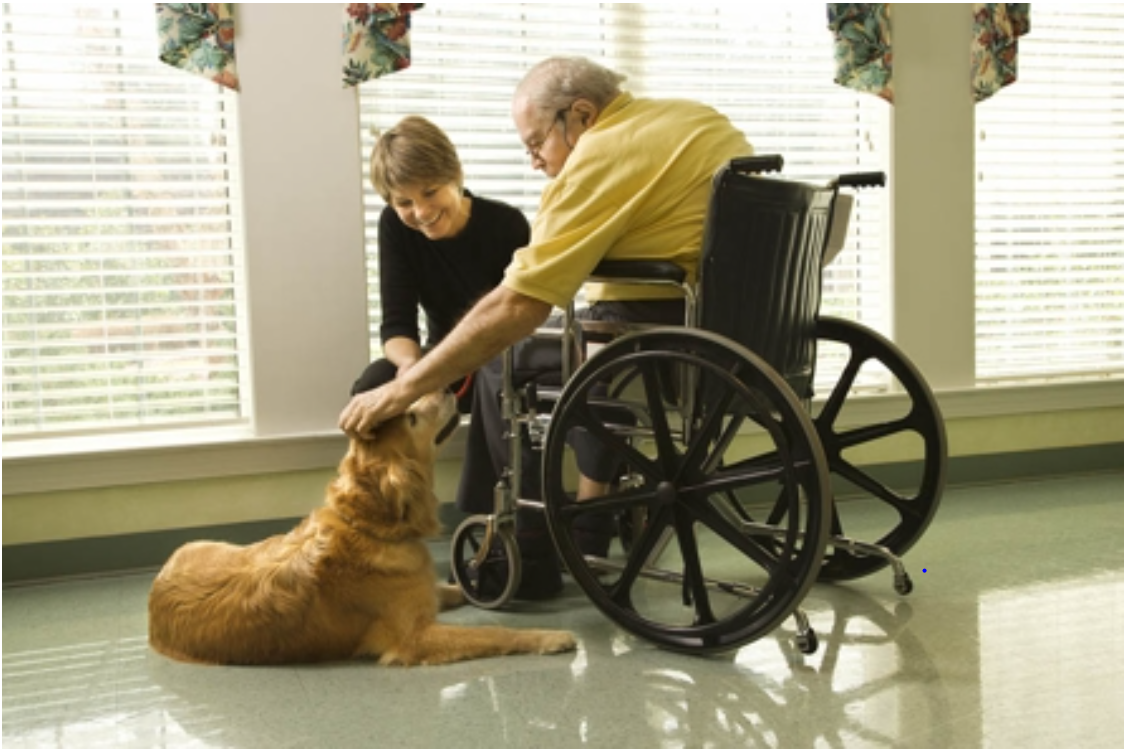
A furry friend to cuddle and play with can sometimes feel like the cure for any illness. A wagging tail greeting you when you walk through the door or the calming purrs of a contented cat on your lap can be just what you need after a long day. The loyalty and companionship of a devoted pet has many benefits for the average adult and even more benefits for the elderly. If pet ownership is not possible for an elderly person for one reason or another, they can certainly consider pet therapy.

What is pet therapy for the elderly?

Pet therapy, which is sometimes also known as animal-assisted therapy, is a type of therapy that uses pets as a form of companionship and treatment. The animals interact with the seniors in ways that help improve their quality of life. The idea of a dog or cat improving the quality of an elderly person’s life may sound a bit difficult to believe, especially if you are not a pet person yourself. But research has actually shown a variety of benefits of pet therapy for the elderly.

Benefits of Pet Therapy for Seniors

Pet therapy benefits for the elderly are numerous. Many seniors find themselves suffering from loneliness or depression. Perhaps their spouse has passed and they live alone. Perhaps they live in an assisted living facility and their family simply cannot visit very often. A pet can offer companionship and bring a lonely or depressed senior out of their shell. Having something to pet or touch can result in a lower heart rate and reduced stress. Walking a dog, even for a short time, increases mobility and gives a senior a reason to get up and out of the house. Just being near an animal to care for, even if the senior does not own the pet personally, can give them a sense of purpose and make them feel needed. Interacting with a therapy pet can provide mental stimulation as well. The senior may interact with the pet handler.

The therapy pet may also remind them of a pet they knew earlier in their life. Several positive impacts have been noticed when using pet therapy for dementia patients. Dementia patients may have a difficult time communicating with others. Often these patients feel more comfortable communicating with a pet. There is no fear of judgment or worry that the pet will not understand. They will simply listen and provide unbiased affection.

The benefits of pet therapy for older adults should not be overlooked. You can find pet therapy near you by visiting https://www.therapydogs.com/alliance-therapy-dogs/ or https://www.pawsforpeople.org/. A quick google search can also find local pet therapy organizations, which are growing in number and popularity. Help a senior near you spend some time with a furry friend and reap the benefits. To learn more about our home care services, call Griswold Home Care of Anoka today at 763-325-1950 or visit us at https://www.griswoldhomecare.com/anoka-county

Other Articles You May Like

Can Family Members Get Paid to Care for Aging Parents

Learn how Minnesota family members may be able to receive payment for caring for an aging parent through self-directed care and how PICS helps families manage the process. For many Minnesota families, caring for an aging parent begins gradually.Maybe you start by picking up groceries once a week. Then you begin driving Mom to medical appointments, organizing medications or helping with laundry. Before long, you may be preparing meals, helping with personal care, checking in every day and rearranging your own work schedule around your parent's needs.At some point, many families ask an important question:Can a family member actually get paid for providing this care?In Minnesota, the answer may be yes.Depending on your loved one's needs, financial eligibility and the program they qualify for, certain self-directed care programs can allow family members or other trusted individuals to be paid for providing approved caregiving services.For families trying to help an older adult remain safely at home, understanding these options can make a significant difference.What Is Self-Directed Care?Traditional home care usually involves an agency hiring caregivers and determining who will provide services.Self-directed care works differently.It gives the person receiving services or an authorized representative greater control over how care is provided. Depending on the program, participants may be able to select their caregivers, help determine schedules and decide how approved funds are used to meet their individual needs.That caregiver might be someone the older adult already knows and trusts.In some situations, it can be an adult child, grandchild, spouse, other relative, friend or neighbor.For an older adult who wants to remain in familiar surroundings, receiving help from someone they already know can provide both practical assistance and peace of mind.Minnesota Programs Can Help Seniors Remain at HomeMinnesota offers several programs designed to help eligible older adults and people with disabilities receive services in their homes and communities rather than moving into institutional care.One important option is Consumer Directed Community Supports (CDCS).CDCS is available through certain Minnesota Home and Community-Based Services waiver programs. It allows participants to develop an individualized plan for using an approved budget to support their independence at home and in the community.For adults age 65 and older, CDCS may be available through programs such as Minnesota's Elderly Waiver (EW) and Alternative Care (AC) programs.Both EW and AC are designed for adults 65 and older who meet a nursing-home level of care but want to continue living in their homes and communities.Depending upon the individual's approved plan, services may include caregiving, homemaking, meals, respite, transportation, personal emergency response systems, chore services, certain home modifications and other supports.Most importantly for many families, CDCS may allow approved funds to be used to pay certain family members or other trusted individuals for caregiving.Could an Adult Child Be Paid to Care for a Parent?Potentially, yes.Under CDCS, approved caregivers can include adult children and grandchildren who provide care for an aging family member. Other trusted people, including friends and neighbors, may also be eligible to become paid caregivers.Spouses may also be able to provide paid caregiving under applicable self-directed programs, although specific rules depend on the program and circumstances.Another Minnesota program families may encounter is Community First Services and Supports (CFSS).CFSS is Minnesota's newer home-care program that is replacing Personal Care Assistance (PCA) and Consumer Support Grant (CSG) services as participants transition through their annual assessments.CFSS provides additional self-directed options, and under certain circumstances spouses can provide paid caregiving services.Because every person's eligibility and service plan are different, families should not assume that caregiving will automatically qualify for payment. An assessment and approved service plan are required.Why Paying Family Caregivers Can MatterFamily caregivers often provide an enormous amount of unpaid assistance.A daughter may reduce her hours at work so she can help her father several afternoons each week. A son may drive across town every morning to prepare breakfast and make sure medications are taken. A spouse may spend much of the day helping with dressing, bathing, meals and mobility.Families frequently do these things because they love the person they're caring for.But caregiving also has a financial impact.Work hours may be reduced. Careers can be interrupted. Transportation costs increase. Caregivers may find themselves balancing their own children, household responsibilities and finances while also caring for an aging parent.When an eligible program allows a family member to become a paid caregiver, it recognizes that caregiving is real work.It can also make it more realistic for a family to continue supporting a loved one at home.Where Does PICS Fit Into This?This is where PICS Partners in Community Supports can help.PICS is a Minnesota nonprofit organization and a subsidiary of Lutheran Social Service of Minnesota. It has provided self-directed care support to Minnesota individuals and families since 1999.PICS serves as a Financial Management Service (FMS) provider.That sounds complicated, but the idea is fairly simple.When a family chooses a self-directed program, someone still needs to handle the administrative and financial responsibilities associated with employing caregivers and using government-approved funds.PICS helps participants with responsibilities such as:Hiring and staffingProcessing caregiver payrollProcessing approved expense reimbursementsAccounting and financial reportingTax and revenue informationBudget trackingTraining and other employment-related requirementsInstead of families trying to figure out payroll, taxes, reporting requirements and reimbursement procedures themselves, PICS helps manage those details.That allows families to spend more time focused on what matters most supporting the person they love.Choice Can Be an Important Part of Aging in PlaceFor many older adults, remaining at home isn't simply about staying in a particular house.It's about maintaining independence, routine, dignity and connection to their community.Being able to choose who comes into the home can be especially important.Some seniors may be uncomfortable having an unfamiliar caregiver assist with personal tasks. Others may have language, cultural or communication preferences. And some simply feel safer receiving help from someone they've known for years.Self-directed services can give eligible individuals more control over these decisions.Instead of fitting the person into a predetermined care arrangement, the goal is to build supports around the person's individual needs.How Does a Minnesota Family Get Started?The first step is determining whether the person needing care qualifies for an applicable Minnesota program.For older adults, this may involve eligibility for Minnesota Medical Assistance and the Elderly Waiver or determining whether the individual qualifies for the Alternative Care program.An assessment is generally required to determine the person's needs and eligibility.Families can begin by contacting their county or Minnesota's Senior LinkAge Line to learn about available programs and the assessment process.If a self-directed program such as CDCS or CFSS is appropriate, the participant will work with the necessary care professionals to develop an approved service plan and select service providers.PICS can then help families navigate the financial-management side of self-directed services.Don't Assume Your Family Doesn't QualifyOne of the biggest mistakes families can make is assuming these programs aren't available to them.If you're already spending significant time caring for a parent, spouse or other loved one, it is worth asking what Minnesota programs may be available.You may discover options that help your loved one remain at home while providing additional support for the people who are already helping them.Every situation is different, and eligibility is never automatic. But asking the question is an important first step.Frequently Asked QuestionsCan I get paid to take care of my elderly parent in Minnesota?Possibly. Certain Minnesota self-directed programs may allow eligible family members, including adult children, to be paid for approved caregiving services. The person receiving care must qualify for the applicable program, and the services must be part of an approved plan.Can a senior choose his or her own caregiver?Self-directed programs are designed to give participants greater choice and control over their services. Depending on the program, participants may be able to select family members, friends or other trusted individuals as caregivers.Does PICS determine whether my parent qualifies for Medicaid or an Elderly Waiver?No. Program eligibility is determined through Minnesota's applicable state, county and assessment processes. PICS serves as a Financial Management Service provider for people participating in eligible self-directed programs.What does PICS do once a family is enrolled?Depending upon the program, PICS can assist with caregiver hiring and staffing, payroll, reimbursements, accounting, reporting, taxes, training and budget management.Where can families learn more?Minnesota families interested in self-directed care can contact their county, Senior LinkAge Line or appropriate care coordinator to learn about eligibility and available programs. Families can also contact PICS to learn more about the self-directed programs and Financial Management Services they support.More Choice. More Support. More Independence.Caring for an aging loved one can be rewarding, but it can also require an enormous commitment of time, energy and financial resources.Minnesota families may have more options than they realize.For eligible older adults, self-directed care can provide greater choice over who provides assistance and how approved services are delivered. For family caregivers, it may also create an opportunity to receive compensation for caregiving they are already providing.PICS Partners in Community Supports helps Minnesota families manage the financial and administrative details of self-directed care so they can focus on helping their loved ones live safely and independently at home.Learn more about PICS and explore resources for Minnesota seniors and caregivers through Seniors Blue Book.  For more information contact us at  888.874.7427 or visit our website at  https://pics.lssmn.org/

When Family Caregivers Need a Break Too

When someone you love needs help, stepping in often feels natural.You pick up groceries. Drive Mom to a doctor's appointment. Stop by Dad's house to make dinner. Help with laundry. Call in the morning to make sure medications were taken. Check again at night to be sure everything is okay.At first, these things may not feel like "caregiving."They're simply what families do.But over time, a few helpful tasks can quietly turn into a second job.And somewhere along the way, the caregiver's own needs can begin moving further and further down the list.Family Caregiving Can Be Rewarding and ExhaustingCaring for an aging parent or spouse can be one of life's most meaningful roles.It can also be physically and emotionally demanding.Many family caregivers are balancing several responsibilities at once. They may be working, raising children, managing their own household and trying to maintain relationships while also caring for an aging loved one.There may be appointments to coordinate, meals to prepare, medications to remember, household chores to complete and important decisions to make.And even when the caregiver isn't physically with their loved one, the worry doesn't necessarily stop.Did Mom eat today?Did Dad remember his appointment?What if she falls when I'm not there?Should I stop by again tonight?That constant responsibility can take a toll.Watch for Signs of Caregiver BurnoutCaregiver stress doesn't always arrive dramatically.Like many changes associated with aging, it can happen gradually.You may begin feeling more tired than usual. You might become impatient over small things or have difficulty sleeping because your mind won't shut off.You may stop exercising, seeing friends or doing activities you once enjoyed because there simply isn't enough time.Some caregivers begin feeling resentful and then immediately feel guilty for feeling that way.These emotions don't mean you don't love the person you're caring for.They may simply mean you need support, too.What Is Respite Care?Respite care provides temporary assistance for an older adult so the primary family caregiver can step away for a period of time.That break might be used to go to work, attend an appointment, spend time with friends, exercise, run errands or simply rest.For some families, respite care may mean having professional assistance for a few hours each week.For others, it may be used occasionally when the regular caregiver has another commitment or simply needs some time away.The purpose is simple:Give family caregivers time to recharge while knowing their loved one is receiving compassionate care at home.Taking a Break Is Part of a Sustainable Care PlanFamily caregivers sometimes feel guilty about asking for help.They may think:"I should be able to handle this."Or:"Mom doesn't want anyone else helping her."But caregiving shouldn't depend on one person doing everything indefinitely.Think about it another way.If you become exhausted, overwhelmed or ill, who will provide the care?Building additional support into the plan can help make caregiving more sustainable over the long term.It also gives the older adult an opportunity to develop a relationship with another trusted caregiver before an emergency occurs.Respite Care Can Benefit the Older Adult, TooRespite care isn't only about helping the family caregiver.It can also be good for the person receiving care.A Comfort Keepers caregiver can provide companionship and conversation while assisting with everyday activities such as meal preparation, light housekeeping, personal care and transportation.Depending on the individual's interests and abilities, the visit might also include taking a walk, playing cards, working on a puzzle, listening to music or simply enjoying a cup of coffee and conversation.This fits naturally with Comfort Keepers' Interactive Caregiving philosophy encouraging older adults to remain involved and engaged in everyday life.Instead of simply having someone "watch" Mom or Dad, respite care can become another source of companionship and meaningful interaction.Start Before You're Completely ExhaustedFamilies often wait too long to ask for help.They wait until the caregiver is overwhelmed.Or until Mom falls.Or Dad is hospitalized.Or someone simply can't keep up anymore.But home care doesn't have to begin with a crisis.Introducing a caregiver earlier can make the transition easier for everyone.Perhaps start with a few hours while the family caregiver runs errands or attends an appointment.Over time, the older adult may begin looking forward to the caregiver's visits.And the family caregiver may discover something equally important:It's okay to step away.Use Your Break for Something That Restores YouIf you arrange respite care, try not to fill every minute with more responsibilities.Yes, there will always be errands.But sometimes the best use of a break is something simple.Have lunch with a friend.Take a walk.Read a book.Go to your own medical appointment.Spend time with your spouse.Play with your grandchildren.Or take an afternoon nap without worrying that someone needs you.Caregivers need opportunities to simply be themselves again.You Can Still Be the Caregiver Without Doing EverythingBringing professional home care into the picture doesn't replace the family.It supports the family.You still know your parent's history, personality, preferences and routines better than anyone.You are still the daughter, son, spouse or trusted family member.But you don't necessarily have to be the cook, driver, housekeeper, companion and caregiver every hour of every day.Sometimes accepting help allows families to reclaim something caregiving can unintentionally take away:the relationship itself.Instead of spending every visit working through a list of chores, you may once again have time to simply sit with Mom.Talk with Dad.Look through photographs.Share a meal.Laugh together.And simply be family.Caring for the Caregiver MattersGood caregiving isn't measured by how much one person can handle alone.It's about creating a support system that works for both the older adult and the people who love them.Comfort Keepers serving Osseo and surrounding Twin Cities communities provides personalized in-home care and respite support that can give family caregivers time to rest and recharge while their loved one receives compassionate assistance at home.Because sometimes the best way to continue caring for someone else is to make sure you're caring for yourself, too.Learn more about Comfort Keepers and additional Minnesota senior resources through Seniors Blue Book, or call Comfort Keepers at 763-273-4207.  

More Than Care: Creating Brighter Days at Home

Discover how Comfort Keepers' Interactive Caregiving approach helps Minnesota seniors stay active, engaged and independent while aging at home.When families first begin looking into home care for an aging parent, they often think about the practical things.Who can help Mom prepare lunch? Who can drive Dad to an appointment? Who can help with laundry, grocery shopping or the everyday tasks that are becoming more difficult?Those things matter. But good home care can be about much more than completing a list of chores.For older adults, the way help is provided can make an enormous difference.Having someone prepare a meal is helpful. Preparing that meal together, talking about a favorite recipe and sitting down to enjoy it together can turn an ordinary task into a meaningful part of the day.That idea is at the heart of Comfort Keepers' approach to in-home care.Doing With, Not Just Doing ForComfort Keepers calls its approach Interactive Caregiving.The philosophy is simple: whenever possible, caregivers do things with older adults rather than simply doing everything for them.Why does that matter?Because independence isn't only about whether someone can live alone. It is also about continuing to make choices, participate in everyday life and feel a sense of purpose.Imagine an older adult who has always enjoyed cooking but can no longer safely prepare an entire meal alone.A caregiver could simply make dinner.Or the caregiver could invite that person to choose the recipe, wash vegetables, stir ingredients, set the table or share stories about meals they used to make for their family.The task gets accomplished either way.But the experience is completely different.Everyday Activities Can Have MeaningSome of the best moments don't require elaborate activities.They happen during ordinary days.Folding towels together can spark a conversation.Looking through an old photo album can bring back wonderful memories.A trip to the grocery store can provide exercise, social interaction and a chance to get out of the house.Listening to favorite music can brighten an afternoon.Working on a puzzle, taking a short walk or watering plants can provide stimulation and a sense of accomplishment.For many older adults, these seemingly small moments help create structure and purpose in the day.That's particularly important for someone who may no longer drive, work, attend as many social activities or see friends as frequently as they once did.Companionship Is Part of CareLoneliness can sometimes develop quietly.An older adult may still be living successfully at home, but the days can become increasingly isolated.Friends move away. A spouse may have passed away. Driving becomes difficult. Winter weather in Minnesota can make getting out even harder.Eventually, someone who once had a busy social life may spend much of the day alone.Companion care can help provide something families sometimes underestimate: regular human connection.Comfort Keepers caregivers can spend time talking with clients, sharing meals, playing games, listening to music, taking walks and helping seniors remain involved in activities they enjoy. The Osseo Comfort Keepers office also provides assistance with errands and transportation to appointments and social activities.Sometimes the most important part of a caregiver's visit isn't what gets checked off a list.It's the conversation that happens along the way.Maintaining Routines Can Help Preserve IndependenceMost of us have routines that make our days feel normal.We drink coffee in a favorite chair.We read the newspaper in the morning.We feed the dog at a certain time.We go to the same grocery store or attend the same church.As people age, maintaining familiar routines can become increasingly important.Home care can provide enough assistance to help older adults continue those routines rather than giving them up simply because certain parts have become difficult.For example, someone who no longer feels comfortable driving doesn't necessarily have to stop meeting a friend for lunch.Someone who needs help walking doesn't necessarily have to stop enjoying the backyard.Someone who struggles with meal preparation doesn't have to give up favorite foods.The right assistance can help bridge the gap between "I can't do that anymore" and "I can still do this with a little help."Personalized Care MattersNo two older adults are exactly alike.One person may love conversation and outings. Another may prefer gardening, music or quiet afternoons doing puzzles.Some people need help primarily with companionship and household tasks. Others may also need personal care, mobility assistance or more frequent support.That's why effective home care should never feel one-size-fits-all.Comfort Keepers develops individualized care plans around each client's needs and can provide services ranging from companionship and meal preparation to transportation, personal care, respite care and more extensive assistance.The goal is to provide the right amount of help while encouraging the older adult to remain involved in their own life.Families Benefit From the Relationship, TooAdult children often carry a tremendous amount of responsibility.They may be coordinating appointments, shopping for groceries, checking medications, helping around the house and calling several times a day to make sure everything is okay.And they're doing all of this while managing their own jobs, children, spouses and responsibilities.Professional home care can provide another trusted person in the older adult's life.That support can give family members greater peace of mind while also allowing their time together to feel more like family time again.Instead of every visit revolving around chores, there may be more time to simply sit down, talk and enjoy one another.Creating Brighter Days at HomeAging at home successfully isn't just about being safe.Quality of life matters, too.It means continuing to laugh.Continuing to participate.Continuing to make choices.Continuing to enjoy favorite activities.And continuing to feel like yourself.Sometimes, a little assistance is what makes those things possible.Comfort Keepers of Osseo serves older adults and families throughout Osseo, Maple Grove, Plymouth, Brooklyn Park and surrounding Minnesota communities with personalized in-home care designed to support independence, engagement and meaningful everyday moments.Because at its best, home care isn't simply about helping someone get through the day.It's about helping make the day worth looking forward to.Learn more about Comfort Keepers and find additional Minnesota senior resources through Seniors Blue Book or call us at 763-273-4207.  

Local Services By This Author

Griswold Care

Personal Care Assistance 224 East Main Street, Ste 201, Anoka, Minnesota, 55303

Dignified Support for Daily Living: Personal Care Services from Griswold Home CareAs people age or face health challenges, everyday personal care tasks can become increasingly difficult. Activities that were once routine bathing, dressing, grooming, or moving safely around the home may require assistance. For many individuals, accepting help with these deeply personal tasks can feel overwhelming or uncomfortable. Griswold Home Care understands this reality and approaches personal care services with respect, dignity, and compassion at the forefront.Griswolds personal care services are designed to support individuals in maintaining independence, comfort, and confidence while remaining safely at home. By combining skilled assistance with a human-centered approach, Griswold helps clients live with dignity and families gain peace of mind.What Are Personal Care Services?Personal care services are a core component of non-medical home care. They focus on hands-on assistance with activities of daily living (ADLs) the essential tasks people must perform each day to care for themselves.Unlike medical or nursing care, personal care does not involve clinical treatments or medical procedures. Instead, it provides practical, physical support delivered by trained caregivers who prioritize safety, privacy, and respect.For many seniors and adults with disabilities, personal care services make the difference between struggling alone and living comfortably at home.A Person-Centered Approach to CareAt Griswold Home Care, personal care services are never one-size-fits-all. Every individual has unique needs, preferences, routines, and comfort levels. Griswold caregivers take the time to understand each clients lifestyle and personal wishes, ensuring care feels supportive not intrusive.Care plans are developed collaboratively with clients and families and are adjusted as needs change. This flexibility ensures clients receive the right level of assistance while maintaining as much independence as possible.Core Personal Care Services Offered by GriswoldGriswold Home Care provides a wide range of personal care services that support safety, hygiene, and daily comfort: Bathing and Hygiene AssistanceBathing can become one of the most challenging and risky activities for older adults. Slippery surfaces, limited mobility, and balance issues increase the risk of falls. Griswold caregivers provide respectful assistance with:Bathing and showeringSponge bathsOral hygieneSkincare routinesCaregivers prioritize privacy and dignity while ensuring safety and comfort during each interaction. Dressing and Grooming SupportChoosing clothing, fastening buttons, or tying shoes can be difficult due to arthritis, limited mobility, or weakness. Personal care services include assistance with:Dressing and undressingGrooming and hair careShaving and nail care (non-medical)Maintaining a neat and comfortable appearanceThese services help clients feel confident, presentable, and ready for the day. Toileting and Incontinence CareGriswold caregivers assist clients with toileting needs in a discreet and respectful manner. This may include:Assistance with bathroom useIncontinence care and hygieneChanging briefs or protective garmentsMonitoring for comfort and cleanlinessProper support in this area is essential for both physical health and emotional well-being. Mobility and Transfer AssistanceMaintaining safe mobility within the home is critical for independence and fall prevention. Griswold caregivers assist with:Walking and repositioningTransfers from bed to chair or wheelchairUse of mobility aids such as walkers or canesGentle reminders and supervision for safetyThis support allows clients to move with greater confidence and reduces the risk of injury. Medication RemindersWhile Griswold caregivers do not administer medications, they can provide medication reminders to help clients stay on schedule. This support promotes consistency and adherence, especially for individuals managing multiple prescriptions.Medication reminders are an important part of daily routines and overall health management.Supporting Independence, Not Replacing ItOne of the key philosophies behind Griswolds personal care services is supporting independence rather than taking it away. Caregivers encourage clients to do as much as they can safely on their own while offering assistance only where needed.This balanced approach helps preserve:Physical abilitiesConfidence and self-esteemEmotional well-beingA sense of control over daily lifeFor many clients, this encouragement makes personal care a collaborative process rather than a loss of independence.Personal Care for Changing and Complex NeedsPersonal care needs often evolve over time. Griswold Home Care supports individuals in a wide range of situations, including:Aging-related mobility changesPost-surgery or post-hospital recoveryChronic conditions such as arthritis or Parkinsons diseaseCognitive decline or dementiaTemporary illness or injuryCare plans are adjusted as conditions change, ensuring care remains appropriate and responsive.Reducing Stress for Family CaregiversFamily caregivers frequently take on personal care responsibilities for loved ones a role that can be physically demanding and emotionally challenging. Griswolds personal care services provide essential relief by sharing this responsibility with trained professionals.This support helps family members:Avoid caregiver burnoutMaintain healthier relationshipsFocus on emotional connection rather than physical tasksFeel confident that care is being delivered safely and respectfullyKnowing a trusted caregiver is providing personal care brings peace of mind to families and loved ones alike.Compassion That Makes a DifferenceWhat truly sets Griswold Home Care apart is the compassion caregivers bring to every interaction. Personal care tasks are deeply personal, and Griswold caregivers approach them with empathy, patience, and professionalism.Caregivers are trained to communicate clearly, respect boundaries, and adapt their approach based on comfort levels. Over time, many clients develop strong bonds with their caregivers, built on trust and mutual respect.Personal Care as Part of a Holistic Care PlanPersonal care services are often combined with other Griswold offerings, such as:CompanionshipHomemaking servicesTransportation supportRespite careOvernight or live-in careThis integrated approach ensures the individuals physical, emotional, and environmental needs are all supported creating a well-rounded care experience.A Trusted Name in Personal Home CareWith decades of experience in non-medical home care, Griswold Home Care is recognized nationwide for its commitment to dignity, quality, and personalized service. Personal care services reflect this commitment by helping individuals live comfortably, safely, and confidently at home.Families trust Griswold because care goes beyond tasks its about preserving dignity, fostering independence, and supporting quality of life every day.Conclusion: Respectful Care That Supports Everyday LivingPersonal care services are among the most essential forms of in-home support. When delivered with compassion and professionalism, they empower individuals to live with confidence and dignity in their own homes.Through personalized personal care services, Griswold Home Care helps clients navigate daily life safely while maintaining independence and comfort. For families seeking trusted, respectful support for themselves or a loved one, Griswolds personal care services provide reassurance, relief, and a higher quality of life right at home.

Griswold Care

Personal Care Assistance 7035 Wayzata Boulevard, Unit C, St. Louis Park, Minnesota, 55426

Dignified Support for Daily Living: Personal Care Services from Griswold Home CareAs people age or face health challenges, everyday personal care tasks can become increasingly difficult. Activities that were once routine bathing, dressing, grooming, or moving safely around the home may require assistance. For many individuals, accepting help with these deeply personal tasks can feel overwhelming or uncomfortable. Griswold Home Care understands this reality and approaches personal care services with respect, dignity, and compassion at the forefront.Griswolds personal care services are designed to support individuals in maintaining independence, comfort, and confidence while remaining safely at home. By combining skilled assistance with a human-centered approach, Griswold helps clients live with dignity and families gain peace of mind.What Are Personal Care Services?Personal care services are a core component of non-medical home care. They focus on hands-on assistance with activities of daily living (ADLs) the essential tasks people must perform each day to care for themselves.Unlike medical or nursing care, personal care does not involve clinical treatments or medical procedures. Instead, it provides practical, physical support delivered by trained caregivers who prioritize safety, privacy, and respect.For many seniors and adults with disabilities, personal care services make the difference between struggling alone and living comfortably at home.A Person-Centered Approach to CareAt Griswold Home Care, personal care services are never one-size-fits-all. Every individual has unique needs, preferences, routines, and comfort levels. Griswold caregivers take the time to understand each clients lifestyle and personal wishes, ensuring care feels supportive not intrusive.Care plans are developed collaboratively with clients and families and are adjusted as needs change. This flexibility ensures clients receive the right level of assistance while maintaining as much independence as possible.Core Personal Care Services Offered by GriswoldGriswold Home Care provides a wide range of personal care services that support safety, hygiene, and daily comfort: Bathing and Hygiene AssistanceBathing can become one of the most challenging and risky activities for older adults. Slippery surfaces, limited mobility, and balance issues increase the risk of falls. Griswold caregivers provide respectful assistance with:Bathing and showeringSponge bathsOral hygieneSkincare routinesCaregivers prioritize privacy and dignity while ensuring safety and comfort during each interaction. Dressing and Grooming SupportChoosing clothing, fastening buttons, or tying shoes can be difficult due to arthritis, limited mobility, or weakness. Personal care services include assistance with:Dressing and undressingGrooming and hair careShaving and nail care (non-medical)Maintaining a neat and comfortable appearanceThese services help clients feel confident, presentable, and ready for the day. Toileting and Incontinence CareGriswold caregivers assist clients with toileting needs in a discreet and respectful manner. This may include:Assistance with bathroom useIncontinence care and hygieneChanging briefs or protective garmentsMonitoring for comfort and cleanlinessProper support in this area is essential for both physical health and emotional well-being. Mobility and Transfer AssistanceMaintaining safe mobility within the home is critical for independence and fall prevention. Griswold caregivers assist with:Walking and repositioningTransfers from bed to chair or wheelchairUse of mobility aids such as walkers or canesGentle reminders and supervision for safetyThis support allows clients to move with greater confidence and reduces the risk of injury. Medication RemindersWhile Griswold caregivers do not administer medications, they can provide medication reminders to help clients stay on schedule. This support promotes consistency and adherence, especially for individuals managing multiple prescriptions.Medication reminders are an important part of daily routines and overall health management.Supporting Independence, Not Replacing ItOne of the key philosophies behind Griswolds personal care services is supporting independence rather than taking it away. Caregivers encourage clients to do as much as they can safely on their own while offering assistance only where needed.This balanced approach helps preserve:Physical abilitiesConfidence and self-esteemEmotional well-beingA sense of control over daily lifeFor many clients, this encouragement makes personal care a collaborative process rather than a loss of independence.Personal Care for Changing and Complex NeedsPersonal care needs often evolve over time. Griswold Home Care supports individuals in a wide range of situations, including:Aging-related mobility changesPost-surgery or post-hospital recoveryChronic conditions such as arthritis or Parkinsons diseaseCognitive decline or dementiaTemporary illness or injuryCare plans are adjusted as conditions change, ensuring care remains appropriate and responsive.Reducing Stress for Family CaregiversFamily caregivers frequently take on personal care responsibilities for loved ones a role that can be physically demanding and emotionally challenging. Griswolds personal care services provide essential relief by sharing this responsibility with trained professionals.This support helps family members:Avoid caregiver burnoutMaintain healthier relationshipsFocus on emotional connection rather than physical tasksFeel confident that care is being delivered safely and respectfullyKnowing a trusted caregiver is providing personal care brings peace of mind to families and loved ones alike.Compassion That Makes a DifferenceWhat truly sets Griswold Home Care apart is the compassion caregivers bring to every interaction. Personal care tasks are deeply personal, and Griswold caregivers approach them with empathy, patience, and professionalism.Caregivers are trained to communicate clearly, respect boundaries, and adapt their approach based on comfort levels. Over time, many clients develop strong bonds with their caregivers, built on trust and mutual respect.Personal Care as Part of a Holistic Care PlanPersonal care services are often combined with other Griswold offerings, such as:CompanionshipHomemaking servicesTransportation supportRespite careOvernight or live-in careThis integrated approach ensures the individuals physical, emotional, and environmental needs are all supported creating a well-rounded care experience.A Trusted Name in Personal Home CareWith decades of experience in non-medical home care, Griswold Home Care is recognized nationwide for its commitment to dignity, quality, and personalized service. Personal care services reflect this commitment by helping individuals live comfortably, safely, and confidently at home.Families trust Griswold because care goes beyond tasks its about preserving dignity, fostering independence, and supporting quality of life every day.Conclusion: Respectful Care That Supports Everyday LivingPersonal care services are among the most essential forms of in-home support. When delivered with compassion and professionalism, they empower individuals to live with confidence and dignity in their own homes.Through personalized personal care services, Griswold Home Care helps clients navigate daily life safely while maintaining independence and comfort. For families seeking trusted, respectful support for themselves or a loved one, Griswolds personal care services provide reassurance, relief, and a higher quality of life right at home.

Griswold Care

Transportation 7035 Wayzata Boulevard, Unit C, St. Louis Park, Minnesota, 55426

Keeping Loved Ones Mobile and Connected: Transportation Services at Griswold Home Care Greater Twin CitiesStaying connected to the world outside the home is a vital part of aging well yet transportation can become a significant challenge as mobility changes, driving stops, or health needs increase. For many older adults and individuals with physical limitations, getting where they need to go safely and reliably is more than a convenience; its fundamental to maintaining independence, accessing healthcare, and preserving social engagement. Thats where transportation services from Griswold Home Care for The Greater Twin Cities come in offering compassionate, personalized assistance that helps clients remain active, engaged, and connected with life beyond their front door.Why Transportation Services MatterSenior transportation isnt just about getting from point A to point B. Its about freedom to attend medical appointments, to run errands, to visit friends and family, and to live life without unnecessary isolation. For many families, lack of transportation becomes a barrier to critical care, social participation, and routine tasks. Whether someone can no longer drive safely due to vision changes, chronic illness, mobility issues, or medication side effects, or a caregiver simply needs support managing logistics, reliable transportation services can make an immediate, tangible difference in daily life.With tailored transportation from Griswold Home Care, clients receive the help they need to get where theyre going not just physically, but with peace of mind and dignity.What Transportation Services Look Like at GriswoldAt Griswold Home Care, transportation is an extension of the agencys broader mission: enabling individuals to age in place comfortably and confidently. While their core service areas include personal care, companionship, homemaking, and respite care, transportation plays an integral role in supporting overall well-being and independence.Heres how Griswolds transportation services typically support clients and families: 1. Medical and Healthcare AppointmentsOne of the most common needs seniors face is getting to doctors appointments on time and safely. Griswold caregivers assist with transportation to and from:Routine check-upsSpecialist visitsPhysical therapy sessionsLab work and diagnostic appointmentsHospital follow-ups after proceduresThis isnt just a ride its assistance that includes help getting in and out of the car, navigating parking or facility entrances, and ensuring the client arrives calm and prepared. These services are especially valuable for individuals who may no longer be safe behind the wheel or who require support due to mobility limitations, cognitive challenges, or post-surgical recovery. 2. Errands and Daily TasksTransportation isnt limited to medical care. Griswold caregivers can also assist clients with errands such as:Grocery shoppingPicking up prescriptionsAttending community eventsBanking and bill-pay appointmentsVisiting the library or post officeThese outings do more than accomplish tasks they keep clients connected to their communities, maintain normalcy in daily life routines, and support mental and emotional health through engagement and interaction. 3. Companionship During TravelMany older adults experience anxiety or discomfort traveling alone, especially if they no longer drive frequently. Griswolds transportation services pair care with companionship meaning caregivers dont simply drive clients, they engage with them:Conversing during the tripHelping with small tasks like carrying itemsOffering reassurance at unfamiliar locationsStaying with the client until they are safely settledThis human-centered approach transforms transportation from a chore into an empowering, confidence-building experience. 4. Flexible Scheduling to Fit Your LifeTransportation needs vary widely from person to person. Some clients need routine weekly appointments, while others require occasional, spontaneous support. Griswold Home Care works with families to develop a flexible plan that fits the individuals schedule whether thats a standing appointment every Tuesday or an occasional ride arranged with advance notice. This flexibility is especially important for caregivers juggling work, family obligations, and caregiving responsibilities.How Transportation Enhances Overall CareTransportation services at Griswold Home Care are more than standalone assistance they are an integral part of a broader care strategy designed to support whole-person wellness. Heres how these services connect with the bigger picture: Supporting Medical AdherenceAccess to medical appointments means better management of chronic conditions, improved follow-up care after surgeries, and timely preventative check-ins. Reliable transportation ensures that no appointment is missed due to lack of mobility a significant factor in long-term health outcomes. Reducing Caregiver BurdenFamily caregivers often shoulder the responsibility of driving their loved ones which can conflict with work schedules, personal commitments, or caregiving burnout. Transportation services give family members a break from this time-intensive task, allowing them to focus on quality time together rather than the logistics of getting there. This relief can help preserve family relationships and reduce stress. Preserving Independence and ConfidenceLoss of driving privileges can be emotional for older adults, equated with a loss of independence. Transportation support doesnt replace independence it extends it. Clients maintain control over their schedules and activities, strengthening confidence and a sense of autonomy.A Compassionate Approach Rooted in PersonalizationWhat sets Griswold Home Care apart is not just the services themselves, but the way they are delivered. Care professionals are selected for their empathy, respect, and ability to connect with clients on a human level. Transportation services are integrated seamlessly with other aspects of care from companionship and homemaking to personal care and respite ensuring continuity, comfort, and trust.Before transportation support begins, Griswold caregivers and care coordinators typically work with families to understand:The clients physical and cognitive needsPreferred routines and comfort levelsAny mobility assistance requirementsScheduling preferences and recurring needsThis individualized planning ensures that transportation is not generic, but tailored to the clients life and priorities.Real Impact on FamiliesFor many families, transportation services mean:No more worrying about missed appointmentsGreater independence for loved onesMore time for family to share meaningful momentsIncreased peace of mind knowing a trusted caregiver is presentWhether its the reassurance of a caregiver by their loved ones side, the relief of knowing theyll get to their appointment safely, or the joy of an afternoon outing, transportation services help keep life moving forward.Conclusion: Mobility that MattersIn-home care is about much more than assistance with daily tasks its about preserving dignity, sustaining independence, and fostering connection. Transportation services at Griswold Home Care for The Greater Twin Cities reflect this philosophy by offering compassionate, reliable, and personalized support that helps individuals navigate life beyond their front doors.For families seeking to support their loved ones with transportation to medical appointments, errands, social outings, or everyday tasks, Griswolds transportation services provide a dependable, human-centered solution that enhances quality of life and supports independence at every turn.