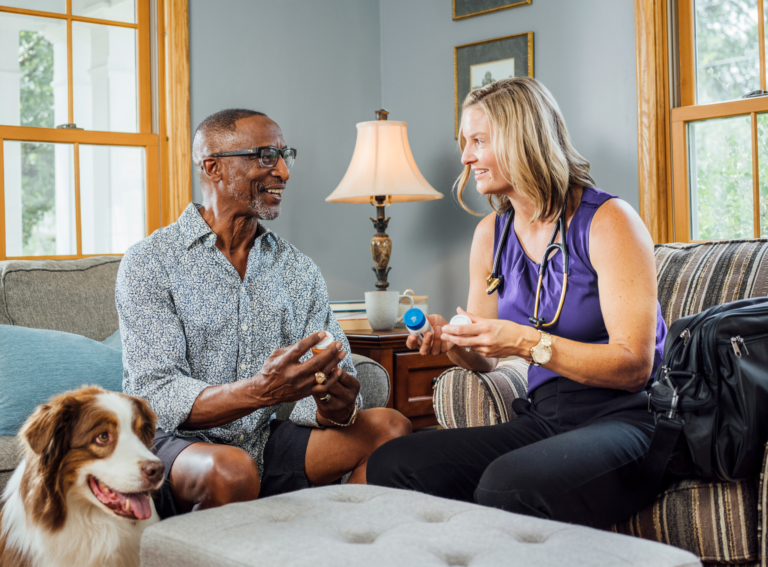
What is the Difference Between Skilled and Non-Skilled Home Care?

Author

LIFESPARK COMMUNITY HOME CARE

For more information about the author, click to view their website: Lifespark

Posted on

Sep 12, 2023

share-this
Share This

Has your senior loved one been diagnosed with a chronic health condition? Are they still recovering from major surgery or illness? You’re looking at your options between skilled and non-skilled home care services to find the best option for your loved one. In this article we will share the differences between both. 

What Is Non-Skilled In-Home Health Care?

Non-skilled in-home care refers to supportive home care including social care, domiciliary care, and other non-medical services. The term “non-skilled” is used to differentiate care from home healthcare services that patients may receive from a nurse or nursing assistant. 

Personal Care

  • Walking and wheelchair assistance
  • Bathing, grooming, and dressing assistance
  • Medication reminders
  • Fall prevention and personal safety
  • Status reports to family members
  • Incontinence and toilet assistance
  • 24/7 monitoring after hospitalization

Lifestyle Support

  • Housekeeping
  • Health and nutrition services
  • Meal preparation
  • Laundry and bedding
  • Groceries and errands
  • Transportation
  • Light exercise and outdoor activity
  • Community engagement
  • Companionship

What’s the Difference Between Skilled and Non-Skilled Care?

The difference between skilled and non-skilled care comes down to one factor – medical need. Skilled nurses provide medical assistance with medication, wound care, and other recovery and medical needs. Non-skilled, or home care, providers assist with the everyday care and needs of seniors. 

How Do I Know What Services My Senior Loved One Needs? 

Home health care, or skilled nursing, services are requested by your health care provider. If your senior’s doctor has indicated that they need in-home nursing services, we can work with the doctor and referral services to set up necessary appointments. 

Often, your loved one will need more than just home medical care, especially if they are recovering from surgery or managing a chronic illness. Our home health care aides can do it all – from managing medication injections to meal preparation and everything in between. At Caring Family, we tailor all of your senior’s home care and health care services to their needs. 

What Services Are Covered Through Medicare? 

Ensuring your loved one receives the care they need means asking one of the most difficult questions – how do we afford care? Fortunately, in-home health care is often more affordable than extended hospital stays or nursing homes. Many Medicare plans cover in-home health care, making it the ideal option to help your senior heal and recover their independence. You can learn more about Medicare and home healthcare here and at medicare.gov.

Does Medicare Cover Non-Skilled Home Care? 

Typically, Medicare does not cover home care. However, there are exceptions based on medical need and circumstances. For example, if your loved one needs personal care in addition to home health care services, some of those personal care needs may be covered by Medicare. Be sure to contact your insurance agent for more details. 

Are You Ready to Build Your Loved One’s Independence? 

Home care and home health care services help seniors regain and maintain their independence. Contact us today with questions and we will help you set up an appointment with one of our care experts. Call us at 952-345-8770 or our visit us at  www.lifespark.com. 

Other Articles You May Like

Navigating Holidays When Loved Ones Need Care BrightStar Care

Embracing the Holidays When Caregiving Enters the PictureThe holidays are often envisioned as a season of joy, family reunions, and cherished traditions. But when one of the loved ones requires ongoing care whether its a spouse, parent or older relative the festive season can bring unexpected stresses. BrightStar Care observes that caregivers and care-recipients frequently feel increased isolation, exhaustion and emotional strain during holiday times. This makes it all the more important to approach the season with flexibility, communication and realistic expectations so that the celebrations feel meaningful, manageable and inclusive for everyone involved.The Unique Holiday Challenges for Caregivers & FamiliesSome of the pressures caregivers and families face during the holidays include: Routines disrupted Extra visitors, different meal times, late nights or travel may interrupt the care-recipients typical schedule (meals, medications, rest).  Emotional undercurrents The holidays can heighten feelings of loss, changes in health or mobility, and remind loved ones of things they can no longer do.  Caregiver fatigue The added tasks of holiday prep, hosting or traveling layered on top of caregiving duties can quickly lead to burnout. Unseen pressure on the caregiver While others visit and celebrate, the primary caregiver may feel invisible or overwhelmed, especially when family guests dont fully understand the commitment involved.  Practical Strategies to Make the Holidays SmootherBrightStar Care offers several tips to help families and caregivers navigate the holidays with more ease and connection:  Give the caregiver a break: If the gathering is at the home of the care-recipient, consider taking over meal-prep, clean-up, decorating or hosting so the caregiver doesnt have to handle everything. Pre-plan tasks: Decorate ahead of time, shop early and consider bringing in an extra helping hand (e.g., in-home caregiver) to assist with tasks so the holiday doesnt overwhelm. Adjust traditions to suit the situation: Its okay to adapt. For example, hold the gathering at a time when the care-recipient is most alert, reduce the menu size, or shift to a simpler activity. Ask thoughtful visitor support: Encourage guests to check in with how the care-recipient is doing, help with transitions, and be flexible if schedules shift. Recognize the value of non-traditional gifts: Instead of only gift exchanges, consider offering respite hours, in-home help, yard work or support services all of which relieve ongoing stress.  Allow space for rest and routine: Make sure the care-recipient has a familiar quiet area, an opportunity to rest or withdraw if they become fatigued or overstimulated. Avoid surprise interventions during the gathering: If there are concerns about care, health or safety, schedule a separate time outside of the holiday swirl to talk it through.  Why It Matters for Families & Seniors These strategies help keep the holiday experience positive and inclusive rather than a time of stress or isolation. They honour the dignity of the care-recipient by adapting the pace, setting, and expectations to their current needs. They support the primary caregiver reinforcing that they arent alone, their work is seen, and its okay to set boundaries or ask for help. They build connection and memories that matter even if things dont look exactly like holiday past, meaningful moments can still happen. Final Thoughts The holidays dont have to be all or nothingthey dont need to reflect past versions of perfect celebrations. With thoughtful planning and adaptation, the season can still hold warmth, togetherness, and meaningful time. According to BrightStar Care, the key lies in planning ahead, inviting support, and embracing flexibility.  Contact Brightstar care for more information at 651-272-1592.   

Making Bathrooms Safer: 10 Essential Tips for Seniors

Bathrooms are among the most hazardous spaces in the home for older adults. According to data cited by BrightStar Care, each year many seniors are injured in their bathroomsespecially from falls, slips or scalds. Here are 10 practical steps you can take to make a bathroom safer, reduce risk and promote independence:1. Install Secure Grab BarsMount bolt-on grab bars in and around the tub/shower area and near the toilet. These give older adults something sturdy to hold onto when standing, sitting or entering/exiting the shower. 2. Use Non-Slip Mats or FlooringWet bathroom floors and slick shower/tub surfaces are major causes of falls. Use rubber-backed mats, non-slip decals or textured tiles to increase traction. 3. Keep the Floor Clean, Dry & ClearEven with traction enhancements, a floor with puddles, soap residue or clutter is risky. Wipe up water immediately, remove obstacles and keep the path clear to reduce fall-risk. 4. Ensure Proper LightingGood visibility mattersespecially for seniors whose vision or mobility may be changing. Use bright, consistent lighting and consider night-lights for late-night trips to the bathroom. 5. Raise the Toilet Seat if NeededFor someone with limited leg strength or joint pain, a raised toilet seat (and possibly one with arm supports) can make sitting and standing significantly safer. 6. Keep Frequently Used Items Within Easy ReachAvoid the need to stretch, bend or lean over to reach toiletries, towels, etc. Placing items at accessible height reduces the chance of imbalance or fall. 7. Use a Shower Chair or BenchStanding in a wet shower can be challenging. A sturdy shower chair or bench allows someone to sit while washing, reducing fatigue and risk of falling. 8. Consider a Walk-In Tub or Curbless ShowerTraditional tubs often require stepping over a high edgea hazardous maneuver. Walk-in tubs or curbless showers allow safer entry/exit and are especially useful for those with mobility limitations. 9. Prevent Scalds & Manage Water TemperatureSeniors may have less sensitive skin and slower reflexes, making them more vulnerable to burns. Set water heater temperature to safe levels (e.g., '120 F), install anti-scald devices and clearly mark hot/cold controls.10. Use an Emergency Alert or Medical DeviceEven with precautions, accidents can happen. A waterproof medical alert device (bracelet/necklace) or a reachable emergency button in the bathroom provides peace of mind and quicker response if a fall occurs.Why It Matters for Seniors & Their Caregivers Falls in bathrooms often lead to serious injuries for older adultsfractures, head injuries or hospitalizations.  Making thoughtful changes improves both safety and independencehelping seniors feel more confident in their homes. For caregivers, these changes reduce stress and create a smoother environment for daily routines. Practical Next Steps Start with a safety audit of the bathroom: look for slick floors, lighting issues, reach-challenges, or areas where support is needed. Prioritize one or two improvements you can implement right away (e.g., non-slip mat, grab bar). Then plan for larger changes if needed (e.g., walk-in shower). Consider professional help: a home-safety specialist or occupational therapist can assess specific needs, especially if mobility is declining. Engage your loved one in the processask what feels difficult or unsafe to them, and tailor changes to their comfort and routines. By applying these ten tips, you can significantly improve safety in one of the most critical rooms of the home. Its not just about avoiding accidentsits about preserving dignity, independence and peace of mind.  For more information contact 651-272-1592.  

Planning Ahead: Why Joining a Memory Care Waitlist Early Can Make a Big Difference

Planning Ahead: Why Joining a Memory Care Waitlist Early Can Make a Big DifferenceMoving a loved one into memory care is one of those decisions families often hope never comes and yet, when the time does arrive, the choices can feel urgent and overwhelming. According to Gianna Homes, joining a memory care waitlist early offers not just logistics, but peace of mind, better fit and smoother transitions. Gianna HomesWhy Early Planning MattersMemory loss often progresses gradually: missed bills, confusion about appointments, little signs that escalate. Gianna Homes points out that waiting for a crisissuch as a fall or hospitalisationto prompt a move often limits your choices to whichever facility has an open bed. Gianna Homes By contrast, planning ahead gives families breathing room: time to research memory care homes, visit spaces, ask questions, and choose based on fitnot just availability.Key Benefits of Joining a Waitlist EarlyGianna Homes outlines several advantages of early waitlist enrolment:  Peace of mind Knowing a place is lined up reduces stress and uncertainty for both you and your family. The right fit You can take the time to verify that the community aligns with your loved ones personality, preferences and care needs, rather than feeling forced to settle for whats available under pressure. Easier transition When a move is planned rather than rushed, the setting (home/environment) can feel more familiar and welcoming. Families already feel connected instead of being dropped in in crisis. Community connection in advance Being on the waitlist lets families begin engaging early: meeting staff, getting to know the atmosphere, and start making the transition more gradual and less jarring. How Gianna Homes Supports Families While on the WaitlistAt Gianna Homes, the waitlist isnt just a number in the queue. They keep families engaged, answer questions, support visits, and help build familiarity ahead of move-in day.  This early relationship helps the loved one feel comfortable sooner, and the family feel confident theyve made a thoughtful choice.What This Means for Families & SeniorsHere are a few practical take-aways for families reading this: Its okay to take the step to join a waitlist before a crisis. Doing so is proactive, not premature. Use the waitlist period to visit the community more than once, ask how staff interact, what daily life looks like, and how they support transitions. Use this time to prepare emotionally and logistically: discuss priorities, preferences, and what environment your loved one thrives in (quiet vs. social; garden vs. indoors; etc.). Recognise that when the time comes, a move to memory care is not just about care servicesits about comfort, dignity and choosing the environment where your loved one can thrive. Final Thoughts Joining a memory care waitlist early is one of those smart choices that quietly makes a big difference when it matters most. By taking action in advance, families give themselves space, choice, and calmrather than being forced into hurried decisions during a stressful time. Gianna Homes emphasises that waiting lists are not about eliminating uncertaintytheyre about replacing it with readiness, connection, and a sense of control.  Contact Gianna Homes at 952-443-6113 or visiti our website at www.giannahomes.org

Local Services By This Author

Lifespark Community Home Care

Memory & Dementia Care 5320 W 23rd St, Ste 130, Saint Louis Park, Minnesota, 55416

The Difference is Whole Person Senior Care Only from Lifespark!We all want a fulfilling life with the people and passions that bring us the most joy. Discovering those opportunities and helping them come alive for seniors and their families is what we do at Lifespark.Our approachisprovento help seniors live healthy and independent longer.The Ultimate In Home Care for Living Healthier and Happier

Lifespark Community Home Care

Personal Care Assistance 5320 W 23rd St, Ste 130, Saint Louis Park, Minnesota, 55416

With Lifespark COMPLETE, you get complete senior health services designed to keep you healthy at home, living a happy, sparked life all on your terms. This proactive approach is proven to keep you off the health care rollercoaster, helping you live a fuller, more independent life as you age.Get Started TodayWith Lifespark COMPLETE, you get complete senior health services designed to keep you healthy at home, living a happy, sparked life all on your terms. This proactive approach is proven to keep you off the health care rollercoaster, helping you live a fuller, more independent life as you age.Get Started TodayIt's ok to ask for help at any age. With Lifespark's Everyday Support, one call can get you connected to the services and resources you want. We are like your personal concierge - always ready to make your day easier with no obligation. Call now to connect with a Navigation Specialist: 952-345-0919 . Also visit us at lifespark.com. It's ok to ask for help at any age.  With Lifespark's Everyday Support, one call can get you connected to the services and resources you want.  We are like your personal concierge - always ready to make your day easier with no obligation.  Call now to connect with a Navigation Specialist:  952-345-0919 .  Also visit us at lifespark.com.

Lifespark Community Home Care

Care Management 5320 W 23rd St, Ste 130, Saint Louis Park, Minnesota, 55416

What Can We Do For You?We want you to live a sparked and independent life.  For that to happen, our passionate team works to understand your needs, wishes, and goals.  We are your life-long advocates, ready to connect you to the right team at the right time.  That is why we start with a free, no obligation consultation along with a start of care discovery by an RN Case Manager.  From there we offer:Ongoing Free Access to Lifespark's 24/7 Everyday Support ServicesCompanionship and Meaningful ActivitiesHomemakingTransportationSafety and SupervisionFall PreventionLive-In CaregivingMobilityMedication Assistance and RemindersSupport for clients with memory loss or dementiaSpecialty CarePersonal CareCall us today at 952-345-8770 or visit us at lifespark.com