Welcome to the Seniors Blue Book local home page for the Kansas City Metro Area. My name is Kirsten Brewer, your local Publisher and Partner at the Seniors Blue Book. Please let me know how we can help you! Whether you are looking for resources, looking to promote your business or just want to be aware of Senior Activities in the Kansas City Area, the Seniors Blue Book website is your go-to site for everything related to aging well and caring for your older loved ones. As industry professionals, your clients come from many different sources: the seniors themselves, their caregivers and other healthcare professionals. The Seniors Blue Book’s wide and diverse reach offers your business opportunities that other marketing mediums are simply unable to provide. Contact me to discuss a package that will maximize your return for your marketing dollars at 913.980.4082 or [email protected].
Sincerely, Kirsten Brewer

Browse through the most recent copy of your local SBB!
Click to view
Browse through the most recent copy of your local DPRN!
Click to view
.png)
.png)

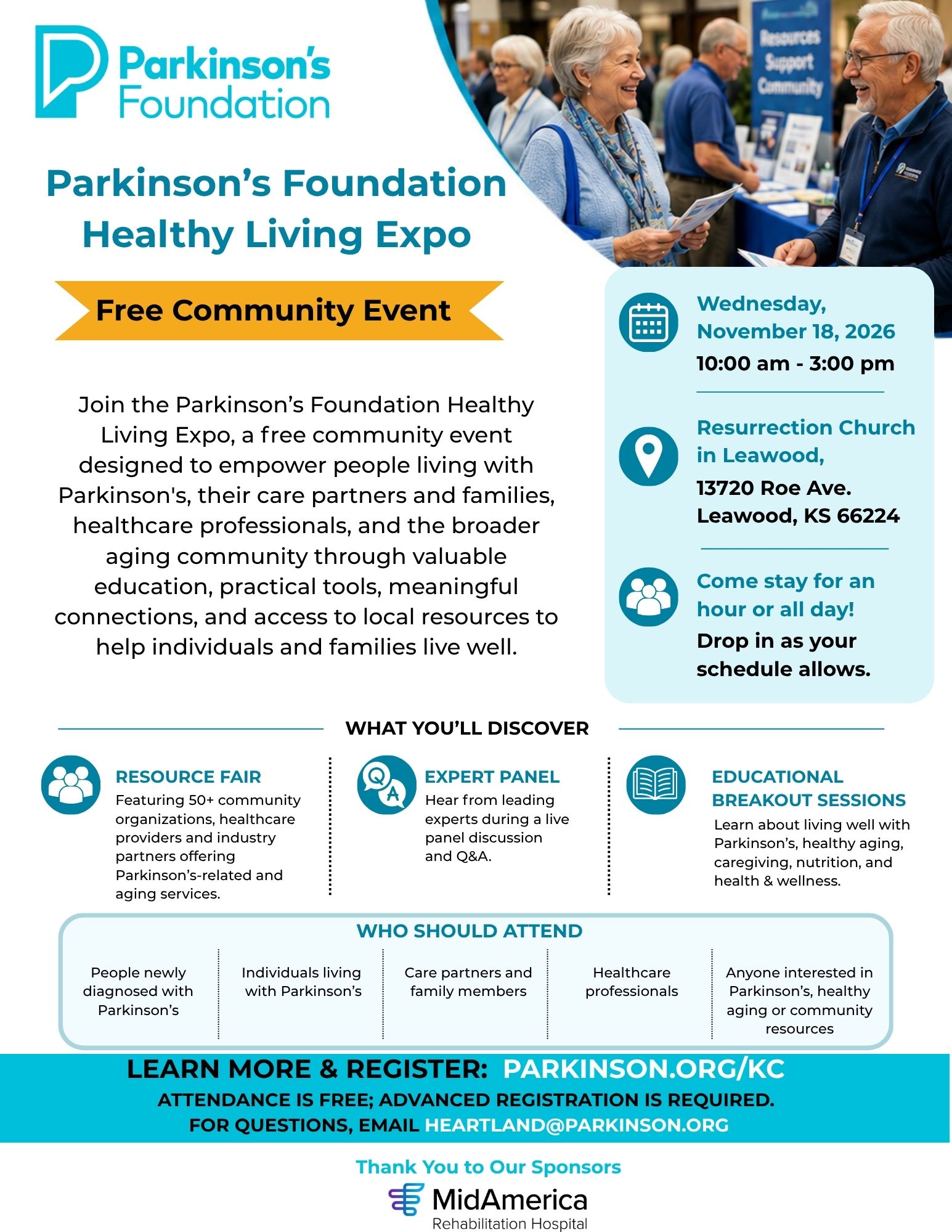
Nov 18, 2026 10:00 AM - 03:00 PM
Join the Parkinson's Foundation Healthy Living Expo, a free community event designed to empower people living with Parkinson's, their care partners and families, healthcare professionals, and the broader aging community through valuable education, practical tools, meaningful connections, and access to local resources to help individuals and families live well.

Nov 11, 2026 04:00 PM - 05:30 PM
Many wartime veterans and surviving spouses may be eligible for a VA benefit that can help with the cost of long-term care, but understanding who qualifies and how the rules work can be confusing. Join Lifescape elder law attorney Glen Smith for a free live webinar about the VA Pension with Aid & Attendance benefit and how it may help eligible veterans and surviving spouses pay for care.

Nov 07, 2026 10:00 AM - 04:00 PM

Oct 17, 2026 04:00 PM - 08:00 PM
YOU'RE INVITEDSATURDAY, OCTOBER 17, 2026 Dinner & drinks. Live music, silent and live auctions4-8 PMFunds raised support the Good Neighbor Endowment Fund
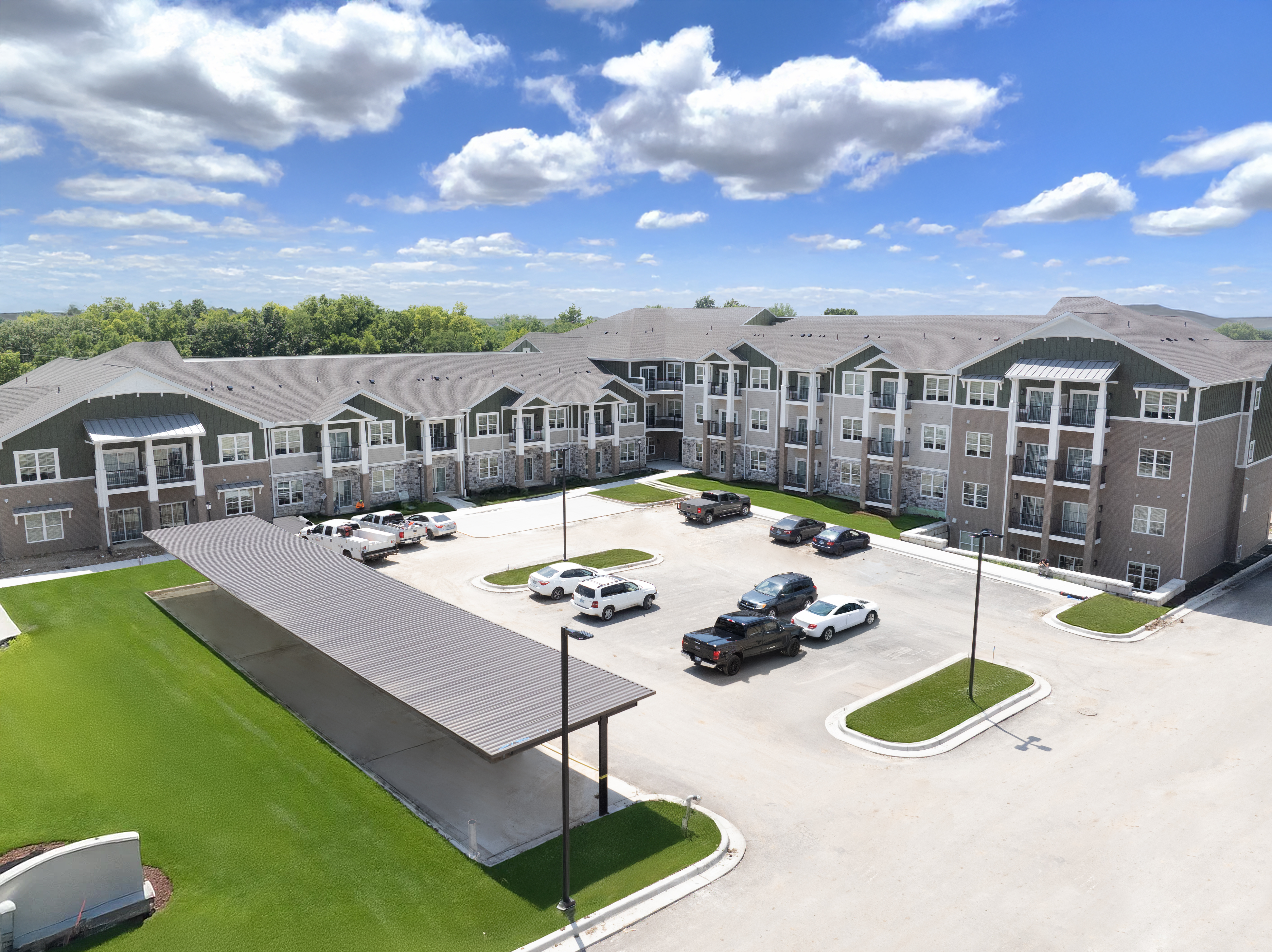
Evergreen Community New Senior Living Campus in Olathe, KansasEvergreen Community in Olathe, Kansas, is a mission-driven, award-winning nonprofit senior living community dedicated to enhancing lifes journey for older adults through resident-centered care. Whether youre seeking a trusted setting for a loved one who needs daily support or planning ahead for the next chapter of retirement, Evergreen offers an approach rooted in dignity, choice, and a genuine sense of home.A true sense of home, built around person-centered livingAt Evergreen, care is designed around the individual, not the schedule. Our philosophy centers on honoring each resident through meaningful engagement, thoughtful activities, and the freedom to make everyday choices. This commitment shapes how our community is designed and how our teams serve, prioritizing comfort, relationships, and quality of life.One of Evergreens most distinctive features is our neighborhood model. Rather than one large, institutional environment, Evergreen creates smaller, more intimate neighborhoods with dedicated living and dining spaces. Highly trained caregivers work in self-directed teams, ensuring residents experience consistent relationships and more responsive care. These warm, familiar spaces are intentionally designed around the heart of the home, a neighborhood dining room and shared family area that encourage connection and belonging.Skilled Nursing in Olathe, KS care that adapts as needs changeEvergreen Community is a trusted skilled nursing provider in Olathe, serving older adults who need 24/7 support, assistance with complex medical needs, or help with mobility and daily routines. Our skilled nursing environment balances clinical expertise with the comforts of home, ensuring residents receive exceptional care while maintaining dignity and connection.Because Evergreen emphasizes home in both design and daily life, residents are not just receiving care, they are part of a community. The neighborhood structure allows for multiple activities to take place at once, giving residents the freedom to choose how they spend their day, while shared community spaces make it easy to gather, socialize, and stay engaged.A growing Evergreen: a new senior living campus coming in 2026Evergreen is expanding in a meaningful way with a new senior living campus in Olathe, bringing a full continuum of care together in one thoughtfully designed community. The new campus is designed to support independence today while ensuring access to future care needs.The new campus will offer independent living, assisted living, memory care assisted living as well as skilled nursing, ensuring residents remain in a familiar, supportive environment. This expansion reflects Evergreens long-term commitment to serving older adults and families throughout Johnson County.Independent Living in Olathe, KS (Coming Spring 2026)Evergreens upcoming Independent Living community is designed for active older adults seeking maintenance-free living, modern comforts, and meaningful connection. Residences will include thoughtful features and services such as:Utilities and basic cableHousekeeping every other weekFull-size washer and dryer in each residenceFully equipped kitchenEngaging activitiesResidents will also enjoy access to inviting amenities, including a fitness gym, library and reading areas, on-site pub and social lounge, self-serve caf, gardening opportunities, chapel services, and a peaceful fishing pond. Optional services such as salon and barber services, transportation, and reserved garage parking will also be available.Assisted Living and Memory Care Assisted Living in Olathe, KS (Coming Spring 2026)For families seeking assisted living or memory care assisted living, Evergreen offers a compassionate, individualized environment for older adults, including those living with Alzheimers or other forms of dementia. Our Assisted Living and Memory Care Assisted Living neighborhoods are built around familiar routines, meaningful engagement, and a nurturing atmosphere that supports independence whenever possible.Thoughtful design emphasizes safety and comfort, with secured spaces that provide peace of mind while still allowing freedom of movement, creating a balanced environment where residents can feel both supported and at home.Why families choose Evergreen Community in OlatheChoosing senior living is about far more than a buildingits about trust, values, and daily experience. Families choose Evergreen because of ourNonprofit mission focused on care, dignity, and communityResident-centered philosophy rooted in choice, respect, and engagementNeighborhood-style living that feels warm, personal, and connectedContinuum of care, including independent living, assisted living, memory care, and skilled nursingVisit, tour, or learn moreEvergreen Community is located at 11875 S. Sunset Drive, Suite 100, Olathe, KS 66061. To learn more or schedule a visit, call 913-477-8227.Whether youre exploring skilled nursing today or planning ahead for independent living, assisted living, or memory care, Evergreen Community offers a trusted option for senior living in Johnson County.The new campus is located at College Boulevard and Ridgeview.
SYNERGY HomeCare is locally owned and operated by Doug Peterson, RN and his family. We would like the opportunity to provide you or your loved one with the home care that you've been searching for. Our caregivers are compassionate and courteous. We will work with you to develop a custom care plan that provides exactly the amount of care you or your loved one needs. The services we offer include:24-hour care, Flexible hourly care, Care management, Recovery assistance (illness, surgical, orthopedic), Personal assistance (hygiene, bathing and dressing), Errands and Transportation, Meal planning and preparation, Light housekeeping, Companionship, Respite for family caregivers.
Addington Place in Prairie Village is an assisted living community nestled in the heart of Prairie Village, Kansas. This vibrant community is designed to provide residents with a safe and comfortable environment where they can thrive and enjoy life to the fullest.At Addington Place in Prairie Village, residents are treated like family. The community offers a variety of floor plans to suit different lifestyles and preferences, including studio, one-bedroom, and two-bedroom apartments. Each apartment is designed with convenience and comfort in mind, featuring spacious layouts, kitchenettes, and private bathrooms. Residents can also enjoy the peace of mind that comes with an emergency call system in each apartment.The community's dining program is a highlight for many residents. The culinary team at Addington Place in Prairie Village is committed to providing residents with delicious, nutritious meals made from fresh, locally-sourced ingredients. Residents can enjoy restaurant-style dining in the community's elegant dining room, where they can socialize with friends and neighbors while enjoying a variety of menu options.In addition to dining, Addington Place in Prairie Village offers a range of amenities and services designed to promote well-being and engagement. Residents can take advantage of the community's beautiful outdoor spaces, including a courtyard and walking paths, where they can enjoy the fresh air and sunshine. Indoors, residents can participate in a variety of activities and programs, such as art classes, fitness classes, and educational seminars, all tailored to their individual interests and abilities.The community also offers a range of supportive services to help residents with their daily activities. From medication management to assistance with bathing, dressing, and grooming, the community's dedicated team of caregivers is trained to provide personalized care and support that meets the unique needs of each resident.Addington Place in Prairie Village understands the importance of family involvement in the care of their loved ones. The community offers support groups and educational resources for families, as well as regular communication with caregivers to keep them informed about their loved one's well-being.With a focus on providing exceptional care and support in a warm and welcoming environment, Addington Place in Prairie Village is committed to helping residents maintain their independence and live life to the fullest. From spacious apartments to engaging activities and supportive services, the community is dedicated to providing exceptional care and support for all residents.
The Barrymore Senior Living in Kansas City, MissouriThe Barrymore Senior Living, Kansas Citys highly anticipated senior living community is now open! Experience a carefree lifestyle in our classic, homey design, tailored to meet the needs and preferences of active seniors. Embrace worry-free days, filled with engaging events, delightful meals, and a strong sense of belonging. Our top-quality services and comprehensive amenities ensure your comfort and convenience. Join us at The Barrymore Senior Living and rediscover senior living in Kansas City, MO, where a vibrant community awaits with a fulfilling lifestyle. We eagerly await the chance to welcome you soon!Schedule A Tour Today!8400 N Marston Ave, Kansas City, MO 64154(816) 710-8825Independent Living | Assisted Living | Memory Care
Have you ever pondered what true security in your golden years looks like? Facing the reality of financing a senior living community can feel like navigating a labyrinth of costs and options. For many, the stress of ensuring affordable care while maintaining a high standard of living casts a shadow over their retirement plans.This article addresses the pressing concerns you may have about managing the costs associated with senior living. From leveraging personal assets to tapping into government assistance, we outline a clear and concise path to make senior living community affordability not just a hope but a reality.Read on as we guide you through the essential financial strategies that protect your future and peace of mind.Personal Savings and Retirement FundsPersonal savings and retirement funds are common sources for financing senior living. Many retirees use their 401(k), IRA, or other retirement accounts to cover the costs.The key is to manage these funds wisely to ensure they last. A financial advisor can help create a strategy that balances withdrawals with investment growth.For instance, retirees might choose to withdraw from their retirement accounts in a way that minimizes taxes. Spreading withdrawals over several years rather than taking a large lump sum can reduce the tax burden. It's also important to keep some funds liquid for unexpected expenses.A well-thought-out budget is crucial. Track your spending and adjust your lifestyle as necessary to ensure that your savings last as long as possible.Many financial planners recommend the 4% rule. This suggests that withdrawing 4% of your retirement savings each year can help ensure your funds last throughout your retirement. Long-Term Care InsuranceLong-term care insurance can be a valuable resource for covering senior living costs. This type of insurance helps pay for services that aren't covered by regular health insurance, Medicare, or Medicaid. It can cover assisted living, memory care, and other types of senior housing.Policies vary widely, so it's important to understand what is covered and what isn't. Some policies may cover only specific types of care or have limits on how much they will pay per day or per year.Benefits typically start when the policyholder needs help with at least two activities of daily living, such as bathing or dressing.While long-term care insurance can significantly reduce out-of-pocket expenses, it comes with premiums that can be high, especially for those who purchase policies later in life.However, getting insured early can lock in lower rates and provide peace of mind for future needs.Government Programs and BenefitsSeveral government programs are available to help with low-cost senior living. Medicaid, for instance, can cover long-term care for those with limited income and assets.Each state has its own eligibility criteria and benefits, so it's important to check local regulations.Veterans Benefits can also provide significant financial assistance. The Aid and Attendance benefit, for example, helps cover the costs of senior living for veterans and their spouses. This benefit can be used for various types of care, including assisted living and memory care. Reverse MortgagesA reverse mortgage allows homeowners aged 62 and older to convert part of their home equity into cash. This can be an effective way to finance senior living without having to sell the home.The money received from a reverse mortgage can be used for any purpose, including paying for senior living expenses.Reverse mortgages do have their downsides. They can be complex and often come with high fees and interest rates.The loan must be repaid when the homeowner sells the house, moves out permanently, or passes away. This could potentially leave less inheritance for heirs.Family Contributions and Private LoansFamily contributions can be a helpful way to manage senior living costs. Many families choose to pool resources to support their elderly relatives. This might involve direct financial contributions or sharing caregiving duties to reduce the need for paid services.Approaching family members for financial help can be sensitive. It's important to have open and honest conversations about the needs and expectations.Setting up a formal agreement can help avoid misunderstandings. This agreement should outline how much each person will contribute and how funds will be used.Private loans are another option. These can be arranged between family members or through financial institutions. A private loan can provide immediate funds for senior living expenses while spreading the repayment over time.Other Financial Assistance ProgramsIn addition to government programs, various non-profit organizations and community programs offer financial assistance for senior living. These programs can provide grants, low-interest loans, or other forms of support to help cover the costs.Organizations such as AARP and the National Council on Aging offer resources and guidance on finding and applying for financial assistance. Local community centers and senior services organizations can also be valuable resources.Researching and applying for these programs can be time-consuming but worthwhile. Many programs have specific eligibility criteria, so it's important to thoroughly understand the requirements before applying.Senior Housing OptionsExploring different cheap senior housing options can also help manage costs. Some communities offer sliding scale fees based on income to make them more affordable. Others may have programs to assist with costs for those who qualify.Affordable senior communities often provide a range of housing and care options to suit different needs and budgets. For those looking for budget-friendly senior living, it's essential to compare different communities and what they offer.Factors to consider include: Location Services provided Overall cost Let's Talk Senior Living Community AffordabilityThis article has explored several viable options to ensure senior living community affordability, from utilizing long-term care insurance to accessing government aid. Understanding your financial avenues not only empowers you but also provides the peace of mind that quality care is within reach.At Addington Place of Lee's Summit, we're committed to providing not just care but a vibrant, engaging community life. Our affordable pricing models and tailored care options make us a preferred choice for many families.Why not see for yourself? Schedule a tour today and discover how we make senior living both accessible and enjoyable.
Read MoreAs we observe International Stress Awareness Day, it's crucial to recognize that stress affects people of all ages. For seniors living in a senior housing community, managing stress is not just essential for their overall well-being but can significantly enhance their quality of life. Here are 10 practical tips for residents and caregivers to effectively manage stress in a senior housing setting. At Trustwell Living, our senior housing communities are designed to provide a calm and peaceful environment, fostering a sense of serenity that promotes relaxation and stress reduction. Embrace Mindfulness Exercises One of the most effective ways to manage stress is through mindfulness exercises. Seniors can engage in activities like meditation, deep breathing, and gentle yoga to help calm their minds. Our senior housing communities offer tranquil spaces that are perfect for these exercises, allowing residents to find peace and serenity right at home. Encourage Creative Expression Engaging in creative hobbies such as painting, writing, or music can be a therapeutic outlet for stress. Our senior housing communities often provide art rooms and music corners, giving residents a space to express themselves and reduce tension through their creative pursuits. Maintain a Balanced Diet Proper nutrition plays a vital role in stress management. Our senior housing facilities offer well-balanced meals that cater to specific dietary needs, ensuring residents are well-nourished and energized. Organize Educational Programs Mental stimulation is just as important as physical activity. Hosting educational workshops and lectures can keep the mind engaged and reduce stress. Our senior housing communities often have designated spaces for learning and intellectual growth. Create a Routine Establishing a daily routine provides a sense of security and predictability. Residents are encouraged to maintain a structured schedule that incorporates various activities, from meals to leisure time, reducing the chaos that can lead to stress.Gentle Physical Activities Engaging in light physical activities can significantly reduce stress levels in seniors. Encourage residents to take short walks in our well-maintained gardens or participate in low-impact exercise classes. Physical activities help release endorphins, the body's natural mood lifters, and promote overall relaxation. Promote Social Interaction Staying socially connected is essential for senior residents. Regular interactions with peers and caregivers can combat feelings of isolation and stress. Our communities foster a sense of togetherness, with communal areas for group activities, dining, and recreation.Prioritize Rest and Sleep Adequate rest is crucial for managing stress. Our senior housing communities provide comfortable living spaces that support a peaceful night's sleep, ensuring residents wake up refreshed and ready to face the day. Offer Support Services Sometimes, professional assistance is necessary to cope with stress. Our senior housing communities have dedicated support services that provide guidance and counseling for those who require it. Maintain a Peaceful Environment Finally, our senior housing communities are designed to be calm and serene environments. Residents can find tranquility in the beautifully landscaped gardens and cozy common areas that encourage relaxation and peace of mind. On International Stress Awareness Day, it's crucial to remember that stress management is a fundamental aspect of well-being, regardless of age. For seniors residing in senior housing communities, these 10 practical tips can make a significant difference in their lives. By embracing mindfulness exercises, engaging in gentle physical activities, and enjoying our peaceful environments, residents and caregivers can create a harmonious and stress-free living experience. In our senior housing communities, we prioritize the holistic well-being of our residents, offering support, serenity, and a sense of belonging.
Read MoreUnderstanding the Differences: Alzheimers vs. Dementia Welcome to Maggies Place in Overland Park, a haven of compassionate care and support for our communitys elderly. In this blog post, we delve into the often-confused concepts of Alzheimers and dementia, particularly relevant to those seeking memory care, nursing home services, or specialized Alzheimers and dementia care in Overland Park. Our goal is to provide clarity and understanding about these conditions, which significantly impact many families and individuals in our community. Alzheimers vs. Dementia: Clarifying the Confusion Its common to hear Alzheimers and dementia used interchangeably, but they are not the same. Alzheimers is a specific disease, whereas dementia is a broader term encompassing various symptoms that affect cognitive function. Understanding this distinction is crucial for families in Overland Park seeking the right care, be it in assisted living facilities or nursing homes specialized in memory care. The Relevance to Overland Park Communities In Overland Park, where the demand for quality memory and dementia care is growing, distinguishing between Alzheimers and other forms of dementia is essential. It ensures that our loved ones receive the appropriate care and support tailored to their specific needs, whether in Alzheimers care facilities or broader assisted living environments. Through this post, Maggies Place aims to educate and guide the Overland Park community, ensuring that families making decisions about memory care, Alzheimers care, dementia care, or assisted living are well-informed and empowered.What is Dementia?Dementia is a term that often brings a lot of concerns and queries, especially for families in Overland Park looking for the right memory care and dementia care options. Understanding what dementia entails is crucial in providing effective care and support. Defining Dementia Dementia is not a single disease but rather an umbrella term that describes a wide range of specific medical conditions, including Alzheimers disease. It is characterized by a decline in memory, language, problem-solving, and other cognitive skills that affect a persons ability to perform everyday activities. This decline in cognitive function is due to damage or loss of nerve cells and their connections in the brain. Different types of dementia are associated with particular types of brain cell damage in particular regions of the brain. For more detailed information, you can refer to the Alzheimers Associations explanation at https://www.alz.org/alzheimers-dementia/what-is-dementia. Symptoms and Impact The symptoms of dementia can vary greatly, but at least two of the following core mental functions must be significantly impaired to be considered dementia: memory, communication and language, ability to focus and pay attention, reasoning and judgment, and visual perception. These changes are not part of normal aging and can be significant enough to impact daily life and independent function. They may also affect mood and personality. The Mayo Clinic provides a comprehensive overview of these symptoms at https://www.mayoclinic.org/diseases-conditions/alzheimers-disease/expert-answers/whats-the-difference-between-alzheimers-and-dementia/faq-20057881. Causes and Types There are many different causes of dementia. Alzheimers disease is the most common cause of a progressive dementia in older adults, but there are a number of other types of dementia, including vascular dementia, Lewy body dementia, and frontotemporal dementia. Each type of dementia may have its own unique characteristics and a different prognosis. The Alzheimers Association provides detailed information on the various types of dementia at https://www.alz.org/alzheimers-dementia/what-is-dementia/types-of-dementia. Understanding dementia is the first step in the journey of caring for someone with this condition. In Overland Park, where memory care and dementia care are essential services, recognizing the signs and symptoms of dementia helps in seeking the right support and resources. For families and caregivers, gaining knowledge about dementia is instrumental in providing compassionate and effective care.What is Alzheimers Disease?Alzheimers disease is a central topic for families and caregivers in Overland Park, especially those seeking specialized Alzheimers and dementia care. Understanding this specific form of dementia is essential for effective care and support. Defining Alzheimers Disease Alzheimers disease is a progressive neurodegenerative disorder that is the most common cause of dementia among older adults. It leads to the deterioration of memory and cognitive functions. This disease involves abnormal build-ups of proteins in the brain, forming plaques and tangles, which disrupt cell function. For a more comprehensive understanding, you can read about it on the Alzheimers Associations page: What Is Alzheimers. Symptoms and Progression The progression of Alzheimers can be broken down into stages, starting with mild symptoms like memory lapses and gradually advancing to severe brain damage. Patients may experience difficulties with memory, language, decision-making, and ultimately, loss of independence in daily activities. This progression and its symptoms are detailed by the Mayo Clinic at Alzheimers Disease. Risk Factors and Diagnosis Age is the most significant risk factor for Alzheimers, but genetics, family history, and lifestyle factors also play a role. The diagnosis process typically involves a thorough medical history, mental status testing, and brain imaging. The Alzheimers Association discusses the diagnostic process in depth at Diagnosis of Alzheimers & Dementia. For families in Overland Park, understanding Alzheimers disease is a key step in planning for Alzheimers care. Knowledge of the diseases symptoms, progression, and diagnosis can guide decisions regarding nursing homes, memory care, and assisted living facilities specialized in Alzheimers and dementia care.Differentiating Alzheimers from Other Types of DementiaUnderstanding the differences between Alzheimers and other forms of dementia is critical for families in Overland Park seeking appropriate care, whether its in assisted living facilities or specialized dementia care centers. Overview of Different Types of Dementia While Alzheimers is the most common form of dementia, there are several other types. These include vascular dementia, Lewy body dementia, frontotemporal dementia, and more. Each type has its own set of symptoms and patterns of progression. The Alzheimers Association provides a comprehensive overview of different types of dementia at Types of Dementia. Key Differences in Symptoms and Causes The symptoms and underlying causes of these dementias can vary. For instance, vascular dementia, which is often caused by microscopic bleeding and blood vessel blockage in the brain, is distinctly different from Alzheimers in its symptoms and progression. Similarly, Lewy body dementia has unique features like visual hallucinations and motor problems akin to Parkinsons disease. Understanding these differences is crucial for accurate diagnosis and treatment. More information about these distinctions can be found on the Mayo Clinics website at Dementia. Importance of Accurate Diagnosis Accurate diagnosis is essential for proper treatment and care planning. For example, certain medications that are used to treat Alzheimers disease may not be effective or could even be harmful in other types of dementia. Therefore, a thorough medical evaluation, which might include brain imaging, neurological exams, and cognitive tests, is vital. The Alzheimers Association discusses the diagnostic process in more detail at Diagnosis of Alzheimers & Dementia. For families and caregivers in Overland Park, understanding these differences aids in making informed decisions about dementia care options, from nursing homes to specialized Alzheimers care facilities. This knowledge ensures that loved ones receive tailored care that best suits their specific condition.Risk Factors and Diagnosis of Dementia and AlzheimersThis section is particularly relevant for families in Overland Park looking into memory care, nursing home options, and specialized Alzheimers or dementia care. Risk Factors for Dementia and Alzheimers Understanding the risk factors for dementia, including Alzheimers, is crucial for early identification and intervention. Common risk factors include age, genetics, and lifestyle factors. For Alzheimers, age is the most significant risk factor, but family history and genetics also play a role. Cardiovascular risk factors, such as hypertension, diabetes, obesity, smoking, and sedentary lifestyle, are also associated with an increased risk of dementia. The Alzheimers Association provides more information on risk factors at Alzheimers and Dementia Risk Factors. Diagnosing Dementia and Alzheimers Diagnosing dementia and Alzheimers involves a combination of medical history evaluation, physical examination, neurological exams, and cognitive testing. Brain imaging tests can also be used to identify strokes, tumors, or other problems that can cause dementia. Blood tests may be done to rule out other conditions that could cause similar symptoms. Mayo Clinic discusses the diagnostic process for Alzheimers and dementia in detail at Diagnosing Alzheimers: How Alzheimers is diagnosed. Importance of Early Diagnosis Early diagnosis of Alzheimers or dementia can be beneficial in managing the disease effectively. It allows for better planning, the use of available treatments that might improve symptoms or slow the progression of the disease, and more time for patient and family to plan for the future. The Alzheimers Association outlines the benefits of early diagnosis at Benefits of Early Diagnosis. For families and caregivers in Overland Park, understanding these aspects of dementia and Alzheimers is vital. It enables them to seek appropriate care options, including assisted living and specialized memory care facilities, equipped to handle the unique challenges posed by these conditions.Treatment and Management of Dementia and AlzheimersThis section is vital for families and caregivers in Overland Park, offering insights into the management of dementia and Alzheimers in settings like assisted living and specialized care facilities. Treatment Options for Dementia and Alzheimers While there is no cure for Alzheimers or most types of dementia, there are treatments that can slow the progression of the disease and improve quality of life. These include medications for memory loss, and treatments for behavioral and sleep changes. Non-drug approaches, such as cognitive stimulation and physical exercise, are also important. The Alzheimers Association provides a guide to treatment options at Alzheimers and Dementia Treatments. Managing Daily Life and Caregiving Effective management of dementia and Alzheimers involves adapting the living environment, establishing routines, and using memory aids. Caregiving strategies include maintaining a calm environment, providing support for activities of daily living, and ensuring safety. The Mayo Clinic offers advice on managing daily life with Alzheimers at Alzheimers: Tips for daily care. Support for Caregivers Caregiver support is crucial, as caring for someone with dementia or Alzheimers can be challenging. Support groups, respite care, and educational resources can provide much-needed assistance. The Alzheimers Association discusses caregiver support at Caregiver Center. ConclusionUnderstanding the differences between Alzheimers and dementia is crucial for the Overland Park community. It ensures that individuals receive the right type of care, whether in memory care facilities, nursing homes, or in assisted living environments. By being informed about the nature of these conditions, their symptoms, risk factors, diagnosis, treatment, and management, families and caregivers can make knowledgeable decisions for their loved ones. Maggies Place is committed to providing resources and support to families navigating these challenging conditions, ensuring a compassionate and informed approach to care.
Read MoreHospice And Palliative Care To Empower Your Loved OneChris DiMaso | July 28, 2021Praise be to the God and Father of our Lord Jesus Christ, the Father of compassion and the God of all comfort 2 Cor 1:3Hospice and palliative care are unique services available to help empower you and your loved one during end-of-life. This article is to help you make a decision on what services you need and provide you with resources to move forward.What is hospice?Hospice is a unique service that focuses on patients and their caregivers who are facing advanced end-of-life illness. Hospice provides compassionate care for people in their final phase of life so they can live in peace and comfort. The guiding philosophy of hospice is to regard death as the final stage of life. It respects life without trying to postpone death. Hospice focuses on the needs of the person and alleviating the symptoms afflicting them, related to their disease process instead of aggressively trying to cure the disease. Hospice works as a holistic team to manage symptoms, so the patients final time is met with quality and dignity. Hospice care is family-focused and includes the patient and their loved ones when making decisions.What does hospice do?When a care provider deems hospice is the right course of action, the patient will choose a hospice agency that suites their needs. Often the hospital or nursing facility can help provide options if the family doesnt already have a choice in mind. The patient will be visited by a hospice nurse for an evaluation. Two doctors must agree that the patients prognosis is 6 months or less to qualify for services. If a patient qualifies, they are admitted and services begin. An interdisciplinary team is assigned to the patient/family that includes: an RN Case Manager, Social Worker, Home Health Aide, bereavement coordinator and a Chaplain and volunteers if they wish. Often hospice agencies also have complementary therapies such as music therapy, massage therapy, aromatherapy, and beautician services. This team approach is overseen by a hospice medical director who will collaborate with the primary physician of the patient. A patient can choose to have the hospice medical director as their primary physician if they prefer.Services offered in hospice care include, but are not limited to:Symptom and medication management from a nurse.Coordinating resources with a social worker.Personal care and assistance with bathing needs from a home health aide.Spiritual support from a chaplain.Companionship from volunteers.Bereavement support for 13 months after their loved one passes away.Supplies/delivers medications that relate to the course of treatment, medical equipment that the patient needs in their home such as a hospital bed/wheelchair/shower chair etc.Supplies personal care protection such as bathing supplies and dignity items.On-call nursing support 24/7. Outside of business hours, there will be a nurse available to make visits for emergent needs at all times. Hospice wants to be the new 911 for their patient.Who needs hospice?Hospice is considered when you or a loved one has been diagnosed with an illness that will limit the length and quality of life. Speak with your care provider about all options, including hospice. Frequent reasons to consider hospice include but are not limited to late-stage dementia and Alzheimers, cancer, heart disease, AIDS, ALS, COPD and others. Patients can become eligible for hospice care services when their provider deems that the natural course of illness has a life expectancy of six months or less. It is important that comfort and care of symptom management becomes the priority, and continuing treatment of the illness is no longer beneficial. Hospice care provides a level of support that is unrivaled. An interdisciplinary team of clinicians, social workers, spiritual and grief counselors, and volunteers rally around you or your loved one to meet their needs. This can range from medical treatment and cessation of pain, to coordination of services, or making peace with family and a higher power.At the end of our lives, what do we most wish for? For many, its simply comfort, respect, love. -BJ MillerWhat are the options in hospice?End-of-life care is personal and should be tailored to meet the needs and desires of the individual. This can include everything from the level of care needed to directives of where someone wishes to pass.Hospice vs palliative careHospice and palliative care address many of the same issues, but can look very different on a case-by-case basis. Hospice is intended for individuals will a life expectancy of fewer than six months, where palliative care isnt limited to this time period. Your loved one could benefit from advanced care even if their illness is not life-limiting in the near future. End-of-life goals and symptom management are crucial in both scenarios, and it is important to meet with your healthcare provider to discuss which is appropriate for you or your loved one.Home-based careDepending on the resources needed, some patients choose to remain in the home at the end of their journey. This decision is closely linked to the goals of the patient, their condition, and the amount and quality of support available. It is important to note, that the hospice benefit does not include private duty care/or around the clock nursing services.Long-term care facilitiesFacilities like Villa St. Francis offer higher levels of support and can address needs on a case-by-case basis. We offer tranquil settings both in private and semi-private rooms. Our team works closely with Hospice services to ensure pain and symptom management is addressed 24 hours a day, and our nurses and CNAs are available to take care of the patient around the clock and coordinate care plans with hospice professionals who supply supplementary care. We have social workers and spiritual care on-site. Working with Villa St. Francis and a hospice service offers a comprehensive level of care.General inpatient careThe highest level of care under hospice is called GIP- general inpatient. A patient can qualify for this if their symptoms are unmanageable in their home. GIP is considered the ICU of hospice. This can occur in the hospital, but most patients prefer not to return to or remain in the hospital at end of life. Villa St. Francis has a dedicated wing, called The Hospice Suites, with private rooms that can accommodate GIP level of care, with 24 hour RN support.Who pays for hospice?The majority of patients requiring hospice services will be eligible for Medicare Hospice Benefit, which covers up to 100% of services. You should not defer hospice due to concerns about payment or financial concerns. Medicare covers hospice as an inclusive benefit and all services related to a life limiting illness are included up to 100% by Medicare Part A. Services unrelated to the illness are covered by Parts A and B where normal rules apply.Little known facts about hospiceHospice isnt giving up; it is speaking up. Working with a hospice service ensures you or your loved ones needs will be heard and addressed.People can live longer with hospice. It is not unusual for someone to live longer when the quality of their life increases. Pain management and peace of mind are contributing factors to someones life expectancy.Hospice isnt a place; it is a philosophy of care. Most hospice patients receive care in their home, but even when it is it elsewhere it remains about the treatment.Hospice gives you control, not take it away. Death, just like life is very personal. Hospice professionals work diligently to ensure that the wishes of the patient and their family are upheld.Hospice isnt about giving up medical care, it merely changes the goal. Rather than focusing on length of life, you focus on quality of life.Through medical treatments and therapies, you or your loved one can enjoy the rest of their life.Hospice is for the entire family, not just the patient. End of life is a stressful time, not just for the patient but also the family. Hospice can relieve some of the burden by offering care and respite to the family.Working with social workers and bereavement counselors can help in planning.What to look for in a hospice provider.Talk to the professionals. Your doctor, nurses, and social workers are great resources when it comes to choosing a hospice provider. Also, speak with friends and neighbors for advice, it is likely they have had the experience you can draw from in making your decision. You are encouraged to interview hospice agencies to choose the one that is best for you and your family.Consider asking some of the following questions of the hospice agencies before making a decision:Are you Medicare-certified?Who is on the hospice care team and how often do they make visits?Are you non-profit or for-profit?Do you have a dedicated pharmacy for medicine and do they deliver medications?How are pain and other symptoms managed?What services are offered in your program?What complementary therapies do you provide?What services do you offer the family?Read more about what Villa St. Francis has to offer you and your loved one during this time.
Read MoreThe team at kcmoHomeBuyer is hosting a short virtual presentation to explain how we help eliminate the hard parts of selling a house for your, your loved ones, or clients. If you or anyone you know has a house they need to sell, but the task of cleaning it out and getting it ready is just too large. The thought of multiple strangers walking through the house is scary. And after getting the contract, it's just too much to sweat out the inspections, requested repairs, appraisal, and the buyer's loan approval. There is a better way, join us to find out more about how we buy houses across the Kansas City Metro: Thursday, March 23rd, 2023 at 10:30 am - on Zoom Register at www.kcmoHomeBuyer.com/VirtualEvent Everyone who registers attends will receive a free digital copy of our book Paying for Long Term Care: The Essential Guide to Understanding and Funding Senior Care