Welcome to the Seniors Blue Book for Monmouth and Ocean Counties!
I'm Lisa Bill, your local Publisher and proud owner of this guide. As a member of the “sandwich generation,” I understand the importance of staying informed, proactive, and inspired when it comes to healthy aging.
Like many of you, I’m exploring ways to live well, stay active, and plan wisely for the years ahead. I’ve also experienced those urgent moments when I needed to quickly find support for my aging parents.
That personal journey led me to the Seniors Blue Book—a trusted resource that connects our community to senior housing, home care, wellness programs, savings opportunities, and enriching local activities and entertainment. Whether you're aging yourself, supporting a loved one, or working in the senior care field, this guide is here to help you thrive.
Need resources or referrals? Pick up a free copy at local pharmacies, libraries, and senior centers—or order a free guide here. You can also reach out to me directly at [email protected].
Want to promote your business or distribute free guides? We’re experts in senior marketing and offer robust digital and print packages—including website, social media, and targeted outreach. Let’s connect and grow your visibility in the senior care community.
Let’s embrace aging with confidence, curiosity, and connection—together.

Browse through the most recent copy of your local SBB!
Click to view
.png)
.png)

Home Instead Trusted In-Home Care for Seniors in Waretown and Surrounding Communities: Serving Ocean County NJAt Home Instead serving Ocean, New Jersey, we proudly serve seniors and their families across Ocean County. Our mission is to help older adults live the life they love in the comfort of their own homes, with care tailored to each individuals needs.Our compassionate Care Professionals provide a wide range of services, including personal care, meal preparation, light housekeeping, transportation, companionship, and 24-hour care. We also offer specialized memory care for seniors living with Alzheimers or dementia, as well as support for managing chronic conditions like diabetes and arthritis. Every care plan is personalized, flexible, and designed to support safety, independence, and quality of life.Families in the area trust Home Instead because our Care Pros are carefully vetted, trained, and matched to clients for consistency and compatibility. Many clients begin receiving support within 48 hours, and long-term relationships are common, reflecting the trust and comfort we build with every family we serve.Whether youre seeking help for a few hours a day, overnight support, or around-the-clock care, Home Instead is here to provide reliable, compassionate care that keeps seniors safe, comfortable, and engaged in their communities.Call (609) 607-1900 to schedule a free consultation and learn how Home Instead can help your loved one thrive at home.
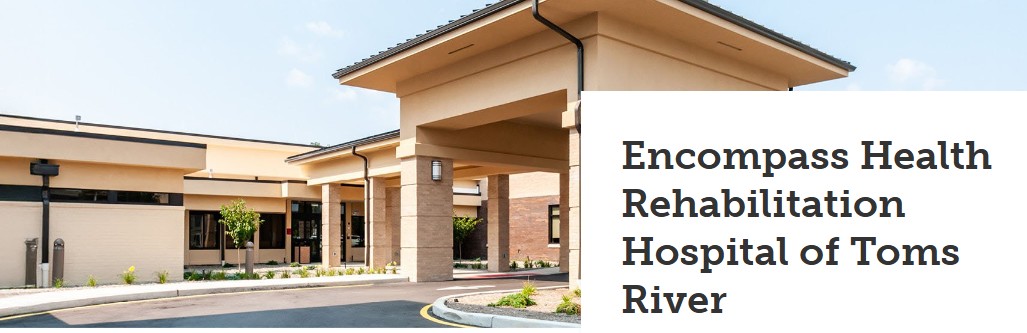
Choosing where to receive care after a life-changing illness or injury is an important decision for you and your loved ones. At Encompass Health Rehabilitation Hospital of Toms River, we are committed to helping you get back to what matters most. Located in Toms River, NJ, we are proud to be part of Encompass Healths national network of inpatient rehabilitation hospitals. Recently named Americas Most Awarded Leader in Inpatient Rehabilitation by Newsweek and Statista for the sixth consecutive year, Encompass Health is your trusted choice in rehabilitation.When you choose Encompass Health Rehabilitation Hospital of Toms River for your rehabilitation, you receive compassionate care from an expert team of physical, occupational and speech therapists; physicians; nurses; dietitians; pharmacists and case managers. They will work together to create a plan to help you meet your unique goals.At our hospital you will receive:Three hours of therapy, five days per week24/7 nursing care, including nurses who specialize in rehabilitationFrequent visits from a physician**We provide access to independent physicians.
Maura Daly: New York Life Agent & Financial Professional: Long-Term Care, Life Insurance & Retirement Income Planning Maura Daly is a New York Life agent and financial professional. She helps families protect the people they love and build a more secure financial future. Her mission is personal. She takes time to understand your goals, explains your options in plain language, and builds a strategy that fits your life today. Because life changes, she stays in touch and updates the plan as your needs change.Planning for long-term careCare at home, in assisted living, or in a nursing community can be expensive, and most families don't plan for it until a health event forces the question. Maura helps seniors and adult children understand how long-term care insurance can help pay for support with everyday tasks, protect savings and a spouse's lifestyle, and give families more choices about where and how care is received. Planning ahead also keeps decisions in the family's hands and can reduce the pressure on adult children.Protecting the people you loveLife insurance can replace lost income and provide a financial safety net for a spouse, children, or aging parents if something happens. Maura reviews your family's needs and budget and explains the options, including temporary and permanent coverage, so you can choose with confidence.Retirement incomeWhether you want to travel, spend time with the grandkids, or simply cover everyday expenses, a steady, dependable source of income brings peace of mind. Maura explains income annuities, including options that start paying income now and options that wait several years to provide larger payments.How Maura can helpLong-term care insuranceLife insuranceIncome annuities and retirement income planningFinancial strategies and holistic planningDisability insurance Who she helpsAdults in their 50s and 60s planning for retirement and the possibility of needing careRetirees and seniors who want steady, dependable incomeCouples and families protecting a spouse, children, or aging parentsNewly married couples and growing families building their first planCare professionals and advisors looking for a trusted financial resource for their clientsWhat to expectA first conversation: you share a few details about your family and goals, and Maura reaches out to start the discussion.A personalized plan: a strategy built around your needs, goals, and budget, not a one-size-fits-all product.Ongoing support: reviews and updates as your life changes, such as retirement, a new grandchild, a health change, or a move.Local, personal serviceBased in Wall Township, Maura serves families in Monmouth and Ocean Counties, including Barnegat,, Wall, Belmar, Manasquan, Spring Lake, Brielle, Sea Girt, Point Pleasant, Neptune, Freehold, Toms River, and Brick.Schedule a complimentary consultationCall 929-648-9282, visit MauraDaly's Webpage or email [email protected] Daly, Agent & Financial Professional, New York LifeMaura Erin Daly is an Agent of New York Life Insurance Company and a Financial Services Professional for NYLIFE Securities LLC (Member FINRA/SIPC), a Licensed Insurance Agency. Not licensed to sell in all jurisdictions.
Amboy Bank of Old Bridge, NJAbout Amboy BankAmboy Bank is a full-service community bank with branches in Middlesex and Monmouth Counties. As an independent institution for more than 135 years, we intend to remain so. Our clients' success is our success. That's why we don't sell products; we create and nurture relationships. Everything we do is designed to help our clients reach their financial goals.A Proprietary Reverse MortgageFor homeowners age 50 and older, Amboy Banks proprietary Senior Choice Home Equity Line of Credit allows qualified homeowners to use your homes equity to pay for the things you need. Pay off your existing mortgage, consolidate credit cards or cover in-home healthcare, medical bills and property taxes all while staying in your home. And, as always, Amboy takes the time to listen to our clients to discuss your best options, both in-person or on the phone, and we dont sell our loans so you can rest assure youll receive the service that has been trusted for over 135+ years for the life of the loan.Banking Services for Adults 50+ and RetireesWhether you are preparing for retirement, enjoying your retirement, or helping a family member review their financial landscape, Amboy Bank offers services to support your needs through every stage of life, including services such as Amboys Senior Checking and Savings accounts, certificates of deposit (CDs), and Individual Retirement Accounts (IRAs) to help achieve individualized goals.Financial Education and Resources for Seniors and FamiliesAt Amboy, getting personalized answers about money during your retirement is easy. Amboy Bank offers educational resources, including complimentary senior fairs and seminars on financial topics, including estate planning, senior lending, save and pay and fraud prevention. These programs help older adults and their families best understand to prepare, plan and enjoy their retirement years while having peace of mind, safeguarding assets, and having an ability to respond to changing circumstances and goals.Retirement Banking, Financial Guidance & Personal Service for Adults 50+Planning for retirement, managing savings, or making financial decisions later in life calls for a banking partner you can trust. Headquartered in Old Bridge, New Jersey, Amboy Bank has served individuals, families, and businesses across Central New Jersey since 1888. Independently owned and operated, the bank is recognized for personal service, individualized financial solutions, and an ongoing commitment to the communities itserves. Amboy Bank has been voted Best Bank in Central New Jersey for 28 consecutive years.Learn more: Headquartered at 3590 U.S. Highway 9 South in Old Bridge, NJ, Amboy Bank has 22 branches throughout Monmouth and Middlesex Counties. Stop in to any branch location, call 1-877-222-6269 or visit AmboyBank.com
Recovering from surgery, an injury, or a serious illness can be challenging, particularly for older adults who experience changes in mobility, strength, or everyday functioning. Even after leaving the hospital, some individuals may need additional care before they can safely return to familiar activities.Tasks such as walking, bathing, getting dressed, preparing meals, or moving around the home may become more difficult during recovery. Some patients also experience fatigue, discomfort, reduced endurance, or concerns about falling.For seniors and families throughout Monmouth County, New Jersey, short-term rehabilitation can provide an important step between hospitalization and returning to everyday life.Complete Care at Monmouth NJ is a rehabilitation facility option for individuals and families exploring post-acute care and recovery support.Understanding what happens during rehabilitation, how treatment goals are established, and how progress is evaluated can help families make informed decisions about their loved one's next stage of care. What Is Short-Term Rehabilitation?Short-term rehabilitation provides therapeutic services for individuals recovering from surgery, illness, injury, or hospitalization.Some patients return home immediately after leaving the hospital. Others require additional therapy or nursing care to address functional limitations before they can safely manage daily activities.Rehabilitation programs focus on helping individuals improve or adapt their abilities according to their medical condition.Common Reasons for Short-Term RehabilitationOlder adults may need rehabilitation after:Hip or knee replacement surgeryFalls and fracturesStrokeOrthopedic injuriesSerious infectionsProlonged hospitalizationNeurological conditionsSignificant weaknessChanges in mobilityIllnesses affecting enduranceThe appropriate rehabilitation services depend on each patient's needs, medical recommendations, and ability to participate. Why Rehabilitation Matters in Monmouth CountyMany older adults throughout Monmouth County have established homes, family relationships, and familiar daily routines.Following a significant health event, returning to those routines may become an important personal goal.However, medical stability does not always mean a patient has regained the strength or functional abilities needed to live safely at home.Benefits of Exploring Local RehabilitationChoosing a rehabilitation facility within Monmouth County may make it easier for families to:Visit regularlyParticipate in care discussionsCommunicate with therapistsUnderstand treatment goalsMonitor rehabilitation progressCoordinate follow-up appointmentsPrepare for dischargeMaintain meaningful family relationshipsComplete Care at Monmouth NJ is an option for families researching rehabilitation services in Monmouth County.Specific treatment capabilities, admission requirements, and available services should be confirmed directly with the facility. How Rehabilitation Goals Are EstablishedOne of the most important parts of short-term rehabilitation is identifying realistic treatment goals.Rather than focusing only on general improvement, rehabilitation professionals evaluate which everyday activities have become difficult.Examples of Functional GoalsA patient's goals may include:Walking safely with appropriate equipmentGetting out of bed independentlyTransferring from a chairUsing the bathroom safelyDressing with less assistanceImproving standing balanceManaging stairsIncreasing enduranceCommunicating more effectivelyCompleting essential daily activitiesGoals should reflect the individual's previous abilities, current medical condition, and expected discharge environment.Why Specific Goals MatterA general goal such as "getting stronger" may be difficult to measure.A more specific goal involving walking distance, transfer assistance, or daily self-care provides a clearer way to evaluate progress.The treatment team should explain how goals are selected and reviewed. Physical Therapy: Restoring Movement and StrengthPhysical therapy is an important rehabilitation service for individuals experiencing mobility limitations.Following hospitalization, patients may have difficulty walking, balancing, standing, or completing movements that previously felt routine.Physical therapists evaluate these limitations and recommend appropriate exercises and movement activities.Physical Therapy May AddressMuscle strengthWalking abilityBalanceCoordinationEnduranceStanding toleranceSafe transfersMobility equipment useStair navigationFunctional movementRehabilitation After SurgeryAn older adult recovering from orthopedic surgery may need assistance rebuilding strength and learning safe movement techniques.Treatment must follow any medical restrictions established by the surgeon.Recovery After IllnessSomeone who experienced prolonged hospitalization may feel weak or fatigued.Physical therapy may focus on gradually improving activity tolerance according to the individual's condition.Progress Happens at Different RatesRecovery is not always consistent from day to day.Some patients experience improvements quickly, while others need additional time.Therapists adjust treatment based on medical recommendations, progress, and individual tolerance. Occupational Therapy: Returning to Everyday ActivitiesPhysical strength is only one part of recovery.Patients must also be able to complete everyday tasks safely.Occupational therapy focuses on practical activities that support personal independence.Activities Occupational Therapy May AddressBathingDressingGroomingToiletingEatingUsing household itemsFine motor coordinationAdaptive equipmentFunctional daily routinesWhy Occupational Therapy MattersA patient may regain walking ability but still struggle with bathing or dressing.Another person may have difficulty gripping utensils following an injury.Occupational therapists help patients practice appropriate techniques and identify strategies that match their abilities.Preparing for Everyday Life at HomeOccupational therapy may also involve recommendations for home safety and assistive equipment.These recommendations should consider the patient's living environment and available support. Speech Therapy and Communication SupportSome patients require speech-language therapy following a stroke, neurological condition, or serious illness.Speech therapy addresses more than the ability to speak clearly.It may also involve understanding language, communication strategies, and swallowing concerns.Speech Therapy May SupportSpeech clarityExpressing thoughtsUnderstanding conversationsCognitive-communication abilitiesCommunication strategiesSwallowing safetyAppropriate eating and drinking techniquesNot every rehabilitation patient requires speech therapy.A qualified professional should determine whether treatment is necessary.Swallowing ConcernsDifficulty swallowing may require specialized evaluation.Families should follow professional recommendations rather than independently changing food textures or liquid consistency. Nursing Care During RehabilitationTherapy is often only one component of the recovery process.Some patients also need nursing assessments, medication administration, or monitoring of medical conditions.Nursing Support May IncludeDepending on the facility and care plan:Medication administrationMonitoring vital signsAssessing changes in conditionPrescribed nursing treatmentsPersonal care assistanceWound care when availableCommunication with physiciansCoordination with therapistsWhy Team Communication MattersChanges in pain, fatigue, blood pressure, or other medical symptoms may affect rehabilitation participation.Communication among nursing staff, therapists, and healthcare providers helps ensure treatment remains appropriate.Families should ask Complete Care at Monmouth NJ about the nursing services available for their loved one's specific condition. Measuring Progress During RehabilitationRehabilitation progress should be evaluated through meaningful functional improvements.A person may improve walking ability while continuing to need assistance with dressing.Another patient may become more independent with transfers but still require help navigating stairs.Progress May Be Measured ThroughWalking distanceBalanceMuscle strengthTransfer abilityEndurancePersonal care participationCommunication skillsUse of adaptive equipmentAbility to follow safety recommendationsWhy Progress Reviews Are ImportantRegular evaluations allow the care team to identify improvements and ongoing challenges.Families should ask:How often is progress evaluated?How are therapy goals updated?What happens if progress slows?Which activities are still difficult?What assistance may be needed after discharge?Clear communication helps patients understand their recovery goals. Common Challenges During Short-Term RehabilitationRecovery can involve physical and emotional challenges.A person may feel frustrated when familiar activities require considerable effort.Others may experience anxiety about returning home.Common Recovery ChallengesThese may include:FatiguePainReduced enduranceLimited mobilityFear of fallingDifficulty sleepingReduced confidenceChanges in appetiteEmotional frustrationPatients should communicate these concerns to their healthcare team.Balancing Therapy and RestAppropriate recovery involves both activity and rest.More intensive exercise is not always better.Rehabilitation should reflect the patient's medical condition and tolerance. The Importance of Safe MobilityMobility is an important part of everyday independence.A person who experiences balance difficulties may struggle with walking, using stairs, or moving between furniture.Mobility Skills That May Be PracticedGetting in and out of bedRising from chairsWalking with recommended equipmentTurning safelyNavigating obstaclesManaging stairs when appropriateUsing bathroom equipmentTransferring between surfacesBuilding Confidence GraduallySome patients become hesitant to move after a fall or injury.Supervised rehabilitation can provide opportunities to practice movement in a structured environment.The goal is safer function, not rushing the recovery process. Planning for Discharge From the BeginningDischarge planning is an essential part of short-term rehabilitation.For many patients, returning home is an important goal.However, a discharge plan must consider the individual's current abilities and support needs.Important Discharge ConsiderationsThe care team should evaluate:MobilityPersonal careMedication routinesHome accessibilityAvailable caregiversFollow-up appointmentsRecommended equipmentOngoing rehabilitation needsTransportationSafety concernsWhy Early Planning HelpsFamilies may need time to arrange medical equipment, modify the home, or coordinate additional care.Discussing these needs early can make the transition more manageable. Preparing the Home After RehabilitationA home that was comfortable before hospitalization may present new challenges when someone returns with mobility limitations.For example, stairs may become difficult.A bathroom may require additional safety equipment.Home Safety ConsiderationsDepending on professional recommendations, changes may include:Removing loose rugsImproving lightingKeeping walkways clearUsing recommended walking aidsInstalling suitable grab barsMaking frequently used items accessibleReviewing stair safetyArranging personal care assistanceA qualified professional can help determine which modifications are appropriate. How Family Caregivers Can HelpFamily members often play an important role in rehabilitation and discharge planning.They may provide information about the patient's previous abilities, household layout, and available support.Helpful Family InvolvementRelatives may:Attend care discussionsAsk about treatment goalsLearn safe assistance techniquesDescribe the home environmentArrange transportationPrepare necessary equipmentCoordinate follow-up careProvide emotional encouragementBe Realistic About Available SupportFamilies should communicate honestly about the help they can provide.A discharge plan should not depend on assistance that is unavailable.The care team can discuss whether additional home services or alternative arrangements may be necessary. Understanding Rehabilitation Costs and CoverageRehabilitation costs depend on the care setting, medical necessity, insurance coverage, and eligibility requirements.Medicare CoverageOriginal Medicare Part A may cover qualifying skilled nursing facility rehabilitation when specific requirements are met.Coverage is subject to benefit limitations and cost-sharing.Not every rehabilitation stay automatically qualifies.Private InsuranceSome insurance plans require prior authorization or participation in approved provider networks.Medicaid and Other Payment ArrangementsCoverage may also depend on Medicaid eligibility or other insurance arrangements.Important Financial QuestionsFamilies should ask:Does the facility accept the patient's insurance?Is prior authorization required?What services are covered?Are copayments or deductibles involved?What happens when coverage ends?Are additional treatments billed separately?What payment options are available?Request current written financial information before admission. Choosing the Right Rehabilitation FacilityA rehabilitation facility should be evaluated according to the patient's medical needs and recovery goals.Important Questions to AskWhich rehabilitation therapies are available?How are initial evaluations completed?How often are therapy sessions scheduled?What nursing services are provided?How are rehabilitation goals established?How is progress measured?What happens if medical needs change?How are families kept informed?When does discharge planning begin?What insurance plans are accepted?Families should also review available licensing and quality information.The appropriate setting depends on the individual's condition, treatment needs, and ability to participate. Rehabilitation Planning TipSenior Rehabilitation Tip: Before beginning short-term rehabilitation, identify the everyday activities that matter most to the patient. Discuss walking, bathing, dressing, stairs, and available caregiver support so the treatment team can establish practical recovery goals and prepare for discharge.Specific goals can help patients and families understand what rehabilitation is working toward. Frequently Asked Questions About Short-Term Rehabilitation1. Who may benefit from short-term rehabilitation?Individuals recovering from surgery, injury, stroke, serious illness, or hospitalization may benefit when a healthcare professional recommends rehabilitation for functional limitations.2. Is rehabilitation the same as skilled nursing?Not exactly. Rehabilitation focuses on improving functional abilities through appropriate therapy. Some rehabilitation programs operate within skilled nursing facilities that also provide medical and nursing services.3. How long does short-term rehabilitation take?Recovery timelines vary according to diagnosis, previous abilities, medical stability, treatment response, and discharge needs. A care team should discuss realistic goals rather than guarantee a specific timeframe.4. Will therapy continue after discharge?Some patients may need home health services, outpatient rehabilitation, or prescribed exercises. Recommendations depend on medical needs, functional abilities, and insurance arrangements.5. What should families ask before admission?Families should confirm available therapies, nursing support, admission requirements, insurance coverage, progress assessments, discharge planning procedures, and current availability. Moving Forward With a Rehabilitation PlanShort-term rehabilitation is about helping individuals work toward meaningful improvements in everyday functioning.For some patients, progress means walking more safely or completing personal care with less assistance.For others, it means learning new techniques, adapting to physical limitations, or preparing for continued support at home.For seniors and families throughout Monmouth County, New Jersey, understanding rehabilitation options can help make recovery planning more manageable.Complete Care at Monmouth NJ is a rehabilitation facility option to explore when considering post-acute services and individualized recovery support.The most important considerations are whether the available services match the patient's needs, how treatment goals will be evaluated, and what arrangements will be necessary after discharge. Learn More About Complete Care at Monmouth NJLooking for short-term rehabilitation in Monmouth County, New Jersey?Visit Complete Care at Monmouth NJ on SeniorsBlueBook.com to explore its rehabilitation listing and connect with the facility.Taking time to understand the available options can help patients and families make informed decisions while working toward a safer and more comfortable recovery.
Read MoreRecovering from a stroke, serious injury, surgery, or complex illness can be a challenging experience, especially for older adults. Even after receiving hospital treatment, some individuals experience weakness, mobility limitations, communication difficulties, or reduced independence in everyday activities.Tasks that once felt routine, such as walking, getting dressed, preparing meals, or safely moving around the home, may require additional assistance.For seniors and families throughout Monmouth County, New Jersey, inpatient rehabilitation can provide an important step toward improving functional abilities and preparing for the next stage of recovery.Encompass Health Rehabilitation Hospital of Tinton Falls offers comprehensive inpatient rehabilitation services designed to help individuals regain strength, mobility, confidence, and independence following significant health events.Through physical therapy, occupational therapy, speech therapy, specialized rehabilitation nursing, and coordinated medical oversight, the hospital provides individualized treatment programs based on each patient's condition and recovery goals.Understanding what an inpatient rehabilitation hospital offers can help families make informed decisions when planning care after hospitalization. What Is an Inpatient Rehabilitation Hospital?An inpatient rehabilitation hospital provides intensive therapy and medical care for individuals recovering from serious illnesses, injuries, or surgeries.Unlike rehabilitation services delivered through occasional outpatient appointments, inpatient rehabilitation involves staying at a hospital while receiving coordinated medical and therapeutic support.The goal is to help patients improve functional abilities and prepare for a safe transition to the most appropriate next care setting.Who May Benefit From Inpatient Rehabilitation?Patients may require inpatient rehabilitation following:StrokeTraumatic brain injurySpinal cord injuryComplex orthopedic surgeryHip fracturesAmputationNeurological conditionsCertain cardiac eventsSerious illness causing significant weaknessTraumatic injuries affecting mobilityA rehabilitation physician and clinical team help determine whether the individual is medically appropriate for intensive inpatient therapy. Why Rehabilitation Matters in Monmouth CountyMany older adults throughout Monmouth County value maintaining independence, familiar routines, and meaningful relationships with family members.A serious medical event can temporarily or permanently affect the ability to complete everyday tasks.For example, someone recovering from a stroke may have difficulty walking or communicating. Another individual may require assistance after a complicated orthopedic injury.Inpatient rehabilitation focuses on addressing these challenges through coordinated therapy and medical care.Benefits of Choosing Rehabilitation Within Monmouth CountyLocal rehabilitation services may make it easier for families to:Visit regularlyParticipate in treatment discussionsCommunicate with rehabilitation professionalsUnderstand therapy goalsPrepare for dischargeCoordinate follow-up careMaintain important family relationshipsFor individuals recovering from serious health conditions, having family involvement can be an important part of the overall recovery experience. Personalized Rehabilitation at Encompass HealthEvery patient begins rehabilitation with different medical needs, physical abilities, and treatment goals.Encompass Health Rehabilitation Hospital of Tinton Falls develops individualized rehabilitation plans through a coordinated team of healthcare professionals.The hospital's approach includes intensive therapy, 24-hour rehabilitation nursing, and frequent physician visits.Members of the Rehabilitation TeamDepending on the patient's needs, the team may include:Rehabilitation physiciansRehabilitation nursesPhysical therapistsOccupational therapistsSpeech-language pathologistsDietitiansPharmacistsCase managersThese professionals collaborate to address medical conditions, functional limitations, and discharge planning.Why Coordinated Care MattersA patient recovering from a serious illness may experience several challenges simultaneously.For example, someone may need assistance with walking while also managing medications, swallowing concerns, or cognitive changes.Coordinated care allows different professionals to consider how these needs affect one another. Intensive Therapy Designed Around Individual NeedsOne of the defining features of inpatient rehabilitation is the intensity of treatment.Encompass Health Rehabilitation Hospital of Tinton Falls provides an intensive rehabilitation program that generally includes three hours of therapy per day, five days per week.Therapy activities are customized according to the patient's medical condition, abilities, and treatment goals.What Intensive Rehabilitation May InvolveDepending on individual needs, treatment may include:Physical therapyOccupational therapySpeech therapyFunctional mobility trainingBalance exercisesPersonal care activitiesCommunication therapyCognitive-communication exercisesAdaptive equipment trainingTherapy may be distributed throughout the day to allow appropriate rest.The rehabilitation team evaluates each patient's medical stability and ability to participate. Physical Therapy: Rebuilding Mobility and StrengthPhysical therapy helps individuals address movement-related challenges following illness or injury.Patients recovering from stroke, surgery, or neurological conditions may experience weakness, impaired coordination, or difficulty walking.Physical Therapy May Focus OnMuscle strengthBalanceWalkingCoordinationEnduranceSafe transfersStair navigationMobility equipment useFunctional movementRegaining Walking AbilitySome patients need to relearn or adapt walking techniques after serious medical events.Therapists may use appropriate equipment and supervised exercises to help improve mobility.Improving Balance and StabilityBalance difficulties can increase the risk of falling.Physical therapy may help patients practice safer movement and improve stability.Building EnduranceProlonged hospitalization and medical illness may reduce physical stamina.Rehabilitation can help patients gradually increase activity according to their medical condition. Occupational Therapy: Restoring Everyday SkillsOccupational therapy focuses on the activities people need and want to perform in everyday life.Following a significant illness or injury, patients may struggle with bathing, dressing, grooming, or completing household tasks.Occupational Therapy May AddressBathingDressingGroomingToiletingEatingFine motor coordinationHand functionAdaptive equipmentFunctional daily routinesWhy Occupational Therapy MattersA patient may improve walking ability but still have difficulty dressing independently.Another person may experience limited hand movement or coordination.Occupational therapists help patients practice appropriate techniques and develop strategies for completing everyday activities.Preparing for Life After RehabilitationTherapy may also address adaptive equipment and practical methods for managing activities after discharge.The goal is to promote the highest realistic level of functional independence. Speech Therapy: Communication and Swallowing SupportSome individuals need speech-language therapy after stroke, brain injury, or neurological illness.Speech therapy can address several challenges beyond speaking clearly.Speech Therapy May Help WithSpeech clarityLanguage comprehensionExpressing thoughtsCommunication strategiesCognitive-communication difficultiesMemory-related communication skillsSwallowing safetyCommunication After StrokeA stroke may affect an individual's ability to understand or express language.Speech-language therapy may help patients develop strategies to communicate more effectively.Swallowing DifficultiesSome neurological conditions can affect the ability to swallow safely.A qualified speech-language pathologist may evaluate swallowing and recommend appropriate treatment.Families should follow professional recommendations regarding swallowing precautions and dietary modifications. Stroke RehabilitationStroke rehabilitation is an important service provided by Encompass Health Rehabilitation Hospital of Tinton Falls.A stroke may affect movement, coordination, communication, cognition, or everyday functioning.The effects vary significantly from person to person.Rehabilitation After Stroke May IncludePhysical therapyTo address mobility, balance, strength, and walking.Occupational therapyTo support dressing, bathing, grooming, and daily tasks.Speech therapyTo address communication and swallowing concerns.Rehabilitation nursingTo provide medical monitoring and support prescribed treatments.Setting Realistic Stroke Recovery GoalsSome patients work toward walking with less assistance.Others focus on communication, personal care, or adapting to lasting physical changes.Rehabilitation goals should reflect individual medical needs and functional abilities. Brain Injury RehabilitationBrain injuries may affect movement, cognition, communication, behavior, and emotional functioning.These effects can complicate everyday activities and personal independence.Encompass Health Rehabilitation Hospital of Tinton Falls provides rehabilitation for individuals recovering from brain injuries.Rehabilitation May AddressMobility limitationsBalance problemsCoordination difficultiesCognitive-communication concernsPersonal care abilitiesFunctional movementAdaptive techniquesSafety awarenessA coordinated rehabilitation team helps develop goals based on the patient's medical condition and recovery needs. Spinal Cord Injury RehabilitationSpinal cord injuries can affect mobility, sensation, strength, and everyday functioning.The impact depends on the location and severity of the injury.Encompass Health Rehabilitation Hospital of Tinton Falls offers spinal cord injury rehabilitation.Treatment Goals May IncludeImproving or adapting mobilityLearning transfer techniquesBuilding strength where appropriateUsing assistive equipmentAddressing personal care needsDeveloping functional strategiesPreparing for dischargeRehabilitation does not guarantee restoration of function.Instead, treatment focuses on realistic goals that support safety, independence, and quality of life. Orthopedic RehabilitationSome patients require intensive therapy after fractures, complex orthopedic injuries, or surgical procedures.These conditions may affect walking, balance, strength, and the ability to complete everyday activities.Common Orthopedic Rehabilitation GoalsImproving mobilityRebuilding strengthPracticing safe transfersImproving balanceIncreasing enduranceUsing mobility equipmentManaging everyday activitiesPreparing for homeTreatment must follow the recommendations of the treating physician, including any movement or weight-bearing restrictions.Rehabilitation for Neurological ConditionsSome neurological conditions affect movement, coordination, balance, cognition, or communication.Encompass Health Rehabilitation Hospital of Tinton Falls provides rehabilitation for individuals with neurological disorders, including Parkinson's disease and multiple sclerosis.Rehabilitation May Focus OnMovement strategiesBalanceWalkingFunctional strengthCommunicationPersonal care activitiesAdaptive equipmentSafety awarenessParkinson's-Related Speech SupportThe hospital offers SPEAK OUT! and The LOUD Crowd programs, which focus on speech and voice skills for individuals with Parkinson's disease.These programs involve structured exercises guided by speech-language professionals.Families should discuss eligibility and current program availability with the hospital. The Importance of 24-Hour Rehabilitation NursingIntensive therapy is only one part of inpatient rehabilitation.Some patients also require ongoing medical monitoring, medication administration, or specialized nursing assistance.Encompass Health Rehabilitation Hospital of Tinton Falls provides 24-hour nursing care, including nurses with rehabilitation-focused expertise.Rehabilitation Nursing May SupportMedication administrationMonitoring medical conditionsAssessing changes in symptomsProviding prescribed treatmentsSupporting personal careCoordinating with physiciansMonitoring treatment responsesReinforcing appropriate safety strategiesWhy Nursing and Therapy Coordination MattersMedical conditions can affect rehabilitation participation.For example, pain, fatigue, blood pressure changes, or medication side effects may influence a patient's ability to complete therapy.Communication among healthcare professionals helps ensure treatment remains appropriate. Frequent Physician InvolvementInpatient rehabilitation hospitals provide medical oversight alongside intensive therapy.Encompass Health Rehabilitation Hospital of Tinton Falls includes frequent physician visits as part of its care model.Why Medical Oversight Is ImportantPatients recovering from serious illnesses may have ongoing medical needs.These can include:Chronic condition managementMedication adjustmentsMonitoring symptomsTreatment coordinationMedical complication assessmentRehabilitation progress reviewsPhysician involvement helps align medical treatment with rehabilitation goals. Measuring Rehabilitation ProgressRehabilitation progress should be evaluated according to meaningful functional improvements.Not every patient experiences recovery at the same pace.Progress May Be Measured ThroughWalking abilityBalanceStrengthTransfer independencePersonal care participationCommunicationEnduranceUse of adaptive equipmentSafety awarenessWhy Recovery Timelines VaryRecovery depends on factors such as:Type of illness or injuryPrevious functional abilitiesMedical stabilityChronic health conditionsPainFatigueCognitive functioningTreatment responseA rehabilitation team should discuss realistic goals rather than guarantee a particular outcome. Preparing for Discharge From RehabilitationDischarge planning is an important part of inpatient rehabilitation.For many patients, returning home is a primary goal.However, the appropriate discharge destination depends on the patient's abilities, medical needs, and available assistance.Discharge Planning May AddressWalking and mobilityPersonal care needsMedication managementRecommended equipmentHome accessibilityFamily caregiver availabilityFollow-up appointmentsContinued rehabilitation needsTransportationSafety concernsWhy Early Planning MattersFamilies may need time to prepare the home, arrange equipment, or coordinate additional services.Discussing discharge needs early can help make the transition more manageable. Supporting Recovery at HomeSome individuals need continued services after inpatient rehabilitation.These may include outpatient therapy, home health services, or assistance with personal care.Home Safety ConsiderationsDepending on professional recommendations, families may consider:Removing loose rugsImproving lightingClearing walking pathsInstalling suitable grab barsUsing prescribed mobility equipmentReviewing stair safetyMaking frequently used items accessibleArranging appropriate caregiver assistanceA qualified healthcare professional can help identify suitable modifications. How Families Can Participate in RehabilitationFamily involvement can help patients feel connected and supported during recovery.Relatives can also provide important information about the patient's previous abilities, personal preferences, and home environment.Helpful Ways to ParticipateFamilies may:Attend care discussionsAsk about therapy goalsCommunicate with rehabilitation professionalsDescribe the home environmentLearn recommended assistance techniquesCoordinate transportationPrepare necessary equipmentArrange follow-up appointmentsProvide emotional encouragementFamily involvement should respect the patient's consent and privacy rights. Understanding Insurance and Rehabilitation CostsInsurance coverage is an important part of rehabilitation planning.Inpatient rehabilitation hospital coverage differs from skilled nursing facility coverage.MedicareOriginal Medicare Part A may cover medically necessary inpatient rehabilitation hospital services when applicable eligibility and coverage requirements are satisfied.Benefit rules and cost-sharing depend on the patient's circumstances.Private InsuranceSome private insurance plans require prior authorization or participation in approved provider networks.Questions About CostsFamilies should ask:Is the hospital covered by the insurance plan?Is prior authorization required?What services are included?Are deductibles or copayments involved?What happens if coverage changes?Are any professional services billed separately?What financial responsibilities may apply?Confirm current coverage and obtain written information before admission. What to Ask When Choosing a Rehabilitation HospitalChoosing an inpatient rehabilitation hospital requires evaluating clinical services, therapy intensity, medical oversight, and discharge planning.Important QuestionsWhat medical conditions does the hospital treat?Which therapies are available?How is therapy scheduled?What rehabilitation nursing support is provided?How frequently are physicians involved?How are rehabilitation goals established?How is progress measured?How are families kept informed?When does discharge planning begin?Which insurance plans are accepted?The answers can help families determine whether the hospital is appropriate for their loved one's medical and functional needs. Expert Tip: Focus on Meaningful Recovery GoalsRehabilitation Tip: Before beginning inpatient rehabilitation, identify the everyday activities that matter most to the patient. Whether the goal is walking more safely, dressing with less assistance, improving communication, or returning home with appropriate support, specific functional goals can help guide treatment and discharge planning.Rehabilitation should focus on meaningful abilities that support the patient's daily life and personal priorities. Frequently Asked Questions About Rehabilitation Hospitals in Monmouth County, NJ1. What services does Encompass Health Rehabilitation Hospital of Tinton Falls provide?The hospital provides intensive inpatient rehabilitation, including physical therapy, occupational therapy, speech therapy, 24-hour rehabilitation nursing, and frequent physician visits.2. How much therapy do patients receive?The hospital's standard intensive rehabilitation program provides approximately three hours of therapy per day, five days per week. Treatment is individualized according to medical needs and tolerance.3. What conditions are treated?The hospital provides rehabilitation for individuals recovering from stroke, brain injury, spinal cord injury, complex orthopedic conditions, neurological disorders, and other serious illnesses or injuries.4. Is inpatient rehabilitation the same as skilled nursing?No. Inpatient rehabilitation hospitals provide hospital-level medical oversight and intensive therapy. Skilled nursing facilities serve individuals with different medical and rehabilitation needs and typically have different therapy schedules and coverage requirements.5. Can families contact the hospital about admission?Yes. Families can contact Encompass Health Rehabilitation Hospital of Tinton Falls to discuss referral procedures, eligibility, rehabilitation services, insurance participation, and current availability. Explore Inpatient Rehabilitation in Monmouth CountyRecovering from a stroke, injury, surgery, or serious illness can involve physical, emotional, and practical challenges.An appropriate inpatient rehabilitation program can help individuals work toward improving mobility, communication, personal care abilities, and functional independence.For seniors and families throughout Monmouth County, New Jersey, Encompass Health Rehabilitation Hospital of Tinton Falls offers hospital-based rehabilitation services designed around individual recovery needs.Its coordinated approach includes intensive therapy, specialized rehabilitation nursing, medical oversight, and discharge planning.Understanding the available services can help patients and families make informed decisions while preparing for the next stage of recovery. Learn More About Encompass Health Rehabilitation Hospital of Tinton FallsLooking for a rehabilitation hospital in Monmouth County, New Jersey?Visit Encompass Health Rehabilitation Hospital of Tinton Falls on SeniorsBlueBook.com to explore its rehabilitation hospital listing and learn more about available services.Taking time to understand rehabilitation options can help patients and families make informed decisions while working toward greater independence, improved functional abilities, and a safer transition to everyday life.
Read MoreStaying Active in Assisted Living in EatontownStaying active is an important part of enjoying life at any age. For older adults, activity can mean walking outdoors, attending a fitness class, enjoying hobbies, connecting with friends, or participating in creative programs.However, remaining engaged can become more challenging when mobility changes, transportation becomes limited, or household responsibilities take up too much time.Some seniors stop participating in activities simply because getting to them requires more effort than before.For older adults in Eatontown, Long Branch, Shrewsbury, Red Bank, and surrounding Monmouth County communities, assisted living can provide convenient opportunities to remain physically, socially, and mentally engaged.Brightview Senior Living of Eatontown combines personalized assisted living services with recreational spaces, wellness amenities, social programs, and dining experiences.Understanding the role of meaningful activities can help families evaluate how senior living supports overall quality of life.Why Staying Active Matters in Later LifeHealthy aging involves more than medical appointments and prescription medications.Physical activity, personal relationships, hobbies, and emotional well-being are also important.An active lifestyle does not necessarily mean vigorous exercise.For some older adults, participation may involve gentle movement, conversations, music, or creative activities.Different Types of Healthy ActivityPhysical activityMovement appropriate to the individual's strength, balance, and health.Social activityOpportunities to interact with friends, family, and neighbors.Creative activityArt, music, sewing, writing, or other personal interests.Mental engagementReading, discussions, games, and lifelong learning.Emotional wellnessActivities that create enjoyment, connection, or personal satisfaction.A supportive senior living community can make these opportunities easier to access.Healthy Aging in Monmouth County, New JerseyMonmouth County is home to a substantial population of older adults.Many residents have spent years building relationships in communities such as Eatontown, Tinton Falls, Oceanport, Long Branch, and Middletown.As retirement lifestyles change, opportunities for meaningful engagement remain important.However, transportation and mobility limitations can make attending outside activities difficult.The Advantage of Community-Based ActivitiesWhen activities are located within a senior living community, residents may not need to arrange transportation for every recreational experience.For example, someone may participate in a morning activity, enjoy lunch with neighbors, and attend an afternoon program without leaving the property.This convenience can make participation more manageable.Brightview Eatontown offers dedicated spaces for fitness, arts, hobbies, games, and social gatherings.Physical Wellness: Finding the Right MovementRegular movement can support physical well-being.For older adults, appropriate exercise may help maintain strength, balance, mobility, and endurance.However, the best activities depend on individual abilities.Someone who walks independently may enjoy a daily outdoor stroll.Another resident may need seated exercise or activities adapted to mobility limitations.Examples of Senior-Friendly Physical ActivitiesWalkingGentle stretchingChair exercisesBalance trainingModified strength exercisesGroup movement sessionsRecreational activitiesResidents with medical conditions should follow their healthcare providers' recommendations.Brightview Eatontown's Fitness AmenitiesBrightview Eatontown provides a fitness center with senior-friendly equipment.The community also has outdoor areas, including gardens and walking spaces.These amenities create opportunities for movement and recreation.Families can ask which scheduled fitness activities are available and how programs accommodate residents with different abilities.Outdoor Activities and Fresh AirSpending time outdoors can be an enjoyable part of daily life.Residents may appreciate walking, gardening, or simply relaxing in pleasant surroundings.Brightview Eatontown offers outdoor gardens, a walking loop, and areas for outdoor dining.Outdoor Activities Seniors May EnjoyWalkingA short walk can provide gentle movement for residents who are physically able.GardeningGardening can offer an opportunity for creativity, familiar routines, and engagement with nature.Social gatheringsOutdoor seating areas can provide spaces for conversations.Bocce ballBrightview Eatontown lists bocce among its recreational amenities.RelaxationSome residents may simply enjoy reading or spending time outside.Seasonal weather, mobility needs, and personal preferences should guide participation.Creative Activities That Encourage ExpressionCreativity is not limited by age.Painting, sewing, music, and other hobbies can remain enjoyable throughout retirement.Some older adults have practiced creative hobbies for decades.Others discover new interests after joining a community.Art and Hobby OpportunitiesBrightview Eatontown offers:Art studioSewing roomHobby spacesCraft and activity areasMultipurpose gathering roomsThese spaces can support different types of programming.Why Creative Activities MatterCreative activities can provide:Opportunities for self-expressionEnjoyable daily routinesSocial interactionA sense of achievementContinued participation in familiar interestsThe focus should remain on enjoyment rather than producing a perfect result.Games and Social RecreationGames can bring residents together.Some people enjoy card games or billiards, while others prefer board games or casual group activities.Brightview Eatontown includes a card room, games areas, billiards, and shuffleboard.Potential Benefits of Recreational GamesGames may provide opportunities for:ConversationShared experiencesFriendly competitionMental engagementEnjoymentBuilding friendshipsParticipation should always reflect residents' interests and abilities.Someone who prefers quieter activities should have appropriate alternatives.The Role of Music and EntertainmentMusic often remains an important part of a person's identity.Favorite songs can bring back memories of family celebrations, meaningful experiences, and personal milestones.Entertainment programs can also create opportunities for shared enjoyment.Entertainment PossibilitiesDepending on the community's current calendar, programs may include:Movie screeningsMusic activitiesSocial gatheringsPerformancesCelebrationsGroup discussionsBrightview Eatontown provides a movie theater and entertainment spaces for residents.Families should request a recent activity calendar to understand the programs currently offered.Dining as a Social ExperienceMeals provide more than nutrition.They can also encourage conversation and create familiar routines.An older adult who previously ate alone may enjoy sharing meals with neighbors.Brightview Eatontown offers restaurant-style dining and three chef-prepared meals daily for assisted living residents.How Dining Supports Social ConnectionShared dining spaces can provide opportunities to:Meet neighborsDevelop friendshipsEnjoy regular conversationsCelebrate occasionsMaintain consistent meal routinesFamilies should ask about dietary accommodations and individual dining preferences.A pleasant dining environment should support both nutrition and personal choice.Why Social Connection MattersRetirement can change how frequently older adults interact with other people.Some may have fewer opportunities to socialize after leaving the workforce.Others experience reduced contact because of mobility changes or limited transportation.An assisted living community can make social opportunities more accessible.Examples of Everyday ConnectionSocial interaction may happen through:Shared mealsGroup activitiesCasual conversationsHobby clubsFitness programsSpecial eventsCommunity celebrationsInformal gatheringsThese experiences can support a sense of belonging.Respecting Different PersonalitiesNot every person enjoys large gatherings.Some prefer quiet conversations or individual hobbies.A strong activity program should offer variety rather than expecting everyone to follow the same schedule.Lifelong Learning and Mental EngagementRetirement can create time to explore new interests.Some older adults enjoy reading, discussing current events, attending educational presentations, or learning unfamiliar skills.Brightview Eatontown provides a library with computer stations and multipurpose gathering spaces.Opportunities for Lifelong LearningResidents may enjoy:ReadingBook discussionsEducational programsTechnology activitiesCreative workshopsCultural presentationsGroup conversationsThe availability of specific programs should be confirmed with the community.Learning opportunities can encourage curiosity and provide meaningful ways to spend time.Balancing Activity With RestA busy calendar is not necessarily the same as a fulfilling lifestyle.Older adults need opportunities for both activity and relaxation.Someone with chronic fatigue may prefer one or two activities rather than a full schedule.Another person may enjoy frequent social interaction.What a Balanced Routine May IncludePersonal careNutritious mealsAppropriate physical activitySocial interactionQuiet timeFamily contactRestFavorite hobbiesThe best daily schedule should reflect the resident's preferences and health needs.How Assisted Living Can Remove Participation BarriersSome seniors want to remain active but struggle with tasks that require physical effort.Preparing meals, cleaning, managing medications, or driving may consume much of their energy.Assisted living can reduce some of these responsibilities.Services at Brightview EatontownAssisted living residents have access to:Personalized daily assistanceDining servicesHousekeepingLaundry and linen servicesTransportationStaff supportCommunity programsHaving everyday needs addressed may make it easier to participate in enjoyable activities.Transportation for Activities Beyond the CommunityResidents may also want to attend events, visit familiar places, or participate in community outings.Brightview Eatontown provides transportation to shopping, medical centers, places of worship, and other destinations.Families should ask about current transportation options.Questions to ConsiderWhich destinations are included?Are group outings scheduled?Is advance booking required?Can mobility equipment be accommodated?Are there additional charges?What assistance is available during trips?Understanding the transportation arrangements helps residents plan activities outside the community.Helping a Loved One Find Activities They EnjoyFamilies sometimes assume an older relative will enjoy the same activities as other residents.However, interests vary considerably.A person who dislikes crafts may love card games.Another may prefer gardening to group fitness.Helpful Questions for SeniorsWhich hobbies have you enjoyed throughout your life?Are there activities you would like to try?Do you prefer small groups or large gatherings?Would you enjoy regular outdoor time?What helps you feel connected to others?Would you like to continue a familiar hobby?These conversations can guide activity choices.Senior Wellness Tip: Prioritize EnjoymentHealthy Aging Tip: Meaningful activity should match the person's interests, energy, and abilities. A short walk, conversation with a friend, or favorite creative hobby may be more valuable than a packed schedule of activities the person does not enjoy.Consistency, personal choice, and comfort are important.Frequently Asked Questions About Staying Active in Assisted Living1. Can assisted living residents participate in fitness activities?Yes. Many communities offer fitness programs and exercise spaces. Brightview Eatontown provides a fitness center with equipment intended for older adults.2. What recreational amenities does Brightview Eatontown offer?Amenities include an art studio, hobby rooms, library, movie theater, game spaces, pub, outdoor gardens, walking areas, and bocce.3. Are activities appropriate for residents with mobility limitations?Activities may be adapted to different abilities. Families should ask about current programming and any necessary assistance.4. Does Brightview Eatontown provide transportation for outings?Yes. The community offers transportation for shopping, medical appointments, places of worship, and other scheduled destinations.5. Are residents required to attend group activities?Participation in recreational activities generally reflects personal choice. Families should confirm specific community policies and available alternatives.Stay Engaged at Brightview Senior Living of EatontownAn active lifestyle can take many forms.Whether someone enjoys movement, creativity, entertainment, or meaningful conversations, access to enjoyable activities can make retirement more fulfilling.Brightview Senior Living of Eatontown combines assisted living support with a wide range of community amenities and recreational opportunities.Interested in exploring an active assisted living lifestyle in Monmouth County?Visit Brightview Senior Living of Eatontown on SeniorsBlueBook.com to learn more about the community and connect with the team.Schedule a tour and ask to see the latest activity calendar to discover how residents enjoy their days.
Read MoreThe conversation often begins with a simple observation: the house seems quieter than it used to be.Perhaps the children have long since moved away. The upstairs bedrooms rarely get used, the yard requires more attention, and everyday errands are becoming less convenient. A parent may still love the home but wonder whether it makes sense to remain there indefinitely.For adult children, these changes can prompt difficult questions. Should Mom or Dad sell? Would a smaller home be easier to manage? Could moving closer to family help? And how can everyone approach the decision without making a parent feel that independence is being taken away?For families in Manahawkin, Long Beach Island, Stafford Township, Barnegat, and surrounding Ocean County communities, a residential real estate professional can help clarify the housing choices involved. Carol Grinbaum, Realtor with Better Homes and Gardens Real Estate Murphy & Co., is a local resource families can explore when a home sale or purchase becomes part of the conversation.Begin With a Conversation, Not a Moving PlanWhen adult children first raise the possibility of moving, parents may hear something different from what their children intend.A suggestion to consider a smaller home can sound like criticism of a longtime residence. An offer to help sort belongings may feel like pressure to leave behind treasured possessions.A better starting point is a conversation about what the parent wants.Ask open-ended questions: What do you enjoy most about living here? Which parts of homeownership have become difficult? Would you prefer to remain in this neighborhood? What would make everyday life more comfortable? Are there places you would consider living if you decided to move? These questions allow the homeowner to express concerns without immediately committing to a decision.Some older adults will want to move. Others will prefer to remain in their homes with practical modifications or additional support. The goal is to understand the individual's priorities rather than assume a move is necessary because of age.Recognize the Signs That a Home No Longer FitsA home that worked well for a growing family may become less practical over time.Look for recurring challenges rather than treating any single concern as proof that a move is needed.Maintenance is becoming overwhelmingA large lawn, multiple floors, exterior repairs, and seasonal upkeep can require substantial time and expense. If the homeowner is struggling to keep up, compare the cost of hiring help with the cost and benefits of moving.The layout presents daily obstaclesStairs, narrow doorways, high bathtub sides, and distant bedrooms may become inconvenient. A home assessment can identify potential improvements, while a Realtor can help the family consider whether another property's layout would be more suitable.Everyday services are harder to reachDriving may become less comfortable, or the homeowner may want to live closer to family, shopping, medical appointments, or public transportation.For someone living on Long Beach Island, seasonal traffic and access to mainland services may also be relevant. Manahawkin and other mainland communities may offer alternatives worth exploring, depending on individual needs.The home no longer matches the householdEmpty bedrooms, unused living areas, and high utility bills can prompt a homeowner to reconsider how much space is actually needed.On the other hand, a home may remain an important gathering place for children and grandchildren. That value should be included in the decision rather than dismissed.What Are the Options Besides Selling?A home sale is only one possible solution.Depending on the circumstances, families may explore: Aging in place: Staying in the current home while arranging maintenance, transportation, or other support. Home modifications: Improving lighting, adding grab bars, addressing trip hazards, or modifying an entryway. Moving to a smaller property: Choosing a more manageable house, condominium, or townhome. Relocating closer to family: Reducing travel time for visits and practical assistance. Exploring adult communities: Considering residential communities with amenities and age-related requirements that match the homeowner's preferences. If a parent needs assistance with daily activities, housing and care decisions should be evaluated separately. A residential community does not automatically provide personal care or healthcare services.Ocean County's Office of Senior Services can also be a starting point for information about community programs, housing resources, and support for older adults and caregivers.How a Realtor Can Support the FamilyOnce the homeowner expresses interest in moving, a real estate professional can help turn a general idea into a practical plan.Carol Grinbaum can be contacted to discuss the local housing market and explore possible selling or buying options in Ocean County.A productive initial conversation might cover the following:Understanding the current home. What is the property's approximate market value? Are repairs likely to affect its sale? What improvements may be worthwhile before listing?Identifying the next home. Would a one-story property be preferable? Is the homeowner interested in staying near LBI, moving to Manahawkin, or considering other Ocean County neighborhoods?Coordinating the timeline. Does the homeowner need to sell before purchasing another property? Is temporary housing a possibility? How much time is needed to sort and move belongings?Managing expectations. What costs should be anticipated? What happens if the property takes longer to sell than expected? Which decisions need input from a lender, attorney, tax professional, or insurance agent?Suggested quote for Carol's approval: A home sale can be a major life transition for a family. Taking time to understand the homeowner's goals, explain the available options, and plan the next steps can help everyone approach the process with greater confidence.The homeowner should remain involved in decisions to the extent they are able and wish to participate. If a family member has a formal power of attorney or other legal authority, the applicable documents and legal requirements should guide their role.Preparing for the Practical Work of MovingEven when a move is welcome, the logistics can be substantial.Start early with a room-by-room inventory. Identify belongings that will move to the next home, items family members may want, and possessions that can be donated or sold.Avoid trying to clear an entire house in one weekend. Short, manageable sessions can reduce fatigue and make it easier to preserve important memories.Before listing the home, discuss which repairs or updates are worth considering. Major renovations are not always necessary, and the best preparation strategy depends on the property's condition and likely buyers.Families should also make a written moving budget covering packing, transportation, temporary storage, repairs, closing costs, and expenses associated with the next property.Frequently Asked QuestionsHow do I talk to my parent about selling their home?Begin by asking about their preferences and concerns. Discuss practical challenges without making assumptions, and allow time for the parent to consider different options.Should my parent sell their home if maintaining it has become difficult?Not necessarily. Compare the costs of maintenance assistance and home modifications with the benefits and costs of moving. The decision should reflect safety, finances, personal preferences, and available support.Can Carol Grinbaum help a family sell a parent's home in Ocean County?Carol Grinbaum's Seniors Blue Book listing is a starting point for contacting her about real estate services and discussing a potential property sale or purchase.What if my parent wants to move closer to family?Consider the distance to relatives, transportation, local services, housing costs, and whether the parent wants to remain in a familiar community. Explore several locations before making a decision.Where can Ocean County families find senior support resources?The Ocean County Office of Senior Services provides information about programs and resources for older adults, caregivers, and families. Its services can help families investigate options beyond the real estate transaction itself.Make the Next Step a Family DecisionSelling a longtime home can be an opportunity to create a living arrangement that better fits the homeowner's current goals. With thoughtful communication, practical planning, and appropriate professional guidance, families can explore the possibilities without rushing a deeply personal decision.Visit Carol Grinbaum's Seniors Blue Book listing to learn more about her real estate services and begin exploring housing options in Ocean County. More information: Carol Grinbaum, Realtor Seniors Blue Book Listing
Read MoreDo Your Parents Want to Stay? A PennDYNAMIC Care At Home Community Education Series is a live, interactive Zoom and Facebook series to help families understand the real options, services, and support available when aging parents want to remain in the place they call HOME. Every day, thousands of families across the Greater Philadelphia area face difficult decisions about aging, hospitalization, recovery, and neurological conditionsoften without the knowledge, resources, or guidance they need. This series was built to change that. Each session features medical experts, elder care strategists, nurses, and specialty-trained professionals who break down complex topics into clear, practical guidance. Attendees will learn what families can do right now to help aging parents stay safe, supported, and well at homewithout sacrificing independence, dignity, or quality of life. What Youll Learn: Each episode explores topics that matter to every caregiving family, including: Understanding the realistic options for aging in place What to do when your parent says, Im not leaving my home How post-hospital and post-rehab recovery works at home Managing complex or chronic conditionsespecially Parkinsons, dementia, stroke recovery, and movement disorders How to keep your loved one safe with no minimum hours and flexible support When its time to consider supportive living within retirement communities How to evaluate care needs and build a customized plan using the PennDYNAMIC LifeCARE Pathway How to bring in the right experts without overwhelming the family Each session blends education, real family stories, Q&A, and professional insights. Why This Series Matters: PennDYNAMIC Care At Home was founded to raise the standard of home care for families who expect moremore expertise, more compassion, and more intelligent care planning. Weekly Sessions 15 - 30 minutes Zoom and facebook.
Do Your Parents Want to Stay? A PennDYNAMIC Care At Home Community Education Series is a live, interactive Zoom and Facebook series to help families understand the real options, services, and support available when aging parents want to remain in the place they call HOME. Every day, thousands of families across the Greater Philadelphia area face difficult decisions about aging, hospitalization, recovery, and neurological conditionsoften without the knowledge, resources, or guidance they need. This series was built to change that. Each session features medical experts, elder care strategists, nurses, and specialty-trained professionals who break down complex topics into clear, practical guidance. Attendees will learn what families can do right now to help aging parents stay safe, supported, and well at homewithout sacrificing independence, dignity, or quality of life. What Youll Learn: Each episode explores topics that matter to every caregiving family, including: Understanding the realistic options for aging in place What to do when your parent says, Im not leaving my home How post-hospital and post-rehab recovery works at home Managing complex or chronic conditionsespecially Parkinsons, dementia, stroke recovery, and movement disorders How to keep your loved one safe with no minimum hours and flexible support When its time to consider supportive living within retirement communities How to evaluate care needs and build a customized plan using the PennDYNAMIC LifeCARE Pathway How to bring in the right experts without overwhelming the family Each session blends education, real family stories, Q&A, and professional insights. Why This Series Matters: PennDYNAMIC Care At Home was founded to raise the standard of home care for families who expect moremore expertise, more compassion, and more intelligent care planning. Weekly Sessions 15 - 30 minutes Zoom and Facebook.
Supportive Path to Healing at Home Recovering at home after a hospital stay should feel safe, supported, and manageable. PennDynamic Care At Homes *Hospital Readmission Prevention Program* is designed to help you stay well, avoid unnecessary trips back to the hospital, and feel confident in your daytoday care. Our goal is simple: keep you healthy, stable, and thriving wherever you call home. --- Why This Program Matters Many people leave the hospital with new medications, followup appointments, and instructions that can feel overwhelming. Without the right support, small issues can quickly become big problems. PennDynamic Care At Home steps in to make sure you have: Clear guidance Reliable care Someone to call when youre unsure Daily support to keep your recovery on track This program helps prevent complications, reduces stress, and gives you peace of mind. --- What the Program Provides 1. Personalized Care Plan We work with your hospital team to understand your condition, your needs, and your goals. Youll receive a simple, easytofollow plan that covers: Medications Symptoms to watch for Activity and mobility Nutrition Followup appointments Everything is explained in plain language so you always know what to do. 2. Daily CheckIns and Monitoring Our caregivers and nurses help you stay on track by: Checking your vital signs Monitoring symptoms Ensuring medications are taken correctly Noticing early warning signs Communicating changes to your doctor This early attention prevents small issues from turning into emergencies. --- 3. 24/7 Care Wherever You Call Home Whether you live alone, with family, or in a senior community, PennDynamic Care At Home provides **roundtheclock support**. There are **no minimum hours required**, and care can be tailored to your schedule and comfort level. You get help when you need itday, night, weekends, and holidays. --- 4. Medication Support Medication mistakes are one of the biggest reasons people return to the hospital. We help you: Organize your medications Understand what each one does Take them at the right time Watch for side effects This keeps your treatment safe and effective. --- 5. Coordination With Your Doctors We stay in close communication with your primary care doctor, specialists, and hospital team. If anything changes, everyone is informed. This prevents confusion and keeps your care consistent. --- 6. Emotional and Practical Support Healing isnt just physical. We also help with: Anxiety or fear after a hospital stay Transportation to appointments Meal preparation Light housekeeping Mobility and safety in your home Youre never left to figure things out alone. --- *Benefits of the Program* Patients who join PennDynamics readmission prevention program often experience: Fewer hospital visits Better symptom control More confidence managing their health Stronger independence Lower stress for both patient and family Most importantly, you get the comfort of knowing someone is always there to help. --- *Our Promise* PennDynamic Care At Home is committed to keeping you safe, supported, and empowered. Your recovery doesnt end when you leave the hospital**it continues at home with a team that truly cares.
Do Your Parents Want to Stay? A PennDYNAMIC Care At Home Community Education Series is a live, interactive Zoom and Facebook series to help families understand the real options, services, and support available when aging parents want to remain in the place they call HOME. Every day, thousands of families across the Greater Philadelphia area face difficult decisions about aging, hospitalization, recovery, and neurological conditionsoften without the knowledge, resources, or guidance they need. This series was built to change that. Each session features medical experts, elder care strategists, nurses, and specialty-trained professionals who break down complex topics into clear, practical guidance. Attendees will learn what families can do right now to help aging parents stay safe, supported, and well at homewithout sacrificing independence, dignity, or quality of life. What Youll Learn: Each episode explores topics that matter to every caregiving family, including: Understanding the realistic options for aging in place What to do when your parent says, Im not leaving my home How post-hospital and post-rehab recovery works at home Managing complex or chronic conditionsespecially Parkinsons, dementia, stroke recovery, and movement disorders How to keep your loved one safe with no minimum hours and flexible support When its time to consider supportive living within retirement communities How to evaluate care needs and build a customized plan using the PennDYNAMIC LifeCARE Pathway How to bring in the right experts without overwhelming the family Each session blends education, real family stories, Q&A, and professional insights. Why This Series Matters: PennDYNAMIC Care At Home was founded to raise the standard of home care for families who expect moremore expertise, more compassion, and more intelligent care planning. Weekly Sessions 15 - 30 minutes Zoom and facebook