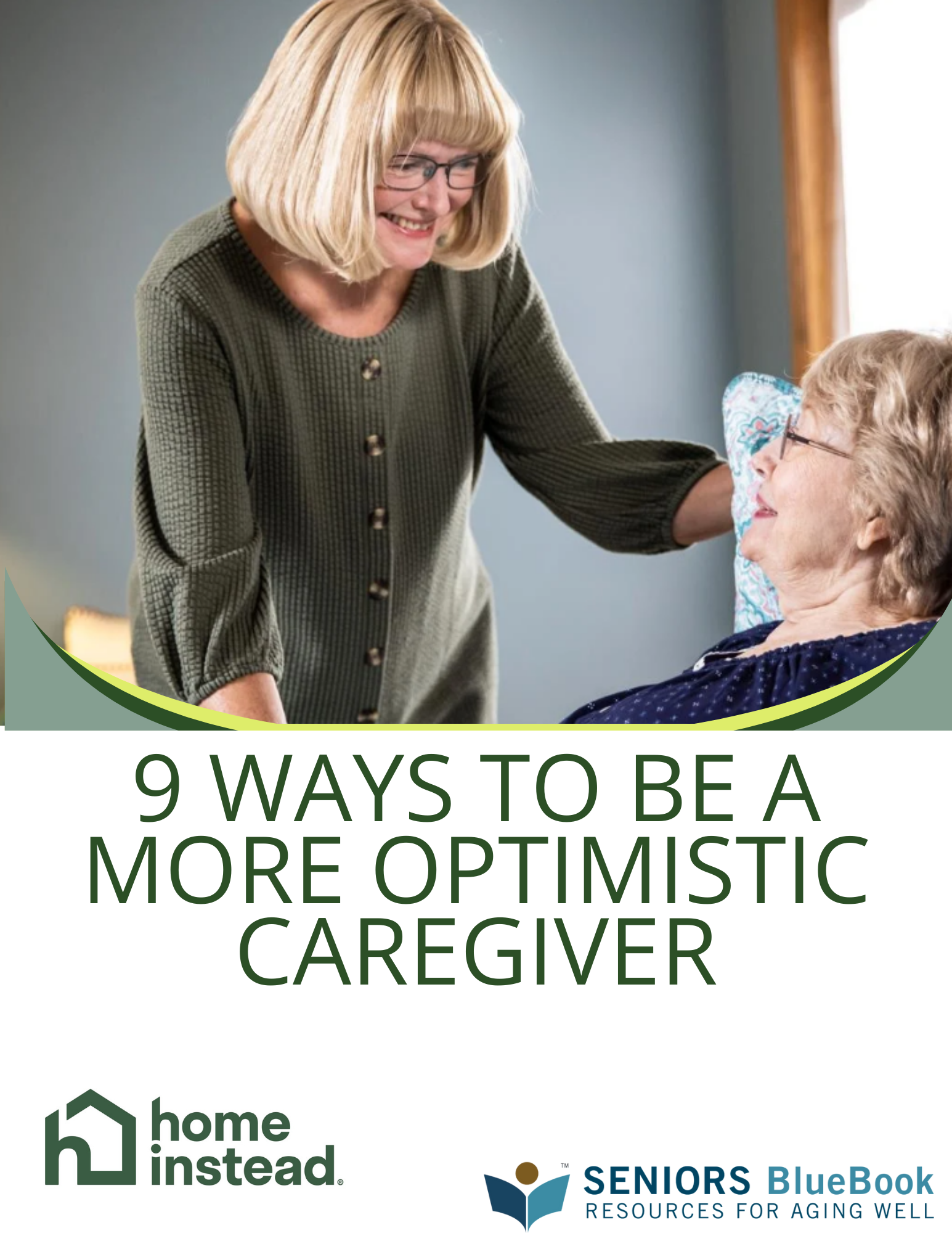
9 Ways to Be a More Optimistic Caregiver
HOME INSTEAD PITTSBURGH
For more information about the author, click to view their website: Home Instead Senior Care - Washington
May 21, 2025
Pennsylvania - Greater Pittsburgh Area

Email US
Click to Email Us
If you were asked to answer the question, “Today I feel
grateful for______?”, what would you answer? If you said, “Not much,” you’re
not alone.
Consider family caregiver Dee’s response when asked the
question about what she’s grateful for: “Not much,” DeeAnn candidly commented.
“It’s been a bad day, and I don’t roll with the punches very well.”
In contrast, Ednita claimed gratitude for “the occasional
breeze we’re getting today” while Chris was grateful to “still being able to
help others.”
Some caregivers—and there are more than 53
million in the United States alone—may relate more with DeeAnn and less
with Ednita and Chris as they go through their stressful caregiving day. And
that’s OK.
In order to move past the struggles and learn how to
cultivate more optimism in your caregiving life, follow these tips for creating
positivity and building resiliency in the face of adversity.
9 Ways to Be a More Optimistic Caregiver
Look for the Good
In order to keep the negative thoughts at bay, try making a list each day of
things that are good in your life. When problems loom large, look for the small
bright spots in your life like a cool breeze, sunshine or a nap.
Speak Kindly – to Yourself
“Don’t say anything to yourself that you wouldn’t say to anyone else,”
recommends a mayoclinic.org article on positive thinking. Turning off
the negative dialogue in your head can be a powerful tool to harness optimism.
For example, instead of thinking, “This will never work,” you might say to
yourself, “I’ll try again a different way.”
Lean on Positive People
Surrounding yourself with positive friends and family is helpful when trying to
stay upbeat yourself. “You are the average of the five people you spend the
most time with,” said the late Jim Rohn, entrepreneur, author and motivational
speaker. Stay connected with these people by getting together regularly in
person or online. You might consider joining a supportive online
community.
Find Happiness Through Health
A healthy diet and exercise can go a long way to improve mood and
overall wellness. Exercise and good nutrition can reduce stress,
increase energy, and foster good sleep habits. Maintaining a healthy diet is a
priority for Cindy, a family caregiver. “It’s probably one of the most
important things to do to keep my mind sharp,” she said.
Remember you are Doing Your Best
Stay positive and give yourself grace. Even if you lose your temper, that
doesn’t detract from all of the positive that you’ve done for your aging loved
one. Let go of the guilt, which is a normal part of the caregiving
process, and if you’re struggling with feeling angry about your role
as a caregiver, find positive ways to redirect your emotions. Remember that you
are showing up every day and making a difference.
Laugh More
Not only does laughter make you feel good, but its positive effects also stay
with you long after the chuckling subsides. Research shows that laughter lowers
stress hormones, relaxes muscles, improves mood, and eases anxiety.
Keep it Simple
Sometimes, doing only what needs to be done – dishes, laundry, meals – can make
the days less daunting. Don’t set unrealistic goals for yourself. Pick one
thing to accomplish and focus on that.
Take Time for Yourself
Whether it’s a quick walk around the block or meeting a friend for
lunch, taking a break from caregiving duties and focusing
on self-care is important for your health and wellbeing. Look to a
family member, friend, or professional caregiver to give you a few hours to
yourself so you can recharge and maintain an optimistic outlook.
Embrace Your Spiritual Side
Spirituality has been shown to improve mood and even physical health.
Memory care expert and author of The Best Friends Approach to Dementia
Care, David Troxel suggests finding focused time for spiritual
activities during the day including sharing/reading prayers with your
aging loved one, singing or listening to spiritual music.
Caregiving can be rewarding, but no caregiver breezes
through the journey without feeling some degree of negativity and hopelessness
creeping in. By following tips to stay positive, you may be able to transition
your outlook to one of optimism and gratitude for even the smallest positive
things in life.
Consider the benefits professional respite care, from a company like Home Instead, which provides a break from the rigors of caregiving and helps you focus more on the blessings in your life.
- To view the original version of this article visit www.homeinstead.com/care-resources/caregiver-support/9-ways-be-more-optimistic-caregiver/
- Seniors Blue Book was not involved in the creation of this content.
Other Articles You May Like
Facing a Cancer Diagnosis? How a Patient Advocate Can Help.
Facing a Cancer Diagnosis in Western Pennsylvania? How a Patient Advocate Can Help Understanding your diagnosis, navigating cancer treatment, and making important healthcare decisions can feel overwhelming. Discover how a healthcare patient advocate can help you find clarity, confidence, and support when you need it most. Hearing the words "You have cancer" can change your world in an instant. Suddenly, everyday life takes a back seat to medical appointments, unfamiliar terminology, treatment decisions, insurance questions, and concerns about what the future may hold. Whether you've recently received a cancer diagnosis, are undergoing treatment, or are helping a loved one navigate their healthcare journey, it's natural to feel overwhelmed. You may have excellent doctors and a supportive family, yet still find yourself wondering: Am I asking the right questions? Do I understand all my options? What if I'm missing something important? The good news is that you don't have to navigate a cancer diagnosis alone. A healthcare patient advocate can help you better understand medical information, prepare for important conversations, and feel more confident making decisions about your care. For individuals and families throughout Pittsburgh and Western Pennsylvania, Vital Voice, led by Wendy, provides personalized healthcare advocacy, clarity, and compassionate guidance during some of life's most challenging moments. Cancer in Pennsylvania: Why Patient Advocacy Matters More Than Ever Cancer affects thousands of Pennsylvania families every year. According to the American Cancer Society, an estimated 90,240 new cancer cases were projected to be diagnosed in Pennsylvania in 2025. Behind every statistic is a person trying to understand a diagnosis, a spouse worried about their partner, or an adult child helping an aging parent make important healthcare decisions. Western Pennsylvania is also home to a substantial population of older adults. According to the U.S. Census Bureau, approximately 21.9% of Allegheny County residents are age 65 or older. Because the risk of developing many types of cancer increases with age, older adults represent an important population when discussing cancer care, treatment decisions, and healthcare navigation. For seniors, a cancer diagnosis can bring additional challenges, particularly when they are already managing chronic health conditions, taking multiple medications, or trying to maintain their independence. And while the Pittsburgh region offers access to hospitals, oncology specialists, cancer treatment centers, and community resources, knowing where to turn and what questions to ask isn't always easy. That's why having someone who can help you navigate the healthcare system can be so valuable. What Is a Cancer Patient Advocate, and How Can One Help? A cancer patient advocate is someone who helps individuals better understand and navigate the medical, practical, and emotional challenges that can accompany a cancer diagnosis. Think of a healthcare advocate as an additional person in your corner. Your oncologist focuses on diagnosing and treating your cancer. Your nurses and other healthcare professionals provide essential medical care. A patient advocate helps you become a more informed, organized, and confident participant in the process. Healthcare advocacy isn't about replacing your medical team or making medical decisions for you. It's about helping you understand what's happening, identify the questions that matter, and feel comfortable speaking up about your needs and concerns. Depending on your situation, a healthcare advocate may help you: Understand medical information and unfamiliar terminology. Prepare questions for oncology appointments. Organize information about treatment options and recommendations. Identify concerns to discuss with your healthcare providers. Prepare for conversations about second opinions. Better understand the next steps in your care. Identify questions about insurance, treatment costs, or available resources. Feel supported during difficult healthcare decisions. Sometimes, simply having someone help you sort through everything can make an overwhelming situation feel much more manageable. Seven Ways a Healthcare Advocate Can Help During Your Cancer Journey 1. Understanding a New Cancer Diagnosis When you're first diagnosed with cancer, your mind may be racing. Your physician might explain pathology reports, imaging results, cancer staging, and recommended treatments, but absorbing that information while processing the emotional impact of a diagnosis can be difficult. You may leave the appointment realizing you didn't fully understand what was discussed. A healthcare advocate can help you review the information you've received, identify what needs clarification, and prepare questions for your medical team. For example: What type and stage of cancer do I have? Has the cancer spread? What additional tests are needed? What treatment options should I consider? How soon do I need to make a decision? What is the goal of the recommended treatment? Understanding your diagnosis is the first step toward feeling more empowered in your healthcare journey. You don't need to become a medical expert. You simply deserve information presented in a way you can understand. 2. Preparing for Oncology Appointments and Asking the Right Questions Have you ever walked out of a doctor's appointment and suddenly remembered everything you meant to ask? Now imagine doing that while navigating a cancer diagnosis. Oncology appointments often involve complicated conversations, unfamiliar information, and significant decisions. Even patients who are normally organized and confident may struggle to remember everything. A healthcare advocate can help you prepare by organizing your concerns, developing a list of questions, and identifying what information you need before your appointment. Keeping a notebook with your medications, symptoms, appointments, test results, and questions can also be helpful. You may want to bring a trusted family member, take notes, or ask your provider whether recording the conversation is permitted. Being prepared can help you leave appointments with a clearer understanding of what comes next. 3. Making Sense of Cancer Treatment Options Cancer treatment is rarely one-size-fits-all. Depending on the type and stage of cancer, your medical team may recommend surgery, chemotherapy, radiation therapy, immunotherapy, targeted therapy, hormone therapy, or a combination of treatments. Each approach can involve different benefits, risks, side effects, and schedules. For older adults, treatment decisions may also involve considerations such as existing medical conditions, mobility, medications, independence, and quality of life. You may wonder: What are the benefits and risks of this treatment? How will it affect my everyday activities? What side effects should I expect? Are there other treatment options worth discussing? Should I seek a second opinion? What happens if I choose not to pursue a particular treatment? A healthcare advocate can help you organize these questions and better understand the information provided by your medical professionals. The ultimate goal is to help ensure that your treatment decisions reflect your medical needs, personal preferences, and what matters most to you. 4. Helping Older Adults Maintain Independence During Cancer Treatment For many seniors in Pittsburgh and Western Pennsylvania, maintaining independence is a major concern when facing cancer treatment. Some older adults live alone. Others have spouses who may also be managing health challenges. Many worry about becoming a burden to their adult children. Cancer treatment can sometimes affect energy levels, mobility, appetite, and the ability to manage everyday responsibilities. In addition to medical treatment, patients may need to consider: Transportation to oncology appointments. Help with meals, housekeeping, or personal care. Home care or home health services when appropriate. Medication management and organization. Physical or occupational therapy. Nutrition support. Cancer support groups and counseling. Palliative care to help manage symptoms and improve quality of life. Palliative care is not the same as hospice care. It focuses on relief from symptoms and the stress of serious illness and can be provided alongside cancer treatment. A healthcare advocate can help patients and families recognize important support needs and prepare questions about available services. The earlier these conversations happen, the easier it may be to plan for changes before they become urgent. 5. Supporting Spouses, Adult Children, and Family Caregivers A cancer diagnosis doesn't affect only the person receiving treatment. It often changes the lives of everyone who loves them. Spouses may suddenly become primary caregivers. Adult children may find themselves coordinating appointments, managing paperwork, arranging transportation, and communicating with multiple healthcare providers. For families living in different parts of Western Pennsylvaniaor adult children living outside the regionthese responsibilities can become especially challenging. It's common for caregivers to feel overwhelmed, uncertain, or worried about making the wrong decision. A healthcare advocate can provide additional guidance by helping families organize their concerns, identify questions, and communicate more effectively with healthcare professionals. This support can be particularly helpful when family members have different opinions about treatment or when an older adult wants to maintain independence while accepting necessary assistance. The goal is to support the patient's wishes while helping loved ones feel better prepared for the journey ahead 6. Understanding Medicare, Insurance, and Cancer Treatment Costs A serious medical diagnosis often brings financial questions along with medical concerns. Patients may receive bills from hospitals, oncology specialists, laboratories, imaging centers, and treatment facilities. Even with Medicare or private health insurance, understanding deductibles, copayments, coinsurance, prior authorizations, and out-of-pocket expenses can be confusing. Some treatments or medications may require additional insurance approvals, and coverage can vary depending on the individual's plan. Important questions to ask include: Is my oncologist or cancer treatment center covered by my insurance? Does my treatment require prior authorization? What expenses might I be responsible for? Are financial assistance programs available? Does my cancer treatment center have a financial navigator or social worker? Who can help me understand an unexpected medical bill? A healthcare advocate can help you identify questions and determine which professionals or departments may be able to provide answers. For specialized insurance guidance, patients should also consult their insurance provider, hospital financial counselor, or a qualified Medicare counselor. Understanding potential costs and available resources early can help reduce unnecessary stress. 7. Having Someone to Turn to When Everything Feels Overwhelming Not every challenge associated with cancer involves a medical decision. Sometimes, it's simply the emotional weight of the experience. You may feel exhausted from appointments, frustrated by conflicting information, or anxious about what comes next. You may not want to worry your family with another question or concern. Even when surrounded by people who care about you, navigating a serious illness can feel isolating. This is where the personal side of healthcare advocacy becomes especially meaningful. Having someone who listens, helps you organize your thoughts, and encourages you to speak up can provide an important sense of support. You deserve to feel heard, respected, and involved in decisions about your own health. And sometimes, knowing you have someone in your corner can make a difficult day feel a little less overwhelming. Do You Need a Healthcare Advocate If You Already Have a Good Doctor? This is a question many patients and families ask. The answer is that even individuals with excellent physicians and compassionate medical teams may benefit from additional advocacy support. Doctors, nurses, oncology social workers, and hospital patient navigators play essential roles in cancer care. However, patients may still need help organizing information, preparing questions, or understanding what to do between appointments. An independent healthcare advocate can complement the support provided by your existing healthcare team. Think of it this way: Your medical team focuses on your cancer treatment. Your healthcare advocate helps you stay informed, organized, and confident as you navigate the experience. It's not about questioning the expertise of your physicians. It's about ensuring you feel comfortable participating in your care. Five Important Questions Every Cancer Patient Should Ask Whether you've recently been diagnosed or are already undergoing treatment, consider bringing these five questions to your next oncology appointment. 1. What is the goal of my treatment? Understanding whether treatment is intended to eliminate cancer, control its growth, relieve symptoms, or achieve another goal can help you evaluate your options. 2. What side effects should I expect, and when should I call my doctor? Ask which symptoms are common, which require a call to your treatment team, and which may require immediate medical attention. 3. How might treatment affect my daily life? Discuss fatigue, nutrition, transportation, mobility, caregiving responsibilities, and your ability to remain independent. 4. What additional support services are available? Ask about oncology social workers, nutrition specialists, financial counselors, rehabilitation services, support groups, and other community resources. 5. Who should I contact when I have questions between appointments? Knowing whom to call can provide reassurance when new symptoms, concerns, or questions arise. Remember, there is no such thing as a foolish question when it comes to your health. If something doesn't make sense, ask for clarification. If you need more time to understand your options, communicate that to your healthcare team. Your voice matters. When you're facing a serious health challenge, it's easy to feel like you're just another patient trying to make sense of a complicated healthcare system. Wendy, through Vital Voice, believes that every individual deserves personalized attention, clear information, and compassionate support throughout their healthcare journey. Based in Western Pennsylvania, Vital Voice provides individualized healthcare advocacy and guidance for people facing a wide range of medical challenges, including cancer diagnoses, upcoming surgeries, ongoing treatments, and uncertainty about their medical care. Wendy serves as a healthcare advocate, clarity coach, and supportive companion, helping individuals take a fresh look at their circumstances, organize their concerns, and feel more prepared to communicate with healthcare professionals. Her approach recognizes that no two healthcare journeys are exactly alike. Some individuals may need a conversation to help sort through their thoughts and prepare for an important appointment. Others may benefit from ongoing guidance while navigating a complicated medical situation. Whether you're an older adult facing cancer treatment, a spouse supporting a loved one, or an adult child helping an aging parent, Vital Voice provides personalized support based on your needs. For individuals searching for a cancer patient advocate in Pittsburgh or healthcare advocacy services in Western Pennsylvania, Vital Voice offers a local connection and a compassionate approach to navigating difficult healthcare experiences. Because behind every diagnosis is a real person with questions, concerns, hopes, and decisions that deserve thoughtful attention. You Have a Voice in Your Cancer Care. Don't Be Afraid to Use It. A cancer diagnosis can bring uncertainty, but it doesn't take away your right to ask questions, understand your options, express your preferences, and participate in decisions about your health. You don't have to understand every medical term. You don't have to remember every detail from every appointment. And you certainly don't have to pretend you have everything figured out. What matters is knowing that support is available. Whether you're newly diagnosed with breast cancer, prostate cancer, lung cancer, colorectal cancer, or another serious illness, or you're helping a loved one navigate treatment, a healthcare advocate can help you approach the next step with greater clarity and confidence. You Don't Have to Navigate Cancer Alone: If you or someone you love is facing a cancer diagnosis or another challenging healthcare situation in Pittsburgh or Western Pennsylvania, consider connecting with Wendy at Vital Voice to learn more about personalized healthcare advocacy and support. Because when it comes to your health, understanding your options, asking the right questions, and having someone in your corner can make all the difference. Your health matters. Your questions matter. Your voice matters. Vital Voice provides healthcare advocacy and guidance, not medical diagnosis or treatment. Always consult qualified healthcare professionals regarding medical decisions and treatment.
Family & Caregiver Support FAQs
1. How to Talk to Your Parent About Needing HelpStart early, choose a calm moment, lead with concern rather than criticism, ask open-ended questions, and involve your parent in every decision. Plan for several short conversations instead of one big talk.Before You Talk Get aligned with siblings or family so your parent hears one consistent message. Gather specifics: note what you have actually observed, such as missed bills, spoiled food, or a recent fall. Pick the right setting: a private, relaxed time, not during a crisis or a holiday gathering. How to Start the ConversationOpen with care and curiosity. Helpful starters include: "I've noticed the stairs seem harder lately. How are you feeling about them?" "If something happened, what would you want us to do?" "What would make life easier for you right now?" What Works Listen first. Let your parent describe their own worries and priorities. Use "I" statements. Say "I worry when you drive at night" rather than "You can't drive anymore." Offer choices. Options such as a few hours of home help or a medical alert device preserve a sense of control. Start small. Suggest a trial, such as a housekeeper twice a month. Bring in a trusted voice, such as a doctor, clergy member, or longtime friend. What to Avoid Ultimatums, guilt, or talking about them as if they were not in the room. Pushing for a major decision, such as moving, in the first conversation. Dismissing their fears about independence. 2. Signs Your Loved One Needs CareCommon signs include difficulty with daily activities, weight loss, unpaid bills, a messy or unsafe home, medication mistakes, frequent falls, memory changes, and social withdrawal. Several signs together suggest it is time for a professional assessment.Physical Signs Noticeable weight loss or poor appetite. Poor hygiene, wearing the same clothes, or body odor. Bruises, unexplained injuries, or repeated falls. Trouble walking, getting out of a chair, or using stairs. Cognitive and Emotional Signs Forgetting appointments, repeating questions, or getting lost in familiar places. Confusion with money, such as unpaid bills, unusual purchases, or scam victimization. Mood changes, anxiety, irritability, or signs of depression. Pulling away from friends, hobbies, or faith activities. Home and Daily Living Signs Spoiled food in the refrigerator or an empty pantry. Piles of mail, clutter, or a home that is not being kept up. Burned pots, unsafe stove use, or dents on the car. Missed, doubled, or mixed-up medications. Understanding the Level of NeedDoctors often look at activities of daily living (bathing, dressing, eating, toileting, and moving) and instrumental activities (cooking, driving, managing money, and medications). Difficulty with several of these points to a need for outside help. 3. How to Balance Caregiving with Your Own LifeBalance caregiving by setting clear limits, sharing tasks with family and paid help, using respite care, protecting your own health and time, and asking for support early rather than waiting until you are exhausted.Why Balance Is HardCaregivers often juggle jobs, children, and household duties while supporting a loved one. Without breaks, stress, poor sleep, and isolation can lead to caregiver burnout.Strategies That Help Define your role. Decide what you can do, what you can share, and what you will pay for or delegate. Hold a family meeting. Divide tasks by strengths and availability, including remote tasks like bill paying or scheduling. Create a shared calendar for appointments, medications, and visits. Use respite care. Even a few hours a week from a relative, volunteer, aide, or adult day program restores energy. Set boundaries at work. Talk with your employer about flexible hours, remote work, or leave options. Protect your health. Keep your own medical appointments, move your body, eat regularly, and sleep. Stay connected. Keep up friendships and activities that recharge you. Signs of Caregiver Burnout Constant exhaustion or frequent illness. Feeling hopeless, resentful, or overwhelmed. Withdrawing from others. Changes in appetite or sleep. If you notice these, speak with your doctor or a counselor. 4. Support Available for Family CaregiversFamily caregivers can access respite care, counseling, support groups, caregiver training, adult day programs, financial assistance, and workplace protections. Local Area Agencies on Aging are the best first stop in the United States.Types of Support Respite care: Short-term relief, at home or in a facility. Adult day programs: Supervised daytime care and activities. Support groups and counseling: In person, by phone, or online. Training: Courses on lifting, dementia care, and medication management. Home care and meals: Aides, home-delivered meals, and transportation. Financial and Legal Help Medicaid home and community-based programs, which in some states can pay for care at home, and in a few, family caregivers. VA Caregiver Support Program for those caring for veterans. Tax benefits, such as possible medical expense deductions or dependent credits; ask a tax professional. Elder law attorneys for powers of attorney, benefits planning, and long-term care planning. Workplace ProtectionsIn the U.S., the Family and Medical Leave Act (FMLA) may allow eligible employees up to 12 weeks of unpaid, job-protected leave a year to care for a family member with a serious health condition. Some states offer paid family leave, and some employers offer caregiver benefits.Programs vary by country and region. Outside the U.S., contact your local government aging or social services office. 5. How to Handle Resistance to Care?Resistance usually stems from fear of losing independence, not stubbornness. Respond with empathy, find the root concern, offer choices, introduce help gradually, and know when safety risks require stepping in.Why Older Adults Resist Help Fear of losing independence or control. Embarrassment or denial about declining abilities. Worry about cost or being a burden. Distrust of strangers in the home. Cognitive changes, including dementia, that reduce awareness of problems. Strategies That Work Ask why. Understand the specific fear before offering solutions. Reframe the help. Present it as support for staying independent: "This will help you stay in your home longer." Go slow. Start with a few hours of help or a friendly companion, and build up. Offer choices. Let your parent pick the caregiver, schedule, or tasks. Use a trusted messenger. Doctors often carry more weight than family. Pick your battles. Focus on safety and health priorities rather than minor preferences. Try a trial period. "Let's try it for a month and then decide together." When Dementia Is InvolvedArguing facts rarely helps. Stay calm, validate feelings, redirect gently, and keep routines consistent. Ask the doctor about evaluation and dementia care strategies.When to Step InA capable adult has the right to make their own choices, even risky ones. But if there is immediate danger, such as wandering, unsafe driving, neglect, or serious medical needs, contact their doctor. If your parent lacks decision-making capacity, an elder law attorney can explain options such as guardianship, and Adult Protective Services can respond to self-neglect or abuse concerns.Disclaimer: This content is for educational purposes and does not replace professional medical, legal, or financial advice. Consult qualified professionals about your family's situation.
Caregiver Support FAQs: Resources for Family Caregivers
Family caregivers provide most long-term care for older adults. These answers help caregivers protect their own health while caring for someone else.What is caregiver burnout?Caregiver burnout is a state of physical, emotional and mental exhaustion caused by prolonged caregiving stress. Signs include constant fatigue, irritability, withdrawal from friends, sleep problems, getting sick often, and feeling hopeless or resentful.How can I prevent caregiver burnout?Set realistic limits, accept help, keep your own medical appointments, and schedule regular breaks. Joining a caregiver support group and using respite care are two of the most effective strategies.What is respite care?Respite care is short-term relief for primary caregivers, provided at home, at an adult day center or in a residential facility for a few hours to several weeks. It gives caregivers time to rest, handle errands or recover.Can caregivers get paid?Sometimes. Some state Medicaid programs, VA programs and long-term care insurance policies allow family members to be paid caregivers. Eligibility depends on the program, so contact your Area Agency on Aging to learn what exists locally.Where can I find caregiver support near me?The Eldercare Locator (1-800-677-1116) connects caregivers to local Area Agencies on Aging. Many agencies offer counseling, training, respite funding and support groups through the National Family Caregiver Support Program.How do I talk to a parent who refuses help?Start with listening and focus on their goals, such as staying independent at home. Introduce help gradually, involve their doctor, and frame support as a way to keep their independence rather than lose it.Can I take time off work to care for a family member? The federal Family and Medical Leave Act allows eligible employees up to 12 weeks of unpaid, job-protected leave per year to care for a qualifying family member. Some states and employers offer paid family leave, so check both.
Local Services By This Author

Home Instead - Greensburg
Non-Medical 4540 Pennsylvania 136, Greensburg, Pennsylvania, 15601Families throughout Westmoreland County know how quickly life can change when an aging parent or loved one begins needing extra support at home. What often starts as small concerns missed medications, difficulty preparing meals, trouble getting around safely, or increasing forgetfulness can slowly become overwhelming for both seniors and their families. Home Instead Westmoreland County helps ease that burden by providing compassionate in-home senior care that allows older adults to remain safe, comfortable, and independent in the place they know best: home.Based in Greensburg, Home Instead proudly serves seniors and families throughout Westmoreland County and surrounding communities including Murrysville, Irwin, Latrobe, Jeannette, Delmont, Mount Pleasant, Ligonier, Trafford, Scottdale, Youngwood, Belle Vernon, New Stanton, Export, Penn Township, and many neighboring areas throughout western Pennsylvania. Their team understands that every familys situation is different, which is why care is never treated like a one-size-fits-all service. Instead, they take the time to truly listen, understand concerns, and create a personalized care plan designed around each seniors lifestyle, routines, health challenges, and individual goals.For many older adults, remaining at home is deeply important. Home represents familiarity, memories, routines, neighbors, pets, and a sense of independence that many seniors do not want to lose. Home Instead helps make aging in place possible by providing reliable non-medical home care services that support both physical needs and emotional wellbeing. Whether someone needs a few hours of companionship each week or more advanced daily assistance, their caregivers are there to provide support with kindness, patience, and respect.Home Instead offers a wide range of in-home senior care services throughout the Greensburg and Westmoreland County area. Services may include companionship care, meal preparation, light housekeeping, medication reminders, grocery shopping, transportation to appointments, laundry assistance, mobility support, bathing and dressing assistance, overnight care, respite care for family caregivers, and 24-hour home care. Their flexible care options allow families to adjust services as needs change over time, providing reassurance that support can evolve alongside a loved ones health and circumstances.What many families appreciate most about Home Instead is that the care feels personal and relationship-focused rather than clinical or impersonal. Their caregivers, known as Care Professionals, take time to get to know each client beyond just their care needs. They learn favorite routines, hobbies, interests, personalities, and the little details that help seniors feel comfortable and valued. Sometimes the most meaningful moments are the simplest ones sharing stories over coffee, taking a walk outside, helping prepare a favorite meal, or simply being there to provide companionship and conversation during the day.Loneliness and isolation can become major challenges for older adults, especially after the loss of a spouse, reduced mobility, or health changes that make it harder to stay socially active. Home Instead understands that emotional health matters just as much as physical safety. Their companionship services are designed to help seniors stay socially connected, mentally engaged, and emotionally supported while continuing to enjoy life at home.For families caring for a loved one with Alzheimers disease or another form of dementia, finding dependable support can feel especially stressful. Home Instead provides specialized Alzheimers and dementia care focused on creating stability, routine, reassurance, and familiarity for seniors experiencing memory loss. Their caregivers receive training to understand the unique behaviors and challenges that dementia can bring, helping families feel more supported throughout what is often an emotionally difficult caregiving journey. Remaining in familiar surroundings can often provide additional comfort and reduce anxiety for seniors living with memory impairment.Home Instead also supports seniors recovering from surgery, illness, rehabilitation stays, or hospitalization. Returning home after a hospital stay can sometimes feel intimidating, especially for older adults who may temporarily need additional help with mobility, meals, medications, or transportation. Their caregivers help make that transition smoother by providing practical support while seniors regain confidence and strength at home.Family caregivers often spend months or even years balancing caregiving responsibilities alongside careers, parenting, and their own personal obligations. Over time, that level of responsibility can become physically and emotionally exhausting. Home Insteads respite care services allow family caregivers an opportunity to rest, travel, attend appointments, or simply recharge while knowing their loved one is receiving compassionate and attentive care. Many families discover that having reliable help not only benefits the senior, but also greatly improves overall family wellbeing and reduces caregiver burnout.Another reason families throughout Westmoreland County trust Home Instead is their strong focus on communication and consistency. Families want reassurance that their loved one is being cared for with professionalism, compassion, and reliability. The Home Instead team works closely with clients and families to adjust care plans as needs evolve while providing ongoing support and guidance every step of the way.Since becoming part of the Greensburg community in 2000, Home Instead has built a reputation for delivering compassionate senior care rooted in dignity, trust, and meaningful human connection. Their mission goes beyond simply helping with daily tasks they strive to help older adults continue living fulfilling lives while remaining connected to the people, routines, and communities they love most.Whether a family is beginning to explore home care for the first time or urgently needs support after a recent health change, Home Instead Westmoreland County remains a trusted local resource for personalized in-home senior care throughout Greensburg and the surrounding area. Through compassionate caregivers, flexible care plans, and a heartfelt commitment to helping seniors age safely at home, Home Instead continues to provide peace of mind for families across Westmoreland County every single day.


Home Instead - Uniontown
Non-Medical 659 Old Pittsburgh Road, Uniontown, Pennsylvania, 15401Families throughout Fayette County know how important it is for aging loved ones to remain comfortable, safe, and independent at home for as long as possible. But as parents and older family members age, everyday routines can gradually become more difficult. Things like preparing meals, keeping up with laundry, driving to appointments, bathing safely, or remembering medications may start requiring extra assistance. For many families, that realization can feel emotional and overwhelming. Home Instead Uniontown helps make that transition easier by providing compassionate in-home senior care designed to support both older adults and the families who love them.Based in Uniontown, Home Instead serves seniors throughout Fayette County and surrounding southwestern Pennsylvania communities including Connellsville, Brownsville, Masontown, Perryopolis, Hopwood, Smithfield, Fairchance, Grindstone, Mount Pleasant, Scottdale, and nearby areas. Their mission is simple helping older adults continue living safely and comfortably in the place that feels most familiar: home. For many seniors, staying at home means maintaining routines, independence, memories, pets, neighbors, and a sense of normalcy that simply cannot be replaced.Home Instead provides non-medical home care services tailored to each individuals needs and lifestyle. Some seniors may only need companionship and a little extra help around the house a few hours a week, while others may require more hands-on assistance due to mobility issues, chronic illness, dementia, or recovery after hospitalization. Their care plans are flexible and personalized, allowing families to adjust support as needs change over time.Services may include companionship care, personal care assistance, meal preparation, medication reminders, light housekeeping, laundry assistance, transportation to appointments, grocery shopping, mobility support, bathing and dressing assistance, overnight care, respite care for family caregivers, and 24-hour home care services. Their caregivers also help seniors remain socially engaged and emotionally connected something that becomes increasingly important as older adults face isolation, reduced mobility, or the loss of a spouse or close friends.One of the things families often appreciate most about Home Instead is how personal the care feels. Their caregivers, known as Care Professionals, do much more than help with tasks. They build relationships. They take time to learn about a clients personality, routines, interests, favorite hobbies, and the little details that help someone feel comfortable and valued. Sometimes it is the simplest moments that matter most sitting together for conversation, helping a client tend to flowers on the porch, sharing stories over coffee, or accompanying someone on a walk through the neighborhood.Home Instead understands that quality senior care is not just about physical assistance. Emotional wellbeing matters too. Loneliness and isolation are very common among older adults, especially after health changes or the loss of independence. Having a trusted caregiver visit regularly can bring companionship, encouragement, routine, and reassurance into a seniors daily life while also giving families peace of mind knowing someone is checking in consistently.Families caring for loved ones with Alzheimers disease or other forms of dementia often face additional stress and uncertainty. Home Instead provides specialized dementia and Alzheimers care services focused on safety, consistency, patience, and familiarity. Their caregivers receive training to better understand the unique challenges memory loss can create for both seniors and families. Remaining at home in familiar surroundings can often help reduce confusion and anxiety for individuals living with dementia, while families gain support from caregivers who understand the emotional complexities of memory care.Home Instead also assists seniors recovering after hospitalization, surgery, illness, or rehabilitation stays. Returning home after a medical event can feel intimidating for many older adults, particularly if they live alone or temporarily need additional support. Caregivers can help ease the transition home by assisting with meals, transportation, medication reminders, mobility support, and household tasks while seniors regain strength and confidence during recovery.For family caregivers, balancing caregiving responsibilities alongside work, parenting, and personal obligations can quickly become exhausting. Many family members spend months or years trying to manage everything on their own before finally seeking outside support. Home Insteads respite care services allow family caregivers an opportunity to rest, travel, attend appointments, or simply recharge while knowing their loved one is receiving attentive and compassionate care from someone they trust. Even a few hours of dependable support each week can significantly reduce stress and caregiver burnout.Another reason families throughout Fayette County turn to Home Instead is because of their commitment to individualized care and ongoing communication. Every family situation is unique, and their team works closely with clients and loved ones to create care plans that truly fit the seniors needs, personality, and lifestyle. As care needs evolve over time, services can be adjusted to continue providing the right level of support.As more seniors choose to age in place, in-home care continues to become one of the most valuable resources available to older adults and caregivers throughout southwestern Pennsylvania. Many families want alternatives to institutional care settings and appreciate having options that allow loved ones to remain where they feel happiest and most comfortable. Home Instead helps make that possible by combining compassionate caregivers with flexible support designed around maintaining dignity, independence, and quality of life.Locally owned and deeply connected to the Uniontown community, Home Instead has built strong relationships with families throughout Fayette County by focusing on trust, compassion, and meaningful human connection. Their team understands that inviting a caregiver into a loved ones home is a deeply personal decision, and they work hard to ensure families feel comfortable, supported, and confident every step of the way.Whether a family is beginning to explore senior care options for the first time or urgently needs help following a recent health change, Home Instead Uniontown remains a trusted local resource for compassionate in-home senior care. Through personalized care plans, dependable caregivers, and a heartfelt commitment to helping seniors age safely at home, they continue helping older adults throughout Fayette County live with greater comfort, dignity, and peace of mind.