Estate Planning Legal Fees


Maybe even more important than the amount of your legal fees is how those fees are determined. Estate planning attorneys charge in two main ways; hourly and flat fee. Hourly billing is how attorneys have charged since the beginning of time. Hourly works great for litigation since the time required is unpredictable and hourly billing takes care of that unknown. Some attorneys use hourly billing for estate planning as well. They send you a draft and if you want changes or there are mistakes you send it back, they change it and you get a bill. They are also billing you while you are telling them about yourself, your family, your goals and your situation.
While there is nothing inherently wrong with this, I just don't believe it is the best way to get to know a client and his or her situation. When a client feels rushed because he or she is being charged $5.00 a minute (which is what $300 an hour works out to) the attorney will never get the full story and therefore the documents are unlikely to perfectly reflect the clients needs. Finally, we come to way that most estate planning attorneys charge: flat fee. Flat fee is when you agree to a price before you move forward and the price doesn't change. Since estate planning is helping you design documents that reflect your needs and wishes and there are no other parties involved, flat fee is the way to go. Of course, sometimes it takes a little longer than anticipated but other times it goes a little quicker too. The advantages to the client are: one; no time pressure to tell the full story and two; you know how much it is going to cost before you commit. I like it because not only can I do a better job when I know the complete story, I can tell jokes without the client looking at the clock because no one is $300 an hour funny; well at least Im not.
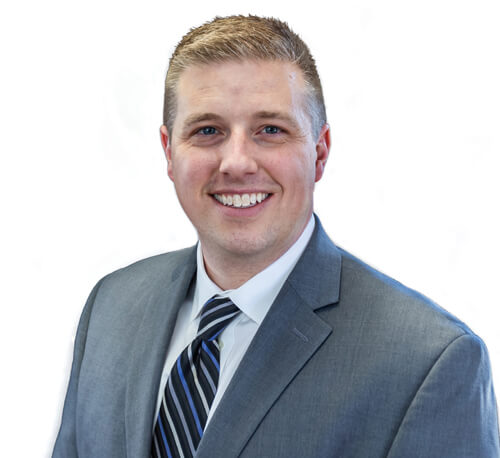
Editors Note: This article was submitted by Ryan N. Morey, Esq. Ryan is an estate planning attorney who owns Morey Law, P.C. and may be reached at 719-465-4324 or by email at [email protected].

Other Articles You May Like
The Best Time to Make an Estate Plan Is Before You Need One
Estate planning is easy to put off. Work is busy. The kids need something. The house needs attention. Everyone is healthy, and there is always something that feels more urgent. So you tell yourself, Ill get to it later. I understand that. Most people are not avoiding estate planning because they do not care about their families. They are busy taking care of those families right now. But that is also why I encourage people to begin before there is an emergency. When life is calm, you have time to ask questions, talk with the people you love, and make choices that feel right to you. At Bellomo & Associates, we want families to have that opportunity, instead of trying to figure everything out beside a hospital bed. Why Do So Many People Put Estate Planning Off?Sometimes people think they are too young. Sometimes they assume they do not own enough to need a plan. And sometimes they believe their spouse or children already know what they would want. Those thoughts are understandable. If you are feeling well and handling your own affairs, documents such as powers of attorney and healthcare directives may seem like something you will need years from now. The trouble is that we do not get to choose when life changes. Estate planning is easier when you can approach it with a clear head and enough time to consider your options. You can talk about what matters to you without asking your family to make every decision in the middle of a crisis. Estate Planning Is About More Than What Happens After DeathWhen people hear estate plan, they often think of a will and who will inherit the house. Those are important questions, but a plan can also help your family while you are living. What if an accident leaves you temporarily unable to manage your bills? What if an illness makes it difficult to speak with your doctors? Who would step in, and would that person have the authority they need? A financial power of attorney can address who may handle financial matters for you. A healthcare power of attorney can name someone to make healthcare decisions when you cannot. A living will can give direction about certain treatment choices. Pennsylvania recognizes these as distinct planning documents, each with its own requirements. These are deeply personal choices. Making them ahead of time gives your loved ones something far more useful than a guess. The Best Time to Choose Someone Is Before You Need ThemThink about the person you would trust to help if you could not manage your finances for a while. You probably have someone in mind. But have you asked whether they would be willing to take on that role? Do they know where to find your important information? Planning gives you time to have that conversation. You can choose someone who understands you, explain what matters most, and name a backup in case your first choice cannot serve. Without appropriate documents, a family may know exactly whom you would have chosen and still have trouble acting on your behalf. Depending on the circumstances, they may need to seek court involvement. That can be stressful for a spouse or child who is already worried about you. My Family Knows What I Want May Not Be EnoughI hear this often: Jeff, my family knows what I want. They might know a great deal about you. They know how you take your coffee, what you think about the holidays, and which stories you will tell whenever everyone is together. Still, a serious medical decision can be different from any conversation you have had before. Picture three adult children trying to decide what Mom would want. One remembers her saying she never wanted to be kept alive by machines. Another remembers her talking about doing everything possible to have more time with her grandchildren. Each believes they are honoring her wishes. A conversation and the right documents can help your family understand your preferences and know who should make decisions if you cannot. That guidance is a gift to the people who love you. Waiting for a Crisis Can Make Planning HarderEstate planning works best when you can take your time. You can ask what a document means, think about whom to name, and decide how the pieces of your plan should fit together. A sudden illness or a change in memory can make those conversations more difficult. A diagnosis alone does not necessarily mean someone can no longer make legal decisions, but capacity questions can arise, and options may become more limited as circumstances change. This is why I encourage people to plan while the choices are clearly theirs to make. There is comfort in knowing you had the chance to think them through. You Do Not Have to Be Wealthy to Need an Estate PlanEstate planning is about people as much as property. A young parent may want to name someone to care for their children. A single adult may want a trusted friend or relative to speak with doctors if needed. A grandparent may want to make sure an inheritance is handled thoughtfully for the next generation. You may also need to consider your home, personal belongings, pets, online accounts, or who would be responsible for settling your affairs. None of those questions depends on having a certain amount of money. If there are people you care about and decisions you would want to make for yourself, there is a reason to think about a plan. Your Will Is Only One Part of the PlanA will matters, but it may not control every asset you own. Retirement accounts and life insurance policies often have beneficiary designations. The way a home or account is owned may also affect what happens to it. That is why an old beneficiary form deserves attention. Perhaps it names someone who has since died. Perhaps your family has grown, but the form has not changed. A plan works better when you review how its parts fit together, rather than assuming the will answers every question. Your Plan Can Change as Your Life ChangesSome people wait because they want to get every decision perfect the first time. You do not need to predict the rest of your life. A plan should reflect your life now. Then, when life changes, you can review it. Marriage, divorce, a new child or grandchild, retirement, a move, or a change in a trusted relationship may all be reasons to take another look. Beginning today does not mean you can never make a different choice. It means your family has guidance based on what you want today. Give Your Family Instructions Instead of QuestionsWhen someone needs help unexpectedly, loved ones often want to do the right thing. They may simply be unsure what that is. Who can speak with the bank? Where are the documents? Who should make a medical decision? What did Dad want to happen to the house? An estate plan cannot spare a family every hard moment. It can give them direction through some of those moments, and it can let you choose the people you trust to help. When things are going well, estate planning may feel easy to postpone. That is also when you may have the most room to think, talk, and decide. Bellomo & Associates welcomes families who want to start that conversation before a crisis makes it urgent.
Estate Planning in Fairhope, AL
A family may know that someone has a will and still be unsure what to do during an illness, who can help with financial matters, or where important instructions are kept. Estate planning is an opportunity to replace those unanswered questions with a plan that reflects the persons wishes and practical circumstances.Estate planning in Fairhope, AL can address both future transfers of property and planning during life. Ashley Day Law provides estate planning services in Fairhope, including documents and implementation guidance. A productive first meeting begins with goals and family circumstances rather than a predetermined list of forms.What estate planning coversAn estate plan is a coordinated legal arrangement for the matters a person wants addressed if they become unable to act or when they die. The appropriate documents depend on the persons assets, family, preferences, and applicable law.Topics to discuss with counsel can include who should handle financial affairs, how healthcare wishes should be documented, who should receive property, and whether a trust serves a particular purpose. A document should be chosen because it fits the plan, not simply because someone else has one.Start with people and responsibilitiesConsider who is willing and able to carry out each role. A trusted relative may live far away, have limited time, or be uncomfortable managing finances. A good planning conversation includes those practical limitations.Ask prospective decision makers whether they are willing to serve before naming them. Discuss backups and how each person could find the information needed. The attorney can explain the legal duties associated with the proposed role. Ashley Day Law in FairhopePhone: 251-277-3377Coordinating documents and assetsThe firm describes reviewing beneficiary designations and advising clients about funding trusts. These services make implementation a useful focus for the consultation.Bring a list of accounts, property, insurance, and existing documents. Ask how each asset fits with the proposed plan and which follow-up tasks will be required. Request a clear division of responsibility between the firm, the client, and any financial institution or other adviser.The goal is to leave with more than signed papers. Ask how you will know that the intended changes have been completed and what records should be retained.Planning for individual family circumstancesAshley Day Law also publishes services involving caregiver and family agreements, advice to fiduciaries, and planning for loved ones with special needs. Its estate planning materials describe working with clients other professional advisers where appropriate. Explain the family situation fully. Mention blended families, a beneficiary who receives public benefits, a closely held business, or property outside Alabama. These circumstances can change the questions the attorney needs to address.Do not assume that a particular trust, transfer, or beneficiary arrangement is suitable before the attorney reviews the details. Ask for an explanation of the proposed approach, alternatives, and implementation requirements.Related legal servicesThe firms website also identifies elder law, special needs planning, and probate and trust administration. Ask whether your matter is part of the estate planning engagement or requires additional work.If the immediate concern involves a care bill, an existing trust, or a recent death, explain that when scheduling. It may call for a different kind of appointment than preparing a new plan.Questions that make a planning meeting more usefulA thoughtful consultation should connect your wishes to specific decisions. Consider asking:Which documents fit my goals, and what does each one do?Who should be named for each responsibility, and who should be the backup?What assets or beneficiary designations need further review?What work must happen after documents are signed?How should my instructions and original documents be stored?What changes should prompt a future review?Ask the attorney to explain unfamiliar terms before you approve a plan. If you want an adult child or another adviser involved, discuss how that participation will work and clarify who the client is.Why estate planning matters locally in FairhopeA Fairhope household may have family nearby, relatives in another state, and property acquired before a move to Alabama. The plan should reflect those connections rather than assuming that every decision-maker and asset is local.For people who have relocated to the Eastern Shore, bring older documents to the attorney instead of discarding them or assuming they need no review. Explain where the documents were prepared and what has changed since then.Also consider practical access. If someone needs to help during an illness, will they know whom to call and where to find current instructions? A plan becomes easier to use when the appropriate people understand the process and can locate the necessary information.How to get started1. Write down your main goals and the concerns you most want resolved.2. Gather existing wills, trusts, powers of attorney, healthcare documents, and beneficiary information.3. Prepare an inventory of property, accounts, debts, and insurance.4. Call Ashley Day Law at 251-277-3377 to request an estate planning consultation.5. Ask for the scope of work, fee arrangement, and required preparation materials.6. Complete the agreed signing and implementation steps, then keep a list of unfinished tasks until each is resolved.Practical tip: Use a one-page planning inventory with contact names and document locations. Keep sensitive account credentials separate and ask the attorney about secure storage and appropriate access. Related categoriesElder Law in FairhopeSpecial Needs Trusts Probate and Trust Administration
Do You Need a Probate Attorney, or Can You Handle Probate Yourself?
Being named executor can feel like an honor. Someone you love trusted you to carry out their wishes. At first, you may think, They left a will. I know what they wanted. I can take care of this. Then you open the first envelope. A bank needs documents. A bill arrives. Someone asks what will happen to the house. Another family member wants to know when they will receive their inheritance. You are grieving too, and suddenly everyone is looking to you for answers. That is when many executors ask me: Do I need a probate attorney, or can I handle this myself? For some estates, handling the process without ongoing legal help may be manageable. For others, one unanswered question can affect the whole family. The decision depends on what the estate involves, how comfortable you are with the responsibilities, and whether you know when to ask for help. What Does Probate Actually Involve?Probate is the legal process for administering assets that must pass through an estate after someone dies. In Pennsylvania, the process generally begins with the county Register of Wills, which handles probate and the appointment of estate representatives. Pennsylvanias courts provide a directory of county Registers of Wills. The executors work can include locating assets, protecting property, gathering account information, addressing bills and creditor claims, handling tax matters, keeping records, communicating with beneficiaries, and distributing property when it is appropriate to do so. That is a great deal to take on, especially while mourning someone you love. Probate is about more than filing a will. It is the careful work of settling a persons financial affairs and carrying out their wishes. Can You Handle Probate Without a Lawyer?Sometimes, yes. An executor who is organized and has a straightforward estate may feel comfortable handling much of the work. A clear will, easy-to-identify assets, manageable debts, and family members who agree about what should happen can make the process easier. But straightforward does not mean effortless. You may still need to follow procedures, keep accurate records, respond to requests from financial institutions, and decide when the estate is ready to make distributions. I encourage executors to be honest with themselves about the time and attention this will require. There is no prize for figuring out every step alone. Asking a question early can bring welcome clarity before you make a decision on the estates behalf. First, Find Out What Actually Goes Through ProbateNot everything a person owned necessarily passes through their probate estate. An account with a valid beneficiary designation, property owned jointly with survivorship rights, or an asset properly held in a trust may pass another way. Imagine finding a folder containing a will, a life insurance policy, a bank statement, and a deed. It would be easy to assume the will controls all four. In reality, you need to look at how each asset is owned and whether a beneficiary has been named. Sorting that out at the beginning helps the executor understand what they are responsible for administering. It can also prevent confusion when a family member asks why one asset is being handled differently from another. A Simple Estate Can Become Complicated QuicklyConsider two families whose parents leave behind a home, a few accounts, and a vehicle. In the first family, the children agree that the house should be sold, the accounts are easy to locate, and everyone understands the will. In the second, one child wants to keep the house. Another remembers being told it would be sold. A third believes money was taken from an account before their parents died. The estates may look similar on paper, but the executors face very different jobs. Estate value alone does not tell you whether legal guidance would help. Family relationships, unclear documents, creditor claims, and the types of assets involved can change the experience considerably. When Does Working With a Probate Attorney Make Sense?I would pay particular attention to disagreements. If beneficiaries question the will, dispute a decision, or cannot agree about property, the executor may find themselves trying to manage a conflict they did not create. A missing original will, confusing language, questions about changes to a document, or concerns that someone was pressured can also call for legal guidance. The same is true when the estate includes a business, real estate in another state, complicated accounts, or more debts than the estate may be able to pay. At Bellomo & Associates, we want executors to understand what their role requires before a difficult choice becomes a bigger problem. Getting guidance does not mean you have failed at the job your loved one gave you. It means you are taking that responsibility seriously. Probate Mistakes Can Go Beyond PaperworkPeople often worry about filling out the wrong form. I understand that. Forms can be frustrating. But some of the decisions behind those forms deserve even more care. For example, an executor may be eager to give beneficiaries their share, particularly if a family member needs the money. What if a valid debt or tax obligation has not yet been addressed? What if property needs to be maintained, insured, or sold before anyone knows what is available to distribute? An executor is handling property for the estate and its beneficiaries. Keeping good records and understanding your authority before you act can protect both the family and you. Do Not Forget About TaxesFamilies sometimes hear that an estate is too small for federal estate tax and conclude that taxes are off the table. Pennsylvania has an inheritance tax, and an executor may also need to address the deceased persons final income tax return. If the estate earns income after death, that may raise another filing question. The Pennsylvania Department of Revenue explains the state inheritance tax. You do not have to know every tax answer the day you are named executor. You do need to recognize when a question belongs on your list and get the right help with it. Getting Help Does Not Have to Be All or NothingMany executors imagine only two choices: do everything themselves or hand over the entire process. Depending on the estate, you may be able to seek guidance on the parts that concern you most. Perhaps you are comfortable gathering statements and keeping family members informed, but you want help understanding creditor claims. Perhaps most assets are simple, but the house or tax filings raise questions. You can begin by identifying where you feel confident and where you need a clearer path. So, Can You Handle Probate Yourself?You may be able to, particularly if the documents are clear, the assets are straightforward, debts are manageable, and the family is working together. But you do not have to make that decision based on the size of the estate or on what someone else says they managed to do. Take a careful look at what needs to be done and what could happen if a decision is made too soon. The goal is to honor your loved ones wishes, meet the estates obligations, and help the right property reach the right people.
Local Services By This Author
Morey Law, PC
Probate 5575 Tech Center Drive, Colorado Springs, Colorado, 80919Morey Law, P.C. is different from most other law firm; we concentrate on planning rather than litigation.We are firm believers that it is better to do a few things very well therefore we practice exclusively in three areas of planning: Medicaid Planning, Will & Trusts; Business Planning. We also offer free initial consultations.

Morey Law, PC
Estate Planning 5575 Tech Center Drive, Colorado Springs, Colorado, 80919Morey Law, P.C. Focused, Experienced, and Compassionate Planning in Colorado SpringsWhen it comes to protecting your future, your assets, and the people you love, choosing the right attorney matters. At Morey Law, P.C. in Colorado Springs, we are not a do-everything law firm. We are different by design. Instead of spreading ourselves thin across every possible area of the law, we focus on what we do bestprobate, elder law, estate planning, special needs planning, trusts, and willsThis deliberate focus allows us to provide an unparalleled level of skill, attention, and care to our clients. For individuals and families in Colorado Springs and across the Front Range, Morey Law has become a trusted partner in planning for the future with clarity and confidence.Why Planning, Not LitigationMost law firms operate in many different areas, often juggling criminal cases, divorces, business disputes, personal injury claims, and more. While that approach works for some, it does not align with our mission. At Morey Law, we believe in planning over fighting.Litigation is costly, time-consuming, and emotionally draining. That is why we do not litigate at all. If you need help with a divorce, a traffic ticket, or debt collection, we are more than happy to connect you with excellent lawyers who handle those matters. But when it comes to planning your estate, protecting your loved ones, or navigating probate, our team is fully dedicated to guiding you every step of the wayThis philosophy allows us to devote 100% of our energy to proactive legal solutionshelping clients avoid problems before they arise, rather than fighting them after the fact.Areas of PracticeAt Morey Law, P.C., we have chosen to specialize in a handful of practice areas where we can truly excel. Our goal is to help you build a strong plan for today while safeguarding your future.Estate PlanningEstate planning is not just for the wealthyit is for everyone. Whether you own a home, have retirement savings, or simply want to ensure your loved ones are cared for, having a comprehensive estate plan is one of the most important steps you can take.Our estate planning services include:WillsRevocable and irrevocable trustsPowers of attorneyAdvance healthcare directivesWe take the time to understand your unique circumstances, family dynamics, and long-term goals. Then we craft a tailored estate plan that ensures your wishes are carried out and your loved ones are protected.Wills and TrustsA will provides clear instructions about how your assets should be distributed after your death. Without one, state law determines what happensoften in ways you may not want.Trusts, on the other hand, offer additional flexibility and control. They can minimize taxes, avoid probate, and protect beneficiaries. Whether you need a simple will, a living trust, or a specialized trust for unique circumstances, our team will guide you through the process with clarity and care.ProbateWhen a loved one passes away, navigating the legal system can be overwhelming. Our firm provides compassionate and efficient probate services, helping families administer estates in accordance with Colorado law. From filing necessary documents to distributing assets and handling creditor claims, we ensure the process runs smoothly so families can focus on healing.Special Needs PlanningFamilies with loved ones who have disabilities face unique legal and financial challenges. A poorly structured inheritance could unintentionally disqualify a loved one from government benefits. Our team helps families create special needs trusts and other legal tools that protect eligibility for essential services while still providing financial support and stability.Special needs planning is one of the most important ways to secure a meaningful future for your loved one, and we are honored to guide families through this process.Our Philosophy: Doing a Few Things Very WellAt Morey Law, we are firm believers that quality matters more than quantity. We have built our practice around the idea that it is better to do a few things exceptionally well than to do many things just okay. By narrowing our focus to probate, estate planning, special needs planning, trusts, and wills, we are able to provide deep knowledge and seasoned expertise in these areas.Our clients benefit from:Specialized knowledge that comes from years of focusPersonalized attention from attorneys who understand their specific needsProactive solutions designed to prevent costly legal problems down the roadPeace of mind knowing their futures and families are well protectedA Client-Centered ApproachLaw is not just about documents and statutesit is about people. At Morey Law, every client relationship begins with listening. We take the time to understand your concerns, your family dynamics, and your priorities. Then we provide clear, straightforward guidance to help you make informed decisions.We know these conversations are deeply personal. Talking about end-of-life wishes, long-term care, or providing for children and grandchildren can be emotional. That is why we approach every interaction with empathy, patience, and respect.Serving Colorado Springs and BeyondMorey Law, P.C. is proud to serve families throughout Colorado Springs and the greater El Paso County area. Our office is conveniently located, and we work with individuals, couples, and families across all walks of life. Whether you are a young family wanting to establish your first will, a retiree seeking Medicaid planning guidance, or a parent of a child with special needs, our team is here to help.Why Choose Morey Law, P.C.?Choosing a law firm for your estate planning needs is an important decision. Heres why so many families in Colorado Springs trust Morey Law:Focused practice areas We dont dabble; we specialize.No litigation We dedicate our time to planning, not fighting.Compassionate approach We understand these are sensitive issues.Clear communication We explain legal concepts in plain language.Personalized solutions Every family is different, and every plan reflects that.Secure Your Future with Morey LawThe future is uncertain, but with careful planning, you can protect your family, your assets, and your peace of mind. At Morey Law, P.C. in Colorado Springs, we provide the experience, focus, and compassion needed to guide you through every step of estate planning, probate, elder law, and special needs planning.If you are ready to take control of your futureor if you simply want to learn more about your optionscontact Morey Law today. Let us help you create a plan that reflects your values, safeguards your loved ones, and gives you confidence in what lies ahead.
Morey Law
Trust Management 5575 Tech Center Drive, Colorado Springs, Colorado, 80919Morey Law, P.C. is different from most other law firm; we concentrate on planning rather than litigation. We are firm believers that it is better to do a few things very well therefore we practice exclusively in three areas of planning: Medicaid Planning, Will & Trusts; Business Planning. We also offer free initial consultations.