Hospice Patient Skydives Once More, Thanks to VITAS and Virtual Reality
VITAS HEALTHCARE SWFL
For more information about the author, click to view their website: VITAS Healthcare
Mar 05, 2021
Florida - Southwest

Email US
Click to Email Us
Kimcouldnt help but smile. She had made a habit of seeking these reminders throughout her 64 years on Earth. Now, as she neared the end of her life, the message seemed to come through with renewed clarity as her wish to fly through the atmosphere one last time came true, thanks toher VITAS hospice team.
It takes a lot of coordination, but when you have a whole team coming together, you can make anything work, says Daily, VITAS volunteer services manager.
ToKim, cirrhosis of the liver seemed at first like a challenge waiting to be overcome. After all, she had raised a son as a single mother, worked on a farm, and been involved in community politicsshe understood perseverance. But after receiving a terminal prognosis and beginning care with VITAS,Kimstarted to focus on what she could feasibly achieve in the time that remained.
Id been seeing Kim for about eight months, and one day she mentioned that shed been skydiving in the past and wanted to do it one last time, says Tammy,Kim'snurse.
Dailysuggested that virtual reality (VR) could offer a simulated version ofKims desired experience without the risks associated with jumping from a plane. The VITAS team manager and physician agreed.
On the day of the skydive, Kim was joined by Tammy, Daily, and other members of the VITAS team in her home. One of the nursesstood ready with the fan asKimsat down and donned an Oculus Rift VR headset. What followed was a beautiful experience for everybody.
At one point,Kimstood from her chair, ecstatic with the sheer sensation of it all. After landing safely on the ground, she immediately began showering the team with appreciation.
ForKim, the experience was clearly a dream come true, but not quite a replacement for the real deal:Tammysays that her patient still jokes about skydivingand bringing her favorite nurse along for the ride.
Written By Bob Johnson, RN, general manager for VITAS Healthcare in Collier County- click here for more information**

Other Articles You May Like
When Is It Time to Consider Hospice Care in Mobile, AL? A Family Guide
When Is It Time to Consider Hospice Care in Mobile, AL? A Family Guide forThere is rarely one perfect moment when a family knows it is time to talk about hospice care. Sometimes the conversation begins after several hospital stays. Other times, a physician notices that a serious illness is progressing despite treatment. For many families, the realization arrives gradually, when ordinary routines become more difficult and a loved one seems increasingly uncomfortable or exhausted.If you are caring for an aging parent, spouse, or family member in Mobile County, Alabama, understanding hospice care before a crisis can make important decisions easier.Hospice is a specialized approach to caring for people with life-limiting illnesses. Rather than focusing primarily on curing an illness, hospice emphasizes comfort, symptom management, dignity, and quality of life. It also provides support for the family members who share the experience.Amedisys Hospice Mobile helps individuals facing terminal illnesses receive personalized hospice services in the place they call home. For families exploring care options in Mobile, learning when hospice may be appropriate is an important first step.What Does Hospice Care Really Mean?Hospice care is sometimes misunderstood as a service reserved only for someone's final days. In reality, eligible patients can receive hospice services for months, and some may continue receiving care longer when they meet recertification requirements.Under Medicare rules, hospice generally becomes an option when a physician certifies that a patient has a life expectancy of six months or less if the illness follows its usual course.This does not mean a physician can predict exactly how long someone will live.Instead, it establishes a medical basis for focusing on comfort and supportive care.The Main Goals of Hospice CareHospice programs generally aim to:Manage pain and other distressing symptoms.Help patients remain as comfortable as possible.Respect individual preferences and care goals.Provide nursing and personal care assistance.Offer emotional, social, and spiritual support.Educate family caregivers about daily care needs.Reduce unnecessary emergency visits when symptoms can be managed safely.Support loved ones during illness and after a death.Patients do not have to be bedridden or unable to communicate to qualify for hospice.Eligibility depends on the medical condition, prognosis, and appropriate certification.Why Hospice Awareness Matters in Mobile CountyMobile County has a substantial population of older adults. According to U.S. Census Bureau QuickFacts, approximately 19.3% of county residents are age 65 or older.As more families navigate retirement, chronic illness, and age-related changes, access to understandable information about advanced illness care becomes increasingly important.Residents of Mobile and surrounding communities may receive treatment from hospitals, primary care providers, specialists, and other healthcare professionals.When health needs become more complicated, families can find themselves coordinating multiple appointments, medications, and care transitions.Hospice offers a coordinated approach specifically designed for people with terminal illnesses who choose comfort-focused care.For local caregivers, knowing that hospice services can often be delivered in a familiar home environment may help reduce uncertainty about the next stage of care.Seven Signs It May Be Time to Ask About HospiceNo single symptom automatically means a person qualifies for hospice. However, certain changes may indicate that a medical evaluation is appropriate.1. Frequent Hospitalizations or Emergency VisitsRepeated trips to the hospital can be physically and emotionally exhausting.If a person experiences frequent complications from a serious illness, families may want to discuss whether the current treatment plan still matches the patient's goals.Hospice may help manage some symptoms at home while providing access to clinical guidance.2. Increasing Difficulty With Daily ActivitiesSomeone who previously managed independently may begin requiring help with bathing, dressing, transferring, eating, or moving around the home.Growing dependence can indicate that a serious illness is affecting everyday functioning.Hospice professionals can evaluate support needs and determine which services may help.3. Significant Changes in Appetite or WeightReduced food intake, swallowing difficulties, and unintentional weight loss can occur during advanced illness.These changes should be discussed with a healthcare professional because they may have several causes.When related to a terminal condition, hospice teams can help families understand comfort-focused approaches to eating and drinking.4. Increasing Weakness and FatigueA loved one may begin sleeping longer, participating less in activities, or becoming exhausted after minimal effort.These changes can be difficult for families who remember the person's previous routines and abilities.A hospice evaluation may be appropriate when increasing weakness occurs alongside progressive illness.5. Symptoms That Are Becoming Harder to ControlPersistent pain, breathlessness, nausea, agitation, or other symptoms may create considerable distress.Hospice professionals specialize in identifying and managing symptoms associated with advanced illness.Their goal is to provide appropriate treatment that supports comfort and respects the patient's preferences.6. Progressive Cognitive or Neurological DeclineAdvanced dementia, Parkinson's disease, and certain neurological conditions can lead to substantial functional changes.Hospice eligibility for these diagnoses depends on the overall clinical picture, not simply the name of the diagnosis.A qualified medical professional can review functional decline, complications, and prognosis.7. The Patient Wants a Different Approach to CareSometimes the most important change is not a new symptom.It is a person's desire to spend less time undergoing burdensome treatment and more time focusing on meaningful activities, relationships, or rest.When this happens, a hospice discussion can help clarify available options.What Conditions May Qualify Someone for Hospice?Hospice is not limited to cancer.People with several types of advanced illness may be eligible, including:Advanced heart disease or heart failureChronic obstructive pulmonary disease and other severe lung conditionsAdvanced dementiaCertain neurological diseasesEnd-stage kidney or liver diseaseAdvanced cancerOther serious progressive conditionsEligibility is based on the individual's medical circumstances and prognosis.A referral or informational conversation does not automatically require enrollment.How Amedisys Hospice Mobile Helps FamiliesAmedisys Hospice Mobile provides hospice care focused on patient comfort and individualized support.Its interdisciplinary approach brings together professionals with different areas of expertise.Depending on the patient's needs, the care team may include nurses, hospice aides, physicians, social workers, chaplains, volunteers, and bereavement professionals.Personalized Care PlanningHospice care starts with understanding what matters to the individual.For one person, the priority may be relief from breathlessness. Another may want enough comfort to enjoy visits with family.The care plan is developed around medical needs and personal goals, with regular reassessment as circumstances change.Family EducationFamily members often need practical explanations about medications, symptoms, equipment, and changes in daily functioning.Hospice teams can teach caregivers what to observe, how to provide appropriate assistance, and when to contact the care team.Support Beyond Medical SymptomsSerious illness can affect relationships, emotions, financial concerns, and spiritual well-being.Social workers and spiritual care professionals can offer additional support according to patient and family preferences.Does Choosing Hospice Mean Giving Up?One of the most common concerns families express is that choosing hospice means abandoning a loved one.That is not what hospice is designed to do.Hospice represents a change in the primary goal of care, not an end to care itself.Patients continue receiving appropriate treatment for pain, symptoms, and comfort needs.Medications, equipment, nursing visits, and other services related to the terminal condition may remain central parts of the plan.Patients also maintain the right to participate in decisions about their care.If circumstances or goals change, a patient may revoke the hospice election and pursue other covered treatment options.Expert Tip: Ask About Hospice Before an EmergencyExpert Tip: If your loved one has experienced repeated hospitalizations, declining independence, or increasingly difficult symptoms, ask the treating physician whether a hospice information visit would be appropriate. Understanding the options early can help families make decisions without unnecessary pressure.What Happens During a Hospice Evaluation?A hospice evaluation helps determine whether an individual may be eligible and whether hospice aligns with their goals.Families can prepare by gathering relevant medical information and discussing their loved one's preferences.The process may include:Reviewing the diagnosis and medical history. The hospice team considers the illness, recent changes, and relevant clinical information.Discussing current symptoms. Pain, fatigue, breathing difficulties, and daily limitations may be reviewed.Understanding personal goals. The team asks what matters most to the patient.Explaining available services. Families learn about nursing, aides, medications, equipment, and other appropriate support.Reviewing coverage and enrollment. The provider can explain applicable insurance arrangements and next steps.An informational discussion is an opportunity to ask questions, not an obligation to enroll.Understanding Hospice CoverageFor eligible Medicare beneficiaries, the Medicare hospice benefit generally covers services related to the terminal illness and associated conditions.Coverage may include nursing care, hospice aide services, medications for symptom control, medical equipment, necessary supplies, and certain inpatient or respite services.Some costs or copayments may apply, and coverage for unrelated medical conditions can follow different rules.Medicaid and private insurance plans may also offer hospice benefits, depending on the policy and eligibility.Families should request a clear explanation of coverage before enrollment.Frequently Asked Questions About Hospice in Mobile, AL1. Does a patient have to be in the final days of life to receive hospice?No. Hospice may be appropriate when a physician certifies a terminal prognosis of six months or less if the illness follows its normal course. Patients may receive services for a longer period when eligibility continues.2. Can someone receive hospice care at home?Yes. Hospice is commonly provided in private homes, assisted living communities, nursing facilities, and other appropriate residential settings. The available arrangement depends on the patient's circumstances.3. Can a patient change their mind after starting hospice?Yes. Patients may revoke hospice and return to other covered treatment options. They may also be evaluated for hospice again when appropriate.4. Who can request a hospice evaluation?Patients, family members, caregivers, and healthcare professionals may initiate questions or request information. Formal eligibility determination and admission follow the provider's process and applicable medical certification requirements.5. Does Medicare pay for hospice care?For eligible beneficiaries who elect the Medicare hospice benefit, most covered hospice services related to the terminal condition are paid under that benefit. Families should ask about any applicable costs or services outside hospice coverage.A More Informed Conversation Can Make a DifferenceDeciding whether to consider hospice is rarely easy.Families may feel uncertain about the prognosis, worried about making the wrong choice, or uncomfortable discussing end-of-life preferences.Reliable information can make those conversations more manageable.Hospice care offers a way to prioritize comfort, meaningful time, personal wishes, and coordinated support during advanced illness.For residents of Mobile County, Amedisys Hospice Mobile is a local resource for learning about hospice eligibility and exploring personalized end-of-life care services.Whether you are beginning to notice changes in a loved one's health or have already received a recommendation to consider hospice, asking questions now can help your family understand the options ahead.Connect With Amedisys Hospice Mobile Through Seniors Blue BookIf your family is exploring hospice care in Mobile County, Alabama, learn more about the services offered by Amedisys Hospice Mobile.Visit SeniorsBlueBook.com to view the company's listing, explore available hospice resources, and connect with the care team.
Hospice FAQs for Seniors and Families
Clear Answers to Help You Understand Hospice CareHospice care provides support for seniors who are living with a serious illness and are approaching the end of life. It focuses on comfort, quality of life, and emotional support for both the senior and their family.This guide from Seniors Blue Book answers common questions about hospice care in clear, easy-to-understand language. 1. What is hospice care?Hospice care is specialized care for seniors with a serious, life-limiting illness. It focuses on comfort, pain management, and emotional support rather than trying to cure the illness. Hospice care can be provided at home, in a hospice facility, or in a hospital. 2. Who is eligible for hospice care?Seniors are typically eligible for hospice care when a doctor determines they have a life expectancy of six months or less if the illness runs its normal course. Hospice care is available for seniors with illnesses like cancer, heart disease, lung disease, Alzheimers, or other serious conditions. 3. What services does hospice provide?Hospice care provides a wide range of support services, including: Pain and symptom management Emotional and spiritual support Assistance with daily tasks, like bathing and dressing Medication management Support for family caregivers Counseling and bereavement support 24-hour on-call nursing staff 4. Is hospice care only for the very end of life?Hospice is often associated with end-of-life care, but it can begin earlier when comfort and support are needed. Seniors can receive hospice care for several weeks or months, depending on their condition. 5. Can hospice care be provided at home?Yes. Many seniors receive hospice care at home, which allows them to remain in a familiar environment while receiving medical and emotional support. Hospice teams visit regularly and are available 24/7 by phone for emergencies. 6. Who is part of the hospice care team?Hospice care is provided by a team of trained professionals, including: Nurses Doctors Social workers Counselors Hospice aides or caregivers Volunteers Chaplains or spiritual advisors (optional) Each team member helps provide comfort and support tailored to the seniors needs. 7. How much does hospice care cost?Hospice care is usually covered by Medicare, Medicaid, and most private insurance plans. Many services, including home visits, medications for pain management, and medical equipment, are included in coverage. Families may have little to no out-of-pocket cost depending on insurance. 8. Is hospice care only for seniors with cancer?No. Hospice care is available for seniors with a variety of serious illnesses, such as heart disease, lung disease, Alzheimers, kidney failure, and other conditions where comfort and quality of life are the priority. 9. How is hospice different from palliative care?Palliative care provides support and comfort for anyone with a serious illness at any stage, even while receiving treatment to cure the illness. Hospice care is a type of palliative care focused on the final months of life, when the goal shifts from curing the illness to comfort and quality of life. 10. Can hospice help family caregivers?Yes. Hospice provides support for family caregivers through training, guidance, respite care, and counseling. Hospice teams help families manage caregiving duties and offer emotional support during a difficult time. 11. How do I choose the right hospice provider?When choosing a hospice provider, consider: Availability of 24-hour nursing support Staff training and experience Home visits and check-ins Emotional, spiritual, and bereavement support Communication and responsiveness Insurance coverage and costs Visiting providers and asking questions can help families feel confident in their choice. 12. Is hospice care only for the very end of life at a facility?No. Hospice care can be provided at home, in assisted living, in a nursing home, or in a specialized hospice facility. The location depends on the seniors needs, comfort, and family support.
Creating a Vibrant Lifestyle at The Glenview
When Rachel Ritter first walked through the doors of The Glenview, she wasnt leading concerts, organizing excursions, or planning community-wide celebrations.She was 15 years old, bussing tables in the dining room.Today, more than three decades later, Rachel has come full circle as The Glenviews new Lifestyle Director a role that perfectly combines her lifelong dedication to the community with her passion for enriching the lives of residents.Along the way, Rachel earned both a nursing degree and a degree in history, supported in part by a scholarship from The Glenview Scholarship Fund. She worked at The Glenview throughout college, held numerous leadership roles in Dining Services, and built lasting relationships with residents and team members alike.Now, she has found what she calls her true calling.After 31 years at The Glenview, Ive discovered that my greatest passion is creating a vibrant lifestyle for our residents, said Rachel. Dining Servies allowed me to create exceptional experiences around the table, but I wanted to contribute even more to daily life here. My goal is simple: every resident should wake up each morning with something exciting to look forward to.That philosophy is reflected in every square of The Glenviews bustling Activities Calendar. A Calendar Packed with PossibilityRachels vision is ambitious: create enough variety that every resident can find something that sparks joy, curiosity, connection, or purpose.Its my job to bring joy to peoples lives, said Rachel. I take that responsibility very seriously.Each month, residents enjoy an extraordinary mix of entertainment, education, wellness, social events, and excursions. Signature Events & EntertainmentTwo to three major events each month bring the community together for unforgettable experiences. From jazz ensembles and classical concerts to vocal performances and thought-provoking lectures by college professors, residents can explore topics ranging from history and philosophy to pop culture and current events. Culinary ExperiencesFood lovers eagerly await the monthly cooking demonstrations led by Executive Chef David Chidsey or Pastry Chef Ashley Yedeski. Residents learn professional techniques, enjoy generous tastings, and occasionally see favorite recipes make their way onto the dining room menu.The culinary fun continues with themed luncheons and tea parties. Recent favorites have included French and Asian-inspired lunches, farm-to-table seasonal luncheons, a Southern Tea Party, and a whimsical Mad Hatter Tea complete with imaginative desserts.Ashley has a gift for creating memorable pastries, said Rachel. Together, we love finding ways to surprise residents with something delicious and unexpected. Wellness for the Whole PersonAt The Glenview, wellness extends far beyond exercise.Working alongside Director of Health & Wellness Navigation Kari Bone, Rachel helps create programming that supports all eight Dimensions of Wellness: physical, emotional, social, spiritual, intellectual, vocational, health services, and environmental health.Recent speakers have included cardiologists, dietitians, meditation specialists, IT & fraud advocates, and other experts all lectures paired with refreshments and opportunities for discussion.Our residents are incredibly curious and engaged, said Kari Bone. Its a pleasure working with Rachel to bring in exceptional speakers on topics that matter most to the quality of life for our seniors. Lifelong learning is alive and well at The Glenview!Residents can also choose from 13 fitness classes every week, including yoga, meditation, cardio exercise, balance training, chair fitness, Tai Chi, and specialized classes led by physical therapy professionals. For independent workouts, the Fitness Center offers access to state-of-the-art equipment seven days a week. Adventure Awaits in Pelican BayWhile there is always something exciting happening on campus, Rachel also loves taking residents on the road. Recent outings have included a Rhythm & Blooms Jazz Concert at the Naples Botanical Garden, rooftop happy hour at The Perry Hotel, and visits to every new exhibition opening at the Artis Naples Museum.Rachel also coordinates transportation for residents who are season ticket holders for Naples Players productions and Artis Naples Masterworks Concerts.One of the best parts of my job is helping residents continue exploring the community they love, said Rachel. Theres always another adventure waiting in Pelican Bay. The Power of Shared InterestsSome of the communitys most beloved activity programs are resident-led. Book lovers can join either the Fiction Book Club, led by resident Lynn Nolan, or the Non-Fiction Book Club, led by resident Cynthia Bye. Creative residents can gather for the Social Crafting Bee, where simple projects are paired with cookies, lemonade, and conversation. The newest project a handmade greeting card was suggested and organized by resident Carol Levy.The Card Room is always a hub of activity at The Glenview. Card players gather regularly for bridge, Mexican Train, mahjongg, and other favorite games, while movie enthusiasts enjoy Saturday matinees complete with buttered popcorn.Rachel has a remarkable talent for turning resident ideas into reality, said Lynn Nolan, resident and Chair of the Lifestyle Committee. She listens, encourages participation, and helps create the sense of community that makes The Glenview so special. Rachel is much loved by all our residents. Giving Back TogetherSome activities focus on something even bigger than fun.Through a partnership with Meals for Hope, residents participate in quarterly philanthropy events that help organize and distribute food for local families in need.Many residents want hands-on ways to serve others, Rachel said. This program allows them to make a direct impact while working together as a community.The Glenview knitting group has found a similarly meaningful mission by connecting with the global non-profit Knitted Knockers, where they create soft knitted prostheses for women recovering from breast surgery.Its amazing to watch residents use their talents to comfort someone theyve never met, said Rachel. The project gives purpose to every stitch. A Scholarship That Came Full CircleOne activity especially close to Rachels heart is the monthly Scholarship Bingo fundraiser. All proceeds benefit The Glenview Scholarship Fund, which helps employees further their education.I was fortunate enough to receive one of those scholarships myself, said Rachel. It changed the course of my life. Every time we host Scholarship Bingo, Im reminded of how much this community invests in its people. Always Looking AheadRachel is already looking to expand the already full Activities Calendar.A new Dining Out Club is in development, giving residents opportunities to explore local restaurants together. Rachel is also working with yoga instructor Marjorie to launch a Senior Salsa class and continues partnering with the resident-led Lifestyle Committee to bring new ideas to life.The best ideas often come from residents, said Rachel. When people share their passions, we can create even more opportunities for connection and fun.Resident Judy Johansen agrees. Rachels enthusiasm is contagious, said Judy. She creates opportunities for everyone to get involved, make friends, and try something new. Theres always something exciting on the horizon here.For Executive Director Daniel Gomez, Rachels impact is impossible to miss. Rachel brings tremendous energy, creativity, and heart to everything she does, said Daniel. Her decades of experience at The Glenview, combined with the genuine relationships shes built with residents, make her truly irreplaceable. She helps create the culture of joy that defines this community.Rachel sums up her vision with characteristic enthusiasm: I want The Glenview to feel like a cruise ship that never leaves the dock, she said. There should always be great food, lively conversation, and exciting activities waiting around every corner!Judging by the packed calendar and the smiles it creates Rachel has certainly contributed to making The Glenview a destination of choice for seniors.We invite you to experience The Glenview personally. Join us for lunch, tour the community, meet the residents, and see firsthand why so many discerning individuals choose to call it home.To learn more about our community or schedule a visit, call us at (239) 977-9744 or complete our Contact Us form.
Local Services By This Author
VITAS Healthcare
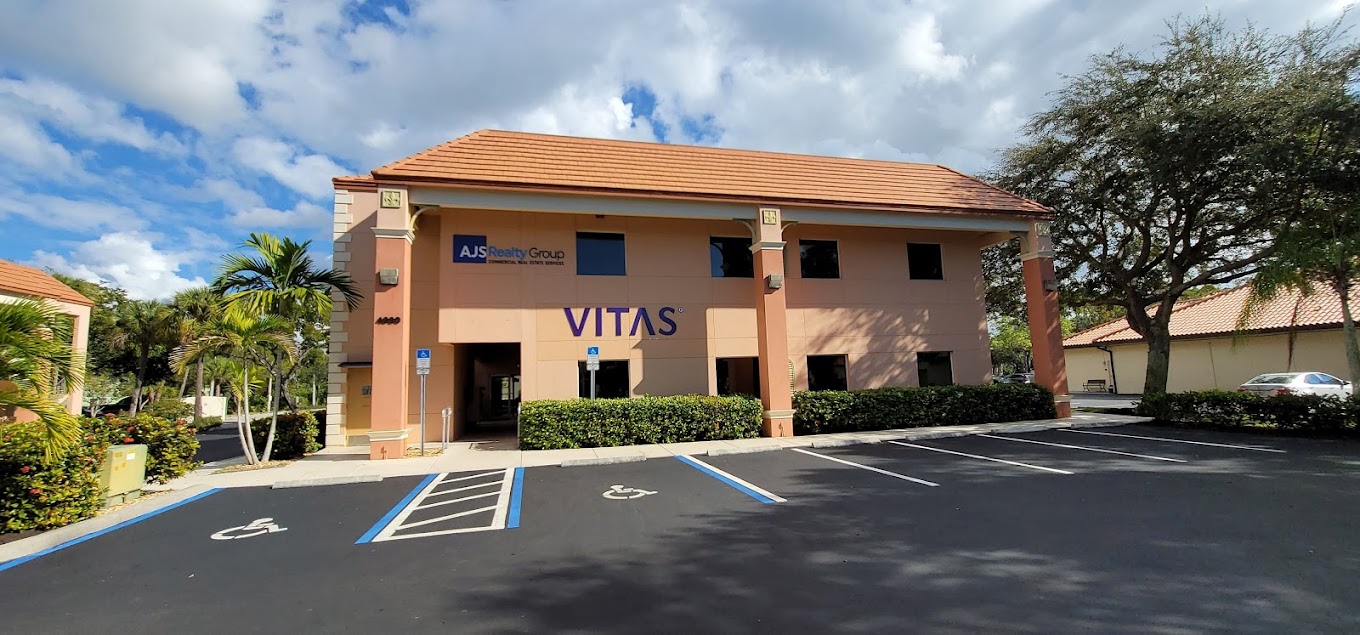
Palliative Care 4980 Tamiami Trail North, Naples, Florida, 34103Hospice Care in Southwest Florida: Collier, Lee, Glades, and Hendry countyThe VITAS Healthcare team visits patients wherever they call home, including but not limited to: private homes, senior living communities, and long term care facilities in Southwest Florida. We have offices located in Collier and Lee County and an Inpatient Unit in Naples. Coming soon, VITAS Inpatient Unit in Lee County.VITAS provides 24/7 support whenever our patients and families need it.At VITAS, we prioritize our patients and their families above all else. By concentrating on enhancing quality of life, managing symptoms and pain effectively, and minimizing 911 calls and hospital readmissions, we ensure our patients' comfort and well-being. VITAS distinguishes itself from traditional hospice providers through a personalized approach to care planning, transparent medication management, and a comprehensive range of specialized modalities tailored to meet diverse patient needs. These include physical therapy, occupational therapy, speech therapy, respiratory therapy, wound care, palliative oncology therapy, palliative dialysis, and more.Office Locations:Fort Myers VITAS Hospice Office12751 Westlinks Dr. Fort Myers, 33913 Vitas Inpatient Unit at Solaris Healthcare Imperial900 Imperial Golf Course Blvd. Naples, 34110 Naples VITAS Hospice Office4980 N Tamiami Trail, Suite 102, Naples 34103Our Care ServicesAt VITAS we care for patients with an interdisciplinary team comprising a nurse, physician, aide, social worker and chaplain. Our teams design personalized care plans to ensure comfort, dignity and quality of life. Hospice Care at Home Condition-Specific Care 24/7 Telecare Intensive Comfort Care Veterans Care Inpatient Hospice Care Music Therapy Paw Pals Pet Visits Grief and Bereavement Support
VITAS Healthcare
Hospice 12751 Westlinks Drive, Fort Myers, Florida, 33913VITAS Hospice Fort Myers Office (Lee, Glades & Hendry Counties, FL)The VITAS Fort Myers Hospice Office, located at 12751 Westlinks Drive, Fort Myers, FL 33913, serves as the central care coordination hub for patients and families throughout Lee, Glades, and Hendry counties.As the local home base for the interdisciplinary team including physicians, nurses, home health aides, social workers, chaplains, and volunteers this office ensures seamless, compassionate support for patients and caregivers.What We DoDeliver hospice care where people live: private homes, assisted-living facilities, nursing homes, and wherever comfort is needed.Provide access to inpatient hospice units, such as the one at Lee Memorial Hospital, for patients whose symptoms require more intensive management.Offer staff availability 24/7 to answer questions, manage symptoms, and adapt care plans as needed.Treat the whole person emotionally, spiritually, and physically with care tailored to each patients goals and dignity.Contact & AccessPhone: (239) 744-2300Hours: Office maintains business hours, but clinical support is available around the clock.Service Area: Lee, Glades, and Hendry counties, Florida.
VITAS Healthcare
Hospice Homes 12751 Westlinks Drive, Fort Myers, Florida, 33913VITAS Hospice Fort Myers Office (Lee, Glades & Hendry Counties, FL)The VITAS Fort Myers Hospice Office, located at 12751 Westlinks Drive, Fort Myers, FL 33913, serves as the central care coordination hub for patients and families throughout Lee, Glades, and Hendry counties.As the local home base for the interdisciplinary team including physicians, nurses, home health aides, social workers, chaplains, and volunteers this office ensures seamless, compassionate support for patients and caregivers.What We DoDeliver hospice care where people live: private homes, assisted-living facilities, nursing homes, and wherever comfort is needed.Provide access to inpatient hospice units, such as the one at Lee Memorial Hospital, for patients whose symptoms require more intensive management.Offer staff availability 24/7 to answer questions, manage symptoms, and adapt care plans as needed.Treat the whole person emotionally, spiritually, and physically with care tailored to each patients goals and dignity.Contact & AccessPhone: (239) 744-2300Hours: Office maintains business hours, but clinical support is available around the clock.Service Area: Lee, Glades, and Hendry counties, Florida.