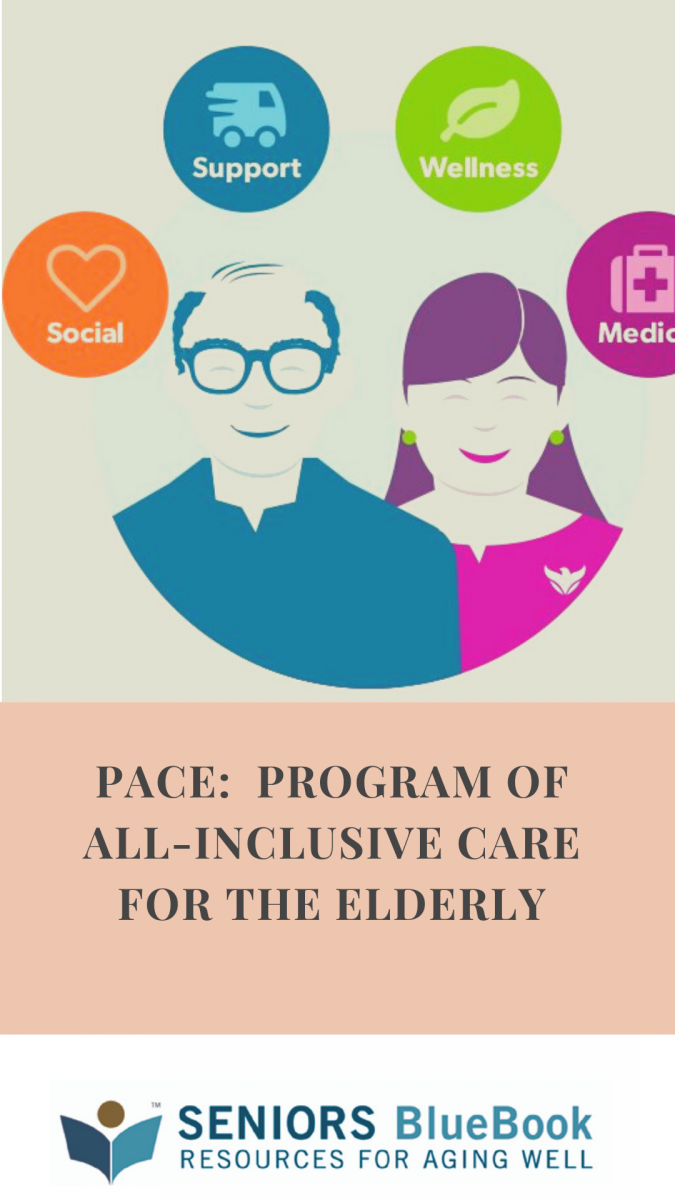
PACE: Program of All-Inclusive Care for the Elderly
Aug 18, 2021


Older adults have unique, ever-changing needs. PACEProgram of All-inclusive Care for the Elderlyenriches the lives of older adults because of the comprehensive, integrated services we provide. Our goal is to help older adults maintain the highest level of independence possible.
Rocky Mountain PACE is the only national PACE program in the Pikes Peak region, offering a holistic suite of services to meet the health care needs of older adults in our community. Older adults and their families do well if they have a role in their own health and we see ourselves as partners in their well-being.
From their physical, social and emotional health, to the simple things like transportation and supportive services that help them access their care, we partner with older adults in keeping them as independent as possible.
Rocky Mountain PACE participants must receive all needed healthcare, including primary care and specialty physician services (other than emergency services) from Rocky Mountain PACE contracted providers. Rocky Mountain PACE participants may be fully and personally responsible for costs of any unauthorized out-of-network services.
Social
Adult Day/Health Center
Recreational activities
Educational classes
Support
Transportation services
Case management to coordinate services
Home health care
Personal care and laundry services
Respite care
Wellness
Nutritious meals and snacks
Homemaker services
Recreation therapy
Counseling
Home health care
Medication Management
Physical Therapy
Medical
Physical and occupational therapy
Emergency, hospital and nursing home care when needed
All necessary prescription drugs with no co-pay
Medical Specialists
Medical Clinic with physicians and nurses specializing in older adults
Skilled home health care
Other Articles You May Like
Coordinating Senior Healthcare Through PACE in Mobile, AL
Managing several medical conditions can become complicated for an older adult and their family.A person may need regular primary care appointments, rehabilitation therapy, prescription medications, transportation, and assistance with personal activities. Each service may involve a different provider, telephone number, or schedule.Family members often take on the responsibility of organizing these arrangements.When needs become more extensive, managing multiple healthcare services independently can feel overwhelming.For qualifying older adults in Mobile, Alabama, the Program of All-Inclusive Care for the Elderly offers a different approach.PACE combines comprehensive medical care, supportive services, and care coordination through one interdisciplinary team to help eligible older adults remain in their communities.Instead of treating every healthcare need as a completely separate responsibility, PACE evaluates the whole person and establishes an individualized plan.Mercy LIFE of Alabama operates this model through Trinity Health PACE.Located on Springhill Avenue in Mobile, the organization provides primary care, nursing, medications, rehabilitation, transportation, adult day services, personal assistance, nutrition, and other approved healthcare services.For families in Mobile and Baldwin Counties, understanding the PACE model can clarify whether this coordinated approach may be appropriate.What Is PACE?PACE stands for Program of All-Inclusive Care for the Elderly.In Alabama, the program is also called LIFE, meaning Living Independence for the Elderly.PACE is designed for eligible older adults who meet nursing-home-level care criteria but can continue living safely in the community with appropriate support.Main Program GoalsPACE aims to:Coordinate healthcare servicesSupport appropriate community livingAddress medical and social needsReduce fragmented careProvide necessary supportive servicesInvolve participants in care planningSupport families and caregiversPACE is not simply a transportation service, senior center, or home care agency.It is a comprehensive healthcare and supportive-services program.Mercy LIFE of Alabama's Care ModelMercy LIFE of Alabama operates as part of Trinity Health PACE.The program uses an interdisciplinary team to coordinate a participant's approved medical and supportive services.Primary CarePrimary care professionals evaluate and manage general medical needs.Nursing ServicesQualified nurses provide appropriate assessments, clinical care, and monitoring.Specialty CareApproved specialists address medical conditions requiring additional expertise.RehabilitationPhysical, occupational, and speech therapy may be included when necessary.MedicationsPrescription medication services are coordinated through the program.TransportationMercy LIFE arranges transportation for approved appointments and center attendance.Personal AssistanceHome care aides may provide help with daily activities.Social and Emotional SupportSocial workers, recreational therapists, and spiritual care professionals may contribute to the participant's plan.Verified Contact InformationMercy LIFE of AlabamaAddress: 2900 Springhill Avenue, Mobile, AL 36607County: Mobile County, AlabamaPhone: 251-287-8420Participant On-Call Support: Available 24 hours a day.The Interdisciplinary TeamOne of the defining features of PACE is team-based care.The team may include:Primary care providersNursesSocial workersPhysical therapistsOccupational therapistsRecreational therapistsDietitiansHome care coordinatorsPersonal care attendantsTransportation personnelOther qualified healthcare professionalsWhy Teamwork MattersA participant's medical needs can affect everyday functioning.For example, reduced mobility may influence transportation and personal care requirements.A medication change may affect appetite or balance.A coordinated team considers how these issues connect.Individual ParticipationParticipants should have opportunities to express their preferences and goals.Family InvolvementAppropriate family members may contribute information and participate in planning.Regular ReviewCare plans are updated as needs change.Primary Care and Chronic ConditionsMany PACE participants manage multiple medical conditions.Routine Medical NeedsPrimary care may include general assessment and treatment.Chronic Disease ManagementConditions such as diabetes or heart disease may require continuing evaluation.Medication ReviewThe team considers prescribed medications and potential interactions.Preventive CareAppropriate screening and preventive services may be coordinated.Changes in ConditionThe team evaluates new symptoms or important health changes.Specialist ReferralsSpecialty services may be arranged when the program determines they are medically necessary.Patients should understand the procedures for contacting the team between appointments.Rehabilitation Through PACESome individuals require therapy to maintain or improve everyday abilities.Physical TherapyTherapists may address mobility, strength, balance, and walking.Occupational TherapyTreatment may focus on dressing, bathing, and other daily tasks.Speech TherapySpeech-language pathologists may assess communication or swallowing concerns.Individual GoalsTreatment depends on the participant's condition and functional needs.Team CommunicationTherapists coordinate with other PACE professionals.Home ConsiderationsAppropriate recommendations may address equipment or functional challenges at home.PACE therapy is provided according to medical necessity and the approved care plan.Medications and Specialty ServicesMedication management can be complicated when several conditions require treatment.Prescription CoordinationMercy LIFE includes medications among its services.Pharmacy-Related SupportThe care team helps organize appropriate medication needs.Vision and Hearing CareThe program advertises these specialty services.Dental CareDental services may be available through its network.PodiatryFoot care is included among available specialty services.Mental HealthThe program also identifies mental health care.Equipment and SuppliesNecessary medical equipment may be covered according to the participant's plan.Other than emergency care, services generally require authorization by the PACE team.Supporting Daily Living at HomePACE recognizes that medical treatment alone may not be enough to support community living.Bathing and DressingEligible participants may receive assistance with personal care.Meal PreparationHome support may include appropriate help with meals.LaundryApproved household assistance may be available.Light HousekeepingHome care aides may help with selected tasks.Home SafetyProfessionals may assess functional needs and recommend appropriate equipment.Caregiver SupportFamilies may receive guidance related to daily responsibilities.The specific services and frequency depend on individual assessment.Transportation Through Mercy LIFETransportation can be a major challenge when several medical appointments are necessary.Mercy LIFE provides transportation to its center and approved off-site healthcare appointments.Center VisitsTransportation helps eligible participants attend scheduled services.Medical AppointmentsApproved specialist or other healthcare visits can be coordinated.Medication DeliveryMercy LIFE states that medications may be delivered to participants' homes as needed.AccessibilityDrivers can arrange appropriate accommodations within program capabilities.SchedulingTransportation arrangements must follow the care plan and program procedures.Emergency TransportationMedical emergencies should be handled through emergency medical services rather than ordinary PACE transportation.Adult Day and Social ProgramsPACE also addresses social and emotional needs.At the Mercy LIFE center, participants may enjoy:Arts and craftsGentle movementComputer classesPet therapyBingoTriviaHoliday celebrationsCultural eventsWhy Activities MatterParticipating in suitable activities may provide enjoyment and opportunities for connection.Recreational TherapyThe program uses structured activities to support engagement.Individual PreferencesNot every participant attends the same activities.MealsBreakfast and lunch are available during center attendance.Coordinated ParticipationAttendance schedules are based on individual needs.Nutrition and Social ServicesSome participants have medical conditions that affect eating or nutrition.Registered DietitianMercy LIFE identifies a dietitian as part of its care model.Individual PlanningRecommendations may consider medical diagnoses and medication-related concerns.Swallowing DifficultiesAppropriate clinicians assess swallowing-related needs.Food AccessHome-delivered meals may be arranged.Social WorkSocial workers assist with practical, emotional, and family concerns.Spiritual CareMercy LIFE also offers spiritual support according to participant needs and preferences.PACE Eligibility in MobileTo enroll, an individual generally must:Be 55 years old or older.Live in an approved PACE service area.Be assessed by the state as requiring a nursing home level of care.Be able to live safely in the community with PACE support.Age alone does not establish eligibility.Mobile and Baldwin County CoverageMercy LIFE serves approved locations within Mobile and Baldwin Counties.Families should verify their ZIP code.Level-of-Care AssessmentA formal assessment determines whether the individual meets the required care level.Community SafetyThe program must determine that the individual can reside safely in the community with available services.EnrollmentThe intake team explains assessments, documentation, and enrollment steps.Understanding PACE CostsFor individuals eligible for both Medicare and Medicaid, or Medicaid alone, covered PACE services generally involve no out-of-pocket charges.People who do not qualify for Medicaid may owe a monthly premium.Medicare-Only ParticipantsA monthly fee may apply.People Without Medicare or MedicaidOther monthly payment arrangements may apply, depending on eligibility.Approved ServicesPACE generally coordinates and authorizes covered services through its team and provider network.Outside ServicesParticipants should not assume that separately arranged nonemergency care will be covered.Review Before EnrollmentFamilies should obtain a clear explanation of coverage, premiums, providers, and service authorization requirements.Why PACE Matters in Mobile CountySome older adults need substantial healthcare support but want to remain connected to their homes and communities.Coordinated HealthcarePACE organizes several services through one team.TransportationParticipants can receive approved transportation assistance.Home SupportEligible individuals may receive personal care and household assistance.Family InvolvementCare planning considers appropriate caregiver participation.Access to ActivitiesThe center offers recreation and social opportunities.Ongoing AssessmentServices can change as medical and functional needs evolve.Expert Tip for Understanding PACEExpert Tip: Before enrolling, ask the PACE team to explain how the program will handle your existing physicians, prescriptions, specialist appointments, and hospital care.PACE is an integrated care model, so participants generally receive healthcare through Mercy LIFE and its authorized provider network.Understanding this arrangement is essential when comparing PACE with traditional Medicare or other care options.How to Get StartedStep 1: Contact Mercy LIFECall 251-287-8420.Step 2: Confirm Service AreaAsk whether the residential ZIP code qualifies.Step 3: Review Age and Care NeedsDiscuss the applicant's circumstances.Step 4: Contact ReferralsCall 855-287-8427.Step 5: Complete Required AssessmentsThe team reviews eligibility.Step 6: Discuss ServicesReview primary care, medications, home support, transportation, and therapy.Step 7: Understand PaymentConfirm Medicaid, Medicare, and possible monthly premiums.Step 8: Review EnrollmentMake sure the participant understands the program's provider network and care coordination rules.Frequently Asked Questions1. What does PACE stand for?PACE means Program of All-Inclusive Care for the Elderly. In Alabama, the program is also called LIFE.2. Where is Mercy LIFE of Alabama located?Mercy LIFE is at 2900 Springhill Avenue, Mobile, AL 36607. Call 251-287-8420.3. Who qualifies for Mercy LIFE?Applicants generally must be at least 55, live in the approved service area, meet nursing-home-level care requirements, and be able to remain safely in the community with support.4. Does PACE include medical care and personal assistance?Yes. Mercy LIFE provides coordinated primary care, nursing, medications, therapy, transportation, personal assistance, and other services according to individual need.5. Is Mercy LIFE free for Medicare and Medicaid participants?Participants with both Medicare and Medicaid, or Medicaid alone, generally have no out-of-pocket charges for covered services. People who do not qualify for Medicaid may owe a monthly premium.Connect Healthcare and Everyday Support Through PACEHealthcare becomes more challenging when older adults need several services at once.PACE offers a coordinated approach that combines medical treatment, personal assistance, transportation, and social support through one interdisciplinary team.Mercy LIFE of Alabama provides these services to qualifying older adults in Mobile and Baldwin Counties.Families can contact the program to explore eligibility, coverage, and individualized care options.Seniors Blue Book Profile: https://seniorsbluebook.com/senior-resources/mercy-life-alabamaFind Mercy LIFE on Seniors Blue BookExplore Mercy LIFE of Alabama's PACE program, eligibility requirements, and integrated healthcare services.
Meaningful Volunteer Opportunities in Mobile, AL
Meaningful Volunteer Opportunities in Mobile, ALRetirement can open the door to a new chapter filled with freedom, flexibility, and opportunities to explore personal interests. For many older adults, it also creates an important question: What can I do with my time that feels meaningful?Some retirees look forward to traveling, gardening, or spending more time with family. Others want to continue contributing to their community, sharing professional experience, or building relationships with people who have similar interests.Volunteering offers an opportunity to do all three.Whether someone enjoys organizing events, working behind the scenes, helping with administrative projects, or supporting vulnerable community members, volunteer service can provide a meaningful connection to the people and places around them.For residents of Mobile, Alabama, nonprofit organizations offer different opportunities to participate in community life.VIA! Health Fitness and Enrichment Center, located on Dauphin Street in Mobile, provides volunteer opportunities that support senior programs, community outreach, fundraising, and organizational activities.The organization also coordinates a distinctive Volunteer Guardian Program, which helps protect vulnerable individuals who cannot make certain decisions independently and do not have an appropriate family member or friend to serve as guardian.Through these initiatives, VIA! offers ways for individuals to contribute their time, experience, and talents while supporting important community services.Why Volunteering Matters After RetirementRetirement changes everyday routines.For someone who spent decades working, raising a family, or managing professional responsibilities, suddenly having fewer structured obligations may feel unfamiliar.Volunteering can provide opportunities to establish a new routine while pursuing meaningful goals.Creating a Sense of PurposeMany volunteers enjoy knowing that their efforts contribute to something valuable.Helping organize an event, support a food drive, or complete office tasks can make a measurable difference to a nonprofit organization.Maintaining Social ConnectionsVolunteer projects often involve teamwork.Participants may meet people with different backgrounds, interests, and experiences.Sharing Professional ExperienceRetired educators, office professionals, business owners, healthcare workers, and others bring valuable skills.A person who spent years managing projects may enjoy helping coordinate a fundraiser.Someone with administrative experience may prefer clerical assistance.Learning New SkillsVolunteering can also introduce people to unfamiliar activities.A retiree may learn about nonprofit operations, event planning, technology, or community outreach.Creating a Regular RoutineScheduled volunteer assignments can provide structure and a reason to remain involved in community activities.The goal is not to replace retirement with another demanding job.Instead, volunteering offers opportunities to contribute at a personally appropriate pace.VIA! Health Fitness and Enrichment Center in MobileVIA! Health Fitness and Enrichment Center is a nonprofit community organization serving older adults and other community members throughout Mobile.The organization traces its history to Senior Citizens Services, established in 1970.Today, VIA! operates from the Arlene F. Mitchell Campus at 1717 Dauphin Street.Its mission emphasizes healthy, active, and independent living through fitness, education, social engagement, and community support.In addition to its member activities, the organization provides outreach programs, transportation-related services, community food assistance, adult day programming, and other resources.These initiatives create different opportunities for community participation.Why Volunteers Matter to VIA!Nonprofit organizations depend on a combination of professional staff, community partnerships, financial support, and volunteer assistance.VIA! identifies volunteers as important contributors to its programs.Some individuals support special events.Others assist with administrative work or outreach activities.Volunteers may also contribute specialized knowledge to help the organization complete projects.Who Can Volunteer?VIA! welcomes inquiries from community members interested in contributing their skills and time.The organization also offers formal and informal internship opportunities through local colleges and universities.Requirements vary by assignment.Its specialized Volunteer Guardian Program has additional eligibility and screening requirements.Prospective volunteers should contact VIA! to learn which opportunities are currently available.Volunteer Opportunities Available Through VIA!VIA!'s official volunteer information identifies several types of projects.These assignments allow individuals to contribute according to their experience, interests, and availability.Helping With Fundraising EventsFundraising activities support nonprofit services and community initiatives.Volunteers may help with event preparation, coordination, or other approved responsibilities.People who enjoy organizing activities or working with others may find these projects appealing.Supporting VIA!'s Annual CampaignVIA! conducts an annual giving campaign.Volunteers may be able to assist with organizational tasks related to fundraising and community outreach.Interested individuals should ask about current assignments.Providing Clerical AssistanceVIA! specifically identifies clerical work as a volunteer opportunity.Examples include:FilingBasic office tasksOrganizing informationSupporting administrative projectsRetirees with office experience may find these roles familiar and enjoyable.Administrative volunteering can also appeal to people who prefer quieter, behind-the-scenes assignments.Organizing Food DrivesVIA! operates community food distribution and emergency food pantry programs.Its volunteer opportunities include organizing canned food drives to help keep the emergency pantry stocked.Community members may assist by collecting donated food or coordinating an approved donation initiative.Volunteers should contact the organization about current pantry needs and acceptable items before organizing a drive.Supporting Community FundraisersVIA! invites supporters to host and plan fundraising events that benefit the organization.This may appeal to community groups, businesses, families, or individuals with event-planning experience.Any fundraising activity should be coordinated with VIA! before being advertised on the organization's behalf.Marketing, Research, and Social MediaVIA! also lists marketing, research, and social media among its volunteer opportunities.These assignments may suit individuals who enjoy:WritingResearchCommunicationsMarketingSocial mediaPromoting community eventsOrganizational projectsA retired marketing professional or someone comfortable with technology may enjoy applying existing skills in a nonprofit setting.Donating Event PrizesCommunity members can also contribute by donating door prizes for VIA! events.This can provide another way for individuals or businesses to support the organization.Prospective donors should confirm current needs and donation guidelines.Volunteering Through VIA!'s Community ProgramsVIA! operates several programs that support mature adults and other community members.Its internship information identifies opportunities to assist with activities and special events.GrandFriends Adult Day ProgramThe GrandFriends Adult Day Program provides supervised daytime services for participating adults.VIA!'s internship information identifies opportunities involving activity planning, interaction with participants, and assistance with daily routines.Because this program serves individuals who may have additional supervision or care needs, volunteers and interns must follow applicable requirements.Individuals interested in GrandFriends should ask about available roles, training, screening, and staff supervision.Community Food DistributionsVIA! hosts community food distribution initiatives.Its volunteer and internship information includes assistance with special events such as drive-through food distributions.These projects may involve organizational and logistical responsibilities.Specific assignments depend on current program needs.Holiday and Member EventsSpecial occasions provide opportunities for participants to gather and celebrate.VIA! identifies member events and holiday parties among activities supported through its volunteer and internship programs.Volunteers may be asked to assist with preparation or other event-related tasks.Computer and Library AssistanceVIA!'s internship information also identifies roles such as computer proctor and library assistant.These opportunities may be particularly interesting to individuals who enjoy technology, reading, organization, or helping others learn.Current availability should be confirmed directly.VIA!'s Volunteer Guardian ProgramOne of VIA!'s most distinctive initiatives is its Volunteer Guardian Program, often abbreviated VGP.This program serves vulnerable individuals who have been determined to need a court-appointed guardian and do not have an appropriate family member or friend available to fulfill that responsibility.The initiative operates through partnerships involving:VIA! Health Fitness and Enrichment CenterMobile County Probate CourtMobile County CommissionCity of MobileSouth Alabama Regional Planning Commission and Area Agency on AgingCommunity referral and support partnersUnlike general volunteering, guardianship involves formal legal responsibilities.What Does a Volunteer Guardian Do?A volunteer guardian may be appointed by the Probate Court to make certain decisions for an incapacitated person.These responsibilities are intended to protect the individual's health, safety, and welfare.Depending on the court order and applicable law, duties may involve:Monitoring living arrangementsSupporting appropriate medical decision-makingCommunicating with healthcare providersAddressing personal welfare concernsProtecting the individual's interestsUnderstanding the limits of court-appointed authorityA guardian's legal authority is determined by the court.Volunteer guardians are not automatically authorized to control every aspect of another person's life or finances.Why the Program MattersSome vulnerable individuals do not have family members or friends who can appropriately serve as guardians.Without suitable assistance, these individuals may face substantial difficulties with healthcare decisions, living arrangements, and personal safety.The Volunteer Guardian Program helps address this need through trained community volunteers and court oversight.Volunteer Guardian EligibilityVIA! publishes specific requirements for prospective volunteer guardians.Applicants must generally:Be at least 21 years oldHave access to a computerHave transportationBe willing to learn basic legal and medical informationSuccessfully complete a background checkBe able to commit approximately four to six hours per monthAdditional training, selection, and court appointment procedures apply.Training and ResourcesVIA! provides educational resources for its volunteer guardians.Topics include:Guardianship responsibilitiesCommunication with individuals who have disabilitiesUnderstanding medical issuesElder abuse awarenessLegal and ethical responsibilitiesDecision-making and personal welfareThese resources help volunteers understand the seriousness of the role.A Responsibility That Requires Careful ConsiderationBecoming a volunteer guardian is different from helping with a short-term event or food drive.It involves legal duties, ongoing communication, and decisions affecting another person's well-being.Individuals should review the requirements carefully before applying.Why Volunteer Opportunities Matter in Mobile CountyMobile County has numerous community organizations, service programs, and residents with different support needs.Volunteering creates connections between those who want to help and organizations working to address local challenges.Strengthening Community OrganizationsVolunteers contribute time and skills that can help nonprofit organizations maintain programs.Supporting Older ResidentsSenior-focused organizations often serve individuals with transportation, nutrition, social, or functional needs.Community volunteers can support approved activities that help these programs operate.Encouraging Intergenerational ConnectionsVolunteer projects may bring together retirees, working adults, and students.These interactions provide opportunities to exchange knowledge and experience.Using Local ExperienceLongtime Mobile County residents may bring valuable knowledge about the community and its resources.Encouraging Civic InvolvementCommunity service allows people to remain engaged with issues and causes that matter to them.Finding the Right Volunteer Role for Your InterestsVolunteering should reflect personal interests and practical abilities.A useful first step is identifying what type of contribution would feel rewarding.For People Who Enjoy OrganizationAdministrative assignments, filing, or event preparation may be a good fit.For People With Marketing ExperienceResearch, communications, and social media projects may provide an opportunity to share professional skills.For People Who Enjoy Community EventsFundraising initiatives and special activities may offer more interactive assignments.For People Interested in Food AssistanceOrganizing a canned food drive or supporting an approved food distribution project may be appealing.For People Seeking a Specialized Advocacy RoleThe Volunteer Guardian Program may be worth exploring for individuals prepared to undertake formal responsibilities.For StudentsVIA!'s internship opportunities may help students gain experience while contributing to community programs.All assignments depend on current organizational needs and individual eligibility.How to Volunteer Without OvercommittingA successful volunteer experience should be manageable.Review Your AvailabilityConsider how much time you can realistically contribute.Understand the AssignmentAsk what responsibilities are involved.Discuss Physical RequirementsSome assignments may involve standing, lifting, or moving supplies.Others may be desk-based.Ask About TrainingCertain positions may require orientation or specialized preparation.Start With a Manageable CommitmentA single event or limited assignment may be a useful starting point.Communicate ClearlyIf availability changes, inform the volunteer coordinator as early as possible.The Value of Professional Experience After RetirementOlder adults often bring decades of experience to volunteer positions.These skills may remain valuable long after someone retires from paid employment.Administrative ProfessionalsOffice experience may translate well to clerical or organizational work.Teachers and EducatorsEducational experience may be useful in approved learning and community activities.Business OwnersExperience with planning, budgeting, communications, or fundraising can be valuable.Marketing ProfessionalsSkills in writing, promotion, and social media may support nonprofit outreach.Healthcare and Social Service ProfessionalsRelevant experience may help individuals understand community needs, although specialized roles still require appropriate training and authorization.People Without Formal Professional ExperienceVolunteering is not limited to individuals with specialized credentials.Reliability, willingness to learn, and consistent participation can also make valuable contributions.Volunteering and Personal Well-BeingMany people find volunteer service personally rewarding.It may provide opportunities for purposeful activity, social interaction, and continued learning.A Sense of ContributionHelping with community projects can create satisfaction.Opportunities for ConnectionVolunteers may form relationships with staff members and other participants.Continued Mental EngagementLearning procedures or helping organize activities can provide opportunities to use different skills.Personal FulfillmentSupporting an organization with a meaningful mission may help individuals feel connected to their community.However, volunteering is not a treatment for loneliness, depression, or other health concerns.People experiencing persistent emotional distress should seek appropriate professional support.Volunteer Opportunities for Working AdultsNot everyone who volunteers is retired.Working adults may also want to contribute to community programs.Flexible AssignmentsSome projects may be event-based or limited in duration.Applying Existing SkillsProfessionals may be interested in research, administrative, or communications projects.Group VolunteeringBusinesses, clubs, and community groups may explore approved fundraising or food drive initiatives.Specialized ProgramsThe Volunteer Guardian Program requires a more defined commitment and formal eligibility process.Prospective volunteers should discuss scheduling expectations before applying.How Students Can Get InvolvedVIA! offers internship opportunities through local colleges and universities.The organization identifies both formal, for-credit internships and informal arrangements.Potential Internship ActivitiesDepending on availability, assignments may involve:GrandFriends program activitiesMember eventsFood distribution eventsFundraisingMarketing and researchSocial mediaComputer assistanceLibrary supportSkills VIA! Looks ForIts internship information emphasizes computer skills, strong communication, and interpersonal abilities.Students should ask about:Application requirementsAcademic credit arrangementsRequired hoursBackground screeningTrainingSupervisionSchedulingQuestions to Ask Before Becoming a VolunteerContacting an organization before committing can help establish realistic expectations.About the RoleWhat assignments are currently available?What does a typical volunteer shift involve?Is prior experience required?Can responsibilities be adjusted to individual abilities?About SchedulingHow frequently are volunteers needed?Are opportunities available during weekdays?Are event-based assignments offered?Is a minimum commitment required?About PreparationIs orientation provided?Are background checks necessary?What training is required?Who supervises volunteers?About Special RequirementsAre certain assignments limited by age?Are there physical requirements?Is transportation necessary?Does the position involve confidential information?For guardianship roles, applicants should also ask about legal duties, court appointment, and ongoing reporting responsibilities.Expert Tip for Choosing a Volunteer OpportunityExpert Tip: Begin by identifying one skill you enjoy using and one cause that matters to you. Then ask a nonprofit organization whether those two interests connect with a current volunteer need.For example, someone who enjoys organizing information and wants to support older adults might be well suited for an administrative assignment.Choosing a role that matches personal interests can make long-term volunteering more enjoyable and sustainable.How to Get Started With VIA! Volunteer OpportunitiesStep 1: Explore VIA!'s MissionReview the organization's senior programs, outreach services, and community activities.Step 2: Identify Your SkillsConsider whether you prefer administrative work, fundraising, communications, food drives, or more specialized service.Step 3: Review Current OpportunitiesVisit https://viamobile.org/get-involved/ to learn about volunteering.Step 4: Contact VIA!Call 251-478-3311 to ask which volunteer assignments are currently available.Step 5: Discuss Your AvailabilityExplain how often you can volunteer and which activities interest you.Step 6: Ask About RequirementsConfirm whether orientation, training, screening, or special qualifications apply.Step 7: Consider the Volunteer Guardian ProgramIf you are interested in court-appointed advocacy and meet the program's requirements, review https://viamobile.org/volunteer-guardian-program/.Step 8: Begin With an Appropriate AssignmentChoose a role that fits your schedule, abilities, and commitment level.Frequently Asked Questions About Volunteering in Mobile1. Does VIA! Health Fitness and Enrichment Center accept volunteers?Yes. VIA! lists volunteer opportunities involving fundraising, clerical assistance, food drives, special events, marketing, research, and other approved activities. Contact the center to confirm current openings.2. Do volunteers have to be senior citizens?No. VIA! welcomes community members interested in volunteering. Specific roles may have age requirements, and its Volunteer Guardian Program requires applicants to be at least 21.3. What is VIA!'s Volunteer Guardian Program?The Volunteer Guardian Program works with Mobile County partners and the Probate Court to help provide guardians for incapacitated individuals who do not have appropriate family members or friends available for the role.4. How much time does a volunteer guardian need to commit?VIA! states that applicants should generally be able to commit at least four to six hours per month. Additional training, screening, and legal responsibilities apply.5. Can college students volunteer or complete internships at VIA!?Yes. VIA! advertises formal and informal internships through local colleges and universities. Available assignments may involve events, community programs, administrative support, or marketing projects.Make a Difference Through Community ServiceVolunteering provides an opportunity to turn personal interests, professional experience, and available time into meaningful community contributions.For older adults, community involvement may also offer opportunities to establish routines, meet new people, and continue using valuable skills after retirement.For working adults and students, volunteering can provide practical experience and a closer connection to local nonprofit organizations.VIA! Health Fitness and Enrichment Center offers several ways to become involved in Mobile County.From fundraising and administrative assistance to food drives, internships, and its specialized Volunteer Guardian Program, the organization provides opportunities to support programs that serve older adults and vulnerable community members.Whether you have a few hours available for a community event or are interested in a more substantial volunteer commitment, contacting VIA! can help you explore which opportunities may be appropriate.Your experience, reliability, and willingness to contribute may help strengthen services that matter to the Mobile community.Featured Seniors Blue Book ListingVIA! Health Fitness and Enrichment CenterRecommended Main SBB Category: Volunteer OpportunitiesAddress: 1717 Dauphin Street, Mobile, AL 36604County: Mobile County, AlabamaPhone: 251-478-3311Development, Marketing and Special Events: 251-470-5229Website: https://viamobile.org/Volunteer Information: https://viamobile.org/get-involved/Volunteer Guardian Program: https://viamobile.org/volunteer-guardian-program/Organization Type: Nonprofit community organizationVolunteer Opportunities: Fundraising assistance, annual campaign support, clerical work, community food drives, event-related donations, community fundraisers, marketing, research, social media, and other available organizational projects.Additional Opportunities: College internships and the Volunteer Guardian Program.Volunteer Guardian Requirements: Age 21 or older, computer access, transportation, background check, willingness to learn legal and medical information, and approximately four to six hours of monthly availability.Participation Note: Volunteer opportunities, screening requirements, and assignments depend on current organizational needs.Seniors Blue Book Business Profile: https://seniorsbluebook.com/senior-resources/via-health-fitness-and-enrichment-center-4Find VIA! Volunteer Opportunities on Seniors Blue BookLooking for meaningful volunteer opportunities in Mobile, Alabama?Explore VIA! Health Fitness and Enrichment Center through its Seniors Blue Book listing on SeniorsBlueBook.com.Learn about the organization's community programs, volunteer initiatives, and opportunities to support services for older adults.Contact VIA! to discuss volunteer availability, internship opportunities, fundraising involvement, or the Volunteer Guardian Program.
Volunteer Opportunities in Mobile, AL
Many people want to support older adults but are unsure where their skills would be useful. Some can commit a few hours regularly; others can help with a project or event. Finding the right role begins with matching an organizations actual needs to the time and responsibilities a volunteer can sustain.For people exploring volunteer opportunities in Mobile, AL, VIA! Health Fitness and Enrichment Center publishes several ways to get involved. Its options range from office and fundraising support to a separate volunteer guardian program with formal responsibilities.What makes a volunteer role a good fitA useful match considers interests, availability, skills, physical demands, and training. A person who enjoys organizing records may contribute differently from someone comfortable helping with events or communications.Ask what the organization needs now. A published list is a starting point, not a guarantee of an immediate opening or an assignment suited to every applicant.Be specific about what you can offerWrite down the days and hours you can reliably provide, the tasks you enjoy, and any limitations. Include whether you prefer recurring work, a short project, or occasional events.Be candid about experience. You do not need to claim expertise you do not have. Ask what training and supervision are provided and which tasks require particular qualifications. VIA! Health Fitness and Enrichment CenterPhone: 251-478-3311VIA!s official volunteer page lists fundraising events, annual campaign assistance, clerical work, food drives, and marketing, research, or social media support. Explore general support rolesAsk which roles are currently available and what a typical shift involves. Clarify the location, expected commitment, supervisor, and how work is assigned.A person helping with an event should know the preparation and follow-up involved, not just the event date. Someone doing office work should understand the procedures for records and confidentiality before beginning.Questions for the first conversation include:Which roles are open now?What commitment and training are expected?Are screening or background checks required for this role?Who supervises the work and answers questions?How should I report an absence or change in availability?Ask about internships separatelyThe volunteer page also describes formal and informal internships through colleges and universities, with examples involving activities, member events, office or library support, and communications. Students should confirm placement requirements with both VIA! and their school. Ask who approves learning objectives, hours, supervision, and any academic credit. A general volunteer inquiry does not establish an approved internship.If a role involves participants or sensitive information, clarify boundaries before beginning. Volunteers should follow staff direction rather than taking on care or administrative responsibilities that have not been assigned.The Volunteer Guardian ProgramVIA!s separate Volunteer Guardian Program page describes a partnership involving Mobile County Probate Court and community organizations. Guardians are appointed by the court to make decisions for incapacitated people who lack appropriate family or friends to fulfill that role. A different level of commitmentThe published program information seeks applicants age 21 and older with transportation, computer access, the ability to learn relevant legal and medical information, a background check, and at least four to six hours per month available. Ask for current application and training requirements. Guardianship is a formal role with responsibilities defined through the court and program, not an informal extension of a social visit.Before applying, discuss the duties, reporting expectations, support, and boundaries in detail. Ask how a guardian receives guidance when a difficult decision arises and what happens if availability changes.Choose a role you can maintainA formal ongoing role may fit one persons circumstances while a short project fits anothers. Both require realistic commitments and clear communication.Do not choose a role solely because it sounds most urgent or impressive. Ask what dependable participation looks like and whether you can meet that expectation over time.Prepare for volunteering responsiblyOnce a role is offered, obtain the orientation details, start date, contact information, and any documents required. Ask how to handle questions, concerns, or situations outside the assignment.If the role involves older adults, respect privacy and preferences. Do not take photographs, share stories, make promises, or arrange outside contact without following the organizations procedures.Keep communication simple and reliableUse the agreed method to confirm shifts and report changes. If you cannot attend, give the required notice so staff can plan around the absence.Ask for feedback after the first few assignments. A small adjustment in task, schedule, or training may make the role more useful to the organization and more sustainable for you.Involve a group only after coordinationA workplace, club, or family group may want to help with a food drive or event. Contact VIA! before collecting items or announcing a project so it meets a current need.Confirm acceptable donations, delivery arrangements, deadlines, and the staff contact. An organized project is easier to use than a surprise collection that creates extra work or does not match program needs. Why volunteering matters locally in MobileLocal volunteering can connect peoples skills with specific community needs. VIA!s published address is 1717 Dauphin Street, Mobile, AL 36604. Confirm whether the proposed role occurs there or at another location.Consider travel and schedule reliability before committing. A regular role should fit the volunteers real circumstances, including work, caregiving, and transportation.Weather or event changes may affect assignments. Ask how updates are sent and keep the appropriate staff contact available rather than relying on an old calendar or social media announcement. How to get started1. Identify your interests, skills, and realistic availability.2. Call VIA! at 251-478-3311 to ask about current roles.3. Discuss duties, screening, training, and supervision.4. If considering guardianship, request that programs separate application information.5. Confirm the assignment and complete required orientation.6. Review the fit after beginning and communicate any changes promptly.Practical tip: Offer a clear commitment, such as a regular morning or a defined project, rather than saying you can help anytime. Specific availability helps staff match work to a dependable schedule. Related categoriesSenior Transition ServicesTransition Specialists Care Management