Senior Care Spotlight | teleCalm
teleCalm
May 01, 2020
Non-Book Market , Texas - Dallas, Collin, SE Denton & Rockwall Counties

Email US
Click to Email Us
What is teleCalm?
The teleCalm service stopsproblem calls for seniors whether they live at home or in a senior living community.We especially help those living with Alzheimers and dementia by keeping them safely connected to family and friends.
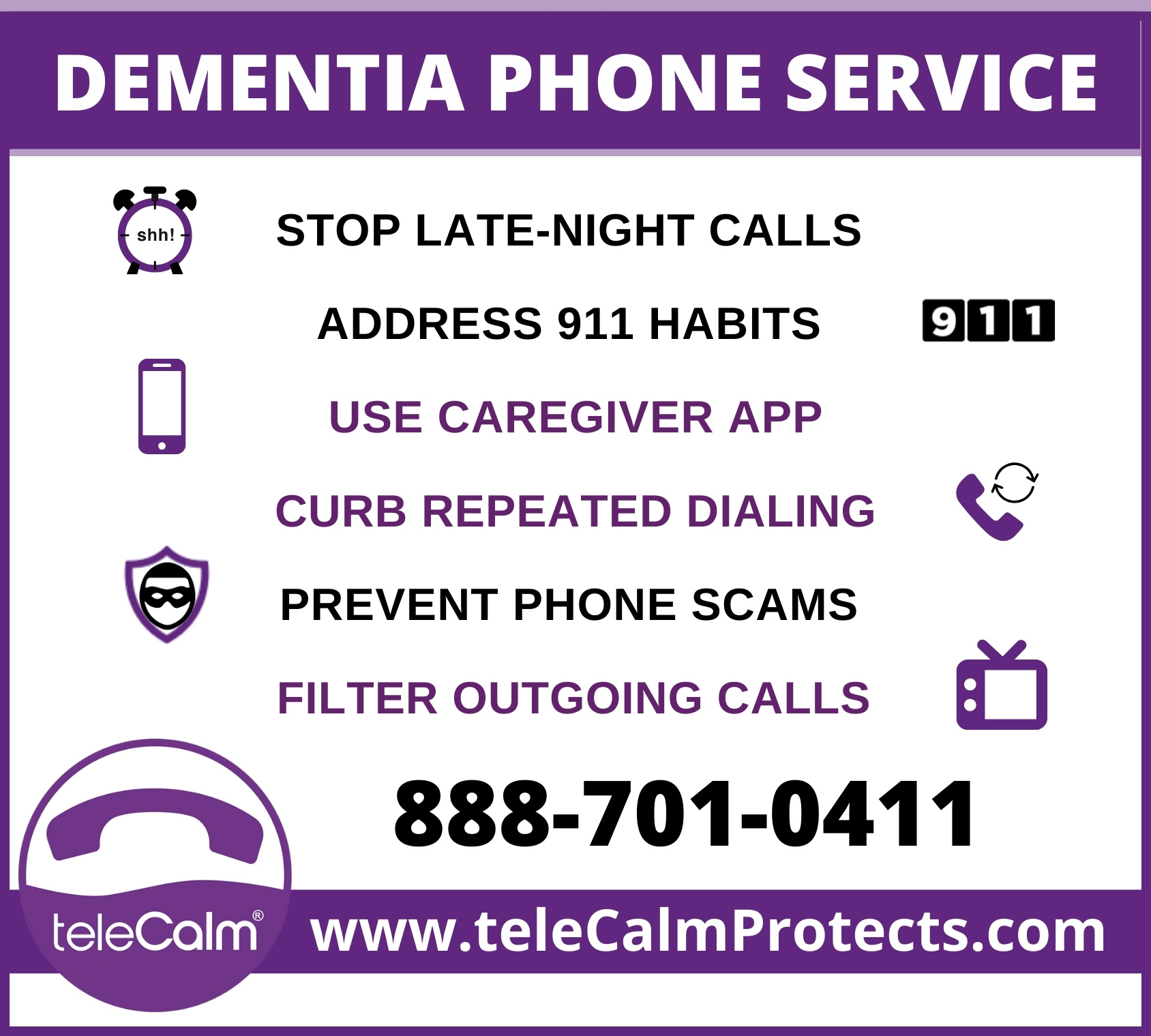
Our service reduces senior isolation. We help seniors maintain their independence, while helping family caregivers prevent phone-related problems such as late-night calls, repeated calls, and 911 abuse. Plus, we stop 100% of telemarketer/scam calls.
How do you do that?
Family caregivers subscribe to the teleCalm service for their loved one, and it replaces any existing home phone service provider. Our service works whether the senior lives at home or in a senior living community even in memory care, where ordinary phone service is not allowed.
We provide a small wireless adapter that the telephone plugs into. They dont need to have existing phone service or internet service.
The family caregiver manages all the features and benefits of our service remotely through the teleCalm Caregiver app on their smartphone.
If a family wants your service for their loved one in senior living, does the community have to already have your service installed?
No. Were currently in over 170 communities across the US. In the majority of these communities, the family member has brought the teleCalm adapter into their loved ones apartment and plugged it in themselves. The great thing is we dont touch the communitys telephone wiring and we dont use the community Wi-Fi. Our wireless adapter uses cellular but has a standard phone jack on the back to plug in any standard home telephone.
What do your customers tell you they like most about the teleCalm service?
Our customers love how simple our service is to use. If you know how to add a contact in your cell phone, you will find it easy to use our Caregiver app to manage the teleCalm service.
For many, our service has been life-changing for their family whether its stopping all those late night and repeated calls, or stopping their loved ones from getting scammed, or stopping the frequent inappropriate 911 calling. Often times, we have been the only way their loved one can keep a telephone because we are able to stop all the bad calls, while keeping them connected with their family and friends.
Our customers also love teleCalms personal touch to support. Our US-based customer support is manned by staff who have been caregivers themselves so they understand first-hand the issue families are going through.
What changes have you seen since COVID-19?
Since the COVID-19 pandemic began in the US, weve witnessed the same concerns that we are all seeing on the news regarding senior isolation, both at home and in senior livings.
We hear this firsthand in the phone calls with our new customers as they as they are searching for ways to stay connected with their elderly family members.
teleCalm is helping to reduce social isolation in seniors, especially during pandemic and were providing peace of mind to the families.
Since the stay-at-home orders and the lockdowns in senior livings, our customers are talking with their loved ones longer. The average phone call is now over 70% longer then pre-COVID calls.Since families cant visit their loved one in person, they are spending more time talking to them on the phone.
Some new customers thought that maybe they had to wait until the lockdowns were over before they could install teleCalm service in their loved ones senior living apartment, but thats not true.
We continue to add new subscribers during COVID-19. Normally the caregiver brings the adapter in and sets it up, but during COVID, the senior living staff have been more than willing to set it up for the family, because it only takes 10 minutes.
Besides teleCalm, have you seen any other technologies that can be helpful for seniors, especially during these times?
Well, on the telephone side, a lot of families like these photo dial telephones that allow their loved ones to make calls by touching the picture of the person instead of dialing the phone number.
Also, with all of us staying at home, we are watching a lot more TV. There is this one type of speaker thats specifically designed for the hearing impaired. It enhances the voices, making them clearer, while toning down the background music and noises that often make it difficult to understand the dialog.
Then theres this unique adaptive clothing company that customizes your loved ones existing clothing, replace the need for buttons with hidden Velcro or magnets, making it easier for seniors to dress themselves.
You can learn more about some of these items here:http://www.telecalmprotects.com/dags/
How would someone find out more about teleCalm?
Theres a wealth of knowledge on our website at teleCalmProtects.com, and they can also call us at 888-701-0411.

Other Articles You May Like
Medication Services in Senior Living: Support Options and What To Know
Are you wondering about the different medication services senior living has to offer? Medications become increasingly important as people age, given the higher likelihood of health problems. Seniors may end up with chronic conditions that require multiple medications and complex medication schedules. Taking the proper medication at the right time can be tricky, especially for seniors with poor memory or dementia symptoms. Fortunately, most senior living options provide different levels of medication services. What this looks like depends on state regulations and the type of senior living environment. In this article, we will explain the different types of medication services available and how they may vary depending on the level of senior care.Types of medication services in senior livingTo look at medication services, we first need to consder what the different terms. This is where things get complicated, as there is little consistency between the terms from state to state. Each state may use varying terminology for the levels of medication services. Were going to review the common terms for types of medication services here, so you can have an understanding of what to expect. If you need medication services at the senior living community youre interested in moving to or already live in, its important that you talk through the options with someone at that facility. Medication managementMedication management often refers to the overall system for organizing and managing residents' medications. It can include the areas discussed next, along with planning, storing, monitoring, reviewing, and organizing medications. Each community will have its own specific processes, some of which are more complex than others.Medication reminders Medication reminders are the simplest type of medication support found in senior living. This type of service could be as simple as verbal reminders for residents that its time to take their medication, or an alarm that plays a reminder when the resident should take medication. Because reminders dont involve direct contact with the medication, theyre generally considered a nonmedical service, and as such can be offered by staff without medical licenses. Senior living communities differ in what type of staff member can provide this reminder. The minimum rule is often set by the state in which the facility is located, so while one community might allow certain staff members to provide verbal reminders, another might notThis type of medication service may be offered as an add-on for an additional fee. Be sure to talk with a community representative about any costs that could be associated with medication reminders.Assistance with self-administrationThis type of service supports a resident who administers their own medications. Self-administering medication can be defined differently from one state to another, and usually involves the physical act of removing the medication from its container, handling it, and taking it by mouth (if an oral medication). Some residents can take their own medications but benefit from some degree of assistance from a staff member. Assistance steps can involve: - Bringing the medication container to the resident.- Opening the labeled container, removing medication, and placing it in the residents hand.- Applying any topical medication (e.g., cream).- Placing oral medication in a container and helping the resident lift it to their mouth.- Observing the resident taking medication.These are all common examples of what assisting in self-administration might include. The state in which your community is located might have slightly different definitions or include other actions that constitute assistance with self-administration.If youre interested in this type of service, youll want to talk with someone in the community about the specific procedures and the cost.Medication administrationMedication administration is the highest degree of medication assistance, and can include:- Any approach that requires judging medication dose, strength, or delivery method.- Medication that is provided as needed.- Medication provided through tubes.- Administering drops, inhalers, or suppositories.In the assistance category, staff help residents with their medication, while in administration, staff help with tasks that residents can no longer do themselves. This level of medication service is most likely to be an add-on cost for which residents pay extra, in addition to the monthly rent.Differences between statesThe distinctions between medication reminders, assistance, and administration sound logical and straightforward, yet theyre surprisingly complex in practice. Not only do states define these terms differently, but the tasks in each category differ as well. For example, medication administration is often as described in this article, but sometimes includes different additional tasks: For example, providing medication reminders in Iowa and reading labels aloud to residents in Maine.There is also variation in training requirements. Staff who administer medication typically need to be medically licensed, while those assisting with self-administration may only need to be trained. However, some states and facilities may require higher levels of training or even medical licensing for medication assistance.Levels of medication services by care typeNow lets take a look at how medication services can vary based on the care type you or a loved one lives in.Independent livingBy definition, people in independent living communities dont need much extra support. However, medication reminders are sometimes available as an optional add-on service that a resident might choose to have. Assisted livingAssisted living typically provides some degree of medication support. This can be as simple as medication reminders, but often includes assistance with self-administration as well. Skilled nursingSkilled nursing facilities have the staff required to provide full clinical administration, including medications that are provided as needed or where the medication dose is adjusted.These facilities are also subject to considerable oversight, so medication management systems are likely to be well developed, reducing the risk of errors. Memory careFinally, memory care provides tailored support for people with dementia.Medication management is vital here, as seniors with cognitive decline may not be able to understand their medications or take them effectively as their condition progresses. Medication support will often begin with reminders, then transition to assistance and finally to full administration. However, the exact processes will vary depending on the residents needs and where the memory care is provided. Why medication services matterMedication assistance can be crucial to making sure seniors take the right medications at the right times. This is highly significant because: - Seniors might be taking several different medications each day, which can quickly become confusing.- Missed doses, doubled doses, or taking incorrect medications can lead to serious health issues.- Memory issues or dementia symptoms reduce a persons ability to take medications independently.- Taking medications correctly and consistently promotes better health and reduces the risk of complications.Questions to ask a community about medication servicesVariations in regulations, procedures, and facility types mean that medication services can differ considerably from one facility to the next. As a result, its important to ask questions about the exact processes used. Here are some key questions to begin with:- Who handles medications, and how are they trained?- What is your system for ensuring medication safety?- How do you prevent medication errors?- How do you monitor for medication changes and side effects?- What are the processes in your medication support system? What tasks are residents responsible for, and which ones are staff members responsible for?- What happens if residents refuse their medications?Its also worth discussing your loved ones specific needs and situation, as this allows you to discuss potential challenges early on and find solutions.If medication management is a concern for your loved one, Oasis Senior Advisors Carrollton-Frisco can help you compare communities based on the level of support they provide and explain how medication services work in each setting. Contact your local advisor, Holly DeLisi, at (682) 375-9604 to find options that match your loved ones needs.The rules and requirements of senior care facilities vary based on company policies and state regulations. The contents of this article represent common guidelines, but may differ from a particular facility's policies or requirements. Oasis can help you learn about the regulations in your state.
Must-Pack Items When Moving to Independent Living
Are you wondering about what you can and can't bring with you to independent living? Your move-in date is approaching, and you're excited to begin a new chapter in the independent living community you've carefully chosen. Between all the anticipation, you might also be feeling a bit overwhelmed with your growing to-do list. Packing and planning for a move is a stressful task at any age, but as you begin to downsize, you might be wondering what to include in your moving boxes and what to leave out. In this article, we will provide some helpful tips for what to bring when moving to your new home, as well as what to leave behind.Furniture to maximize your new spaceIndependent living apartments typically come unfurnished, which means that you can bring your style with you by choosing furniture that matches your aesthetic. However, your new home might be smaller than what you're used to, so thoughtful planning is key to maximizing your new space. You might find that your current furniture will do just fine, or that you want to pick out new items that better suit your new home. Just remember: - Measure everything. Bring a copy of your new home's floor plan, and measure existing furniture before moving.- Think multifunctional. Opt for pieces that offer storage, like a bed with drawers or an ottoman that opens.- The right shelving can make a small closet even more functional. Purchase easily installed shelving, or consider visiting a closet organization store. Remember to bring the dimensions of your new living space.- Prioritize safety. Avoid unstable shelving that could be a fall risk, like over-the-toilet shelving.- Be creative. You might not need a kitchen table in your new home, which could open up that space for a crafting desk or art space instead.Helpful tip: Before deciding what furniture to bring or buy, get a copy of your new home's floor plan. Measure the furniture and sketch it into the layout to make sure everything fits comfortably. This will help you to avoid overcrowding your space. Reach out to your community to request the floor plan for your specific apartment.Linens, towels, and rugsOnce your furniture is in place, cozy up your space with fresh, clean linens and soft textures. This can be especially important when you're moving to independent living and want to bring a sense of home with you.What to bring: - Two to three sets of high-quality sheets for your bed (look for a higher threat count for extra comfort).- A few sets of towels in your favorite colors.- A favorite blanket or quilt that reminds you of home.- Throw rugs to personalize your bedroom.- Area rugs to define spaces.Helpful tip: Rugs can enhance comfort and style, but may pose a trip hazard. Use rug tape or nonslip backings, especially in bathrooms and hallways, to keep rug edges flat and secure.Daily living essentialsIt can be easy to overlook the small, everyday items that make daily life comfortable and familiar. Having these essential items on hand will make your first few days after moving into independent living feel settled and stress-free.Don't forget to pack:- Chargers (for your phone, tablet, hearing aids, etc.).- Toiletries (toothbrush, lotion, shampoo, skin care items, etc.).- Everyday comfort items (slippers, robe, a favorite mug).- Snacks and drinks for moving day and your first week.- A personal digital assistant, like Alexa or Google Home, if you use it regularly.Helpful tip: Pack these items in a box labeled "OPEN FIRST". Include everything you'd want for your first night and morning - like coffee, medication, toothbrush, and pajamas - so you won't have to search through boxes.Personal comforts and hobbiesSome people may overlook this category in favor of just the essentials. While it's easy to only focus on the basics, personal touches can make your new space feel like home, especially during the early days after having first moved in.Items to being: - Photos of loved ones (framed or in albums).- Favorite books.- Craft of hobby supplies (such as knitting materials, puzzles, or art kits).- A small radio or speaker for music or audiobooks.- Keepsakes that fit in small display spaces, like a grandchild's drawing or travel souvenir.Helpful tip: Ask loved ones for something new to brighten your space, like a framed family photo collage to hang on move-in day.Art and decorationsUpdate your new home even more by adding pieces of art and other decorations that express who you are without cluttering the space.Here are some ideas for what to bring: - A few favorite pieces of art, like canvas prints, framed paintings, or handmade crafts.- Small, meaningful decorative objects like figurines, vases, or items from your travels.- A curated bin of holiday decorations that includes your favorite seasonal items or family heirlooms.- Indoor plants to brighten up the living space throughout the year.Helpful tip: Before hanging anything on the walls, check with your community about guidelines for nails, hooks, or adhesive strips. Many independent living apartments have specific rules to protect walls, and using the right hardware can help you decorate safely and stress-free.Important documents and safety itemsOrganization and peace of mind go hand in hand when moving to independent living. Be sure to pack your essential paperwork and safeguard your valuables.What to bring: - Photo ID, insurance cards, and medical documents.- Power of attorney and advance directive paperwork.- A list of emergency contacts.- A small, fireproof safe for your passport, legal documents, and small valuables.Helpful tip: Make copies of your important documents and share them wth a trusted family member before your move.Clothing that suits your lifestyleYour daily routine may shift in independent living, bringing with it more casual social events and community activities close to home. Comfortable, versatile clothing will help you feel more confident and prepared for whatever might come with each day.Pack a wardrobe that includes: - Comfortable everyday clothes for lounging, walking, and dining.- A few dressy outfits for community events or special occasions.- Comfortable shoes with nonslip soles.- Season essentials, like a raincoat, winter coats, sweaters, and scarves.Helpful tip: Use under-bed storage bins or hanging organizers to maximize your closest space if it's smaller than you're used to.Nonessentials to leave behind when moving into independent livingMoving into an independent living community means you'll soon have access to a wide variety of amenities and services designed to make life more convenient. This all-inclusive lifestyle means that you can leave behind certain items. You may choose to either donate them, give them to a family member, or sell them.Here are a few things you can leave behind as you start packing: - Too many kitchen supplies. You'll likely have access to meals in either a dining room or a restaurant-style setting. Bring only what you'll use, such as a coffeemaker, a few plates and cups, one or two pots or small appliances (like a microwave), and basic utensils. Leave behind items for larger meals and duplicates of everyday tools. With the smaller space, think about downsizing the number of place settings if you want to invite guests. Consider also that, if the community doesnt offer full meal services, you have the option of eating out with other residents.- Cleaning supplies. While you'll want to tidy up, you won't necessarily need all the cleaning supplies, thanks to regular housekeeping visits to your apartment. Leave behind a large vacuum cleaner, and instead opt to bring a smaller one. Similar, keep a small bin of cleaning essentials, but leave behind extras. Your housekeeping staff will be happy to take care of the serious cleaning now.- Excess furniture. Moving in a smaller space means being selective. Avoid cluttering your new home with oversized or impractical items. Donate or sell larger items, like large china cabinets or hutches, big sectional sofas, and large dining tables.Helpful tip: Not sure if you should bring an item? Contact your new community. They can provide a list of what's included, as well as guidance on what current residents typically bring with them.Making your move into independent living a smooth transitionMoving to an independent living community is a significant transition that brings with it both change and opportunity. With thoughtful planning and support, the process of downsizing and packing can feel more manageable.Focus on bringing items that add comfort, function, and meaning to your new space. Leave behind what no longer serves you, and trust that your new home will offer the amenities and support to simplify daily life. If you find you need something that you decided not to pack, you can always purchase it. Take your time, ask for help when you need it, and allow yourself space to settle in at your own pace.If you have any more questions about what you can bring with you to independent living, Oasis Senior Advisors Carrollton-Frisco can help you. Contact your local advisor, Holly DeLisi, at (682) 375-9604 for assistance.The rules and requirements of senior care facilities vary based on company policies and state regulations. The contents of this article represent common guidelines, but may differ from a particular facility's policies or requirements. Oasis can help you learn about the regulations in your state.
Housekeeping, Laundry, and Maintenance Services in Senior Living
Are you wondering about the housekeeping services different senior living communities offer? Housekeeping, laundry, and maintenance services in senior living are helpful and convenient, and even help seniors remain independent. These services take care of routine chores so residents can enjoy a safer, simpler, and more relaxed lifestyle.It's important to know that services vary among independent living, assisted living, skilled nursing, and memory care - not to mention from one community to the next. In this article, we'll look at those differences and what you can expect from these senior living services.Housekeeping services in senior livingIn senior living, housekeeping services largely focus on cleaning-related tasks, like: - Vacuuming.- Dusting.- Emptying trash.- Wiping surfaces.- Spot cleaning.- Cleaning bathrooms and kitchens.- Occasional deep cleaning for carpets and upholstery, floor scrubbing, and other specialty tasks.However, housekeeping often doesn't include some other tasks you might associate with it, like tidying.Variations: - Some communities may offer light tidy-ups or cleaning each day.- In some states, residents might be able to do their own cleaning if they wish to and are capable.- Residents may be able to request extra cleaning when needed, such as after an illness or when they have visitors.Independent livingIn independent living communities, housekeeping services are designed for convenience and comfort, rather than medical necessity. Weekly or biweekly light cleaning is commonly included in the base rent, and covers such tasks as dusting, vacuuming, bathroom cleaning, and linen changes.Residents who prefer more frequent or specialized cleaning, such as deep cleans, window washing, or tidying personal items, may be able to request these for an additional fee. Because independent living emphasizes autonomy, residents also choose to handle some of the cleaning themselves, or hire outside help if the community allows it.If you need or desire more housekeeping services than the community will provide, bringing in home care is always an option. Many independent living communities have onsite home care services that can be utilized at lower costs, since they are already onsite and thus require less minimum time. Your local Oasis Senior Advisor can help you determine your options.Assisted livingStandard assisted living fees often include basic housekeeping, like weekly cleans and occasional deep cleans. More frequent or intense cleaning generally costs extra.However, the services and their frequency can vary considerably. This is due in part to differences between facilities, and also because assisted living is regulated at state level.Skilled nursingCleaning services tend to be more comprehensive in skilled nursing due to federal requirements, a greater need for infection control, and the abilities and needs of residents. The frequency of cleaning typically increases, with residents sometimes receiving it daily instead of just weekly.Such cleaning is a fundamental part of a nursing home, so it should be included in the standard fee.Memory careMemory care is an interesting case when it comes to housekeeping, as it can be provided in various settings, like stand-alone memory care facilities, assisted living, and skilled nursing. However, housekeeping in memory care tends to be more comprehensive there than for other residents, as those in memory care are often less able to keep things clean and tidy themselves.As such, memory care in assisted living may offer multiple cleans per week instead of just one, and any accidents will be quickly addressed. When memory care takes place in a nursing home, there is another increase in, especially for those residents who have middle or late stage dementia, or are incontinent.Basic cleaning will be provided in the base fee, but there may be extra costs if the amount of work increases dramatically.Laundry services in senior livingThere are generally two distinct laundry services:- Linen services, which includes the washing of bedding, towels, and related items.- Clothing laundry services.Linens are often laundered at least once a week, and more so if they're soiled. The frequency of clothing laundry services is usually quite regular, so residents may need to plan ahead to ensure they have enough clean clothes each week.Variations: - Frequency: Once a week is common, but some facilities may offer more frequent services.- Personal laundry: Residents might be limited by the number of loads, number of items, or weight per week.- Shared laundry rooms: Many assisted living facilities have laundry rooms where the residents or their families can do their own laundry if they so wish.- No laundry service: Some affordable facilities focus on shared laundry rooms and offer assistance to residents, rather than having a separate laundry service.- Extras: Residents will often be able to pay for extra services, like faster turnaround of dry cleaning.While laundry services fold residents' clothes and linen, they may not put them away, depending on the care level. These are also somewhat commercial services, so they may not treat items with the same level of care and attention they would get at home.Independent livingIn independent living, laundry services tend to be more flexible and optional. Many communities provide either in-unit washer and dryers or at least hookups, and/or on-site laundry rooms for residents to use at their own convenience, while others offer pick-up and drop-off laundry services, which might come at an additional cost.Some communities include weekly linen changes or laundry service as part of the rent, particularly in higher-end or all-inclusive communities. Residents who prefer full independence can continue doing their own laundry, or hire outside services if allowed.As with housekeeping, onsite care is always an option when it comes to laundry in independent living. Your local Oasis Senior Advisor can help you determine your options.Assisted livingAssisted living should always provide some level of laundry service or assistance as part of the basic fee, as this service is needed to keep residents safe and healthy. However, it may be as simple as a shared laundry room, where staff can assist residents as needed. Most assisted living communities will not offer in-unit hook ups. Skilled nursingAs with housekeeping services, nursing homes tend to offer more comprehensive laundry services, and must meet stricter requirements than assisted living facilities. Complete laundry services should be provided as part of the basic fee, especially as many residents won't be able to use self-service options.Memory careMemory care residents also tend to receive more frequent laundry services than those in assisted living. Crucially, linens and clothing must be changed whenever they become soiled or wet.Maintenance services in senior livingMaintenance services focus on upkeep and repairs. This includes maintenance throughout the facility and in individual apartments. Groundskeeping is a part of this service as well, including lawn care and snow removal when required.Tasks include:- Preventive maintenance: Scheduled regularly to avoid any issues.- On-request maintenance: Maintenance staff respond to issues within a day or two.- Emergency maintenance: Larger and more upscale communities may have 24/7 emergency maintenance, while other communities may have a slightly delayed response time.- Modifications: Maintenance services sometimes help with personal changes, such as adding grab bars.Maintenance services should be similar across independent living, assisted living, skilled nursing, and memory care, as there's always a need to keep the environment safe and functional.However, maintenance will vary depending on the size of the senior's residence and the amount of equipment they rely on.Benefits of housekeeping, laundry, and maintenance services in senior livingHousekeeping, laundry, and maintenance are all essential for keeping people healthy and safe, and ensuring that senior living facilities function well. A lack of these practices can lead to poor hygiene, increased risk of infection, decreased safety, and poorer mental health.Many residents in assisted living, memory care, or skilled nursing won't be able to reliably perform these tasks on their own, so facilities must offer services to fill the gaps.Some benefits of these services include: - Increased safety: There are no heavy laundry hampers to lift and no strain in maintaining a home.- Improved independence: These services allow residents to focus on other parts of their lives, which fosters a sense of independence.- Health and infection control: Keeping the home, clothes, and linen clean are crucial for decreasing infection risk, minimizing skin irritation, and keeping people healthy.- Better mental health: People tend to feel and do better when their living situation runs smoothly, and when things are kept clean and tidy. Housekeeping, laundry, and maintenance services in senior living ensure that everything is in order, regardless of the resident's abilities.- Less stress: These services can dramatically decrease stress for residents and their families, which can then improve quality of life and overall well-being.Because approaches vary so much, it's important to inquire directly with any organization you're using or considering. This will allow you to ask questions and determine which services are provided, how they work, and whether there are any extra fees for them.If services like housekeeping, laundry, and maintenance are important to your loved one's daily comfort and independence, Oasis Senior Advisors Carrollton-Frisco can help you compare communities and understand what's included at each one. They work with families to evaluate options, ask the right questions during tours, and find communities that align both with care needs and with lifestyle preferences. Contact your local advisor, Holly DeLisi, at (682) 375-9604 to start exploring your options.The rules and requirements of senior care facilities vary based on company policies and state regulations. The contents of this article represent common guidelines, but may differ from a particular facility's policies or requirements. Oasis can help you learn about the regulations in your state.
Local Services By This Author
teleCalm
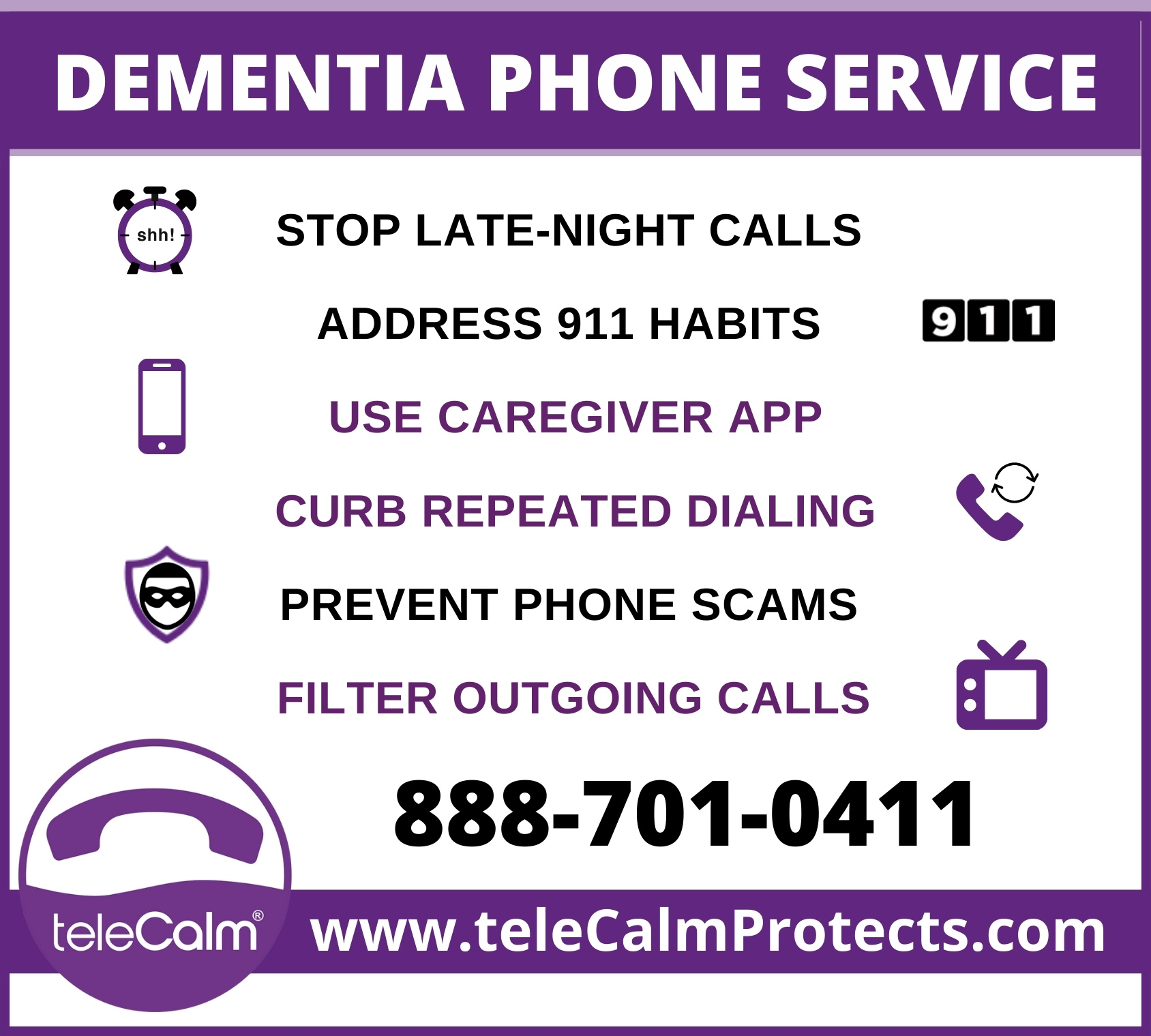
Memory & Dementia Care 5 Cowboys Way, Frisco, Texas, 75034teleCalm stops problem calls for families living with Alzheimers & other cognitive challenges at home and in senior living communities.teleCalm provides a safe phone services for seniors living with Alzheimers and other cognitive challenges. Their services help family caregivers to manage and stop unwanted incoming and outgoing calls, including late-night calls, repeated calls, 911 abuse, and targeted fraud. teleCalm offers two levels of stress-free home phone services for seniors: the Caregiver service and the Trust service. The Caregiver service is designed to solve common challenges faced by caregivers and their loved ones. It helps seniors maintain their independence, reduces isolation, and prevents everyday problems such as late-night calls, repeated calls, 911 abuse, and telemarketer/scam calls. This service works with regular home phones and replaces the existing landline service provider. The family caregiver manages all the features and benefits of the service remotely through the teleCalm Caregiver app. The Trust service is designed for independent seniors and filters out robocallers before they have a chance to ring through to the seniors phone. This service learns over time who your loved ones trusted contacts are based on their calling habits. teleCalm's phone service replaces current home phone service, often for less money than the current basic phone service. The company has simple pricing, with all taxes and fees included in the monthly pricing. Internet is not required to have teleCalm service, and you can keep your current phone number, or the phone number of your loved one. teleCalm is a veteran and woman-owned company, with a 5-Star rating on both BBB and Google. All of their support team is US-based and have been family caregivers themselves. If you're looking for a safe phone service for seniors, visit teleCalmProtects.com to learn more and see how they can help solve your phone-related challenges.
teleCalm dementia phone service
Memory & Dementia Care 5 Cowboys Way, Frisco, Texas, 75034teleCalm stops problem calls for families living with Alzheimers & other cognitive challenges at home and in senior living communities.teleCalm provides a safe phone services for seniors living with Alzheimers and other cognitive challenges. Their services help family caregivers to manage and stop unwanted incoming and outgoing calls, including late-night calls, repeated calls, 911 abuse, and targeted fraud. teleCalm offers two levels of stress-free home phone services for seniors: the Caregiver service and the Trust service. The Caregiver service is designed to solve common challenges faced by caregivers and their loved ones. It helps seniors maintain their independence, reduces isolation, and prevents everyday problems such as late-night calls, repeated calls, 911 abuse, and telemarketer/scam calls. This service works with regular home phones and replaces the existing landline service provider. The family caregiver manages all the features and benefits of the service remotely through the teleCalm Caregiver app. The Trust service is designed for independent seniors and filters out robocallers before they have a chance to ring through to the seniors phone. This service learns over time who your loved ones trusted contacts are based on their calling habits. teleCalm's phone service replaces current home phone service, often for less money than the current basic phone service. The company has simple pricing, with all taxes and fees included in the monthly pricing. Internet is not required to have teleCalm service, and you can keep your current phone number, or the phone number of your loved one. teleCalm is a veteran and woman-owned company, with a 5-Star rating on both BBB and Google. All of their support team is US-based and have been family caregivers themselves. If you're looking for a safe phone service for seniors, visit teleCalmProtects.com to learn more and see how they can help solve your phone-related challenges.