Signs and Symptoms of Glaucoma
Angels By Visiting Angels-Alabama Gulf Coast
For more information about the author, click to view their website: Visiting Angels
Aug 06, 2022
Alabama - Gulf Coast


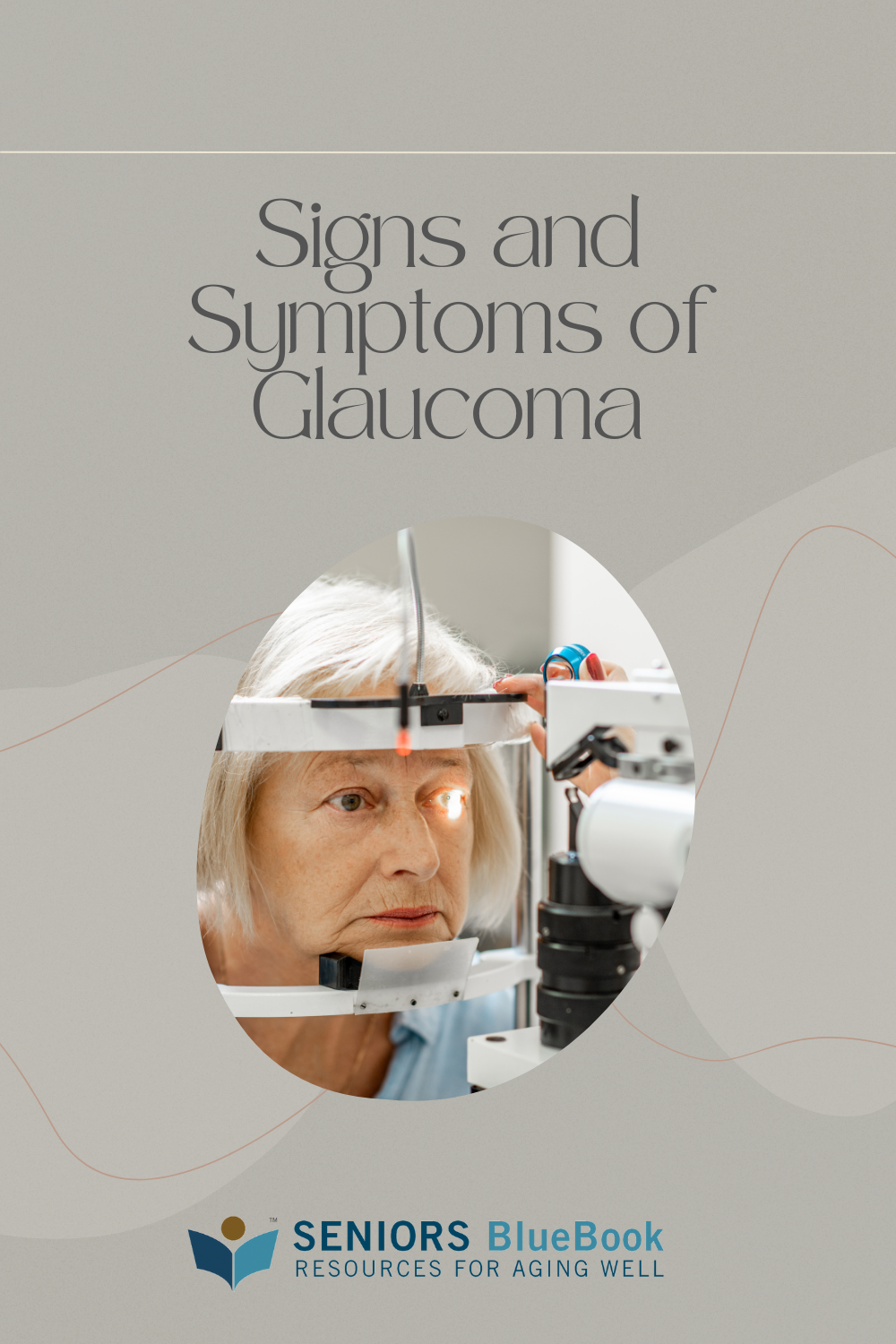
Signs and Symptoms of Glaucoma
As we age, there's a ton to pay attention to in terms of our health. One area that tends to be overlooked is our eye health. More than 12 million Americans have a vision impairment. For many people, wearing glasses or contacts has been a part of life since childhood, and a slow digression in vision feels normal.
Glaucoma is an eye condition that affects more than 3 million Americans and can lead to irreversible blindness. This new year, use the month to vow to better eye health and learn about glaucoma signs and symptoms. Understanding this condition could save you from losing your vision in the future.
What is Glaucoma?
Glaucoma is a common eye condition with more than 200,000 cases each year in the United States. Glaucoma develops when high eye pressure damages the nerves connecting the eyes and the brain. It's a slow-progressing condition that often leads to a loss of eyesight and, in some cases, total blindness. While there's no way to bring back vision after it's lost, surgery to release eye pressure can slow or stop glaucoma from progressing.
Since it's a slow-moving condition, many people don't notice early signs of glaucoma, although late symptoms include pain and vision loss. Glaucoma is most common in people aged 40 and older and those with a family history of glaucoma. It's also common in people with high blood pressure, heart disease, diabetes, or sickle cell anemia.
Types of Glaucoma
Glaucoma refers to a type of eye condition that affects a person's vision. There are two main types of glaucoma.
- Open-angle glaucoma. This is the most common form of glaucoma and occurs when the trabecular meshwork is blocked, causing gradual pressure on the eye. Many people don't experience any open-angle glaucoma symptoms and often don't notice a problem until they begin losing vision.
- Angle-closure glaucoma. This type of glaucoma occurs when the bulging of the iris blocks the drainage angle. Symptoms of angle-closure glaucoma include severe headache, eye pain, eye redness, and blurred vision. This condition may suddenly occur and is considered a medical emergency.
All forms of glaucoma happen because there is unwanted pressure on the eye due to a blockage. Different types of glaucoma are diagnosed, depending on how the blockage occurs.
- Pigmentary glaucoma-When the eye's drainage system becomes clogged by pigments from the iris, it's referred to as pigmentary glaucoma. It's most common in younger adults because there is less pigment in the eye to cause a blockage as we age.
- Uveitic glaucoma- The middle layer of the eye is called the uveitis. Its purpose is to provide blood to the retina. If the uveitis becomes swollen or inflamed and puts pressure on the eye, it's called uveitic glaucoma.
- Exfoliative glaucoma- Sometimes, the eye's outer layer can shed a flaky material that gets stuck in the drainage system, causing exfoliative glaucoma. This type of glaucoma is most common in those of northern European descent after the age of 40.
Living with Glaucoma
Unfortunately, once you lose your vision to glaucoma, there's no way to get it back. Early detection is the key to protecting your vision against glaucoma. You should start regular eye exams by age 40 as this is when vision changes begin to occur. When looking for early signs of glaucoma, your doctor will examine the inner eye pressure, the shape and color of the optic nerve, your field of vision, the angle of where the iris meets the cornea, and its thickness of the cornea. If you have high-risk factors such as diabetes or a family history of glaucoma, your doctor may suggest more frequent follow-ups to monitor your eye health.
This article was submitted by Visiting Angels with locations in Mobile and Baldwin Counties. If you or a loved one suffers from glaucoma or another eye condition that makes it hard to see and perform daily tasks, Visiting Angels can help. Call them at 251-345-4100.
Other Articles You May Like
When Healthcare Costs Rise, Dont Put Your Health on Hold
When Healthcare Costs Rise, Dont Put Your Health on HoldBy Jamie Ulmer, President & CEO, Healthcare NetworkWhen the cost of everyday life goes up, most of us look for places to cut back. We may eat out less often, postpone a purchase or reconsider a trip.Healthcare shouldnt be one of those things.Yet rising insurance costs, deductibles, prescription expenses and other household costs can make even routine healthcare feel difficult to afford. For older adults living on a fixed income, an unexpected medical expense can be particularly concerning.It can be tempting to put off an appointment when youre feeling relatively well. Maybe that lingering cough can wait. Perhaps the pain in your knee isnt quite bad enough to call the doctor. Or that annual checkup can be pushed back a few months.The problem is that delaying care can allow a manageable health concern to become a more serious one. Establishing a relationship with a primary care provider and receiving regular preventive care can help identify health concerns earlier and provide ongoing support for conditions that require monitoring.Community Health Centers Are an Option for Seniors, TooOne healthcare resource older adults may overlook is their local community health center.There is a common misconception that community health centers are free clinics or that they serve only people without insurance. In fact, community health centers provide care to people with a variety of insurance coverage. Healthcare Network accepts Medicare, Medicaid, commercial insurance and Affordable Care Act Marketplace plans. For those who qualify, care is also available on a sliding fee discount scale based on household income.For older adults, having access to primary care is particularly important. Regular visits give you and your provider an opportunity to monitor changes in your health, discuss medications, keep up with preventive care and address concerns before they become more serious.Community health centers can also make it easier to address multiple healthcare needs within one organization. At Healthcare Network, patients have access to primary care, dental care, behavioral health and other services.Getting to Care MattersCost isnt the only reason people delay healthcare. Sometimes the challenge is simply getting there.Transportation, distance and convenience can all become barriers, particularly for older adults who no longer drive, have mobility challenges or depend on family members or caregivers for transportation.Thats why access isnt only about having healthcare services available. Its also about making those services easier to use.Healthcare Network offers telehealth appointments for certain services, giving patients the option to connect with a provider from home when appropriate. For older adults, telehealth can help reduce some of the transportation and scheduling challenges that might otherwise lead them to postpone care.Access to medications is another important part of staying healthy. Healthcare Networks pharmacies offer prescription mail delivery, allowing patients to have eligible medications sent directly to their homes. This can be especially helpful for older adults managing ongoing prescriptions or those who find frequent trips to the pharmacy difficult.Of course, there are times when an in-person visit is necessary. Having healthcare closer to home can make those appointments easier, too.Here in Collier County, Healthcare Network recently opened the Van Domelen Community Health Center in Orangetree. The center brings primary care, dental care, behavioral health, pharmacy services and more to an area where rapid population growth had previously left many residents traveling significant distances for basic healthcare.Options such as care closer to home, telehealth and prescription mail delivery can remove some of the everyday obstacles that make it harder to stay on top of your health.Think of Primary Care as an Investment in IndependenceFor many of us, one of the greatest priorities as we get older is maintaining our independence.Healthcare plays an important role in that.Routine care isnt only about treating an illness after it occurs. Its an opportunity to monitor your health over time, manage ongoing health conditions, keep up with recommended preventive care and talk with your provider about changes you may be experiencing.Having a healthcare provider you know and trust can become especially valuable as you age.If cost, transportation or uncertainty about where to go has caused you to postpone care, ask what resources are available in your community. Having Medicare or Medicaid doesnt prevent you from receiving care at a community health center, and depending on your circumstances, other assistance may be available as well.Last year, Healthcare Network cared for more than 55,000 patients, including nearly half of Collier Countys children, and provided more than $19 million in uncompensated care. Behind those numbers are people at every stage of life who needed a place to turn for healthcare.Growing older brings plenty of changes. Accessing healthcare shouldnt have to become one more challenge.Taking care of your health today can help protect something that becomes increasingly valuable with every passing year: your ability to continue living life on your own terms.About the AuthorJamie Ulmer is President and CEO of Healthcare Network, a nonprofit healthcare organization that has served Collier County for nearly 50 years. He is passionate about improving access to care and strengthening community health so all residents have the opportunity to live healthy, productive lives.
Mind2Mouth Speech Therapy Launches a New Aphasia Program for Adults
Introducing Communication in the Community: Mind2Mouth Speech Therapy Launches a New Aphasia Program for Adults in New JerseyAphasia changes how people connect with the world conversations, errands, social outings, even simple daily interactions can become overwhelming. For many adults across Monmouth and Ocean Counties, the hardest part isnt the speech challenge itself; its the fear of stepping back into public spaces where communication feels unpredictable.This year, Mind2Mouth Speech Therapy, led by Alexa Martucci, M.S., CCCSLP, introduced a new and firstofitskind program in New Jersey designed to bridge that gap: Communication in the Community. This innovative group experience brings adults living with aphasia and their caregivers into realworld environments to practice communication with the support of a licensed speechlanguage pathologist.It is not a traditional therapy session. It is a communitybased rehabilitation model that helps participants rebuild confidence, independence, and social connection in everyday settings.A New Approach to Aphasia Support in New JerseyWhile New Jersey offers a variety of outpatient therapy options, no other program in the region provides structured, therapistguided communication practice directly in community settings. Communication in the Community is intentionally designed to fill that gap.Participants meet as a group and travel to familiar local environments such as:ParksRestaurantsBowling alleysCommunity spacesEveryday public settingsDuring each outing, participants practice real communication tasks ordering food, asking questions, making requests, greeting others, navigating conversations, and more. A speechlanguage pathologist is present throughout the outing to guide, support, and encourage communication success.As Alexa explains, This program is about giving people their confidence back. Aphasia doesnt just affect speech it affects how someone feels about going out into the world. We created this program so people can practice communication where it actually happens.Why RealWorld Practice MattersTraditional therapy is essential, but many individuals still struggle when transitioning from the clinic to everyday life. Communication in the Community addresses that challenge directly.1. Real environments reduce communication anxietyPracticing communication in familiar Monmouth and Ocean County locations helps participants gradually feel more comfortable interacting with others.2. Skills generalize more effectivelyTherapy practiced only in a clinic can feel artificial. Realworld practice helps new communication strategies stick.3. Caregivers learn alongside their loved onesCaregivers often feel unsure how to support communication. This program teaches them practical strategies they can use at home and in the community.4. Social connection improves emotional wellbeingMany participants havent enjoyed outings since their diagnosis. Group outings restore joy, connection, and a sense of belonging.5. Confidence grows with each successful interactionWhether its ordering a coffee or greeting a stranger, every small win builds momentum.Local Impact for Monmouth & Ocean County SeniorsMind2Mouth Speech Therapy serves a wide region of New Jersey, including Spring Lake, Wall Township, Toms River, Middletown, Freehold, and surrounding communities. Outings are intentionally chosen to reflect the lifestyle and culture of the Jersey Shore community.Participants practice communication in places they already visit or want to return to making the experience meaningful and practical.This local focus ensures that therapy is not only effective, but also relevant to daily life in New Jersey.What Families Can Expect From This New ProgramTherapistguided outingsA licensed speechlanguage pathologist attends every outing to provide support, prompts, modeling, and encouragement.Goalbased communication practiceParticipants work on personalized goals such as initiating conversation, asking for help, or expressing needs.A safe, judgmentfree environmentEveryone in the group understands aphasia. There is no pressure only support.Community connectionParticipants build relationships with others who share similar experiences, reducing isolation and increasing confidence.Caregiver involvementCaregivers learn communication strategies they can use at home, in public, and during daily routines.Experience, Expertise, and TrustworthinessMind2Mouth Speech Therapy is known for its clinical excellence and compassionate approach. Alexa Martucci brings years of experience working with adults with aphasia, and her team is committed to evidencebased practice, ongoing training, and personalized care.The new program is built on:Clinical expertise in aphasia rehabilitationEvidencebased communication strategiesA deep understanding of senior needs in Monmouth/Ocean CountiesA commitment to restoring independence and dignityAs Alexa shares, Communication is a human right. We want every person to feel heard, understood, and confident again.Frequently Asked Questions (FAQs)1. Who can join Communication in the Community?Adults living with aphasia and their caregivers are welcome. The program is designed for individuals at all communication levels.2. Where do outings take place?Locations vary and may include parks, restaurants, bowling alleys, and other community settings throughout Monmouth and Ocean Counties.3. Do caregivers need to attend?Yes caregivers are encouraged to participate so they can learn communication strategies and support their loved one.4. How often does the group meet?Sessions are scheduled regularly. Families can contact Mind2Mouth for current dates and locations.5. Is this program covered by insurance?Coverage varies. Mind2Mouth can help families understand options and provide guidance.Join This New Program and Rebuild Confidence TodayIf you or a loved one is living with aphasia, Communication in the Community offers a supportive, empowering way to practice communication in reallife settings. Mind2Mouth Speech Therapy is committed to helping seniors regain independence, confidence, and joy in everyday interactions. 7329954696 [email protected] www.m2mspeechtherapy.comMore information can be found on their Seniors Blue Book Listing
Parkinsons Care At Home:Preventing Setbacks & Avoidable Readmission
Preventing Setbacks, Falls & Avoidable Hospital Readmissions: Helping Someone With Parkinsons Stay Safely at Home Part 4 of the PennDYNAMIC Care at Home Parkinsons Recovery & Wellness Series For a person living with Parkinsons disease, returning home after a hospital or rehabilitation stay can feel like a major victory. But families often have another concern: How do we keep Mom or Dad from going back to the hospital? This is an especially important question for someone with Parkinsons. Changes in mobility, balance, medications, nutrition, hydration, cognition and the ability to manage everyday activities can make an already complex condition even more challenging after a health setback. A fall, missed medication, poor nutrition, increasing weakness or an unnoticed change in condition can disrupt recovery and potentially lead to another emergency room visit or hospitalization. At PennDYNAMIC Care at Home, our post-hospital and post-rehabilitation approach is designed to help bridge the transition home, support continued recovery and help families recognize concerns before they become bigger problems. The goal is not simply to get someone home. The goal is to help them stay safely at home. --------------------------------------------------------------------------------The Revolving Door Families Want to Avoid Hospitalization can be particularly difficult for an older adult with Parkinsons. A person may return home weaker than before, less steady on their feet or with changes to their medications and daily routine. They may also be receiving instructions from several healthcare professionals. There may be follow-up appointments to schedule. Therapy recommendations to continue. New medications to understand. Dietary instructions to follow. Mobility equipment to use. Symptoms to monitor. Families are often expected to coordinate all of this while simultaneously helping their loved one adjust to being home. It can be overwhelming. This is where structured, coordinated support can make a meaningful difference. -------------------------------------------------------------------------------- PennDYNAMIC's LifeCARE Pathway is built around proactive, evolving care, while DYNAMIC NeuroWELL at Home provides specialty support for individuals with neurological conditions such as Parkinsons. Together, these approaches help families focus on an important objective: Protect the recovery and reduce preventable setbacks. -------------------------------------------------------------------------------- 1. Make Fall Prevention a Daily Priority Falls can be a significant concern for people with Parkinsons because the disease can affect balance, walking and movement. After a hospitalization or rehabilitation stay, weakness and reduced confidence can add to the risk. Fall prevention begins with understanding how the person functions in the actual home environment. Are pathways clear? Is there adequate lighting? Are there loose rugs or clutter? Does the person have difficulty getting to the bathroom? Are recommended mobility devices within reach? Is the individual trying to move too quickly when getting up? Does the person require assistance with transfers or walking? A caregiver can help maintain a safer environment and provide the level of mobility assistance identified in the client's care plan. But fall prevention should not mean eliminating movement. As we discussed in Part 3, unnecessary inactivity can contribute to further loss of function. The goal is: Safe movementnot no movement. -------------------------------------------------------------------------------- 2. Pay Attention to Changes in Function Families sometimes assume that every new difficulty is simply another symptom of Parkinsons. But a noticeable change from someone's usual level of function deserves attention. Perhaps Dad suddenly needs much more assistance getting out of his chair. Mom is walking differently than she did several days ago. A normally engaged client is suddenly sleeping most of the day. Someone who was eating independently is now struggling at meals. The caregiver does not diagnose the cause. Instead, the caregiver can play an important role by observing, documenting and communicating changes to the family and appropriate healthcare professionals. Knowing someone's normal routine makes it easier to recognize when something is different. That is one of the advantages of consistent care at home. 3. Support Medication Adherence Parkinsons medication routines can be important to a person's daily functioning. After a hospitalization, medications may have been added, discontinued or changed. Families should make sure they understand the discharge medication instructions and direct medication questions to the appropriate physician, pharmacist or other healthcare professional. PennDYNAMIC caregivers can provide medication reminders consistent with the client's care plan. They can also observe whether the person is having difficulty following established routines and communicate concerns appropriately. For complex clients, medication support is not about independently changing medications or making clinical decisions. It is about helping the established plan work in everyday life. -------------------------------------------------------------------------------- 4. Don't Overlook Nutrition and Hydration Eating and drinking may seem unrelated to preventing hospitalization, but they are important components of overall health and recovery. Someone returning from a hospital or rehabilitation facility may have a reduced appetite, fatigue or difficulty managing meals independently. Parkinsons may create additional challenges around mealtimes. PennDYNAMIC caregivers can support meal preparation, hydration and established dietary recommendations. Just as importantly, caregivers can pay attention to changes. Is the person eating significantly less? Are meals being skipped? Is drinking becoming more difficult? Has something changed about the person's ability to manage meals? Concerns can then be communicated to the family and appropriate healthcare professional. 5. Keep the Person Moving Safely Following a hospitalization, it can be tempting to encourage someone to take it easy for an extended period. Rest may certainly be necessary. But when healthcare and rehabilitation professionals have recommended movement, exercises or daily activities, consistency matters. PennDYNAMIC caregivers can help clients follow established recommendations from physical therapists, occupational therapists and other members of the rehabilitation team. That might mean helping the person safely participate in everyday activities or supporting completion of exercises that have been prescribed or recommended by the appropriate professional. -------------------------------------------------------------------------------- We do not replace rehabilitation. We help reinforce the recovery plan at home. The objective is to help protect the progress already made while supporting continued function. 6. Make Follow-Up Care Part of the Recovery Plan Discharge from the hospital does not mean medical care is finished. There may be follow-up appointments with a primary care physician, neurologist or other specialists. There may be therapy appointments. There may be changes in the care plan based on how the individual is progressing at home. For families already balancing careers, children and other responsibilities, coordinating all these moving pieces can become difficult. This is why care navigation and progress monitoring are important components of the PennDYNAMIC approach. The goal is greater continuity between what healthcare professionals recommend and what actually happens at home. -------------------------------------------------------------------------------- 7. Watch the Caregiver Too There is another potential crisis families sometimes overlook: Caregiver exhaustion. A spouse may be trying to provide around-the-clock assistance. An adult daughter may be working all day and then spending evenings managing medications, meals and personal care. A son living out of town may be trying to coordinate everything by telephone. Families can continue like this until something happens. The spouse becomes exhausted. The adult child misses too much work. Someone gets injured trying to transfer the person. Or the family reaches a point where it simply cannot continue. Professional caregiving is not only about supporting the person with Parkinsons. It can also provide critical support to the family system. A family that has appropriate help may be better positioned to make thoughtful decisions instead of waiting until exhaustion creates the next crisis. -------------------------------------------------------------------------------- Create a Parkinsons Stay-at-Home Plan Families can make their care plan more proactive by asking several questions: What usually causes problems for our loved one? What changes should we watch for? Who should be contacted when we notice a change? Are medications and follow-up appointments organized? Is the home environment as safe as possible? Are rehabilitation recommendations being followed? Is our loved one eating and drinking adequately? Is the family caregiver becoming overwhelmed? Do we have enough help at home? These questions move the family from reacting to problems toward anticipating them. -------------------------------------------------------------------------------- Know What Is Normal for Your Loved One One of the most useful things families and caregivers can understand is the person's baseline. What does a normal day look like? How does Mom usually walk? How much assistance does Dad normally need getting dressed? How much does he typically eat? How alert and conversational is she? What activities can the person normally complete? Once you understand the person's usual pattern, changes can become easier to recognize. A good care plan should therefore be dynamic. As needs change, support may need to change too. That principle is central to PennDYNAMIC's LifeCARE Pathway. -------------------------------------------------------------------------------- How DYNAMIC NeuroWELL at Home Supports Parkinsons Families PennDYNAMIC's DYNAMIC NeuroWELL at Home was created to provide coordinated, disease-informed support for people living with Parkinsons and other neurological conditions. Depending upon the individual's needs and established care plan, support may include: Personalized, disease-informed in-home caregivingFunctional fitness, movement and restorative supportMedication adherence and chronic symptom observationNutrition and mealtime supportNeurocognitive stimulation and memory supportEmotional well-being and family educationCare navigation and progress monitoringCommunication and collaboration with the healthcare team For families, this means having support that looks beyond individual caregiving tasks. The focus is on the whole person and the many factors that can influence the ability to remain safely at home. -------------------------------------------------------------------------------- The Best Hospital Readmission Is the One That May Be Prevented Not every hospitalization canor shouldbe prevented. Parkinsons is a complex condition, and medical emergencies sometimes occur despite excellent care. Home care should never replace necessary medical attention. But families can take proactive steps to reduce preventable setbacks. Support safe movement. Follow the established medication plan. Encourage adequate nutrition and hydration. Continue rehabilitation recommendations. Attend follow-up appointments. Watch for meaningful changes. Communicate concerns. And make sure the family has enough support. These actions may seem simple individually. Together, they create something powerful: A safer and more coordinated environment for recovery. -------------------------------------------------------------------------------- Home Should Be More Than the Place Someone Returns To For a person living with Parkinsons, home represents familiarity. Routine. Family. Memories. Dignity. Independence. And often, the place where the person most wants to remain. At PennDYNAMIC Care at Home, our goal is to help families protect that possibility. Through personalized care, proactive communication, disease-informed support and coordination with the individual's healthcare team, we help make home a place where recovery can continue and quality of life remains the priority. Because getting someone home is only the first step. Helping them stay safer, stronger and supported at home is the next. -------------------------------------------------------------------------------- Love Is Not Enough When You Are Dealing With Parkinsons Disease When someone you love is living with Parkinsons, you may find yourself constantly wondering whether you are doing enough, watching closely for the next fall or worrying about another trip to the hospital. You do not have to carry all of that responsibility alone. The right support can help your loved one remain safer at home while giving your family greater confidence and peace of mind. When someone you love is challenged with Parkinsons and you need assistance, please call PennDYNAMIC Care at Home at 610-467-7827. We would be honored to listen to your concerns, learn about your loved one's needs and discuss how PennDYNAMIC Care at Home may be able to support your family. PennDYNAMIC Care at Home Personalized. Coordinated. Expert-Led Care at Home. www.DynamicCareAtHome.com
Local Services By This Author

Angels by Visiting Angels - Daphne
Non-Medical 25369 U.S. 98, Daphne, Alabama, 36526Visiting Angels Daphne: Compassionate In-Home Care for Seniors Choosing care for an aging parent, spouse, or loved one is a deeply personal decision. For many families, the goal is not simply to find someone who can provide assistance, but to find a caregiver who will respect their loved ones independence, understand their routines, and bring genuine compassion into the home. Visiting Angels Daphne provides personalized, non-medical in-home care for seniors throughout the Alabama Gulf Coast, including Daphne, the Eastern Shore and surrounding communities. The local team focuses on creating care plans around each individual rather than asking families to fit into a one-size-fits-all schedule. For seniors who want to remain in the familiar surroundings of home, the right support can make everyday life feel more manageable and comfortable. Visiting Angels Daphne works with seniors and their families to determine what type of assistance is needed, how often care should be provided, and what kind of caregiver may be the best fit. Personalized Home Care Designed Around Your Loved OneEvery senior has different needs, preferences, routines, and expectations. Someone may need occasional help around the house, while another person may benefit from daily personal assistance or more consistent support. Visiting Angels Daphne begins with understanding the individual. During the care-planning process, the team considers the seniors lifestyle, care requirements, preferences, schedule, and family input. When appropriate, they can also communicate with other members of the seniors care team, such as physicians, physical therapists, social workers, or staff involved in assisted living or other care settings. The goal is simple: create a flexible care plan that provides the right level of support while helping the senior maintain as much independence as possible.Care schedules may include: Respite care that gives family caregivers time to rest, work, or attend to other responsibilities Morning, daytime, or evening assistance Ongoing long-term care Short-term support following surgery or a hospitalization Weekend or holiday assistance Around-the-clock, 24/7 support when appropriate Because care needs can change, the plan can also be adjusted as circumstances evolve. Supporting Seniors Who Want to Age in PlaceFor many older adults, home represents much more than a physical address. It is where favorite memories were made, familiar routines were established, and a sense of independence was built over the years. Needing assistance does not necessarily mean giving up that independence.Visiting Angels Daphne understands that seniors may initially feel hesitant about accepting help. The agencys approach is centered on providing support in a way that helps seniors remain comfortable in their own surroundings while receiving assistance with the tasks that have become more difficult. That support may be especially helpful when a seniors needs begin to change gradually. A person who initially needs help with household tasks may eventually need additional assistance with mobility, personal routines, companionship, or other daily activities. Visiting Angels Daphne can adapt a care plan as a seniors needs change, helping families avoid having to navigate every new challenge alone.A Range of Non-Medical Senior Care Services Visiting Angels Daphne offers a broadrange of non-medical senior care services that can be customized to the individual. Available areas of care include: Companion CareCompanionship can be an important part of maintaining quality of life. A familiar and supportive caregiver can provide conversation, encouragement, and social interaction while helping a senior stay connected to the activities they enjoy. Personal CareSome seniors benefit from assistance with personal routines and everyday activities. Care planning may include support with personal care needs, mobility assistance, and other activities that help the individual navigate the day more comfortably. Dementia and Alzheimers CareFamilies caring for someone living with dementia or Alzheimers disease may need additional support and consistency. Visiting Angels Daphne identifies dementia care and Alzheimers care among its specialized service areas. Respite Care for Family CaregiversFamily caregivers give so much of themselves to their loved ones. Respite care can provide an opportunity for family members to step away from caregiving responsibilities for a period of time while their loved one continues to receive support at home. Transitional and Post-Surgery CareA senior may only need additional assistance for a limited period following surgery, hospitalization, or another transition. Visiting Angels Daphne offers short-term and transitional support that can be incorporated into an individualized care plan.End-of-Life and Palliative SupportThe agency also lists end-of-life and palliative care among its service offerings, providing families with additional options to discuss when more supportive care is needed. A Thoughtful Approach to Caregiver MatchingFinding the right caregiver is about more than availability. Personality, preferences, communication style, schedule, and individual care needs can all influence whether a caregiver feels like a natural fit. Visiting Angels Daphne considers these factors when matching a caregiver with a senior. The consultation process looks at the individuals lifestyle, personality, care requirements, and scheduling needs. We also emphasize the importance of character when selecting caregivers. Its stated approach looks beyond a rsum to qualities such as kindness, patience, respect, and the ability to honor a seniors independence. A successful caregiver relationship can make daily care feel less like a task and more like meaningful support.That may mean understanding a seniors favorite hobbies, respecting their preferred pace, encouraging social interaction, or simply being a dependable presence during the day. What Happens During a Home Care Consultation?For families who are unsure where to begin, Visiting Angels Daphne offers a free, no-obligation consultation.The consultation is designed to give families an opportunity to ask questions, discuss concerns, and learn more about potential care options before moving forward. During the consultation, the care team may discuss: Mobility and personal care needs Housekeeping and homemaking assistance Dietary concerns and meal preferences Medication schedules and reminders Hobbies and favorite activities Social and companionship needs Preferred frequency and duration of visits Scheduling and home-access considerationsThe consultation provides an opportunity for the family and care team to develop a clearer picture of whatsupport may be appropriate. Serving Daphne, Baldwin County andNearby CommunitiesThe local office is located at:Visiting Angels Daphne25369 US Hwy 98 #ADaphne, AL 36526Phone: 251-517-9700 For families living in or around Daphne and Baldwin County, having access to a local home care provider can make it easier to begin conversations about senior care before a situation becomes overwhelming. Frequently Asked Questions About Visiting Angels DaphneWhat type of care does Visiting Angels Daphne provide?Visiting Angels Daphne provides personalized non-medical in-home senior care. Our services include companion care, personal care, respite care, dementia and Alzheimers care, transitional care, palliative care, and end-of-life care. Does Visiting Angels Daphne offer flexible scheduling?Yes. Care plans can be structured around different needs and schedules, including morning, daytime, evening, weekend, holiday, long-term, short-term, and 24/7 care arrangements. The specific schedule is determined as part of the individualized care plan. How does the caregiver matching process work?We consider a seniors personality, lifestyle, care requirements, preferences, and scheduling needs when selecting a caregiver. The goal is to create a compatible and comfortable caregiver relationship. Is there a consultation before starting home care?Yes. Visiting Angels Daphne offers a free, no-obligation consultation to discuss the seniors needs, answer questions, and begin developing a customized care plan. What areas does Visiting Angels Daphne serve?We serve communities throughout Daphne AL and surrounding communities. Take the Next Step Toward Personalized Home CareIf your family is beginning to explore senior home care, you do not have to have every answer before making the first call. A conversation with a care professional can help you understand your options and determine what type of support may make sense for your loved one. Visiting Angels Daphne offers a personalized approach to in-home senior care, companion care, personal care, respite care, dementia care, and transitional support for families throughout the Alabama Gulf Coast. To learn more and for a free consultation, contact Visiting Angels Daphne at 251-517-9700.
Angels by Visiting Angels - Gulf Shores
Non-Medical 1313 South Commercial Drive, Foley, Alabama, 36535Visiting Angels Gulf Shores: Compassionate In-Home Care for Seniors on the Alabama Gulf CoastChoosing care for an aging parent, spouse, or loved one is a deeply personal decision. For many families, the goal is not simply to find someone who can provide assistance, but to find a caregiver who will respect their loved ones independence, understand their routines, and bring genuine compassion into the home.Visiting Angels Gulf Shores provides personalized, non-medical in-home care for seniors throughout the Alabama Gulf Coast, including Gulf Shores, Orange Beach, Foley, and surrounding communities. The local team focuses on creating care plans around each individual rather than asking families to fit into a one-size-fits-all schedule.For seniors who want to remain in the familiar surroundings of home, the right support can make everyday life feel more manageable and comfortable. Visiting Angels Gulf Shores works with seniors and their families to determine what type of assistance is needed, how often care should be provided, and what kind of caregiver may be the best fit.Personalized Home Care Designed Around Your Loved OneEvery senior has different needs, preferences, routines, and expectations. Someone may need occasional help around the house, while another person may benefit from daily personal assistance or more consistent support.Visiting Angels Gulf Shores begins with understanding the individual. During the care-planning process, the team considers the seniors lifestyle, care requirements, preferences, schedule, and family input. When appropriate, they can also communicate with other members of the seniors care team, such as physicians, physical therapists, social workers, or staff involved in assisted living or other care settings.The goal is simple: create a flexible care plan that provides the right level of support while helping the senior maintain as much independence as possible.Care schedules may include:Respite care that gives family caregivers time to rest, work, or attend to other responsibilitiesMorning, daytime, or evening assistanceOngoing long-term careShort-term support following surgery or a hospitalizationWeekend or holiday assistanceAround-the-clock, 24/7 support when appropriateBecause care needs can change, the plan can also be adjusted as circumstances evolve.Supporting Seniors Who Want to Age in PlaceFor many older adults, home represents much more than a physical address. It is where favorite memories were made, familiar routines were established, and a sense of independence was built over the years.Needing assistance does not necessarily mean giving up that independence.Visiting Angels Gulf Shores understands that seniors may initially feel hesitant about accepting help. The agencys approach is centered on providing support in a way that helps seniors remain comfortable in their own surroundings while receiving assistance with the tasks that have become more difficult.That support may be especially helpful when a seniors needs begin to change gradually. A person who initially needs help with household tasks may eventually need additional assistance with mobility, personal routines, companionship, or other daily activities.Visiting Angels Gulf Shores can adapt a care plan as a seniors needs change, helping families avoid having to navigate every new challenge alone.A Range of Non-Medical Senior Care ServicesVisiting Angels Gulf Shores offers a broad range of non-medical senior care services that can be customized to the individual. Available areas of care include:Companion CareCompanionship can be an important part of maintaining quality of life. A familiar and supportive caregiver can provide conversation, encouragement, and social interaction while helping a senior stay connected to the activities they enjoy.Personal CareSome seniors benefit from assistance with personal routines and everyday activities. Care planning may include support with personal care needs, mobility assistance, and other activities that help the individual navigate the day more comfortably.Dementia and Alzheimers CareFamilies caring for someone living with dementia or Alzheimers disease may need additional support and consistency. Visiting Angels Gulf Shores identifies dementia care and Alzheimers care among its specialized service areas.Respite Care for Family CaregiversFamily caregivers give so much of themselves to their loved ones. Respite care can provide an opportunity for family members to step away from caregiving responsibilities for a period of time while their loved one continues to receive support at home.Transitional and Post-Surgery CareA senior may only need additional assistance for a limited period following surgery, hospitalization, or another transition. Visiting Angels Gulf Shores offers short-term and transitional support that can be incorporated into an individualized care plan.End-of-Life and Palliative SupportThe agency also lists end-of-life and palliative care among its service offerings, providing families with additional options to discuss when more supportive care is needed.A Thoughtful Approach to Caregiver MatchingFinding the right caregiver is about more than availability. Personality, preferences, communication style, schedule, and individual care needs can all influence whether a caregiver feels like a natural fit.Visiting Angels Gulf Shores considers these factors when matching a caregiver with a senior. The consultation process looks at the individuals lifestyle, personality, care requirements, and scheduling needs.The agency also emphasizes the importance of character when selecting caregivers. Its stated approach looks beyond a rsum to qualities such as kindness, patience, respect, and the ability to honor a seniors independence.A successful caregiver relationship can make daily care feel less like a task and more like meaningful support.That may mean understanding a seniors favorite hobbies, respecting their preferred pace, encouraging social interaction, or simply being a dependable presence during the day.What Happens During a Home Care Consultation?For families who are unsure where to begin, Visiting Angels Gulf Shores offers a free, no-obligation consultation. The consultation is designed to give families an opportunity to ask questions, discuss concerns, and learn more about potential care options before moving forward.During the consultation, the care team may discuss:Mobility and personal care needsHousekeeping and homemaking assistanceDietary concerns and meal preferencesMedication schedules and remindersHobbies and favorite activitiesSocial and companionship needsPreferred frequency and duration of visitsScheduling and home-access considerationsThe consultation provides an opportunity for the family and care team to develop a clearer picture of what support may be appropriate.Serving Gulf Shores, Foley, Orange Beach and Nearby CommunitiesThe local office is located at:Visiting Angels Gulf Shores1313 South Commercial Dr #101AFoley, AL 36535Phone: 251-943-7525For families living in or around Gulf Shores and Baldwin County, having access to a local home care provider can make it easier to begin conversations about senior care before a situation becomes overwhelming.Frequently Asked Questions About Visiting Angels Gulf ShoresWhat type of care does Visiting Angels Gulf Shores provide?Visiting Angels Gulf Shores provides personalized non-medical in-home senior care. Services listed by the agency include companion care, personal care, respite care, dementia and Alzheimers care, transitional care, palliative care, and end-of-life care.Does Visiting Angels Gulf Shores offer flexible scheduling?Yes. Care plans can be structured around different needs and schedules, including morning, daytime, evening, weekend, holiday, long-term, short-term, and 24/7 care arrangements. The specific schedule is determined as part of the individualized care plan.How does the caregiver matching process work?The agency considers a seniors personality, lifestyle, care requirements, preferences, and scheduling needs when selecting a caregiver. The goal is to create a compatible and comfortable caregiver relationship.Is there a consultation before starting home care?Yes. Visiting Angels Gulf Shores offers a free, no-obligation consultation to discuss the seniors needs, answer questions, and begin developing a customized care plan.What areas does Visiting Angels Gulf Shores serve?The agency serves communities throughout the Alabama Gulf Coast, including Gulf Shores and Orange Beach, as well as Foley, Swift, Yupon, and surrounding communities.Take the Next Step Toward Personalized Home CareIf your family is beginning to explore senior home care, you do not have to have every answer before making the first call. A conversation with a care professional can help you understand your options and determine what type of support may make sense for your loved one.Visiting Angels Gulf Shores offers a personalized approach to in-home senior care, companion care, personal care, respite care, dementia care, and transitional support for families throughout the Alabama Gulf Coast.To learn more or schedule a free consultation, contact Visiting Angels Gulf Shores at 251-943-7525.

Angels by Visiting Angels - Mobile
Non-Medical 5901 Airport Boulevard, Mobile, Alabama, 36608Visiting Angels Mobile: Compassionate In-Home Care for Seniors on the Alabama Gulf CoastChoosing care for an aging parent, spouse, or loved one is a deeply personal decision. For many families, the goal is not simply to find someone who can provide assistance, but to find a caregiver who will respect their loved ones independence, understand their routines, and bring genuine compassion into the home.Visiting Angels Mobile provides personalized, non-medical in-home care for seniors throughout the Alabama Gulf Coast, including Mobile and surrounding communities. The local team focuses on creating care plans around each individual rather than asking families to fit into a one-size-fits-all schedule.For seniors who want to remain in the familiar surroundings of home, the right support can make everyday life feel more manageable and comfortable. Visiting Angels Mobile works with seniors and their families to determine what type of assistance is needed, how often care should be provided, and what kind of caregiver may be the best fit.Personalized Home Care Designed Around Your Loved OneEvery senior has different needs, preferences, routines, and expectations. Someone may need occasional help around the house, while another person may benefit from daily personal assistance or more consistent support.Visiting Angels Mobile begins with understanding the individual. During the care-planning process, the team considers the seniors lifestyle, care requirements, preferences, schedule, and family input. When appropriate, they can also communicate with other members of the seniors care team, such as physicians, physical therapists, social workers, or staff involved in assisted living or other care settings.The goal is simple: create a flexible care plan that provides the right level of support while helping the senior maintain as much independence as possible.Care schedules may include: Respite care that gives family caregivers time to rest, work, or attend to other responsibilities Morning, daytime, or evening assistance Ongoing long-term care Short-term support following surgery or a hospitalization Weekend or holiday assistance Around-the-clock, 24/7 support when appropriateBecause care needs can change, the plan can also be adjusted as circumstances evolve.Supporting Seniors Who Want to Age in PlaceFor many older adults, home represents much more than a physical address. It is where favorite memories were made, familiar routines were established, and a sense of independence was built over the years.Needing assistance does not necessarily mean giving up that independence.Visiting Angels Mobile understands that seniors may initially feel hesitant about accepting help. The agencys approach is centered on providing support in a way that helps seniors remain comfortable in their own surroundings while receiving assistance with the tasks that have become more difficult.That support may be especially helpful when a seniors needs begin to change gradually. A person who initially needs help with household tasks may eventually need additional assistance with mobility, personal routines, companionship, or other daily activities.Visiting Angels Mobile can adapt a care plan as a seniors needs change, helping families avoid having to navigate every new challenge alone.A Range of Non-Medical Senior Care ServicesVisiting Angels Mobile offers a broad range of non-medical senior care services that can be customized to the individual. Available areas of care include:Companion CareCompanionship can be an important part of maintaining quality of life. A familiar and supportive caregiver can provide conversation, encouragement, and social interaction while helping a senior stay connected to the activities they enjoy.Personal CareSome seniors benefit from assistance with personal routines and everyday activities. Care planning may include support with personal care needs, mobility assistance, and other activities that help the individual navigate the day more comfortably.Dementia and Alzheimers CareFamilies caring for someone living with dementia or Alzheimers disease may need additional support and consistency. Visiting Angels Mobile identifies dementia care and Alzheimers care among its specialized service areas.Respite Care for Family CaregiversFamily caregivers give so much of themselves to their loved ones. Respite care can provide an opportunity for family members to step away from caregiving responsibilities for a period of time while their loved one continues to receive support at home.Transitional and Post-Surgery CareA senior may only need additional assistance for a limited period following surgery, hospitalization, or another transition. Visiting Angels Mobile offers short-term and transitional support that can be incorporated into an individualized care plan.End-of-Life and Palliative SupportThe agency also lists end-of-life and palliative care among its service offerings, providing families with additional options to discuss when more supportive care is needed.A Thoughtful Approach to Caregiver MatchingFinding the right caregiver is about more than availability. Personality, preferences, communication style, schedule, and individual care needs can all influence whether a caregiver feels like a natural fit.Visiting Angels Mobile considers these factors when matching a caregiver with a senior. The consultation process looks at the individuals lifestyle, personality, care requirements, and scheduling needs.The agency also emphasizes the importance of character when selecting caregivers. Its stated approach looks beyond a rsum to qualities such as kindness, patience, respect, and the ability to honor a seniors independence.A successful caregiver relationship can make daily care feel less like a task and more like meaningful support.That may mean understanding a seniors favorite hobbies, respecting their preferred pace, encouraging social interaction, or simply being a dependable presence during the day.What Happens During a Home Care Consultation?For families who are unsure where to begin, Visiting Angels Mobile offers a free, no-obligation consultation. The consultation is designed to give families an opportunity to ask questions, discuss concerns, and learn more about potential care options before moving forward.During the consultation, the care team may discuss: Mobility and personal care needs Housekeeping and homemaking assistance Dietary concerns and meal preferences Medication schedules and reminders Hobbies and favorite activities Social and companionship needs Preferred frequency and duration of visitsScheduling and home-access considerationsThe consultation provides an opportunity for the family and care team to develop a clearer picture of what support may be appropriate.Serving Mobile and Nearby CommunitiesThe local office is located at:Visiting Angels Mobile5901 Airport Blvd #204Mobile, AL 36608Phone: 251-345-4100For families living in or around Mobile County, having access to a local home care provider can make it easier to begin conversations about senior care before a situation becomes overwhelming.Frequently Asked Questions About Visiting Angels MobileWhat type of care does Visiting Angels Mobile provide?Visiting Angels Mobile provides personalized non-medical in-home senior care. Services listed by the agency include companion care, personal care, respite care, dementia and Alzheimers care, transitional care, palliative care, and end-of-life care.Does Visiting Angels Mobile offer flexible scheduling?Yes. Care plans can be structured around different needs and schedules, including morning, daytime, evening, weekend, holiday, long-term, short-term, and 24/7 care arrangements. The specific schedule is determined as part of the individualized care plan.How does the caregiver matching process work?We consider a seniors personality, lifestyle, care requirements, preferences, and scheduling needs when selecting a caregiver. The goal is to create a compatible and comfortable caregiver relationship.Is there a consultation before starting home care?Yes. Visiting Angels Mobile offers a free, no-obligation consultation to discuss the seniors needs, answer questions, and begin developing a customized care plan.What areas does Visiting Angels Mobile serve?The agency serves communities throughout Mobile Al and surrounding communities.Take the Next Step Toward Personalized Home CareIf your family is beginning to explore senior home care, you do not have to have every answer before making the first call. A conversation with a care professional can help you understand your options and determine what type of support may make sense for your loved one.Visiting Angels Mobile offers a personalized approach to in-home senior care, companion care, personal care, respite care, dementia care, and transitional support for families throughout the Alabama Gulf Coast.To learn more or schedule a free consultation, contact Visiting Angels Mobile at 251-345-4100.