The Rewards of Joining a Wellness Center
Shalom Park Nursing Home
For more information about the author, click to view their website: Shalom Park Nursing Home
May 18, 2023
Colorado - Denver Metro


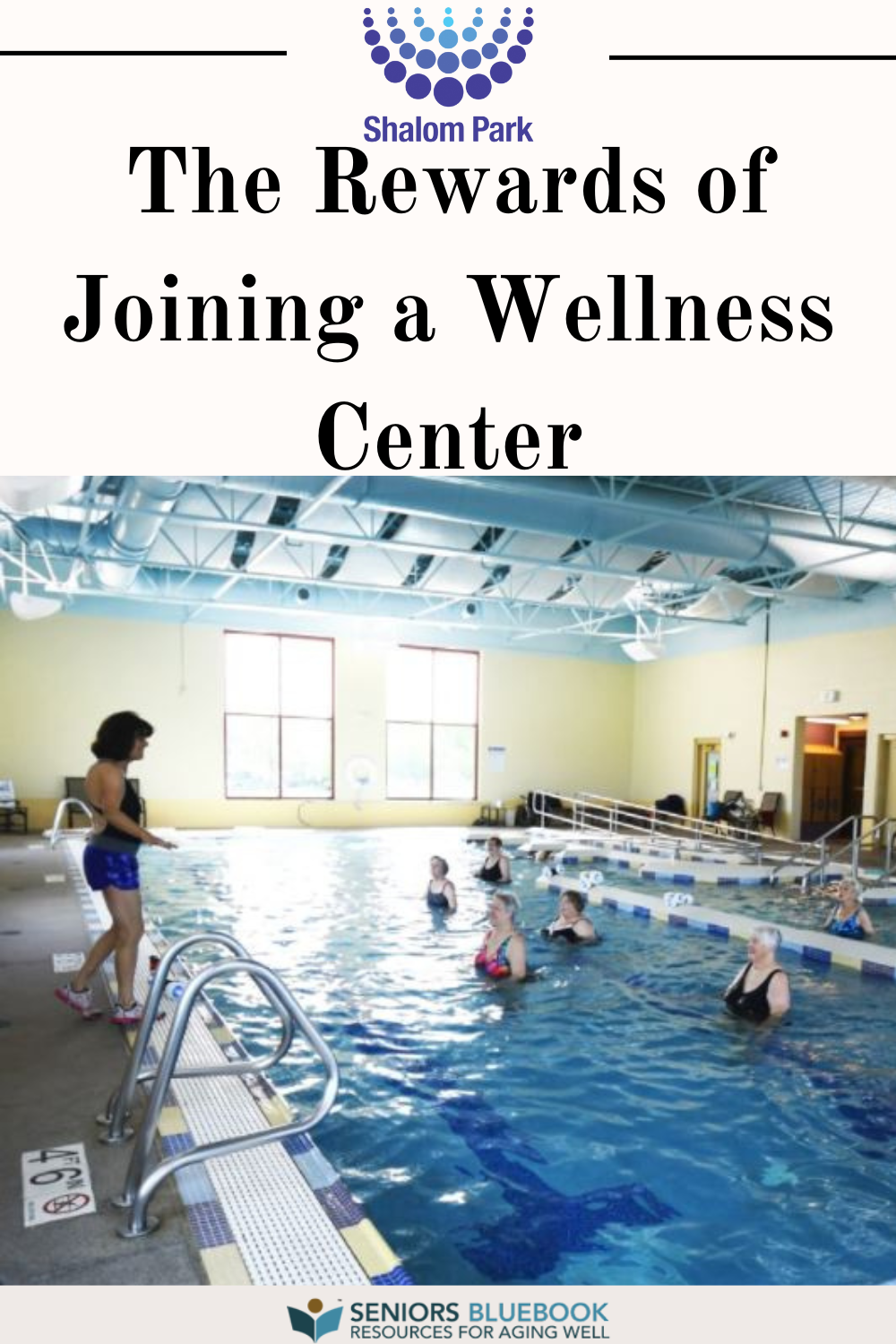
Membership at a wellness center is a great option after completing therapy or while continuing physical therapy. It allows you to improve function and continue to live an active vibrant life.
Many therapeutic rehabilitation centers focus on the physical ailments which address the immediate need after an injury. A wellness center offers a preventative, developmental, cognitive, psychological, and physical approach to health and wellness. Wellness is about treating the whole person by creating a balanced mind, body, and spirit. Bring a friend or make new ones by joining a wellness center or gym. You will improve strength, balance, flexibility, cognitive function and posture.
When selecting a Wellness Center look for the following:
· A wide variety of classes to keep you interested in participating.
· Exercise modifications for all levels to meet your abilities.
· A fun and friendly atmosphere.
· Supportive staff who are interested in you.
Support YOU - by joining a wellness center or gym today!
Editor’s Note: This article was submitted by Alex Luksik. Alex is the Director of Therapy at Shalom Park and may be reached at 303-400-2265 or by email at [email protected].
Other Articles You May Like
Independent Living, Rehabilitation, or Skilled Nursing
The best senior care setting depends on what a person can safely do each day and whether they need medical treatment, temporary recovery support, or ongoing nursing oversight. Independent living is usually best for someone who manages most personal needs and wants fewer household responsibilities. Rehabilitation may fit a person recovering after an illness, injury, or hospital stay. Skilled nursing is intended for people whose health needs require care delivered or supervised by licensed healthcare professionals. Start With the Type of Help Needed Rather than choosing a community by its name alone, write down what help is actually needed today. Does the person dress and bathe independently? Can they move safely between bed, chair, and bathroom? Are medications or treatments difficult to manage? Has a clinician recommended therapy following hospitalization? Answers to these questions can help a family speak more productively with a physician, discharge planner, or senior care team. When Independent Living Makes Sense Independent living can be a good fit when someone is largely independent but would benefit from less cooking, cleaning, and maintenance. It offers privacy in an apartment with opportunities for meals and activities nearby. At Garden Valley Retirement Village in Garden City, Kansas, residents can choose from studio, one-bedroom, and two-bedroom layouts. The community lists a daily meal, weekly housekeeping, utilities, maintenance, and planned events among its independent living services. Some independent living residents need additional assistance with everyday tasks. Garden Valley reports that on-site home care and individualized personal care plans are available. Ask what those services cover before assuming they include nursing treatment or round-the-clock hands-on assistance. When Short-Term Rehabilitation May Be Appropriate After hospitalization, a person may be medically ready to leave the hospital but not yet ready to handle stairs, dressing, or daily movement at home. Short-term rehabilitation focuses on recovering function and preparing for the next setting. Garden Valley offers skilled nursing and rehabilitation stays, including individualized care planning and physical therapy focused on mobility, balance, and fall prevention. Its rehabilitation information also describes speech therapy addressing communication, swallowing, and some memory or problem-solving needs. The particular therapies and frequency appropriate for an individual should be discussed with the clinical team. Progress, discharge plans, and length of stay depend on medical needs and recovery, not a fixed timetable. When Skilled Nursing or Extended Care Is Needed Skilled nursing differs from independent living because it involves a higher level of medical care furnished by or under the supervision of licensed professionals. It may support short-term recuperation or longer-term needs. Garden Valley describes extended care for medically stable individuals who need intensive nursing care or monitoring over a longer period. Families should ask what clinical services the community can provide for a specific diagnosis, whether it can accommodate mobility or cognitive needs, and how treatment plans are reviewed. A medical professional should help determine whether the level of care is appropriate. Living on a campus that offers several services does not guarantee that every resident will qualify for every service. Where Does Respite Care Fit? Respite care answers a different question: Who can safely care for a loved one while the usual caregiver takes a break? It is generally temporary and does not necessarily mean a permanent change in living arrangements. Garden Valley describes a respite program for adults who need 24-hour care, with stays of 5 to 30 days. Availability, admission requirements, and the exact services provided should be confirmed directly. A respite stay may help when a family caregiver is traveling, dealing with an emergency, or needs time to rest. It can also give the family a clearer picture of daily support needs, although a respite stay should not be treated as a substitute for a medical assessment. Five Questions to Guide the Conversation What can the person do safely without assistance, and what has recently changed? Is the need primarily housing convenience, personal care, rehabilitation, or licensed nursing? Would a doctor or hospital discharge planner recommend a particular level of care? What is the expected duration of support, and how will progress be reassessed? What are the total costs, admission criteria, and possible coverage or payment options? Why Having Several Options in Garden City Can Help Garden Valley Retirement Village offers independent living, skilled nursing and rehabilitation, respite care, and extended care at its Garden City campus. Having several service types at one local address may make conversations about changing needs more straightforward. Still, the right placement must be based on the individuals health, preferences, eligibility, and current availability. If your family is comparing care options in Garden City, contact Garden Valley Retirement Village at 620-275-9651 or explore https://gvrvhealth.com/independent-living/ to discuss the next step and schedule a visit.
Independent Living in Garden City, KS
Choosing independent living in Garden City, KS, often starts with a practical question: What would daily life look like without home maintenance, regular housework, and the pressure to handle every meal alone? For older adults who want their own space but also appreciate nearby neighbors and planned activities, an independent living community can offer a useful middle ground between a traditional house and a more care-intensive setting. What Does Independent Living Include? Independent living is generally designed for older adults who can manage most of their daily routines and want housing with conveniences built in. Residents retain their own apartments and make decisions about how to spend their time. The community may handle maintenance, offer meals, arrange activities, and provide shared spaces for socializing. Unlike skilled nursing, independent living does not automatically include continuous medical care. Ask specifically how any personal assistance or health services are arranged and billed. Apartment Options at Garden Valley Retirement Village Garden Valley Retirement Village, a Frontline Management community at 1505 E. Spruce Street in Garden City, offers independent living apartments in a quiet residential neighborhood. Its available floor-plan types include studios, one-bedroom and two-bedroom apartments, plus deluxe one- and two-bedroom layouts. According to the community, standard apartment sizes range from 300 to 720 square feet, with deluxe options reaching up to 833 square feet. Each apartment includes a kitchenette with a refrigerator and microwave, window coverings, and vinyl, tile, or carpet flooring. When touring, think about more than square footage. Check whether there is room to move comfortably around furniture, where visitors might sit, and whether storage is sufficient for the belongings a resident uses every day. Which Everyday Services Are Included? At Garden Valley, the independent living services described by the community include: Interior and exterior maintenance, so residents do not have to coordinate routine upkeep. A daily meal, including options for special diets. Weekly housekeeping and paid utilities. Special events, entertainment, and worship services. Priority entrance into the Health Care Center, subject to individual care needs and admissions arrangements. Garden Valley advertises month-to-month terms without a long-term commitment. It also notes that all-inclusive rates may be available. Because the exact inclusions and charges can vary, request a written explanation of the monthly rate, possible add-on services, and what happens if care needs change. Social Life Without a Packed Schedule An appealing part of community living is having choices close to home. Garden Valley describes games, movies, and other resident activities. That can make it easier to join an event without arranging a drive across town. Equally important, residents can choose quiet afternoons in their own apartments. During a visit, ask for the current activity calendar and notice whether residents seem comfortable participating at their own pace. What If a Resident Needs Extra Help? A common concern is whether moving to independent living means someone must handle every task alone. Garden Valley says home care is available on-site for residents who need assistance with everyday activities, with personal care plans tailored to individual needs. The community also notes convenient access to home health services or personal care providers. Families should clarify who provides each service, how to request it, what it costs, and whether the support is appropriate for the persons needs. Garden Valley also provides skilled nursing and rehabilitation services on its campus. That does not mean an independent living apartment functions as a nursing room. Ask the team how care transitions are evaluated and whether a different setting would be needed if a resident requires regular skilled medical attention. Questions to Ask on an Independent Living Tour Which floor plans are available now, and can we see the actual apartment? What is included in the monthly fee, and what costs extra? Can meals accommodate specific dietary requirements? How are housekeeping, maintenance, and resident requests handled? What personal care or home health services can be arranged on-site? How do residents learn about activities and transportation options? Making a Local Decision in Garden City Staying in Garden City may allow an older adult to remain near familiar businesses, medical appointments, family, and friends while changing the amount of work involved in running a household. A good visit should include time to picture an ordinary Tuesday, not just special events: preparing breakfast, doing laundry, receiving visitors, or asking for help when something breaks. To learn about apartment availability or arrange a no-obligation tour of Garden Valley Retirement Village, call 620-275-9651 or visit https://gvrvhealth.com/independent-living/.
How to Organize After the Holidays
Hey there! Do you already have your holiday decorations put away, or will your Christmas tree be up until February? To be honest, I can be either person, depending on the year. This year, Ive been a little slow to pack up my garlands and lights, but thats ok. Organization doesnt mean being perfect all the time.The holiday season can bring fun and joy, but it can also bring chaos to the systems in your home. Theres a proliferation of stuff -- cards, packages, gifts of all kinds, decorations, wrapping paper, social engagements, emotions. After all the partying is over, we can be left with a feeling of overwhelm. As a professional organizer, here are my tips for how to handle all of the stuff that came into your house over the holidays and bring (a little more) peace to your home and heart: Decide what to keepThis is really the first (and most critical) thing to do as soon as youre ready to move on from the holidays. Take a look at everything that came into your house during the season and keep only what you truly want to have. I dont recommend keeping anything you dont love, need, or want, even if it was a gift (more on that below). If you shove that ugly sweater in a closet, forget about it, and discover it two years later, youll still have to make the same decisions about what to do with it. Decide what to do as soon as you can. Find a home for everything youre keeping (and put it there right away). If you are keeping a newer/different version of something you already own (for example, you got a nicer coffee maker for Christmas), consider donating or discarding your old item. In other words, follow the one-in, one-out rule if its appropriate.Let go of unwanted gifts Something I hear all of the time from clients is I dont really like this, but it was a gift and I feel guilty about giving it away.I know that gifts can be tricky. I think honoring the intention of the gift given to us is actually more important than holding onto the actual physical object. Usually, someone gives you a gift to show you that they care about you or because they hope youll enjoy it, not because they expect you to become the permanent caretaker of that object. (And if someone gives you a gift receipt, they dont mind if you return it dont feel guilty!)So how do I handle gifts I dont love? I go out of my way to thank the giver in a way thats sincere. I dont tell someone I loved a particular gift if I didnt, but I do thank them for thinking of me and for their generosity. If I dont want or cant use a gift, I pass it on to someone who can enjoy it more than me. That may mean donating it to a charity, giving it away through my local Buy Nothing group, or regifting to someone who I know would appreciate it. Sort the trash and recyclingYou probably ended up with lots of boxes after Black Friday. Go through any extra packaging and recycle, throw away, or give away what you cant use immediately. My clients often have a ton of empty boxes they are saving for someday, but those boxes can take up a lot of space (and its likely that more will come into your home soon). Getting them out is one of the easiest ways you can make your home feel less cluttered immediately. If you have boxes in good condition, you can post them on your local Buy Nothing or neighborhood social media group for someone who is moving. Take another look at your holiday cardsBefore you shove them into a box, look at each card individually. Is this specific card something that will be meaningful to you in a year? 10 years? If its not, appreciate the person who sent it to you and recycle the card. If it truly is a keepsake, save it in an album or memory box. Evaluate your holiday decorMany of my clients struggle with accumulating and storing holiday decor. I recommend thinking about any decor you didnt put out this year will you put it out next year, or are you over it? Do you have more than you can use? Set aside anything you no longer love or want to donate next fall before the holidays (generally, thrift shops do not have space to store out-of-season items for long periods of time). And make sure to carefully store the items you do love and so you can enjoy them next year
Local Services By This Author
Shalom Park Nursing Home
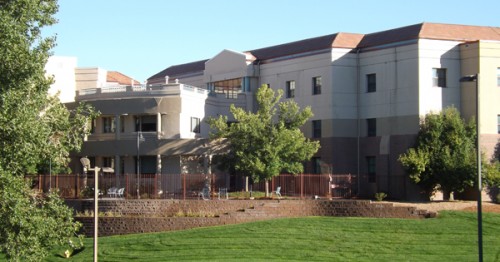
Skilled NursingShalom Park Nursing Home is a premier provider of skilled nursing services, offering compassionate, high-quality care in a comfortable and supportive environment. Our facility is designed to meet the complex needs of individuals requiring long-term care, rehabilitation, and specialized medical services. We take pride in providing a patient-centered approach that promotes healing, dignity, and overall well-being.At Shalom Park, our skilled nursing services cater to individuals recovering from illness, injury, or surgery, as well as those with chronic conditions requiring 24/7 medical supervision. Our dedicated team of registered nurses (RNs), licensed practical nurses (LPNs), and certified nursing assistants (CNAs) work closely with residents, families, and medical professionals to create personalized care plans tailored to each individual's unique needs.Our services include:Post-Acute and Rehabilitation Care Assisting residents recovering from surgery, stroke, or other medical conditions.Medication Management Ensuring safe and accurate administration of medications.Wound Care Expert treatment and monitoring for wounds to promote healing.Pain Management Providing effective relief strategies to improve comfort.Cardiac, Pulmonary, and Neurological Care Specialized programs for heart disease, respiratory conditions, and neurological disorders.Diabetes and Chronic Disease Management Supporting residents with conditions requiring ongoing medical attention.Memory Care Support Helping individuals with Alzheimers and dementia through structured, compassionate care.Rehabilitation Therapies for Recovery and IndependenceShalom Park offers comprehensive rehabilitation services to help residents regain mobility, strength, and independence.Our licensed therapists provide:Physical Therapy Improving mobility, balance, and strength after surgery, injury, or illness.Occupational Therapy Enhancing daily living skills such as dressing, bathing, and eating.Speech Therapy Addressing speech, language, and swallowing difficulties.Aquatic Therapy Utilizing water-based rehabilitation techniques for pain relief and improved movement.Comfortable Living Accommodations & AmenitiesOur state-of-the-art facility is designed to provide a welcoming, home-like environment. Residents enjoy:Private and suite accommodations for comfort and privacy.Chef-prepared meals that are nutritious and delicious, catering to various dietary needs.Carpeting throughout the facility for a cozy atmosphere.Abundant natural light to promote well-being and a cheerful ambiance.Beautifully maintained outdoor spaces for relaxation and fresh air.At Shalom Park, we understand the emotional and physical challenges that come with skilled nursing care. Our compassionate team is dedicated to providing personalized attention and fostering a sense of community, respect, and dignity. We work closely with families to ensure a seamless transition and a positive experience for our residents.If you or a loved one is seeking exceptional skilled nursing care,, Shalom Park Nursing Home is here to help.

Inpatient & Outpatient Services at Shalom Park
Rehabilitation FacilitiesComprehensive Inpatient & Outpatient Rehabilitation at Shalom Park in Aurora, ColoradoAt Shalom Park, we provide exceptional inpatient and outpatient rehabilitation services in designed to support recovery, restore function, and enhance quality of life. Our state-of-the-art rehabilitation facilities offer personalized care plans tailored to each Elders unique needs, whether they are transitioning back home after an illness or injury or making Shalom Park their permanent residence.Our rehabilitation center offers private and suite accommodations with modern amenities, ensuring a peaceful and supportive healing environment. Each room is designed with comfort and dignity in mind, featuring carpeting throughout, abundant natural light, and chef-prepared meals that cater to individual dietary needs and preferences. Our dedicated Care Partners provide compassionate support, allowing Elders to focus on their healing journey in a welcoming atmosphere.Shalom Parks skilled nursing and rehabilitation programs include a wide range of therapeutic services designed to promote recovery and independence. Our multidisciplinary team of therapists works closely with each Elder to develop personalized therapy plans that align with their goals. Our rehabilitation services include:Aqua Therapy Utilizing water-based rehabilitation techniques to improve strength, balance, and mobility with reduced impact on joints.Physical Therapy Focused on restoring mobility, strength, and flexibility following surgery, injury, or illness.Occupational Therapy Helping individuals regain daily living skills, such as dressing, cooking, and bathing, to enhance independence.Speech Therapy Addressing speech, swallowing, and cognitive challenges to improve communication and overall well-being.Our therapy programs are designed to support recovery from orthopedic surgeries, neurological conditions, stroke, cardiac events, and other medical conditions, ensuring a smooth transition back to daily life.At Shalom Park, we believe in a person-centered approach to skilled nursing and rehabilitation. Each Elder directs their own care, while our Care Partners provide the guidance, encouragement, and medical expertise necessary for a successful recovery. Whether Elders are rehabilitating to return home or choosing to make Shalom Park their permanent residence, our team is committed to enhancing their well-being through compassionate, attentive care.Our rehabilitation services go beyond therapy sessionswe focus on holistic healing. With recreational programs, social activities, and spiritual support, we provide a comprehensive care experience that fosters emotional, physical, and mental well-being.Located in Aurora, Colorado, Shalom Park is a trusted choice for skilled nursing, rehabilitation, and long-term care. Our commitment to excellence in senior care makes us the premier rehabilitation facility for those seeking inpatient and outpatient therapy in a supportive, home-like environment.If you or a loved one is in need of comprehensive inpatient or outpatient rehabilitation services, contact Shalom Park to learn more about how we can support your recovery and long-term care needs.