Inpatient & Outpatient Services at Shalom Park
14800 East Belleview Drive, Aurora, Colorado, 80015
Counties Served: Colorado - Adams, Arapahoe, Denver, Douglas, Jefferson, Broomfield
Rehabilitation Facilities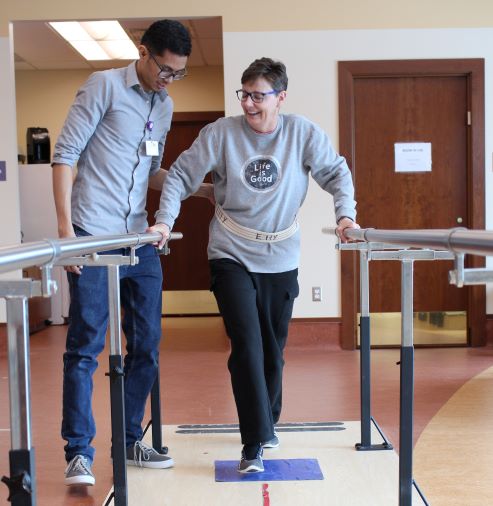
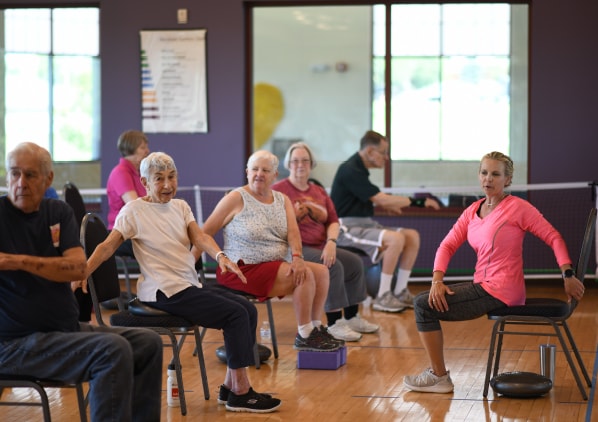
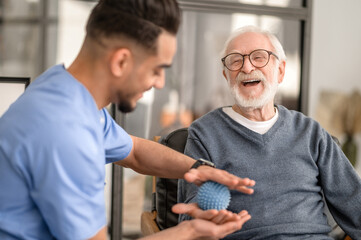
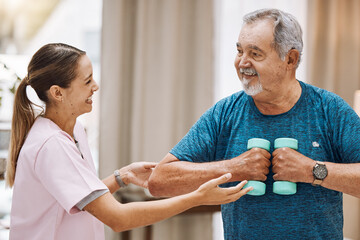
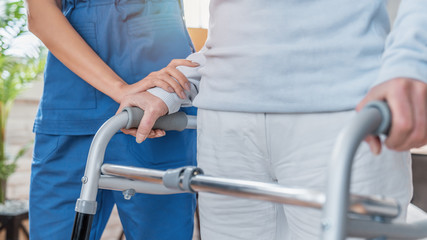


About Inpatient & Outpatient Services at Shalom Park
See More
Additional Services Offered
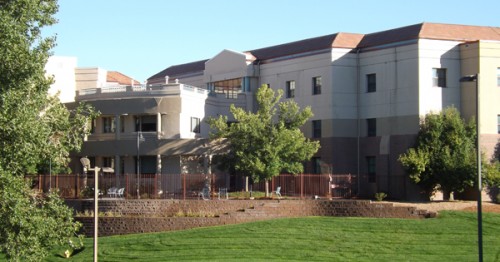
Shalom Park Nursing Home
Skilled Nursing 14800 East Belleview Drive, Arapahoe County, Aurora, Colorado, 80015Shalom Park Nursing Home is a premier provider of skilled nursing services, offering compassionate, high-quality care in a comfortable and supportive environment. Our facility is designed to meet the complex needs of individuals requiring long-term care, rehabilitation, and specialized medical services. We take pride in providing a patient-centered approach that promotes healing, dignity, and overall well-being.At Shalom Park, our skilled nursing services cater to individuals recovering from illness, injury, or surgery, as well as those with chronic conditions requiring 24/7 medical supervision. Our dedicated team of registered nurses (RNs), licensed practical nurses (LPNs), and certified nursing assistants (CNAs) work closely with residents, families, and medical professionals to create personalized care plans tailored to each individual~s unique needs.Our services include:Post-Acute and Rehabilitation Care Assisting residents recovering from surgery, stroke, or other medical conditions.Medication Management Ensuring safe and accurate administration of medications.Wound Care Expert treatment and monitoring for wounds to promote healing.Pain Management Providing effective relief strategies to improve comfort.Cardiac, Pulmonary, and Neurological Care Specialized programs for heart disease, respiratory conditions, and neurological disorders.Diabetes and Chronic Disease Management Supporting residents with conditions requiring ongoing medical attention.Memory Care Support Helping individuals with Alzheimers and dementia through structured, compassionate care.Rehabilitation Therapies for Recovery and IndependenceShalom Park offers comprehensive rehabilitation services to help residents regain mobility, strength, and independence.Our licensed therapists provide:Physical Therapy Improving mobility, balance, and strength after surgery, injury, or illness.Occupational Therapy Enhancing daily living skills such as dressing, bathing, and eating.Speech Therapy Addressing speech, language, and swallowing difficulties.Aquatic Therapy Utilizing water-based rehabilitation techniques for pain relief and improved movement.Comfortable Living Accommodations & AmenitiesOur state-of-the-art facility is designed to provide a welcoming, home-like environment. Residents enjoy:Private and suite accommodations for comfort and privacy.Chef-prepared meals that are nutritious and delicious, catering to various dietary needs.Carpeting throughout the facility for a cozy atmosphere.Abundant natural light to promote well-being and a cheerful ambiance.Beautifully maintained outdoor spaces for relaxation and fresh air.At Shalom Park, we understand the emotional and physical challenges that come with skilled nursing care. Our compassionate team is dedicated to providing personalized attention and fostering a sense of community, respect, and dignity. We work closely with families to ensure a seamless transition and a positive experience for our residents.If you or a loved one is seeking exceptional skilled nursing care,, Shalom Park Nursing Home is here to help.
Continue Your Search! Explore More Local Options.
Start SearchingLet’s engage and get educated!
Browse through thousands of expert articles in over 100 different categories.
Browse NowArticles You May Like
Embracing Dignity in Aging: The Role of Person-Centered Care in Senior Living
Aging is a journey marked by wisdom, transitions, and a desire to maintain ones dignity and independence. For seniors and their families, choosing the right care environment means more than just selecting a facilityits about finding a place that honors their unique needs, preferences, and values. Shalom Park, located in Aurora, Colorado, is redefining senior living by placing person-centered care at the heart of its mission.In this article, we explore what person-centered care means, why it matters in senior living, and how Shalom Park exemplifies this approach to enrich the lives of seniors.What Is Person-Centered Care?Person-centered care is an approach that puts the individual at the forefront of all decisions about their health and well-being. Rather than applying a one-size-fits-all model, this philosophy focuses on: Respecting individual preferences Encouraging autonomy Creating supportive environments tailored to the person This model acknowledges that every senior has a life story, cultural background, and personal choices that deserve to be recognized and respectedespecially in their later years.Why Person-Centered Care MattersTraditional care settings have historically focused more on medical outcomes and efficiency. While these are important, they can sometimes neglect the emotional, psychological, and social needs of older adults.Heres why person-centered care is a game-changer:1. Improved Quality of LifeSeniors who feel heard and respected are more likely to experience joy, engagement, and fulfillment in their daily lives.2. Stronger Family InvolvementPerson-centered communities often encourage collaboration with family members, enhancing transparency and support.3. Better Health OutcomesStudies show that individuals in person-centered care environments often experience fewer hospitalizations, lower use of psychotropic medications, and enhanced mental health.How Shalom Park Leads with Compassionate, Person-Centered CareAt Shalom Park, person-centered care is more than a buzzwordits the foundation of everything they do. The facility is deeply rooted in Jewish values and serves residents of all faiths with kindness, dignity, and individualized support.1. Customized Care PlansEach resident at Shalom Park receives a personalized care plan created in collaboration with the resident, their family, and a multidisciplinary team. This plan evolves with the residents needs, ensuring continual alignment with their lifestyle preferences and health goals.2. Consistent Staffing and Meaningful RelationshipsShalom Park emphasizes continuity by having caregivers work with the same residents as often as possible. This consistency builds trust and emotional connection, helping seniors feel truly known and valued.3. Holistic Wellness ProgramsFrom music therapy and art classes to spiritual services and group outings, Shalom Park offers a well-rounded experience that promotes emotional and cognitive engagement. This holistic approach is a key part of person-centered care.4. Dining That Honors Tradition and TasteMeal times are personalized to reflect both cultural preferences and dietary needs. Residents are given options, not mandates, allowing them to enjoy food that is familiar, comforting, and nourishing.A Safe, Supportive, and Enriching EnvironmentPerson-centered care also means creating physical spaces that support mobility, independence, and safety. Shalom Parks design reflects this with: Wide hallways for wheelchair accessibility Cozy common areas for family visits and group activities Secure outdoor areas to enjoy nature safely Adaptive equipment and fall-prevention technologies integrated throughout the facility Family Peace of MindFamilies often experience anxiety when transitioning a loved one into senior care. With Shalom Parks transparent communication, involvement in care planning, and commitment to dignity, families can rest assured their loved ones are in compassionate hands.This kind of peace of mind allows families to shift from being full-time caregivers to simply being sons, daughters, and grandchildren againnurturing relationships that matter most.Cultural and Spiritual InclusionWhile rooted in Jewish traditions, Shalom Park welcomes residents from all faiths and backgrounds, creating a culturally rich and inclusive community. Daily activities and celebrations reflect a tapestry of traditions, offering spiritual nourishment for everyone.Testimonials Speak VolumesFamilies and residents alike praise Shalom Park for its respectful, warm atmosphere: My mother has regained her joy since moving to Shalom Park. The caregivers know her by name, ask her about her favorite books, and treat her like family. Its not just careits connection. Rachel G., Daughter of Resident I appreciate the freedom to choose my schedule and participate in activities I love. I feel empowered, not managed. Larry S., Resident The Future of Senior Living Starts with ListeningAs society redefines aging, one thing becomes clear: person-centered care is not just the futureit is the now. At Shalom Park, seniors are not seen as passive recipients of care but as active participants in their lives. When seniors are given the opportunity to live with dignity, to choose how their days unfold, and to be surrounded by kindness, their potential for joy, connection, and growth becomes limitlesseven in their later years.
Jul 29, 2025

Combating the COVID-19 Virus with Technology
Faced with a Pandemic of a proportion not seen in over 100 years, we began searching for ways to help reduce the possible spread of COVID 19 if it were to enter our community. Working with our mechanical plant service provider, we were made aware of Needlepoint Bipolar ionization. We asked many questions, and reviewed information we were able to find regarding this technology, the main question being what is it and how does it work?Needlepoint Bipolar Ionization is an independent unit that is installed on an already existing air handling system. Once installed, it constantly generates an electronic charge which in turn produces a high concentration of positively and negatively charged ions that circulate continually, searching out contaminants and stealing a hydrogen atom. When stripped of a hydrogen atom, these biological pathogens are destroyed.Below is some of what we discovered.Particle Reduction The technology charges small dust and pollen particles causing them to stick together and be caught in the rooftop units filter. This is most notable when you see a sunbeam and see the haze. These particles are what gets removed using NPBI.Odor Control The ions break down gases such as formaldehyde (a chemical commonly off-gassed by building furnishings) or ammonia into common molecules already in the atmosphere such as oxygen and nitrogen. This eliminates odors related to these and other gases.Pathogen Control The ions are attracted to pathogens (such as COVID-19, Noro Virus, Legionella, etc.). When the ions combine on the surface of the pathogen, they rob them of the hydrogen necessary to survive.This elimination of the hydrogen makes the airborne virus, bacteria, or mold spore inactive and non-viable.Recent independent testing commissioned by the US Defense Department shows it neutralizes 99.4% of SARS-CoV-2 in just 30 minutes.1Note 1Jul 09, 2020 09:44AM Med MagazineEditors Note: This article was submitted by Mindy Moskowitz, MBA, NHA. Mindy isthe Licensed Nursing Home Administrator with Shalom Park, and may be reached at 303-680-5000 or by email at [email protected]
Apr 23, 2021
What Families Should Know Before Choosing a Nursing Home
What Families Should Know Before Choosing a Nursing HomeWhen a loved one experiences a serious illness, surgery, hospitalization, or ongoing medical condition, families are often faced with difficult questions about long-term care. Many people suddenly find themselves trying to understand medical terminology, rehabilitation options, insurance coverage, and care needs all at once.For families in Aurora, Colorado, skilled nursing care can provide the medical support, rehabilitation services, and compassionate attention older adults need during vulnerable stages of life. Communities like Shalom Park Nursing Home help bridge the gap between hospital care and long-term recovery while also supporting residents who require ongoing medical supervision.Choosing a skilled nursing community is one of the most important healthcare decisions families may ever make. Understanding how skilled nursing works can help families feel more confident during the process.What Is Skilled Nursing Care?Skilled nursing facilities provide around-the-clock medical care for individuals who require ongoing clinical support or rehabilitation services that cannot safely be managed at home.Unlike independent living or assisted living communities, skilled nursing facilities offer licensed medical care from trained professionals.Residents may require skilled nursing after:SurgeryStroke recoverySerious illnessFalls or fracturesHospitalizationChronic health conditionsNeurological disordersAdvanced mobility limitationsCare plans are often customized to meet each residents physical, emotional, and medical needs.Families are often overwhelmed when they first begin exploring skilled nursing, says Andrea Wood of Shalom Park Nursing Home. We work to create an environment where residents feel supported, respected, and cared for every step of the way.Auroras Growing Need for Skilled Nursing ServicesAurora continues growing as one of Colorados largest and most diverse communities. With its expanding senior population and proximity to major healthcare systems, the need for quality skilled nursing care continues increasing throughout the Denver metro area.Families in Aurora benefit from access to:Advanced medical centersRehabilitation specialistsSenior-focused healthcare providersCommunity support servicesDiverse senior living optionsHowever, choosing the right nursing home can still feel intimidating for families unfamiliar with long-term care systems.The Difference Between Skilled Nursing and Assisted LivingMany families confuse skilled nursing with assisted living, but the two serve very different purposes.Assisted LivingAssisted living supports seniors who need help with daily activities such as:BathingDressingMedication remindersMeal preparationResidents in assisted living generally remain relatively independent.Skilled NursingSkilled nursing facilities provide:24-hour medical supervisionRehabilitation therapiesWound careMedication managementPhysical therapyOccupational therapyComplex health monitoringResidents often require more advanced medical support than assisted living can provide safely.Rehabilitation Services Help Residents RecoverOne of the most important roles skilled nursing facilities play is rehabilitation.After hospitalization, many seniors need additional support regaining strength and mobility before returning home safely.Common rehabilitation services include:Physical therapyOccupational therapySpeech therapyPain management supportMobility trainingRehabilitation programs often focus on helping residents rebuild confidence and independence.Aurora families frequently turn to skilled nursing communities following surgeries, strokes, or orthopedic injuries.Emotional Support Matters During RecoveryMedical care is only one piece of the recovery process. Emotional wellbeing also plays a significant role in healing.Residents recovering from illness or injury may experience:AnxietyDepressionFear about losing independenceIsolation from family routinesFrustration with physical limitationsCompassionate skilled nursing communities prioritize emotional support alongside clinical care.Andrea Wood believes human connection is essential during recovery.Residents need to feel seen as individuals, not simply patients, she explains. Emotional support and compassion make a tremendous difference.What Families Should Look For in a Skilled Nursing CommunityChoosing a nursing home involves far more than evaluating appearance alone.Families touring communities should pay close attention to:Staff interactions with residentsCleanliness and safetyResident engagementRehabilitation programsCommunication with familiesDining qualityStaff responsivenessImportant questions may include:What rehabilitation services are offered?How are care plans updated?How are emergencies handled?What are staffing levels?How are families involved in care discussions?Observing the overall atmosphere can often reveal just as much as formal presentations.Skilled Nursing Can Support Long-Term Care NeedsWhile some residents enter skilled nursing temporarily for rehabilitation, others require ongoing long-term medical support.Conditions that may require long-term skilled nursing include:Advanced neurological disordersComplex chronic illnessesSignificant mobility limitationsAdvanced dementia with medical needsSerious physical disabilitiesSkilled nursing communities help families ensure loved ones receive appropriate care in safe, supportive environments.Why Family Communication Is So ImportantFamilies often feel anxious after moving loved ones into nursing care. Strong communication between staff and family members helps reduce uncertainty and build trust.High-quality skilled nursing communities prioritize:Care updatesFamily involvementTransparent communicationEmotional support for loved onesThis collaboration creates better experiences for residents and families alike.Auroras Community Environment Benefits SeniorsAurora offers seniors access to:Beautiful parks and walking areasHealthcare specialistsDiverse cultural experiencesCommunity-centered neighborhoodsConvenient access to DenverFor families living throughout the metro area, Auroras location makes visiting loved ones more manageable while still providing access to advanced healthcare services.Supporting Dignity and Quality of LifeOne of the greatest misconceptions about nursing homes is that they focus only on medical treatment.Modern skilled nursing communities increasingly emphasize:Resident dignityPersonalized careEmotional wellbeingSocial engagementComfortQuality of lifeResidents deserve environments where they feel valued, respected, and supported during every stage of care.Andrea Wood emphasizes the importance of individualized attention.Every resident has a unique story and unique needs, she says. Our goal is to provide care that honors the person behind the medical condition.Finding Trusted Skilled Nursing Care in AuroraChoosing skilled nursing care can feel overwhelming, especially during periods of medical uncertainty or family stress.Shalom Park Nursing Home provides Aurora families with compassionate skilled nursing services designed to support both recovery and long-term wellbeing.Whether your loved one requires rehabilitation after hospitalization or ongoing medical support, finding the right environment can make a meaningful difference in quality of life.Visit Shalom Park Nursing Homes Seniors Blue Book listing to learn more about skilled nursing services and care options in Aurora.Frequently Asked QuestionsWhat is skilled nursing care?Skilled nursing care provides 24-hour medical supervision and rehabilitation services for individuals with complex healthcare needs.How is skilled nursing different from assisted living?Assisted living supports daily activities, while skilled nursing offers advanced medical care and rehabilitation services.Can residents receive rehabilitation in skilled nursing facilities?Yes. Skilled nursing communities often provide physical, occupational, and speech therapy services.When do seniors typically need skilled nursing care?Seniors may need skilled nursing after surgeries, strokes, serious illnesses, injuries, or when chronic medical conditions require ongoing monitoring.Why do families choose skilled nursing communities in Aurora?Aurora offers access to healthcare systems, rehabilitation services, and senior-focused care resources throughout the Denver metro area.
May 28, 2026

The Benefits of Aquatic Exercise and Therapy
Most everyone, regardless of age or physical condition, can benefit from aquatic exercise. Even if you don't know how to swim!Just being in the water has inherent benefits. From improvements in circulatory function to amelioration of joint pain, the rewards of aquatic exercise and therapy are numerous.Limited only by your imagination, aquatic activities can include strengthening, flexibility, aqua aerobics, Ai Chi, an aquatic version of Tai Chi, and walking or jogging. Current channels can be used to increase or decrease effort level. In addition, aquatic fitness activities provide diversity and novelty to your workout.Many physicians and therapists recommend aquatic therapy as it can provide benefits not possible with other treatments and can advance individuals to a higher level of muscle fitness and mobility sooner.Water exercise and therapy offers advantages over land-based exercise and therapy: Buoyancy provided by the water allows you to move more easily with decreased stress on muscles, joints, and bones while increasing flexibility and balance.Resistance of the water allows for higher workout intensities with less impact on your body.The support your body receives makes exercising easier and less painful, allowing you to exercise longer without increased effort or joint or muscle pain. Exercises performed in the water allow the heart to work more efficiently, making it a great cardiovascular workout.The pressure of the water on your joints and muscles comforts your body while you exercise, leaving you feeling less fatigued. Support provided by the water reduces the fear of falling.Warm Water Therapy Warm water therapy has even greater benefits. Besides the comfort of the temperature, immersing in warm water raises your body temperature and relaxes your muscles. This can benefit individuals with disabilities and conditions such as arthritis, fibromyalgia, muscular dystrophy, Parkinson's disease, post polio syndrome and many others.Participating in a warm water therapy program provides many physical benefits:Decreased joint and soft tissue inflammationImproved bone densityImproved endurance, flexibility, and range of motionImproved pulmonary functionIncreased circulationMuscle relaxation and pain reliefStrengthened muscles Additionally, warm water exercise can have psychosocial benefits including reduced anxiety and stress and improved mood.Editors Note: This article was submitted by Sean Cook, DPT, Director of Therapy at Shalom Cares. Sean received his doctorate in 2006 from Old Dominion University, Norfolk, Virginia. He can be reached at 303-680-5000. For more information visit Shalom Cares on the web at: www.ShalomCares.org.
May 10, 2012
Its a Balancing Act
Wondering how to improve balance and agility, build strength and endurance, and enjoy time with friends? Make exercise a part of your weekly routine. No matter your age or ability, there is a place for you to accomplish your goals. Daily exercise is not only physically rewarding, it is a great way to improve your mood, work your brain, and relieve your anxieties. It can be food for your soul. Balance classes are a great way to focus specifically on improving balance, but most exercise will aid in building better balance.Why do you need to improve your balance? Better balance means less chance of falling. According to Consumer Reports chief medical adviser, each year, about half of those in the U.S. who are 65-plus suffer a fall; almost 10 percent are seriously injured. In 2011, almost 23,000 U.S. adults older than 64 died from a fall. Some were immediate, but most deaths occurred as a result of complications from the initial injury.Have you ever tried warm water therapy? Talk about a fantastic way to get in some exercise and build your core strength. Water provides a unique environment in which to exercise safely. Its easy on the joints, relaxing to the muscles, and soothing to the mind, body, and spirit. Adding water weights or a resistance channel to your pool therapy will increase strength and endurance while keeping the intensity low. Starting slowly and adding weights or extra time to your workout is highly recommended for safety and injury prevention. Its a perfect place to exercise if you have arthritis. Look for Aqua Arthritis, or water walking classes at your local pool.Additionally, look for social events or senior activities at local wellness centers. Several places may have life-long learning for a small cost or may even be free. The social aspect is not only fun but gives encouragement to those around you. If you don't have an exercise buddy, go to your local gym or wellness center to find a class that fits your needs. Remember to listen to your body and make modifications as necessary. This article was submitted by Karmen Davis. Karmen is a certified personal trainer and the Wellness Coordinator for the J Leonard Levy Family Wellness Center at Shalom Cares. For more information, she can reached at 303-400-2294 or [email protected]
Apr 15, 2015
The Importance of Rehabilitation and Recovery Support for Seniors in A
The Importance of Rehabilitation and Recovery Support for Seniors in Aurora Skilled Nursing CommunitiesRecovering from surgery, illness, or injury becomes more complex as people age. What might once have required only a few days of rest can now involve weeks of rehabilitation, mobility training, medication management, and ongoing medical supervision.For many families in Aurora, Colorado, skilled nursing communities play an essential role in helping older adults regain strength, rebuild independence, and recover safely after major health events.Communities like Shalom Park Nursing Home provide specialized rehabilitation and nursing services designed to support seniors during some of lifes most physically and emotionally challenging transitions.Understanding how rehabilitation-focused skilled nursing care works can help families make informed decisions during stressful healthcare situations.Why Recovery Is Often More Difficult for Older AdultsAs the body ages, healing processes naturally slow down. Seniors recovering from surgery or illness may face additional complications related to:Reduced mobilityMuscle weaknessChronic medical conditionsCognitive changesMedication managementFall risksHospital stays are often shorter today than they were years ago, meaning many seniors leave hospitals before they are fully ready to manage daily life independently.Skilled nursing communities help bridge that gap by providing continued medical supervision and structured rehabilitation services.Recovery requires patience, consistency, and compassionate support, says Andrea Wood of Shalom Park Nursing Home. Our goal is to help residents feel safe and encouraged throughout the healing process.What Rehabilitation Services IncludeRehabilitation within skilled nursing communities focuses on helping seniors restore function, confidence, and independence whenever possible.Programs are often individualized based on each residents condition and goals.Physical TherapyPhysical therapists help residents improve:StrengthBalanceMobilityWalking abilityEnduranceThese therapies are especially important after orthopedic surgeries, falls, strokes, or prolonged hospitalizations.Occupational TherapyOccupational therapists focus on helping residents regain the ability to perform daily tasks such as:DressingBathingEatingGroomingHousehold activitiesSpeech TherapySpeech-language therapists may assist residents experiencing:Swallowing difficultiesSpeech impairmentsCognitive communication challengesRehabilitation programs are designed to improve both physical recovery and overall quality of life.Skilled Nursing Supports More Than Physical HealingRecovery involves emotional healing as well.Older adults recovering from medical events often experience:AnxietyDepressionFear of losing independenceFrustration with limitationsLoneliness during recoverySupportive skilled nursing communities recognize the importance of emotional wellbeing alongside medical treatment.Residents benefit from:Encouragement from caregiversStructured routinesSocial interactionFamily involvementCompassionate communicationAndrea Wood believes emotional reassurance plays a major role in successful recovery.Healing is not only physical, she explains. Residents need emotional support, patience, and dignity throughout the process.Why Aurora Families Choose Skilled Nursing CareAuroras location within the Denver metro area gives families access to extensive healthcare and rehabilitation resources.The area offers:Major hospitalsSpecialized medical providersRehabilitation professionalsSenior-focused healthcare programsConvenient transportation accessFamilies often transition loved ones into skilled nursing communities after:Joint replacementsCardiac proceduresStroke recoveryFalls and fracturesSevere infectionsExtended hospital staysThese communities provide environments designed specifically for recovery and ongoing care.What Families Should Expect During RehabilitationRecovery timelines vary depending on each residents condition, age, and overall health.During rehabilitation, residents may participate in:Daily therapy sessionsMedication managementCare plan evaluationsMobility exercisesWellness monitoringFamilies should expect ongoing communication regarding progress, challenges, and discharge planning when appropriate.Strong collaboration between staff, residents, therapists, and family members often leads to better outcomes.Preventing Hospital ReadmissionsOne major benefit of skilled nursing rehabilitation is reducing the risk of hospital readmission.Seniors recovering at home without sufficient support may face:Medication errorsFallsInfectionsMobility setbacksInadequate nutritionSkilled nursing environments provide professional oversight that helps identify complications early and supports safer recoveries.Long-Term Skilled Nursing SupportWhile many residents enter skilled nursing temporarily, others require ongoing medical care due to chronic illnesses or advanced conditions.Long-term skilled nursing may support individuals living with:Parkinsons diseaseAdvanced dementiaSerious neurological conditionsSignificant mobility impairmentsComplex medical needsThese residents benefit from continuous nursing supervision and individualized care plans.How Families Can Support Loved Ones During RecoveryFamily involvement often plays an important role in rehabilitation success.Helpful ways families can support loved ones include:Attending care meetingsOffering emotional encouragementVisiting regularlyCelebrating progress milestonesCommunicating openly with staffEven small moments of encouragement can help residents remain motivated during difficult recoveries.The Importance of Compassionate Care EnvironmentsMedical expertise matters greatly in skilled nursing, but compassion matters too.Residents recovering from illness or injury deserve environments where they feel:RespectedHeardSafeComfortableEmotionally supportedShalom Park Nursing Home focuses on providing individualized care that supports both physical recovery and emotional wellbeing.Auroras Senior Community Continues GrowingAs Auroras senior population expands, skilled nursing communities continue playing an increasingly important role in healthcare transitions and long-term support.Families throughout the Denver metro area rely on skilled nursing providers for:Rehabilitation servicesLong-term careMedical oversightRecovery supportSafe transitional care environmentsPlanning ahead and understanding available care options can help families navigate healthcare challenges with greater confidence.Finding Skilled Nursing and Rehabilitation Support in AuroraRecovering from illness or injury can feel overwhelming for both seniors and their families. Having access to experienced rehabilitation and nursing support can make a significant difference in recovery outcomes and quality of life.Shalom Park Nursing Home provides Aurora families with skilled nursing and rehabilitation services focused on compassionate care, individualized attention, and resident wellbeing.To learn more about rehabilitation programs and skilled nursing services, visit Shalom Park Nursing Homes Seniors Blue Book listing today.Frequently Asked QuestionsWhat is rehabilitation in a skilled nursing facility?Rehabilitation includes therapies and medical support designed to help seniors recover strength, mobility, and independence after illness or hospitalization.How long do seniors stay in skilled nursing rehabilitation?Length of stay varies depending on the individuals condition, recovery goals, and medical needs.Can skilled nursing facilities help after surgery?Yes. Skilled nursing communities often provide post-surgical rehabilitation and medical supervision.What therapies are available in skilled nursing care?Common therapies include physical therapy, occupational therapy, and speech therapy.Why is Aurora a good location for skilled nursing care?Aurora offers access to healthcare systems, rehabilitation specialists, and senior-focused medical services throughout the Denver metro area.
May 28, 2026
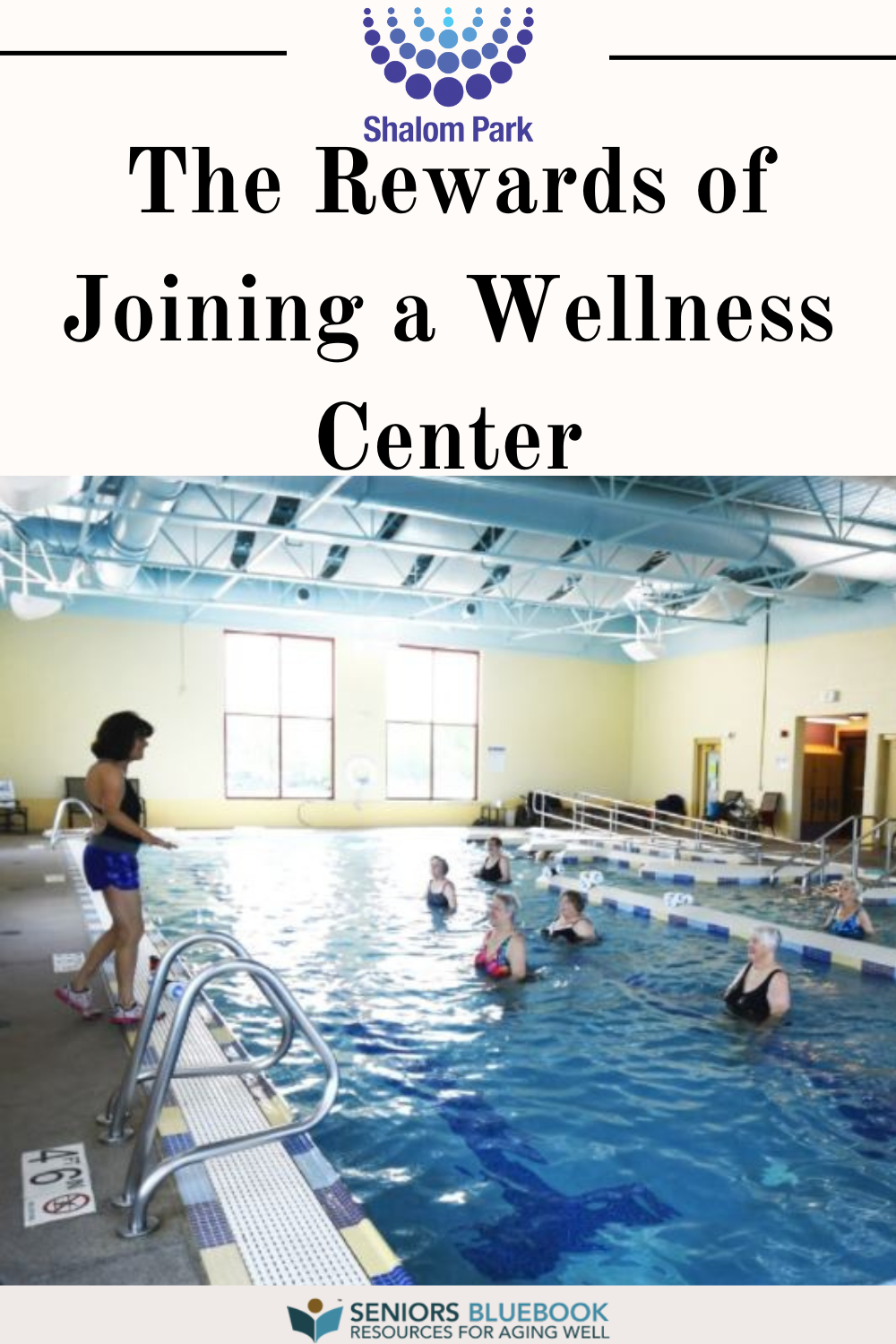
The Rewards of Joining a Wellness Center
Membership at a wellness center is a great option after completing therapy or while continuing physical therapy. It allows you to improve function and continue to live an active vibrant life. Many therapeutic rehabilitation centers focus on the physical ailments which address the immediate need after an injury. A wellness center offers a preventative, developmental, cognitive, psychological, and physical approach to health and wellness. Wellness is about treating the whole person by creating a balanced mind, body, and spirit. Bring a friend or make new ones by joining a wellness center or gym. You will improve strength, balance, flexibility, cognitive function and posture.When selecting a Wellness Center look for the following: A wide variety of classes to keep you interested in participating. Exercise modifications for all levels to meet your abilities. A fun and friendly atmosphere. Supportive staff who are interested in you. Support YOU - by joining a wellness center or gym today! Editors Note: This article was submitted by Alex Luksik. Alex is the Director of Therapy at Shalom Park and may be reached at 303-400-2265 or by email at [email protected].
May 18, 2023
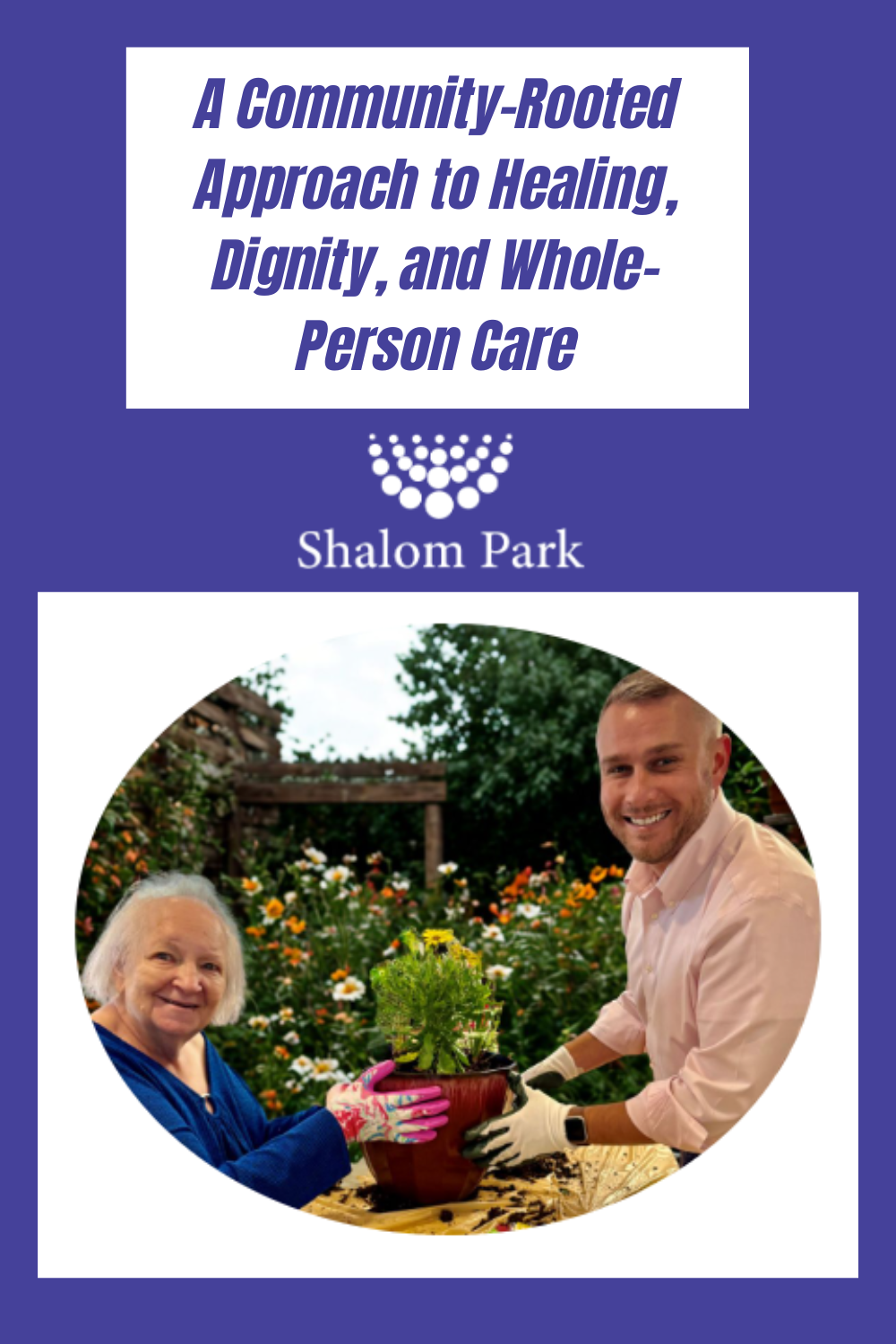
A Community-Rooted Approach to Healing, Dignity, and Whole-Person Care
Finding the right skilled nursing community for a loved one is one of the most emotionally significant decisions a family can make. In Denverwhere more seniors are choosing to age in familiar neighborhoods like Washington Park, Aurora and the Denver Tech Centerthe need for high-quality, compassionate, and clinically advanced senior care has never been greater.For more than three decades, Shalom Park Nursing Home, located near the DenverAurora border, has served as one of the regions most respected skilled nursing and long-term care communities. Families across the metro area turn to Shalom Park not only because of the level of medical expertise provided, but because of the warmth, connection, and holistic philosophy that define daily life there.Shalom Park blends clinical excellence with a culture of personal dignityensuring that every resident receives individualized care rooted in compassion, respect, and genuine human connection.A Skilled Nursing Community Shaped by Denvers Culture and NeedsDenvers senior landscape is highly diverse. Many older adults are active and love Colorados outdoors, while others manage complex long-term conditions or are recovering from hospitalizations. Shalom Park has been built to support this full spectrum of needs with services that recognize not just medical requirements, but the emotional and cultural values of the seniors they serve.As Denvers neighborhoods evolve, so do the aging needs of its residents. Whether someone is transitioning from UCHealth Anschutz Medical Campus, recovering after a stay at Swedish Medical Center, or seeking long-term support closer to family in Aurora or Centennial, Shalom Park offers a dependable and compassionate environment.A Strong Foundation of Skilled Medical CareResidents benefit from: 24/7 skilled nursing care Assistance with complex medical needs Medication management Chronic disease support Short-term rehabilitation services Long-term skilled nursing options Nutrition and dining tailored to individual needs Every care plan is personalized, ensuring that medical treatment is aligned with the residents abilities, preferences, and goals.A Mission Centered Around Meaningful RelationshipsIf you ask families why they trust Shalom Park, the answer is rarely just clinical care. It is the feeling of belonging, the sense of comfort, and the deep relationships that define this community.Andrea Wood, a compassionate leader at Shalom Park, captures this heart-centered mission perfectly: We believe that exceptional care begins with exceptional relationships. Every resident deserves to be known, heard, and supported in a way that respects their dignity and celebrates who they are. Her words reflect the philosophy woven into Shalom Parks daily operationsfrom the nurses who take time to sit and talk with residents, to the activities team who create culturally meaningful experiences, to the culinary staff who adapt meals to honor dietary preferences.At Shalom Park, care is never rushed. It is intentional, thoughtful, and rooted in human connection.Short-Term Rehabilitation That Helps Seniors Get Back to Life in DenverDenver is home to some of the most active older adults in the country. Many residents enjoy walking the trails around Cherry Creek, attending senior fitness classes, or exploring local museums. When a health event interrupts mobility or independence, timely and effective rehabilitation becomes essential.Shalom Park offers a full-service short-term rehab program designed to help seniors regain strength, confidence, and independence.Rehabilitation Services Include: Physical Therapy: For mobility, balance, gait training, and strength. Occupational Therapy: To rebuild skills like dressing, bathing, and daily routines. Speech Therapy: For speech, swallowing, communication, and cognitive support. Post-Hospital Recovery Plans: Tailored for joint replacements, strokes, cardiac events, infections, and more. Discharge Planning: Ensuring seniors return home safely with proper supports. Residents commonly transition to Shalom Park from major hospitals including: UC Health University of Colorado Hospital Anschutz Medical Campus Denver Health Swedish Medical Center Centura Porter Adventist Hospital Medical Center of Aurora The goal is simple: help each person return to living the life they lovewhether that means going home, relocating to assisted living, or transitioning into long-term care with dignity.Long-Term Care That Feels Like FamilyFor seniors who require ongoing support, Shalom Parks long-term care program blends medical oversight with comfort and community.A Home-Like SettingResidents live in comfortable private or semi-private rooms designed to feel warm and personal. Many rooms have views of courtyards, gardens, or open spaces that reflect Colorados beauty.Individualized Long-Term Support Includes: 24/7 skilled nursing Assistance with daily living Medication and pain management Collaborative care planning Emotional and spiritual support Social and recreational programming Memory-friendly approaches for individuals with cognitive decline Families appreciate that Shalom Park maintains open communicationinviting them to participate in care planning, visit regularly, and remain part of their loved ones everyday life.Culturally Sensitive, Inclusive, and Person-Centered CareAlthough Shalom Park honors Jewish-based traditions, its doors are open to seniors of all cultural and spiritual backgrounds. Denvers diversity is reflected in the residents, families, and staff who make Shalom Park a richly inclusive environment.Examples of Culturally Responsive Care: Observance of Jewish holidays and traditions Opportunities for residents to participate in their own cultural or spiritual practices Kosher-style culinary options Family education and support Compassionate end-of-life care that respects personal beliefs This holistic respect for individuality sets Shalom Park apart from many other skilled nursing communities in the Denver metro area.Meaningful Engagement and Community LivingLife at Shalom Park is full, vibrant, and engaging. Activity programs are designed to stimulate the mind, nurture the spirit, and strengthen social connections.Popular Programs Include: Musical entertainment and live performances Group exercise and movement classes Art, crafts, and creative workshops Intergenerational visits Outdoor garden activities Religious and spiritual services Cognitive and memory-stimulating games These experiences help residents maintain purpose, identity, and joykey components of wellbeing at any age.Why Families Across Denver Choose Shalom ParkHeres why Shalom Park has earned lasting trust throughout the Denver area: Proven Clinical ExpertiseHighly trained nurses and clinicians use evidence-based practices to support residents' health. Consistent CommunicationFamilies stay involved and informed, with regular updates and accessible staff. Thoughtful, Whole-Person SupportCare focuses on the medical and emotional wellbeing of each resident. A Warm, Safe EnvironmentResidents live in a peaceful and nurturing setting designed for comfort and dignity. A Reputation Built Over 30+ YearsShalom Park continues to be a trusted pillar in Denvers senior care landscape.Call to ActionTo learn more about Shalom Park Nursing Home, schedule a tour, or explore care options, visit their Seniors Blue Book listingFrequently Asked Questions (Denver-Focused)1. What areas does Shalom Park serve?Shalom Park welcomes seniors from Denver, Aurora, Centennial, Parker, Littleton, and surrounding communities.2. Does Shalom Park offer short-term and long-term skilled nursing?Yes. Residents may stay briefly for rehabilitation or choose long-term support based on health needs.3. Are families encouraged to visit?Absolutely. Shalom Park supports regular visits and involvement in care planning.4. Does Medicare cover rehabilitation services?Medicare frequently covers qualifying short-term rehab following a hospital stay. The staff can help families understand coverage.5. Is Shalom Park only for Jewish residents? No. While the community embraces Jewish values, it welcomes seniors of all backgrounds and traditions.
Nov 26, 2025
How Outpatient Rehabilitation Helps Aurora Seniors Stay Active and Ind
How Outpatient Rehabilitation Helps Aurora Seniors Stay Active and IndependentMany older adults in Aurora are redefining what aging looks like. Seniors throughout the city enjoy gardening, walking local trails, attending cultural events, and spending meaningful time with family. Staying active is important not only for physical health but also for emotional well-being and independence.However, recovering from surgery, illness, injury, or chronic conditions can interrupt those routines. Thats where outpatient rehabilitation becomes a valuable resource for seniors who want to regain strength while continuing to live at home.At Shalom Park, outpatient rehabilitation services help older adults recover safely and confidently through personalized therapy programs tailored to their individual goals and lifestyles.Why More Seniors Are Choosing Outpatient RehabilitationOutpatient rehabilitation allows seniors to receive professional therapy services without requiring an overnight stay. Patients attend scheduled appointments while maintaining the comfort and familiarity of their home environment.For many Aurora seniors, this approach offers the perfect balance between recovery and independence.Outpatient rehabilitation can support seniors dealing with: Joint pain or arthritis Recovery after knee or hip replacement Balance problems Stroke recovery Parkinsons disease Chronic pain Muscle weakness Reduced mobility after illness As Aurora continues growing into one of Colorados largest and most active communities, access to quality rehabilitation services remains increasingly important for local older adults.Auroras Active Senior LifestyleOne reason many retirees enjoy Aurora is its combination of suburban comfort and outdoor recreation. Seniors often spend time visiting places like Cherry Creek State Park or participating in community activities throughout the Denver metro area.Maintaining mobility and independence allows older adults to continue participating in the activities that bring them happiness and connection.Outpatient rehabilitation can help seniors: Walk more confidently Reduce pain while moving Improve flexibility Build stamina Return to favorite hobbies Stay socially engaged These benefits often extend beyond physical health and positively impact emotional wellness and self-esteem.The Benefits of Recovering While Living at HomeMany seniors heal more comfortably in familiar surroundings. Being able to sleep in their own bed, maintain routines, and stay close to loved ones can improve emotional recovery.Outpatient therapy also encourages patients to apply newly learned skills directly to everyday life.For example, therapists may help seniors improve their ability to: Navigate stairs safely Get in and out of vehicles Prepare meals Carry groceries Walk longer distances Manage fatigue during daily tasks Andrea Wood of Shalom Park shares, We want seniors to feel empowered throughout their recovery. Therapy should help them regain not just movement, but confidence in everyday life.Personalized Therapy for Every Recovery JourneyNo two seniors experience recovery the same way. Personalized care plans are essential for achieving safe and meaningful progress.At Shalom Park, rehabilitation specialists evaluate each patient carefully before creating customized therapy goals.Physical Therapy for Strength and MobilityPhysical therapists focus on improving movement, strength, and balance.Treatment may include: Gait training Fall prevention exercises Stretching routines Pain management techniques Endurance training Mobility improvement Therapy sessions are designed to challenge seniors safely while gradually building physical confidence.Occupational Therapy for Daily Living SkillsOccupational therapists help seniors continue performing daily activities independently.This may include support with: Dressing Cooking Home safety Bathing Fine motor coordination Energy conservation Therapists may also recommend adaptive equipment that makes everyday tasks easier and safer.Speech and Cognitive TherapySpeech therapy can benefit seniors recovering from strokes or neurological conditions affecting communication and swallowing.Some therapy goals include: Improving memory Strengthening communication skills Enhancing cognitive function Supporting safe swallowing Preventing Falls Before They HappenFalls remain one of the leading causes of hospitalization among older adults. Outpatient rehabilitation can play a major role in preventing future injuries.Balance-focused therapy helps seniors identify weakness, improve coordination, and reduce environmental risks.Fall prevention strategies often include: Balance exercises Leg strengthening Home safety recommendations Walking aid education Footwear guidance For many Aurora families, proactive therapy provides peace of mind and reduces concerns about future emergencies.The Importance of Consistency in RecoveryRecovery does not happen overnight. Consistent therapy sessions, home exercises, and ongoing encouragement are key to long-term success.Seniors who actively participate in outpatient rehabilitation often experience: Faster recovery times Improved mobility Greater independence Reduced pain Better overall health outcomes The supportive environment at rehabilitation facilities can also motivate seniors to remain engaged in their health journey.Family Support During RehabilitationFamily involvement often improves rehabilitation success. Loved ones can encourage therapy participation, assist with exercises, and celebrate milestones throughout recovery.Many rehabilitation providers also educate families about: Safe transfers and mobility Home modifications Medication management Nutrition during recovery Emotional support strategies This collaborative approach creates stronger support systems for seniors both during and after therapy.Looking Ahead to Long-Term WellnessOutpatient rehabilitation is not simply about recovering from a single event. It can also help seniors maintain wellness and prevent future decline.Some older adults continue participating in therapy periodically to manage chronic conditions, preserve mobility, and remain active in the Aurora community.Maintaining independence becomes increasingly important as seniors age, and rehabilitation services can provide the tools needed to support healthy aging for years to come.Discover Rehabilitation Support at Shalom ParkWhether you or a loved one is recovering from surgery, managing mobility challenges, or seeking therapy to maintain independence, professional rehabilitation services can provide valuable support.The caring team at Shalom Park is committed to helping Aurora seniors regain confidence, strength, and quality of life through compassionate inpatient and outpatient rehabilitation services.Visit the Seniors Blue Book listing for Shalom Park to learn more about available rehabilitation programs and discover resources for seniors and caregivers throughout the Aurora area.FAQsWhat conditions can outpatient rehabilitation help treat?Outpatient rehabilitation can help seniors recovering from surgery, strokes, falls, arthritis, neurological conditions, and chronic pain.How often do seniors attend outpatient therapy?Therapy schedules vary depending on individual needs. Some patients attend several times per week, while others may have less frequent appointments.Do seniors need a doctors referral for outpatient rehabilitation?In many cases, a physician referral is recommended or required. Families should check with the rehabilitation provider and insurance plan.Can rehabilitation help seniors avoid hospitalization?Yes. Strengthening mobility, improving balance, and addressing physical limitations early may help reduce injury risks and prevent hospitalizations.What makes rehabilitation important for healthy aging? Rehabilitation supports mobility, independence, fall prevention, and overall physical wellness, helping seniors remain active longer.
May 27, 2026
Building Confidence One Everyday Task at a Time
Building Confidence One Everyday Task at a TimeFor many older adults, recovery does not end when the hospital stay is over. In fact, that is often when the more personal part of healing begins.A senior may be medically stable after surgery, a fall, illness, stroke, or other health event, yet still feel unsure about the routines that once seemed simple. Walking through the grocery store, getting dressed, stepping into the shower, preparing lunch, speaking clearly during a phone call, or getting in and out of the car can suddenly require extra effort.Outpatient rehabilitation gives Aurora seniors an opportunity to keep working toward those everyday milestones while remaining connected to home, family, friends, and familiar surroundings.At Inpatient & Outpatient Services at Shalom Park, licensed therapy professionals provide physical therapy, occupational therapy, speech therapy, and aquatic therapy for individuals recovering from injury, illness, surgery, and changes in mobility or function. The goal is not simply to complete therapy exercises. It is to help people regain confidence in the activities that support independence and quality of life.Recovery Happens in the Details of Daily LifeFamilies often think of rehabilitation in broad terms: stronger legs, better balance, improved movement, or less pain. Those goals are important, but the most meaningful progress often appears in the smaller details.It may look like an older adult standing long enough to brush their teeth without becoming fatigued. It may be carrying a laundry basket safely, walking from the parking lot into a favorite Aurora restaurant, or reaching the front porch without holding tightly to another persons arm.These moments are often what restore a persons sense of control.Outpatient rehabilitation can be especially valuable for seniors who are able to live at home but need continued therapy after hospitalization, a skilled nursing stay, surgery, or a decline in strength and mobility. Unlike inpatient rehabilitation, outpatient therapy typically allows individuals to attend appointments and return home afterward, making it possible to practice new skills in the context of real routines.For Aurora families, this may mean supporting a loved one who wants to keep participating in life across the Denver metro areavisiting grandchildren, attending worship services, meeting friends, enjoying local parks, or managing the practical errands that come with independent living.Why Outpatient Therapy Can Be a Smart Next StepA person does not need to have had a major medical crisis to benefit from rehabilitation. Sometimes, recovery begins after a gradual change.A senior may notice that they are less steady on uneven sidewalks, slower to get up from a chair, more tired after routine activity, or hesitant to use stairs. Others may be rebuilding after joint replacement, a respiratory illness, a hospitalization, or a neurological event.Outpatient therapy can help address these concerns through a plan based on the individuals abilities, diagnosis, health history, and goals.At Shalom Park, rehabilitation services are designed to help residents and patients improve mobility, daily living skills, communication, swallowing, and overall well-being. The community also offers skilled nursing support for individuals recovering from illness, injury, surgery, stroke, and chronic conditions requiring medical supervision.Andrea Wood, Director of Guest Relations at Shalom Park, is a point of contact for families who are exploring rehabilitation options and trying to understand what level of support may be appropriate. For families facing a new health challenge, asking questions early can make the transition into therapy feel much more manageable.As Shalom Park explains its care philosophy, Each Elder directs their care and our Care Partners support them along the way. That person-centered approach matters because recovery should reflect the individuals prioritiesnot only a clinical checklist.Physical Therapy: Moving More Safely and ComfortablyPhysical therapy is often the first service people think of when they hear the word rehabilitation. It can help seniors improve strength, balance, flexibility, walking ability, coordination, and endurance.For an older adult in Aurora, physical therapy may focus on practical goals such as:Walking safely with a cane, walker, or other mobility deviceImproving balance to reduce fall riskBuilding stamina after surgery or illnessGetting in and out of bed, chairs, or vehicles more easilyPracticing safe turns, steps, and transfersIncreasing leg strength for stairs and uneven surfacesLearning exercises that can be completed safely at homePhysical therapy should always be personalized. A senior recovering from knee replacement will have different needs than someone recovering from a stroke, respiratory illness, or fall-related injury.The most effective programs are the ones that connect therapy goals to a persons actual life.Occupational Therapy: Regaining Everyday IndependenceOccupational therapy is often misunderstood because the word occupation can make people think only about work. For older adults, occupational therapy usually focuses on the essential activities that support independent living.This may include dressing, bathing, grooming, toileting, meal preparation, light household tasks, and using adaptive equipment safely.For example, an occupational therapist may help someone practice putting on socks after hip surgery, safely reaching into kitchen cabinets, using a shower chair, or conserving energy during daily tasks.These are not minor skills. They affect whether a person feels confident staying in their own home and participating in the routines that make life feel normal.Shalom Parks rehabilitation services include occupational therapy to help individuals regain daily living skills such as dressing, bathing, eating, and other important activities.Speech Therapy: Communication, Thinking, and Swallowing SupportSpeech therapy can support far more than verbal communication. It may help seniors who are experiencing difficulty with speech, language, memory, problem-solving, swallowing, or cognitive changes after a stroke, neurological condition, or medical event.For families, swallowing concerns can be especially stressful. A speech therapist may evaluate challenges and provide strategies to support safer eating and drinking when medically appropriate.Communication goals can also have a major emotional impact. Being able to share a story, follow a conversation, speak with a spouse, or call a grandchild can help seniors feel more connected during recovery.Shalom Park lists speech therapy as part of its rehabilitation services, addressing speech, language, swallowing, and cognitive challenges.Considering Aquatic Therapy for Older AdultsShalom Park also offers aquatic therapy, which uses water-based movement and exercise to support rehabilitation goals.For some seniors, water can provide a lower-impact environment for strengthening, balance work, mobility practice, and pain management. The buoyancy of water may make movement feel more comfortable for individuals who are dealing with joint discomfort, stiffness, or reduced confidence on land.Aquatic therapy is not the right choice for everyone. A physician and rehabilitation team should determine whether it is suitable based on the persons diagnosis, medical needs, and safety considerations.Still, it can be a helpful option for families to ask about when exploring a personalized rehabilitation plan.How Families Can Support Outpatient ProgressOutpatient rehabilitation works best when the senior feels supported between visits. Family members do not need to become therapists, but they can help make participation easier and more consistent.Helpful support may include:Offering transportation to therapy appointmentsCreating a clear, uncluttered space for home exercisesEncouraging the use of recommended mobility devicesHelping the senior keep track of questions for the therapistNoticing progress without pressuring them to move too quicklyJoining care discussions when appropriateMaking sure footwear, lighting, and pathways at home support safetyRecovery can be frustrating, especially when progress feels slow. Gentle encouragement and realistic expectations often make a bigger difference than families realize.Frequently Asked QuestionsWho may benefit from outpatient rehabilitation?Outpatient rehabilitation may benefit seniors recovering from surgery, illness, a fall, stroke, hospitalization, injury, or changes in strength, balance, mobility, communication, or daily function.Can outpatient therapy continue after inpatient rehabilitation?Yes. Many seniors transition from inpatient rehabilitation to outpatient therapy as they continue improving strength, mobility, balance, and independence.What should families ask at the first therapy appointment?Families can ask about goals, safety recommendations, exercises to practice at home, expected progress, transportation needs, and how they can support the senior without taking over.Is aquatic therapy safe for seniors?Aquatic therapy may be safe and beneficial for some seniors, but appropriateness depends on the individuals health condition, physician guidance, and therapy assessment.Take the Next Step Toward Meaningful RecoveryRecovery is not just about being able to move more. It is about returning to the routines, relationships, and choices that make each day meaningful.For Aurora families looking for rehabilitation support, Inpatient & Outpatient Services at Shalom Park offers therapy options designed around each individuals needs and goals. Visit their Seniors Blue Book listing to learn more, or contact Shalom Park at 303-680-5000 to discuss rehabilitation services and next steps. Shalom Park is located at 14800 East Belleview Drive, Aurora, CO 80015.
Jul 03, 2026
Rebuilding Strength and Confidence After a Hospital Stay in Aurora, Co
Rebuilding Strength and Confidence After a Hospital Stay in Aurora, ColoradoFor many older adults in Aurora, a hospital stay is only the beginning of the recovery journey. Whether recovering from surgery, illness, stroke, or injury, seniors often need additional support before returning to their daily routines. Rehabilitation facilities play a critical role in helping older adults regain independence, rebuild strength, and improve quality of life.At Shalom Park, the inpatient and outpatient rehabilitation team focuses on helping seniors recover with dignity, personalized attention, and compassionate care. Located near the heart of Auroras growing senior community, the rehabilitation services at Shalom Park provide a welcoming environment where healing is supported physically, emotionally, and socially.Aurora is known for its active lifestyle, beautiful parks, and expanding healthcare network. With attractions like the Aurora Reservoir, Cherry Creek State Park, and nearby medical centers such as UCHealth University of Colorado Hospital, many older adults in the area want to remain active and independent for as long as possible. Rehabilitation services help make that goal achievable.Understanding Inpatient and Outpatient RehabilitationRehabilitation is designed to help people recover abilities that may have been affected by illness, surgery, or injury. However, many families are unsure about the difference between inpatient and outpatient rehabilitation.What Is Inpatient Rehabilitation?Inpatient rehabilitation is ideal for seniors who require around-the-clock medical supervision and intensive therapy. Patients stay at the rehabilitation facility while receiving coordinated care from healthcare professionals.Common reasons seniors may need inpatient rehabilitation include: Joint replacement surgery Stroke recovery Cardiac events Falls and fractures Serious infections Neurological conditions Extended hospitalization The structured environment allows seniors to focus fully on healing while receiving support with medication management, mobility, nutrition, and therapy sessions.What Is Outpatient Rehabilitation?Outpatient rehabilitation allows seniors to receive therapy while continuing to live at home or in an independent living setting. Patients visit the facility for scheduled treatments and return home afterward.Outpatient services often help seniors who: Need continued therapy after inpatient rehab Want to improve balance and mobility Are recovering from minor injuries Need speech or occupational therapy Want to maintain independence longer This flexible option is especially valuable for Aurora seniors who wish to stay connected to their community and daily routines while still receiving expert therapeutic support.Why Rehabilitation Matters for Older AdultsAging can make recovery more complicated. Muscle loss, chronic conditions, and reduced balance often slow healing after hospitalization. Without proper rehabilitation, seniors may face increased risks of: Repeat falls Loss of independence Depression or isolation Hospital readmission Difficulty performing everyday tasks Professional rehabilitation helps address these challenges through individualized therapy plans designed specifically for seniors.Andrea Wood of Shalom Park explains, Recovery is not only about physical healing. Its about helping seniors feel confident again, reconnect with their routines, and regain the independence that gives them joy and purpose.A Personalized Approach to HealingOne of the most important qualities families should look for in a rehabilitation facility is individualized care. Every seniors recovery journey is different.At Shalom Park, rehabilitation professionals work closely with patients and families to create personalized treatment plans that reflect each persons goals, health history, and lifestyle.Treatment programs may include:Physical TherapyPhysical therapy helps seniors rebuild strength, coordination, endurance, and balance. Therapists often work with patients recovering from surgeries, falls, or mobility challenges.Goals may include: Walking safely Climbing stairs Improving flexibility Reducing pain Preventing future injuries Occupational TherapyOccupational therapy focuses on daily living activities that help seniors remain independent.Therapists may assist patients with: Dressing and grooming Bathing safely Cooking and meal preparation Fine motor skills Adaptive equipment training Speech TherapySpeech-language pathologists help seniors experiencing communication or swallowing difficulties, often after strokes or neurological conditions.Therapy may improve: Speech clarity Memory and cognition Swallowing safety Communication confidence The Emotional Side of RecoveryRehabilitation is about more than physical progress. Seniors recovering from major medical events often experience fear, frustration, or anxiety.Many Aurora families notice emotional improvements when loved ones participate in supportive rehabilitation programs. Social interaction, encouragement from therapists, and structured routines help seniors regain optimism during recovery.Facilities that foster community connections can make an enormous difference in overall healing outcomes.Choosing the Right Rehabilitation Facility in AuroraFamilies searching for rehabilitation services in Aurora should consider several important factors before making a decision.Questions to Ask Is the therapy program personalized? Are licensed therapists available regularly? Does the facility offer both inpatient and outpatient services? How does the staff communicate with families? What safety measures are in place? Are therapy goals clearly explained? Is the environment welcoming and clean? The Denver metro area offers many healthcare options, but choosing a facility that understands the unique needs of seniors can significantly improve recovery experiences.Supporting Independence After RehabilitationOne of the ultimate goals of rehabilitation is helping seniors safely return to the activities they love.For Aurora residents, that may mean: Walking around local parks Visiting grandchildren Participating in community events Returning to volunteer activities Enjoying favorite hobbies Successful rehabilitation can restore confidence and provide seniors with the tools they need to continue living fulfilling lives.Families also benefit from guidance during the recovery process. Education about mobility safety, home modifications, and ongoing exercises helps create smoother transitions after therapy concludes.Rehabilitation and the Growing Senior Population in AuroraAurora continues to attract retirees because of its healthcare access, outdoor recreation, and vibrant neighborhoods. As the senior population grows, rehabilitation services become increasingly important for supporting healthy aging.Facilities like Shalom Park help bridge the gap between hospital care and long-term wellness by offering seniors the resources they need to recover fully and maintain independence.Take the Next Step Toward RecoveryFinding the right rehabilitation support can make all the difference after surgery, illness, or injury. Whether your loved one needs short-term inpatient therapy or outpatient services to maintain strength and mobility, compassionate rehabilitation care helps seniors move forward with confidence.To learn more about inpatient and outpatient rehabilitation options, visit the Seniors Blue Book listing for Shalom Park and explore available services designed to support Aurora seniors and their families.FAQsHow long does inpatient rehabilitation usually last?The length of stay depends on the patients condition, recovery goals, and physician recommendations. Some seniors stay for several weeks, while others may require shorter rehabilitation periods.Can outpatient therapy continue after inpatient rehabilitation?Yes. Many seniors transition from inpatient rehabilitation to outpatient therapy to continue improving mobility, balance, and independence.Is rehabilitation covered by Medicare?Many rehabilitation services are covered by Medicare when medically necessary. Families should verify specific coverage details with providers and insurance plans.What should seniors bring to outpatient therapy appointments?Comfortable clothing, supportive shoes, medication information, and therapy instructions are typically recommended.Why is balance therapy important for seniors? Balance therapy helps reduce fall risks, improve confidence while walking, and support long-term independence.
May 27, 2026
The Importance of Intergenerational Programming
Intergenerational programming is one of the most rewarding and positive experiences for all who are involved. Elders love seeing and interacting with the children, and younger generations can learn valuable life lessons from our Elders. In traditional settings, these interactions would take place in family gatherings where relatives visit the Elders, and they would see their grandchildren and great grandchildren which allows them to remain as an integral part of family and overall community. Meaningful interaction and socialization contribute immensely to well-being and positive mental health in older adults.Long-term care communities strive to maintain the important connection between the generations through unique opportunities with activities and programs. Summer camps or school service volunteer programs occur in nursing homes so that Elders can enjoy socializing with children and participate in group activities together. More specific interventions such as art and music therapy groups, where Elders can pair up with a junior volunteer or a child to build relationships and participate in artmaking and music playing, are some of the popular non-pharmaceutical interventions that bring myriads of benefits such as decrease in physical pain, depression, and loneliness, as well as an increase in confidence and self-esteem. Social integration between Elders and younger generations promotes overall strength and unity in our communities. While it has been difficult to navigate through the pandemic to maintain these intergenerational opportunities due to limited visitation, utilizing technology for video communication allows connections between the Elders and younger generations. Many virtual communication and activity options are explored constantly, ensuring these valuable relationships continue to thrive. Editors Note: This article was submitted by San Baek, the Director of Resident Life at Shalom Park Nursing Home. San may be reached at 303-680-5000 or by email at [email protected].
Jun 23, 2022
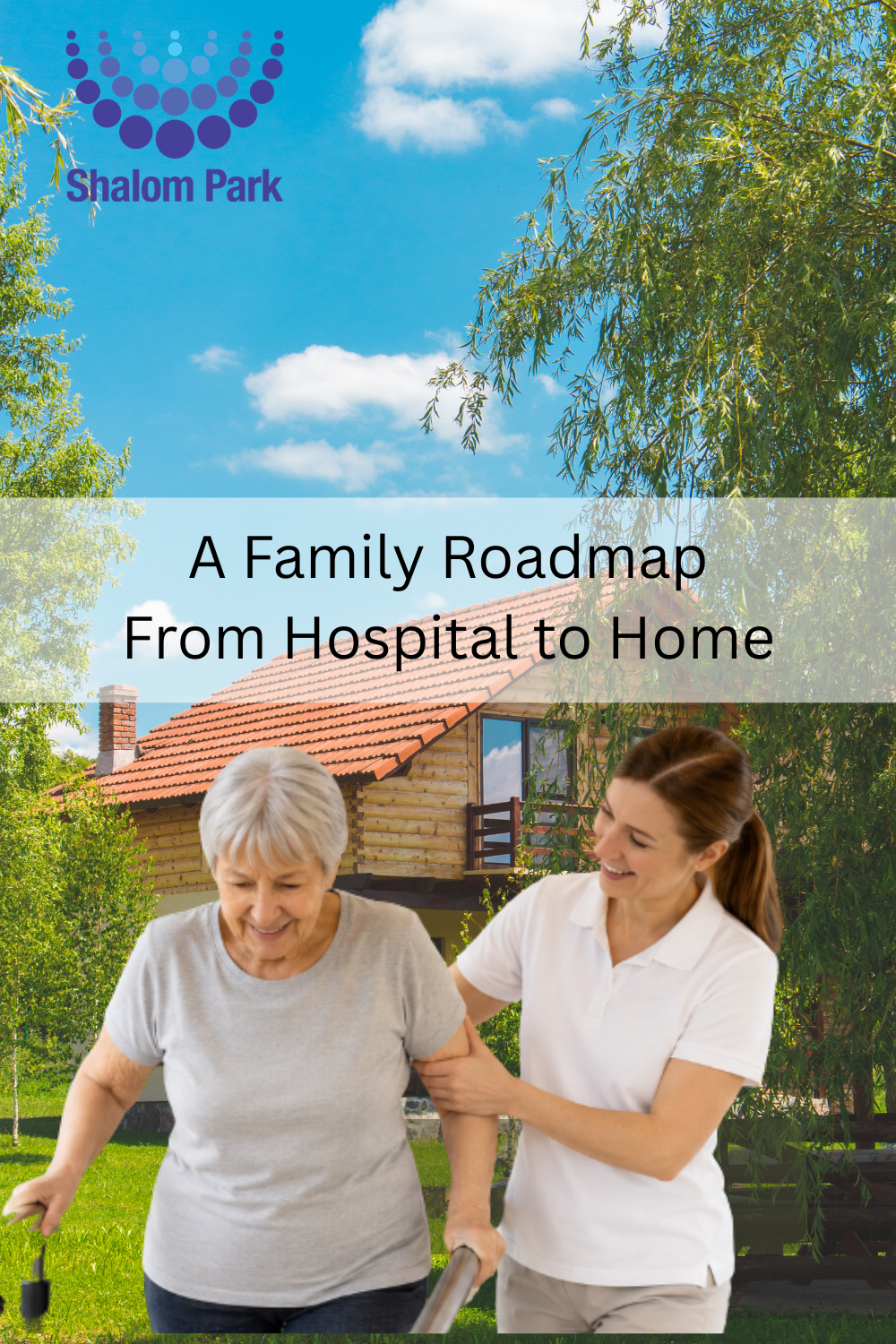
A Family Roadmap From Hospital to Home
A Family Roadmap From Hospital to HomeA hospital discharge is often described as good news. It usually means a loved ones immediate medical needs have stabilized. Yet for many Aurora families, the discharge conversation can also create a new wave of uncertainty.Is Mom strong enough to get around safely? Can Dad manage the stairs at home? Who will help with bathing, medications, meals, or transfers from the bed to a chair? What happens when the hospital stay is over, but recovery is still very much underway?For older adults recovering from surgery, a serious illness, a fall, stroke, or other health change, inpatient rehabilitation can provide an important next step. It offers structured support while a person rebuilds the strength, skills, and confidence needed for a safer return home.At Inpatient & Outpatient Services at Shalom Park in Aurora, the rehabilitation team provides both inpatient and outpatient therapy. Available services include physical therapy, occupational therapy, speech therapy, and aquatic therapy, with care designed around each individuals goals and vision for wellness.When Ready to Leave the Hospital Does Not Mean Ready to Be HomeHospital teams determine when a patient no longer requires acute hospital care. However, an older adult may still be dealing with weakness, reduced balance, pain, fatigue, confusion, swallowing concerns, or difficulty completing everyday tasks.This gap between hospital discharge and full independence is where rehabilitation can make a meaningful difference.Inpatient rehabilitation may be worth discussing when a loved one needs additional time and support to safely practice the tasks that shape daily life, such as:Walking with or without a mobility deviceGetting out of bed or up from a chairBathing, dressing, and using the restroomManaging fatigue after surgery or illnessImproving balance after a fallRelearning movement, communication, or swallowing skillsBuilding stamina for a return to familiar routinesPhysical, occupational, and speech therapies can support different aspects of recovery. Physical therapy may focus on movement, strength, coordination, and mobility. Occupational therapy can address activities such as dressing, bathing, cooking, and other daily tasks. Speech therapy may help with communication, cognition, and swallowing concerns.A Short-Term Stay Should Have a Clear PurposeFamilies sometimes worry that rehabilitation means giving up on home. In reality, short-term inpatient rehabilitation is often about preparing someone to return home with better safety, support, and confidence.The best rehabilitation goals are not vague. They should connect to the persons own life.For one Aurora resident, the goal may be getting strong enough to walk from the driveway to the front door. For another, it may be standing safely at the kitchen counter, returning to a favorite community activity, or having the endurance to enjoy time with grandchildren.Shalom Park describes its approach as one where Each Elder directs their care and our Care Partners support them along the way. That person-centered philosophy recognizes that recovery should reflect the individualnot simply a diagnosis or checklist.Andrea Wood, Director of Guest Relations at Shalom Park, is a resource for families exploring care options and asking the practical questions that come with a major transition. Families should feel empowered to ask what recovery goals are realistic, what services may be appropriate, and how the care team will prepare their loved one for the next setting.What Inpatient Rehabilitation Can Look LikeEvery persons care plan differs, but inpatient rehabilitation commonly combines therapy, nursing support, medical coordination, and daily routines that encourage steady progress.At Shalom Park, the rehabilitation team works with individuals receiving inpatient and outpatient therapy, supporting goals related to activity, wellness, mobility, and independence. The community also lists state-of-the-art rehabilitation equipment and a comprehensive team approach.A typical rehabilitation plan may include:Physical TherapyPhysical therapy may focus on safer walking, balance, leg strength, transfers, endurance, and using mobility equipment properly. This can be especially important after joint surgery, a hospitalization, a fall, or a period of inactivity.Occupational TherapyOccupational therapy helps people regain or adapt daily-living skills. A therapist may work with a person on dressing, bathing, grooming, toileting, meal-related tasks, or safely moving through the home.Speech TherapySpeech therapy can support people who are experiencing speech, language, cognitive, or swallowing difficulties after a stroke, neurological condition, or other medical event.Aquatic TherapyShalom Park also lists aquatic therapy among its services. Water-based therapy may be helpful for certain individuals working on movement, strength, and balance in a lower-impact setting. A physician and therapy team can determine whether it is appropriate for a persons needs.Questions Families Should Ask Before Choosing RehabilitationThe right questions can help families make more confident decisions during a stressful time. Before selecting a rehabilitation setting, consider asking:What are the main medical and safety concerns after discharge?What therapy services are recommended and why?How often will my loved one receive therapy?What progress goals should we expect during the stay?How will the team prepare us for discharge home?Can family members participate in care planning meetings?What equipment, home changes, or caregiver support may be needed afterward?Will outpatient therapy be recommended after inpatient rehabilitation?Families should also share details that may shape the recovery plan, including the persons former activity level, home layout, routines, goals, communication preferences, and support system.Aurora Families Need a Plan for Real LifeAurora families often support loved ones across a wide area of the Denver metro. A return home may involve apartment hallways, multilevel houses, changing Colorado weather, trips to medical appointments, and help from adult children who balance work and caregiving.That is why rehabilitation should prepare a person for real-world routines, not only for a therapy gym.Shalom Park is located at 14800 East Belleview Drive in Aurora, serving Elders and families with rehabilitation, long-term care, wellness, and resident-life offerings. The community follows the Eden Alternative philosophy, which emphasizes emotional, spiritual, social, residential, and medical needs alongside clinical care.A recovery setting that values relationships, choice, and dignity can make a difficult transition feel more manageable for both the patient and the family.Frequently Asked QuestionsHow long does inpatient rehabilitation usually last?The length of stay varies based on the persons diagnosis, progress, care needs, insurance coverage, and discharge goals. The care team can provide guidance based on the individual situation.Can inpatient rehabilitation help after a fall?It may help older adults regain balance, mobility, strength, and confidence after a fall or injury. The appropriate services depend on the persons medical condition and physician recommendations.What is the difference between inpatient and outpatient rehabilitation?Inpatient rehabilitation involves staying at the care setting while receiving services. Outpatient rehabilitation allows a person to live at home and attend scheduled therapy appointments. Shalom Park offers both inpatient and outpatient therapy options.Can family members be involved in rehabilitation planning?Families should ask how they can participate in care discussions, receive updates, learn safe caregiving techniques, and prepare the home for discharge.Explore Rehabilitation Support at Shalom ParkRecovery is not simply about leaving the hospital. It is about helping a loved one move toward the life they want to return tosafely, steadily, and with the right support around them.To learn more about inpatient and outpatient rehabilitation options, visit the Inpatient & Outpatient Services at Shalom Park listing on SeniorsBlueBook.com or contact Shalom Park at 303-680-5000.
Jul 03, 2026
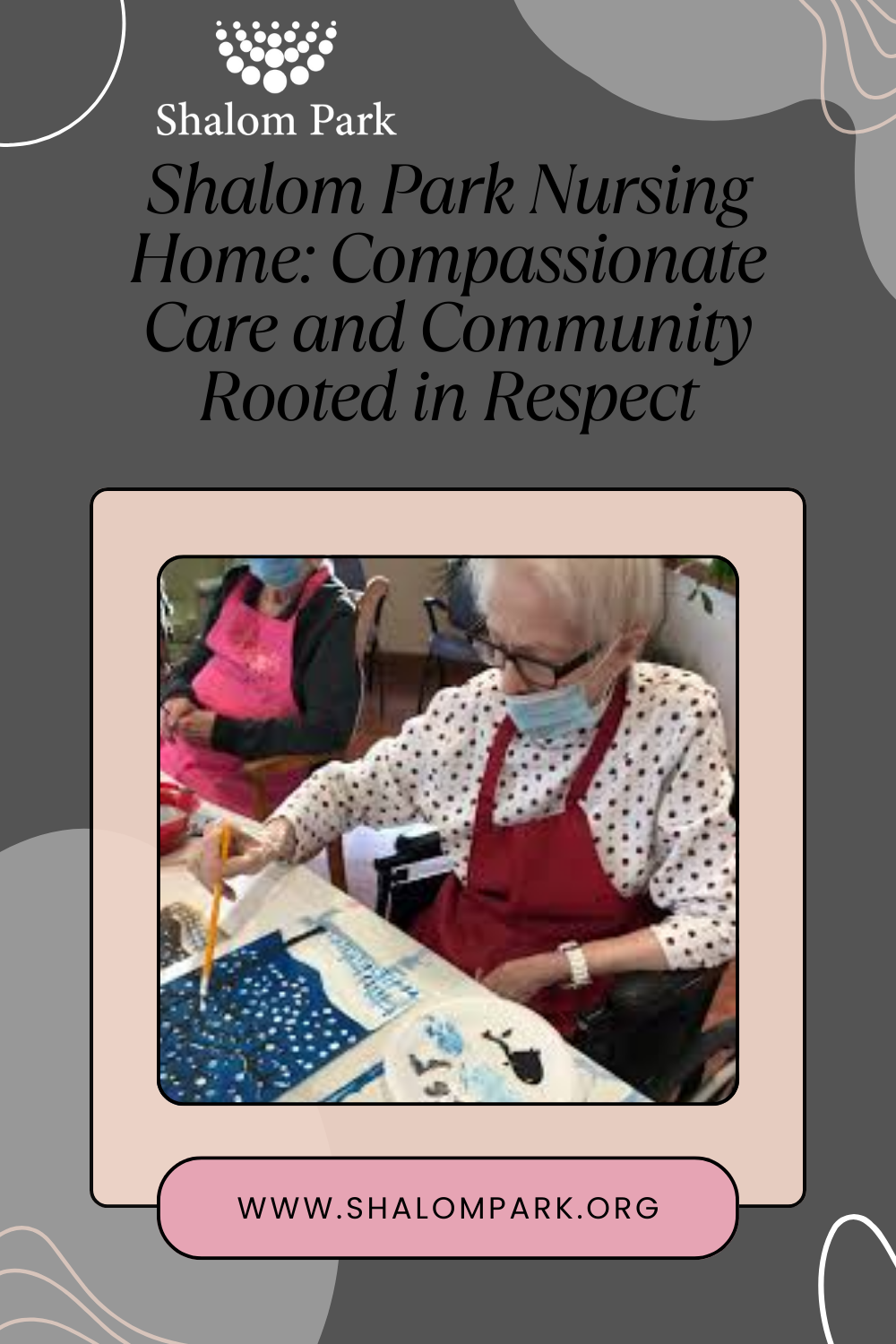
Shalom Park Nursing Home: Compassionate Care and Community Rooted in Respect
Shalom Park Nursing Home: Compassionate Care and Community Rooted in RespectChoosing a nursing home is a deeply personal decisionone rooted in dignity, health, and holistic well-being. Shalom Park Nursing Home, nestled within a vibrant senior-focused community, brings years of experience and human-centered care to that decision. For those seeking skilled nursing with a warm, culturally rich environment, Shalom Park offers support that honors both body and spirit.A Warm Community Harbor for Rehabilitation and Long-Term CareLocated within the wider Shalom Park campus in Aurora, the nursing home blends professional clinical services with residential comfort. Whether recovering from surgery or seeking assisted living with medical support, residents enjoy both short-term rehabilitative care and long-term nursing options in a setting designed for health, connection, and respect.Purposeful Skilled Nursing & Rehabilitation ServicesShalom Park Nursing Home supports a range of health needs: Licensed, compassionate nursing staff available around the clock Personalized rehabilitation services, including physical, occupational, and speech therapy Support for complex medical needsmedication management, wound care, IV therapy, incontinence, and more Structured care plans tailored to recovery goals and ongoing wellness This comprehensive service model helps many residents regain independence or maintain dignity when daily functioning shifts.A Homelike Design Focused on Comfort and CultureThe nursing home is integrated into a broader retirement community, fostering connection across generations. Residents benefit from: Comfortable private or semi-private rooms with warmth and respect for privacy Shared living room spaces, patios, and landscaped paths that encourage tranquility and interaction Thoughtful integration with Shalom Parks broader amenitiesdining rooms, spiritual spaces, gardens, and walking paths Residents experience clinical care without sacrificing the comforts of companionship, beauty, and meaningful engagement.Committed to Cultural and Spiritual SensitivitiesGrounded in a mission of community values, Shalom Park honors spiritual and cultural diversity: Inclusive spiritual resources and cultural programming tailored to residents traditions Dietary and celebratory accommodations aligned with cultural and religious practices A respectful sense of belonging that reflects each residents identity This attention to cultural alignment strengthens the emotional resilience and spirit of those in care.A Gentle Pace of Community EngagementCare here moves at thoughtful, individualized rhythms: Daily routines respect resident preferences and pacing Shared activities, such as social time, music, or leisurely strolls in the gardens, are engaging without being overwhelming Occasional events, cultural programs, and services bring connection with the larger community This balance ensures daily life remains grounded in respect and human connection.Designed for Residents and Their Loved OnesFamilies consistently appreciate the thoughtful design and approach at Shalom Park: The facility feels warm, welcoming, and homelike rather than clinical Care is personalized and culturally awaresupporting identity and comfort Interiors are easy to navigate, with natural lighting and social nooks The campus layout promotes ease of community connection and visiting These features make transitions smoother and living more dignified.Why Families Choose Shalom Park Nursing HomeFeatureResident & Family BenefitsSkilled Nursing & RehabClinical strength focused on healing and comfortCulturally Sensitive CareEmotional and spiritual respect integrated into careHomelike DesignWarm, inviting atmosphere that supports emotional well-beingCalm Daily LifeQuiet routines with social optionsCampus IntegrationEasy access to broader community amenities and spacesConclusion: Where Healing Meets HeartShalom Park Nursing Home invites residents and families to experience care rooted in dignity, connection, and clinical excellence. This is a place where individuals can recover, live meaningfully, and be respected for who they aresurrounded by warm spaces and supportive staff. Discover how Shalom Park Nursing Home can blend skilled care with comfort, culture, and community. Reach out to schedule your visit and see how this dedicated community transforms care into compassion.
Aug 28, 2025
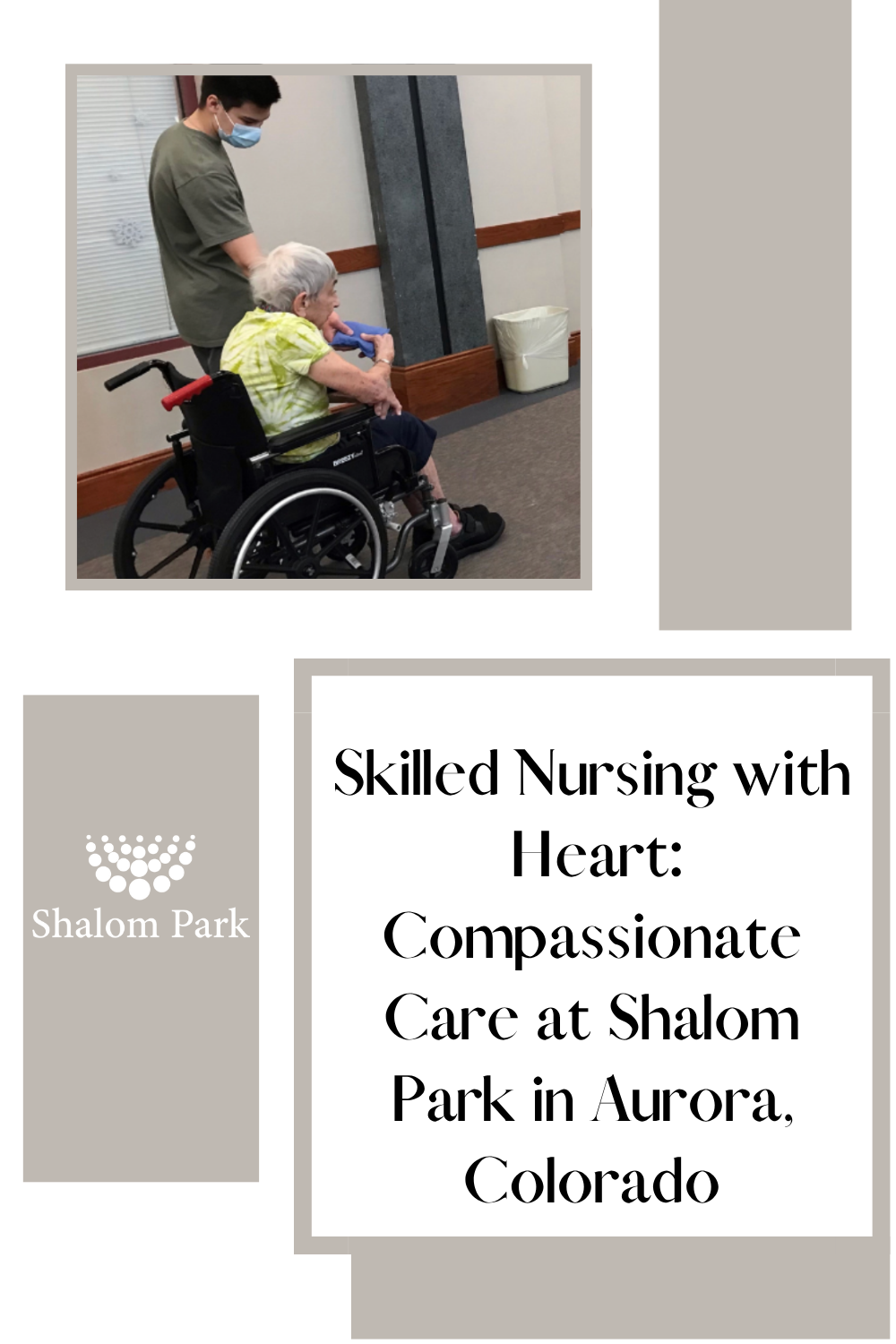
Compassionate Care at Shalom Park in Aurora, Colorado
Compassionate Care at Shalom Park in Aurora, ColoradoWhen a loved one needs more than basic care, families often start searching for a trusted place that provides both medical expertise and genuine compassion. Skilled nursing fills that important gap offering 24-hour clinical care in a comforting, home-like setting where healing and dignity go hand in hand.At Shalom Park Nursing Home in Aurora, Colorado, residents receive personalized skilled nursing care supported by a team of professionals who treat every individual like family. Whether recovering from surgery, managing chronic illness, or needing long-term care, residents are surrounded by warmth, respect, and exceptional healthcare.What Is Skilled Nursing Care?Skilled nursing care provides continuous, medically supervised services for seniors or individuals recovering from an illness, injury, or hospital stay. It combines professional healthcare with daily living support all in a safe, comfortable environment.At a skilled nursing facility (SNF) like Shalom Park, care is delivered by registered nurses, licensed practical nurses, and certified nursing assistants, working closely with therapists and physicians to ensure each resident receives the right level of attention.Typical services include:24-hour nursing supervisionMedication management and monitoringWound care and IV therapyRehabilitation services (physical, occupational, and speech therapy)Chronic disease management (cardiac, pulmonary, diabetes care, etc.)Nutritional support and specialized dietsPain management and palliative careIn short, skilled nursing focuses on healing, stability, and quality of life all under the watchful eye of medical professionals who truly care.Skilled Nursing in Aurora: Meeting the Needs of a Growing Senior CommunityAurora, Colorado, has seen a steady increase in its senior population. According to recent U.S. Census data, nearly 13% of Auroras residents are age 65 or older, a figure that continues to grow as more families choose the area for its accessibility, healthcare options, and quality of life.With this growth comes an increased need for trusted skilled nursing services places where seniors can recover safely and families can find peace of mind.Shalom Park has become a cornerstone in this care landscape. Conveniently located near major hospitals such as UCHealth University of Colorado Hospital and Medical Center of Aurora, the community offers seamless transitions from hospital to rehabilitation to home, or to long-term care when needed.The Shalom Park DifferenceWhat sets Shalom Park Nursing Home apart is its deeply rooted philosophy of person-centered care where residents are not just patients, but individuals with unique histories, preferences, and goals.The team at Shalom Park goes beyond clinical excellence to create an atmosphere of compassion and connection. Families consistently describe it as a place of healing and humanity, where the emphasis is on restoring both physical health and emotional well-being.Key Features of Skilled Nursing at Shalom Park:24-hour medical supervision with skilled, licensed professionalsRehabilitation therapy programs designed for strength, balance, and independenceMedication and chronic care management tailored to each residentIndividualized care plans created with families and healthcare providersSpiritual and emotional support for residents of all backgroundsCommunity activities to keep residents socially and mentally engagedInsight from Andrea Wood, Shalom Park Team:Our mission is simple to provide exceptional care with dignity and respect. We dont just treat medical needs; we nurture the whole person.Rehabilitation and Recovery: Building Strength and ConfidenceMany residents come to Shalom Park for short-term skilled nursing and rehabilitation after surgery, illness, or injury. The goal is to help each person regain strength, confidence, and independence safely and at their own pace.The rehabilitation team includes licensed physical, occupational, and speech therapists who design custom recovery programs based on each individuals goals.Examples of Specialized Rehab Services:Post-surgical and orthopedic rehabilitationStroke recoveryCardiac and pulmonary rehabPain management and mobility trainingAdaptive skills for independent livingWith advanced equipment, compassionate therapists, and a supportive community environment, Shalom Park empowers residents to achieve meaningful progress one step at a time.Long-Term Skilled Nursing: A Home with PurposeFor those who require ongoing skilled nursing care, Shalom Park provides a home where residents can continue to live with purpose, comfort, and dignity.The staff works to create routines that feel natural and fulfilling, focusing not just on medical care but also on quality of life. Residents enjoy beautiful surroundings, delicious meals, and opportunities for social engagement.Shalom Parks long-term care philosophy is guided by respect for each persons independence, culture, and values creating a community that feels truly like home.A Supportive Environment for FamiliesCaring for a loved one can be both rewarding and challenging. Shalom Park partners with families every step of the way, ensuring open communication, transparency, and collaboration.Family members are encouraged to visit, participate in care decisions, and share in community life because Shalom Park believes that family is essential to healing and well-being.This supportive approach helps families feel confident and reassured, knowing their loved one is in caring, capable hands.Why Families in Aurora Trust Shalom ParkEstablished Reputation: A trusted name in skilled nursing and elder care in Colorado.Compassionate Team: Nurses, therapists, and caregivers who truly care about residents well-being.Strong Clinical Partnerships: Coordination with local physicians and hospital systems.Holistic Care Philosophy: Addressing physical, emotional, and spiritual needs.Vibrant Community: Engaging programs and activities that enhance everyday living.For families seeking high-quality skilled nursing in Aurora, Shalom Park stands out as a place where clinical care meets compassion.Frequently Asked Questions About Skilled Nursing1. What is the difference between skilled nursing and assisted living?Assisted living provides help with daily tasks (like meals and dressing), while skilled nursing includes 24-hour medical supervision and clinical care for those with higher health needs.2. Who qualifies for skilled nursing care?Individuals recovering from surgery, illness, or injury or those with chronic medical conditions requiring ongoing supervision may qualify for skilled nursing care. A physicians order is typically required for admission.3. Does Medicare cover skilled nursing?Yes, Medicare may cover skilled nursing care following a qualifying hospital stay, usually for up to 100 days. Coverage depends on specific criteria, and the Shalom Park team can help families navigate eligibility and benefits.4. How long do people stay in skilled nursing?Stay lengths vary. Some residents stay short-term for rehabilitation, while others may require long-term care depending on their medical needs and recovery progress.5. Can families visit regularly?Absolutely. Shalom Park encourages family visits and involvement in care planning, ensuring loved ones remain connected and engaged in community life.Skilled Nursing with Heart in AuroraAt Shalom Park Nursing Home, skilled nursing isnt just about medical care its about healing the whole person. Every resident is treated with dignity, compassion, and respect. Every family is welcomed as a partner. And every day is an opportunity for comfort, growth, and connection.Whether youre exploring short-term rehabilitation after a hospital stay or long-term skilled nursing care for a loved one, Shalom Park offers expertise, compassion, and a true sense of community right here in Aurora, Colorado.Connect with Shalom Park Nursing HomeLearn more or schedule a visit through their Seniors Blue Book profile: Shalom Park Nursing Home Aurora, COExperience exceptional skilled nursing care rooted in compassion, professionalism, and community only at Shalom Park.
Oct 23, 2025
Preventing Falls: What Can You Do to Be Safe
According to the CDC, one in three adults, age 65 or older, falls each year. Falls are the leading cause of injuries and hospital admission for this age group and often lead to a fear of additional falls. This fear results in a self-imposed decrease in mobility and physical fitness, which in turn increases the risk of falling again.There are many things that can be done to decrease the risk of falling! Assessment: Find a healthcare provider who will take time to review your medications, overall fitness, and recommend a facility or therapist that can provide suitable activities, classes or services. Have your vision checked regularly. Have your vitamin D level checked as low levels can be associated with an increase in fall risk.Home Safety: Remove tripping hazards such as throw rugs and cords. Ensure there is adequate lighting; night lights that are activated by motion can be helpful. Use a seat and install grab bars in showers and bathtubs. Talk to an occupational therapist about additional ideas.Exercise: Engage in weight bearing activities like walking, yoga, or Tai Chi to promote strength and bone density. Weight training has immense benefits as well. It is important to find a fitness facility that has qualified staff and equipment specifically designed for the geriatric population.Water: The benefits of aquatic exercise are numerous. The buoyancy of water adds a sense of safety and makes exercise easier and less painful, leaving the body less fatigued. The resistance provided by water promotes muscle strengthening and improvements in balance. Warm water pools provide the additional therapeutic benefits of muscle relaxation.Balance: Balance is very important for seniors. Look for a facility that has a professional-quality balance training machine, such as a Biodex Balance System, that will improve balance, increase agility, and develop muscle tone.Classes: Most recreation centers offer low-impact exercise classes for seniors that improve balance, movement, cardio, and strength. Tai Chi had become popular for seniors, with its gentle movements that promote strength, balance and stability.Editors Note: This article was submitted by Cindy Lind, O.T.R., Director of Rehabilitation Services at Shalom Cares. She can be reached at 303-680-5000. For more information, visit www.ShalomCares.org.
May 08, 2013
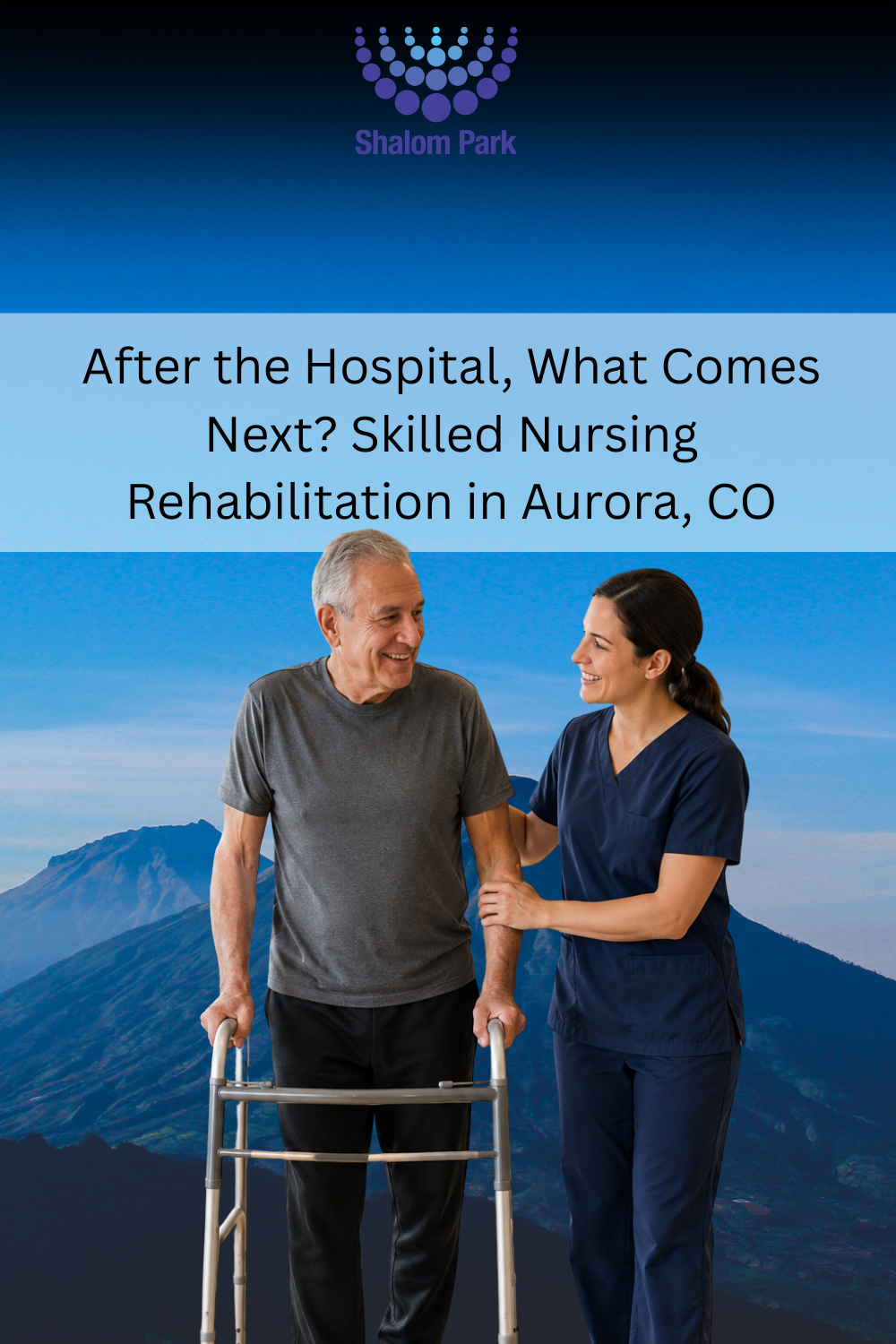
After the Hospital, What Comes Next? Skilled Nursing Rehabilitation in
After the Hospital, What Comes Next? Skilled Nursing Rehabilitation in Aurora, COLeaving the hospital is often a positive milestone, but it is not always the same as being ready to return home.An older adult may be medically stable after surgery, illness, an injury, or a hospital stay, yet still need time to rebuild strength and confidence. Walking across a room, getting dressed, preparing meals, following a therapy plan, or managing stairs may feel much harder than expected. Family members may want to help, but they may not be able to safely provide the level of support needed every day.For Aurora families, skilled nursing rehabilitation can be an important bridge between hospital care and the next stage of recovery. It provides an environment where nursing support, therapy, daily routines, and discharge planning can work together around one goal: helping the person move forward safely and meaningfully.Shalom Park Nursing Home, located on East Belleview Drive in Aurora, offers rehabilitation and therapy services for inpatient and outpatient clients. Its current services include physical therapy, occupational therapy, speech-language therapy, and aqua physical therapy.Recovery Is Not Only About HealingIt Is About FunctionA hospital team may determine that a patient no longer needs acute medical treatment. That does not automatically mean the person is ready to manage everyday life independently.The question after hospitalization is often not, Can they leave the hospital? It is, What support will help them safely return to the life they want?For one person, the goal may be walking confidently from the bedroom to the kitchen. For another, it may be managing stairs, improving balance, regaining the ability to dress without assistance, or rebuilding speech and swallowing skills after a health event.A strong rehabilitation plan focuses on real-life goals, not simply exercises.Families can begin by asking:What activities are difficult right now?What would need to improve before home feels safe?What kind of therapy has been recommended?Is the person able to manage personal routines independently?What support will be available after discharge from rehabilitation?What does the older adult want to be able to do again?These answers help turn recovery from an uncertain waiting period into a more purposeful plan.What Skilled Nursing Rehabilitation Can ProvideShort-term skilled nursing rehabilitation is often appropriate for people who need more support than can reasonably be provided at home but who do not need ongoing hospital-level treatment.The setting may offer nursing oversight, therapy services, support with daily routines, meals, and coordination with family members and healthcare providers. The exact services, schedule, and length of stay depend on the persons health needs, progress, insurance coverage, and clinical recommendations.Shalom Park describes its rehabilitation approach as a comprehensive team effort that supports each individuals goals and vision for therapy. Its rehabilitation team provides both inpatient and outpatient options.That distinction matters. A person may begin therapy in a more structured post-hospital setting, then continue with outpatient services as strength and independence improve.Physical Therapy: Rebuilding Strength for Everyday MovementPhysical therapy is often one of the first services families expect after a surgery, injury, stroke, fall, or period of illness.The purpose is not simply to exercise. It is to help a person improve movement, endurance, balance, transfers, and mobility in ways that support everyday life.A physical therapist may work toward goals such as:Walking more steadilyMoving safely from a bed to a chairBuilding endurance for household movementImproving balancePracticing stairs when appropriateLearning how to use mobility equipment safelyPreparing for transportation and appointments after dischargeShalom Park lists physical therapy and aqua physical therapy among its rehabilitation services.Families should ask the therapy team how progress will be measured and what activities can safely be practiced outside scheduled sessions.Occupational Therapy: Making the Daily Routine More ManageableOccupational therapy often focuses on the routines that make independent living possible.After a hospitalization, everyday tasks may suddenly require more time, effort, or support. Dressing, grooming, bathing, eating, using the bathroom, organizing personal belongings, or safely moving around a bedroom may feel overwhelming.Occupational therapy can help an older adult practice these tasks with strategies and tools that support safety and confidence.This kind of therapy is especially meaningful because it connects recovery to personal dignity. It is not just about whether someone can complete a task. It is about whether they can return to a routine that feels familiar and self-directed.Shalom Park includes occupational therapy in its inpatient and outpatient rehabilitation offerings.Speech-Language Therapy: Supporting Communication and Swallowing GoalsSpeech-language therapy is sometimes misunderstood as being only for speech. Depending on an individuals care plan, it may also address communication, cognitive skills, memory strategies, or swallowing concerns.For a senior recovering after a neurological event, illness, or hospitalization, these skills can affect how they participate in conversations, follow instructions, enjoy meals, and prepare for the next stage of care.Shalom Park lists speech-language therapy as part of its rehabilitation services.Families should discuss specific concerns with the appropriate licensed professionals and ask how therapy goals connect to the persons daily routines at home.Make the Rehabilitation Stay PersonalA clinical setting can feel unfamiliar at first. Small personal touches may help an older adult feel more settled and motivated during recovery.Bring items that support comfort and orientation, such as:Eyeglasses, hearing aids, dentures, and chargersComfortable clothes and non-slip shoesFamily photographsA favorite blanket or small pillowBooks, devotional materials, or a familiar hobby itemA written list of family contactsA notebook for questions and progress updatesSuggested quote for Andrea Woods approval: Rehabilitation is most meaningful when it connects to the persons life outside therapy. We want to understand what each resident hopes to return to and help build a plan around those goals.A recovery plan should reflect the individual, whether they want to get back to gardening, attending family events, enjoying a favorite hobby, or simply moving through their home with more confidence.Keep Family Communication Simple and ConsistentDuring a rehabilitation stay, families may receive information from several people: nurses, therapists, physicians, social workers, and discharge planners. Without a simple communication system, important questions can get lost.Choose one primary family contact to gather updates and share them with others. Keep a written list of:Therapy goalsUpcoming appointmentsQuestions for staffItems needed from homeChanges in mobility or daily routinesDischarge-planning conversationsFollow-up recommendationsA clear system helps relatives stay informed without overwhelming the resident or the care team.Start Planning for Home EarlyDischarge planning should begin well before the final day of rehabilitation.A return home may require practical preparation, including:Mobility equipmentFollow-up therapyTransportation to appointmentsHome-safety changesMedication organizationMeal supportFamily check-insHome health or non-medical assistance, if appropriateThe right timing depends on the individuals recovery, care-team recommendations, and available support. Families should avoid rushing the process simply because they are eager to have their loved one home.Shalom Parks inpatient and outpatient rehabilitation options may help families explore continued therapy support as recovery needs change.Why This Matters for Aurora FamiliesAurora families often coordinate care across busy work schedules, Denver Metro traffic, medical appointments, and relatives who may live in different communities. Skilled nursing rehabilitation can create valuable time for everyone to prepare for the next step instead of trying to solve every challenge immediately after a hospital discharge.A thoughtful rehabilitation stay can help an older adult regain skills while families build a safer, more realistic plan for what comes next.Visit the Seniors Blue Book ListingFor families exploring skilled nursing rehabilitation after hospitalization, illness, surgery, or injury, visit the Shalom Park Nursing Home listing on Seniors Blue Book. Contact Shalom Park directly to confirm current admission requirements, therapy availability, insurance coverage, room availability, and whether its rehabilitation setting fits your loved ones individual needs.Frequently Asked QuestionsWhat is skilled nursing rehabilitation?Skilled nursing rehabilitation can provide short-term nursing support and therapy for people recovering after hospitalization, illness, surgery, or injury.What therapy services does Shalom Park offer?Shalom Park lists inpatient and outpatient physical therapy, occupational therapy, speech-language therapy, and aqua physical therapy.When should families begin discharge planning?Families should begin discussing discharge needs early in the rehabilitation stay so equipment, home support, therapy, and transportation can be arranged thoughtfully.Can rehabilitation help someone return home?Rehabilitation may help a person rebuild strength, mobility, confidence, and everyday skills needed for the next stage of recovery. The timing and appropriateness of a home return should be determined with the care team.What should families bring to a rehabilitation stay?Bring essential personal items, mobility aids, eyeglasses, hearing aids, comfortable clothes, chargers, important documents, and familiar belongings that support comfort.
Jul 07, 2026
A Family Guide for Aurora, CO
A Family Guide for Aurora, COMoving a loved one into long-term skilled nursing is rarely a simple decision. Families may have spent months supporting an older adult at home, coordinating medical appointments, managing safety concerns, or trying to balance caregiving with work and family life. By the time a nursing home admission becomes necessary, everyone may be carrying a mix of relief, grief, uncertainty, and guilt.The first month after a move can set the tone for what comes next.A successful transition is not only about completing paperwork or unpacking clothing. It is about helping the resident feel known, helping the family understand how to communicate with the care team, and creating routines that preserve dignity and connection.Shalom Park Nursing Home in Aurora offers long-term admissions and describes its approach as supporting the emotional, spiritual, social, residential, and medical needs of its Elders. Its Resident Life Program is designed to respond to the interests, needs, and preferences of residents.Week One: Help the New Room Feel FamiliarThe first few days can feel disorienting. A new room, new staff members, unfamiliar sounds, and changed routines may leave a resident feeling as though they have lost control.Personal items can make a meaningful difference.Shalom Park states that residents may bring pictures, accent furniture, a phone, television, and decorations. Rooms include an adjustable bed, dresser, two armoires, and a nightstand.Focus first on the items that create comfort and recognition:Family photographs and favorite artworkA familiar blanket, quilt, or throw pillowComfortable clothing and well-fitting shoesGlasses, hearing aids, dentures, and chargersBooks, devotional materials, or hobby itemsA labeled address book or family contact listA calendar with birthdays, visits, and important datesAvoid trying to recreate the entire former home. Instead, choose items that reinforce identity. A framed wedding photo, a favorite chair, or a well-used book can make a room feel personal more quickly than filling every shelf.Week Two: Share the Story Behind the ResidentCare teams learn important information from medical records, but records do not explain who a person is.Families can help staff understand the resident by sharing a short personal profile. This does not need to be formal. One page is enough.Include details such as:Preferred name and how the resident likes to be addressedTypical morning and bedtime routinesFavorite meals, beverages, and snacksMusic, television, sports, books, or hobbies they enjoyFaith traditions, cultural preferences, and holiday customsImportant family relationshipsTopics that bring comfort or joyThings that may cause frustration or anxietyPerson-centered care includes understanding an individuals routines, eating preferences, and habits, along with setting measurable goals with the resident, family, and interdisciplinary team.Suggested quote for Andrea Woods approval: A long-term care transition is easier when we understand the person beyond their medical needs. Learning each Elders routines, relationships, and interests helps us create a more personal daily experience.Week Three: Establish a Clear Family Communication PlanLong-term care can involve nurses, nursing assistants, social workers, dietitians, activity professionals, rehabilitation therapists, and other Care Partners. Shalom Park lists registered nurses, licensed practical nurses, certified nursing assistants, dietitians, social workers, activity coordinators, housekeepers, and physical, occupational, and speech therapists among its care team.Without a communication plan, relatives may receive incomplete updates or assume someone else has asked an important question.Choose one primary family contact who can:Keep a running list of questionsShare updates with siblings and relativesAttend care-plan meetings when possibleCommunicate changes in the residents preferencesCoordinate visits and personal-item needsHelp the resident feel connected to family newsThis does not mean one person must carry every responsibility. It means the care team knows who to contact, and family members know where to find consistent information.Week Four: Create a Rhythm of Visits and Meaningful MomentsFamilies sometimes worry that a visit must be long, elaborate, or carefully planned. In reality, consistency often matters more than duration.A 20-minute visit to share coffee, look through photos, listen to music, or discuss a family memory can be deeply meaningful. Short visits can also be easier for a resident who tires quickly.Consider creating a simple weekly rhythm:A regular phone or video callOne family visit on a predictable dayA grandchilds drawing or letterA shared activity, such as cards, music, or readingA meal or small celebration when appropriateA walk, outdoor visit, or time near a windowShalom Park says its activities are Elder-directed and intended to be flexible and responsive to residents needs and interests. Its community page also notes that it celebrates both personal milestones and larger Jewish and national holidays.Ask the Resident Life team about programs that may fit your loved ones personality. A person who dislikes group events may still enjoy one-on-one conversation, music, a quiet garden area, or a small activity with a family member.Support Choice Wherever PossibleLong-term skilled nursing includes care routines, safety practices, and medical oversight. Still, residents should have opportunities to make everyday choices.Choice may look like selecting clothing, deciding whether to participate in an activity, choosing how to decorate the room, sharing a preferred schedule, or identifying foods and traditions that matter.Shalom Park follows the Eden Alternative philosophy, which it describes as moving decision-making closer to Elders and residents rather than relying on a top-down approach. Its leadership page also emphasizes inclusivity, compassion, and understanding among Elders and Care Partners.Families can support this by asking the resident directly:What part of your day feels most comfortable?What would you like to keep doing for yourself?Is there anything in your room you would like changed?Would you rather join this activity or have quiet time?What would make visits feel better?Even small choices can reinforce dignity during a major transition.Ask Important Questions About FitA caring environment must also match the residents actual needs.Before or during admission, families should ask about care planning, staffing, therapies, dietary support, room availability, payment options, and how the community responds when a residents needs change.Shalom Park offers dietary options that include kosher or kosher-style, lactose-intolerant, gluten-free, and culturally varied meals. Families should discuss allergies, religious observances, and individual food preferences directly with the care team.It is also important to know that Shalom Parks current FAQ says it does not have a secured unit. Families considering care for someone who may need a secured memory-care environment should discuss that need with qualified healthcare professionals and Shalom Parks admissions team before making a decision.Why This Matters for Aurora FamiliesAurora families are often spread throughout the Denver Metro area, balancing work, medical appointments, school schedules, and caregiving demands. A thoughtful first month can help reduce the uncertainty that follows a long-term nursing admission.The goal is not to make a difficult change feel easy overnight. It is to help a loved one build familiarity, preserve relationships, and experience a daily life that still reflects who they are.Shalom Park has served the Aurora community since 1992 and identifies its mission as creating a joyful community where honor and belonging flourish.Visit the Seniors Blue Book ListingFor families exploring long-term skilled nursing in Aurora, visit the Shalom Park Nursing Home listing on Seniors Blue Book. Contact Shalom Park directly to discuss current admissions, availability, care needs, tour options, and whether the community is appropriate for your loved one.Frequently Asked QuestionsWhat should families bring when a loved one moves into skilled nursing?Bring comfortable clothing, personal-care essentials, glasses, hearing aids, chargers, favorite photos, small comfort items, and any requested admission documents.Can residents personalize their rooms at Shalom Park?Yes. Shalom Park says residents may bring personal belongings such as pictures, accent furniture, phones, televisions, and decorations.How can family members stay involved after admission?Choose a primary contact, attend care-plan discussions, visit consistently, share personal preferences with staff, and keep communication respectful and clear.Does Shalom Park offer dietary accommodations?Its long-term admissions page lists kosher or kosher-style, lactose-intolerant, gluten-free, and culturally varied dietary options.Does Shalom Park have a secured memory-care unit?No. Its current FAQ states that it does not have a secured unit.