WHAT ABOUT THE DINING ROOM TABLE? WHY SENIORS ARE USING STORAGE COMPANIES TO HELP THEM MOVE INTO SENIOR LIVING SOONER.
Freedom Village of Bradenton
For more information about the author, click to view their website: Freedom Village of Bradenton
Apr 19, 2023
Florida - Sarasota, Bradenton & Charlotte Counties

Email US
Click to Email Us
Could a dining room table keep you from downsizing out of your empty-nester house and moving into a senior living community?In a word, yes.Actually, it happens more than you might think. And at the root of it, it isn’t even about the dining room table — or the antique china cabinet, or the vintage divan, or that lawyer’s bookcase you refurbished. It’s about seeing your belongings and knowing logically they won’t all fit into your new space — but emotionally being unable to part with items associated with so many fond family memories.And it’s about feeling frozen in place, because you don’t know where to start downsizing and organizing your home to make your move into senior living.
HOW TO START ORGANIZING
Moving into a senior living community should feel exciting, even freeing. You’re trading a big house with spaces you never use, and all its attendant maintenance and upkeep, for a thoughtfully designed, maintenance-free residence and chef-prepared gourmet meals, wellness programs, a packed calendar of activities and like-minded neighbors, all just outside your door.It’s the process of moving that may not feel so exciting. But neither should it feel overwhelming.
Try getting organized first with these moving tips:
- Know your floor plan. Many senior living communities, including Freedom Village of Bradenton, provide virtual tours and downloadable floor plans on their website that show the square footage of each room. Start thinking about what you want to bring into your new space in terms of what will fit. Then,
- Measure everything. Will your chairs, coffee table and rug fit into your new living room? Ask for a printed copy of your floor plan’s dimensions, or download a PDF of your floor plan from the community’s website. Measure all the furniture you hope to take. If you’re moving to an upper-floor apartment, will your dining room table fit into the senior living community’s elevator, or through your front door? Measure your door and the elevator, and the halls, just to make sure everything will fit on the way to your apartment.
- Ask if your new residence comes with a storage unit. If you don’t have a private garage, a small storage space on campus gives you extra space to stash holiday decorations, golf clubs, winter coats, bicycles, and other items you don’t want hogging coveted closet space in your new place. If you won’t have a storage space,
- Consider renting a storage unit. You might need to temporarily store your furniture, clothes, and other belongings as you take time to decide what to do with everything. Some extra space in a storage unit is perfect for that.
Here are some storage unit tips to consider as you select your unit:
- Does the storage unit offer secure storage options for jewelry, artwork or collections of stamps, coins or something similar? What about insurance for these items if you choose to store them?
- Are staff members on-site at the storage facility to help you if you need to retrieve an item? Will they help carry an oversized or heavy item out, and if so, is there a fee for this service?
- Would you need a special climate-controlled storage unit so your items are protected from extreme heat, cold and humidity?
- Can vehicles be stored at the storage facility? This is helpful to know if you have an RV or second vehicle, but have only one parking space available to you at your new community.
- Can a friend or family member get access to the site without you being present? How do you grant permission for someone other than you to retrieve your belongings, and how does the storage facility document visitors so you know who’s been there?
HOW TO GET THE MOST FROM A STORAGE UNIT
Storing your items before making your move into senior living can relieve your urge to delay moving until your whole house has been thoroughly downsized, packed up and moved. With a storage unit, you buy yourself some time to be thoughtful about what you want to do with that china cabinet, vintage divan, lawyer’s bookcase and yes, that dining room table.But you should have a storage strategy.
Here are some helpful storage tips:
Try using two of the same size boxes for everything. Using a variety of sizes in your boxes can lead to issues when stacking. Large boxes may tempt you to pack them too full. And if you stack heavy large boxes on top of smaller boxes, the larger boxes will collapse into the smaller ones. Choosing small boxes means you’ll have lots of little boxes to contend with. Opt for medium-sized boxes and use them consistently, which will also make them easier to stack in your storage unit.
Label and number every box and group them by their room. You’ll need to access items occasionally, so label each box by its contents: holiday decor, seasonal clothing, hobby supplies, kitchen gadgets, etc. Then place all boxes for individual rooms together (kitchen, bedroom, office, etc.). Use a different color of tape or marker for each room to make it easy to keep boxes with their proper rooms.
Shelve your boxes, and let your unboxed items have the floor. Elevating your cardboard boxes from the floor helps keep moisture and critters from getting inside and damaging the contents. Buy inexpensive shelving units and put your boxes on shelves — but don’t put the heavy boxes over your head where you couldn’t comfortably remove and replace it by yourself without risking injury. Shelves keep the storage unit floor free for things like your bicycle, large drink coolers and lawn furniture.
Make a map and leave it somewhere visible in your storage unit. Divide your space evenly into sections, listing the items and box numbers in each section on your map. If you need a box or item that got buried in the back of the storage unit, you can use your master contents list and map to find it without digging through boxes blindly. The map will also help if you send someone else to grab a box for you — they’ll know right where to go. This helps with even tiny storage units, because it encourages you to put the boxes back in the same spot every time.
GET MOVING TO FREEDOM VILLAGE OF BRADENTON
Wondering what your life could look like when you become a resident? If it’s any indication, “freedom” is part of our name. We’d love to tell you about the freedom you’ll find in our independent living. And the freewheeling, fun-loving residents you’ll find living and loving life here, every day. And the freeness you’ll feel when you finish downsizing and organizing, and spend your first night in your new residence.

Other Articles You May Like
Senior Moving Services in Mobile, AL
Senior Moving Services in Mobile, ALMoving to a new home can be exciting, but it can also feel overwhelming, especially for older adults who have spent decades building memories in one place. Between organizing belongings, packing furniture, arranging transportation, and preparing a new living space, there are countless details to manage.For families in Mobile, Alabama, relocating an aging parent or loved one often involves more than simply transporting household items. It may mean coordinating a move into independent living, assisted living, a smaller residence, or a home closer to family members.These transitions require planning, patience, and an understanding of the physical and emotional challenges older adults may experience.Professional senior moving services can help families manage the process while allowing their loved ones to remain involved in important decisions.Transition Solutions, a locally owned moving and storage company based in Mobile, provides professional moving services, packing assistance, transportation, storage solutions, and personalized relocation support.Whether someone is moving across Mobile County or preparing for a longer-distance relocation, understanding how professional moving services work can help make the experience more organized and manageable.What Are Senior Moving Services?Senior moving services are designed to help older adults and their families navigate the physical and logistical responsibilities of relocating.While traditional moving companies generally focus on loading and transporting belongings, senior-focused moving services may also involve planning, packing, organizing, and helping individuals settle into their new surroundings.These additional services can be especially helpful when an older adult is transitioning from a longtime family home into a smaller residence or senior living community.What Do Professional Moving Services Include?Depending on the moving company and service agreement, assistance may include:Personalized moving plansPacking household belongingsProviding packing materialsProtecting furniture and fragile itemsLoading and unloading moving trucksLocal and long-distance transportationOrganizing belongings for deliveryFurniture placementUnpacking and home setupTemporary or long-term storage solutionsThe exact services should be discussed before scheduling so families understand what is included.Why Moving Can Be More Challenging for Older AdultsRelocating later in life often involves circumstances that are different from those experienced by younger households.Physical LimitationsSome seniors experience arthritis, reduced mobility, chronic pain, or balance difficulties.Lifting boxes, moving furniture, and repeatedly bending or reaching may increase the risk of injury.Professional movers can handle physically demanding tasks while family members focus on other responsibilities.Emotional AttachmentsA longtime home may contain decades of family history.Furniture, photographs, decorations, and personal belongings often represent important memories.Even when moving is a positive decision, leaving familiar surroundings can bring mixed emotions.Complex Moving SchedulesA senior move may involve coordinating several different schedules, including:Real estate closing datesSenior living move-in appointmentsFamily availabilityMoving truck arrangementsUtility transfersHealthcare appointmentsStorage delivery schedulesHaving a detailed moving plan can help reduce confusion.Long-Distance Family CoordinationAdult children sometimes live outside Mobile County or even outside Alabama.When relatives cannot be physically present throughout the process, a professional moving company can help coordinate the tasks outlined in the service agreement.Transition Solutions in Mobile, AlabamaTransition Solutions is a locally owned moving and storage company serving Mobile and communities throughout the Gulf Coast region.The company focuses on helping individuals and families manage important life transitions through organized moving, packing, transportation, and storage services.Its approach recognizes that moving into a new home involves more than transporting possessions.For older adults, the goal is often to create a comfortable and familiar living environment while reducing the physical demands of relocation.Personalized Moving PlansEvery household has different needs.Some families require assistance moving a small apartment, while others need to relocate furniture and belongings accumulated over several decades.Transition Solutions offers personalized moving arrangements that help families coordinate the process.Planning may involve reviewing household belongings, discussing the destination, identifying special handling requirements, and establishing a moving schedule.A clear plan helps families understand what will happen before, during, and after moving day.Professional Packing ServicesPacking can be one of the most time-consuming parts of relocating.Fragile dishes, artwork, photographs, electronics, and furniture require appropriate preparation.Transition Solutions provides packing assistance and materials to help prepare household belongings for transportation.Professional packing can be particularly useful for seniors who have physical limitations or family members who cannot manage the work independently.Protecting Important BelongingsFamilies should identify items requiring special attention, including:Family photographsGlassware and collectiblesAntique furnitureArtworkDelicate decorationsElectronicsImportant household itemsBefore the move, ask how fragile or high-value belongings will be packed, inventoried, and handled.Local and Long-Distance MovingTransition Solutions provides local and long-distance moving services.The company describes its moving operations as licensed and insured, including protection involving transported client cargo.Families should request current licensing and insurance details when discussing their moving agreement.For longer-distance relocations, additional coordination may be needed concerning delivery timing, travel arrangements, and access to the new residence.Loading and TransportationTransporting furniture and household belongings requires careful handling and appropriate equipment.Professional movers can manage the physical work of loading, securing, transporting, and unloading items.This can reduce the need for older adults or family caregivers to attempt difficult lifting tasks.Storage and Warehousing SolutionsSometimes a new residence cannot accommodate every item from the previous home.Transition Solutions offers storage options, including self-storage and company-managed warehousing arrangements.These services may be useful when:The new residence is smaller.The destination is not ready.A home sale and move-in date do not align.Family members need time to divide belongings.Furniture must be stored temporarily.Certain possessions are being preserved for future use.Families should discuss accessibility, storage costs, insurance, and retrieval procedures before making arrangements.Unpacking and Home SetupArriving at a new residence is only part of the moving process.Furniture must be arranged, essential belongings located, and frequently used items made accessible.Transition Solutions also offers unpacking, decorating, and home setup assistance.For an older adult moving into senior housing, having familiar furniture and personal items arranged thoughtfully can help the space feel more comfortable.Contact Transition SolutionsTransition SolutionsLocation: Mobile, AlabamaPhone: 251-377-9048Website: https://transitionsolutionsmobile.com/Families can contact the company to discuss moving requirements, service availability, and estimates.Why Professional Moving Services Matter in Mobile CountyMobile County is home to a substantial population of older adults.According to the U.S. Census Bureau QuickFacts, approximately 19.3% of Mobile County residents are age 65 or older.As residents consider retirement, housing changes, and long-term living arrangements, moving services that account for older adults' needs become increasingly relevant.Supporting Moves Into Senior LivingMobile County offers different residential options for older adults, including independent living, assisted living, and other senior housing arrangements.Moving into one of these communities may involve specific requirements regarding furniture dimensions, delivery access, move-in times, and building procedures.Professional moving services can help families coordinate these details.Helping Families Across the Gulf CoastMobile's location along the Gulf Coast creates connections with communities throughout southwest Alabama, Mississippi, and the Florida Panhandle.Some older adults relocate closer to adult children, while others move into senior housing elsewhere in the region.Transition Solutions' published service area includes Mobile County and several neighboring Alabama counties, along with selected Mississippi and Florida counties.Families should confirm availability for their specific destination.Planning Around Gulf Coast WeatherMoving along the Gulf Coast requires attention to weather conditions.Heavy rain, high humidity, and seasonal tropical weather can affect transportation and scheduling.Families may benefit from discussing:Weather-related delaysBackup moving datesProtection for furniture and boxesAccess to covered loading areasStorage arrangements when necessaryPlanning for potential disruptions can make moving day more manageable.How to Prepare for a Senior MoveA successful move usually begins well before moving day.Families can reduce confusion by creating a realistic preparation schedule.Six to Eight Weeks Before MovingBegin by confirming the destination and preferred moving date.Contact the moving company to discuss the size of the household, distance, and services required.Determine which furniture and household items will fit in the new residence.If moving into a senior living community, request information about move-in procedures.Four Weeks Before MovingReview the moving plan and begin organizing belongings.Identify items that will be transported, stored, donated, or handled separately.Confirm arrangements involving utilities, mailing addresses, and transportation.Two Weeks Before MovingReview the moving inventory and identify fragile or high-value possessions.Discuss access to the new residence, including parking and loading areas.Make arrangements for pets, transportation, or medical appointments that could overlap with moving day.The Week of the MoveConfirm the moving company's arrival time.Prepare a separate bag containing essential items.Review instructions with family members and ensure everyone understands their responsibilities.What Should Seniors Keep With Them on Moving Day?Some belongings should remain with the individual rather than being packed into the moving truck.A personal essentials bag can help prevent unnecessary stress.Recommended Moving Day EssentialsConsider including:Prescription medicationsMedical devices and suppliesIdentificationInsurance cardsImportant documentsMobile phone and chargerEyeglasses or hearing aidsComfortable clothingPersonal hygiene productsSnacks and water, when appropriateEmergency contact informationThese items should remain accessible throughout the move.Families should avoid placing medications, legal documents, and irreplaceable personal records in boxes that may be difficult to locate immediately.Moving Day Safety for Older AdultsMoving day can involve noise, unfamiliar activity, and frequent movement of furniture.This environment may create additional challenges for people with limited mobility or balance problems.Keep Walking Areas ClearBoxes, furniture, and moving equipment can obstruct familiar pathways.Older adults should have access to a clear, safe walking route.Avoid Heavy LiftingEven individuals who are normally active may be vulnerable to injury when lifting awkward or heavy objects.Professional movers should handle the physical tasks included in the agreement.Arrange a Comfortable Resting AreaConsider setting aside a quiet area where the older adult can rest while moving activities take place.Maintain Access to MedicationsKeep necessary medications and medical supplies available.Provide Transportation SeparatelyAn older adult may prefer to travel with a family member rather than remain at the property throughout loading and unloading.The best arrangement depends on their needs and preferences.Helping a New Residence Feel FamiliarThe first few days after moving can be an important adjustment period.A new home may have a different layout, lighting, furniture arrangement, and daily routine.Small decisions can help create continuity.Prioritize the BedroomArrange the bed, familiar bedding, clothing, and essential personal items.A comfortable sleeping environment can make the first evening easier.Set Up Frequently Used AreasConsider organizing:Favorite seating areasBedside tablesBathroom essentialsKitchen itemsPersonal photographsAccessible storage areasKeep Meaningful Possessions VisibleFamiliar objects can create a sense of continuity between the previous residence and the new one.Avoid Unnecessary ClutterThe new layout should allow safe movement, especially when the resident uses a walker, cane, or wheelchair.Choosing a Moving Company for a Senior RelocationBefore hiring a moving company, families should understand the services, pricing, and responsibilities included in the agreement.Questions Worth AskingDoes the company offer packing and unpacking?Are packing materials included?How are fragile belongings handled?What types of moving insurance or valuation protection are available?Can the company coordinate a long-distance move?Are storage services available?How are moving estimates calculated?What happens if the moving date changes?Are there additional fees for stairs, long carries, or special items?Who should the family contact during moving day?A written estimate and clear service agreement can help reduce misunderstandings.Expert Tip for a More Organized Moving DayExpert Tip: Before moving day, create a room-by-room inventory and identify which belongings should be unpacked first. Label essential boxes clearly and keep medications, important documents, and personal necessities separate from the main shipment.A simple organizational system can make the first day in the new residence considerably easier.How to Get Started With Moving Services in Mobile, ALStep 1: Identify Your Moving NeedsDetermine the destination, expected date, household size, and level of assistance needed.Consider whether packing, unpacking, storage, or furniture arrangement will be required.Step 2: Contact Transition SolutionsCall 251-377-9048 to discuss the move and request information about available services.Step 3: Request an EstimateExplain which items will be transported and whether special handling or storage is necessary.Ask for a written estimate and review what is included.Step 4: Coordinate With the DestinationIf the move involves senior housing, confirm access requirements, approved delivery hours, and furniture restrictions.Step 5: Finalize the Moving PlanReview the schedule, inventory, responsibilities, and payment terms before moving day.Step 6: Prepare the New Living SpaceArrange for essential belongings to be placed where they are easy to access.Ask whether unpacking and setup services are included in the selected arrangement.Frequently Asked Questions About Senior Moving Services1. What makes senior moving services different from traditional moving services?Senior moving services often consider the additional planning, organization, and support older adults may need. Depending on the company, assistance can include packing, transportation, storage, unpacking, and setting up the new residence.2. Does Transition Solutions provide moving services outside Mobile?Yes. Transition Solutions advertises local and long-distance moving services. Families should confirm availability for their particular starting point and destination.3. Can Transition Solutions help pack household belongings?Yes. Its published services include professional packing and moving supplies. Families should confirm the exact scope of packing assistance when requesting an estimate.4. What happens if everything does not fit in the new home?Transition Solutions offers storage and warehousing options. Families can discuss which belongings should be transported immediately and which may need to be stored.5. How far in advance should families schedule a senior move?Planning several weeks in advance is generally helpful, especially when coordinating a senior living move-in date, storage, or a long-distance relocation. Actual availability should be confirmed with the moving company.Make Your Next Move More ManageableMoving later in life can involve difficult decisions, physical responsibilities, and emotional adjustments.However, a well-organized moving plan can help families focus on what matters most: supporting their loved one and preparing for the next chapter.Professional moving services can provide assistance with packing, transportation, storage, and home setup, reducing the number of tasks families must manage independently.For residents of Mobile and surrounding Gulf Coast communities, Transition Solutions offers a local resource for planning and coordinating residential moves.Whether you are helping an aging parent relocate into senior housing, preparing for a smaller home, or coordinating a move closer to family, contacting an experienced moving company can help you understand your options.Reach out to Transition Solutions to discuss your moving needs, request service information, and begin planning a more organized relocation.Featured Seniors Blue Book ListingTransition SolutionsCategory: Moving ServicesLocation: Mobile, Mobile County, AlabamaPhone: 251-377-9048Services: Senior moving, local and long-distance relocation, professional packing, transportation, storage, warehousing, unpacking, and home setup.Find Transition Solutions on Seniors Blue BookFor more information about Transition Solutions and its professional moving services in Mobile, Alabama, visit the company's listing on SeniorsBlueBook.com.Explore available services, review business information, and connect with the team to discuss your upcoming move.
Moving Services in Mobile, AL
Moving day can involve more than a truck and a stack of boxes. An older adult may need furniture placed in a particular arrangement, a senior community may require a scheduled delivery window, and family members may be coordinating from different cities. Clear responsibilities make those details easier to manage.For families researching moving services in Mobile, AL, Transition Solutions offers a local moving and storage resource. A productive first conversation focuses on the route, inventory, timeline, and work that needs to be completed before the older adult arrives.What moving services can includeA moving service transports belongings between locations under an agreed scope of work. Packing, unpacking, storage, furniture placement, and other support may be included or separately arranged, depending on the company and estimate.Senior moves can require additional coordination with family, property managers, or a receiving community. The practical goal is to move the agreed belongings and prepare a usable destination while respecting the older adults decisions.Distinguish moving from other projectsSorting possessions, preparing a home for sale, donating items, and cleaning the old residence are separate tasks unless specifically included. Identify who handles each one before the move date approaches.Write down what must be finished for the move to occur. If a new room is not available until a particular date, explain that early. If belongings may need temporary storage, ask how that changes scheduling and cost.Transition Solutions in Mobile Phone: 251-377-9048Transition Solutions identifies itself on its official website as a moving and storage company focused on life transitions. Tell the company the starting and destination addresses, preferred dates, approximate amount of furniture, and building access details. Explain stairs, elevators, parking, narrow entries, and any items that require special discussion.Ask what type of assessment is needed for an accurate estimate. If the inventory changes later, confirm how the estimate will be updated. Avoid treating a preliminary conversation as a final agreement for work that has not been reviewed.Create a list of what will move and identify items going elsewhere. Clear labels reduce the risk of belongings being loaded for the wrong destination.Define packing and unpacking responsibilitiesTransition Solutions published listing describes packing and setup services, including furniture arrangement and picture hanging. Ask which tasks apply to the proposed move and whether unpacking, box removal, or other work is included.Confirm who packs fragile possessions and how the inventory is recorded. Ask which items the company cannot transport and what the family should carry separately.Questions for the estimate include:Which services are included in the price?How are additional tasks or inventory changes approved?Who is the main contact on moving day?What protection applies to belongings, and what are its limits?What is the process for reporting loss or damage?Coordinate with the receiving buildingObtain move-in instructions from the destination before finalizing delivery. Ask about loading access, elevator reservations, parking, permitted times, and restrictions on furniture or wall attachments.Measure the room and major pieces of furniture. Include the route from the entrance to the room, not just the final placement. Confirm where everyday items should go so the older adult can use the space comfortably after arrival.Share the destination instructions with the moving company and designate a person who can answer questions during unloading. This is particularly useful when relatives provide directions remotely.Make storage an intentional decisionThe published provider information describes self-storage and company-managed warehousing. Ask which arrangement is appropriate for the belongings and how access, retrieval, delivery, and ongoing charges work.Keep an inventory of stored items and identify who can authorize changes. Discuss how the items are protected and what terms apply if storage continues longer than expected.Set a review date with the family. Storage may help manage timing, but it should have a purpose and a plan for the next decision.Prepare the essentials separatelyKeep identification, personal documents, medicines, keys, chargers, and essential daily items with the older adult or a designated helper. Ask the company about prohibited or specially handled items before packing.Prepare an arrival bag with clothing, toiletries, and important contacts. Confirm who will make the bed, place frequently used items, and ensure the person has what is needed before the full unpacking is complete.Review the agreement before moving dayRequest the scope, pricing basis, payment timing, cancellation provisions, and expected schedule in writing. Ask how delays or changes are communicated and who can approve additional charges.If a move involves another state, confirm that the company can handle the route and explain the applicable arrangements. Verify any insurance or authorization claims directly rather than relying on a general description of services.Why moving services matter locally in MobileA move across Mobile may still require planning around building access, family work schedules, and a receiving communitys requirements. A move across Mobile Bay or beyond the region adds another layer of travel coordination.Choose one primary family contact and a backup. Make sure the older adults preferences are recorded so decisions are not made differently by several relatives on the same day.Gulf Coast weather can disrupt loading and delivery. Ask the company about rescheduling and communication procedures, and keep essential belongings accessible if the expected arrival changes.How to get started1. Confirm the destination, preferred dates, and belongings to be moved.2. Call Transition Solutions at 251-377-9048 to discuss the project.3. Arrange an assessment and request a written estimate.4. Review packing, transport, storage, setup, and family responsibilities.5. Share building instructions and confirm the moving-day contact.6. Keep the inventory, agreement, and essential items available through delivery.Practical tip: Prepare a simple room plan showing where major furniture belongs. Review it with the older adult and receiving community before giving it to the movers. Related categoriesDownsizing and Relocation TransportationHouse Cleaning Services
What to Look for When Choosing an Assisted Living Community
Finding the right support for an aging parent or loved one is one of the most significant decisions a family caregiver can make! For more than 70 years, Westminster Communities of Florida has helped countless families navigate this process and find the right option for their loved one. Our expert team is always here to provide guidance and ensure peace of mind. Weve compiled this guide to help you evaluate assisted living communities and choose a community where your loved one will receive high-quality, comprehensive support while maintaining their dignity, autonomy, and independence. Defining Assisted Living: Independence with a Helping HandAssisted living offers a supportive residential setting designed for older adults who want to maintain their independence but require help with activities of daily living (ADLs). Unlike nursing homes, assisted living communities focus on enhancing autonomy while providing personalized aid.When choosing an assisted living facility, families often balance immediate physical care needs with a desire to preserve their loved ones lifestyle. It is important to remember that most adults transitioning to assisted living remain sharp, active, and eager to participate in life. They may simply need extra support with day-to-day physical tasks or mobility due to managing chronic health conditions. For more on the difference between assisted living and nursing home care, read our article, Assisted Living vs. Nursing Home: What Are the Differences? A high-quality assisted living community usually includes these core services: Assistance With Activities of Daily Living (ADLs): Help with daily personal tasks such as bathing, dressing, grooming, and mobility.Medication Management: Reminding residents to take medication or professionally administering medication to ensure adherence and safety. .Household Support: Maintenance-free living to eliminate upkeep associated with home ownership. Many assisted living communities also offer housekeeping, linen services, and daily meal preparation.24-Hour Support: Trained staff on-site continuously for safety, emergencies, and peace of mind.Assessing Levels of Care for Seniors: The Life Plan Community AdvantageWhen evaluating assisted living communities, look beyond immediate needs. Your loved ones needs may change over time, and moving repeatedly to different care environments can be stressful for older adults and caregivers alike. This is where choosing a Life Plan Community (also known as a Continuing Care Retirement Community or CCRC) makes a vital difference. A Life Plan Community provides multiple levels of care for seniors on a single, unified campus: Independent Living: Active, maintenance-free apartment or single-family home living within a community for independent seniors.Assisted Living: Specialized personal care support tailored to physical needs while honoring personal independence.Memory Care: Dedicated environment and specialized programming for individuals living with Alzheimers disease or other forms of dementia or cognitive decline.Skilled Nursing: long-term care, staffed 24/7 by skilled, licensed medical professionals Senior Rehabilitation: short-term physical, occupational, and speech therapy to help seniors regain strength, mobility, and confidence. By choosing a Life Plan Community, families secure access to the care needed today while guaranteeing a smooth transition to additional levels of care on the same familiar campus if future needs evolve.The Value of a Full Continuum of CareA seamless continuum of care ensures that if a resident experiences an acute health change, such as surgery or a fall, they receive high-quality senior rehabilitation or skilled nursing care right where they live, without the disruption of relocating to an outside facility.Research consistently indicates that receiving integrated, on-site healthcare within senior living settings leads to improved health outcomes. According to findings published by the National Institute on Aging (NIA), coordinated care management and proximity to medical therapy reduce hospital readmission rates, support faster physical recovery, and lower overall caregiver stress.Healthcare Awards and AccreditationWhen evaluating the strength of an assisted living communitys health services, look for third-party accreditations. For example, Westminster Communities of Florida provides a spectrum of on-site care, from skilled nursing care to specialized physical, occupational, and speech rehabilitation therapy.Joint Commission Gold Seals for National Quality ApprovalGovernors Gold Seal Awards for Excellence in Long-Term Care5-Star Overall Ratings from the U.S. Centers for Medicare & Medicaid Services (CMS)U.S. News & World Report Best Nursing Homes honorsUnderstanding Costs: Tiered Care vs. All-Inclusive PricingFinancial clarity is critical when evaluating senior living contracts. As detailed in our previous article on the cost of assisted living in Florida, communities generally operate under two primary pricing models:Pricing ModelHow It WorksKey BenefitsTiered (Fee-for-Service) CareResidents pay a base rate for housing, with additional fees added as care needs increase (measured in tiers or levels).Lower initial monthly base fee for residents who require minimal personal physical assistance at move-in.All-Inclusive PricingA comprehensive monthly rate covers residence, amenities, dining, and extensive personal care support without escalating fees as care needs change.Predictability, budget security, and freedom from unexpected fee spikes as physical care needs evolve.While an all-inclusive model provides families with predictable monthly budgeting and peace of mind, a tiered model offers financial flexibility by ensuring residents only pay for the specific care services they actually use.Prioritizing Social Engagement and Quality of LifeSocial isolation poses significant health risks for aging adults. The U.S. Surgeon Generals Advisory on Social Connection reports that chronic loneliness increases the risk of heart disease by 29%, stroke by 32%, and dementia by 50% in older adults, making social connection a medical necessity.Assisted living communities combat social isolation by integrating daily opportunities for social, physical, and intellectual connection.Checklist: What to Ask Assisted Living CommunitiesUse this comprehensive checklist of questions to ask when looking for assisted living in Florida.1. Matching Care Levels & Future Needs[ ] Does the campus offer a full continuum of care (Independent Living, Assisted Living, Memory Care, Skilled Nursing)?[ ] What is the process for transitioning to a higher level of care if physical needs increase?[ ] Are short-term senior rehabilitation services available on-site?2. Staff Training & Qualifications[ ] What specialized certifications do direct care staff and nurses hold?[ ] How does the team handle emergencies or sudden changes in health status?[ ] Is staff available on-site 24/7, and what is the staff-to-resident ratio during day and night shifts?3. Amenities & Services Included[ ] What maintenance, housekeeping, and transportation services are included?[ ] Are dynamic dining options provided that accommodate specific nutritional guidelines?[ ] Does the community feature accessible outdoor gardens, fitness facilities, and creative spaces?4. Costs, Contracts & Pricing Structure[ ] Is the fee structure tiered or all-inclusive?[ ] What specific services trigger additional out-of-pocket expenses?[ ] Are refund policies and contract terms clearly defined in writing?5. Social Engagement & Quality of Life[ ] Does the social calendar offer diverse physical, intellectual, and spiritual programs?[ ] How are residents empowered to maintain their independence, daily schedules, and personal hobbies?[ ] How does the community help new residents connect with peers during their transition?Finding Local Support Across FloridaLocation plays a crucial role when staying close to family, trusted medical providers, and familiar neighborhoods. If you are exploring regional options across Florida, consider Westminster Communities outstanding residences in these areas:Central Florida: Search options for assisted living Orlando FL, including Westminster Towers, Westminster Winter Park and Westminster Baldwin Park. Plus explore historic neighborhood options for assisted living Lakeland FL, including Westminster Lakeland.Gulf Coast & Suncoast: Explore premier coastal environments offering assisted living St Petersburg FL, including Westminster Palms, Westminster Shores, and Westminster Suncoast, or community offerings in assisted living Bradenton, including Westminster Bradenton.North & East Coast Florida: Discover historic coastal living via assisted living Jacksonville and assisted living St Augustine, including Westminster Woods on Julington Creek and Westminster St. Augustine, or capital city care options at assisted living Tallahassee, including Westminster Oaks.Selecting the right community provides your loved one with an environment where they can thrive, combining physical support with independence, safety, and a vibrant social life.
Local Services By This Author

The Inn at Freedom Village of Bradenton
Memory Care 6410 21st Avenue West, Bradenton, Florida, 34209Heartfelt CONNECTIONS is a nationally recognized program designed to provide personalized, activity-focused memory care for individuals impacted by Alzheimer's or other dementias. Here's what your loved one can expect and the benefits they can experience:What your loved one can expect:Personalized memory care: Industry-leading care tailored to the unique needs and abilities of each resident, including specialized Alzheimer's care.Assistance with daily living: Help with tasks such as dressing, bathing, and medication management to promote comfort and well-being.Dementia-specific programming: Engaging activities such as arts and crafts therapy designed to stimulate cognitive function and enhance quality of life.Access to community amenities: Enjoyment of amenities such as the salon and barbershop, fitness center, and pool to promote socialization and overall well-being.Small-group activities: Participation in enjoyable group activities within a supportive and intimate environment.Community outings: Regular outings to enhance enrichment and provide opportunities for engagement and socialization.Benefits for your loved one:Promotes dignity and accomplishment: Encourages a sense of pride and achievement in daily activities, fostering dignity and self-worth.Supports engaged eating: Specialized diets and mealtime support to promote enjoyment and nutritional intake.Improves overall well-being: Supports improved self-esteem, reduces fear, anxiety, and frustration, and promotes overall health and well-being.Benefits for you:Peace of mind: Knowing your loved one is receiving the highest quality of care and support.Enhanced relationship: Allows you to focus on cherishing the relationship with your loved one, returning to the loving connection you once shared.Quality time together: Provides opportunities to make the most of your time together, engaging in meaningful activities and interactions.Support for the family: Offers access to resources, counseling, and other services to support you and your family throughout the caregiving journey.Heartfelt CONNECTIONS aims to enrich the lives of individuals with dementia while providing support and peace of mind to their families, fostering a positive and nurturing environment where each resident can thrive.
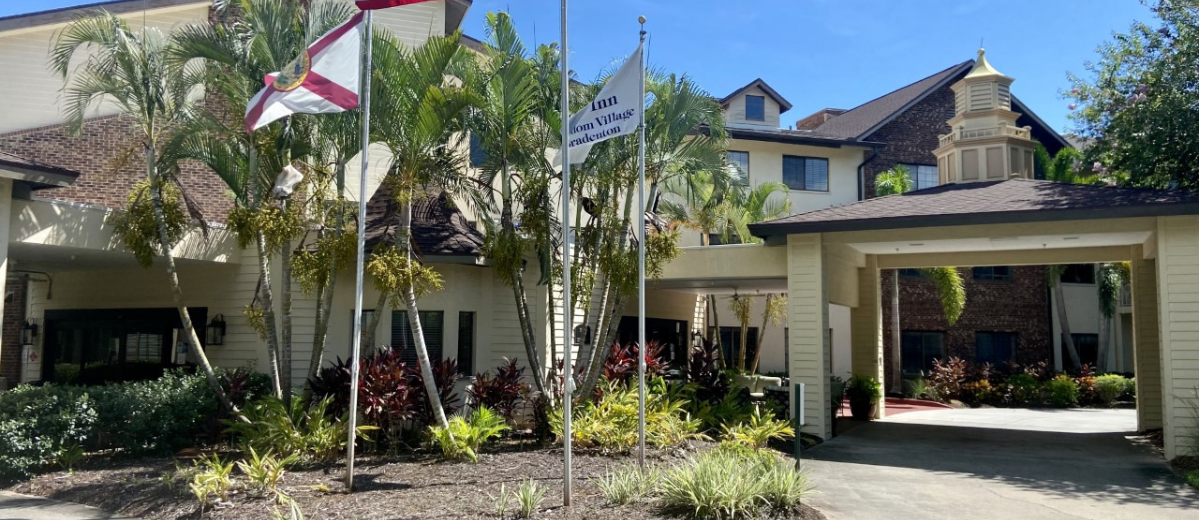
The Inn at Freedom Village of Bradenton
Skilled Nursing 6410 21st Avenue West, Bradenton, Florida, 34209The Inn at Freedom Village offers 24-hour skilled nursing care designed to provide advanced long-term care with the comfort and support of home. Here's what you or your loved one can expect from our skilled nursing services:Tailored care plans: Residents at The Inn at Freedom Village are treated as treasured family members, and our caring staff takes the time to develop personalized care plans tailored to individual needs. Whether for short-term or long-term stays, we anticipate needs and provide highly personalized care and transition support.Supportive environment: Residents receive care in a supportive environment where their comfort and well-being are prioritized. Our staff assists with activities of daily living, including bathing, dressing, grooming, and medication administration, ensuring residents' needs are met with compassion and dignity.Engaging activities: We encourage residents to stay engaged in activities appropriate for them, offering opportunities for socialization, recreation, and personal enrichment. Our beautifully landscaped gardens and grounds provide serene outdoor spaces for relaxation and enjoyment.Comprehensive amenities: Skilled nursing services and amenities include private or companion suites, all-inclusive monthly fees covering care, living, and dining costs, daily housekeeping and laundry service, and 24-hour nursing care. We also hold regular care meetings with residents and their families to ensure ongoing communication and support.At The Inn at Freedom Village, we are committed to providing compassionate and comprehensive skilled nursing care in a warm and welcoming environment. Our goal is to enhance the quality of life for each resident by meeting their individual needs with personalized care and support.

The Inn at Freedom Village of Bradenton
Assisted Living 6410 21st Avenue West, Bradenton, Florida, 34209Assistance with daily tasks. Companionship at just the right time. Someone you can trust, who brings a smile to your face. Assisted living gives you the freedom and flexibility to enjoy each day and live as independently as possible.THE RIGHT HELP MAKES ALL THE DIFFERENCE.Were proud to be recognized for our high standards for assisted living, earning first place in the 2021 Manatee Readers Choice Awards from the Herald-Tribune.When you want the best care in assisted living, count on the qualified professional help youll receive at Freedom Village of Bradenton. We collaborate with you to design a plan for your specific needs including bathing, dressing, grooming, medication management, and other activities of daily living. Because were a Life Plan Community, youll have the advantage of being able to transition seamlessly to other levels of care if needed.The cost of assisted living is covered by a monthly fee that includes a maintenance-free residence, personalized care, dining and more. Residents have access to all community services and amenities, such as fitness classes, chef-prepared dining, and a full-service salon and barbershop.We also offer respite care to give seniors and their caregivers a break from their usual routine. Seniors can receive the personalized care they need while they enjoy the vibrant lifestyle in our assisted living facility, allowing caregivers the time to rest or take care of other responsibilities. Reservations are required to book a short respite stay.