What’s Right For Me?
Center at Northridge, The
For more information about the author, click to view their website: The Center at Northridge
Jul 13, 2022
Colorado - Denver Metro

Email US
Click to Email Us
Hospital stays, planned or unplanned, are never a first choice for a vacation. Despite our desire to be relaxing on a beach or enjoying the mountains, you or someone you love will unfortunately end up spending time in a hospital. Once stable, hospital patients frequently say the same thing, “I just want to go home.”
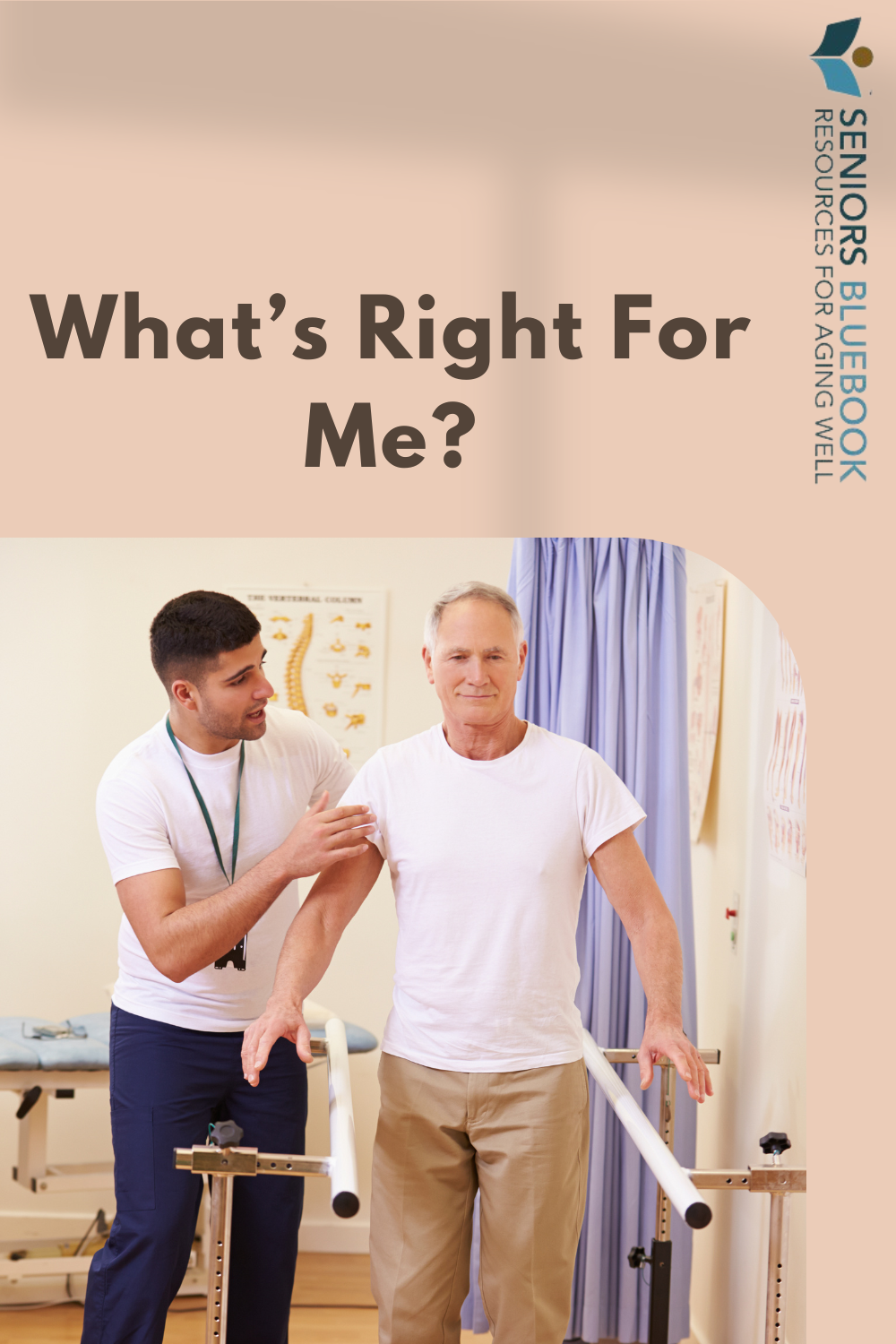
When you are in a hospital, your road home may be direct, or it may include a short detour to a short-term rehabilitation center/skilled nursing facility. Safety and function are two key points to consider when choosing the best road home.
Acute hospitals have the staff, equipment and expertise to care for unstable patients. The need for acute hospital care ends once the patient is stable. With advances in medicine, the amount of time needed to become “stable” is getting shorter and shorter. Families are often surprised at how fast their loved one discharges from the hospital. This is because stable patients are not always safe patients, which is a concern for both patients and families. If a patient is stable, but not safe to go home, they will most likely need additional time at a short-term rehabilitation center/skilled nursing facility to regain their safety. Physical function is another area needing consideration when deciding if going home is the right choice.
If the patient can independently perform basic “activities of daily living,” they will most likely go directly home. If they need help with these activities, a quick stay at a short-term rehabilitation center/skilled nursing facility is key. Examples of these basic activities are eating, drinking, using the restroom, transferring between positions such as, lying to sitting, sitting to standing, standing to sitting, and walking. These basic functions can be lost during an extended hospital stay. This is normal and easily remedied with a quick stay at a short-term rehabilitation center/skilled nursing facility. If you find yourself in a situation where your safety or function is keeping you from going home, remember that a stay at a short-term rehabilitation center/skilled nursing facility is exactly what you need. Your hospital case manager will help you navigate your road home. I highly recommend having someone tour at least three short-term rehabilitation centers/skilled nursing facilities on your behalf to find the one that fits your unique need.
Editor’s Note: This article was submitted by Troy Hamler, N.H.A. Troy Hamler is the Executive Director for The Center at Northridge and may be reached at 303-280-4444.
Other Articles You May Like
Physical Therapy for Mobility in Mobile, AL
Physical Therapy for Mobility in Mobile, ALRegaining mobility after an injury, surgery, or period of illness can take time. Activities that once felt effortless, such as walking, climbing stairs, or getting out of a chair, may become difficult when muscles are weak or joints are stiff.For older adults in Tillman's Corner and the surrounding Mobile area, physical therapy can provide a structured approach to improving everyday function.The Orthopaedic Group Therapy Tillman's Corner offers outpatient rehabilitation designed to address movement limitations, injuries, postoperative recovery, and spine-related concerns.Located in western Mobile County, the clinic provides a community-based rehabilitation option for people working toward greater mobility and independence.What Is Mobility-Focused Physical Therapy?Mobility-focused physical therapy addresses limitations affecting movement and daily activities.Therapists assess strength, balance, flexibility, walking patterns, and functional abilities.Treatment plans are individualized.Common Reasons for RehabilitationThese include:Difficulty walkingReduced balanceWeakness after injuryRecovery following surgeryJoint stiffnessArthritis-related limitationsPersistent back discomfortDifficulty standingReduced enduranceMovement-related painThe appropriate therapy depends on the underlying condition.Why Mobility Changes Affect Older AdultsMobility involves several physical abilities working together.Muscle strength supports standing and walking.Joint flexibility allows movement.Balance and coordination help prevent instability.When one area becomes limited, everyday tasks may become harder.Reduced StrengthWeak muscles may make standing and climbing stairs difficult.Joint PainArthritis or injuries may affect walking patterns.Balance ProblemsInstability can reduce confidence.InactivityExtended inactivity may contribute to declining endurance and strength.The Orthopaedic Group Therapy Tillman's CornerThe Orthopaedic Group operates a physical therapy location on Highway 90 in Tillman's Corner.The clinic offers rehabilitation services through the practice's therapy department.Its certified therapists provide conservative injury treatment, preoperative and postoperative treatment, and spine care and management.Orthopedic RehabilitationTherapy addresses appropriate conditions involving bones, joints, muscles, and movement.Postoperative TherapyPatients recovering from orthopedic procedures may need strengthening and movement training.Spine RehabilitationCertain back and neck problems may benefit from individualized therapy.Occupational TherapyThe practice lists occupational therapy services across selected therapy clinics, including Tillman's Corner.These services may address functional activities and upper-extremity concerns.Verified Tillman's Corner LocationThe Orthopaedic Group Therapy Tillman's CornerAddress: 5201 Highway 90 West, Suite A, Mobile, AL 36619Phone: 251-450-1280Website: https://www.theorthogroup.comThe official current locations directory identifies this address for the Tillman's Corner therapy clinic.Why Physical Therapy Matters in Western Mobile CountyTillman's Corner serves residents in the southern and western portions of the Mobile area.Older adults may need transportation to healthcare appointments, shopping, family events, and other activities.When mobility becomes difficult, maintaining independence can require additional support.Convenient Rehabilitation AccessA neighborhood therapy location may make regular appointments easier to coordinate.Supporting Family CaregiversTherapists may educate families about appropriate movement precautions and home exercises.Maintaining Everyday FunctionRehabilitation may help patients improve strength and mobility for tasks such as walking, standing, and transferring.Physical Therapy After HospitalizationSome older adults experience weakness after a hospital stay.Extended inactivity, illness, or surgery may reduce strength and endurance.A medical provider can determine whether outpatient physical therapy is appropriate.Rebuilding StrengthTherapeutic exercise may help address muscle weakness.Walking TrainingPatients may work on walking mechanics and endurance.Functional TransfersTherapy may include standing from a chair or moving safely between positions.Balance TrainingSome patients need additional work on stability and coordination.Rehabilitation After Orthopedic SurgeryFollowing certain surgeries, physical therapy may help restore appropriate function.The program depends on the procedure and medical restrictions.Patients should follow the surgeon's instructions.Joint Replacement RecoveryRehabilitation may address strength, movement, and walking.Shoulder Surgery RecoverySome procedures require movement restrictions during early healing.Fracture RecoveryRehabilitation may begin when medically appropriate.Improving Mobility at HomeHome environments can influence everyday movement.Families may consider:Clear walking pathsAdequate lightingStable furnitureAppropriate footwearSafe bathroom arrangementsProperly fitted mobility equipmentA healthcare professional can recommend changes based on the patient's needs.The Importance of Home Exercise ProgramsPhysical therapy often involves exercises between appointments.These should be performed according to the therapist's recommendations.Follow the Prescribed PlanAvoid adding difficult exercises without guidance.Monitor SymptomsReport worsening pain, dizziness, or other concerning changes.Track Functional ProgressProgress may involve walking farther, standing more easily, or completing familiar tasks with greater confidence.When Mobility Problems Need Medical AttentionSudden weakness, inability to walk, severe pain, or new neurological symptoms may require urgent evaluation.Physical therapy should not replace appropriate medical assessment.Patients should also discuss persistent or worsening limitations with their healthcare provider.Expert Tip for Mobility RecoveryExpert Tip: Focus rehabilitation goals on the activities you want to regain. Walking to the mailbox, getting into a vehicle, or standing to prepare a meal can provide meaningful ways to measure improvement.How to Get Started With Physical Therapy in Tillman's CornerStep 1: Identify Mobility ConcernsWrite down which activities have become difficult.Step 2: Speak With a Healthcare ProviderDiscuss symptoms and whether therapy is appropriate.Step 3: Contact The Orthopaedic Group TherapyCall 251-450-1280 to ask about scheduling.Step 4: Verify Referral and Insurance RequirementsConfirm the necessary documentation and applicable costs.Step 5: Participate in the Treatment PlanAttend therapy sessions and complete appropriate home exercises.Frequently Asked Questions About Mobility Rehabilitation1. Can physical therapy improve walking ability?It may improve strength, balance, and walking function for appropriate patients.2. Is physical therapy helpful after hospitalization?Some patients benefit from rehabilitation to address weakness and reduced mobility.3. Does The Orthopaedic Group have a clinic in Tillman's Corner?Yes. Its official locations directory lists the therapy office at 5201 Highway 90 West, Suite A.4. Can older adults benefit from strength training?Many older adults can improve strength through appropriately designed exercise programs.5. How can patients schedule physical therapy?Contact The Orthopaedic Group's therapy department at 251-450-1280.Take the Next Step Toward Greater MobilityMobility supports independence, confidence, and meaningful daily activities.When injury, surgery, or illness creates physical limitations, appropriate rehabilitation may help patients regain function.The Orthopaedic Group Therapy Tillman's Corner provides outpatient rehabilitation for residents of western Mobile County.Contact the clinic to discuss available services and take an informed step toward improving everyday movement.Featured ProviderThe Orthopaedic Group Therapy Tillman's CornerCategory: Physical TherapyAddress: 5201 Highway 90 West, Suite A, Mobile, AL 36619Phone: 251-450-1280Explore more on SeniorsBlueBook.com.
Physical Therapy for Back Pain in Semmes, AL
Physical Therapy for Back Pain in Semmes, ALBack pain can make ordinary routines difficult. Sitting for long periods, lifting groceries, walking, and completing household chores may become uncomfortable when muscles or spinal structures are irritated.For older adults in Semmes, Alabama, persistent back pain can interfere with independence and daily activities.Physical therapy offers a structured approach to evaluating movement limitations and improving strength, flexibility, and physical function.The Orthopaedic Group Therapy Semmes provides outpatient rehabilitation for people recovering from injuries, orthopedic procedures, and certain spine-related conditions.For residents of western Mobile County, access to local physical therapy may help make rehabilitation more practical.Understanding Back PainBack pain can develop for several reasons.Some episodes involve muscles and soft tissues. Others may be associated with arthritis, disc problems, or nerve irritation.Common CausesThese include:Muscle strainJoint stiffnessOsteoarthritisDisc-related conditionsPoor activity tolerancePrevious injuriesCertain spinal disordersReduced muscle strengthA medical professional can determine whether additional evaluation is needed.What Is Physical Therapy for Back Pain?Physical therapy focuses on improving movement and functional abilities.A therapist may evaluate posture, strength, flexibility, walking patterns, and activities affected by pain.Treatment is tailored to the individual.Therapeutic ExerciseAppropriate exercises may improve strength and mobility.Movement EducationPatients may learn ways to perform everyday tasks with less unnecessary strain.Functional TrainingTreatment may address standing, walking, lifting, or changing positions.Spine ManagementCertain spinal conditions require specific rehabilitation approaches.The Orthopaedic Group Therapy SemmesThe Orthopaedic Group operates a physical therapy clinic on Moffett Road in Semmes.Its certified therapists provide conservative injury treatment, preoperative and postoperative therapy, and spine care and management.The practice identifies physical and occupational therapy services at the Semmes location.Spine RehabilitationPatients with appropriate back or neck conditions may receive individualized treatment.Conservative Injury TreatmentSome musculoskeletal injuries can be treated with rehabilitation rather than surgery.Postoperative RecoveryTherapy may support strength and movement following orthopedic procedures.Occupational TherapyThe practice's occupational therapists focus on functional recovery, including selected upper-extremity conditions.Verified Semmes LocationThe Orthopaedic Group Therapy SemmesAddress: 7930-B Moffett Road, Semmes, AL 36575Phone: 251-450-1280Website: https://www.theorthogroup.comPatients should call to confirm current office hours and appointments.Why Physical Therapy Matters in SemmesSemmes is located in western Mobile County and serves residents of nearby communities, including Wilmer and surrounding areas.For patients needing recurring rehabilitation appointments, having care within the community can be helpful.Improving AccessLocal outpatient therapy may reduce travel requirements.Supporting Everyday ActivitiesBack pain may interfere with household responsibilities, shopping, and mobility.Supporting RecoveryTherapists can help patients understand appropriate movement strategies and treatment goals.Why Avoiding All Activity May Not HelpPeople experiencing back discomfort sometimes stop moving because they fear worsening the problem.Rest may be appropriate during certain acute episodes, but extended inactivity can contribute to weakness.A healthcare professional can explain which activities are safe.Gradual MovementAppropriate walking and therapeutic exercise may help some patients.StrengtheningMuscles supporting the trunk, hips, and legs contribute to functional movement.Activity ModificationChanging how tasks are performed may reduce unnecessary strain.When Back Pain Requires Urgent EvaluationSeek prompt medical assessment for serious symptoms.These may include:New loss of bladder or bowel controlProgressive leg weaknessNumbness around the groinSevere pain following traumaFever with concerning spinal symptomsSuch symptoms should not be treated through exercises alone.Building a Practical Recovery PlanA physical therapist may help patients establish goals based on everyday activities.Improve Standing ToleranceSome patients need to build strength and endurance for household tasks.Practice WalkingAppropriate walking programs may support function.Learn Safe Lifting TechniquesMovement education can help patients manage routine activities.Develop Home ExercisesPrescribed exercises support progress between appointments.What to Expect During an EvaluationThe therapist reviews symptoms, medical history, and physical limitations.Assessment may involve movement, strength, posture, and neurological screening as appropriate.The treatment plan is based on findings and personal goals.Patients should report worsening symptoms or unexpected changes.Expert Tip for Back PainExpert Tip: Before your appointment, identify which positions make your back feel better or worse. Changes with sitting, standing, walking, or bending can provide useful information during the evaluation.How to Get Started With Physical Therapy in SemmesStep 1: Discuss Persistent SymptomsContact a healthcare professional about ongoing pain or mobility concerns.Step 2: Contact The Orthopaedic Group TherapyCall 251-450-1280.Step 3: Confirm Referral RequirementsAsk about current scheduling and physician referral procedures.Step 4: Review InsuranceVerify therapy coverage and applicable costs.Step 5: Participate in RehabilitationFollow treatment instructions and attend appropriate sessions.Frequently Asked Questions About Back Pain Therapy1. Can physical therapy help chronic back pain?It may improve movement and function for many people with musculoskeletal back pain.2. Does back pain always require imaging?No. Imaging decisions depend on medical history, symptoms, and examination findings.3. Does The Orthopaedic Group have a therapy clinic in Semmes?Yes. The practice lists its therapy location on Moffett Road.4. Can seniors perform strengthening exercises?Many older adults can benefit from appropriate strengthening under professional guidance.5. Does Medicare cover outpatient physical therapy?Medicare may cover medically necessary services when applicable requirements are met.Find Support for Better Movement in SemmesBack pain can interfere with daily life, but appropriate rehabilitation may help patients improve movement and activity tolerance.The Orthopaedic Group Therapy Semmes provides outpatient treatment within western Mobile County.Contact the clinic to discuss available therapy services and scheduling.Featured ProviderThe Orthopaedic Group Therapy SemmesCategory: Physical TherapyAddress: 7930-B Moffett Road, Semmes, AL 36575Phone: 251-450-1280Explore more on SeniorsBlueBook.com.
Physical Therapy for Joint Pain in Saraland, AL
Physical Therapy for Joint Pain in Saraland, ALPersistent joint pain can interfere with walking, working, sleeping, and enjoying everyday activities.For older adults in Saraland, Alabama, knee stiffness, shoulder discomfort, back pain, or muscle weakness may gradually reduce independence.Although some symptoms improve with rest, ongoing movement problems often deserve professional evaluation.Physical therapy offers a structured approach to improving strength, flexibility, movement, and functional abilities.The Orthopaedic Group Therapy Saraland provides outpatient rehabilitation at the same location as The Orthopaedic Group's Saraland orthopedic clinic.This arrangement supports communication between medical providers and therapists, particularly when patients need coordinated orthopedic treatment.What Is Physical Therapy for Joint Pain?Physical therapy addresses movement-related limitations.A therapist evaluates symptoms, strength, flexibility, posture, and functional movement.Treatment is based on individual findings rather than a standard exercise program.Common Reasons for TherapyThese may include:Knee painHip discomfortShoulder stiffnessArthritisBack painMuscle weaknessPostoperative limitationsDifficulty walkingReduced joint mobilityMovement-related injuriesWhy Joint Pain Affects Daily ActivitiesJoints are involved in nearly every movement.Pain may cause people to adjust how they walk, stand, or lift objects.These changes can place additional demands on other muscles and joints.Reduced ActivitySome patients become less active to avoid discomfort.WeaknessLimited movement may contribute to reduced strength.Balance ChangesPain or instability can affect walking confidence.Functional LimitationsPatients may struggle with stairs, transfers, or household activities.Physical therapy can help address selected limitations.The Orthopaedic Group Therapy SaralandThe Orthopaedic Group operates physical therapy at 106 Saraland Loop.The practice has announced that its orthopedic specialists and therapy staff now share the same facility.Its physical therapists provide conservative injury treatment, preoperative and postoperative rehabilitation, and spine-related care.Orthopedic RehabilitationTherapy may be appropriate for muscle, bone, joint, and movement-related conditions.Postoperative RecoveryPatients recovering from orthopedic surgery may need strengthening and functional training.Conservative TreatmentSome injuries and joint problems can be managed without surgery.Spine RehabilitationThe therapy department addresses selected spine-related conditions.Provider CoordinationPhysicians and therapists can communicate about restrictions, diagnoses, and rehabilitation progress.Verified Saraland Therapy LocationThe Orthopaedic Group Therapy SaralandAddress: 106 Saraland Loop, Saraland, AL 36571Phone: 251-450-1280Orthopedic Appointments: 251-476-5050Website: https://www.theorthogroup.comPublished therapy office hours are Monday through Friday, 8:00 AM to 5:00 PM.Why Physical Therapy Matters in Saraland and Mobile CountySaraland serves residents in northern Mobile County.For older adults, having physical therapy close to home can make multiple appointments easier to manage.Consistent RehabilitationSome conditions require ongoing therapy.A local clinic may reduce the travel burden.Coordinated Orthopedic SupportHaving orthopedic and therapy services together may simplify care transitions.Supporting IndependenceAppropriate rehabilitation may improve the ability to walk, stand, and complete everyday activities.Physical Therapy for Knee ArthritisKnee arthritis can affect walking, stairs, and standing.Treatment may involve strengthening muscles around the knee and hip, improving flexibility, and practicing appropriate movement.StrengtheningMuscles help support joint stability.Functional TrainingPatients may practice sitting, standing, and walking.Activity PlanningTherapists can help patients develop manageable activity routines.Physical Therapy for Shoulder PainShoulder problems may interfere with dressing, reaching, and lifting.The appropriate program depends on the underlying condition.Therapy may focus on movement, strengthening, and functional activities.Certain injuries require specific restrictions.Rehabilitation After SurgeryPostoperative therapy follows instructions from the surgeon.Goals may include restoring movement, rebuilding strength, and returning to appropriate activities.Patients should understand restrictions and report worsening symptoms.The Role of Home ExercisesTherapists may recommend exercises outside the clinic.These are selected based on the evaluation and treatment plan.Patients should avoid adding challenging movements without guidance.Tracking ImprovementProgress may involve:Increased walking distanceEasier standingImproved joint movementGreater confidenceBetter tolerance for household activitiesExpert Tip for Joint RehabilitationExpert Tip: Tell your therapist about the daily activity you most want to improve. A practical goal, such as climbing stairs comfortably or reaching into a cupboard, can make rehabilitation more relevant to everyday life.How to Get Started With Therapy in SaralandStep 1: Discuss SymptomsSpeak with an orthopedic or other appropriate healthcare provider.Step 2: Contact the Therapy DepartmentCall 251-450-1280.Step 3: Confirm Referral RequirementsAsk about The Orthopaedic Group's current physician referral process.Step 4: Verify InsuranceReview coverage, authorization, and possible costs.Step 5: Begin Your ProgramAttend the evaluation and follow treatment instructions.Frequently Asked Questions About Joint Physical Therapy1. Can physical therapy improve arthritis symptoms?It may improve movement and function for many people with arthritis.2. Are orthopedic services and physical therapy at the same Saraland address?Yes. Both are listed at 106 Saraland Loop.3. Is physical therapy appropriate after surgery?It often forms part of postoperative care when prescribed.4. Can therapy help shoulder stiffness?Certain shoulder conditions may benefit from appropriate mobility and strengthening exercises.5. Does Medicare cover joint rehabilitation?Medically necessary outpatient physical therapy may be covered under Medicare Part B, subject to applicable rules.Support Better Movement in SaralandJoint pain does not have to be addressed without guidance.Appropriate physical therapy may help patients improve strength, movement, and functional confidence.The Orthopaedic Group Therapy Saraland provides coordinated rehabilitation within its local orthopedic facility.Contact the therapy department to learn about available appointments.Featured ProviderThe Orthopaedic Group Therapy SaralandCategory: Physical TherapyAddress: 106 Saraland Loop, Saraland, AL 36571Phone: 251-450-1280Explore more on SeniorsBlueBook.com.
Local Services By This Author

Center at Northridge, The
Rehabilitation Facilities 12285 North Pecos Street, Westminster, Colorado, 80234The Center at Northridge serves patients needing physical rehabilitation and/or complex nursing care. Our highly qualified, caring staff provide care in a beautiful, hotel-like atmosphere to help our patients achieve strength and functionality. Skilled-nursing care, family involvement, psychological care and discharge planning complement a well-rounded, individualized program and encourage each patient's transition to their highest functional level.With state-of-the-art equipment and unparalleled comfort and amenities, our physician-driven care plan is designed to maximize the quality of our care.

Center at Northridge, The
Skilled Nursing 12285 North Pecos Street, Westminster, Colorado, 80234The Center at Northridge serves patients needing physical rehabilitation and/or complex nursing care. Our highly qualified, caring staff provide care in a beautiful, hotel-like atmosphere to help our patients achieve strength and functionality. Skilled-nursing care, family involvement, psychological care and discharge planning complement a well-rounded, individualized program and encourage each patient's transition to their highest functional level.With state-of-the-art equipment and unparalleled comfort and amenities, our physician-driven care plan is designed to maximize the quality of our care.