
PHONE
Click to View NumberSee More
Additional Services Offered
Center At Northridge, The
Skilled Nursing 12285 North Pecos Street, Adams County, Westminster, Colorado, 80234The Center at Northridge serves patients needing physical rehabilitation and/or complex nursing care. Our highly qualified, caring staff provide care in a beautiful, hotel-like atmosphere to help our patients achieve strength and functionality. Skilled-nursing care, family involvement, psychological care and discharge planning complement a well-rounded, individualized program and encourage each patient~s transition to their highest functional level.With state-of-the-art equipment and unparalleled comfort and amenities, our physician-driven care plan is designed to maximize the quality of our care.
Continue Your Search! Explore More Local Options.
Start SearchingLet’s engage and get educated!
Browse through thousands of expert articles in over 100 different categories.
Browse NowArticles You May Like
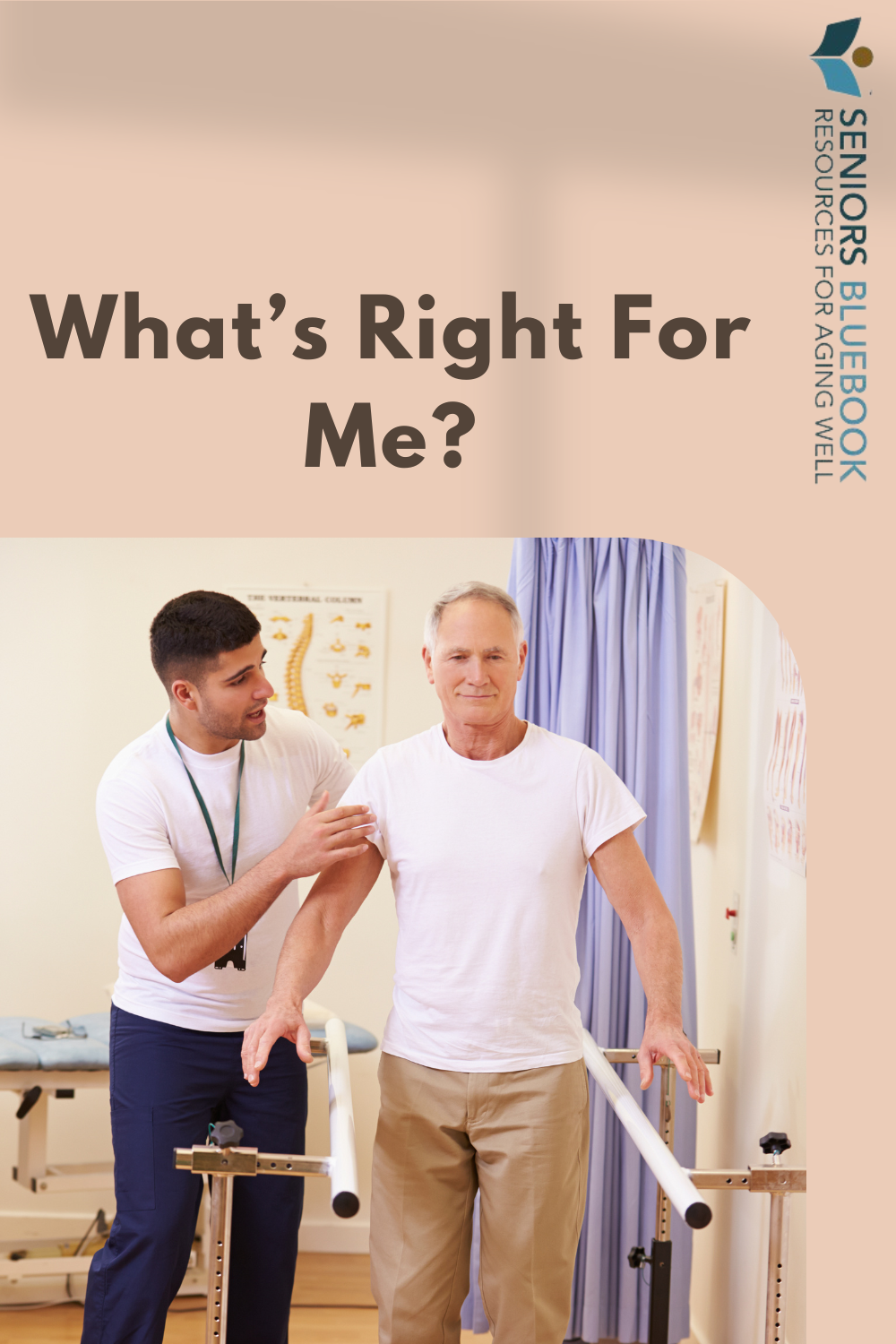
Whats Right For Me?
Hospital stays, planned or unplanned, are never a first choice for a vacation. Despite our desire to be relaxing on a beach or enjoying the mountains, you or someone you love will unfortunately end up spending time in a hospital. Once stable, hospital patients frequently say the same thing, I just want to go home. When you are in a hospital, your road home may be direct, or it may include a short detour to a short-term rehabilitation center/skilled nursing facility. Safety and function are two key points to consider when choosing the best road home.Acute hospitals have the staff, equipment and expertise to care for unstable patients. The need for acute hospital care ends once the patient is stable. With advances in medicine, the amount of time needed to become stable is getting shorter and shorter. Families are often surprised at how fast their loved one discharges from the hospital. This is because stable patients are not always safe patients, which is a concern for both patients and families. If a patient is stable, but not safe to go home, they will most likely need additional time at a short-term rehabilitation center/skilled nursing facility to regain their safety. Physical function is another area needing consideration when deciding if going home is the right choice. If the patient can independently perform basic activities of daily living, they will most likely go directly home. If they need help with these activities, a quick stay at a short-term rehabilitation center/skilled nursing facility is key. Examples of these basic activities are eating, drinking, using the restroom, transferring between positions such as, lying to sitting, sitting to standing, standing to sitting, and walking. These basic functions can be lost during an extended hospital stay. This is normal and easily remedied with a quick stay at a short-term rehabilitation center/skilled nursing facility. If you find yourself in a situation where your safety or function is keeping you from going home, remember that a stay at a short-term rehabilitation center/skilled nursing facility is exactly what you need. Your hospital case manager will help you navigate your road home. I highly recommend having someone tour at least three short-term rehabilitation centers/skilled nursing facilities on your behalf to find the one that fits your unique need. Editors Note: This article was submitted by Troy Hamler, N.H.A. Troy Hamler is the Executive Director for The Center at Northridge and may be reached at 303-280-4444.
Jul 13, 2022
Questions to Ask of a Skilled Nursing Rehabilitation Center
What is a Skilled Nursing Rehabilitation Facility? It is a short-term rehabilitation facility where stable patients go after a hospital stay. The stay is intended to help people get stronger, practice independence and prepare for returning home.What do I need to bring to a Skilled Nursing Rehabilitation Facility?Patients should bring enough comfortable clothing for one week. Please bring shoes that are comfortable and allow for walking if appropriate. Patients should also bring anything that could make their stay here more comfortable: examples: robe, favorite blanket, pajamas, pictures of family, books, puzzles, etc (please do not bring valuables)How often will I see a doctor?This depends on the medical need of the patient and the physician group. Unlike the hospital, you will most likely not see a doctor every day. You will see a Doctor, Physician's Assistant, or Nurse Practitioner within 72 hours of admitting, and as needed after that initial visit. Doctors are not in the building 24/7. Physician groups have a triage line that nursing can call 24/7 if necessary. The doctors typically do not work for the rehabilitation center. They belong to independent physician groups and manage the medical care of the patients.How much therapy will I receive during my stay?This is different for each patient. The therapy department creates an individualized treatment plan for every patient. Therapy is hard work for patients, and proper rest is equally important. If you would like additional therapy, please discuss this with your therapist. Rehabilitation centers typically offer therapy 7 days per week. Who pays for the stay at a skilled nursing facility?Each patient is ultimately responsible for their stay. Typically, insurance pays for all or most of your stay. Every person has different insurance, so it is up to you to provide your insurance information so the center can determine what they will and won't pay.What happens when my insurance stops paying for my stay? At some point your insurance company will stop paying for your stay. Regular updates are sent to your insurance company, and they use that information to determine when they stop paying. When your insurance stops paying for your stay, you will receive as much notice as possible, at a minimum you will receive written notice three days prior to this happening. This will allow for you to finalize other arrangements. Patients either discharge from the rehabilitation facility or they pay privately to continue their short stay.When can I go home?There are four main factors that go into setting an appropriate discharge date. 1. The physician is monitoring your medical condition to make sure you are stable enough to go home. 2. The therapy team is working with you to meet your desired goals and to prepare you for a safe return home. 3. The nursing staff is monitoring and assessing your health and ability to perform daily tasks. 4. Your case manager is working with outside service providers to ensure you have everything you need in place at home for a successful discharge. But ultimately, your stay at a Skilled Nursing Rehabilitation facility is a voluntary stay. As such, you are free to go home when you choose.Editor's Note: This article was submitted by the Executive Director at The Center at Northridge and may be reached at 303-280-4444
May 07, 2021
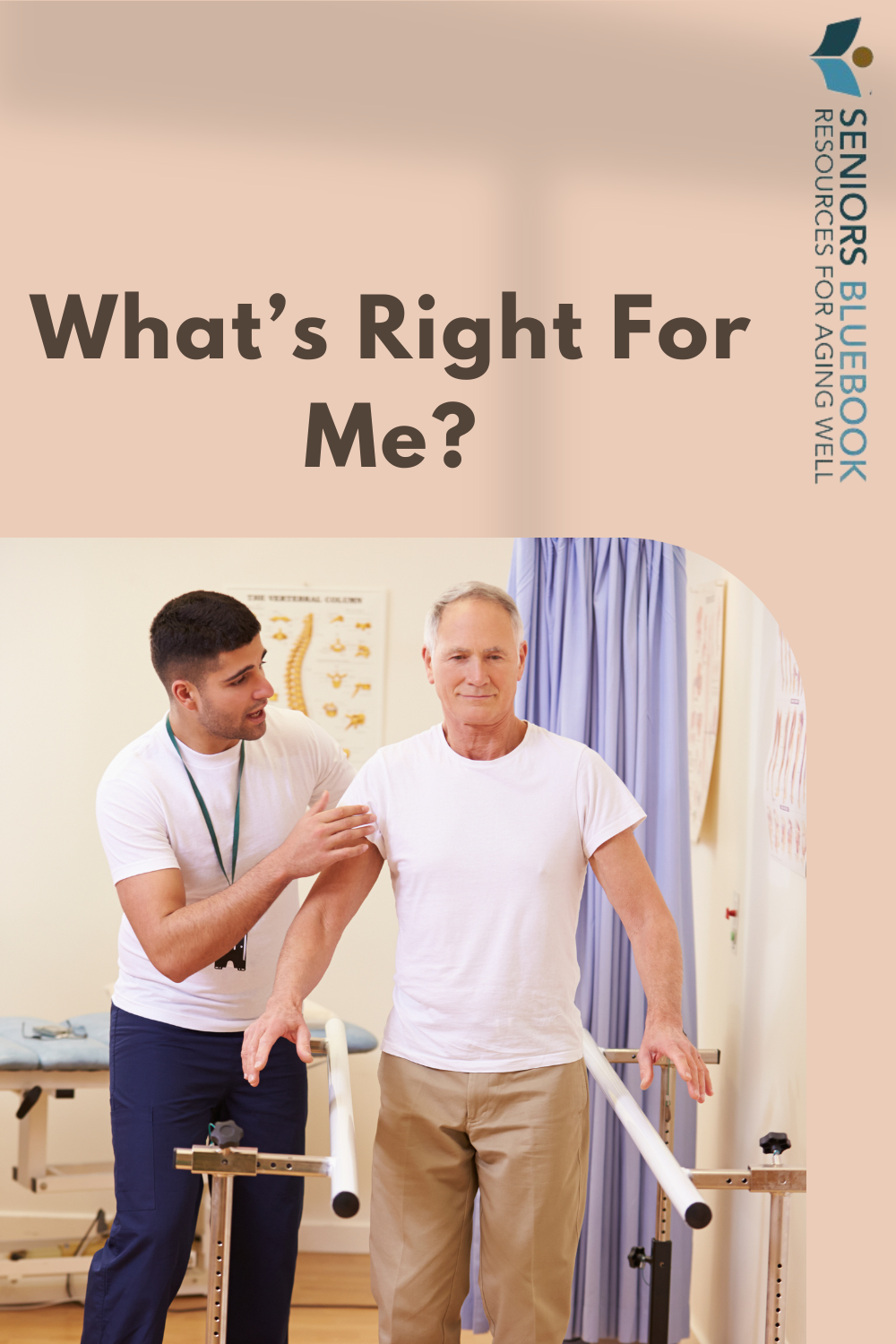
Whats Right For Me?
Hospital stays, planned or unplanned, are never a first choice for a vacation.Despite our desire to be relaxing on a beach or enjoying the mountains, you or someone you love will unfortunately end up spending time in a hospital. Once stable, hospital patients frequently say the same thing, I just want to go home. When you are in a hospital, your road home may be direct or it may include a short detour to a short-term rehabilitation center/skilled nursing facility. Safety and function are two key points to consider when choosing the best road home.Acute hospitals have the staff, equipment and expertise to care for unstable patients. The need for acute hospital care ends once the patient is stable. With advances in medicine, the amount of time needed to become stable is getting shorter and shorter. Families are often surprised at how fast their loved one discharges from the hospital. This is because stable patients are not always safe patients, which is a concern for both patients and families. If a patient is stable, but not safe to go home, they will most likely need additional time at a short-term rehabilitation center/skilled nursing facility to regain their safety.Physical function is another area needing consideration when deciding if going home is the right choice. If the patient can independently perform basic activities of daily living, they will most likely go directly home. If they need help with these activities, a quick stay at a short-term rehabilitation center/skilled nursing facility is key. Examples of these basic activities are; eating, drinking, using the restroom, transferring between positions such as, lying to sitting, sitting to standing, standing to sitting, and walking. These basic functions can be lost during an extended hospital stay. This is normal and easily remedied with a quick stay at a short-term rehabilitation center/skilled nursing facility.If you find yourself in a situation where your safety or function is keeping you from going home, remember that a stay at a short-term rehabilitation center/skilled nursing facility is exactly what you need. Your hospital case manager will help you navigate your road home. I highly recommend having someone tour at least three short-term rehabilitation centers/skilled nursing facilities on your behalf to find the one that fits your unique need.This article was submitted by Troy Hamler, N.H.A. Troy Hamler is the Executive Director for The Center at Northridge and may be reached at 303-280-4444.
Apr 03, 2018
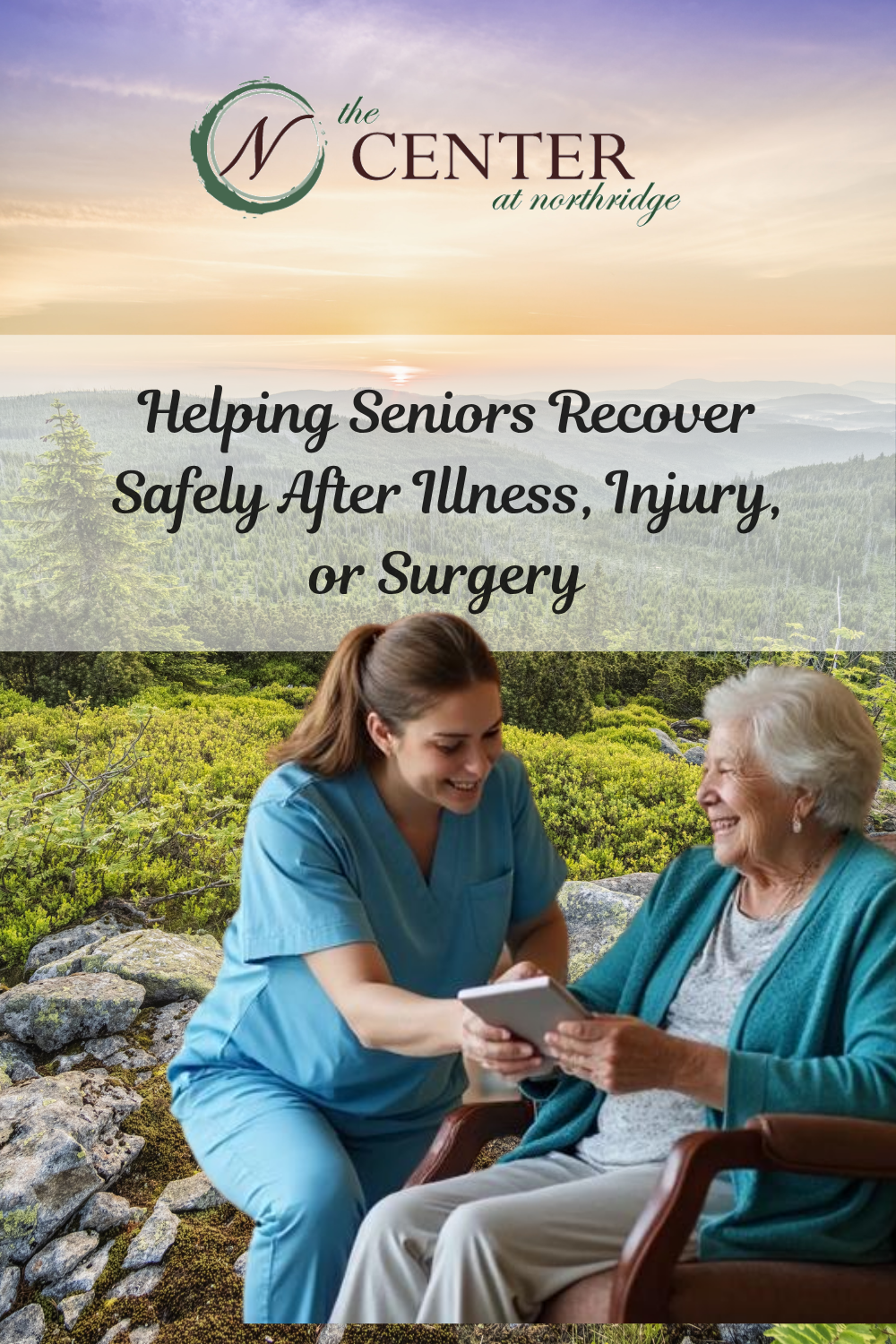
Helping Seniors Recover Safely After Illness, Injury, or Surgery
Helping Seniors Recover Safely After Illness, Injury, or SurgeryWhen an older adult experiences a serious illness, fall, surgery, or hospitalization, recovery often involves much more than simply leaving the hospital. Many seniors require additional medical care, rehabilitation, and support before they can safely return home and resume daily routines.For families in Westminster, navigating post-hospital recovery can feel overwhelming. Questions about rehabilitation, nursing care, safety, and long-term recovery often arise quickly during an already stressful time.Skilled nursing communities provide an essential bridge between hospital treatment and independent living by offering medical supervision, therapy services, and personalized care focused on healing and rebuilding strength.The Center at Northridge helps seniors recover in a supportive environment designed to promote safety, rehabilitation, and quality of life while helping families feel informed and reassured throughout the process.As Westminster and the surrounding north metro Denver communities continue growing, the demand for compassionate skilled nursing and rehabilitation services continues to rise.What Skilled Nursing Care ProvidesSkilled nursing care offers medical oversight and rehabilitation support for individuals recovering from illness, injury, or surgery, as well as those managing complex medical conditions.Unlike traditional assisted living or non-medical home care, skilled nursing includes care from licensed healthcare professionals.Services often include: 24-hour nursing care Medication management Wound care IV therapy Physical therapy Occupational therapy Speech therapy Pain management Post-surgical recovery support Chronic illness monitoring Some residents stay temporarily while recovering after hospitalization, while others may require longer-term skilled care depending on their medical needs.Why Recovery After Hospitalization Requires Specialized SupportHospital treatment focuses on stabilizing medical conditions, but seniors are not always fully ready to return home immediately after discharge.Many older adults leave the hospital experiencing: Weakness and fatigue Reduced mobility Balance problems Pain or stiffness Difficulty with daily activities Increased fall risk Without proper rehabilitation and nursing support, these issues can increase the likelihood of complications or hospital readmission.Recovery takes time, patience, and individualized support, says Melissa Blaydes of The Center at Northridge. Our goal is to help residents regain confidence and strength while ensuring they receive compassionate care throughout the healing process.Skilled nursing communities help residents focus on recovery in a safe and supportive environment.Physical Therapy Helps Seniors Regain MobilityPhysical therapy is often one of the most important aspects of rehabilitation.Therapists work closely with residents to improve: Walking ability Strength and endurance Balance and coordination Joint mobility Fall prevention Safe transfer techniques For Westminster seniors who enjoy Colorados active lifestyle, mobility recovery can significantly improve emotional wellness and independence.Therapy plans are personalized to match each residents medical condition, physical abilities, and recovery goals.Occupational Therapy Supports Daily Living SkillsAfter illness or surgery, many seniors struggle with activities they once handled independently.Occupational therapy helps residents safely rebuild skills related to: Bathing Dressing Grooming Meal preparation Bathroom safety Adaptive equipment use Therapists may also recommend home modifications that help reduce safety risks after discharge.These practical skills are essential for helping seniors transition back home successfully.Speech Therapy Supports Communication and Cognitive RecoverySpeech therapy is often beneficial for seniors recovering from strokes, neurological conditions, or surgeries that affect communication or swallowing.Speech-language pathologists may help residents with: Swallowing safety Communication skills Memory support Cognitive exercises Problem-solving skills These therapies can improve both safety and confidence during recovery.Emotional Wellness Plays a Major Role in HealingRecovery after hospitalization can be emotionally difficult.Seniors may experience: Anxiety about returning home Fear of falling again Frustration with physical limitations Depression or loneliness Loss of confidence Compassionate skilled nursing communities support emotional wellness alongside physical rehabilitation.Residents often benefit from: Encouragement from caregivers Structured routines Social interaction Recreational activities Family communication and involvement Emotional support often improves overall motivation and rehabilitation success.Westminster Seniors Benefit from Local Recovery ResourcesWestminster offers older adults convenient access to healthcare providers, community resources, and family-centered neighborhoods throughout Adams and Jefferson counties.Many seniors in Westminster value remaining close to: Family members Familiar healthcare providers Community organizations Longtime neighborhoods Choosing skilled nursing care locally can make recovery easier by simplifying family visits, medical coordination, and emotional support during rehabilitation.Nutrition Supports Healing and RecoveryNutrition plays a critical role in helping seniors recover after illness or surgery.Residents in skilled nursing care may require: Increased protein intake Hydration monitoring Specialized diets Nutritional support for healing Dining teams and nursing staff work together to ensure residents receive balanced meals that support energy, recovery, and therapy participation.Questions Families Should Ask During a Skilled Nursing TourFamilies choosing skilled nursing care should ask thoughtful questions about rehabilitation services and care quality.Helpful questions include: What therapies are offered onsite? How often do residents receive therapy? What nursing coverage is available? How are care plans personalized? How are families updated on progress? What discharge planning services are available? What safety measures are in place? Touring communities in person allows families to evaluate cleanliness, staff interaction, therapy spaces, and overall atmosphere.When Skilled Nursing May Be the Right ChoiceSkilled nursing care may benefit seniors recovering from: Joint replacement surgery Stroke Falls and fractures Cardiac events Pneumonia or infections Extended hospitalization Neurological conditions Families should work closely with physicians and hospital discharge planners to determine the most appropriate recovery setting.Recovery with Compassion and Professional SupportHealing after illness or injury requires skilled care, rehabilitation support, and compassionate encouragement.The right skilled nursing environment can help seniors regain strength, restore confidence, and safely return to everyday life with greater independence.Families in Westminster seeking rehabilitation and skilled nursing support are encouraged to learn more about The Center at Northridge and their personalized approach to post-hospital recovery care.Visit their Seniors Blue Book listing today to explore local resources and connect with their care team.Frequently Asked QuestionsWhat is skilled nursing care?Skilled nursing provides medical supervision and rehabilitation services for individuals recovering from illness, injury, or surgery.Is skilled nursing temporary?Often, yes. Many residents stay short-term while recovering after hospitalization.What rehabilitation therapies are available?Most skilled nursing communities provide physical, occupational, and speech therapy services.Can seniors return home after rehabilitation?Yes. Many residents regain enough strength and independence to safely transition home.Are family members involved in care planning? Absolutely. Family communication and participation are encouraged throughout recovery.
May 13, 2026

Top 7 Frequently Asked Questions at a Skilled Nursing Rehabilitation Center
What is a Skilled Nursing Rehabilitation Facility? It is a short-term rehabilitation facility where stable patients go after a hospital stay. The stay is intended to help people get stronger, practice independence and prepare for returning home.What do I need to bring to a Skilled Nursing Rehabilitation Facility?Patients should bring enough comfortable clothing for one week. Please bring shoes that are comfortable and allow for walking if appropriate. Patients should also bring anything that could make their stay here more comfortable: examples: robe, favorite blanket, pajamas, pictures of family, books, puzzles, etc (please do not bring valuables)How often will I see a doctor?This depends on the medical need of the patient and the physician group. Unlike the hospital, you will most likely not see a doctor every day. You will see a Doctor, Physicians Assistant, or Nurse Practitioner within 72 hours of admitting, and as-needed after that initial visit. Doctors are not in the building 24/7. Physician groups have a triage line that nursing can call 24/7 if necessary. The doctors typically do not work for the rehabilitation center. They belong to independent physician groups and manage the medical care of the patients.How much therapy will I receive during my stay?This is different for each patient. The therapy department creates an individualized treatment plan for every patient. Therapy is hard work for patients, and proper rest is equally important. If you would like additional therapy, please discuss this with your therapist. Rehabilitation centers typically offer therapy 7 days per week. Who pays for the stay at a skilled nursing facility?Each patient is ultimately responsible for their stay. Typically, insurance pays for all or most of your stay. Every person has different insurance, so it is up to you to provide your insurance information so the center can determine what they will and wont pay.What happens when my insurance stops paying for my stay? At some point your insurance company will stop paying for your stay. Regular updates are sent to your insurance company and they use that information to determine when they stop paying. When your insurance stops paying for your stay, you will receive as much notice as possible, at a minimum you will receive written notice three days prior to this happening. This will allow for you to finalize other arrangements. Patients either discharge from the rehabilitation facility or they pay privately to continue their short stay.When can I go home?There are four main factors that go into setting an appropriate discharge date. 1. The physician is monitoring your medical condition to make sure you are stable enough to go home. 2. The therapy team is working with you to meet your desired goals and to prepare you for a safe return home. 3. The nursing staff is monitoring and assessing your health and ability to perform daily tasks. 4. Your case manager is working with outside service providers to ensure you have everything you need in place at home for a successful discharge. But ultimately, your stay at a Skilled Nursing Rehabilitation facility is a voluntary stay. As such, you are free to go home when you choose.Editors Note: This article was submitted by the Executive Director at The Center at Northridge and may be reached at 303-280-4444
Apr 24, 2020
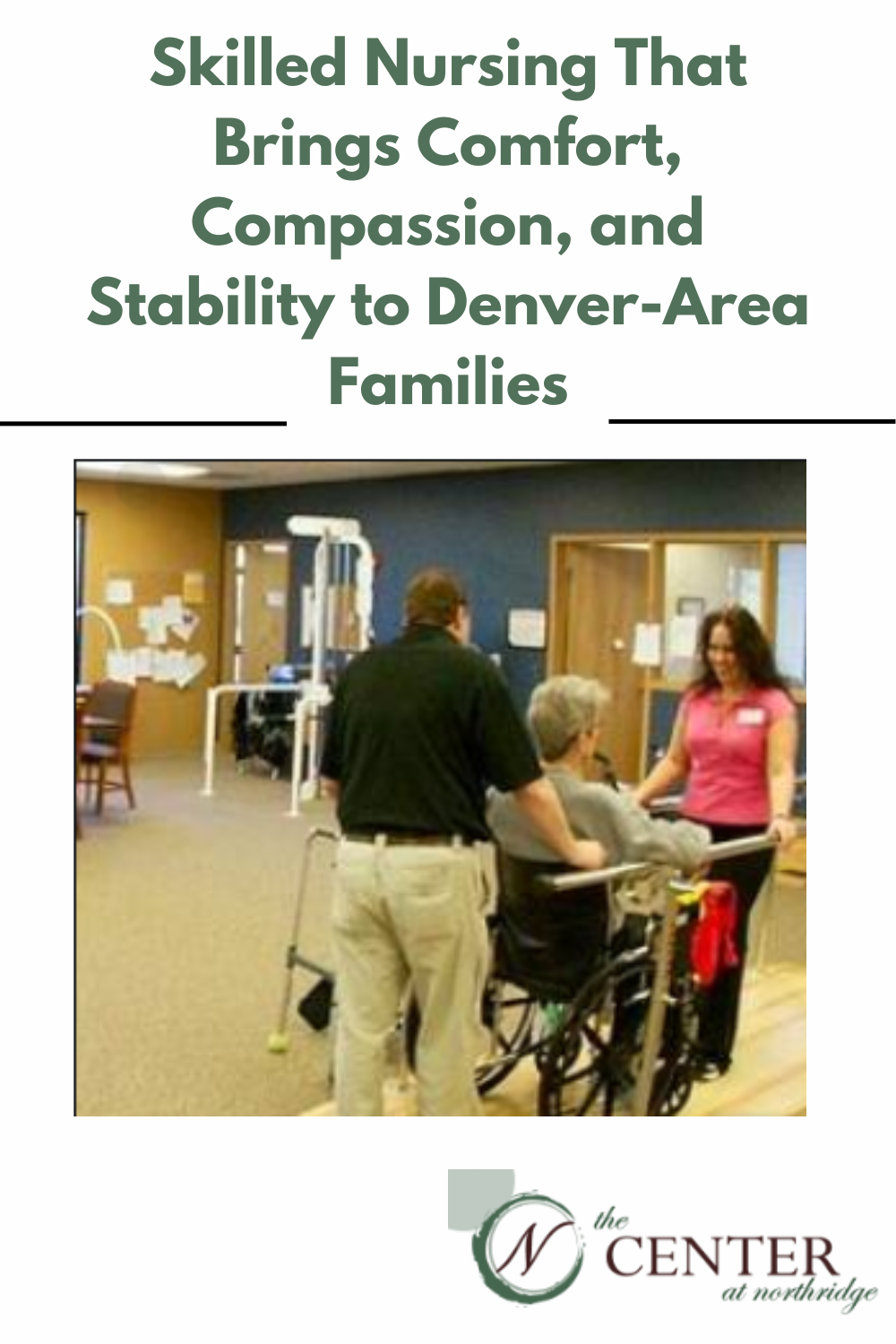
Skilled Nursing That Brings Comfort, Compassion, and Stability to Denver-Area Families
When a loved one experiences a major health event, a hospitalization, or a sudden decline in mobility, families in the Denver metro area often find themselves searching for skilled nursing care that feels both medically trustworthy and emotionally reassuring. What many families quickly learn is that skilled nursing is more than a service it is a partnership during one of lifes most vulnerable moments.This is where The Center at Northridge stands out as a guiding light for families across Denver, Westminster, Arvada, Thornton, and surrounding communities. Conveniently located in Westminsterclose to hospitals, major roadways, and family neighborhoodsthis community offers the ideal blend of advanced medical care and personalized support, helping seniors rebuild strength, regain confidence, and experience dignified care every day.This expanded article walks through the full picture: how the Center at Northridge supports patient recovery, what makes their team unique, and why families across the Denver region consistently choose this skilled nursing community.Why Skilled Nursing Matters More Than EverColorados older adult population is rapidly growing, with many seniors choosing to age in suburban areas across the Denver metro. While aging at home is common, situations such as surgery, illness, heart events, or stroke often require highly specialized post-acute care.Families often report that transitioning from hospital to home without adequate skilled nursing support can lead to setbacks, including: Increased fall risks Medication mismanagement Readmission to the hospital Delayed healing or complications Stress on family caregivers Skilled nursing fills the gap, ensuring older adults have the round-the-clock clinical oversight needed for safe recovery or long-term stability.The Center at Northridge recognizes this community need and provides a reliable, medically advanced, and compassion-first option for families who want peace of mind.A Mission Rooted in Care, Dignity, and ConnectionWhile many skilled nursing communities offer clinical services, what sets Northridge apart is its philosophy of whole-person care. The team is trained not only to meet medical needs but also to support emotional well-being, family involvement, and personal comfort.Melissa Blaydes shares: Our mission is simpleto provide the level of care we would want for our own families. That means clinical excellence, but also kindness, communication, and making sure every patient feels seen. Melissa BlaydesThis mindset shapes everything: how they build care plans, how staff interacts with residents, how they communicate with families, and how they create an environment that feels welcoming rather than clinical.Comprehensive Skilled Nursing ServicesThe Center at Northridge serves a diverse group of individuals: older adults recovering from surgery, individuals managing chronic illnesses, and patients needing long-term clinical support.Post-Hospital RehabilitationRecovering after a hospital stay requires coordinated therapy and nursing. Northridge offers: Physical Therapy: strength-building, gait training, and mobility improvement Occupational Therapy: restoring independence with daily tasks Speech Therapy: swallowing safety, communication skills, and cognition Post-Orthopedic Care: joint replacement recovery, fracture rehabilitation Post-Cardiac & Pulmonary Support: improving stamina and respiration Their therapy gyms utilize advanced equipment, making sessions efficient and progress-driven.Complex Medical ManagementFor patients with chronic or medically unstable conditions, Northridge provides: Wound care by trained specialists IV therapies and injections Respiratory support Diabetes management Pain management Medication coordination Post-stroke recovery oversight Monitoring for neurological or cognitive decline This level of care ensures stability while minimizing hospital readmissions.Long-Term Skilled NursingSome seniors require more than short-term recoverythey need ongoing monitoring and support.Northridge offers long-term residents: 24/7 nursing care Personalized assistance with bathing, dressing, and meals Social activities and cognitive engagement Safety monitoring Support for chronic or progressive conditions Even long-term residents benefit from the same warm environment and individualized attention as those in short-term care.A Comfortable, Healing EnvironmentNorthridges environment is intentionally designed to promote dignity, calm, and comfortqualities that research shows can accelerate recovery and reduce stress.Key Features Include: Spacious private and semi-private rooms Bright, modern common areas Restaurant-style dining Outdoor courtyards perfect for enjoying Colorados sunshine Dedicated therapy spaces Quiet rooms for rest and privacy Social lounges for family interactions This blend of comfort and practicality makes it easier for seniors to feel at home while receiving the highest level of professional care.A Denver-Metro Community That Families TrustBecause Northridge is centrally located in Westminster, families across the region benefit from: Easy access from Denver, Arvada, Thornton, Brighton, and Broomfield Proximity to nearby hospitals and ERs Short travel times for daily visits Smooth transitions from metro-area medical teams For families juggling jobs, children, and caregiving responsibilities, being able to visit their loved one conveniently is a major advantage.How They Support Families in Their Care JourneySupporting the patient is only half the missionthe team also supports families who may be feeling overwhelmed or unsure.Northridge offers: Regular care plan meetings Open communication with nursing and therapy staff Education about recovery timelines Support navigating Medicare, insurance, and discharge planning Emotional guidance during difficult transitions Families consistently share that Northridges transparency and kindness help reduce stress and increase confidence in the care their loved one receives.A Path Toward Healing, Stability, and Peace of MindWhether someone is recovering from surgery, adjusting after a hospital stay, or managing long-term health concerns, The Center at Northridge focuses on three goals: Build strength and independence Deliver excellent medical oversight Support quality of life for every individual It is this holistic approach that makes Northridge a trusted provider for seniors across the greater Denver area.Call to ActionMore information can be found on their Seniors Blue Book listing.Frequently Asked Questions1. Do they provide therapy seven days a week? Therapy availability varies, but they offer robust rehabilitation programs tailored to physician recommendations.2. Can new patients tour the community? Yesfamilies are encouraged to schedule tours and learn more about the care process.3. Do they coordinate with Denver-area hospitals? Absolutely. They regularly accept referrals from major health systems across the metro area.4. Are meals customized for dietary needs? Yes, menus can be adapted for diabetic, cardiac, low-sodium, or texture-modified diets. 5. Does insurance cover skilled nursing? Many insurance plansincluding Medicarecover skilled nursing when medically necessary.