
PHONE
Click to View NumberHome Health
- 30211933
- Private Pay, Long Term Care Insurance
- Free Assessment, 24 Hour Care, Activities, Home Health Aides / Assisting ADL, Live-in Services, Medication Management
- Skilled Nursing
Additional Levels of Care Offered
Concierge Care
Non-MedicalConcierge Care is a family-owned and operated home care referral service dedicated to providing peace of mind for families seeking care for their loved ones. With over 10 years of experience, we understand the challenges families face when searching for trustworthy caregivers and navigating the complexities of elder home care.Our mission is to improve the lives of seniors by connecting them with compassionate and experienced caregivers who can help them age comfortably in familiar surroundings. We start by understanding your needs, living situation, and health concerns through a personalized home visit by a Senior Care Advisor. Based on this assessment, we refer certified home health aides who best meet your needs and provide ongoing support and assistance.At Concierge Care, we believe in building relationships with our clients and delivering a "Concierge" experience that goes beyond traditional home care services. Our commitment to excellence has been recognized by Home Care Pulse, which has honored us with their highest awards for Provider of Choice and Leader in Experiences.We offer a range of services to support seniors in enjoying their golden years, including assistance with activities of daily living, specialized care, and 24/7 customer support. Our team is dedicated to providing you with the best possible care, and we are always available to answer your questions and address your concerns.
Continue Your Search! Explore More Local Options.
Start SearchingLet’s engage and get educated!
Browse through thousands of expert articles in over 100 different categories.
Browse NowArticles You May Like
16 Enriching Activities for Dementia Patients
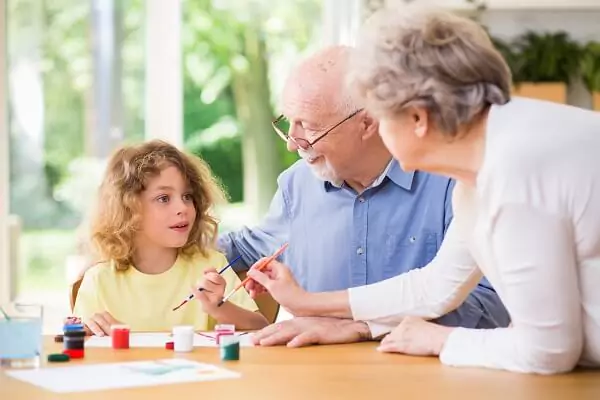
For patients with dementia, regular participation in thoughtfully crafted activities is a meaningful, therapeutic practice that is essential for their overall wellbeing. It can become challenging to connect and focus, especially as their condition progresses.However, the right activities can provide cognitive stimulation, and give them a task to divert their attention towards. Creating a routine around engaging activities can also give your loved one a sense of control, productivity, and purpose. Plus, enjoying these activities with your family member is an excellent way to connect and spend quality time together.This guide includes a range of activities for dementia patients, including creative projects, mentally stimulating tasks, calming exercises, and physical activities.Home Activities for Dementia PatientsAll of the activities listed below can be done at home by family members and friends of patients with dementia. There is no need to invest in elaborate equipment or tools to provide engaging and stimulating projects. Each of the 16 activities involves just a few (if any) items that are easy to obtain.Of course, keep in mind your loved ones level of dementia to choose appropriate projects. Skip activities that may be too difficult, and instead focus on incorporating engaging, simple tasks that they can successfully complete.Also remember that, depending on the stage of dementia, they may only be able to stay engaged with a task for 10 to 15 minutes. If you ever find them resisting the activity or growing frustrated, you can always take a break or redirect their attention towards another task that may better fit their needs.Before we dive in, note that these activities are not substitutes for medical care provided by trained professionals. Rather, they can be used as supplements to your loved ones professional care to further build connection and enrich their life.With all of this in mind, lets talk through the different types of activities you can try with your family member.Craft Activities for Dementia PatientsCrafts are a great way to get your loved one to engage their creativity and work with their hands. Plus, these creative activities also give them that feeling of accomplishment once they complete their work.1. Create a scrapbookCrafts are a great way to get your loved one to engage their creativity and work with their hands. Plus, these creative activities also give them that feeling of accomplishment once they complete their work.2. Design bead jewelry or keychainsThis activity improves fine motor skills while simultaneously tapping into your loved ones creative side. When selecting materials for this craft, be sure to provide beads with large holes and thicker strings to make the process easier. You may need to assist with threading and fastening clasps, as needed.3. Make bookmarksThis is the perfect craft for the avid reader. Provide colorful cardstock, a hole punch, and ribbons, as well as paint or colored pencils so that you can work together to create beautiful and personalized bookmarks that can be reused.These are just a few craft ideas the opportunities are endless! For even more inspiration, search through Pinterest for craft activities for dementia patients.Staying active helps seniors physically and mentally, as well as building stronger bonds with family.Art Activities for Dementia PatientsArt projects are also fun and enriching activities that allow patients with dementia to connect to their creative instincts.4. Paint with pastels, watercolors, or oilsPainting on canvas or art paper allows your loved one to work with their hands and create something from scratch, giving them a sense of accomplishment once they are done. The act of painting can also be incredibly therapeutic. As you set up your art space, you can lay out butcher paper or tarp for easy cleanup once youre done.5. Draw in an adult coloring bookFor a slightly more contained creative activity, join your loved one in coloring in an adult coloring book. There are a wide range of choices available for purchase, with themes including nature, travel, animals, abstract art, and so much more. Find a theme that fits their interests to best engage them in the activity.6. Create a collageCollect magazines that fit the interests of your family member (such as fashion, travel, or food) to help them connect with their hobbies and memories. Help them select and cut out their favorite images, and then paste them on art paper to create fun, colorful collages.No matter which art project you choose, be sure to engage in conversation as you create together. Talk about what they are working on and why they chose to create their specific art piece its a great way to encourage connection and provide additional stimulation.Physical Activities for Dementia PatientsFinding ways to work movement into a dementia patients daily routine is great for both their physical and mental wellbeing.7. DanceEven if they have some physical limitations, anyone can enjoy dancing. To help them engage in the activity, play some of their favorite musical artists and songs. Doing so will help them further connect with their memories and fully enjoy the activity.8. Play balloon volleyballA playful physical activity worth trying is balloon volleyball, which can be played one-on-one or with a group. Inflate a balloon, and work together to keep it from touching the ground by batting it with your hands or feet. Its not only fun, but also helps improve focus, reflexes, and balance.9. Complete household tasks togetherTaking part in simple household tasks will not only encourage physical movement, but will also give your loved one a sense of accomplishment and productivity. Some simple yet captivating activities include folding laundry, vacuuming, and cleaning out a cluttered drawer or closet.The most important thing to remember is that all of these activities should be performed together. Build connection by being an equal participant.Brain Stimulation Activities for Dementia PatientsAll of the activities weve covered so far provide mental stimulation, but the following tasks can further bolster cognitive health and allow your loved one to fully focus on a single task.10. Read together (or read to them)Help your family member stay up-to-date on what is happening in the world or in their community by reading articles from an online news source. Alternatively, pick up magazines that fit their interests to read together. If they are unable to read on their own, ask them which sections or articles they are interested in and read those aloud. Once finished, have a discussion about the piece to further engage.11. Complete a puzzleDoing a puzzle is enjoyable and helps provide mental stimulation. Plus, its a great way to work together, bond, and build connection.12. Play card gamesAnother fun brain stimulating activity is a card game. This can be an especially enjoyable group activity when grandchildren or other family members are visiting. Some card games may be too complicated for dementia patients, so stick with more straightforward games like Go Fish and Uno.Brain stimulation activities can be enjoyable, but they may also be draining. Take breaks as needed to avoid overwhelming your loved one.Sensory Activities for Dementia PatientsSensory activities are those that involve awakening one or more of the senses: touch, taste, smell, sight, and hearing. They are incredibly therapeutic and can help dementia patients bond and feel a sense of reassurance. Many also involve creative ways to help your loved one reconnect with their memories.13. Design flower arrangementsActivate the sense of smell and sight (while also engaging in creativity) by creating flower arrangements together. Purchase or cut flowers of different varieties and colors, and work to design arrangements that can be placed around the home or given as gifts.14. Create a beach experience in a boxThis unique tactile activity brings the beach to your loved one, and is especially great for anyone who loves to spend time by the water. Take a plastic box and fill it with kinetic sand and a variety of sea shells (both of which can be purchased online or at an art store). Spend time sifting through the sand, analyzing the sea shells, and talking about memories and the experience of being at the beach.15. Offer a hand massageA simple hand massage can help you bond with your loved one and offer reassurance while helping them relax. Add to the sensory experience by using a scented hand lotion.16. Make their favorite recipeCooking together (and of course, enjoying your creation) is a great way to bond while engaging multiple senses. By creating one of their favorite foods (such as the family chili recipe, or the birthday cake they used to always make), you can further help them connect with their memories. Bring your whole family into the activity by giving them cooking tasks that they can complete (such as mixing or measuring), and work together to bring the recipe to life.Just like with the other activities on this list, be sure to engage with your loved one as they experience a sensory activity. This is a great way to not only provide therapeutic benefits, but also strengthen your bond.Free Printable Activities for Dementia PatientsThese 16 activities are just ideas to get you started there are plenty of other enriching activities you can try. Here are some additional free resources to check out:Keeping Busy - This website has organized a long list of printable activities, including word searches, coloring pages, poetry activities, and more.Marias Place - This website has tons of printables to explore, with options including: crosswords, a split words games, easy math quizzes, journaling worksheets, and more.Adventures of a Caregiver Get into the spirit of the spooky season with your loved one by completing this Halloween-themed word search. You can also enjoy this Christmas-themed word search with your family member, as well as this holiday card matching game.Creating a Routine for Your Loved OneAs you start to adopt some of these activities, its important to be consistent and build a routine. Your loved one will benefit the most from a regular schedule featuring activities that help them engage, focus, and connect. Doing so will enrich the life of your family member and help you create a deeper, meaningful bond.
Jan 09, 2025

Is Keto Safe for Seniors
The keto diet has risen in popularity over the past few years. As a result, many older adults have been curious about the safety of the keto diet for seniors, and whether it is suitable for their health needs. Further, with the introduction of keto supplements to the market, many are wondering: are keto gummies safe for seniors? How about keto pills?Whether youre interested in keto supplements or a keto diet, here is your guide on what seniors need to consider before committing to keto.What is the Keto Diet?The main principle of the keto (short for ketogenic) diet is following a meal plan that is low in carbs and high in fats. The exact ratio can vary depending on who you ask, but according to Cleveland Clinic, a keto diet breaks down like this:10% of calories from carbohydrates30% of calories from protein60% of calories from fatSo, what exactly is the point of eating a high fat, low carb diet? The goal of the keto diet is to put the body in a state of ketosis. While in ketosis, rather than getting energy through glucose from carbs, you get it from ketones, which are made when the body breaks down fats.A keto diet raises your metabolism and decreases hunger, which means the diet may aid in weight loss (which is one of the primary reasons many people try it in the first place). Additionally, research on the ketogenic diet has shown it may reduce blood sugar and insulin levels, and may minimize the risk of heart disease, cancer, and Alzheimers disease.What You Can (and Cant) Eat With a Keto DietStaying within the protein, carb, and fat ratio outlined above isnt the only rule of keto. There are also guidelines on specific foods you can eat as well as foods that are prohibited.There are many examples of keto meal plans available online, but in general, some of the foods that are allowed on the keto diet include:High-quality, unprocessed meatFatty fishEggsFull-fat dairy, including butter, cream, yogurt, and unprocessed cheesesNuts and seedsNon-starchy vegetablesLow carb fruitsHealthy oils, including avocado, coconut, and extra virgin olive oilsMeanwhile, some of the main restrictions include:Processed meatsGrains and starches, like oats, pasta, rice, bread, and baked goodsStarchy vegetables, like potatoes and cornHigh carb fruits, like grapes and bananasBeans and legumesHoney, syrup, agave, and other sweetenersIs the Keto Diet Safe for Seniors?Given the potential benefits of the keto diet, its no surprise that many seniors are interested in switching up their eating habits and following a low carb, high fat meal plan. But is it safe?In general, the keto diet can be safe for seniors. That said, there are some individuals that should avoid the diet.A keto diet isnt recommended for those with kidney, pancreas, liver, gallbladder, or thyroid diseases, as well as those who have a history of disordered eating. Additionally, the diet may not be suitable for seniors with diabetes, since it may cause blood sugar levels to drop to dangerously low levels, increasing the risk of hypoglycemia.Its also important to keep in mind that a keto diet may interfere with the effects of certain medications. This can be a major risk for seniors, given many take daily medications to control health issues.With all of that said, its essential that you keep other health conditions and medications you are taking in mind before making any changes to your diet. Any senior interested in trying the keto diet will first want to discuss it with their doctor to determine whether they are a good candidate. Its also smart to meet with a registered dietitian who can create a meal plan and set you on the right path towards successfully following the keto diet.Potential Drawbacks of Following a Keto Diet as a SeniorEven if your doctor determines you are a suitable candidate for keto, there are some drawbacks that you should be aware of before committing to the diet.Major Restrictions on Eating HabitsOne of the biggest difficulties people have with the diet is that its difficult to follow and requires a big overhaul of your eating habits. The keto diet is fairly restrictive, and seniors need to be highly aware of what they can (and cant) eat in order to ensure they are actually moving their body towards ketosis.Additionally, some form of food intake tracking is necessary to ensure youre hitting the right carb/protein/fat ratio. The diet is nearly impossible to stick with without careful planning and advanced meal preparation.On top of that, the parameters of the diet can make it difficult for people to dine out. If eating at restaurants or dining with friends and family is a big part of a seniors social life, they may find it hard to adapt. For all of these reasons, many people find that the keto diet isnt sustainable long-term, given the commitment it takes.The Keto FluBeyond the challenges that come with being consistent with the diet, there is another con: the keto flu. Some people find that, when first trying the diet, they experience negative symptoms from the body adapting to ketosis. This can include lower energy levels, fogginess, mood swings, dizziness, constipation, and an upset stomach. While it should be only temporary, anyone interested in keto should be aware of this possibility.Other Potential Side EffectsThese are two of the main drawbacks anyone should be aware of before trying keto. That said, there are other potential side effects, including:Kidney Stones - The keto diet includes plenty of high fat animal-based foods, which can cause the urine to become more acidic. This increases excretion of calcium through the urine, raising the risk of kidney stones.Nutritional Deficiencies - Since the keto diet is so restrictive, its easy to fall short on your nutritional needs, especially if you arent working alongside a registered dietitian.Constipation - Some people on the keto diet find that they deal with chronic constipation even after moving past the keto flu phase. This is because the diet limits carbs, which can make it difficult to meet fiber needs.Keto can provide some key benefits, but make sure you fully understand the diet and impacts it can have on your health.Keto Pills: Are They Safe for Seniors?If youve done some research into the keto diet, you may have read about keto pills, which are available over-the-counter. Rather than having the body produce ketones (as is the case with the keto diet), keto pills are made to give your body an external source of ketones. These are used to make energy and burn fat, helping to support the ketosis process without having to rely on diet.So, are keto pills safe for seniors? There are a lot of different factors to consider.Limited ResearchFirst and foremost, its incredibly important to recognize that research into keto pills is limited, and we dont truly know how effective they may be especially in the long-term. Some even believe that keto pills alone cant support ketosis, and that they are better used as a supplement alongside a keto diet. Again, since there havent been many studies looking at the use of keto pills, its hard to say if they are as effective as the diet, and how exactly they work to support the body.May Interact with Other MedicationsJust like with the keto diet, you also need to consider any other medication you are taking, and any possible negative interactions they may have. In general, keto pills contain two main ingredients: beta-hydroxybutyrate (BHB) and medium-chain triglycerides (MCTs). However, depending on the exact formula you buy, its possible that the pill may contain additional ingredients that may inhibit the effects of certain medications.Not Regulated by the FDAAdditionally, keto pills (along with other dietary supplements) are not regulated by the Food and Drug Administration. This means its possible that a certain formula may not contain the exact quantities of ingredients listed on the label and may even contain additional ingredients that arent listed on the label at all.Given the potential medication interaction and minimal research, some seniors may decide its best to pass on these pills. As is the case with the keto diet, its crucial that you first talk to your doctor before adding keto pills to your wellness routine.How About Keto Gummies?Additional supplements you may see on the market are keto gummies. These gummies serve the same purpose as keto pills: they provide an external source of ketones to support ketosis.On a basic level, the only major difference between keto gummies and keto pills is that you consume them differently (chewing the gummies vs. swallowing pills). Otherwise, they contain similar key ingredients, and are both made with the same goal in mind: to boost ketosis with supplementation of external ketones.Keeping this in mind, you should be just as cautious when adding gummies to your diet, and should always consult with a doctor before trying them. Like keto pills, there is minimal research into gummies, and they arent regulated by the FDA. Further, its possible they may contain ingredients that can interact with medications.Keto for SeniorsWhile the keto diet is generally considered safe for seniors, there are some big drawbacks that are important to consider before trying the diet. As for keto pills and gummies, given the lack of research, its still undetermined whether they are suitable for seniors (or the general population).Whether you are still curious about taking keto supplements or are ready to fully commit to the keto diet, the most critical thing to remember is to first consult with your doctor. A medical professional will be able to determine whether keto is suitable for your health needs, and put you on a path towards meeting your goals.
Jan 09, 2025

What is Respite Care? Definition, Benefits, and Costs
Being a caregiver to a senior family member is a meaningful and incredibly important role but its also important to recognize the toll that it can take. Balancing caregiving with your own responsibilities (to other family members and yourself) can be a challenge. This is where respite care can help.This article will discuss what respite care means and what you should know about in-home respite care, including the benefits, what exactly it involves, and how it can be financed.Respite Care DefinitionIn short, senior respite care is designed to provide temporary relief for the family caregiver. A professional caregiver comes in on a short-term basis to provide care when you need to take a moment away. This takes some of the stress off of your shoulders, allowing you to step away from your duties and address other needs in your life.This type of care can be used for whatever you may require, and can last anywhere from just a few hours to a couple of weeks. Maybe you need someone to care for your loved one while you go away on vacation, or maybe you just need an afternoon to deal with errands. It can even be regularly scheduled to ensure youre consistently giving yourself the time you need to rest and tend to the other responsibilities in your life.As a caregiver, you play an essential role in your family members life. Respite care doesnt replace you, but rather is a beneficial tool for alleviating some of the pressure associated with caregiving. Your loved one is cared for by an experienced professional during respite care, meaning you can take the time you need to recharge and take care of yourself. Ultimately, reaching out for support and prioritizing your own wellbeing allows you to perform your role as the primary caregiver even better.Benefits of Respite CareLets talk through the primary benefits of respite care for caregivers.Reduces Stress for the Family CaregiverSeeking support (even on a short-term basis) can have a major impact on a family caregiver. Every primary caregiver has responsibilities outside of taking care of their loved one, including going to medical appointments, completing daily household tasks, spending time with other family members, and so much more.Without extra support, it can be easy to put many of these responsibilities and needs off. Putting your life on hold to take care of your loved one full time can lead to chronic fatigue. Respite care can help you find the right balance to ensure you are tending to your life outside of caregiving.Gives Time to RechargeBeyond taking time off to address your other responsibilities, respite care can be used when you need to slow down and recharge. Caring for someone else is a huge responsibility, and working consistently without giving yourself a break puts yourself at risk of caregiver burnout. Respite care can give you the time for a much-needed and well-deserved break.Enhances the Care the Family Caregiver is Able to ProvideYouve likely heard the phrase you cant pour from an empty cup. Whether youre feeling higher-than-usual levels of stress or are experiencing caregiver burnout, you wont be able to provide the best possible care when youre on edge. By getting outside support, you are caring for yourself so that you can in turn better care for your loved one.Provides Enrichment for the Person Being Cared ForRespite care can benefit the person being cared for, as well. Your loved one likely spends most of their time with you, but its important to remember the benefits of socializing with more than one person especially given how prone seniors are to feelings of isolation. When someone else comes in to provide care, this adds variety to your family members routine, giving them a chance to interact and talk with someone new.Professional Caregivers Provide Additional Knowledge and ResourcesBringing in a professional caregiver also means that you have another highly trained resource at your disposal. They may be able to provide extra services that you or other family members arent able to. On top of that, the professional can share additional insight and knowledge to ensure your family member is given the best care possible.Respite care allows family caregivers a break, to handle other obligations, take a vacation or just recharge, without sacrificing quality of care.The Importance of Seeking Extra Help for Family CaregiversIts understandable that you may feel wary about seeking extra help, especially if youve taken on the bulk of the responsibility of caring for your family member. When considering respite care for family caregivers, many experience feelings of anxiety and even guilt handing over that responsibility and leaving their loved one with someone else.Keep in mind that bringing in an additional set of hands is beneficial for both you and your family member. Doing so is essential, as it gives you the freedom to take care of your own needs while ensuring their care is consistent. In the end, this helps you provide them with the highest quality care both when youre caring for them yourself, as well as when a professional provider temporarily steps in.Respite Care ServicesRespite care for the elderly will vary based on their specific needs and what you discuss with the caregiver, but it can include:Personal Care - A professional caregiver will help with any personal care needs, including bathing, dressing, incontinence, and ambulation.Companion Care - In addition to ensuring their basic needs are met, a caregiver will provide companionship through conversation and activities.Alzheimers, Dementia, and Parkinsons Care - A respite care provider will tend to your loved ones needs while ensuring their care is catered to their diagnosis. This may include offering emotional support and mental stimulation through engaging activities.Who Pays for Respite CareWhile standard insurance does not cover home respite care costs, there are several avenues that you can take to finance this level of care. This can include:Medicare - If your loved one is approved for an existing condition, costs related to respite care may be covered by Medicare.Long-Term Care (LTC) Insurance - LTC insurance specifically relates to services that are needed over a longer period of time, including respite care. Each policy is different, and Concierge Care can help you with understanding your coverage as it relates to respite care.Veterans Aid and Attendance - Veterans can receive monthly payments through the VA to cover services provided by both skilled nursing and unskilled Activities of Daily Living (ADL) providers. This can be used to cover respite care needs for veterans and their spouses.Private Pay - Some also choose to pay for respite care out-of-pocket to ensure they are able to access a certified and professional caregiver with experience. In Florida, this cost can range from $30 to $35 an hour.Note that these are all options for covering respite care services in the comfort of your loved ones home, as well as in assisted living facilities. In addition, there are senior day cares and other centers that can provide care. These are typically cheaper, but do not offer the same level of personal attention.How to Find Respite CareA great way to find a quality respite care provider is by tapping into your community. Talk to your family members primary care physician to see if they are able to provide any recommendations, or consider asking a trustworthy friend who has previously used respite care services.Beyond getting referrals from your community, you can also seek out provider recommendations from national and local organizations. The Family Caregiver Alliance is an excellent resource, and you can also do a search for local senior groups that may have recommendations.Enhance Your Hard Work as a Caregiver with Respite CareAsking for help can be difficult, but it is essential because you need to take care of yourself in order to better fulfill your role as primary caregiver. Seeking out a respite caregiver ultimately helps you provide the highest level of care for your loved one, all while ensuring you balance your responsibilities and prioritize your personal needs.
Jan 09, 2025

Depression in Seniors - How to Recognize the Signs
While depression in elderly people isnt always a widely discussed issue, it is unfortunately prevalent in the community. The CDC estimates that around 1% to 5% of older adults experience depression, with those numbers rising for those who are hospitalized or require home health care.The challenge with the condition is that it manifests differently in older adults. This makes it difficult for loved ones and caregivers to identify the signs and recognize the need for treatment. By knowing the common symptoms and being aware of the unique challenges that face older adults with depression, you can be better equipped to face the condition head-on and help your loved one get the support they need.Elderly Depression vs. Feeling DownBefore going further, its important to understand the difference between depression and simply being sad. Of course, its normal to feel down from time to time. Many seniors face moments of temporarily feeling blue, even if they dont have a good explanation as to why. They may also experience sadness for a specific reason, such as loneliness, grief, or difficulties adapting to changes in their lives.However, when someone has those feelings for more than two weeks and when they affect someones ability to handle their daily life they may be facing depression. This is especially true when they are simultaneously experiencing other symptoms of depression, such as loss of interest, hopelessness, weight changes, and difficulty sleeping.There are multiple types of depression, with one of the most common and severe being major depressive disorder (also known as clinical depression). This disorder is defined by the patient feeling low for at least two weeks, as well as them experiencing other symptoms of depression. Another common form of depression is persistent depressive disorder, a mild to moderate form of depression that can last for months.Seniors and Depression: The Unique ChallengesThere are many challenges that seniors face when battling depression that are unique to their demographic. In particular, theres often a stigma among the senior population around talking openly about mental health challenges. Even when a senior recognizes that something is off with their mental wellness, they may feel apprehensive about seeking help from a medical professional or discussing their issues with family or friends. The stigmatization of mental health may also lead them to believe that depression isnt a real illness, reducing their likelihood to reach out for help.Additionally, there are also often challenges around getting a timely diagnosis. Depressive symptoms in older adults are often overlooked by medical professionals, and many physicians dont focus on discussing mental health with senior patients..Physicians may also mistake depressive symptoms as just a reaction to illnesses or changes in the patients life, minimizing the need to further address these potential signs of depression. Unfortunately, this can further delay diagnosis and much-needed treatment.Be aware of changes in your loved one's energy, attitude, and outlook on life.Tips for Recognizing Senior DepressionGiven these challenges, its important for family members caring for older relatives to do their part to help recognize depression signs.As mentioned, depression often looks different in seniors compared to younger people. Like physicians, family members may also attribute signs of depression to other causes, or think that the symptoms are simply part of the getting older process. All of this can make recognition difficult, especially given the fact that education around the specifics of depression in the elderly population is lacking.If you are caring for an older relative, the best thing you can do is familiarize yourself with the different senior depression symptoms, as well as the potential causes. With this knowledge, you can be better prepared to identify the signs early on and help your loved one get the care that they need.Signs of Depression in SeniorsWhen you think of depression, you probably think of sadness. While it may often be one of the tell-tale signs of depression, sadness is a less common symptom in older adults. Thats not to say it wont be present in some seniors dealing with depression its just not the number one symptom to look out for.There are many other cognitive signs of depression in elderly patients that you should be aware of. This includes a loss of interest in things that may have once brought them joy (like hobbies or socializing with others), a decline in motivation, lower energy levels, irritability, and feelings of hopelessness.Some older adults battling depression also face a reduced self-worth or feelings of guilt. This may manifest in them expressing their feelings of being a burden on those caring for them.Additionally, some seniors will have memory problems and a loss of concentration. Unfortunately, this can lead to a misdiagnosis of dementia.Beyond these mental and emotional signs, other symptoms of depression in elderly people can include:Changes in appetiteWeight lossPhysical aches and pain in the body not explained by another conditionFatigueSleep issues, including a difficulty falling or staying asleep, as well as oversleepingSlower movement and/or speechNeglect of hygiene and other personal care practicesCauses of Depression in Older AdultsIts equally as important to be aware of the many potential causes of depression in older adults. If caregivers can address these underlying causes, they may be able to help resolve depression (or avoid it altogether). Some of the most common triggers include:Social Isolation: People often see their social life evolve and get smaller as they age. This can be due to deaths or relocations of friends, as well as their own inability to partake in social activities (either due to mobility or mental limitations). This loneliness may be an underlying cause of depression.A Lack of Purpose: While many look forward to retirement, there are also challenges that come with this stage of life. Seniors may experience a loss in identity and confidence once they leave the workforce, which may trigger depression.Medical Conditions: Chronic medical conditions can either directly or indirectly lead to depression. Health problems and physical limitations that make it more challenging to complete daily tasks, engage in activities they used to enjoy, and generally be independent can contribute to depression. Additionally, there are medical conditions that have been shown to trigger depression, including Parkinsons disease, cancer, and thyroid diseases.Vitamin Deficiencies: Certain nutrient deficiencies may also contribute to depression. In particular, vitamin B12 and folate deficiencies have been linked to depression in older adults.Medications: Unfortunately, many of the medications often prescribed to seniors may also be responsible for triggering or worsening depression symptoms. This includes blood pressure medicine, pain medication, and chemotherapy drugs.Caring for Loved Ones with DepressionIf you have a senior loved one who might be facing depression, here are a few things you can do to support their mental wellbeing.Stay ConnectedThe most helpful thing you can do for your loved one is staying connected with them whether it be with in person visits or over the phone. Try to also encourage other family members to plan regular visits to keep their spirits up.If they talk about their mental state, be careful not to try to fix their problems or criticize what they express. Rather, be a listening ear and offer emotional support. This can go a long way in helping them feel less isolated.Find Classes, Clubs, and Ways for Them to Get Involved in the CommunityAnother way to help your family member battle social isolation and a reduced sense of purpose is by encouraging them to get involved in new activities. This might look like helping them find classes or clubs that match their interests, or looking for volunteer opportunities that allow them to give back to the local community.Help Shift Their Focus Towards What They Can DoAs your loved one ages, it may be easy for them to fall into a mindset of focusing on what they can no longer do. Help them shift the way they look at their life by focusing on the things that they can do, rather than dwelling on what theyve lost. If they are in a rut, helping them find new hobbies that are suitable for any physical or cognitive limitations they might have can renew their confidence and foster a more positive outlook.Encourage Your Loved One to Get the Medical Support They NeedYou can also help by encouraging your family member to meet with a doctor to get a proper diagnosis and treatment plan. Be available to help them follow through with their mental health treatment, whether that be driving them to therapy and doctors appointments, scheduling follow ups, or picking up their medications.When you see signs of depression, quickly connect the senior with mental health care.Helpful Resources for Seniors with DepressionIn addition to having your loved one meet with a medical professional, you may want to look into local Florida organizations for additional support and care. For example, Aging True (based in Jacksonville) has a variety of mental health services for older adults and their caregivers, including counseling and support groups. The Florida Department of Elder Affairs has also compiled a list of programs and groups throughout the state dedicated to supporting seniors and their mental health challenges.There are also some national organizations and services that provide information and support to seniors navigating mental health issues, including:National Council on Aging: NCOA publishes free educational articles and hosts webinars on mental health, as well as other topics relating to the overall wellbeing of seniors.Veterans Crisis Line (988): Senior veterans experiencing mental health challenges can call the Veterans Crisis Line and then press 1 to speak with a counselor.Crisis Text Hotline (741-741): Anyone can text the Crisis Text Hotline at any time to talk to a crisis counselor about depression and other mental health challenges.Take Control of Elderly DepressionDepression shouldnt be considered to be a normal part of the aging process but it is unfortunately common. While depression in older adults comes with its own unique set of challenges, by being aware of the signs and being able to recognize the condition, you will put yourself on the right path towards getting your loved one the care and attention they need.
Jan 09, 2025

Increase Appetite in Elderly
Seniors, in general, must consume increased calories, vitamins, and minerals for a good functioning of their system. If you take care of someone with dementia, you need to pay particular attention to a good and balanced nutrition. People with dementia struggle with a weakened appetite either because of the ongoing pain or because they simply refuse the foods, they do not find delicious. Find out below a few important tips on how you can encourage appetite in the elderly patients diagnosed with Alzheimers disease or dementia.3 Important TipsInstead of respecting a regular meal schedule, it might be better to offer the patient several delicious snacks and smaller portions of food throughout the day. Ensure the meals contain plenty of fresh fruits and vegetables, but also nuts and seeds high in Omega 3 fatty acids and essential minerals.Stimulate the appetite of the patient by serving food that looks extremely attracting. Decorate food, but also ensure to use different spices and aromas that are attractive. Making a patient with dementia consume enough food might be difficult, this is why you need to do everything possible to encourage appetite.Diversified food is important. When you are planning the meals, make sure they are diversified. Offer the patient fresh fruit juices, or smoothies containing milk, fruits, and seeds. Offer such snacks in between meals, or whenever you notice the patient is active and willing to cooperate regarding food consumption.H2 Heading Will Go HereA longer content block will go here. Perhaps 100 to 200 words, fully describing one topic. We also may work in bullets. A longer content block will go here. Perhaps 100 to 200 words, fully describing one topic. We also may work in bullets. A longer content block will go here. Perhaps 100 to 200 words, fully describing one topic. We also may work in bullets. A longer content block will go here. Perhaps 100 to 200 words, fully describing one topic. We also may work in bullets. A longer content block will go here.A longer content block will go here. Perhaps 100 to 200 words, fully describing one topic. We also may work in bullets. A longer content block will go here. Perhaps 100 to 200 words, fully describing one topic. We also may work in bullets. A longer content block will go here. Perhaps 100 to 200 words, fully describing one topic. We also may work in bullets. A longer content block will go here. Perhaps 100 to 200 words.Issues with DementiaPatients with dementia might struggle with very bad oral health, and this does not allow them to chew and swallow food easily. If so, consider preparing plenty of soft foods such as milkshakes, juices, and generally plenty of foods prepared with the help of the blender (purees).Dementia is a condition that causes great damages to the brain. This means that patients may not recognize the food they are offered, or may not understand the importance of proper nutrition. As a caregiver, you need to arm yourself with enough patience, creativity but also consequence to help the patient consume enough quality foods every single day.Final WordsDiversity is perhaps the most important, and you may also tackle the curiosity of the patient to taste different types of foods. If you have knowledge of certain foods that the patient likes, you should prepare those foods most often. Or, become creative and combine favorite foods by adding plenty of nutritious and essential foods as side dishes.
Jan 09, 2025
Benefits of 24-Hour Home Care
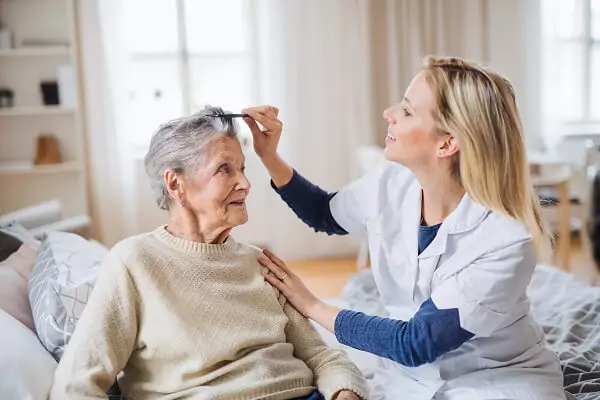
24-hour in-home care is becoming one of the most popular forms of caregiving among older adults. This type of home care is designed to provide a safe and secure environment for seniors who can no longer live independently. 24-hour home care referral services typically include personal assistance, such as bathing and dressing, meal preparation, medication reminders, transportation, and other types of day-to-day activities that allow seniors to remain in the comfort of their own homes.What Is 24-Hour Home Care?24-hour care means that a caregiver will provide monitoring services for your loved one throughout the day and night. Typically, two caregivers take shifts with the elderly person to make sure they dont need any immediate medical attention while they are sleeping. In addition to around-the-clock support, caregivers offer respite and temporary relief for family members or primary caregivers who may need a break or additional help while caring for a senior loved one.4 Key AdvantagesProviding around-the-clock care is one of the best ways to ensure that elderly individuals are safe and comfortable while remaining independent in their own homes. 24-hour care offers many advantages:Familiar Environment - living at home helps seniors stay connectedEmotional Support another person reduces feelings of loneliness and isolationReduced Stress no need to worry about moving or new surroundingsIncreased Safety - staying at home gives seniors a greater sense of securityConclusionBy understanding your options, you can develop the proper plan that allows your loved one to remain safe at home under caregiver services. These experienced professionals will help ensure your loved ones safety and well-being throughout the day and night creating peace of mind for everyone involved.
Jan 09, 2025

8 Tips for Managing Family Caregiver Burnout
Family caregivers face a wide range of responsibilities, many of which they never anticipated undertaking. This new role can be overwhelming and stressful, and as a result, taking care of yourself often falls by the wayside.From prioritizing your own self-care, setting boundaries, and enlisting the help of your community, here are our top tools and tips for managing family caregiver burnout and stress.1. Reach Out for Help from Other Family MembersWeve all heard the phrase it takes a village used in regards to raising children. However, its equally applicable to caring for parents and other family members in need of extra support.The responsibility of family caregiving is often too much for one person to handle in the long-term. In order for you to manage your own stress levels and keep your mental health in check, its crucial that you loop in other family members (and in some cases, close friends) to get all the support you need.The key to getting the help that you need is being as transparent as possible with your family members. Start off by making a list of all caregiving tasks. From there, you can decide which tasks best fit your skills and schedule, and then determine where other people in your community may be able to step in. For example, if your cousin is a talented home cook, they may be able to pitch in with meal prep a couple times a week.Once youve identified the tasks and the people that would be a good fit, approach each individual with your plan to see if it works for them. Being clear and specific about how you and the family member you are taking care of need assistance, youll be able to get the support that you need.2. Maintain Open Communication and Set BoundariesIts easy to fall into the trap of feeling like you are giving up your life to care for elderly parents. The reality is that you cant completely set aside your needs, and its vital that you set clear boundaries with your parents to maintain your life outside of caregiving.The first step in establishing boundaries with your loved one is being clear about what duties you (or other members in your community) will be taking care of, as well as what tasks your parent will still be in charge of. This ensures everyone is clear about what is expected of them.Establishing a caregiving schedule will also help create concrete parameters. This will make it known when youre available to help (either in person or over the phone), and will help you carve out the time you need to focus on your own priorities. Put this schedule on your loved ones physical or digital calendar for their own reference.3. Implement Long-Distance Care Strategies and ToolsIts impossible to be everywhere at once. Even if you live relatively close to your parent, you arent always going to be available to care for them in person. By implementing a few strategies to ensure your loved one is getting the care they need (even when you arent by their side), youll be able to take some of the stress and worry off your plate.For example, consider investing in a wearable medical alert system that allows the user to connect with a dispatcher when medical attention is needed. Electronic pill dispensers have also become more popular. Some can notify a caregiver if the user has taken their medication, while others will simply alert your parent that its time to take their pills.Scheduling regular phone or video calls will also ensure youre getting to check in with your parent on a regular basis. This will also give you peace of mind that they are doing well between your visits.4. Prioritize Your Own Care on a Daily BasisIts understandably easy to put your own care on the backburner. However, by prioritizing everyone elses needs over your own, you are putting yourself in the fast lane towards burnout. When your stress levels are amplified, you also arent able to show up as your best self as a caregiver. For both your own sake and the sake of the person you are caring for, you need to make your own wellness a number one priority.To maintain your mental and physical wellbeing, you need to find ways to care for yourself on a daily basis. First and foremost, ensure you have your basic health needs covered. This includes eating a nutritious diet, getting enough sleep, working out regularly, and staying on top of your doctor appointments.Its also important to find tools for managing stress levels. In addition to getting the rest you need and working out, you should turn to stress relieving activities multiple times a week (ideally daily!). This might look like meditating, journaling, going on walks, chatting with a friend, or working on an art project. The choices are endless you just need to find what speaks to you.5. Talk Through Your Feelings with a Trusted Third PartyOn a similar note, its important to have a person that you can talk with about the challenges of caregiving. Ideally, this will be someone who is outside of the situation, like a licensed therapist or a trusted friend.Many people deal with feeling trapped caring for an elderly parent, and overwhelmed with the sudden responsibility of looking after someone who once raised you. Some also have a hard time grappling with the reality that they dont want to care for their elderly parents which can be an uncomfortable truth to admit.These thoughts are often paired with feelings of guilt, anguish, emotional conflict, and stress. Rest assured; this is all completely normal.Talking through these feelings with someone can have a major impact on your mental and emotional health. Even if they arent able to fix any of your problems, having someone listen to your struggles can help you feel less isolated in the family caregiving experience.6. Tap into Caregiver Support ResourcesThere are a myriad of resources available to equip you with the tools, education, and support you need to feel confident and prepared to handle your caregiving duties. Two groups worth looking into are:Caregiver Action Network - A non-profit that provides peer support through social media platforms, as well as free education on caring for others and yourself.Family Caregiver Alliance - A non-profit that digitally publishes a wide range of educational articles on topics related to caregiving.There are even podcasts where experienced caregivers and caregiving professionals offer advice and support to listeners on the family caregiving journey. If youre an avid podcast listener, consider downloading these shows:Happy Healthy Caregiver - During this podcast, the host (a caregiving consultant) and her guests share first-hand knowledge and advice on handling caregiving challenges.Parenting Up! - For a bit of humor, listen to this comedic podcast, where a comedian takes a truthful look at her journey as a caregiver to her parents.Enlist family, friends, and even outside caregivers. You do not have to go it alone.7. Utilize Respite Care or Other Community ResourcesSometimes, tapping into your network of family and friends isnt enough. Rather than taking on the extra work yourself, look to the resources available in your community to get the extra assistance you need.One option is to utilize respite care services through a local caregiving agency. A trained respite caregiver will be able to step in for short periods of time to temporarily relieve you of your caregiving duties. This ensures you are able to set aside the time you need to take care of your own matters (or in some cases, just take a much-needed break). At the same time, your loved one will get the care they need in the hands of a licensed professional.Alternatively (or in conjunction with respite care service), look to your local community to see what programs or services may be available to you. Some places of worship have activities and programs for their senior members, such as organized meals or companionship services. If your loved one is a member of a fraternal organization, they too may have programs available.Other services that may help take some of the work off your plate include adult day care programs, meal delivery programs (like Meals on Wheels), and local senior transportation services. Consider calling your local Elder Helpline through the Department of Elder Affairs to find additional community-based services in your area.8. Consider Enlisting the Help of an Outside AgencyFor many family caregivers, there comes a point where they realize that more intensive support from care professionals is needed. If the needs of your parent or loved one have progressed beyond your care abilities, consider enlisting the help of an outside agency to provide the assistance that they require.It can understandably feel like a daunting step to take. However, there are agencies that can connect you with professional, licensed caregivers who can best tend to your parents needs, ensuring they are getting the highest quality of support possible.Managing Stress and Burnout as a Family CaregiverBeing a family caregiver isnt easy. Taking on this role without putting guardrails in place to protect your own mental wellbeing is a recipe for stress and eventual burnout. By implementing routines and steps to ensure both you and your loved one are getting the full support needed, youll be better equipped to provide the necessary care while also maintaining your mental and physical health in the process.
Jan 09, 2025

How to Get Home Health Care for Parents
More than 20% of adults reported taking care of a family member in the past 30 days. However, for many families providing care on their own is not an option. Yet where can you find quality home care for your parents? Who do you trust? How do you know the kind of care you need? What makes a great caregiver?How to Find a CaregiverLearning how to hire a caregiver for the elderly starts with understanding where you can locate quality referrals. Whether youre looking for home health care, help with Activities of Daily Living, companion care, or intensive nursing support there are several sources that you should consider.Directory SitesThese are large networks that allow you to search for caregivers in your area. Their advantage is the in-depth profiles provided and the fact that you will be able to view several dozen caregivers. There are also sorting features to narrow your search. So, these sites can be a useful starting point.However, directories are not constantly maintained. So, many of the profiles will no longer be active. Additionally, anyone can post a profile and say they are qualified. There is limited if any verification of caregivers listed.The biggest drawback though is that you have to do all the work. From contacting the caregiver, to verifying certifications and experience, everything is up to you. Then you have to arrange an interview, create a schedule and make payment arrangements. All of this can be daunting.Referrals from FriendsIf you have a family member or friend whos hired in-home care, they may be able to point you in the direction of a caregiver you can trust. These referrals can be great as there is personal experience with the caregiver.However, you do not know how your friend located the caregiver, or if they did their due diligence to fully vet for previous experience and background. When you welcome a caregiver into your home having a full check on them is more reassuring than simply taking someones word.So, a friend referral can be helpful, just make sure to do your own verification. You will still need to make arrangements directly with the caregiver.Large National AgenciesThe above two options can get you referrals, but all the work is up to you. The next two options provide a complete solution.There are several national home care agencies that can connect you with caregivers. Their advantage is that they do the legwork. Additionally, providers are fully screened and the company works with you to find someone with the right skill set. Scheduling and payment is arranged through them. So, all you have to do is call and work through their process to get the home care you need.While these companies can be a good resource, they do not know the local area or the available caregivers. Their referrals are based on reading info on a screen, not from having a relationship with the provider. Also, due to their size it is almost impossible to talk to the same agent twice. This can hinder building rapport.Locally Managed Nurse RegistriesLocal companies offer all the advantages of national agencies, yet are much more personal and actually care about establishing long-term relationships with their clients. As the staffs are smaller you will get to know each one and calling a friend is always better than talking to a stranger. So, customer support will be better.The service reps you talk with live in the same area as the seniors they serve. They also have personal contact with the caregivers they refer and usually have worked with them for years. This familiarity means you get a better match based not just on skills and experience, but also on personality.Another huge advantage is the process of helping you find care. Registries will send a certified nurse to meet at your home. They will work with you to create a detailed care plan that considers everything that impacts your level of care. Then they will make several caregiver referrals so you can select the best fit for you. Many national agencies just get a little info and send whoever is available.Local registries cost about the same (or less), as national agencies and with the additional support and personal involvement they offer, they are a great source for caregiver referrals.Qualities to Look for in a CaregiverWhat makes a good caregiver? The answer is a blend of qualities combined with their ability to establish a personal connection with those they care for. Below are some important traits to consider.CredentialsAnyone can provide basic care for a family member. However, if you looking for a caregiver through a home care agency, or a nurse registry they will either have an HHA certification, or a CNA license.To be certified as an HHA (home health aide) you must successfully complete a 40-hour training course, or a 75-hour course if working through a Medicare home health agency.To be licensed as a CNA (certified nursing assistant) you must pass a state exam, usually after attending an extensive training program. CNAs are regulated by the Florida Department of Health.There are additional training courses that must be kept current to maintain certification/licensure. These CEUs (continuing education units) include HIV/AIDS, Alzheimers, Domestic Violence, Medical Tech and more.Background ChecksCaregivers become a part your home. Not only do they provide physical care for their patients, but they also have access to personal data, finances and valuables. So, you need to feel safe and secure before you welcome them into your home.A basic check will verify employment and criminal history. A level 2 background check goes deeper and includes fingerprinting, comprehensive state and FBI checks, and verification of education and credentials. Most importantly level 2 reveals any previous neglect or abuse of seniors.Background checks are crucial for your peace of mind. But they do not tell you everything. References can help give you a true sense of what to expect from a caregiver, including their work ethic, personality, and who they are as a person.One of the biggest advantages of working with an agency is that they will do all this for you, so you can make an informed decision before hiring a caregiver.ExperienceCompleting a training program and then certification is a great first step, but nothing can substitute for actually providing care for a senior.Consider the type of care you need. If you are looking for companion care, or someone to sit with your loved one then a caregiver with the training, but less experience would be ok. Yet if the senior needs specialized care such as Alzheimers, Parkinsons, or intensive 24/7 care you need to find a provider with specific experience providing that type of care.Experience is very important, but do not let that be the only criteria you consider. Personality and enthusiasm also play a role in providing great care.ReliabilityCaregiving is not a 9-5 job full time job. Some seniors need just a few hours now and then, while others need overnight, or even live-in care. So, the nature of scheduling means you need to ensure your caregiver is communicative, will show up on time, and will help with arrangements on days they cant make it. Working with an agency or registry can relieve a lot of stress when it comes to reliability.CompassionWhile all of the above qualities are important, the ability to provide patient, loving, compassionate care at all times, is the most important criteria to consider.Caregiving is not easy. Providers are constantly on the go, and the job is very physical. There is stress when someones care is dependent on you. Additionally, at times seniors can be difficult, especially if they are suffering from Alzheimers or dementia. Then a caregiver has to deal with various family members who each have their opinions of how best to care for mom.Yet great caregivers see past all this. They have the ability to defuse stress, handle conflicts, and concentrate on their clients needs. Some of this is training and experience, but there are born caregivers who have real empathy and see the care they provide as not just a job, but a passion and mission. This is the caregiver you want.Compassion is the most important trait of outstanding caregivers.Types of Home CareAs you explore caregiving options it is important to realize there are two major types of care: Nursing Care and Assistance with ADLs. Some seniors may require both of these care types, yet they are vastly different in services provided, level of training, and even who pays for the care.Skilled or Nursing CareNursing or skilled care requires medical training and is under a doctors care. Skilled nurses provide care for specific medical condition. They have a set schedule when they arrive, perform their services and leave. They do not stay throughout the day.This type of care is to help a senior recover from a hospitalization, surgery, or procedure. While the recovery may take days or weeks, generally skilled care has a finite duration. Since this is medically related treatment, insurance and Medicare/caid cover the cost.Types of care include:IV treatmentsSkin and wound careCatheter or ostomy careSkin and wound careAssistance with ADLsADL stands for Activities of Daily Living. Many seniors just need a little extra help around the home and that is what this type of care provides. The goal is to improve a seniors quality of life, restore their sense of independence, and allow them to remain in their own home.The distinction is that this is not medical care, so payment is the responsibility of the client or long-term care insurance. While caregivers are not medically trained, their skills include: establishing rapport, dealing with depression, sometimes defiance, and motivating a senior to engage with life. ADL care usually is required several hours a day, multiple days a week. These caregivers play a big role in the seniors life and can become a true friend.Types of care include:Toileting AssistanceBathing and GroomingMeal Prep and Help with EatingTransferring and Fall PreventionHouse Keeping and MaintenanceAny Activity that Enhances Daily LifeConclusionFinding home health care for your parents is a challenge and often comes with some guilt that you cannot provide that care. While seeking care is a tough decision, doing so can make a world of difference in your familys well-being.You can educate yourself about the process and eventually find a great caregiver who can provide a level of care beyond your abilities. This will allow you to enjoy time with your parent and reassure you that their care needs are met.