Family Resource Home Care
6000 East Evans Avenue, Suite 3-320, Denver, Colorado, 80222
Counties Served: Colorado - Adams County,Arapahoe County,Broomfield County,Denver County,Douglas County,Jefferson County
Non-Medical


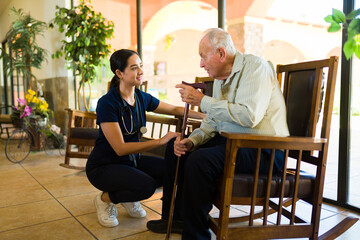







About Family Resource Home Care
Denvers trusted provider of non-medical home care services, Family Resource Home Care helps seniors and individuals with disabilities or chronic conditions maintain their independence and quality of life in the comfort of their own homes. We understand the importance of personalized care and the value of allowing individuals to remain in familiar surroundings. Our dedicated and compassionate caregivers deliver exceptional in-home support tailored to each clients unique needs, ensuring they feel comfortable, safe, and valued every day.
At Family Resource Home Care, we specialize in providing essential non-medical home care services designed to make daily living easier and more enjoyable. Whether your loved one needs assistance with basic daily activities, companionship, or specialized care, our experienced caregivers are committed to offering the highest level of support. We believe that aging or managing a chronic condition should not mean giving up the comfort and familiarity of home. Our mission is to empower our clients to live independently while receiving the care and attention they deserve.
Our range of non-medical services covers all aspects of daily life, ensuring that seniors and individuals with disabilities or chronic conditions receive the support they need to thrive at home. Our skilled caregivers provide assistance with:
Personal Care
Bathing, grooming, and dressing
Assistance with toileting and incontinence care
Mobility support, including transfers and ambulation assistance
Medication reminders and monitoring
Our caregivers are trained to provide respectful and dignified care, ensuring that clients feel comfortable and supported during these intimate moments.
Loneliness and isolation can have a significant impact on mental and emotional health. Our caregivers provide meaningful companionship, engaging clients in conversation, games, hobbies, and other activities that promote mental stimulation and emotional well-being. Whether its sharing a meal, watching a movie, or taking a walk, were here to ensure clients feel connected and valued.
Proper nutrition is essential for maintaining health and vitality. Our caregivers assist with meal planning, grocery shopping, and preparing healthy, balanced meals that align with any dietary restrictions or personal preferences. We aim to make mealtime an enjoyable and nourishing experience.
Maintaining a clean and organized home environment is key to safety and comfort. Our caregivers provide light housekeeping services, including:
Laundry and linen changes
Dusting and vacuuming
Kitchen and bathroom cleaning
Organizing and decluttering
A tidy home creates a safe and calming environment, reducing the risk of falls and improving overall comfort.
Staying connected to the community and attending medical appointments are essential for maintaining independence and health. Our caregivers offer reliable transportation and accompaniment to:
Doctors appointments
Social gatherings
Shopping trips and errands
Religious services and events
We make it easier for clients to stay engaged and involved in the community while managing their health needs.
We understand that some clients require more specialized attention due to health conditions such as dementia or the challenges of end-of-life care. Our caregivers are trained to provide thoughtful, compassionate care for clients facing these complex needs. This includes:
Dementia and Alzheimers care, including memory care techniques
End-of-life support and comfort care
Post-surgical recovery assistance
Our goal is to provide peace of mind to both clients and their families by delivering attentive and professional care during these sensitive times.
At Family Resource Home Care, we recognize that every individual has unique needs and preferences. Thats why we offer flexible care plans that can be tailored to meet specific requirements. Our care can range from just a few hours a day to full 24-hour care, ensuring that clients receive the level of support they need, when they need it.
Our team conducts a thorough assessment to develop a personalized care plan that aligns with the clients health, lifestyle, and personal goals. We also provide ongoing evaluations and adjustments to ensure that care remains effective and relevant as needs change.
Our caregivers are carefully selected, highly trained, and dedicated to providing the highest standard of care. Each caregiver undergoes a rigorous screening process, including background checks, professional training, and ongoing education. We match caregivers with clients based on personality and care needs to create a harmonious and trusting relationship. Our caregivers are not just skilled professionalsthey are compassionate companions who treat clients like family. Their commitment to providing attentive and respectful care helps create a supportive and nurturing home environment.
We understand that caregiving can be physically and emotionally demanding for family members. Thats why Family Resource Home Care offers respite care services, giving family caregivers the opportunity to rest and recharge while knowing their loved one is in good hands. Our team works closely with families to ensure open communication and collaborative care, providing updates and guidance to help ease the stress of caregiving.
What sets Family Resource Home Care apart is our deep commitment to the well-being of our clients and their families. We take the time to listen, understand, and respond to each clients unique needs with warmth and professionalism. Our mission is to empower seniors and individuals with disabilities or chronic conditions to live independently, with dignity and confidence, in their own homes.
If you or a loved one could benefit from compassionate and professional non-medical home care, contact Family Resource Home Care in Denver today. Our knowledgeable team is ready to answer your questions, discuss your needs, and create a personalized care plan that supports your familys unique situation. Let us help you or your loved one maintain independence and enjoy the comfort of home with trusted, expert care.
Call Family Resource Home Care in Denver today to schedule a consultation and learn how our non-medical home care services can make a difference in your life.
Non-Medical
- www.familyresourcehomecare.com/locations/denver/
- Private Pay, Long Term Care Insurance, Veterans Administration, Medicaid
- 2
- Activities, Housekeeping, Meals/Meal Options, Transportation, Medication Reminders, 24 Hour Contact, Live-In Care, Free Assessment
- 24 Hour Care, Doctor Visits, Home Care/Personal Assistance/Companion, Incontinence Care, Alzheimer's/Dementia Care
- Bonded, Insured, Workmans Comp
- B
Continue Your Search! Explore More Local Options.
Start SearchingLet’s engage and get educated!
Browse through thousands of expert articles in over 100 different categories.
Browse NowArticles You May Like
Supporting Senior Independence Through Personalized Home Care
Aging is a natural journey filled with both joys and challenges. As seniors navigate lifes later stages, maintaining a sense of autonomy becomes increasingly important to their overall well-being. For many older adults, the idea of remaining in the comfort of their own homesurrounded by familiar spaces and routinesprovides a deep sense of comfort, security, and dignity.This is where personalized home care plays a crucial role. Services like those offered by Family Resource Home Care are designed to help seniors stay independent for as long as possible while receiving the support they need to thrive physically, emotionally, and socially.Why Independence Matters for SeniorsIndependence isnt just about the ability to complete daily tasks. It encompasses emotional strength, cognitive engagement, and self-worth. For many seniors, continuing to live at homerather than relocating to a facilitypreserves their sense of identity and freedom.However, maintaining independence doesn't mean going it alone. With the right kind of support, seniors can manage health conditions, prevent isolation, and enjoy a high quality of liferight from their own homes.The Power of In-Home CareHome care is a flexible, personalized service tailored to meet the unique needs of each individual. Family Resource Home Care, a leading provider across the Pacific Northwest, takes pride in empowering clients by offering services that foster both independence and safety.Whether its helping with meal preparation, medication reminders, mobility assistance, or companionship, professional caregivers play a vital role in promoting independence with dignity.Common Services That Promote Independence Include: Personal care (bathing, grooming, toileting) Meal planning and preparation Medication support Light housekeeping Transportation to appointments or errands Companionship and emotional support These services are not one-size-fits-all. Care plans are carefully crafted to reflect the evolving needs and preferences of each client, allowing them to retain control over how they live their lives.Encouraging Confidence and Safety at HomeAging can come with mobility limitations, chronic conditions, or cognitive decline, making certain tasks more challenging. Home care helps bridge the gap between what seniors can do independently and what requires assistancewithout compromising their confidence or self-esteem.Professional caregivers are trained to encourage clients to do what they can on their own, offering a helping hand only when needed. This approach reinforces independence, boosts morale, and minimizes the risks of injury or burnout from self-care struggles.Family Support and Peace of MindCaring for an aging loved one can be rewardingbut it also comes with stress, time constraints, and emotional challenges. Home care doesnt just benefit the seniorit supports the whole family.With a trusted caregiver from Family Resource Home Care, family members gain peace of mind knowing their loved one is in compassionate, capable hands. Whether the family lives nearby or across the country, consistent updates and care coordination help keep everyone informed and connected.Maintaining Routines and FamiliarityRoutine is important to emotional well-being, particularly for seniors with memory-related conditions like dementia or Alzheimers. Remaining in a familiar home environmentsurrounded by personal belongings, pets, and photosoffers comfort and reduces confusion.Home care makes it possible to keep these routines intact, reinforcing a sense of normalcy and helping seniors feel secure in their day-to-day lives.When Is the Right Time to Consider Home Care?Every situation is different, but there are common signs that may indicate a senior could benefit from professional home care: Difficulty managing household tasks Forgetting to take medications Missed appointments or errands Social withdrawal or signs of depression Struggles with personal hygiene or mobility Early intervention with home care can help prevent hospitalizations or early placement in assisted living facilities. Its never too soon to start the conversation with your loved one and explore options that preserve their lifestyle and comfort.Why Choose Family Resource Home Care?Family Resource Home Care has a long-standing reputation for compassionate, reliable service. Their caregivers are carefully vetted, trained, and matched to each client to ensure compatibility and trust. More than just a service provider, they become an extension of the familycommitted to helping seniors live fully and safely at home.With a presence across Washington, Oregon, and Idaho, Family Resource Home Care provides accessible support to seniors and families seeking a flexible and dignified care solution.A Brighter, Independent Future Starts at HomeIndependence isnt about doing everything aloneits about having the right support system in place to live life on your terms. Personalized home care services, like those offered by Family Resource Home Care, can make that vision a reality. By blending expert care with empathy and respect, seniors can remain in control of their lives, surrounded by what matters mosthome, family, and peace of mind.
Jul 31, 2025
Support Options for Denver Families
Support Options for Denver FamiliesCaring for an aging loved one is one of the most meaningful responsibilities a person can take on.It can also be one of the most demanding.Many family caregivers step into the role gradually. It often begins with small taskshelping with errands, attending doctor appointments, preparing meals, or checking in more frequently. Over time, these responsibilities can grow into daily caregiving duties that affect every part of life.For many families, caregiving becomes a balancing act between love, responsibility, and exhaustion.In Denver, thousands of adult children, spouses, and relatives are helping aging loved ones remain safe and comfortable at home. While family caregiving is deeply rewarding, it can also create emotional, physical, and mental strain.Thats why support matters.Providers like Family Resource Home Care help families share caregiving responsibilities through compassionate non-medical home care, allowing seniors to remain at home while giving caregivers much-needed relief.Asking for help is not giving up.Often, its one of the smartest and healthiest decisions a family can make.The Reality of Family CaregivingFamily caregivers often carry tremendous responsibility.Many are balancing multiple roles at once, including: Full-time careers Parenting Household responsibilities Financial obligations Caregiving duties This can create overwhelming pressure.Unlike professional caregivers, family members are emotionally invested in every decision and every challenge. That emotional weight adds another layer of stress.Over time, caregiving can affect: Physical health Emotional well-being Sleep Relationships Career performance These challenges are more common than many people realize.Why Caregiving Becomes More Complex Over TimeAs loved ones age, needs often change.Tasks that once felt manageable may become increasingly demanding.Common caregiving responsibilities include: Medication reminders Meal preparation Transportation Bathing assistance Mobility support Household management Safety monitoring As health conditions progress, caregiving may require more time and more physical effort.This gradual shift can catch families off guard.What started as occasional support can quickly become a full-time responsibility.The Unique Challenges for Denver FamiliesDenver families often face unique caregiving pressures.The citys fast-paced lifestyle means many adult children balance demanding careers and busy households while caring for aging parents.Long commutes, work schedules, and family obligations can make caregiving especially difficult.Colorados weather also creates seasonal challenges.Winter snow and icy roads can make errands, appointments, and caregiving visits more complicated.Even highly dedicated caregivers may struggle to manage everything alone.Thats why support systems matter.Signs Caregiver Burnout May Be DevelopingCaregiver burnout often develops gradually.Many caregivers ignore their own needs because they feel responsible for doing everything.Warning signs may include: Constant exhaustion Increased stress or anxiety Irritability Difficulty sleeping Feeling overwhelmed Loss of personal time Declining health Some caregivers feel guilty admitting they need help.But recognizing burnout early is essential.A burned-out caregiver cannot provide sustainable care.Why Asking for Help Is ImportantMany families hesitate to seek outside help.Common concerns include: I should be able to do this myself. No one can care for them like I can. It feels selfish to step back. These feelings are understandablebut often harmful.The truth is, asking for help strengthens care.Support allows caregivers to: Rest Recharge Maintain health Reduce stress Improve long-term caregiving capacity Caregiving works best when families have support.How Family Resource Home Care Supports FamiliesFamily Resource Home Care provides non-medical home care designed to support both seniors and family caregivers.Their services help reduce daily caregiving pressure while ensuring seniors receive compassionate care at home.This creates a healthier balance for everyone.Flexible Support for Changing NeedsEvery familys situation is different.Some families need occasional support. Others need daily assistance.Flexible care plans allow support to match evolving needs.This creates practical solutions for real-life caregiving challenges.Respite Care for Family CaregiversRespite care is one of the most valuable forms of caregiver support.It allows family caregivers time to: Rest Work Attend appointments Spend time with family Recharge emotionally This break improves long-term sustainability.Caregivers need care too.Reliable Daily AssistanceProfessional caregivers can help with: Personal care Meal preparation Companionship Transportation Household support These services reduce pressure on families while improving senior safety.Samantha Hoffman of Family Resource Home Care explains: Family caregivers do incredible work, but no one should feel they have to do everything alone. Support can make caregiving healthier, more sustainable, and less overwhelming for everyone involved. That support can change everything.Benefits of Professional Home Care SupportHome care benefits both seniors and family caregivers.Benefits often include: Reduced caregiver stress Improved senior safety Greater peace of mind More balanced family dynamics Better quality of life Families often find that professional support improves relationships too.Instead of feeling overwhelmed by responsibilities, loved ones can focus more on meaningful time together.That shift matters.When to Consider Home Care SupportFamilies should consider professional home care when: Caregiving feels overwhelming Safety concerns increase Daily care needs grow Stress becomes constant Burnout signs appear Seeking support early often leads to better outcomes.Waiting for a crisis usually creates more stress.Proactive planning makes caregiving more manageable.Strong Care Starts with Strong SupportCaring for a loved one is an act of lovebut even the most dedicated caregivers need help.Support systems make caregiving healthier, safer, and more sustainable.For Denver families, professional home care can provide the balance needed to protect both seniors and caregivers.Family Resource Home Care helps families navigate caregiving with compassionate support that makes aging at home possible.No family has to do it alone.Visit Their Seniors Blue Book Listing TodayLooking for caregiver support or non-medical home care in Denver?Visit the Seniors Blue Book listing for Family Resource Home Care to learn more and connect with their team.Frequently Asked QuestionsWhat is caregiver burnout?Caregiver burnout is physical, emotional, and mental exhaustion caused by ongoing caregiving stress.When should families ask for help?Families should seek support when caregiving becomes overwhelming or begins affecting health and well-being.What is respite care?Respite care provides temporary caregiving support so family caregivers can rest and recharge.How does home care help family caregivers?Home care reduces daily responsibilities and provides reliable support for senior care needs.Why is caregiver support important in Denver? Denvers busy lifestyle and seasonal challenges can make caregiving more demanding, making outside support especially valuable.
Jul 01, 2026

Why Early Home Care Planning Helps Denver Seniors Stay Independent Lon
Why Early Home Care Planning Helps Denver Seniors Stay Independent LongerMany families wait until a major health event occurs before considering home care services. However, proactive planning can often help seniors remain independent, safer, and more comfortable for much longer.In Denver, where older adults value active lifestyles and community involvement, early home care support has become an important strategy for healthy aging.Rather than waiting for a crisis, families are increasingly exploring non-medical home care as a preventative approach that helps seniors maintain routines, reduce stress, and avoid unnecessary complications.Family Resource Home Care helps Denver seniors and families plan ahead with personalized in-home support designed to preserve independence and improve quality of life.Why Families Often Delay Seeking HelpMany seniors resist home care initially because they associate support with losing independence.Families may also hesitate because they: Feel guilty Believe they should manage caregiving alone Assume help is only needed after major illness Worry about emotional reactions In reality, introducing support early often creates smoother transitions and better long-term outcomes.Home care works best when it becomes part of a seniors routine before challenges become overwhelming, says Samantha Hoffman of Family Resource Home Care. Early support can help individuals stay independent longer while reducing stress for everyone involved.Small Changes Often Signal Future ChallengesFamilies may notice subtle changes long before major concerns arise.Common early signs include: Difficulty managing household chores Missed appointments Increased isolation Trouble driving safely Forgetfulness with medications Fatigue after routine activities These signs do not necessarily mean a senior needs full-time care, but they may indicate that occasional support would improve safety and well-being.Early Home Care Helps Maintain RoutinesConsistency and routine are important for healthy aging.Introducing home care gradually allows seniors to: Become comfortable with caregivers Maintain familiar habits Preserve independence Avoid abrupt lifestyle changes Caregivers may assist with simple tasks such as transportation, meal preparation, or companionship before more advanced support becomes necessary.This gradual approach often feels less stressful and more empowering for seniors.Prevention Is Better Than Crisis ManagementWaiting until a fall, hospitalization, or medical emergency occurs can make caregiving decisions feel rushed and emotionally difficult.Proactive home care may help reduce risks related to: Falls Malnutrition Isolation Medication errors Caregiver burnout Early intervention often helps seniors stay healthier and more independent over time.Home Care Supports Emotional WellnessMaintaining emotional health is just as important as managing physical safety.Seniors who remain engaged in daily life often experience: Greater confidence Improved mood Reduced anxiety Better motivation Caregivers provide companionship and social interaction that help reduce feelings of loneliness and isolation.These emotional benefits can significantly affect overall wellness.Denver Seniors Want Flexible Aging SolutionsTodays older adults are looking for care solutions that adapt to changing needs rather than forcing immediate lifestyle changes.Home care provides flexibility because support can increase gradually over time.Families appreciate being able to: Start with occasional visits Adjust schedules as needed Maintain independence longer Avoid premature relocation This personalized approach allows seniors to age more comfortably and confidently at home.Family Caregivers Benefit From Early Support TooCaregiving responsibilities can become emotionally and physically exhausting when families attempt to manage everything alone.Early home care support helps reduce: Caregiver stress Burnout Emotional exhaustion Scheduling pressure Families often feel more reassured knowing professional caregivers are helping monitor loved ones regularly.Personalized Care Plans Improve Quality of LifeEvery senior has different goals, routines, and preferences.Home care plans may include: Transportation assistance Meal preparation Light housekeeping Companionship Medication reminders Personal care support Individualized care helps seniors maintain autonomy while receiving appropriate assistance.Aging at Home Remains a Priority for Many SeniorsMost older adults prefer to remain at home because it provides familiarity, emotional security, and continued community connection.Aging in place allows seniors to stay close to: Family Friends Neighborhoods Faith communities Favorite activities Home care supports these priorities by helping seniors remain safe and comfortable in familiar environments.Planning Ahead Creates Greater Peace of MindThe earlier families begin discussing care options, the easier future transitions often become.Planning ahead allows seniors to participate actively in decisions about their care while reducing uncertainty and emotional stress later.For Denver families seeking proactive support for aging loved ones, early home care planning provides a flexible and compassionate solution focused on preserving independence and quality of life.Family Resource Home Care provides non-medical home care services designed to help seniors remain safe, engaged, and independent at home for as long as possible.To learn more about senior care planning and in-home support services, visit the Seniors Blue Book listing for Family Resource Home Care.Frequently Asked QuestionsWhy should families consider home care early?Early support often helps seniors remain independent longer while reducing stress and preventing crises.What are early signs a senior may need assistance?Signs may include isolation, missed appointments, fatigue, difficulty driving, or trouble managing household tasks.Can home care start with only occasional visits?Yes. Many seniors begin with part-time support and adjust services over time.How does early home care help caregivers?Professional support reduces caregiver burnout and helps families feel more reassured.Why do seniors prefer aging at home? Home provides familiarity, emotional comfort, and continued connection to community and family.
May 24, 2026
How Non-Medical Care Helps Denver Families
How Non-Medical Care Helps Denver FamiliesCaring for a loved one with dementia can feel overwhelming for families. Memory loss often affects not only cognitive abilities but also emotional health, communication, routines, and daily independence.For many Denver families, the goal is helping loved ones remain safely at home for as long as possible while maintaining comfort and dignity. Non-medical home care has become an important resource for supporting seniors with dementia in familiar surroundings where they often feel most secure.Family Resource Home Care helps families navigate memory-related challenges through compassionate in-home support focused on routine, emotional reassurance, and quality of life.Familiar Surroundings Often Reduce AnxietyHome can provide stability and comfort for individuals experiencing memory loss.Familiar environments may help seniors: Feel calmer Recognize routines more easily Reduce confusion Maintain emotional comfort Sudden environmental changes can sometimes increase anxiety or disorientation for individuals with dementia.Remaining at home often helps preserve a sense of normalcy and security.Consistency and familiarity are incredibly important for seniors living with memory-related conditions, says Samantha Hoffman of Family Resource Home Care. Supportive caregivers can help create calm routines that improve comfort and reduce stress.Dementia Affects Daily Life GraduallyMemory-related conditions often develop slowly over time.Families may notice: Forgetfulness Missed medications Difficulty managing appointments Repeated questions Changes in mood Confusion with daily tasks As symptoms progress, seniors may require additional support while still wanting to remain independent.Non-medical caregivers help bridge that gap by assisting with daily routines while encouraging dignity and autonomy whenever possible.Structured Routines Support Cognitive WellnessConsistency can help reduce anxiety for seniors with dementia.Caregivers often assist with routines involving: Meals Medication reminders Bathing and grooming Activities and exercise Sleep schedules Predictable routines help create stability and reduce confusion throughout the day.Emotional Support Is EssentialDementia affects emotional wellness as much as memory.Seniors may experience: Fear Frustration Embarrassment Agitation Loneliness Compassionate caregivers provide reassurance, patience, and emotional encouragement that help seniors feel safe and respected.Simple interactions such as conversation, music, or familiar activities can positively affect mood and emotional comfort.Companion Care Helps Reduce IsolationIsolation can worsen emotional stress for seniors with cognitive decline.Companion caregivers help maintain engagement through activities such as: Looking through photo albums Listening to music Going for walks Playing simple games Sharing meals Encouraging conversation These interactions support emotional connection and improve overall quality of life.Family Caregivers Need Support TooCaring for someone with dementia can become emotionally and physically exhausting.Family caregivers often experience: Burnout Sleep disruption Anxiety Emotional stress Difficulty balancing responsibilities Home care services provide relief by allowing caregivers time to rest, work, or focus on personal responsibilities.Respite support helps families maintain healthier long-term caregiving relationships.Safety Is a Major ConcernSeniors with dementia may face increased risks related to: Wandering Falls Missed medications Cooking accidents Confusion during emergencies Non-medical caregivers help create safer daily environments through supervision, reminders, and routine support.This additional oversight often allows seniors to remain at home more safely.Denver Families Are Seeking More Flexible Care SolutionsDenvers growing senior population has increased demand for in-home memory support services.Many families prefer home-based care because it allows loved ones to: Remain in familiar surroundings Continue family involvement Avoid unnecessary relocation stress Maintain routines longer Flexible care plans can evolve gradually as needs change.Preserving Dignity Through Compassionate CareMemory loss does not change a persons need for respect, comfort, and meaningful connection.Compassionate home care focuses not only on assistance but also on preserving dignity and emotional well-being throughout the aging process.Family Resource Home Care provides non-medical dementia support designed to help Denver seniors remain safe, comfortable, and emotionally supported at home.To learn more about memory care support and senior resources, visit the Seniors Blue Book listing for Family Resource Home Care.Frequently Asked QuestionsCan seniors with dementia remain at home safely?Many seniors can remain at home with appropriate supervision, routines, and support services.What does non-medical dementia care include?Services may include companionship, routine support, meal preparation, reminders, transportation, and personal care assistance.Why are routines important for dementia patients?Consistent routines help reduce confusion and anxiety while supporting emotional stability.How does home care help family caregivers?Home care reduces caregiver stress and provides respite support for families.Can companion care improve emotional wellness for dementia patients? Yes. Meaningful interaction and familiar activities often improve comfort and emotional connection.
May 24, 2026

The Hidden Value of Companion Care for Seniors in Denver
The Hidden Value of Companion Care for Seniors in DenverWhen families think about home care, they often focus on practical supporthelp with meals, bathing, housekeeping, or transportation. These services are essential, but one of the most powerful benefits of non-medical home care is often overlooked.Companionship.For many older adults, loneliness can become one of the biggest challenges of aging. Even seniors who remain physically healthy and relatively independent may quietly struggle with isolation.This issue affects more families than many realize.In Denver, where busy schedules, changing family dynamics, and geographic distance often make regular visits difficult, companion care has become increasingly valuable. Providers like Family Resource Home Care help seniors stay socially connected while receiving compassionate support in the comfort of home.Sometimes, meaningful human connection can be just as important as physical assistance.Loneliness Is a Serious Health ConcernLoneliness is more than feeling alone.Over time, social isolation can affect emotional, mental, and physical health.Research continues to show that chronic isolation may contribute to: Depression Anxiety Cognitive decline Reduced physical activity Poor sleep Increased health complications These effects can gradually reduce quality of life.For seniors, isolation often develops slowly.The signs are not always obvious at first.Why Seniors Become IsolatedAging naturally brings changes that can affect social connection.Common reasons seniors experience loneliness include: Retirement Loss of a spouse Friends moving away Health limitations Mobility challenges Driving restrictions Family living farther away Even seniors living in vibrant cities like Denver can feel isolated.Being surrounded by people does not always mean feeling connected.That emotional gap can become significant.Why Denver Seniors Face Unique ChallengesDenver offers many advantages for older adults. The city provides excellent healthcare resources, active communities, and beautiful outdoor spaces.Many seniors enjoy: Community activities Parks and walking trails Cultural attractions Family-centered neighborhoods But Denvers lifestyle can also create challenges.Adult children often balance demanding careers, parenting, and caregiving responsibilities. Regular visits may become harder than families expect.Seasonal weather can also limit social activity.Snowy winters, icy sidewalks, and colder temperatures may reduce outings and increase isolation.For seniors living alone, these factors can compound over time.Thats why companion care can be so impactful.What Is Companion Care?Companion care focuses on emotional support, social connection, and meaningful engagement.Unlike medical care, companion care centers around improving quality of life through relationship-based support.Services may include: Conversation and companionship Shared meals Games and hobbies Walks or light activity Transportation to appointments Social outings Daily check-ins These services help seniors remain connected, engaged, and emotionally supported.The goal is simple: reduce isolation and improve daily life.How Companion Care Improves Quality of LifeCompanion care often creates benefits that go far beyond social interaction.Seniors receiving consistent companionship often experience: Improved mood Greater confidence Better emotional wellness Increased activity Stronger routines Connection creates motivation.When seniors feel supported and engaged, they often participate more actively in daily life.Even small interactions can create meaningful change.A shared laugh. A conversation over coffee. A walk around the neighborhood.These moments matter.How Family Resource Home Care Supports Meaningful ConnectionFamily Resource Home Care understands that home care is about more than completing tasks.True care includes emotional well-being.Their companion care services help seniors stay socially connected while remaining comfortable at home.Personalized Relationships MatterThe best companion care is built on trust and genuine connection.Strong caregiver relationships create comfort and consistency.Over time, companionship becomes meaningful and supportive.This emotional connection often improves overall well-being.Encouraging EngagementCaregivers help seniors stay active and involved in daily life.That may include: Encouraging hobbies Supporting routines Promoting conversation Helping with social outings These activities help seniors feel more connected and purposeful.Supporting Emotional WellnessCompanion care can make a major difference in emotional health.Samantha Hoffman of Family Resource Home Care explains: Companion care can transform a seniors daily life. Sometimes the most important care we provide is simply meaningful connection, conversation, and helping someone feel seen and supported. That connection can be life-changing.Companion Care Helps Families TooFamilies often worry about loved ones spending too much time alone.Common concerns include: Is Mom feeling lonely? Is Dad socially engaged? Are they staying active? Is isolation affecting health? Companion care helps ease these worries.Families gain peace of mind knowing someone is regularly checking in, offering support, and providing meaningful connection.This reassurance matters.Signs a Loved One May Benefit from Companion CareFamilies should watch for signs of increasing isolation.These may include: Withdrawal from activities Low energy Sadness or irritability Reduced communication Loss of interest in hobbies Increased loneliness These signs often indicate greater social support could help.The sooner support begins, the greater the potential impact.Choosing Companion Care in DenverFamilies seeking companion care should look for providers who prioritize both practical support and emotional wellness.Important questions include: How are caregivers matched? Is care personalized? How are relationships built? What activities are encouraged? The best providers focus on meaningful connectionnot just task completion.That difference matters.Connection Is a Powerful Form of CareAging well involves more than physical health.Emotional wellness, social engagement, and meaningful connection are equally important.Companion care helps seniors feel valued, supported, and connected to daily life.For Denver families, this support can significantly improve quality of life.Family Resource Home Care provides compassionate companion care designed to help seniors stay connected and thrive at home.Sometimes the most meaningful care begins with simply being present.Visit Their Seniors Blue Book Listing TodayLooking for companion care in Denver?Visit the Seniors Blue Book listing for Family Resource Home Care to learn more and connect with their team.Frequently Asked QuestionsWhat is companion care?Companion care provides emotional support, social interaction, and daily engagement for seniors living at home.How does companion care help seniors?It reduces loneliness, improves emotional wellness, and encourages meaningful daily interaction.Is companion care different from home health care?Yes. Companion care focuses on emotional and social support rather than medical services.When should families consider companion care?Families should consider companion care when a loved one shows signs of loneliness or social isolation.Why is companion care important in Denver? Denvers busy lifestyle and seasonal weather can increase isolation, making regular companionship especially valuable.
Jul 01, 2026

Helping Denver Seniors Stay Socially Connected Through Companion Home
Helping Denver Seniors Stay Socially Connected Through Companion Home CareAs people age, maintaining social connection becomes increasingly important for emotional and physical well-being. Yet many older adults in Denver face growing isolation due to retirement, limited mobility, health changes, or the loss of loved ones.Loneliness among seniors has become a serious health concern nationwide. Studies continue showing strong links between social isolation and increased risks of depression, anxiety, cognitive decline, and worsening physical health.Companion home care services are helping address this challenge by providing meaningful social interaction alongside practical support.Family Resource Home Care helps Denver seniors remain emotionally connected, engaged, and supported while continuing to live comfortably at home.Why Social Interaction Matters for SeniorsHuman connection plays a critical role in healthy aging.Regular social interaction can help seniors: Improve emotional wellness Stay mentally engaged Reduce feelings of loneliness Maintain daily routines Increase motivation and activity Unfortunately, many older adults experience fewer opportunities for connection as they age.Mobility challenges, reduced driving ability, or living alone can gradually limit social engagement.Companionship can have a tremendous impact on a seniors emotional wellness, says Samantha Hoffman of Family Resource Home Care. Sometimes simple daily interaction and conversation can make a meaningful difference in someones quality of life.Denver Seniors Value Community and ActivityDenvers neighborhoods offer vibrant opportunities for social engagement and recreation.Older adults throughout the city often enjoy: Community centers Walking trails and parks Local dining Faith communities Volunteer activities Cultural events However, transportation limitations or physical changes may make participating more difficult over time.Companion caregivers help seniors stay connected to these activities while providing emotional encouragement and practical assistance.Companion Care Includes More Than ConversationWhile companionship is an important part of home care, companion caregivers also provide support that helps seniors remain active and engaged.Services may include: Transportation assistance Meal preparation Light housekeeping Grocery shopping Walks and outings Hobbies and games Emotional support These interactions help create structure and routine while reducing feelings of isolation.Loneliness Can Affect Physical Health TooSocial isolation does not only affect emotional health.Research suggests loneliness may contribute to: Reduced physical activity Poor sleep Higher stress levels Increased fall risk Memory concerns Seniors who remain socially engaged often experience better overall wellness and improved emotional resilience.Companion care helps encourage participation in activities and routines that support healthier aging.Families Often Worry About IsolationAdult children and family members frequently become concerned when loved ones spend long periods alone.Warning signs of isolation may include: Withdrawal from activities Reduced communication Declining motivation Poor eating habits Changes in mood Companion home care provides reassurance that seniors have regular interaction and support.Families often feel more comfortable knowing caregivers are checking in consistently and helping loved ones remain engaged.Personalized Relationships MatterEvery senior has unique interests, routines, and personality preferences.Companion caregivers often build meaningful relationships by engaging seniors in activities they enjoy, such as: Gardening Watching favorite shows Sharing meals Talking about family memories Visiting parks or community events These personal connections help seniors feel respected and valued.At Family Resource Home Care, individualized companionship helps support emotional wellness alongside practical daily assistance.Staying at Home Supports Emotional StabilityMany seniors prefer remaining in familiar surroundings because home provides comfort and emotional security.Aging at home allows older adults to maintain: Familiar routines Community relationships Personal belongings Independence Companion home care enhances this experience by helping seniors stay socially connected while remaining in environments they know and love.Caregiver Support Benefits Entire FamiliesCompanion care also supports family caregivers who may struggle balancing work, parenting, and caregiving responsibilities.Professional support helps reduce: Caregiver burnout Emotional stress Constant worry Scheduling pressure Families gain peace of mind knowing loved ones have meaningful interaction and reliable support throughout the week.Encouraging Seniors to Stay EngagedRemaining socially active often improves confidence and emotional health.Caregivers may encourage seniors to: Attend appointments Participate in activities Stay physically active Continue hobbies Maintain routines These small daily interactions can positively influence overall happiness and wellness.Creating Meaningful Everyday MomentsSometimes the most important parts of caregiving are the simplest momentssharing coffee, enjoying a conversation, or encouraging someone to go outside for fresh air.Companion care focuses on preserving emotional connection and quality of life while helping seniors maintain independence and dignity.Family Resource Home Care provides companion home care services designed to help Denver seniors remain socially connected, emotionally supported, and comfortable at home.To learn more about senior home care and companionship services, visit the Seniors Blue Book listing for Family Resource Home Care.Frequently Asked QuestionsWhat is companion home care?Companion home care provides social interaction and assistance with daily activities for seniors living at home.How does companion care help seniors?Companion care helps reduce loneliness, improve emotional wellness, and support daily routines.Can caregivers help with errands and transportation?Yes. Many companion caregivers assist with appointments, shopping, errands, and outings.Why is social interaction important for seniors?Social engagement supports emotional, mental, and physical health while reducing isolation.Can companion care help family caregivers? Yes. Companion care reduces caregiver stress and provides additional support for families.
May 24, 2026

Why Non-Medical Home Care Matters for Denver Seniors
Why Non-Medical Home Care Matters for Denver SeniorsFor many older adults, home is more than just a place to liveit represents comfort, independence, routine, and cherished memories. Its where families were raised, milestones were celebrated, and life unfolded over decades. Thats why so many seniors want to remain at home as they age.Aging at home, often called aging in place, has become the preferred choice for many older adults.But staying at home safely requires planning.As daily routines become more challenging, even small tasks can begin affecting independence and overall well-being. Thats where non-medical home care can make a meaningful difference.For seniors in Denver, non-medical home care provides essential support that helps older adults remain safe, comfortable, and independent in familiar surroundings. Providers like Family Resource Home Care help families navigate aging with compassionate support tailored to each individuals needs.The right care can help seniors continue living life on their own terms.What Is Non-Medical Home Care?Non-medical home care focuses on assisting seniors with daily living activities while allowing them to remain at home.Unlike home health care, which includes medical treatment from licensed healthcare professionals, non-medical care centers around practical and personal support.Services often include: Personal care assistance Bathing and grooming support Meal preparation Light housekeeping Medication reminders Transportation assistance Companionship Mobility support Respite care for families This type of support helps seniors maintain routines and independence while reducing everyday stress.For many families, it offers the perfect balance between independence and support.Why Aging at Home Matters to SeniorsFor older adults, staying at home offers emotional and psychological benefits that are difficult to replicate elsewhere.Home provides familiarity.Familiar surroundings can improve: Emotional comfort Daily confidence Independence Overall well-being This is especially important for seniors experiencing mobility changes, chronic conditions, or cognitive decline.Remaining in a familiar environment often helps reduce anxiety and improve quality of life.Thats why aging in place remains such a powerful goal.Challenges of Aging at Home in DenverWhile aging at home offers many benefits, it can also present challenges.Denver seniors often lead active lifestyles, enjoying local parks, family activities, community events, and outdoor recreation. But as aging brings physical changes, daily responsibilities may become more difficult.Common challenges include: Fall risks Mobility limitations Difficulty preparing meals Household upkeep Transportation needs Social isolation Denvers seasonal weather also adds challenges.Snow, ice, and colder winter conditions can increase safety concerns for seniors living alone.Even routine errands can become difficult during certain times of year.Thats where home care becomes especially valuable.How Non-Medical Home Care Improves SafetySafety is one of the biggest reasons families explore home care.Falls remain one of the leading health risks for seniors.Non-medical caregivers help reduce risks by supporting daily routines and identifying potential safety concerns.This may include: Assisting with mobility Helping with transfers Monitoring household hazards Encouraging safe routines Even small adjustments can significantly reduce risk.The goal is not to take over.The goal is to support independence safely.How Family Resource Home Care Supports Denver SeniorsFamily Resource Home Care provides non-medical home care designed to help seniors age safely and comfortably in their own homes.Their care approach focuses on personalized support that adapts to each clients needs, preferences, and routines.This allows seniors to receive the right level of assistance while maintaining dignity and independence.Personalized Care PlansNo two seniors have identical needs.Some older adults need only a few hours of weekly support. Others benefit from more regular assistance.Personalized care plans help ensure support is both effective and flexible.This individualized approach improves comfort and trust.Daily Support That Makes Life EasierSmall tasks can become major challenges over time.Support with daily routines helps seniors conserve energy and focus on enjoying life.This assistance may include: Meal support Personal hygiene assistance Household help Transportation coordination These services make daily life more manageable.Meaningful Human ConnectionOne of the most overlooked benefits of home care is companionship.Loneliness and isolation can significantly affect senior health.Regular connection with a caregiver provides emotional support, conversation, and meaningful engagement.Samantha Hoffman of Family Resource Home Care explains: Home care is about much more than assistance with daily tasks. Its about helping seniors feel safe, supported, and empowered to continue living comfortably in the place they call home. That support can make a remarkable difference.When Should Families Consider Home Care?Many families wait too long before seeking help.Often, care is only considered after a crisis such as: A fall Hospitalization Sudden health decline But proactive support often leads to better outcomes.Families should consider home care when they notice: Increased forgetfulness Difficulty managing daily tasks Mobility challenges Missed meals Isolation Caregiver stress Early support can prevent larger problems later.The Benefits for Family CaregiversHome care supports families as much as seniors.Family caregivers often balance: Careers Parenting Household responsibilities Caregiving duties This can quickly become overwhelming.Professional support helps reduce stress and caregiver burnout.Families gain peace of mind knowing their loved one has reliable support.That peace of mind matters.Choosing the Right Home Care Provider in DenverFamilies evaluating home care providers should ask important questions.These include: Are care plans personalized? How are caregivers selected? How is communication handled? Is scheduling flexible? What services are offered? The right provider should feel like a trusted partner.Strong communication and personalized care make all the difference.Aging at Home Is Possible with the Right SupportGrowing older at home is possible for many seniorsbut it requires thoughtful support.Non-medical home care helps seniors maintain safety, dignity, and independence while remaining in the comfort of home.For Denver families, the right home care provider can make aging in place safer and more manageable.Family Resource Home Care provides compassionate non-medical care that helps seniors thrive at home.The right support can make home the best place to age.Visit Their Seniors Blue Book Listing TodayLooking for non-medical home care in Denver?Visit the Seniors Blue Book listing for Family Resource Home Care to learn more and connect with their team.Frequently Asked QuestionsWhat is non-medical home care?Non-medical home care provides support with daily activities such as bathing, meal preparation, companionship, and household tasks.How is non-medical home care different from home health?Home health includes medical care, while non-medical home care focuses on personal assistance and daily support.When should seniors consider home care?Home care should be considered when daily tasks become difficult or safety concerns begin affecting independence.Can home care help prevent falls?Yes. Caregivers can assist with mobility, safe routines, and reducing household hazards.Why choose home care in Denver? Home care allows Denver seniors to remain safe and independent at home while receiving personalized support.
Jul 01, 2026
Family Resource Home Care Ranks No. 2644 on the 2025 Inc. 5000 List of Americas Fastest-Growing Private Companies
With Three-Year Revenue Growth of 158% Percent, This Marks Family Resource Home Cares First Time on the List NEW YORK, August 12, 2025 Inc., the leading media brand and playbook for the entrepreneurs and business leaders shaping our future, today announced that Family Resource Home Care is No. 2644 on the annual Inc. 5000 list, the most prestigious ranking of the fastest-growing private companies in America. The list provides a data-driven snapshot of the most successful companies within the economys most dynamic segmentits independent, privately held businesses. Past honorees include companies such as Microsoft, Meta, Chobani, Under Armour, Timberland, Oracle, and Patagonia. Earning a place on the Inc. 5000 for the first time is a powerful milestone for our team, said Hector Barragan, CEO of Family Resource Home Care. Its a reflection of the incredible dedication and compassion our caregivers and staff bring to serving our clients every single day. Our growth is driven by our purpose to improve more lives, and this recognition affirms that commitment resonates in the many communities that we serve. This years Inc. 5000 honorees have demonstrated exceptional growth while navigating economic uncertainty, inflationary pressure, and a fluctuating labor market. Among the top 500 companies on the list, the median three-year revenue growth rate reached 1,552 percent, and those companies have collectively added more than 48,678 jobs to the U.S. economy over the past three years. For the full list, company profiles, and a searchable database by industry and location, visit: www.inc.com/inc5000. Making the Inc. 5000 is always a remarkable achievement, but earning a spot this year speaks volumes about a companys tenacity and clarity of vision, says Mike Hofman, editor-in-chief of Inc. These businesses have thrived amid rising costs, shifting global dynamics, and constant change. They didnt just weather the stormthey grew through it, and their stories are a powerful reminder that the entrepreneurial spirit is the engine of the U.S. economy. Inc. will celebrate the honorees at the 2025 Inc. 5000 Conference & Gala, taking place October 2224 in Phoenix, and the top 500 will be listed in the Fall issue of Inc. Magazine Family Resource Home Care, headquartered in Liberty Lake, Washington, is one of the Wests largest independent providers of home care services, proudly serving communities across Idaho, Oregon, Colorado and Washington. The company expanded from eight locations in 2019 to over 40 locations now through a mixed strategy of acquisition and de novo market expansion. Family Resource provides home-based services including personal care, dementia care, respite, transitional care, and Veterans support. Guided by its purpose statement improve more lives the company helps people live their best life possible at home with professional and reliable care and meaningful career opportunities for caregivers. In 2020, Family Resource Home Care partnered with Great Point Partners, a healthcare-focused private equity group based in Greenwich, Connecticut, to support its strategic growth. More information about Family Resource Home Care and our services can be found at www.familyresourcehomecare.com Methodology Companies on the 2025 Inc. 5000 are ranked according to percentage revenue growth from 2021 to 2024. To qualify, companies must have been founded and generating revenue by March 31, 2021. They must be U.S.-based, privately held, for-profit, and independentnot subsidiaries or divisions of other companiesas of December 31, 2024. (Since then, some on the list may have gone public or been acquired.) The minimum revenue required for 2021 is $100,000; the minimum for 2024 is $2 million. As always, Inc. reserves the right to decline applicants for subjective reasons. About Inc. Inc. is the leading media brand and playbook for the entrepreneurs and business leaders shaping our future. Through its journalism, Inc. aims to inform, educate, and elevate the profile of its community: the risk-takers, the innovators, and the ultra-driven go-getters who are creating the future of business. Inc. is published by Mansueto Ventures LLC, along with fellow leading business publication Fast Company. For more information, visit www.inc.com.
Aug 14, 2025
Navigating Dementia Care at Home: A Guide for Families
As the number of seniors living with dementia continues to rise, families across the U.S. are faced with the challenge of finding compassionate, expert support that allows their loved ones to age with dignity. Home-based dementia care is becoming a preferred optionnot only for its comfort and familiarity, but for the continuity and quality of care it offers.Family Resource Home Care, a trusted provider serving communities across Washington, Oregon, and Idaho, stands out as a leader in providing customized in-home care solutions for seniors living with dementia. Their experienced caregivers and person-centered approach offer peace of mind for families navigating the complexities of memory loss at home.In this article, well explore the key considerations in dementia care, the benefits of remaining at home, and how Family Resource Home Care is making a difference.Understanding Dementia and Its ImpactDementia is an umbrella term for conditions characterized by a decline in memory, reasoning, and other cognitive abilities. Alzheimers disease is the most common form, but other types include vascular dementia, Lewy body dementia, and frontotemporal dementia.Common symptoms include: Memory loss that disrupts daily life Difficulty completing familiar tasks Confusion with time or place Changes in mood or personality Challenges with communication As dementia progresses, these symptoms can severely impact a persons independence and safety, making specialized care essential.Why Home Is Often the Best Place for Dementia CareFor many individuals with dementia, home is a place of comfort, routine, and personal identity. Remaining in a familiar setting helps reduce confusion and anxietytwo common challenges associated with memory decline.Benefits of Dementia Care at Home: Familiar surroundings: Supports cognitive stability and reduces stress Personalized care: Tailored support that adapts to changing needs Family involvement: Loved ones can be closely involved in daily care Comfort and dignity: Enables seniors to maintain their routine and autonomy Reduced risk of hospitalizations: Ongoing monitoring can help prevent medical crises Family Resource Home Care provides care that meets seniors where they areboth physically and cognitivelyensuring they feel secure, valued, and respected every step of the way.The Role of Professional Caregivers in Dementia SupportCaring for a loved one with dementia can be overwhelming, especially as the disease progresses. Professional caregivers provide more than just assistancethey bring structure, expertise, and emotional support to both the senior and their family.At Family Resource Home Care, caregivers are specially trained in dementia care techniques, including: Redirection and validation therapy: To address confusion or agitation gently Memory-stimulating activities: Such as music, puzzles, and reminiscing Safety supervision: Preventing wandering and managing risky behavior Personal care assistance: Including bathing, grooming, dressing, and medication reminders Emotional support: Helping families cope with changes and grief These services create a care experience that is compassionate, consistent, and built on trust.Creating a Dementia-Friendly Home EnvironmentIn-home care is most effective when the living environment is adapted to the seniors cognitive abilities. Families can take proactive steps to improve safety and reduce confusion.Tips to Create a Dementia-Friendly Home: Simplify layout: Remove clutter and label rooms and items Use lighting strategically: Ensure hallways and bathrooms are well-lit Secure dangerous areas: Lock up sharp tools, medications, and cleaning supplies Install safety features: Use grab bars, non-slip mats, and bed rails as needed Create a calming routine: Establish consistent mealtimes and bedtime rituals Family Resource Home Care collaborates with families to assess the home environment and make helpful modifications that promote safety and comfort.Supporting the Family CaregiverProviding dementia care often becomes a full-time responsibility for family members, leading to emotional exhaustion, stress, and burnout. Recognizing the need for support is vitalnot only for the caregivers well-being but also for the quality of care provided.Family Resource Home Care offers respite care services, allowing family caregivers to take a break while knowing their loved one is in capable hands. This temporary relief can help: Restore energy and balance Reduce caregiver stress Prevent long-term health issues Strengthen the ability to provide loving care over time When to Consider Professional In-Home Dementia CareEvery familys journey is different, but there are common signs that indicate it may be time to bring in professional support: Care needs are interfering with the caregivers work or health Increased episodes of wandering or confusion Difficulty with personal hygiene or daily tasks Caregiver feels overwhelmed or unable to provide 24/7 support Progression of symptoms beyond what the family can manage alone By choosing a reliable partner like Family Resource Home Care, families can continue to play a meaningful role in their loved ones lifewhile ensuring they receive expert care.A Trusted Partner in Dementia Care: Family Resource Home CareWith decades of experience and a deep commitment to client well-being, Family Resource Home Care is more than a service providertheyre a compassionate partner through every stage of dementia care.Key advantages include: Personalized care plans tailored to each individual Flexible scheduling, including 24/7 live-in care Highly trained, background-checked caregivers RN oversight for clinical support and care coordination Strong communication with families for peace of mind With locations throughout Washington, Oregon, and Idaho, Family Resource Home Care is dedicated to helping seniors live safely, comfortably, and meaningfully in their own homes.Final ThoughtsDementia changes everythingbut it doesnt have to mean losing independence or dignity. With the right support, seniors can thrive at home, surrounded by familiarity and love. Family Resource Home Care empowers families to navigate the journey with confidence, compassion, and expert care. To learn more about how they can support your family, visit www.familyresourcehomecare.com.
Jul 28, 2025
Why Non-Medical Home Care Is Helping More Denver Seniors Age Comfortab
Why Non-Medical Home Care Is Helping More Denver Seniors Age Comfortably at HomeAcross Denver, more seniors are choosing to remain in their homes as they grow older. From the quiet residential streets of Washington Park to the bustling neighborhoods near Cherry Creek and Capitol Hill, older adults throughout the city are redefining retirement by prioritizing independence, familiarity, and meaningful daily routines.For many seniors, home represents far more than a physical place. It holds memories, traditions, friendships, and a deep sense of emotional security. However, aging can gradually make everyday tasks more difficult. Cooking, transportation, housekeeping, and personal care may become overwhelming without support.That is why non-medical home care has become one of the fastest-growing senior services in Colorado. Families are increasingly turning to in-home care solutions that allow loved ones to maintain independence while receiving compassionate assistance tailored to their needs.Family Resource Home Care helps Denver seniors continue living safely and comfortably at home while providing reassurance and support to family caregivers.The Growing Desire to Age in PlaceMost older adults prefer to remain at home for as long as possible. Aging in place allows seniors to continue enjoying familiar surroundings while preserving routines and relationships that contribute to emotional well-being.In Denver, seniors often want to remain connected to: Neighborhood communities Family and friends Faith organizations Local parks and recreation Favorite restaurants and activities Remaining at home can also reduce stress and help seniors maintain a stronger sense of identity and independence.Home is where many seniors feel the most comfortable and confident, says Samantha Hoffman of Family Resource Home Care. Our goal is to provide support that allows older adults to continue enjoying the routines and environments that bring them joy and stability.What Non-Medical Home Care IncludesNon-medical home care focuses on helping seniors manage everyday life rather than providing medical treatment.Services commonly include: Meal preparation Companionship Transportation assistance Light housekeeping Grocery shopping Laundry help Medication reminders Mobility assistance Personal care support These services can be customized based on individual needs, ranging from occasional visits to more frequent support.The flexibility of home care allows seniors to receive assistance while maintaining as much independence as possible.Loneliness Is a Growing Concern Among SeniorsOne of the most overlooked issues affecting older adults is social isolation.Retirement, mobility limitations, and the loss of loved ones may reduce opportunities for social interaction. Isolation can contribute to: Depression Anxiety Cognitive decline Reduced physical activity Poor overall health outcomes Companion care services help seniors stay emotionally connected through regular conversation, activities, and social engagement.Caregivers may spend time: Sharing meals Going on walks Playing games Encouraging hobbies Providing emotional support For many Denver seniors, companionship becomes one of the most meaningful aspects of home care.Supporting Family CaregiversFamily members often become caregivers gradually. What begins as occasional help with errands or appointments may evolve into more demanding responsibilities over time.Caregiver stress can affect: Emotional health Sleep Work-life balance Physical wellness Family relationships Non-medical home care helps reduce caregiver burden by sharing responsibilities and providing professional support.Respite care services allow family caregivers to: Rest and recharge Attend appointments Spend time with their own families Travel or manage work responsibilities Supporting caregivers ultimately benefits seniors as well.Personalized Care Makes a DifferenceNo two seniors have the same routines, personalities, or support needs.Some individuals may only need transportation assistance and companionship, while others require more hands-on daily support.Personalized care plans help ensure seniors receive services that align with their: Lifestyle Preferences Mobility level Cognitive abilities Family situation At Family Resource Home Care, individualized support helps seniors remain comfortable while preserving dignity and independence.Home Care Supports SafetyAs people age, certain everyday activities may become more physically challenging or risky.Caregivers help reduce safety concerns by assisting with: Safe mobility Household organization Fall prevention Daily routines Medication reminders Having regular support at home can also help families recognize changes in health or behavior earlier.This proactive support often prevents larger problems from developing.Denver Families Want Flexible Senior Care OptionsDenvers growing senior population has increased demand for care solutions that allow older adults to remain active and independent without relocating prematurely into institutional settings.Home care offers flexibility because services can evolve over time.Families appreciate being able to adjust care schedules as needs change rather than making immediate long-term living transitions.This flexibility helps seniors maintain control over their lifestyles while receiving support gradually and comfortably.Emotional Wellness Matters as Much as Physical HealthAging well involves more than medical care alone.Emotional health, routine, social interaction, and a sense of purpose all contribute significantly to quality of life.Seniors who remain engaged in familiar routines and relationships often experience: Greater happiness Improved confidence Reduced anxiety Better emotional resilience Home care allows seniors to continue participating in meaningful activities while receiving support behind the scenes.Why Families Are Choosing Home Care EarlierMany families wait until a crisis occurs before seeking help. However, early support often creates smoother transitions and better long-term outcomes.Introducing home care before major safety concerns arise can help seniors: Build trust with caregivers Maintain routines longer Reduce stress Avoid preventable injuries Remain socially engaged Proactive support frequently allows older adults to remain safely at home longer than they otherwise could.Helping Seniors Continue Living Life Their WayAging does not mean giving up independence or sacrificing comfort.With compassionate support, seniors can continue enjoying familiar surroundings, meaningful relationships, and daily routines that contribute to emotional well-being and confidence.Family Resource Home Care provides non-medical home care designed to help Denver seniors age safely, comfortably, and independently while giving families greater peace of mind.To learn more about home care services and senior resources, visit the Seniors Blue Book listing for Family Resource Home Care.Frequently Asked QuestionsWhat is non-medical home care?Non-medical home care provides support with daily activities such as companionship, meal preparation, transportation, and personal care assistance.Can seniors receive care only a few hours per week?Yes. Care plans are flexible and can be adjusted based on individual needs and schedules.Does home care help reduce loneliness?Yes. Companion care services help seniors remain socially connected and emotionally engaged.How does home care support family caregivers?Home care reduces caregiver stress by sharing responsibilities and providing respite support.Why do seniors prefer aging at home? Many seniors feel more comfortable, independent, and emotionally secure in familiar surrounding
May 24, 2026
Embracing Daily Affirmations: A Simple Path to Reducing Anxiety and Stress for Older Adults
As people grow older, they often face profound changesretirement, loss of loved ones, declining health, or reduced independence. These life shifts can naturally give rise to feelings of anxiety, loneliness, or even a loss of identity. While medication and therapy have their place, simple, holistic practices like daily affirmations can have a surprisingly powerful impact on emotional wellness.What Are Daily Affirmations and Why Are They Effective?Daily affirmations are brief, uplifting statements that are repeated regularly to promote self-love, positivity, and confidence. When spoken, written, or thought with intention, these affirmations can begin to replace negative mental chatter with constructive, encouraging beliefs.They work on the principle of neuroplasticitythe brain's ability to reorganize itself. Repeating positive phrases over time helps the brain form new neural pathways. For older adults, this can mean replacing inner criticism or fear with strength, value, and optimism.Why Seniors Benefit from Daily AffirmationsFor seniors, daily affirmations can be especially helpful in combating: Stress from health concerns Feelings of isolation or being forgotten Fear of becoming a burden Loss of purpose after retirement or life changes Anxiety over aging and mortality When practiced consistently, affirmations can act as a daily emotional boostlike a hug for the mind.Emotional and Psychological Benefits of Affirmations1. Reduce Anxiety and Calm the Nervous SystemFocusing on peaceful, empowering phrases can help shift the mind from a state of fear to one of control and calm.2. Boost Self-Worth and ConfidenceMany seniors experience a loss of identity. Affirmations reinforce their value, wisdom, and dignity.3. Strengthen ResilienceEven in times of grief, pain, or challenge, affirmations can help remind seniors that they are capable and not alone.4. Inspire a Sense of PurposeAffirmations can reignite meaning in everyday life, even in the smallest tasks or relationships.How to Incorporate Affirmations into Daily LifePracticing affirmations doesnt require a big time commitment. Even just 25 minutes a day can create long-term mental and emotional shifts. Here are a few ways to build the habit: Morning Routine: Begin each day by saying 23 affirmations aloud while getting ready or eating breakfast. Mirror Practice: Look in the mirror and repeat affirmations with eye contact to build self-trust and connection. Sticky Notes: Place affirmations on common surfaceslike the fridge, bathroom mirror, or bedroom wallas visual reminders. Writing Practice: Start or end a journal entry with a meaningful affirmation. Mindful Moments: During meditation or quiet time, mentally repeat affirmations like a calming mantra. Technology Tools: Use voice memos or set daily phone reminders with positive phrases. Affirmations Seniors Can Use to Foster Calm and ConfidenceHeres a more comprehensive list of gentle affirmations seniors can draw from, adapt, or create new ones that feel personal and powerful: Affirmations for Self-Worth and Identity: I am enough just as I am. I am proud of the life Ive lived. My story matters. I continue to grow and thrive every day. I carry deep wisdom and strength within me. Affirmations for Peace and Calm: I release what I cannot control. Each breath brings me peace. I choose calm over worry. Peace surrounds me and fills me. I am safe in this moment. Affirmations for Purpose and Joy: My life still has meaning and impact. I contribute value to those around me. There is joy in simple things. Each day is a fresh opportunity. I find beauty in the world around me. Affirmations for Love and Connection: I am surrounded by people who care for me. I give and receive love freely. I am not aloneI am supported. My relationships continue to grow in depth and kindness. I deserve to be treated with respect and love. Encouraging Seniors to Choose Their OwnAffirmations are most powerful when they are authentic and reflect the person's own experiences, desires, and values. Encouraging seniors to craft their own phrasesperhaps with the help of family members or caregiverscan turn this into an engaging, confidence-building activity.Some may prefer spiritual affirmations, while others may draw on memories or personal achievements. What matters most is that the words feel meaningful.The Role of Compassionate Care in Supporting Emotional WellnessWhile affirmations are a beautiful practice, they dont stand alone. Seniors thrive best when surrounded by empathy, patience, and consistent care. Emotional well-being is nurtured not just through positive self-talk but also through safe environments and meaningful relationships.Thats where Family Resource Home Care makes a difference. With a deep commitment to dignity and personalized support, their caregivers dont just help with daily tasksthey form connections, offer companionship, and help nurture emotional health. Whether its reminding a client of their affirmations or just listening with kindness, Family Resource Home Care ensures that seniors feel valued, supported, and heard every step of the way.Final ThoughtsDaily affirmations are more than wordsthey are tools for transformation. For older adults navigating the uncertainties of aging, affirmations offer a gentle, steady path toward peace, self-confidence, and emotional stability. Combined with compassionate care and human connection, this simple daily practice has the power to uplift, empower, and bring light to each new day.
Jul 31, 2025

How to Choose the Right Home Care Provider in Denver for Your Loved On
How to Choose the Right Home Care Provider in Denver for Your Loved OneChoosing a home care provider for a loved one is one of the most important decisions a family can make.Its a deeply personal choiceone that often comes with emotion, uncertainty, and many questions. Families want more than basic support. They want compassionate caregivers, reliable service, and peace of mind knowing their loved one is safe and well cared for.The challenge is knowing where to begin.With so many home care options available, families often feel overwhelmed trying to compare providers, services, and care models. Understanding what to look for can make the decision much easier.For families in Denver, finding the right home care partner can make all the difference in helping seniors age safely and comfortably at home. Providers like Family Resource Home Care offer non-medical home care services designed to support independence, safety, and quality of life.The right provider should feel like an extension of your family.Why More Denver Families Are Choosing Home CareMore seniors today want to age in place.Remaining at home offers comfort, familiarity, and independence that many older adults value deeply.Home allows seniors to stay connected to: Familiar routines Personal belongings Neighbors and community Family visits Daily independence But aging at home often requires additional support.Tasks that once felt simple may become harder over time.Families commonly seek home care due to concerns about: Mobility limitations Fall risk Personal care needs Meal preparation Isolation Caregiver stress Home care helps address these challenges while allowing seniors to remain at home.Understanding Non-Medical Home CareBefore choosing a provider, families should understand what non-medical home care includes.Non-medical home care focuses on daily living support rather than clinical medical treatment.Services often include: Personal care assistance Bathing and dressing help Meal preparation Light housekeeping Transportation Companionship Medication reminders Mobility assistance This support helps seniors maintain independence while improving safety and comfort.What to Look for in a Home Care ProviderNot all home care providers offer the same level of service.Families should evaluate providers carefully.Here are some of the most important factors to consider.Personalized Care PlansEvery senior has different needs.A quality provider should offer care tailored to the individual rather than a one-size-fits-all approach.Ask questions such as: Is care customized? How are care plans created? Can services change over time? Personalized care creates better outcomes and stronger trust.Caregiver Quality and CompatibilityThe caregiver relationship is one of the most important parts of home care.Families should understand how caregivers are selected, trained, and matched.Ask about: Caregiver experience Training standards Matching process Supervision and oversight A strong caregiver-client relationship improves comfort and consistency.Trust matters.Communication and ReliabilityGood communication is essential.Families need clear updates, reliable scheduling, and responsive support.Ask providers: How are schedule changes handled? How are concerns addressed? How is communication managed with families? Reliable communication builds confidence.It helps families feel informed and supported.Flexibility of ServicesCare needs often change over time.A strong home care provider should offer flexibility as circumstances evolve.Families may need: Short-term support Long-term care Respite care Increased hours over time Flexible care ensures support can adapt as needs change.This matters greatly in long-term planning.Why Denver Families Need Strong Home Care SupportDenver families face unique challenges.Busy work schedules, long commutes, and family responsibilities can make caregiving difficult.Seasonal weather adds another layer of complexity.Snow, ice, and winter conditions can create safety concerns and make caregiving logistics more challenging.Having dependable home care support helps families navigate these challenges more effectively.The right provider offers stability and peace of mind.How Family Resource Home Care Supports Seniors and FamiliesFamily Resource Home Care provides non-medical home care focused on helping seniors age safely and comfortably at home.Their approach centers on personalized care, compassionate support, and strong communication.This helps families feel confident in the care their loved one receives.Individualized SupportCare plans are tailored to each clients needs, routines, and preferences.This personalized approach improves comfort and quality of care.Compassionate CaregiversCaregiving is about more than completing tasks.Its about building trust, providing emotional support, and creating meaningful relationships.Family-Focused CommunicationStrong communication helps families feel involved and informed.This creates better care experiences for everyone.Samantha Hoffman of Family Resource Home Care explains: Families deserve a home care partner they can trust. The right care provider should offer not only dependable support, but also compassion, communication, and personalized care that truly fits each familys needs. That trust is everything.Questions Families Should Ask Before Choosing Home CareBefore selecting a provider, ask: What services do you offer? How are caregivers matched? How flexible is scheduling? How do you communicate with families? Can care plans change over time? These questions help families make confident decisions.The Right Home Care Provider Can Change EverythingChoosing home care is about more than services.Its about finding a trusted partner who can support your loved ones safety, independence, and well-being.The right provider reduces stress for families and improves quality of life for seniors.For Denver families, quality home care makes aging in place safer, more comfortable, and more sustainable.Family Resource Home Care helps seniors and families navigate aging at home with compassionate, personalized support.The right care can make all the difference.Visit Their Seniors Blue Book Listing TodayLooking for home care in Denver?Visit the Seniors Blue Book listing for Family Resource Home Care to learn more and connect with their team.Frequently Asked QuestionsWhat is non-medical home care?Non-medical home care provides support with daily tasks such as personal care, meal preparation, companionship, and household help.How do I choose the right home care provider?Look for personalized care, strong communication, experienced caregivers, and flexible services.When should families consider home care?Families should consider home care when daily tasks become difficult or safety concerns increase.Can home care services change over time?Yes. Many providers offer flexible care plans that adapt as needs change.Why choose home care in Denver? Home care allows Denver seniors to remain safe, comfortable, and independent in their own homes.
Jul 01, 2026
Navigating Life After Caregiving: A Journey of Renewal and Rediscovery
Caring for a loved one is one of the most selfless and profound roles a person can undertake. Whether it was a few months or several years, being a caregiver often becomes a central part of ones identity. But what happens when the caregiving chapter comes to an end?Many former caregivers find themselves facing an emotional crossroads. The end of caregiving can leave a voidone filled with grief, exhaustion, or even guiltbut it can also open the door to healing, personal growth, and a new sense of purpose. At Family Resource Home Care, we understand the depth of this transition. While we provide compassionate in-home care services for seniors and families, we also support caregivers during and after their journey.Understanding the Emotional Landscape Post-CaregivingWhen caregiving duties concludewhether due to a loved ones recovery, a transition into assisted living, or their passingcaregivers often experience a wide mix of emotions: Grief and loss: The end of caregiving frequently coincides with the passing of a loved one. This grief can be compounded by the sudden halt in daily responsibilities. Loss of identity: Many caregivers report feeling unsure of who they are without their role as a caregiver. Guilt: Some feel guilty for wanting to move on or begin a new chapter. Relief and exhaustion: It's natural to feel physically and emotionally depleted. Relief doesnt mean you didnt love deeplyit simply acknowledges the weight of the responsibility you carried. Recognizing and validating these feelings is essential for emotional healing.The Importance of Rest and Self-CompassionAfter months or years of putting someone elses needs first, its time to turn that same care inward. Former caregivers should not rush the process of getting back to normal. Instead, allow space for restboth mental and physical.Simple acts of self-care can help restore balance: Reconnect with hobbies or interests that were set aside. Prioritize sleep and nutrition. Spend time with supportive friends or in nature. Consider counseling or support groups for caregivers in transition. At Family Resource Home Care, we often encourage families to engage with local or virtual communities where they can share experiences and find encouragement from others on similar paths.Embracing a New Chapter: Rediscovering YourselfWhile the caregiving journey may have been emotionally and physically taxing, it also often fosters resilience, empathy, and strength. These qualities can become the foundation of your next chapter.Ask yourself: What have I learned from this experience? What activities or causes now feel meaningful to me? Is there a way to continue helping others, perhaps as a volunteer or mentor? Some former caregivers find renewed purpose in advocacy, joining local senior organizations, or helping others navigate the complexities of elder care.Rebuilding Social ConnectionsCaregiving can sometimes lead to social isolation. Rebuilding relationships after caregiving is not only possibleits necessary for long-term well-being. Reaching out to old friends, joining local classes, or participating in interest-based clubs can create fresh social ties and support systems.If connecting feels overwhelming at first, start smalla phone call, a coffee date, or even an online support group can make a meaningful difference.Planning the Future with ConfidenceCaregiving often brings awareness of aging, health, and long-term care planning. As a result, former caregivers are uniquely equipped to make thoughtful decisions about their own futures.Consider: Creating or updating advance directives and wills. Exploring long-term care insurance or in-home care options for yourself. Having open conversations with family members about wishes and care preferences. At Family Resource Home Care, we are proud to offer in-home support for seniors and their familiesensuring dignity, independence, and compassion throughout every stage of aging. Whether you're stepping back from caregiving or seeking support for a loved one, our experienced team is here to guide you.Supporting the TransitionThe transition from caregiver to whats next is not linear, and there is no one-size-fits-all answer. However, with time, self-reflection, and support, this period can become one of profound personal growth and renewal. Family Resource Home Care stands by individuals and families throughout the caregiving spectrum. Our mission extends beyond direct carewere here to support emotional well-being and empower families to thrive during every life stage.
Jul 31, 2025
Empowering Denver Seniors With Compassionate Non-Medical Home Care That Supports Independence
For many older adults across Denver, the desire to age at home remains one of the most important goals as the years go by. Whether living in the historic neighborhoods of Park Hill, the tree-lined streets of Littleton, the vibrant communities near Union Station, or the peaceful suburbs around Centennial, seniors want familiarity, comfort, and the ability to stay close to the people and places they love.But as daily tasks become harder, health changes occur, or family caregivers face burnout, the question quickly becomes: How can seniors safely remain at home without sacrificing independence or quality of life?Family Resource Home Care, serving the greater Denver metro area, provides a powerful answer. They offer high-quality non-medical home care that prioritizes dignity, safety, and emotional well-being. Their mission is simple: help older adults live life on their own terms in the homes they love with the thoughtful support of trained caregivers.This article explores how their services work, why Denver families increasingly rely on non-medical home care, and what makes Family Resource Home Care a trusted partner during lifes most sensitive transitions.Why Denvers Seniors Need In-Home Support More Than EverDenver is one of the fastest-growing aging hubs in Colorado. With rising housing costs, transportation limitations, and geographic distance between family members, many seniors are living alone or far from adult children. In areas like Thornton, Aurora, Highlands Ranch, and Commerce City, more older adults are choosing aging in place as a preferred alternative to community living.Common challenges include: Difficulty managing personal care or household tasks Social isolation, especially during winter Chronic illnesses that impact daily routines Mobility issues or fall risks Cognitive changes Lack of transportation for errands or medical visits Non-medical home care fills an essential gap, offering supportive, hands-on assistance while preserving the autonomy that seniors value.What Non-Medical Home Care Means for Denver SeniorsFamily Resource Home Care provides a broad spectrum of services designed to meet each clients unique lifestyle, abilities, and goals. Their caregivers are trained, compassionate, and matched intentionally to build trusting relationships not just perform tasks.Personal Care Assistance Bathing, dressing, and grooming Toileting and incontinence support Safe mobility and transfer help Fall-prevention guidance Homemaker Services Laundry and linens Meal planning and cooking Dishwashing and trash removal Light housekeeping to maintain a clean, safe home Companionship & Emotional Support Conversation and meaningful engagement Games, reading, and hobbies Walks, music, and social outings Technology support for virtual family connections Errands & Transportation Medical appointments Grocery shopping Prescription pickups Community activities or senior center programs Specialized Support Dementia-friendly caregiving Chronic condition management support End-of-life companion services 24/7 or overnight care for safety and peace of mind This flexible approach helps seniors remain independent while receiving the exact level of support they need.A Relationship-Centered Approach to CaregivingFamily Resource Home Care is known for delivering care that honors clients as whole individuals not just their needs or diagnoses. Their Denver team recognizes that every senior brings unique experiences, cultural backgrounds, and personal routines that should be respected.Samantha Hoffman, a valued leader at the agency, explains it best: Caregiving is about more than tasks its about connection. Our goal is to listen, to meet people where they are, and to make each day safer, easier, and more meaningful for the seniors we support. Her words reflect the agencys philosophy: compassionate care that preserves dignity and nurtures relationships.Why Denver Families Trust Family Resource Home CareFamilies across the metro area consistently choose this agency for several key reasons:1. Personalized Care PlansCare is not one-size-fits-all. Each plan is customized to a seniors needs, preferences, and goals from daily routines to favorite meals and hobbies.2. Highly Trained CaregiversCaregivers receive ongoing training in: Dementia care Communication skills Mobility support Safety techniques Emotional and behavioral understanding This ensures a high standard of care for every visit.3. Reliable CommunicationDenver families, including those who live out of state, appreciate the consistent updates and transparent communication from their care team.4. Flexible SchedulingFrom a few hours per week to full-time, 24/7 assistance, care is adaptable as needs evolve.5. Local Knowledge & Community ConnectionsThe team understands Denvers unique layout, traffic patterns, neighborhood cultures, and available senior resources. This local expertise helps them provide smoother, more responsive care.How Non-Medical Home Care Strengthens FamiliesCaregiving can be emotionally heavy, especially for adult children balancing careers, parenting, and supporting aging parents. Family Resource Home Care provides relief in several ways:Respite CareShort breaks that prevent burnout and support long-term caregiving.Shared CaregivingTask-sharing that creates more balance in family roles.Safety ConfidenceFamilies feel reassured knowing their loved one isnt alone and unsafe.Professional GuidanceCare coordinators help families navigate changing needs with compassion and clarity.A Denver Story: When Support Makes All the DifferenceOne family in the Green Valley Ranch area reached out after their father, a retired engineer, began experiencing early-stage dementia. He lived alone, still cooked his own meals, but frequently misplaced medications and forgot appointments. His daughter, living in Westminster, tried to manage everything but the stress became overwhelming.After partnering with Family Resource Home Care, he was matched with a caregiver who visited five days per week, helping with meals, medication reminders, walks, and cognitive stimulation activities. His mood stabilized, he became more engaged, and his daughter regained her peace of mind.Stories like this are common across Denver and they highlight the powerful impact of consistent, compassionate support.Navigating the First Steps: How to Begin CareStarting care is simple and personalized: Initial Phone Call Families share concerns, goals, and preferred schedules. In-Home Assessment A care manager visits the home to understand routines, mobility, safety risks, and personal preferences. Caregiver Matching Seniors are paired with caregivers based on personality, interests, and needed skill sets. Care Starts at Your Pace Schedule options include hourly visits, daily support, or full-time care. Ongoing Re-Evaluations Care plans adjust as needs evolve, ensuring seniors remain safe and supported. FAQs About Non-Medical Home Care in Denver1. Is non-medical home care covered by Medicare?No. Non-medical care is typically private pay, but long-term care insurance may help.2. Can caregivers help with dementia symptoms?Yes many caregivers have specialized dementia training and can support routines, safety, and meaningful engagement.3. Do seniors have to commit to long-term care?Not at all. Care can be short-term, long-term, or intermittent depending on family needs.4. Can care be increased if needs change?Absolutely. Scheduling is flexible and can expand as mobility or health changes occur.5. What makes in-home care different from assisted living?Home care allows seniors to stay in their current home while receiving one-on-one support a personalized alternative to moving into a community.Call to ActionAging at home is possible and with the right support, it can be safe, joyful, and empowering. Family Resource Home Care is committed to walking alongside Denver families with compassion, expertise, and authentic human connection. More information can be found at their Seniors Blue Book Listing