






About Preferred Care at Home
Since 1984, the founders of Preferred Care at Home have had the privilege of assisting clients improve their quality of life while still recognizing and maintaining their dignity and independence. Preferred Care at Home has continued this tradition by only referring the most reliable, compassionate, experienced, and affordable caregivers to clients homes or care facilities. We understand that long-term care can be costly, which is why we have focused on building a reputation of offering access to quality services at affordable prices. Whether you are looking for peace of mind for yourself or for a loved one, you can find a wide range of services available from 3 to 24 hours a day.
Non-Medical
- www.preferhome.com/Larimer
- 04K406
- Private Pay, Long Term Care Insurance, Veterans Administration, Medicaid, Medicare
- 2
- Housekeeping, Meals/Meal Options, Transportation, Medication Reminders, 24 Hour Contact, Live-In Care, Free Assessment, Home Health Aides / Assisting ADL
- 24 Hour Care, Home Care/Personal Assistance/Companion, Incontinence Care, CNA on Staff, RN on Staff, Alzheimer's/Dementia Care
- Bonded, Insured, Workmans Comp
- B
Videos
Continue Your Search! Explore More Local Options.
Start SearchingLet’s engage and get educated!
Browse through thousands of expert articles in over 100 different categories.
Browse NowArticles You May Like

Compassionate Support for Every Season of Life: How Preferred Care at Home Helps Seniors Thrive in Loveland and Northern Colorado
Compassionate Support for Every Season of Life: How Preferred Care at Home Helps Seniors Thrive in Loveland and Northern ColoradoAging at home is more than a practical choiceit is an emotional one. For many older adults in Loveland and across Northern Colorado, home represents comfort, familiar routines, independence, and beloved memories. But as daily tasks become more challenging, families often need extra support to help their loved ones continue living safely and confidently where they feel most secure. In these moments, Preferred Care at Home becomes a trusted partner.With a reputation for heartfelt service and community-rooted care, Preferred Care at Home in Loveland provides high-quality non-medical home care that empowers seniors to maintain independence, dignity, and personal choice. Their caregivers are selected not only for skill, but for kindness, patience, and a genuine passion for serving older adults.Nestled between mountains, lakes, and vibrant community spaces, Loveland is one of Northern Colorados most desirable places to age in place. Preferred Care at Home reflects the culture and values of this regionprioritizing connection, empathy, and support that honors each persons unique story.A Personalized Approach to Non-Medical Home CareEvery senior has different needs, preferences, routines, and goals. Preferred Care at Homes caregiving model embraces this individuality by creating customized care plans tailored to the clients physical, emotional, and social well-being.Their non-medical home care services include: Companionship and social engagement Meal preparation and nutrition support Grooming and personal hygiene assistance Light housekeeping and homemaking Medication reminders (non-medical) Safety monitoring and fall prevention Mobility support and transfers Laundry and household routines Transportation to appointments or errands Respite care for overwhelmed family caregivers End-of-life support for families needing comfort and presence These services allow seniors to maintain control over their daily lives while receiving the help they need to remain safe and comfortable.Our calling is to serve with empathy, dignity, and consistency.At Preferred Care at Home, caregiving is far more than a jobit is a calling.Chris McNail, a leader known for his integrity and positive impact on families, explains their philosophy:Our calling is to serve with empathy, dignity, and consistency. Every client deserves care that lifts them up, respects their independence, and brings peace to their families. Chris McNailThis human-centered approach guides every interaction, from the first phone call to daily caregiver visits. Families say they feel relief knowing their loved one is cared for with sincerity and attentiveness.Supporting Aging in Place in Loveland and Northern ColoradoNorthern Colorado is an ideal region for seniors who desire independence. With scenic trails, community parks, local art culture, and high-quality healthcare, many older adults want to remain in their homes for as long as possible.Preferred Care at Home supports this goal by offering flexible care that adjusts as needs change. Whether a senior needs a few hours of help each week or daily assistance, their team provides reliable support that promotes safety, stability, and emotional well-being.Benefits of Aging in Place Include: Maintaining daily routines Preserving emotional comfort Enjoying familiar surroundings Staying close to neighbors and community Reduced stress and anxiety More independence and control Continued engagement with favorite hobbies Preferred Care at Home makes this choice possibleeven as challenges evolve.A Strong Support System for FamiliesCaring for an aging loved one can be physically and emotionally demanding. Many families balance caregiving with jobs, parenting, or personal responsibilities. Preferred Care at Home provides valuable peace of mind by offering: Care consultations Assistance with care planning Consistent caregiver communication Emotional support during difficult transitions Reliable respite care Guidance on long-term safety and wellness This responsive approach ensures both seniors and their families feel supported.Caregivers Who Bring Heart, Kindness, and ProfessionalismCaregivers are the core of Preferred Care at Homes success. Each caregiver is thoroughly vetted, trained, and chosen for their compassion and ability to connect with older adults on a personal level.Caregivers Are Known For: Warm, friendly communication Dignified assistance with personal care Gentle encouragement and companionship Cultural sensitivity and respect Patience during challenging moments Reliability and professionalism A comforting, calming presence These qualities transform simple tasks into meaningful moments that enrich a seniors day.Creating Purpose and Connection Through Daily ActivitiesSeniors flourish when they feel engaged and connected. Preferred Care at Home caregivers help encourage daily joy by supporting: Light exercise or stretching Community outings Arts and crafts Board games or card playing Gardening or outdoor moments Music and reminiscence Reading or spiritual practices Conversations that honor life stories These activities reduce isolation, boost mood, and help clients rediscover a sense of identity and purpose.Serving Loveland With Local Knowledge and HeartLoveland is known for its warmthsculpture parks, small-town friendliness, and a strong sense of community involvement. Preferred Care at Home honors these values by tailoring care to the culture of Northern Colorado.Clients often enjoy: Walks at Lake Loveland or Mehaffey Park Visits to the Benson Sculpture Garden Coffee outings in downtown Loveland Attending local art shows or senior programs Summer concerts or farmers markets With caregiver support, seniors remain active and connected to the community they love.End-of-Life Support With Compassion and GraceOne of the most meaningful services Preferred Care at Home provides is non-medical end-of-life support, offering comfort, presence, and emotional grounding for families.This includes: Companionship during final days or weeks Comfort measures (non-medical) Emotional support for family members Assistance with household routines Ensuring no one goes through the journey alone This heartfelt care is a testament to the organizations mission to serve with dignity and compassion.Why Families Choose Preferred Care at HomeFamilies across Loveland and Northern Colorado trust Preferred Care at Home because they offer: Personalized, client-centered care plans Compassionate caregivers Reliable, flexible scheduling A local team that understands community values Deep respect for independence and personal choice Support for both seniors and their families A warm, relationship-based approach Its not just careits companionship, dignity, and peace of mind.Visit Their Seniors Blue Book ListingFamilies seeking trustworthy, non-medical home care can begin by exploring their Seniors Blue Book listing.FAQs About Preferred Care at Home1. What types of non-medical care do they provide?Companionship, personal care, meal preparation, homemaking, mobility support, and more.2. Can care be scheduled part-time or full-time?Yescare plans range from a few hours a week to daily assistance.3. Do caregivers undergo background checks?Absolutely. All caregivers are thoroughly screened and trained.4. Can they help seniors with mobility challenges?Yes. Caregivers offer safe mobility support and fall-prevention awareness.5. Do they provide support for families? Yesthrough communication, education, and respite care options.
Nov 21, 2025
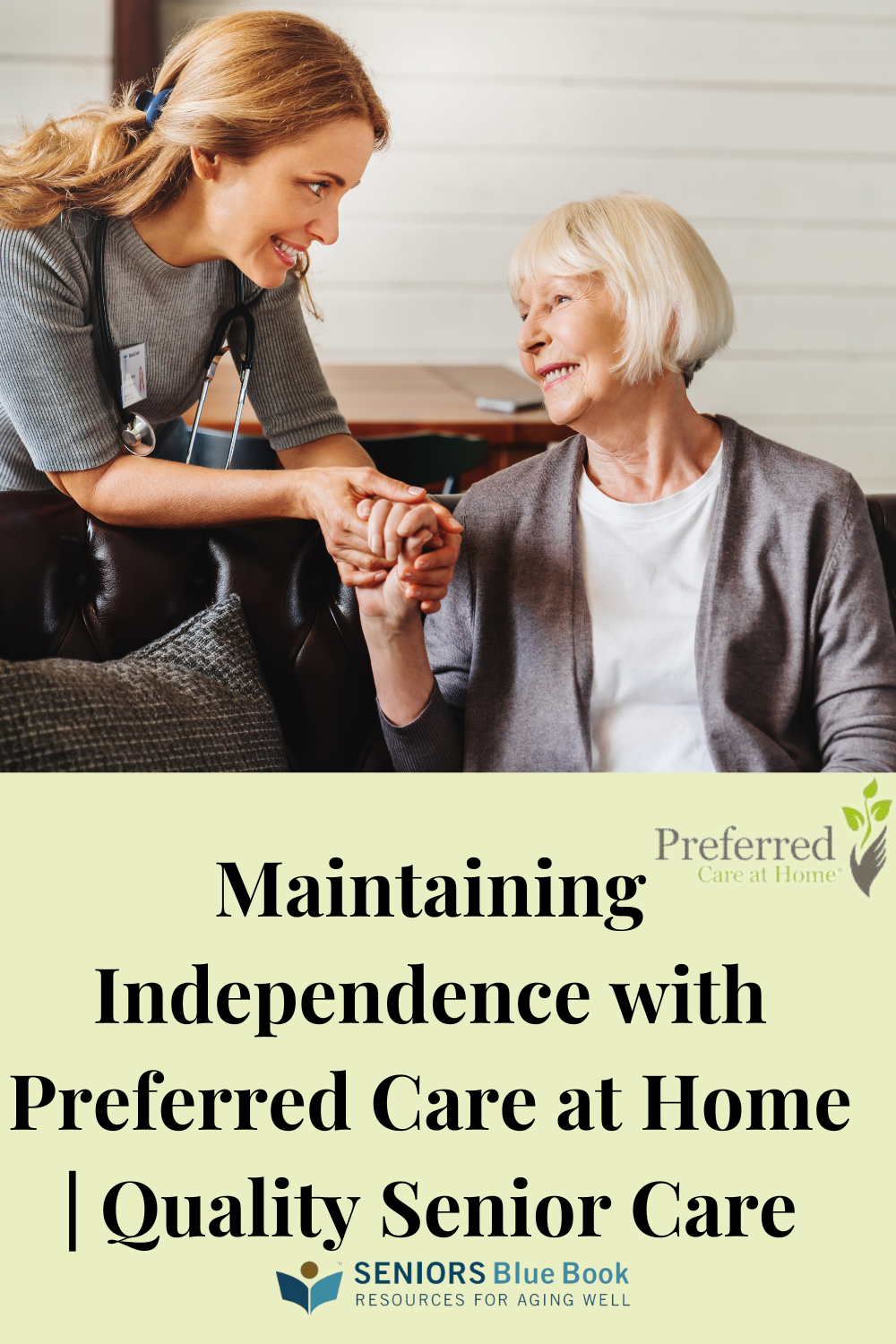
Maintaining Independence with Preferred Care at Home | Quality Senior Care
We celebrate Independence Day and reflect on the value of independence in our lives.At Preferred Care at Home, we deeply understand the importance of independence, especially among seniors. As we age, we maintain a strong desire for self-reliance, but we also recognize that circumstances change. This requires us to adapt and find new ways to thrive while preserving our independence.Preserving Autonomy Through Comprehensive Care ServicesPreferred Care at Home empowers seniors to maintain their independence through a range of comprehensive home care services. Our dedicated team provides compassionate support tailored to your specific needs. We assist with household tasks, medication management, transportation, and personal care, ensuring that you receive the necessary help while maintaining your independence.Affordable Solutions for Independent LivingWe believe that access to quality care should never be limited by cost. Thats why Preferred Care at Home is committed to keeping our services affordable. We offer various payment options, including long-term care insurance and Veterans benefits, to ensure that everyone can receive the support they need without financial burden.Empowering Independence on Independence DayOn this Independence Day, let Preferred Care at Home be your trusted partner in preserving independence. Our caring caregivers not only support your preferred lifestyle but also help you engage in your favorite activities. Whether you need assistance for a few hours a week or require around-the-clock care, our flexible services cater to your unique requirements and schedule.Choose Preferred Care at Home for Quality Senior CarePreferred Care at Home takes immense pride in providing exceptional senior care services. Our compassionate owners across the nation are always available to answer your questions, provide information, and ensure you receive the best possible care. We are dedicated to making home care services accessible to everyone, empowering seniors to maintain their independence and enjoy the highest quality of life.As we commemorate Independence Day, lets actively remember the significance of maintaining independence throughout all stages of life. Preferred Care at Home offers affordable and compassionate services that enable seniors to continue living independently in the comfort of their homes. With our unwavering support, you can experience the freedom and peace of mind you deserve. Contact Preferred Care at Home today to learn more about our home care services.
Aug 10, 2023
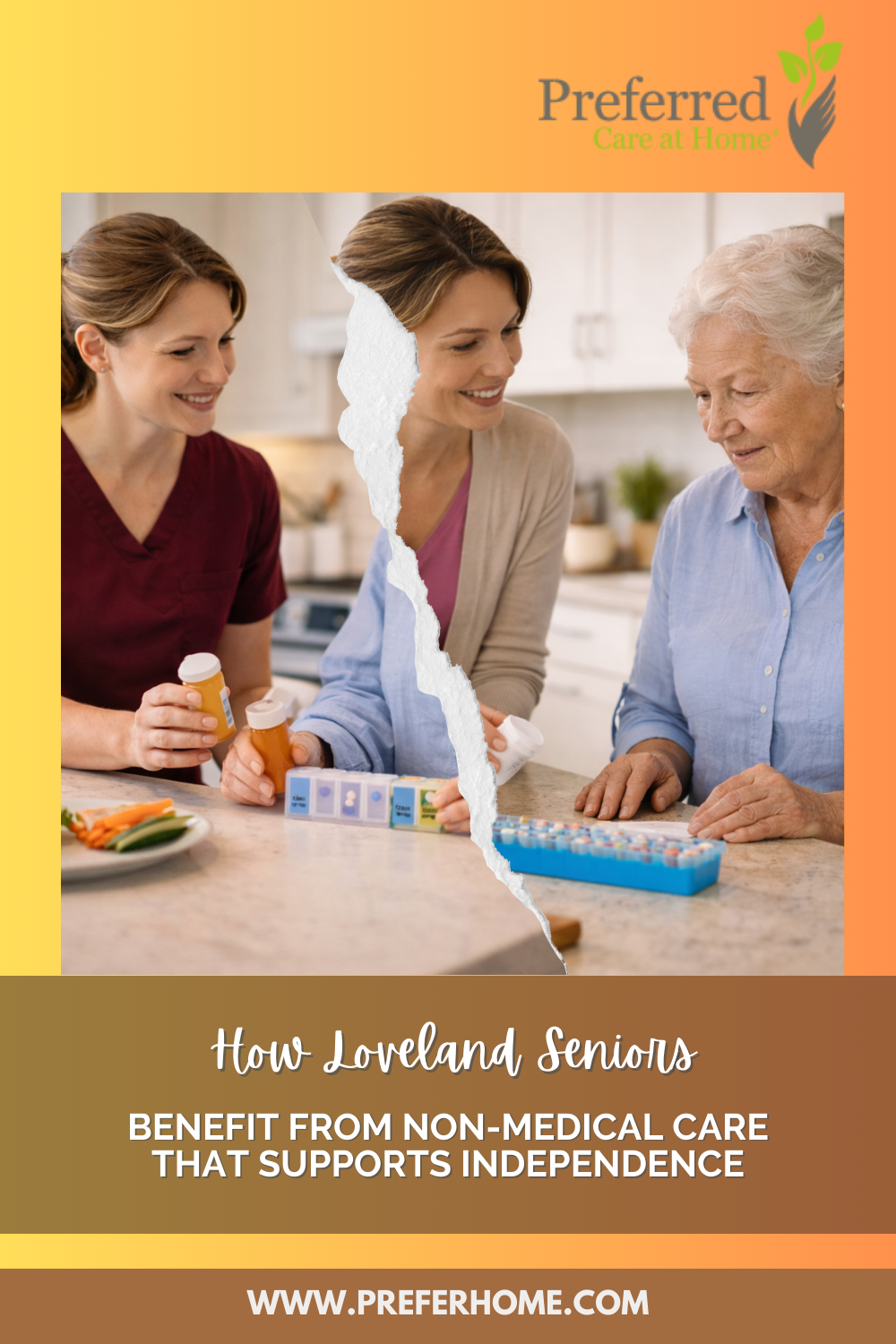
How Loveland Seniors Benefit from Non-Medical Care that Supports Independence
How Loveland Seniors Benefit from Non-Medical Care that Supports IndependenceIn Loveland, home is more than an address. Its the familiar view from the kitchen window, the routines built over years, and the comfort of knowing where everything is. For many older adults, staying at home is deeply tied to dignity and independence. But as aging changes balance, energy, memory, or strength, the everyday tasks that once felt simple can quietly become harderand sometimes unsafe.Families often notice small changes first: a parent skipping meals, avoiding showers, forgetting appointments, or feeling lonely after they stop driving. Adult children may want to help, but theyre also managing jobs, families, and their own responsibilities. Spouses may be doing their best but feeling physically exhausted. Thats where non-medical home care can become a practical, life-giving support.Preferred Care at Home in Loveland provides non-medical caregiver services designed to help seniors stay safe, comfortable, and engagedwithout taking away independence. The goal isnt to do everything for someone. Its to provide support where its needed most so seniors can keep living life on their terms.What Non-Medical Home Care Is (and What It Covers)Non-medical home care focuses on daily living and quality of lifehelp with routines that keep a home running and a person safe.Common services include: Companionship and conversation to reduce isolation Personal care assistance (bathing, dressing, grooming, toileting support) Meal prep and nutrition support (plus hydration reminders) Light housekeeping (laundry, dishes, changing linens, tidying) Transportation and errands (pharmacy, grocery, appointments) Mobility support and fall-risk awareness Medication reminders (not medication administration) Respite care so family caregivers can rest and recover For Loveland seniors, this can mean being able to stay in the home they love while reducing risk and stress.The Quiet Warning Signs Families Often MissMany seniors are proud and private. They may not want to admit theyre struggling. Sometimes, the biggest clues are small: The refrigerator looks emptier than usual The home is less tidy than it once was Mail stacks up unopened A parent seems more tired, less social, or more forgetful Showering happens less frequently Driving feels unsafe, so the senior goes out less A fall occursand gets brushed off as no big deal These moments matter because they often signal increasing safety risk. Non-medical care can help early, before a crisis forces bigger decisions.Companionship: A Health Need, Not a LuxuryLoneliness is one of the most underestimated risks for older adults. In a friendly town like Loveland, seniors can still become isolated quicklyespecially if driving stops or mobility declines.Companionship care can include: Sharing meals and conversation Helping a senior stay connected to hobbies Taking short, safe walks Attending community or faith events together Supporting simple daily routines that add structure and purpose A consistent caregiver relationship can improve mood, motivation, and overall well-being. For many seniors, it brings back a sense of normal.Fall Prevention: Safety Is Often About RoutineFalls are one of the top reasons seniors lose confidence at home. But falls arent only about slippery floorstheyre often about fatigue, dehydration, rushing, clutter, or unsafe transfers.A caregiver can help reduce fall risk by: Keeping walkways clear and well-lit Encouraging hydration and regular meals Assisting with safe shower routines and dressing Supporting transfers from bed, chair, or toilet Noticing early changes in balance, dizziness, or weakness In Loveland, weather can add risksnow, ice, and slippery walkways. Home care reduces pressure on seniors to push through unsafe situations alone.Personal Care Support That Protects DignityBathing and grooming are deeply personal. When these tasks become hard, seniors may feel embarrassed or frustrated. Some begin avoiding showers out of fear of falling. This can lead to hygiene decline, skin issues, or increased stress.Caregivers help with: Safe bathing routines Dressing and grooming Skin care and comfort routines Gentle support that respects privacy and preferences The right caregiver approaches personal care with sensitivityhelping seniors feel clean, comfortable, and respected.Respite for Families: The Support That Keeps Caregiving SustainableFamily caregiving is often done out of lovebut it can also be exhausting. Many caregivers in Loveland are balancing: Work responsibilities Parenting and household needs Constant worry and interrupted sleep Their own health concerns Respite care gives family members consistent breaks, which often improves the entire households emotional health. Even a few hours a week can reduce burnout and make caregiving feel more manageable.As Chris McNail shares: Home care is most effective when it supports the whole family. When seniors feel safe and cared forand caregivers feel supportedthe home becomes calmer and life becomes more manageable. That calmer home effect is one of the biggest benefits families report.What a Loveland Care Plan Can Look LikeNon-medical care can start small and grow over time.Common care schedules include: A few hours per week for errands, meals, and companionship Morning help for bathing, dressing, and breakfast Afternoon visits for meal prep, hydration, and light housekeeping Evening support for dinner, reminders, and safe bedtime routines Weekend respite so family caregivers can rest or travel The best plans are flexiblebuilt around the seniors needs and comfort level.How to Choose the Right Home Care ProviderWhen selecting a provider, families should feel comfortable asking clear questions: How do you screen and train caregivers? How do you match caregivers to client personalities and needs? How do you communicate with families and provide updates? What happens if a caregiver is sick or unavailable? Can services increase if needs change? What tasks are includedand what tasks are not? A strong provider answers clearly and helps families set realistic expectations.Helping Loveland Seniors Stay Home With ConfidenceThe best home care doesnt make someone feel dependentit makes them feel supported. It helps seniors keep routines, enjoy companionship, and stay safer at home while giving families peace of mind.Preferred Care at Home helps Loveland seniors navigate the everyday challenges of aging with practical support and respectful careso home continues to feel like home.Call to Action: To learn more about non-medical home care in Loveland, visit Preferred Care at Homes Seniors Blue Book listing and reach out to their team. The right support can protect independence and make each day feel easierfor seniors and families alike.FAQs (Loveland / Northern Colorado)1) Whats the difference between home care and home health? Home care provides non-medical daily living support and companionship. Home health provides clinical nursing or therapy, typically ordered by a physician.2) Can caregivers help with bathing and dressing? Yes. Personal care support is a common service and is tailored to the clients comfort and needs.3) How many hours should we start with? Many families start with 412 hours per week and adjust as needs change.4) Does home care include medication management? Non-medical caregivers can provide reminders, but they generally do not administer medications. Ask your provider whats included. 5) How does respite care help family caregivers? It provides scheduled breaks, reduces stress, and helps caregiving remain sustainable long-term.
Jan 21, 2026
Nurturing Mental Well-being in Seniors: Essential Self-Care Tips
As we gracefully age, our mental health becomes a vital aspect of our overall well-being.Taking care of our minds becomes even more crucial as we navigate the unique challenges and changes that come with being a senior. Fortunately, there are numerous strategies and practices that can help seniors maintain and enhance their mental health. In this blog post, we will explore some effective ways for seniors to nurture their mental well-being and invite them to consider the assistance of Preferred Care at Home for a holistic approach to care.Prioritize Social Connections:Maintaining social connections is paramount for seniors to combat feelings of loneliness and isolation. Regular interaction with friends, family, and community members can have a profound impact on mental health. Engage in social activities, join clubs or organizations, or volunteer for causes that resonate with you. Embracing technology can also open up opportunities for virtual connections, enabling seniors to connect with loved ones across distances.Engage in Physical Exercise:Physical exercise is not only beneficial for the body but also for the mind. Engaging in regular physical activity can help reduce stress, improve mood, and enhance cognitive function. Seniors can explore gentle exercises such as walking, yoga, or tai chi, based on their abilities and preferences. Physical activity can also be enjoyed in groups or through specialized senior fitness programs, fostering social connections alongside physical well-being.Pursue Hobbies and Interests:Having a sense of purpose and engaging in activities that bring joy is vital for mental health. Seniors should identify and pursue hobbies or interests they are passionate about, whether its painting, gardening, playing an instrument, or engaging in intellectual pursuits like reading or puzzles. Exploring new hobbies can also be a great way to meet like-minded individuals, fostering a sense of fulfillment and connection.Practice Mindfulness and Relaxation:Taking time to unwind and relax is essential for mental well-being. Mindfulness and relaxation techniques can help seniors manage stress, reduce anxiety, and improve overall mood. Meditation, deep breathing exercises, and gentle stretching can be incorporated into a daily routine. Engaging with nature, listening to calming music, or practicing hobbies that induce relaxation, such as knitting or painting, can also have a soothing effect on the mind.Seek Professional Support:If you or your loved one is experiencing persistent feelings of sadness, anxiety, or struggling with mental health, its crucial to seek professional support. Mental health professionals can provide valuable guidance, counseling, and therapy tailored to the unique needs of seniors. In this regard, Preferred Care at Home offers specialized in-home care services, providing compassionate and comprehensive support for seniors mental well-being.Taking care of mental health is a crucial aspect of overall well-being, especially for seniors who may face specific challenges and transitions in their lives. By prioritizing social connections, engaging in physical exercise, pursuing hobbies, practicing mindfulness, and seeking professional support when needed, seniors can nurture their mental well-being and enjoy a fulfilling and vibrant life. Preferred Care at Home offers the expertise and personalized care required to support seniors in maintaining their mental health and overall well-being. Reach out to Preferred Care at Home today to embark on a journey towards enhanced mental well-being and a fulfilling life.
Aug 10, 2023
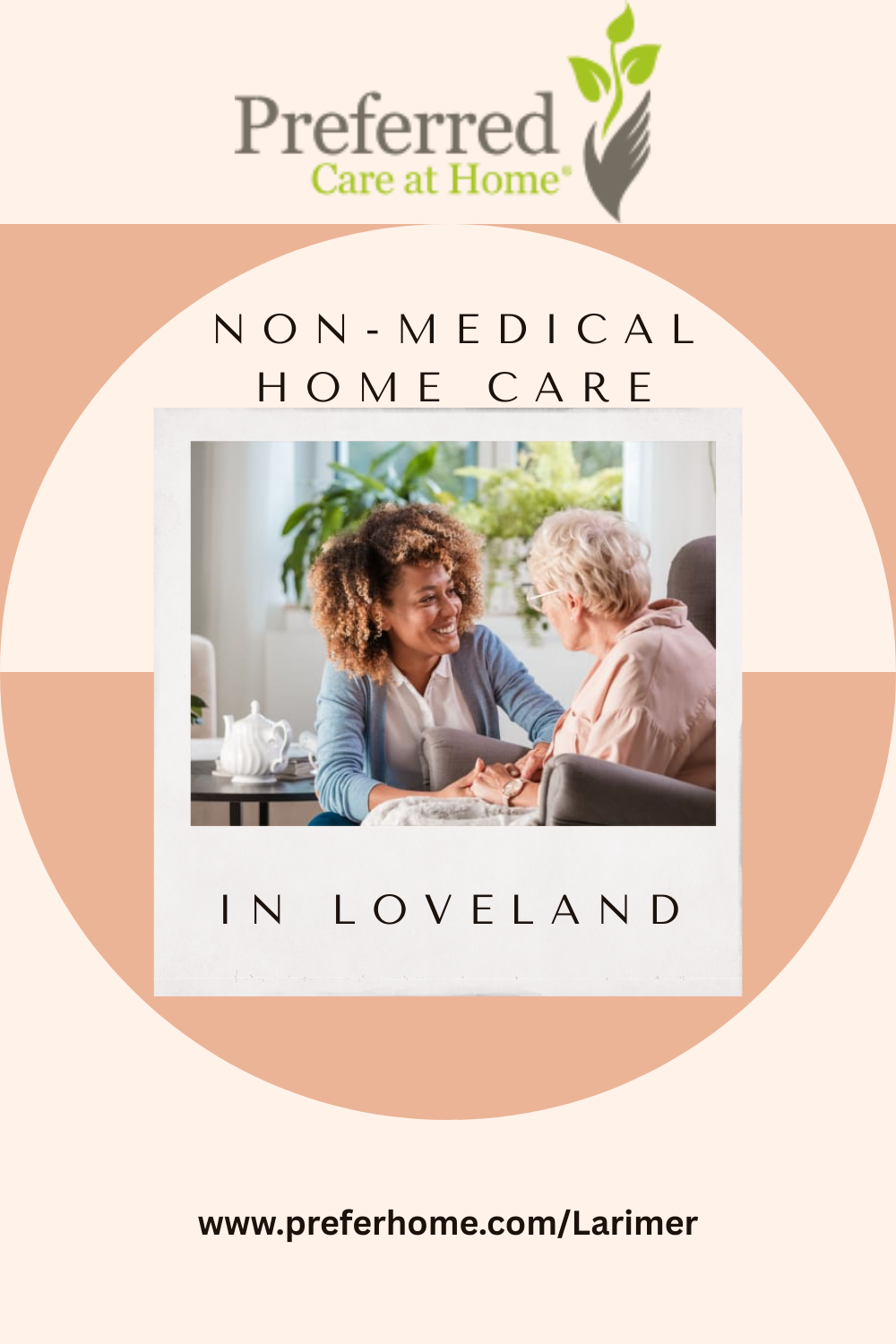
Non-Medical Home Care in Loveland
Non-Medical Home Care in Loveland For many older adults in Loveland and across Northern Colorado, independence is closely tied to home. Its the place where routines are familiar, memories are layered into every room, and life still feels like theirs. Yet as daily tasks slowly become more difficult, staying at home safely can require an extra level of supportsupport that feels respectful, dependable, and personal. Thats where non-medical home care makes a meaningful difference. Preferred Care at Home provides non-medical in-home care designed to help seniors continue living comfortably at home while easing the load for family caregivers. Their focus is simple but powerful: dependable care, delivered with compassion, consistency, and respect. Why Non-Medical Home Care Is Essential in Loveland Loveland is a community known for its strong neighborhoods, active seniors, and deep family connections. Many older adults here want to age in placeclose to loved ones, local resources, and familiar surroundings. While medical care may not be necessary, everyday support often is. Non-medical home care helps bridge the gap by assisting with daily living while preserving independence. Its especially valuable for individuals who are stable medically but benefit from hands-on help, routine, or companionship. In Northern Coloradowhere families often balance work, commuting, and caregivinghaving a trusted in-home care partner can reduce stress for everyone involved. Care That Supports Daily Living, Not Disrupts It Preferred Care at Home approaches caregiving with flexibility and personalization. Care plans are built around the individual, not a preset checklist, allowing support to evolve as needs change. Everyday Assistance Help with bathing, dressing, and grooming Meal preparation and hydration reminders Light housekeeping and laundry Companionship and Connection Meaningful conversation and emotional support Assistance with routines, hobbies, and daily structure Reducing isolation through consistent presence Safety and Reassurance Mobility assistance and fall-prevention support Medication reminders (non-clinical) Peace of mind for families knowing someone is there This kind of support allows seniors to maintain dignity while staying safe and comfortable in their own homes. Dependable Care Built on Trust Consistency matters in home care. Seniors feel more comfortableand families feel more confidentwhen care is reliable and relationships are allowed to develop over time. Preferred Care at Home emphasizes: Thoughtful caregiver matching Clear communication and scheduling Reliable follow-through and accountability As Chris McNail of Preferred Care at Home explains: Families trust us with their loved ones. We take that responsibility seriously by showing up consistently, communicating clearly, and providing care that truly supports independence. That commitment to dependability helps build long-term trust with both clients and their families. Supporting Family Caregivers in Northern Colorado Family caregivers often step into their role graduallyhelping with errands, checking in more often, or managing appointments. Over time, those responsibilities can grow heavier, especially when combined with work or parenting. Non-medical home care supports caregivers by: Sharing daily responsibilities Providing coverage during work hours or travel Reducing burnout and emotional strain With professional support in place, families can focus on being present as loved onesnot just caregivers. Local Understanding Makes Care More Personal Being rooted in Loveland gives Preferred Care at Home insight into the rhythms of Northern Colorado lifefrom seasonal weather challenges to local community resources. Local familiarity allows caregivers to: Help seniors stay engaged in their community Coordinate smoothly with nearby services and family members Respond quickly as needs or schedules change Families often feel reassured knowing their care provider understands both the area and the lifestyle their loved one values. Experience, Compassion, and Professional Standards Non-medical home care requires more than kindnessit requires reliability, training, and clear expectations. Preferred Care at Home blends professional standards with genuine compassion. Families value: Experienced, attentive caregivers Transparent communication Care that feels personal rather than transactional This balance ensures support is dependable while still feeling warm and human. Who Benefits Most From Non-Medical Home Care? Preferred Care at Home is a strong fit for individuals who: Want to remain at home but need daily support Feel isolated or would benefit from companionship Are experiencing early mobility or memory changes Have family nearby who need extra caregiving help Starting care earlier often helps seniors maintain independence longer and avoid more disruptive transitions later. Frequently Asked Questions About Non-Medical Home Care in Loveland What is non-medical home care? It focuses on daily living support and companionship rather than medical or clinical services. Can care be adjusted over time? Yes. Services are flexible and can change as needs evolve. Does non-medical care replace family involvement? No. It complements family caregiving and helps share responsibilities. Is care available part-time? Yes. Support can range from a few hours a week to ongoing daily care. When should families consider starting care? Early support often leads to better outcomes and less stress. Supporting Independence at Home Aging at home works best when the right support is in place. For families in Loveland and Northern Colorado, Preferred Care at Home offers non-medical home care rooted in reliability, compassion, and respecthelping seniors live safely, comfortably, and with confidence. Visit their Seniors Blue Book listing to learn more about Preferred Care at Home and explore non-medical home care options today.
Jan 29, 2026

How Non-Medical Home Care Prevents Crisis for Seniors Living at Home
How Non-Medical Home Care Prevents Crisis for Seniors Living at HomeIn Loveland, many families are doing a careful balancing acttrying to honor a loved ones independence while quietly worrying about safety. A parent may insist theyre fine, even as little signs add up: forgotten medications, skipped meals, laundry piling up, more hesitation on stairs, a bruise from a small fall they didnt mention right away. Adult children often respond by checking in more, stopping by after work, and filling gaps on weekends.But the gap keeps growing.This is what many families experience: the care gapthe space between what a senior can safely do alone and what a family can realistically provide. The care gap is where emergencies happen: falls, dehydration, medication errors, caregiver burnout, and sudden hospital visits. The good news is that the care gap can be addressed proactively, before life turns into constant crisis management.Preferred Care at Home in Loveland provides non-medical home care that supports aging in place with practical daily help, companionship, and caregiver relief. Their focus is helping seniors remain safe and comfortable at home while giving families a sustainable plan.As Chris McNail of Preferred Care at Home shares, Families often feel like they have to wait for a major incident before getting help. But home care works best when it closes the small gaps earlyso seniors stay safer, and families can breathe again.What Non-Medical Home Care Really Does (And Why Its So Effective)Non-medical home care supports the daily activities that keep life stablewithout replacing medical providers. Its ideal for seniors who dont need skilled nursing at home, but do need help with routine tasks, safety, and consistency.Common non-medical home care support includes: Bathing, dressing, grooming, and toileting assistance Meal prep, hydration reminders, and light housekeeping Laundry and basic home organization Medication reminders (non-clinical) Transportation and errands Companionship and emotional support Respite care for family caregivers Safety monitoring and fall-risk awareness These supports may sound simple, but they address the exact problems that often trigger emergencies.The Loveland Care Gap: What It Looks Like in Real LifeThe care gap shows up differently for every family, but common signs include:Near falls or increased unsteadinessA senior may not report a fall, but you notice: They hold onto furniture while walking They avoid stairs or showers They move slower and seem anxious They have unexplained bruises Nutrition and hydration slippingMany seniors eat less when they live alone. They may skip meals, forget to drink water, or rely on snacks. Over time, this can lead to weakness, dizziness, and faster decline.Medication confusionEven organized seniors can struggle when medications multiply. Missed doses or double doses can cause: Confusion Dizziness Blood pressure swings Falls A home thats slowly becoming unsafeYou may notice: Cluttered walkways Dirty dishes or spoiled food Laundry piling up Unsafe bathroom conditions Isolation and withdrawalLoveland has a strong community feel, but older adults can still become isolatedespecially if driving decreases or energy fades. Isolation often leads to depression, lower motivation, and reduced self-care.Caregiver burnoutFamilies may be doing just enough to keep things afloat, but theyre exhausted: Constant worry Last-minute schedule changes Emotional stress and guilt Less time for work, rest, and relationships Home care closes these gaps before they turn into crises.Why Starting A Little Early Makes Home Care Work BetterMany families wait because they dont want to overreact. But starting home care early often prevents bigger problems. Small care plans can create stability quickly.Examples of early care that makes a big difference: Two morning visits per week for shower safety and breakfast A midday visit for companionship and a walk Evening support for dinner and medication reminders Weekly errands and home organization These small supports protect health, reduce fall risk, and help seniors accept care gradually.Chris McNail explains the difference: When you start with a routine-based plan, seniors feel supportednot supervised. Thats when care becomes a tool for independence, not a threat to it.The 5-Part Home Care Plan That Prevents CrisisFamilies in Loveland often benefit from a home care plan that addresses five key categories:1) Safety routines (especially bathroom and mobility)Bathrooms are high-risk. Caregivers can provide standby support for bathing, reduce rushing, and help keep routines calm and safe.2) Nutrition and hydrationSimple meal prep and shared mealtimes often improve appetite. Regular hydration reminders prevent dizziness and weakness.3) Medication reminders and routine consistencyA consistent daily rhythm reduces missed meds and confusionespecially for seniors managing multiple prescriptions.4) Movement and engagementA short walk, light stretching, or even moving around the home reduces deconditioning. Engagement improves mood and cognitive stability.5) Caregiver reliefRespite is not optional. Its how families stay healthy long-term. A good plan includes time for caregivers to rest, work, or simply live their own lives.Loveland Lifestyle Tip: Staying Connected to Community (Even Without Driving)A big fear for seniors is losing connection when driving decreases. Home care can help seniors stay engaged by: Providing transportation support Encouraging safe outings (parks, coffee, visits with friends) Supporting attendance at community or faith-based activities Reducing isolation through consistent conversation Even small outings can restore confidence and improve emotional well-being.How to Talk to a Parent Who Resists Home CareResistance is commonand understandable. Many seniors associate care with loss of independence. The best approach is to frame home care as support for staying home.Try language like: This helps you stay independent longer. Its like having a helper for the hard parts. Lets try it for a few weeks and see how it feels. This gives me peace of mind so I worry less. Starting with companionship or errands can be an easier first step than personal care.How Seniors Blue Book Helps Families Find Home Care in LovelandSeniors Blue Book makes it easier to find trusted local providers and compare options without endless searching. If youre exploring non-medical home care in Loveland, visit the Seniors Blue Book listing for Preferred Care at Home to learn more, ask questions, and build a plan that fits your loved ones routine.Closing the care gap is one of the most powerful ways to prevent crisisand keep a loved one safely at home.Local FAQs: Non-Medical Home Care in LovelandIs home care only for seniors who cant live alone?No. Many seniors use home care early to stay independent longer and prevent falls or emergencies.How many hours should we start with?Many families start smalllike a few visits per weekthen adjust as needs change.Can home care help after a hospital stay?Yes. Home care supports safe routines, meals, and oversight, while home health handles medical needs if ordered by a doctor.Does home care include medication management?Home care can provide reminders and routine support, but it is not clinical medication administration.How do we know its time?If youre noticing falls, missed meals, medication confusion, isolation, or caregiver burnout, its time to explore support.A Safer Plan Before the Next EmergencyFamilies dont need to wait for a fall, a hospitalization, or burnout to get help. Home care works best when it closes the care gap earlyprotecting safety, reducing stress, and supporting independence in the home your loved one cherishes. Strong CTA: Visit the Seniors Blue Book listing for Preferred Care at Home to explore non-medical home care in Loveland and build a routine-based plan that keeps your loved one safe at homebefore crisis forces the next step.
Jan 20, 2026
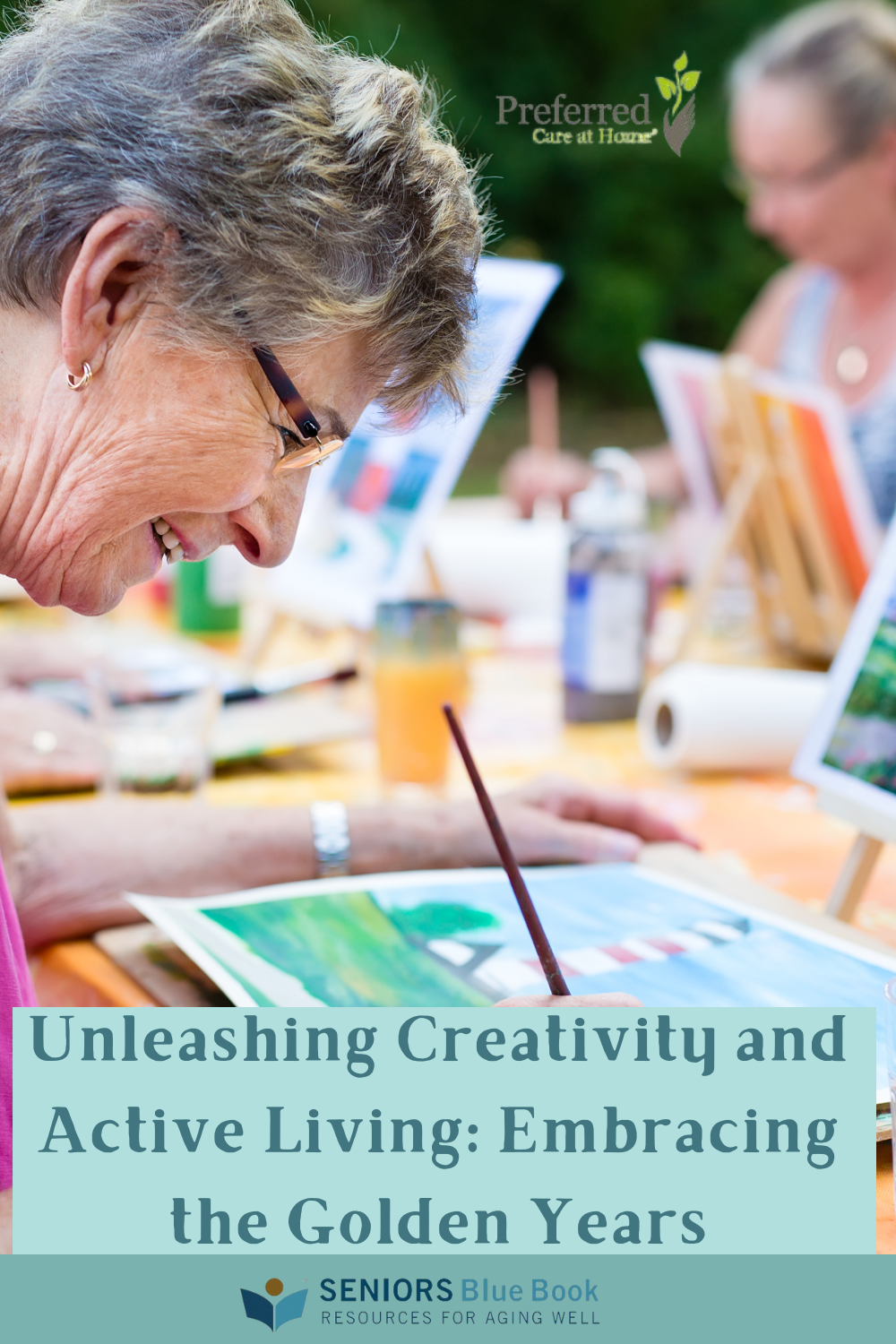
Unleashing Creativity and Active Living: Embracing the Golden Years
The golden years offer a precious opportunity for seniors to embark on a fulfilling journey of self-expression and vibrant living.As we age, it becomes increasingly important to nurture our creativity and embrace an active lifestyle. In this blog, we will explore the numerous benefits of unleashing your creative spirit and staying physically active as a senior. Get ready to embrace the joy of artistic exploration and discover the power of an active lifestyle in this exciting chapter of life.Igniting the Creative FlameCreativity has no age restrictions. It is a flame that can burn brightly within us throughout our lives. Seniors have a wealth of experiences and wisdom to draw upon, making them uniquely positioned to explore their creative talents. Whether its painting, writing, playing music, or engaging in crafts, embracing creativity enhances self-expression, stimulates the mind, and brings immense joy and fulfillment.Active Living for a Vibrant LifeStaying physically active as a senior is key to maintaining overall well-being and a high quality of life. Regular exercise helps improve cardiovascular health, enhance flexibility, and increase energy levels. Engaging in activities such as walking, swimming, dancing, or yoga not only boosts physical fitness but also releases endorphins, leading to improved mood, reduced stress, and better mental health.Mental Stimulation and Cognitive HealthBoth creativity and an active lifestyle contribute to mental stimulation and cognitive health. Participating in creative endeavors challenges the brain, improving memory, problem-solving abilities, and cognitive flexibility. Similarly, physical activity stimulates blood flow to the brain, fostering the growth of new neurons and supporting cognitive function. The combination of creativity and an active lifestyle can help seniors maintain mental acuity and ward off age-related cognitive decline.Cultivating Social Connections:Exploring creativity and leading an active lifestyle provide ample opportunities to forge meaningful social connections. Joining art classes, dance groups, or exercise clubs introduces seniors to like-minded individuals, fostering friendships and a sense of community. Social interaction is vital for emotional well-being and can combat feelings of loneliness and isolation that may arise during the aging process.Embracing creativity and leading an active lifestyle are essential ingredients for a fulfilling and vibrant life. By nurturing your artistic passions and engaging in regular physical activity, you can unlock new realms of self-expression, enhance your overall well-being, and cultivate meaningful connections. Seize the opportunity to unleash your creativity, enjoy an active lifestyle. Your golden years are brimming with endless possibilities let your inner artist and active self shine brightly!
Aug 10, 2023
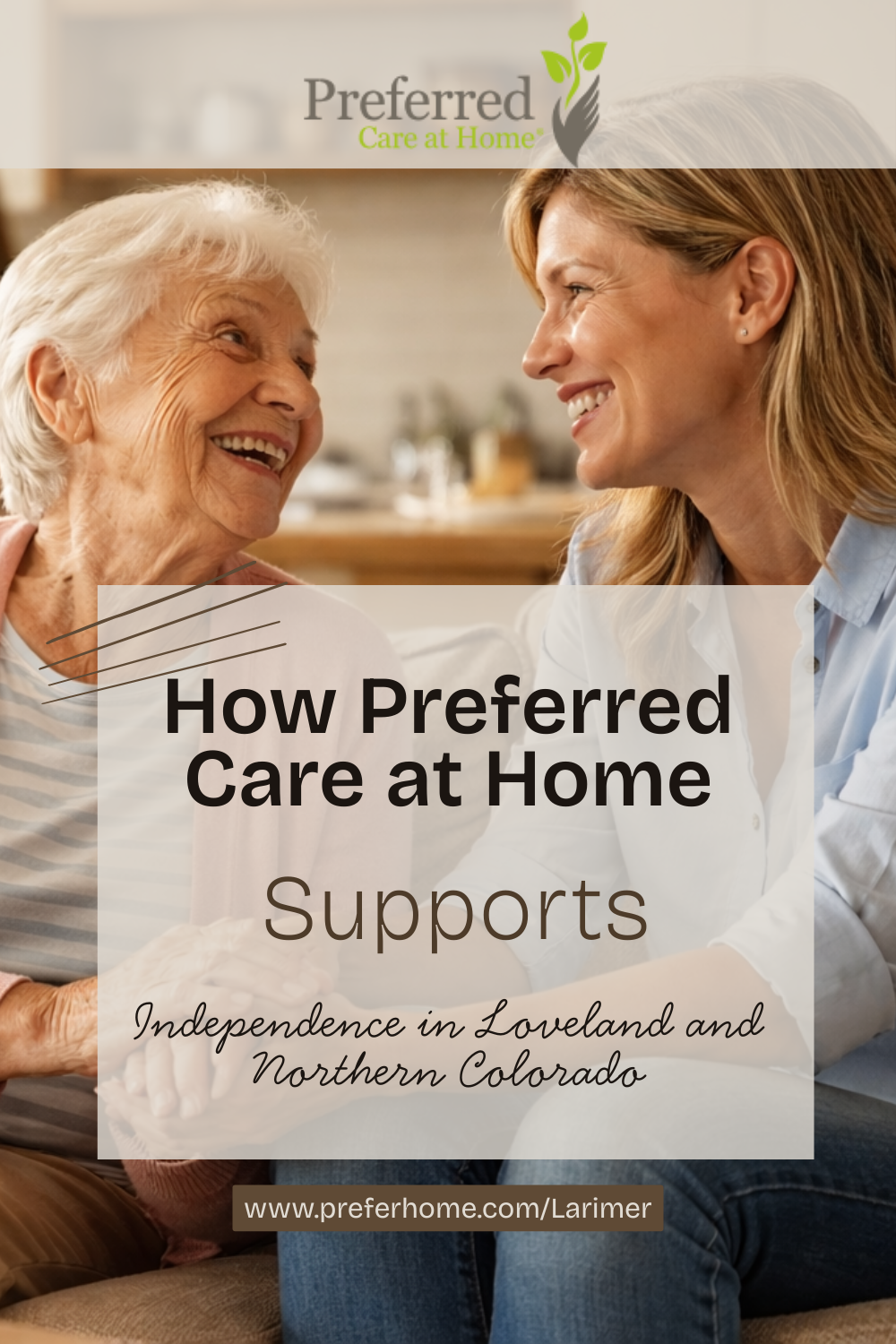
How Preferred Care at Home Supports Independence in Loveland and North
How Preferred Care at Home Supports Independence in Loveland and Northern ColoradoFor many older adults in Loveland and across Northern Colorado, home isnt just a placeits a sense of identity. Its where routines feel familiar, memories live in every room, and independence still feels possible. As daily tasks become more challenging, families often face a difficult question: How do we keep our loved one safe without taking away their independence?Non-medical home care offers a practical and compassionate answer. Preferred Care at Home in Loveland specializes in helping seniors remain where they are most comfortableat homewhile receiving dependable, respectful support tailored to their daily needs.Rather than a one-size-fits-all approach, their care model centers on personal relationships, consistency, and flexibilityvalues that resonate strongly with Northern Colorado families.Non-Medical Home Care That Fits Real LifeLoveland is home to a growing senior population, many of whom want to stay active in their community, attend local events, and maintain control over their day-to-day lives. Non-medical home care bridges the gap between full independence and medical care by offering hands-on support with everyday activities.Preferred Care at Home focuses on assistance that enhances quality of life without disrupting it. Care is provided in the clients home and adapts as needs change over time.Common services include: Help with bathing, dressing, and grooming Meal preparation and light housekeeping Medication reminders (non-clinical) Transportation to appointments and errands Companionship and social engagement Alzheimers and dementia support These services help reduce fall risks, prevent isolation, and give families peace of mindespecially adult children who may live nearby but juggle work and caregiving responsibilities.A Relationship-Driven Approach to CaregivingWhat sets Preferred Care at Home apart is their emphasis on matching caregivers thoughtfully and maintaining continuity whenever possible. Seniors thrive when they see familiar faces, and trust builds over time through consistency.As Chris McNail of Preferred Care at Home explains, Our goal is to support independence while giving families confidence that their loved one is cared for with respect, reliability, and genuine compassion.That philosophy shows up in how caregivers are selected, trained, and matchedbased not just on skills, but on personality, preferences, and lifestyle compatibility.Supporting Seniorsand the Families Who Love ThemNon-medical care doesnt just serve seniors; it also supports family caregivers who may be experiencing stress, burnout, or uncertainty. Many families in Loveland find themselves stepping into caregiving roles unexpectedly after a fall, hospital discharge, or gradual decline.Preferred Care at Home helps families: Transition safely from hospital or rehab to home Create flexible care schedules (from a few hours to full-day support) Adjust care plans as needs evolve Navigate dementia-related challenges with education and patience By sharing the caregiving load, families can return to being sons, daughters, spouses, and friendsrather than full-time caregivers.Helping Seniors Stay Connected in the Loveland CommunitySocial isolation is one of the most overlooked risks of aging, particularly during Colorado winters. Companionship care plays a crucial role in emotional well-being, cognitive health, and overall happiness.Caregivers from Preferred Care at Home dont just help with tasksthey engage in conversation, encourage hobbies, and support routines that keep seniors connected to their community.This might include: Accompaniment to local parks, libraries, or senior centers Support attending faith services or community events Encouragement of daily routines like walking or reading These small moments of connection often make a big difference in a seniors outlook and confidence.Dementia and Alzheimers Support With Patience and UnderstandingCaring for a loved one with memory loss presents unique challenges. Familiar environments can reduce confusion, and consistent caregivers help create a sense of security.Preferred Care at Home offers specialized non-medical dementia support that emphasizes: Calm, structured routines Redirection and reassurance techniques Safety monitoring Support for family education and coping strategies This approach allows many individuals with Alzheimers or other forms of dementia to remain at home longer, surrounded by familiar comforts.Why Local Non-Medical Care Matters in Northern ColoradoChoosing a locally rooted home care provider means working with a team that understands the region, the pace of life, and the values of Northern Colorado families. Preferred Care at Home serves Loveland and surrounding communities with responsiveness and accountability that national call centers cant replicate.Local care means: Faster response times Familiarity with nearby healthcare providers and resources Personalized service rather than volume-based scheduling For families navigating care decisions, that local presence can make the process feel far less overwhelming.When Is Non-Medical Home Care the Right Choice?Non-medical care is often ideal when a senior: Wants to remain at home but needs daily assistance Is recovering from illness or surgery Needs companionship and supervision Has early to moderate memory loss Lives alone and could benefit from regular support Preferred Care at Home works closely with families to assess needs and recommend a level of care that feels supportivenot intrusive.Frequently Asked Questions About Non-Medical Home Care in LovelandIs non-medical home care the same as home health care? No. Non-medical care focuses on daily living support and companionship, while home health care involves medical services provided by licensed clinicians.Can care start with just a few hours a week? Yes. Care plans are flexible and can range from occasional visits to daily or extended-hour support.Do caregivers help with transportation? Yes. Caregivers can assist with errands, appointments, and local outings as part of companionship care.Is this type of care covered by insurance? Coverage varies. Some long-term care insurance policies may apply. Preferred Care at Home can help families understand their options.Can care increase over time if needs change? Absolutely. Care plans are designed to evolve as a seniors needs change.Find Trusted Non-Medical Home Care Through Seniors Blue BookIf youre exploring non-medical home care in Loveland or Northern Colorado, having a trusted local provider matters. Preferred Care at Home offers compassionate, relationship-based support that helps seniors age safely and confidently at home. Visit their Seniors Blue Book listing to learn more, explore services, and connect with local care professionals who understand your familys needs.
Feb 03, 2026

The Crucial Role of Annual Check-Up Day in Prioritizing Your Health
Annual Check-Up Day: Prioritize Your Health As the hustle and bustle of daily life often takes precedence, our health can sometimes take a backseat. Its easy to forget to schedule routine check-ups and neglect our well-being. However, our health should never be compromised, and regular medical evaluations play a vital role in ensuring a long and fulfilling life. One way to prioritize your health and receive personalized care is through an annual check-up day, an occasion that emphasizes the importance of preventative healthcare.The Importance of Annual Check-Up DayAnnual check-up day is a designated date when individuals are encouraged to visit their healthcare providers for a comprehensive medical evaluation. This day serves as a gentle reminder to prioritize preventive care and assess ones health status regularly. The significance of an annual check-up day lies in its ability to:Early Detection of Health Issues: Regular check-ups allow healthcare professionals to detect potential health problems early, significantly improving treatment outcomes and overall prognosis.Monitor Existing Health Conditions: For those with pre-existing health conditions, annual check-ups enable physicians to monitor their progress and adjust treatment plans accordingly.Promote Preventative Care: Preventative care measures, such as vaccinations and screenings, are an integral part of annual check-ups. These measures can prevent illnesses before they become severe.Establish a Strong Doctor-Patient Relationship: Consistent visits to the same healthcare provider foster a trusting and familiar relationship, enhancing communication and understanding between the patient and the medical team.Health Education and Lifestyle Advice: Annual check-ups offer an opportunity for patients to receive personalized health education and lifestyle advice from their healthcare providers, empowering them to make informed decisions about their well-being.Annual Check-Up Day is more than a reminderits an opportunityIts a chance to prioritize your health, to catch potential concerns early, and to cultivate a relationship with your healthcare provider. Choosing Preferred Care at Home is choosing to meet these opportunities with comfort, flexibility, and support tailored to your needs. This Annual Check-Up Day, dont just prioritize your health, optimize it. Reach out to Preferred Care at Home, and discover how we can help enhance your well-being, one day at a time.
Aug 10, 2023
Five Memory Activities that Boost Brain Health
Over 6 million Americans are living with Alzheimers disease. Its the 5th leading cause of death in the United States. And one in three seniors dies with Alzheimers or another form of dementia (Statistics from the Alzheimers Association). These statistics are very high, and chances are someone you love or know is a victim to this disease.The Alzheimers Association shared an article on 10 Ways to Love Your Brain. This included exercise, education, quitting smoking, heart health, avoiding head injuries, getting adequate sleep, proper nutrition, mental health, social engagement, and challenging your mind through games and activities. Incorporating these 10 lifestyle habits can help reduce your risk of cognitive decline.For this post, I want to focus on ideas to challenge your mind through memory activities and games. These activities provide ways to keep your mind sharp, if your loved one has already progressed with dementia, some of these activities may need to be adjusted.Memory activities can be an enjoyable way to challenge yourself and even remain socially active. Here are five ideas to help you find the memory activities and games that are right for you.1. Play Card Games. Playing cards offer a variety of ways to promote brain health and challenge your mind. For example, playing Bridge requires strategy and provides social interaction.2. Complete Crossword Puzzles. The New York Times offers their famous daily crossword puzzle, but crosswords can be played at a variety of levels and even played on an app on your phone or tablet.3. Learn a New Language. You are never too old to learn something new. Is there a trip you are planning for? Memorize phrases that may be useful to you on your trip. Or perhaps you have always wanted to learn a certain language. Now is a great time to start challenging your memory and your mind.4. Assemble Puzzles. Puzzles can also range is complexity and can provide continued challenge at whatever level you find yourself. From simple images to 3D structures, puzzle assembly provides a fun brain challenge.5. Learn a New Activity. Take a cooking class or attend a painting party. Contact your local art league to discover what beginner art classes are offered. Also, many senior centers offer a variety of classes, check their monthly schedule and challenge yourself to attend and learn something new.If there are activities or hobbies that you currently enjoy, look for ways to push yourself further with them. For example, if you like to read, try branching out into other genres or reading more difficult material. If youve always enjoyed tennis, join a league, take lessons to fine tune your technique. The bottom line? Continue to look for the next challenge, your memory will reap the benefit.