








About Seniors Helping Seniors
Seniors Helping Seniors is a nationally franchised non-medical, in-home care service which matches seniors who need help with seniors who want to help. We are unique because we focus on the relationship between your loved one and the care provider. Our care providers have had background investigations and are trained and competent to perform any tasks associated with in-home care, including personal care, dementia care, overnight and 24/7 care as well as companionship, meal prep, light housekeeping, running errands and taking our clients on outings or to appointments. At Seniors Helping Seniors Boulder County, we have a passion for meeting the needs of seniors in a way that provides both dignity and a sense of camaraderie. We match seniors who need a hand with mature, active women and men who have a passion for helping others. Our owner, Colleen Elliott, takes great pride serving seniors throughout Boulder County, Broomfield, Brighton, and surrounding communities.
Non-Medical
- https://shsbouldercounty.com/
- Private Pay, Long Term Care Insurance, Veterans Administration
- 3
- Activities, Housekeeping, Meals/Meal Options, Med-Alert Available, Transportation, Medication Reminders, 24 Hour Contact, Free Assessment, Yard Work, Home Health Aides / Assisting ADL
- 24 Hour Care, Doctor Visits, Home Care/Personal Assistance/Companion, Incontinence Care, CNA on Staff, Alzheimer's/Dementia Care
- Bonded, Insured, Workmans Comp
- B
Continue Your Search! Explore More Local Options.
Start SearchingLet’s engage and get educated!
Browse through thousands of expert articles in over 100 different categories.
Browse NowArticles You May Like

Top Virtual Museum Tours for Seniors: Explore World-Class Museums from Home
Welcome to the future of exploration, where travel is just a click away! Thanks to the power of virtual museum tours, discovering the world has never been more accessible or exciting! These virtual tours offer a fantastic opportunity to explore global treasures, stimulate your mind, and enjoy a vibrant cultural experienceall from the comfort of your home. Picture yourself strolling through the halls of the Louvre, admiring the Mona Lisa, or delving into ancient artifacts at the British Museum without leaving your favorite armchair.The Seniors Helping Seniors team wants to show you how these experiences can spark joy, stimulate your mind, and turn each day into an exciting journey. Lets get started.What Are Virtual Museum ToursVirtual museum tours are online experiences that allow you to explore museum exhibits and galleries from anywhere with an internet connection. Using high-resolution images, interactive features, and sometimes even virtual reality technology, these tours offer a way to view art, artifacts, and historical displays as if you were physically present in the museum. They provide an immersive experience where you can navigate through different rooms, zoom in on specific pieces, read detailed descriptions, and listen to audio guides.For seniors, virtual museum tours are especially beneficial. They eliminate the need for physical travel, which can be challenging for those with mobility issues, and they provide a way to enjoy cultural and intellectual stimulation without leaving home. Additionally, these tours can be enjoyed at ones own pace, with the ability to pause, revisit, and explore in-depth, making them an ideal option for lifelong learners.Seniors Helping Seniors caregivers can help you set up and navigate these virtual tours, ensuring you have a smooth and enjoyable experience accessing the worlds cultural treasures right from your living room.Free Virtual Museum Tours for SeniorsThe Louvre (Paris, France)Tour Overview: The Louvre offers virtual tours of its vast collections, including the iconic Mona Lisa, ancient Egyptian artifacts, and classical sculptures. The interactive platform allows users to explore the museums renowned exhibits and learn about their historical significance through detailed descriptions and high-resolution images.Why Its Great for Seniors: The intuitive navigation and accessible interface make it easy for seniors to enjoy the rich cultural heritage of one of the worlds most famous museums without the need for physical travel.The British Museum (London, England)Tour Overview: This virtual tour allows users to explore the British Museums extensive collection, including the Rosetta Stone, Egyptian mummies, and ancient Greek sculptures. The online platform features an interactive timeline and detailed maps to enhance the user experience.Why Its Great for Seniors: The user-friendly design and educational content make it a perfect choice for seniors interested in history and archaeology, providing a comprehensive look at humanitys past.The Smithsonian National Museum of Natural History (Washington, D.C., USA)Tour Overview: The Smithsonian offers a variety of virtual tours showcasing exhibits on natural history, including dinosaur skeletons, gemstones, and biodiversity. The tours include 360-degree views and detailed information about each exhibit.Why Its Great for Seniors: The immersive 360-degree views and extensive educational resources make it an engaging and informative experience for seniors fascinated by natural history and science.The Metropolitan Museum of Art (New York, USA)Tour Overview: The Met provides virtual tours of its diverse collections, featuring everything from ancient artifacts to modern art. The online platform offers high-quality images, audio guides, and educational videos.Why Its Great for Seniors: The wide range of exhibits and accessible features ensure that there is something for everyone, allowing seniors to explore various art forms and historical periods at their own pace.The beauty of virtual museum tours lies in their ability to bring the worlds greatest art and historical collections directly to you. With free access to many of the worlds most renowned museums, the possibilities for discovery are endless. Seniors Helping Seniors caregivers are ready to assist you in navigating these virtual platforms and ensuring you have a seamless and enjoyable experience. Ask them to help you set up a virtual museum tour today and start exploring!
Nov 13, 2024
A Different Kind of Home Care Experience
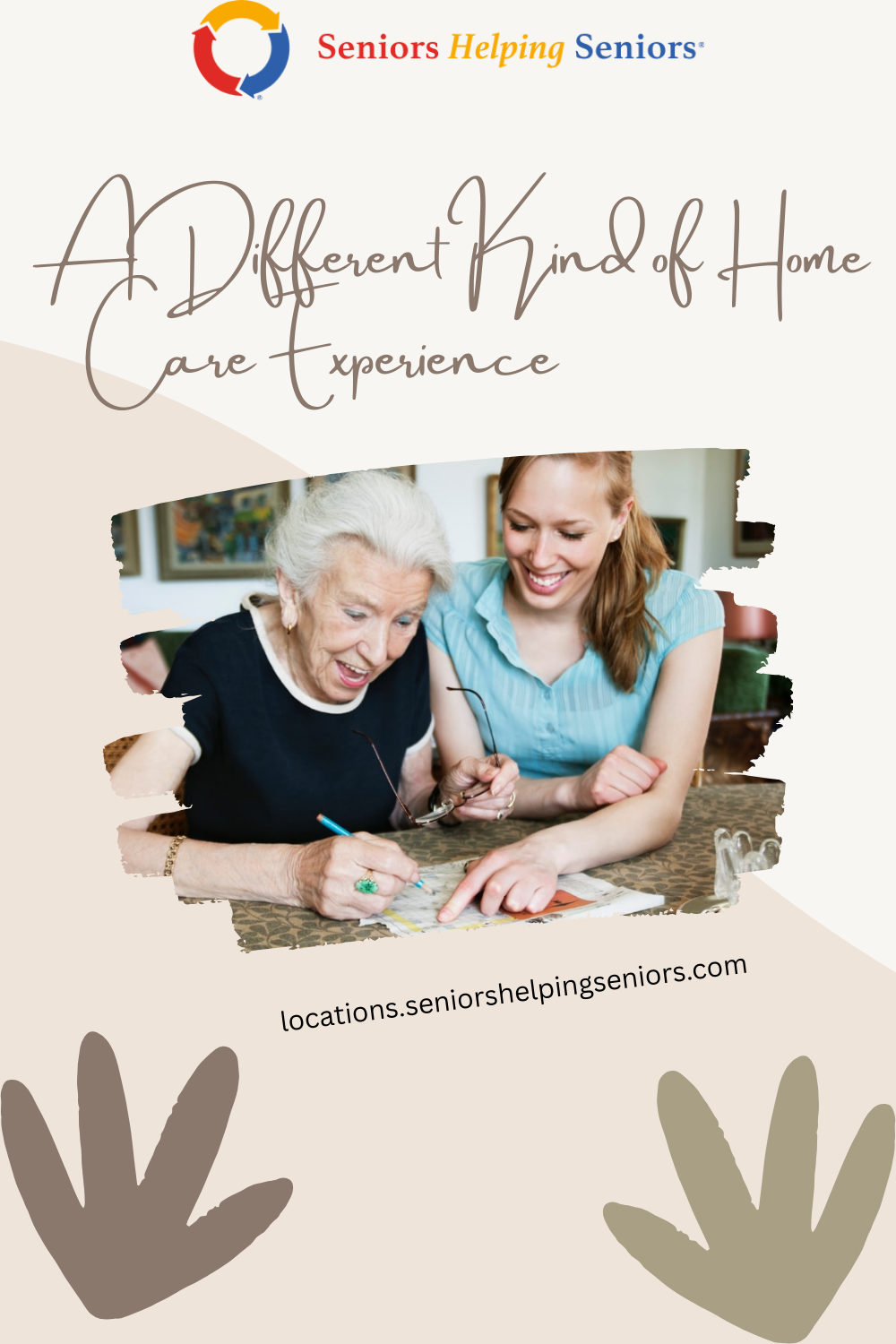
A Different Kind of Home Care ExperienceTraditional home care often focuses on tasks, but Seniors Helping Seniors emphasizes relationships. Caregivers are typically active, mature adults who understand firsthand the challenges and transitions that come with aging.Because caregivers are peers, care often feels more like help from a trusted friend than formal assistance. This dynamic helps reduce resistance to care and encourages seniors to remain engaged and comfortable in their own homes. Theres something powerful about seniors supporting seniors, shares Colleen Elliott. Our caregivers bring empathy, life experience, and genuine companionship that makes a real difference in everyday life. Supporting Aging in Place in LafayetteLafayettes welcoming neighborhoods, community events, and proximity to healthcare make it an ideal place for seniors to age in place. Remaining at home allows seniors to maintain routines, independence, and a sense of belonging.Seniors Helping Seniors supports aging in place by offering flexible, non-medical assistance that adapts to individual needshelping seniors stay safe and comfortable without giving up autonomy.What Non-Medical Care Looks Like with Seniors Helping SeniorsNon-medical home care focuses on daily living support and companionship rather than clinical services. Seniors Helping Seniors tailors care to fit each clients lifestyle and preferences.Services may include: Companionship and conversation Transportation to appointments and errands Meal preparation and light housekeeping Help with shopping and organization Respite care for family caregivers Safety monitoring and routine support This personalized assistance helps seniors maintain control over their lives while receiving meaningful support.Companionship That Reduces LonelinessLoneliness and isolation can have serious effects on physical and mental health. Because Seniors Helping Seniors caregivers are often close in age to their clients, conversations and shared experiences come naturally.Caregivers may: Share hobbies and interests Enjoy walks or outings together Provide emotional support through conversation Help seniors stay socially engaged These connections often become one of the most valued aspects of care.Supporting Family CaregiversMany families provide care for aging loved ones while balancing work and personal responsibilities. Over time, this can lead to stress and burnout.Seniors Helping Seniors supports families by: Providing reliable supplemental care Offering respite so caregivers can rest or recharge Communicating clearly about care routines Helping families plan for future needs Knowing a trusted peer caregiver is present brings reassurance and peace of mind.Flexible Care That Evolves Over TimeCare needs change as seniors age. Seniors Helping Seniors offers flexible scheduling and customizable care plans to adapt to these changes.Options may include: Short-term support after illness or surgery Ongoing companionship and assistance Part-time or full-time care Care schedules that evolve with needs This flexibility helps seniors remain at home longer while receiving appropriate support.A Community-Focused Approach in Northern ColoradoSeniors Helping Seniors is deeply rooted in the Northern Colorado community. Local knowledge allows caregivers to support seniors in ways that feel familiar and personal.Local awareness helps seniors: Navigate community resources Maintain routines tied to local life Feel understood and respected Stay connected to the Lafayette community This community focus strengthens trust and continuity of care.Promoting Independence and PurposeReceiving help doesnt mean giving up independence. Seniors Helping Seniors emphasizes support that enhances confidence rather than replacing autonomy.For caregivers, the opportunity to help also brings purpose and fulfillment. Many caregivers find joy in staying active, socially engaged, and contributing to their community.This mutual benefit is a cornerstone of the organizations mission.Frequently Asked Questions (FAQs)What makes Seniors Helping Seniors different from other home care services?Care is provided by active seniors, creating a peer-to-peer support model that emphasizes companionship and understanding.Is this medical care?No. Services are non-medical and focus on daily living support and companionship.Can care schedules be customized?Yes. Care plans are flexible and tailored to individual needs.Do caregivers receive training?Yes. Caregivers are carefully selected and trained to provide safe, reliable support.Is this service only for seniors living alone?No. Services support seniors living alone or with family.Find Trusted Peer Home Care Through Seniors Blue Book Choosing the right home care provider is essential for supporting independence and wellbeing. Seniors Helping Seniors is featured in Seniors Blue Book, helping Lafayette and Northern Colorado families connect with compassionate, peer-based non-medical home care.
Jan 05, 2026

Birdwatching Made Easy for Seniors: How to Create the Perfect Backyard Bird Haven
Birdwatching is more than just a delightful pastimeits a wonderful way to connect with nature, boost your mood, and enjoy some gentle outdoor activity. For seniors, creating a backyard haven specifically designed for birdwatching can offer endless hours of joy and relaxation.Imagine the pleasure of sipping a cup of tea while watching colorful feathered friends' flit and chirp just outside your window. In this Seniors Helping Seniors guide, well walk you through simple, accessible ideas to transform your backyard into a serene wildlife retreat that makes birdwatching accessible, enjoyable, and enriching.But first, lets talk about why birdwatching is such a great hobby for seniors.A Full Flock of Mental PerksBirdwatching provides seniors with a perfect blend of mental stimulation and physical activity. It boosts mental sharpness by challenging seniors to recognize and remember different birds. Physically, birdwatching encourages light, manageable exercise that promotes circulation and flexibility, whether youre walking around your garden or simply standing and observing.The Seniors Helping Seniors team encourages you to enjoy the dual benefits of stress relief and gentle movement as you immerse yourself in this engaging hobby.Attracting Birds to Your BackyardWant to turn your backyard into a bustling bird haven? Its easier than you might think! With a few thoughtful additions, you can transform your outdoor space into a welcoming environment that draws in a variety of beautiful avian visitors.Bird FeedersTypes of Feeders: Place bird feeders at eye level a comfortable distance from your desired viewing point. There are plenty of options that cater to different avian species. Platform feeders accommodate a wide range of birds, but tube feeders are best for small birds, and suet feeders are designed to attract woodpeckers and other insect-eaters.Bird Seed Selection: Research your native bird species to determine which kind of seed they prefer. Use seeds that attract a variety of birds, such as sunflower seeds, nyjer seeds, and suet cakes.Bird BathsDesign: Choose a bird bath with a shallow, easy-to-clean basin and a gentle slope to make it accessible for all types of birds. You can also use shallow dishes or bowls with a textured surface to make it easy for birds to drink and bathe.Maintenance: Clean the bath every few days to prevent algae growth and disease. Consider a solar-powered fountain to keep the water moving, which helps attract more birds and keeps the bath cleaner longer.Natural ElementsBird-Friendly Plants: Berry-producing shrubs like holly and elderberry provide food for various species while flowering plants such as coneflowers and bee balm attract nectar-loving birds like hummingbirds. Find out whats native to your local area before planting.Nest Boxes: Birds can be picky when it comes to real estate. To attract your desired bird species, make sure to pick the right home for them. Birdhouses with small entrance holes attract wrens and chickadees, while larger holes are suited for woodpeckers and blue jays.With the right mix of feeders, bird baths, and natural elements, youll soon be enjoying a lively and picturesque birdwatching experience right from your own home. Seniors Helping Seniors caregivers are always happy to help with light yard work, so you can achieve the backyard paradise of your dreams.Take Birdwatching to New HeightsAsk your Seniors Helping Seniors caregiver to help you set up a comfortable chair and a pair of binoculars by your favorite bird-friendly spot in the backyard. Pick a location thats both close to your bird feeders and free from hazards like uneven ground or sharp objects. Consider adding a side table for holding binoculars or a bird guidebook, and make sure the area is well-lit for ease of use. Installing a small, shaded awning can provide comfort on sunny days while having a nearby rail or support for stability can enhance safety.As you settle in, note the different species that visit and consider keeping a journal of your observations. You can also bring your mobile phone or a digital camera to practice capturing photos of your flying friends. Each venture will reveal something newwhether its a flash of color from a rare bird or the charming antics of a familiar species.Birdwatching is not just about spotting birds; its about experiencing the calming rhythm of nature and finding pleasure in the small, everyday miracles. This peaceful, rewarding hobby sparks joy and also fosters a deeper appreciation for the natural world around you.
Nov 13, 2024
How Peer-to-Peer Home Care Helps Lafayette Seniors Stay Independent and Connected
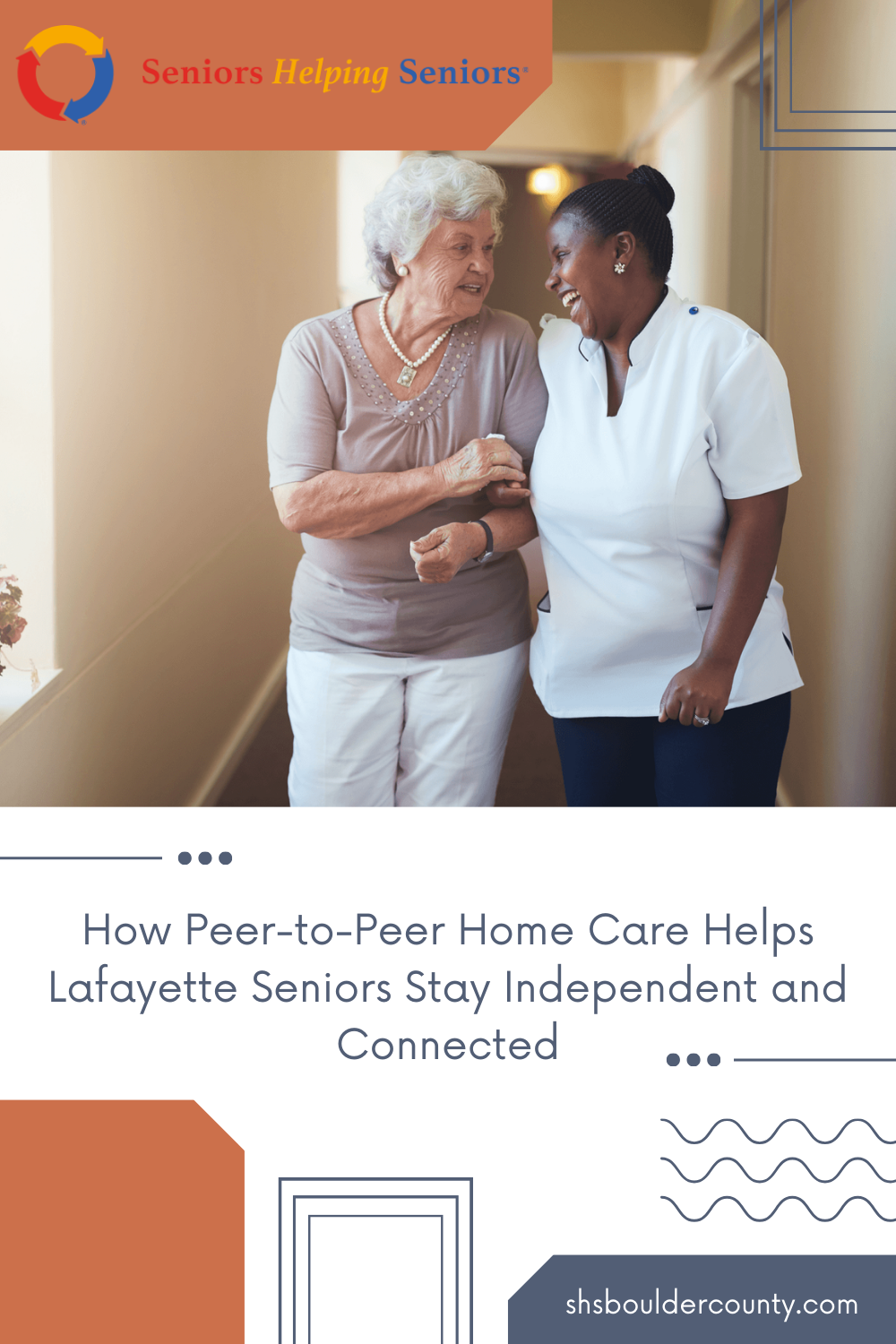
How Peer-to-Peer Home Care Helps Lafayette Seniors Stay Independent and ConnectedAs people age, they often want support that feels naturalnot clinical, rushed, or impersonal. Many seniors in Lafayette dont just need help with daily tasks; they want companionship, understanding, and a sense of shared experience. Traditional caregiving models dont always meet that emotional need.Thats where Seniors Helping Seniors offers a refreshingly different approach. By pairing older adults who need support with active seniors who want to help, this peer-to-peer model creates meaningful relationships while supporting independence, dignity, and connection.This article explores how senior-to-senior home care works, why it resonates with Lafayettes older population, and how shared life experience transforms everyday assistance into genuine companionship.Why Traditional Care Doesnt Always Feel RightMany seniors hesitate to accept helpnot because they dont need it, but because they fear losing independence or feeling managed.Common concerns include: Feeling talked down to Lack of shared interests or understanding Awkwardness with much younger caregivers Loss of autonomy Peer-based care addresses these concerns by building care around mutual respect.What Is Peer-to-Peer Home Care?Peer-to-peer home care matches seniors with caregivers who are also older adultspeople who understand aging because theyre living it too.Services often include: Companionship and conversation Transportation to appointments and errands Light housekeeping and meal prep Medication reminders Help with hobbies and daily routines Care feels like help from a friendnot a service.The Power of Shared ExperienceShared life experience creates instant rapport. Seniors often feel more comfortable opening up to someone who truly understands their stage of life.According to Colleen Elliott, When seniors help seniors, care feels natural. Theres mutual respect, understanding, and genuine connection. This connection often improves emotional well-being as much as physical safety.Combating Loneliness Through ConnectionLoneliness is one of the most significant challenges facing older adultseven those who live near others. Peer companionship provides consistent social engagement.Benefits include: Regular conversation and laughter Emotional reassurance Shared interests and memories Encouragement to stay socially active Connection becomes a protective factor against isolation.Supporting Independence Without Taking OverPeer caregivers are uniquely positioned to support independence rather than replace it.They tend to: Encourage seniors to do what they can safely Offer assistance without pressure Respect routines and preferences Support autonomy through partnership This balance helps seniors maintain confidence.Helping Seniors Stay Active in LafayetteLafayette offers parks, community centers, and local events that many seniors want to continue enjoying. Transportation and companionship make participation easier.Peer caregivers support: Trips to local shops and appointments Visits to parks and community events Social outings and errands Continued engagement with the community Remaining active supports both physical and emotional health.Relief for Family CaregiversFamily members often worry about leaving loved ones alonebut full-time care isnt always necessary. Peer home care provides reassurance without overstepping.Families benefit from: Knowing companionship is in place Reduced caregiving pressure Fewer emergency situations Improved peace of mind Support doesnt have to be all-or-nothing.Flexible Support That Grows With NeedsPeer-to-peer care is adaptable. Seniors may start with a few hours of companionship and adjust over time.Care plans can: Begin part-time Increase after illness or loss Adjust as mobility changes Provide respite for families Flexibility makes care sustainable.Building Trust Through Familiar FacesConsistency is key. Seeing the same caregiver builds trust and comfortespecially for seniors who value routine.Benefits of consistency include: Stronger relationships Better understanding of needs Early recognition of changes Greater emotional security Trust improves outcomes.When Is Peer Home Care a Good Fit?Peer-based care may be ideal when: Seniors want companionship more than hands-on care Independence is a priority Loneliness is a concern Families want gentle, respectful support Seniors prefer help from someone their own age Its often a perfect first step into receiving support.Choosing a Care Model That Feels HumanCare doesnt have to feel transactional. For many seniors, the how of care matters as much as the help itself.Families should ask: Does care feel respectful and mutual? Are relationships prioritized? Is independence encouraged? Does support feel natural? The right model feels like partnership.Care Built on Connection, Not Just TasksAging well isnt just about staying safeits about staying connected, understood, and valued. Peer-to-peer home care meets seniors where they are, honoring their independence while providing meaningful support.For Lafayette seniors seeking companionship and practical help from someone who truly understands, Seniors Helping Seniors offers care rooted in shared experience and respect. To learn more about peer-based home care services, visit Seniors Helping Seniors Seniors Blue Book listing and discover how care can feel more like friendship.Frequently Asked QuestionsAre peer caregivers trained? Yes. Caregivers are trained and supported to provide safe, reliable care.Is this model only for companionship? No. Assistance with daily tasks and errands is also provided.Can care start part-time? Yes. Many seniors begin with just a few hours per week.Do seniors work with the same caregiver? Yes. Consistency is a core priority. Is peer home care appropriate for active seniors? Absolutely. It often helps active seniors stay independent longer.
Jan 09, 2026

How Seniors Helping Seniors Supports Aging in Lafayette
How Seniors Helping Seniors Supports Aging in LafayetteAging well isnt only about physical healthits also about connection, purpose, and feeling understood. In Lafayette and across Northern Colorado, many older adults want support that feels natural and relational rather than clinical. Peer-to-peer non-medical home care offers a unique approach, matching seniors with caregivers who are also older adults and who genuinely understand the experience of aging.This model creates meaningful relationships while providing practical assistancehelping seniors remain independent, socially connected, and confident in their own homes.What Makes Peer-to-Peer Home Care DifferentTraditional home care often focuses on tasks. Peer-to-peer care focuses on relationshipswith assistance naturally woven into companionship.Key aspects of peer-to-peer care include: Caregivers who are seniors themselves Shared life experiences and mutual understanding Relationship-based companionship Practical, non-medical support Respect for independence and dignity For many Lafayette seniors, this approach feels less like receiving care and more like spending time with a trusted friend.Practical Support That Fits Everyday LifePeer caregivers provide help with the everyday tasks that can become more challenging over timewithout taking over or diminishing independence.Common support includes: Transportation to appointments and errands Light housekeeping and laundry Meal preparation and shared meals Medication reminders (non-clinical) Assistance with organization and routines Friendly companionship and conversation This support allows seniors to remain safely at home while maintaining control over their daily lives. Theres something powerful about being helped by someone who truly understands where you are in life, says Colleen Elliott. Peer care creates comfort, trust, and meaningful connection. Reducing Loneliness Through Genuine CompanionshipSocial isolation is one of the most significant challenges facing older adults today. Peer-to-peer care directly addresses loneliness by creating authentic social connection.Companionship benefits include: Regular, meaningful conversation Shared interests and hobbies Emotional support and encouragement Reduced risk of depression and isolation These relationships often become the most valued part of care.Supporting Independence in the Lafayette CommunityLafayettes community-centered lifestyle makes it an ideal place for seniors to age in place. Peer home care supports this by helping seniors stay connected to familiar places and routines.Care supports aging in place by: Encouraging continued community involvement Supporting safe transportation around town Helping maintain daily routines Reducing dependence on family members Seniors remain active participants in their communitynot sidelined by age-related challenges.Benefits for Families and CaregiversFamily members often want their loved ones supportedbut also want that support to feel respectful and empowering. Peer-to-peer care offers reassurance that care is compassionate and appropriate.Families benefit from: Peace of mind knowing care feels natural Reduced caregiver strain Confidence in relationship-based support Flexibility in care schedules Care becomes a shared partnership rather than a source of stress.Flexibility That Grows With Changing NeedsPeer home care can begin with minimal support and increase gradually over time. This flexibility allows seniors to adapt comfortably as needs evolve.Care options may include: A few hours per week Daily visits Short-term support during recovery Long-term companionship and assistance This adaptability makes care sustainable and non-intrusive.Empowering Seniors Through PurposePeer caregiving benefits not only the person receiving care, but also the senior providing it. Older adult caregivers often find renewed purpose, connection, and fulfillment through helping others.This shared experience fosters: Mutual respect Empathy and understanding A sense of purpose for both individuals Its a model built on dignity and contribution.When Peer-to-Peer Home Care Is a Good FitFamilies often explore peer care when: A senior values companionship as much as assistance Isolation or loneliness is a concern Daily tasks need light support Independence is a top priority Families want care that feels personal Early engagement often leads to stronger relationships and better outcomes.Frequently Asked Questions (FAQs)Is peer-to-peer care the same as professional home care? Its a form of non-medical home care focused on companionship and practical assistance.Are peer caregivers trained? Yes. Caregivers receive training and support appropriate to non-medical care.Can care schedules change over time? Absolutely. Care plans are flexible and adaptable.Do families stay involved? Yes. Family involvement is encouraged and supported.Is peer care suitable for long-term needs? Yes. Many seniors use peer care as ongoing support.Care Rooted in Understanding and RespectPeer-to-peer home care offers something uniquely powerful: support grounded in shared experience. For seniors in Lafayette, this approach fosters connection, independence, and a genuine sense of belonging. To learn more about peer-based non-medical home care in Northern Colorado, visit the Seniors Helping Seniors listing on Seniors Blue Book and explore support designed to help seniors help seniorstogether.
Jan 08, 2026

Six Simple Strategies for Seniors to Combat Social Isolation This Fall
As the summer days fade and September welcomes a new season, many seniors find themselves adjusting to changing routines and shorter days. This shift can sometimes bring on feelings of social isolation, which can impact mental, emotional, and physical well-being. The Seniors Helping Seniors team understands how challenging it can be to stay connected with loved ones, especially if theyre far away.To help you stay socially engaged this fall, weve put together six easy tips to connect with friends and family, whether theyre near or far. But first, lets explore the effects of social isolation on well-being and the signs to look out for in your loved ones.The Impact of Social IsolationWhile autumn gives us a break from the summer heat, fewer daylight hours and cooler temperatures can often lead to more time indoors and a greater sense of isolation. Social isolation isnt just about being alone it has implications on mental health, leading to increased loneliness, sadness, and anxiety, according to the National Alliance on Mental Illness (NAMI). The National Institute on Aging also reports that older adults facing isolation are at a higher risk for depression and cognitive decline. Isolation can harm physical health, contributing to cardiovascular problems and a weaker immune system.Feeling lonely from time to time is perfectly normal. In fact, nearly one-third of adults aged 45 and older feel this way, according to the American Association of Retired Persons (AARP). If youre looking for regular companionship, a compassionate Seniors Helping Seniors caregiver could be just what you need. Because theyre mature adults themselves, they can connect on a personal level, fostering a meaningful friendship grounded in empathy and care. Aside from leaning on a caregiver, here are a few simple ways to stay in touch with loved ones this fall.Catch Up in Virtual GatheringsThanks to technology, staying in touch with faraway loved ones is easier than ever! Video calls on your smartphone or computer let you chat with friends and family just like a phone call, but with the added joy of seeing their smiling faces. If youre not sure where to start, ask your Seniors Helping Seniors caregiver to help set up video calls on platforms like Skype or Zoom.Schedule Regular Phone CallsLife gets busy, making it tough to always find time for a call with friends and family. Skip the back-and-forth of missed calls and voicemails by setting a specific time and date to catch up with loved ones. A regular catch-up sessionwhether weekly or monthly can ease feelings of isolation by giving you something to consistently look forward to.Write a Heartfelt LetterIn todays fast-paced world, theres something extra special about receiving a handwritten letter. Its a beautiful way to let someone know theyre in your thoughts. Plus, being pen pals can be a fun way to maintain connections!Your Seniors Helping Seniors caregiver can help with sending out letters or bringing in the mail, so all you need to worry about is what to write.Join a ClubMaking new friends as an adult can be a challenge, but it is possible! Expand your social network by joining a local club. Whether its a book club, birdwatching group, or walking group, there are endless opportunities to meet like-minded people. Your Seniors Helping Seniors caregiver can help you find the perfect group that matches your interests.Create a Memory AlbumWhen chatting with loved ones isnt an option, flipping through photos of them can be a comforting alternative. Gather your favorite snapshots of friends and family to create a photo album or scrapbook. Looking through these cherished memories can bring comfort and joy until your next conversation.Staying connected to loved ones benefits your well-being and uplifts those around you. Every action you take to reach out, whether its a call, a letter, or a virtual hangout, brings you closer to a healthier and more fulfilling life. If youre feeling overwhelmed by isolation or experiencing symptoms of depression, remember there are resources and support available to help you navigate these feelings.And for ongoing companionship, consider connecting with a Seniors Helping Seniors caregiver. Our compassionate caregivers are here to offer friendship, support, and a meaningful connection. Contact us today to learn how we can make a difference in your life 720-551-4444.
Nov 13, 2024
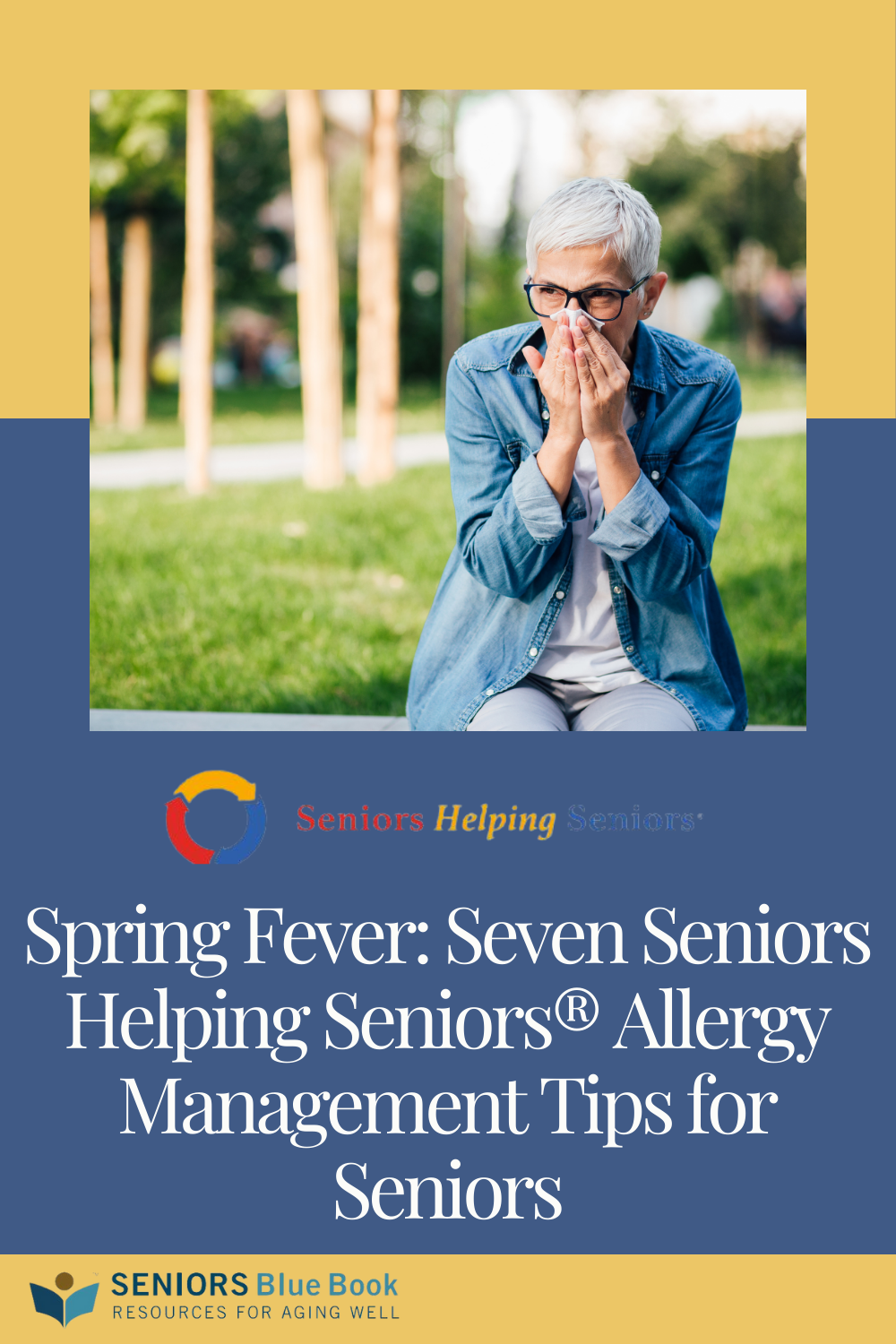
Spring Fever: Seven Seniors Helping Seniors Allergy Management Tips for Seniors
April showers bring May flowers and a dusting of pollen. While we welcome the arrival of warmer days and sunny skies, many Seniors Helping Seniors clients face symptoms from springtime allergies. As we age, weakened immune systems or pre-existing health conditions can make older adults more vulnerable to allergies. With the allergy season peaking in April, symptoms like congestion, itchiness, and sneezing often come in full swing. If youve been struck by spring fever this year, the Seniors Helping Seniors team wants to help. In this blog, well review seven senior-focused tips for navigating the allergy season. Keep reading to discover our best advice for enjoying the beauty of spring while minimizing the annoying symptoms of allergies.Springtime Allergy SeasonColorful flowers, lush leaves, and warm sunshine beckon seniors to venture outside and enjoy the natural spring beauty. However, with all the new growth comes an increase in tree, grass, and weed pollen that can lead to itchy eyes and stuffy noses for many people. Spring weather can also be unpredictable, with fluctuations in temperature and precipitation affecting pollen levels and worsening allergy symptoms. The Seniors Helping Seniors family cares about your well-being this spring, and we encourage you to take necessary precautions to protect yourself from excess pollen exposure.Many seniors, especially those with pre-existing health conditions such as asthma, chronic obstructive pulmonary disease (COPD), or cardiovascular issues, experience more severe and prolonged allergic reactions. Persistent symptoms may interfere with daily activities, sleep, and overall well-being. The Seniors Helping Seniors team wants to ensure you enjoy the beautiful weather this spring. Below, youll find our best tips for managing seasonal allergies. Monitor Pollen LevelsPollen levels can change quite a bit throughout the day, depending on various external factors. But dont worry! Local weather forecasts and other online references make it easy to keep track of pollen levels. When pollen counts are high, limiting your time outdoors might be a good idea. If you need help accessing digital resources, your friendly and helpful Seniors Helping Seniors caregiver can lend a hand! Invest in an Air PurifierAir purifying devices boost indoor air quality by clearing out airborne particles like pollen. They work wonders in refreshing rooms that often gather contaminants, leaving behind noticeably cleaner and fresher air. Adding one to your home is a simple and effective way to create a healthier environment for you and your loved ones. Keep Windows ClosedWhile opening windows can bring in fresh air, it also invites pollen and allergens indoors. If you struggle with severe allergies, keeping cool with AC might be a better choice. And dont hesitate to ask your Seniors Helping Seniors caregiver to help you tidy up those pollen-prone spots in your home. Theyre here to support you in creating a comfortable and allergen-free environment. Replace Air Filters in Your HomeIts important to change the air filters in your home every three months. If its been a while since you last replaced them, spring is the perfect time to do so. High-efficiency particulate air (HEPA) filters offer extra protection against pollen and other contaminants. The extra shield helps maintain a healthier indoor environment for you all season long. Wear Protective ClothingJust as youd apply sunblock before spending time under the sun, its important to take precautions to minimize pollen exposure during allergy season. Before going outside, put on a wide-brimmed hat, sunglasses, and a pollen mask for added protection. And after enjoying the outdoors, dont forget to take a shower to wash away any lingering pollen from your skin and hair. Stay HydratedDrinking enough water each day offers numerous health benefits. It not only keeps you hydrated but also helps flush out pollen and other pollutants from your system, easing allergy symptoms such as dry throat and nasal congestion. Dont forget to carry a reusable water bottle with you its a simple way to stay hydrated and feel your best throughout the day.Consult a Healthcare ProfessionalIf youre experiencing severe symptoms that you cant manage at home, dont hesitate to contact your doctor. They can prescribe allergy medication to help ease the effects of pollen and other irritants. If you need transportation to your appointment, your Seniors Helping Seniors caregiver would be more than happy to give you a ride.Spring brings a sense of renewal and promise with longer days and warmer temperatures. The Seniors Helping Seniors family understands how vital it is for seniors to embrace this rejuvenating season without the burden of seasonal allergies holding them back. We hope this guide has offered valuable insights to help you navigate and manage pollen exposure this spring. Remember, our compassionate Seniors Helping Seniors caregivers are here for you, ready to provide the caring support you need to enjoy every moment of this special season.
Nov 13, 2024

Top Senior-focused Tips for Healthy Aging at Home
This May, join the Seniors Helping Seniors team in recognizing Older Americans Month. To celebrate, we want to share expert advice and tips to help seniors age healthily and happily at home. This article suggests simple lifestyle adjustments that make home life better for seniors.Many older adults want to maintain independence in a familiar environment. Feeling comfortable and supported makes a huge difference. Thats why the Seniors Helping Seniors family made this guide. Our simple tips can help seniors, and their loved ones have a healthy and happy time at home as they grow older.Read on for our easy-to-follow tips on living your best life at home during Older Americans Month and beyond.What is Older Americans Month?Older Americans Month is celebrated every May to appreciate the wonderful contributions and achievements of older Americans. This heartfelt observance, led by the Administration for Community Living, invites us to reflect on the challenges faced by seniors and ways we can promote their healthy aging.The theme for this years celebration is Powered by Connection. It focuses on the vital role of meaningful relationships in ones well-being. The Seniors Helping Seniors mission revolves around this concept. Keeping in touch with loved ones can become difficult as we age due to changes in our routines, health, or living arrangements. But staying social is key to living a happy, fulfilling life! Thats where having an in-home senior caregiver comes in. They can make a big difference in your overall well-being and help connect you with the people you care about.Seniors Helping Seniors caregivers, who are seniors themselves, become close friends with their clients. This companionship brings so much joy and comfort to our seniors, and it leads to even better care. For seniors who want to remain at home in their golden years, our caregivers provide reliable support and a caring hand whenever theyre needed. With a compassionate caregiver, older adults can age in place with confidence.Benefits of Remaining at HomeWhen it comes to deciding where to live as you get older, there are a variety of options available. While nursing homes or assisted living facilities may suit some, others may prefer to stay in their homes or communities for as long as possible. This concept of aging in place empowers seniors to maintain a sense of independence and comfort in a familiar setting. Creating an environment that caters to physical, emotional, and social needs is essential to make this happen with in-home care resources to assist you along the way.Tips For Aging in PlacePrioritize Home Safety:Assess your living environment for any potential safety hazards and make the necessary changes, like adding grab bars, removing tripping hazards, and ensuring that you have proper lighting. Seniors Helping Seniors in-home caregivers are amazing helpers who can make your home safer. Lean on them so you can relax and enjoy your time at home without worrying about any safety concerns.Improve Accessibility: Adjust furniture placement or install ramps to make the home more accessible. Your Seniors Helping Seniors caregiver can provide mobility aids and support to help you or your loved one maneuver their home more efficiently.Simplify Your To-Do List: Call in for extra support if household chores are piling up. Our Seniors Helping Seniors caregivers can lend a hand with light cleaning, home maintenance, and repairs so you can have a cozy and safe living space.Get On-the-Go Assistance: An in-home senior caregiver can offer rides to appointments, run errands, or socialize. Your caregiver would happily arrange transportation services or accompany them on these outings.Stay Connected: Make sure to participate in social activities. A Seniors Helping Seniors caregiver can join you and accompany you to community events or help you connect with others virtually. Having a reliable friend can help combat loneliness and improve overall well-being.The Seniors Helping Seniors DifferenceSeniors Helping Seniors in-home senior care services can make a significant difference in the lives of older adults. By providing support that focuses on safety, accessibility, simplified tasks, on-the-go assistance, and social connections, seniors can truly thrive in their own homes. With the help of Seniors Helping Seniorss kind and compassionate caregivers, aging in place becomes not just manageable but enjoyable. As we celebrate Older Americans Month, lets prioritize the well-being and happiness of our seniors and ensure they age with comfort, independence, and a strong sense of community.
Nov 13, 2024

Why Seniors Helping Seniors Can Feel More Comfortable and More Human
Why Seniors Helping Seniors Can Feel More Comfortable and More HumanIn Lafayette, Colorado, community matters. People greet each other at local shops, gather for events, and value relationships that feel genuinenot rushed. As seniors age, that same desire for connection doesnt go away. In fact, it often grows stronger. Many older adults want support at homebut they dont want to feel like a patient. They want help that feels normal, respectful, and friendly.Thats the heart of peer-to-peer care.Seniors Helping Seniors in Lafayette provides non-medical home care in a model that many families find uniquely comforting: seniors helping other seniors. When support comes from someone who shares life experience, it can feel less clinical and more like a neighbor lending a handwhile still providing structure, reliability, and safety.What Peer-to-Peer Care MeansPeer-to-peer care is non-medical support provided by caregivers who are often older adults themselves. This can create an immediate sense of familiarity. The relationship may feel more like companionship and mutual respectrather than caregiving in a traditional sense.Services may include: Companionship and conversation Meal prep and hydration reminders Light housekeeping and tidying Transportation to errands and appointments Help with routines and daily structure Respite support for family caregivers Engagement in hobbies or simple activities Its practical helpbut the tone is often what stands out: friendly, patient, and relatable.Why Some Seniors Accept Help More Easily From a PeerOne of the biggest challenges families face is resistance. A loved one may say: I dont need help. I dont want strangers in my home. Im not an invalid. I dont want to be a burden. Peer-to-peer care can reduce those barriers because it doesnt feel like someone coming to take over. It can feel like: A companion who understands aging A helpful friend who respects independence Someone who knows what its like to manage aches, fatigue, and life changes That emotional comfort often leads to better consistencyand consistency improves safety.Companionship Isnt ExtraIts ProtectiveFamilies sometimes focus on tasks and underestimate how much companionship affects health. Loneliness can increase: Depression and anxiety Sleep disruption Poor appetite and nutrition Reduced activity and mobility Cognitive decline risk Overall health stress Peer companionship can make daily life more engaging and reduce isolation, especially for seniors who no longer drive or who live alone.The Lafayette Advantage: Community-Oriented SupportLafayette seniors often want to stay connected to the life theyve builtnear family, friends, local routines, and familiar places. Non-medical home care helps seniors maintain those routines without the stress of doing everything alone.Peer-to-peer caregivers can support: Safe rides to appointments and errands A walk around the neighborhood Help organizing a weekly routine Conversation and activity that lifts mood A steady presence that reduces worry for families That consistent connection is part of what helps seniors age in place successfully.Respite That Feels Like a Win-WinFamily caregivers in Lafayette often carry silent pressure: managing schedules, checking in constantly, and worrying about what if scenarios. When a senior accepts peer support, caregivers can finally step back without guilt.Respite support can help families: Take time to rest and recover Maintain work schedules Reduce stress and burnout Restore healthier family relationships Feel confident that routines are still supported When care feels comfortable for the senior, respite becomes more effective for the family.A Human-Centered PhilosophyColleen Elliott, who works closely with families through Seniors Helping Seniors, highlights the heart of the model: Theres something special about seniors supporting seniors. Its care that feels like friendshipbuilt on respect, shared experience, and understanding. Families often tell us their loved one opens up more when they feel understood. That sense of being understood can change everythingespecially for seniors who feel wary of outside help.When Peer-to-Peer Care Is a Great FitPeer-to-peer care can be especially helpful when a senior: Lives alone and feels isolated Needs help with errands and daily structure Is hesitant to accept traditional caregiving Wants companionship and conversation Needs a gentle nudge to stay active and engaged Has a family caregiver nearing burnout It can also be a great first step into home carestarting with companionship and gradually adding more support as needs change.FAQs: Seniors Helping Seniors in Lafayette1) Is peer-to-peer care medical care?No. This is non-medical home carefocused on daily routines, companionship, and practical support.2) Can peer caregivers help with transportation?Often yes, depending on scheduling and service policies.3) What if my loved one is resistant to help?Peer-to-peer support can be easier to accept because it feels less clinical and more relational.4) Does this help family caregivers too?Yes. It provides respite and peace of mind while keeping the seniors routine supported.5) How many hours do families usually start with?Many begin with a few hours a week for companionship and errands, then adjust based on needs.Support That Feels Like CommunityBecause It IsAging in place works best when seniors feel supported and respected. Peer-to-peer care offers a unique kind of help: practical support paired with genuine connection. For Lafayette families, Seniors Helping Seniors can make home feel safer, days feel brighter, and caregiving feel more sustainable. To learn more about Seniors Helping Seniors and explore non-medical peer support options in Lafayette, visit their Seniors Blue Book listing and connect with a trusted local resource.