
PHONE
Click to View NumberGeneral Property Features
- Private Rooms, Semi-Private Rooms, Wanderguard
- Laundry Service - Provided, Nurse on Staff, Short-Term Care, Transportation, Activities, Housekeeping, Meals/Meal Options, Social Programs
- Skilled Nursing Facility
Skilled Nursing
- 065331
- $285.00
- 130
- Private Pay, Private Insurance, Long Term Care Insurance, Veterans Administration, Medicaid, Medicare, PACE, Managed Care Benefits, Other
- Long-Term Care, Long-Term Chronic Care, Ostomy Care, Rehab and Therapy, Respite Care, Short-Term Care, Skilled Care, Wound Vac, Physical Therapy, Occupational Therapy, Speech Therapy, Bariatric Bed
Continue Your Search! Explore More Local Options.
Start SearchingLet’s engage and get educated!
Browse through thousands of expert articles in over 100 different categories.
Browse NowArticles You May Like
Long-Term Support at Larchwood Inns and The PARC
Long-Term Support at Larchwood Inns and The PARCFor many families in Grand Junction, healthcare decisions are deeply personal. Whether its a parent who has lived in the Redlands for decades or a spouse recovering from a serious illness, choosing skilled nursing care is about trust, safety, and dignity.At Larchwood Inns and The PARC Skilled Nursing and Post Acute Rehab, families across Mesa County find both advanced medical care and compassionate long-term support all close to home.While post-acute rehabilitation focuses on short-term recovery, skilled nursing care also serves individuals who require ongoing medical supervision and daily clinical support.Our mission is to care for residents as individuals, not diagnoses, says Loretha Rolf. We provide the medical oversight they need while honoring who they are.What Is Long-Term Skilled Nursing Care?Skilled nursing facilities provide 24-hour licensed medical supervision for individuals whose needs exceed what can safely be managed at home or in assisted living.Long-term skilled nursing may be appropriate for residents with: Advanced neurological conditions Severe mobility limitations Progressive chronic illnesses Complex medication regimens Ongoing wound care needs Significant cognitive decline Unlike short-term rehab stays, long-term skilled nursing supports daily life for individuals who require continuous care.Medical Expertise Around the ClockLarchwood Inns and The PARC provide: 24/7 licensed nursing staff Medication administration and monitoring Chronic disease management IV therapy Respiratory support Wound care treatment Nutritional monitoring For families in Grand Junction, Fruita, Clifton, and Palisade, having consistent medical supervision nearby reduces stress and travel burdens.Complex health conditions demand reliable oversight especially when hospital visits become frequent.Supporting Chronic and Progressive ConditionsMany residents receiving long-term skilled nursing care live with conditions such as: Advanced Parkinsons disease Stroke-related impairments Severe heart disease COPD Advanced dementia Multiple sclerosis Managing these conditions requires coordinated care between: Physicians Nurses Therapists Dietitians Social workers This interdisciplinary approach ensures medical stability while prioritizing comfort and quality of life.Preserving Dignity in Daily LifeMedical care is essential but so is dignity.At Larchwood Inns and The PARC, staff support residents with: Bathing and personal care Mobility assistance Structured daily routines Social engagement Emotional support Even in long-term care, independence is encouraged wherever possible.Simple choices what to wear, when to rest, how to spend time help maintain personal identity.Family Involvement MattersIn Mesa Countys close-knit community, family participation remains central to care.Families are encouraged to: Attend care plan meetings Visit regularly Communicate openly with staff Stay involved in decision-making Family partnership is key, Loretha Rolf explains. We work together to ensure residents feel supported on every level.Emotional support from loved ones strengthens overall well-being.When Is Long-Term Skilled Nursing the Right Choice?Families may consider long-term skilled nursing when: 24-hour medical supervision is required Frequent hospitalizations occur Mobility limitations make home care unsafe Caregiver strain becomes overwhelming Complex wound or respiratory care is needed Discussing options with physicians and discharge planners can clarify appropriate next steps.Early planning provides more options and smoother transitions.Insurance and Financial ConsiderationsLong-term skilled nursing care may be covered by: Medicaid Long-term care insurance Certain private insurance plans Medicare typically covers short-term skilled nursing after a qualifying hospital stay but does not cover extended custodial care.Understanding financial eligibility and coverage early supports informed decisions.Frequently Asked Questions About Skilled Nursing in Grand JunctionWhats the difference between rehab and long-term care?Rehabilitation is typically short-term and goal-oriented toward discharge home. Long-term care provides ongoing medical supervision.Can residents receive therapy during long-term stays?Yes. Therapy may continue as medically appropriate.How often are care plans reviewed?Care plans are regularly updated to reflect changes in health and needs.Is visitation allowed?Yes. Family involvement is encouraged to support emotional well-being.What if a residents condition improves?Care levels are reassessed, and discharge planning can begin if appropriate.Compassionate Care for Lifes Most Complex SeasonsWhen medical needs become ongoing, families deserve a care team that combines expertise with compassion.Larchwood Inns and The PARC Skilled Nursing and Post Acute Rehab in Grand Junction provide long-term skilled nursing services designed to protect health, maintain dignity, and support families through challenging transitions.If youre exploring long-term skilled nursing options in Mesa County, now is the time to learn more about available care. Visit Larchwood Inns and The PARCs listing on Seniors Blue Book to connect with Loretha Rolf and explore your skilled nursing options today.
Feb 25, 2026
Skilled Nursing Care at Larchwood Inns and The PARC in Grand Junction
Skilled Nursing Care at Larchwood Inns and The PARC in Grand JunctionIn Grand Junction, where the Colorado River winds beneath expansive skies and families often stay rooted for generations, long-term care decisions carry deep emotional weight. When a loved one needs 24-hour medical supervision or extended support beyond what can safely be provided at home, families want reassurance that their parent or spouse will be treated with both clinical expertise and genuine compassion.At Larchwood Inns and The PARC Skilled Nursing and Post Acute Rehab, skilled nursing care goes beyond meeting medical needsit focuses on preserving dignity, comfort, and quality of life. Our residents are part of our community, says Loretha Rolf. We provide professional nursing care, but just as importantly, we provide respect, consistency, and meaningful connection. What Is Skilled Nursing Care?Skilled nursing facilities (SNFs) provide 24-hour licensed nursing care for individuals who require ongoing medical oversight. Unlike assisted living, skilled nursing is appropriate for seniors with complex health needs.Services typically include: Continuous nursing supervision Medication administration and monitoring Wound care IV therapy Chronic disease management Assistance with daily living activities Rehabilitation therapies For families in Mesa County, skilled nursing offers peace of mind during both short-term recovery and long-term care needs.Who Benefits from Skilled Nursing?Skilled nursing may be appropriate for individuals who: Have advanced chronic conditions Require ongoing wound or catheter care Experience frequent falls Need feeding assistance Have significant mobility limitations Require 24-hour supervision In some cases, residents may transition from post-acute rehabilitation to long-term skilled nursing when returning home is no longer safe.Balancing Clinical Care with Quality of LifeWhile medical oversight is central, emotional well-being is equally important.At Larchwood Inns and The PARC, residents benefit from: Structured daily routines Social activities Community engagement Comfortable living spaces Supportive staff relationships Maintaining a sense of purpose and belonging strengthens overall health. Even small momentssharing a meal, participating in an activitycan restore joy, Loretha Rolf explains. Managing Chronic Conditions with ExpertiseMany residents live with complex health conditions such as: Diabetes Heart disease COPD Parkinsons disease Alzheimers and other dementias Skilled nursing teams provide: Close monitoring of vital signs Medication reconciliation Coordination with physicians Preventative care planning This structured oversight helps prevent hospital readmissions and complications.Local Care for Grand Junction FamiliesChoosing a facility close to home makes a difference. In Grand Junction and surrounding communities like Fruita and Palisade, proximity allows: Frequent family visits Active involvement in care planning Ongoing communication with staff Emotional support for residents Local care strengthens trust and collaboration.Transitioning from Hospital to Skilled NursingAfter discharge from facilities such as St. Marys Medical Center, patients may require continued medical care before returning home.Skilled nursing provides: Stabilization Monitoring Therapy continuation Safety assessment Transition planning begins early to prepare families for the next stepwhether thats returning home or continuing long-term care.Infection Prevention and Safety ProtocolsSkilled nursing facilities follow strict healthcare protocols to ensure resident safety, including: Infection control measures Staff training and certification Fall prevention programs Nutritional oversight Adherence to state and federal guidelines demonstrates commitment to accountability and quality.When Is It Time to Consider Long-Term Skilled Nursing?Families may explore long-term skilled nursing when: Care needs exceed what can be managed at home Safety concerns increase Hospitalizations become frequent Medical complexity requires daily oversight Open, early conversations help families plan thoughtfully rather than react in crisis.Why Families Choose Larchwood Inns and The PARCMesa County families value: Experienced nursing teams Comprehensive care planning Clear communication Respectful, compassionate staff Community-centered environment The facilitys commitment to both clinical excellence and human connection reflects best practices in skilled nursing care.Frequently Asked QuestionsIs skilled nursing covered by Medicare? Medicare often covers short-term skilled nursing following a qualifying hospital stay. Long-term care coverage varies and may involve private pay or Medicaid eligibility.How long can someone stay in skilled nursing? Length of stay depends on individual needssome residents stay temporarily; others require ongoing long-term care.Can families participate in care planning? Yes. Family involvement is encouraged and supported.Are therapy services available on-site? Yes, many skilled nursing facilities offer integrated therapy services as part of comprehensive care.Providing Stability and Compassion on the Western SlopeMaking decisions about long-term care is never easy. But in Grand Junction, families can find skilled nursing support that blends medical expertise with heartfelt compassion. To learn more about comprehensive skilled nursing services, visit Larchwood Inns and The PARCs listing on Seniors Blue Book and connect with their team today.
Feb 23, 2026
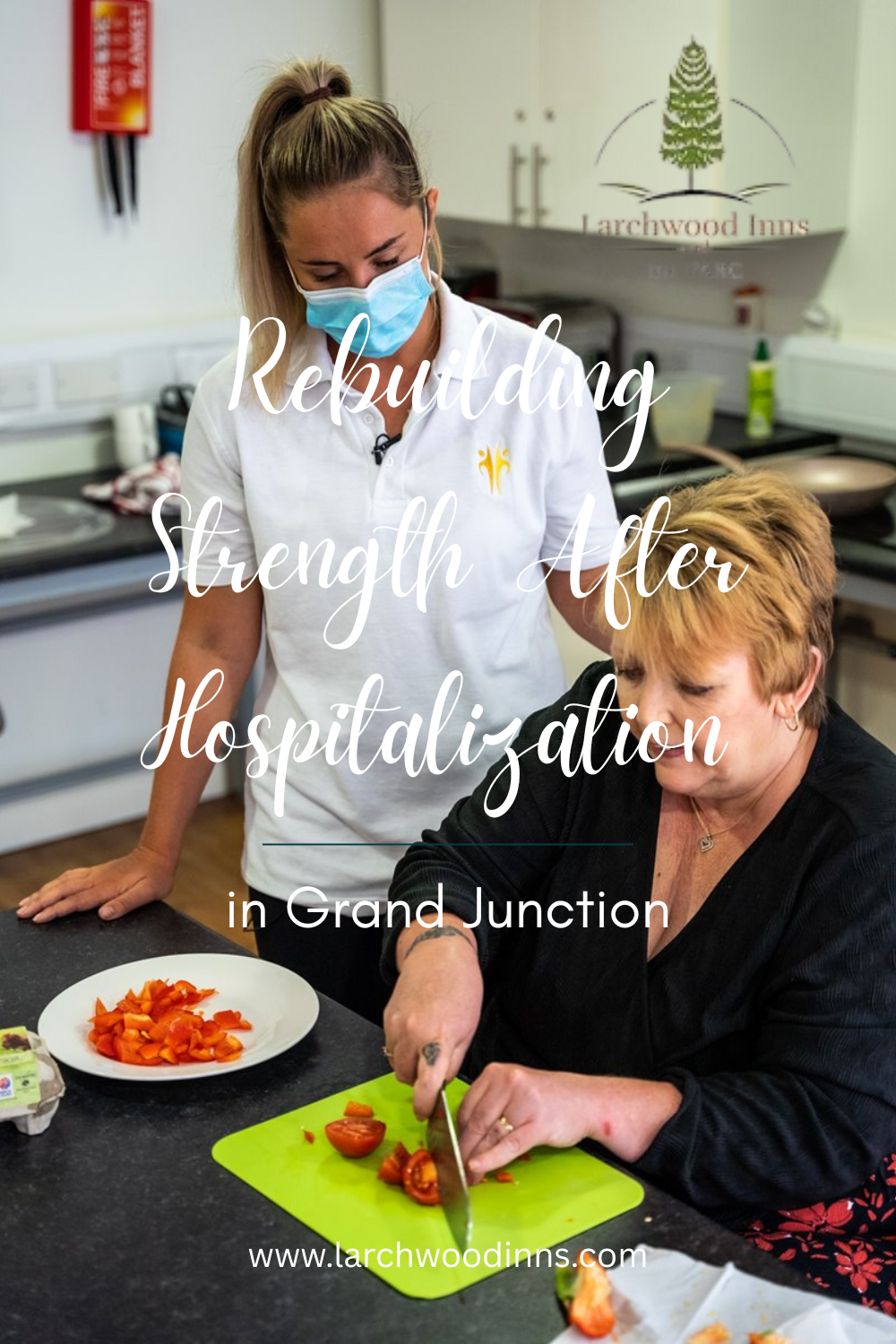
Rebuilding Strength After Hospitalization in Grand Junction
Rebuilding Strength After Hospitalization in Grand JunctionWhen a hospital stay ends, recovery is often just beginning.For many families in Grand Junction, the transition from hospital to home can feel uncertain. Whether a loved one is recovering from surgery, a stroke, a fall, or a serious illness, the right post-acute rehabilitation can make the difference between lingering setbacks and a confident return to independence.Thats where Larchwood Inns Skilled Nursing and Post-Acute Rehab Facility serves as a vital bridge for Western Slope families.Why Post-Acute Rehabilitation MattersAfter a hospitalization, patients frequently experience: Muscle weakness Reduced balance and mobility Fatigue Medication adjustments Increased fall risk Without structured rehabilitation, these challenges can slow recovery or lead to hospital readmission.Post-acute rehab focuses on restoring strength, mobility, and daily function through coordinated clinical care and therapy services.A Western Slope Approach to RecoveryRecovery in Mesa County looks different than in larger metro areas. Many seniors in Grand Junction enjoy an active lifestyle gardening, walking downtown, visiting the farmers market, or exploring the Colorado National Monument.Rehabilitation here isnt just about regaining strength. Its about getting back to the life you love on the Western Slope.Larchwood Inns tailors therapy goals to each patients real-world needs whether that means climbing porch steps safely, preparing meals independently, or returning to community activities.As Loretha Rolf explains: Rehabilitation isnt one-size-fits-all. We focus on what matters most to each individual helping them regain confidence, strength, and independence so they can return home safely. Services That Support HealingLarchwood Inns provides a comprehensive range of rehabilitation services, including: Physical therapy Occupational therapy Speech therapy Skilled nursing care Medication management Pain management Nutritional support Each patient receives an individualized care plan created in collaboration with physicians, therapists, nurses, and family members.The Importance of Skilled Nursing in RecoveryWhile therapy is critical, medical oversight is equally important.Skilled nursing services ensure: Wound care is properly managed IV therapies are administered safely Chronic conditions are monitored Medication changes are supervised For patients recovering from orthopedic surgery, cardiac events, or neurological conditions, this clinical support provides reassurance and stability.Preventing Hospital ReadmissionsOne of the primary goals of post-acute rehabilitation is preventing avoidable hospital readmissions.This is achieved through: Early mobility programs Ongoing assessment of medical conditions Careful discharge planning Education for patients and families Families in Grand Junction appreciate having a trusted rehabilitation partner who communicates clearly and prepares them for a successful transition home.What Makes a Strong Rehab Program?When choosing a rehabilitation facility, families should consider: Therapy intensity and frequency Nurse-to-patient ratios Coordination with hospital discharge teams Clean, comfortable recovery environment Clear communication with family members Larchwood Inns emphasizes both clinical excellence and compassionate care.Discharge Planning That Sets You Up for SuccessRehabilitation doesnt end at discharge.A strong post-acute program includes: Home safety recommendations Coordination with home health services if needed Equipment recommendations (walkers, grab bars, etc.) Medication education Follow-up appointment scheduling This structured transition reduces stress and helps families feel prepared.Who Benefits from Post-Acute Rehab?Rehabilitation services are often recommended after: Joint replacement surgery Stroke Cardiac procedures Falls with injury Severe infections Extended hospital stays Even short hospitalizations can lead to weakness in older adults. Early rehab intervention makes a difference.A Commitment to Compassionate CareBeyond clinical services, recovery is emotional.Being away from home can feel unsettling. A supportive environment attentive staff, encouraging therapists, and consistent routines fosters healing.In a community like Grand Junction, where neighbors look out for one another, families value facilities that treat residents with respect and dignity.Taking the Next StepIf your loved one is preparing for discharge from a hospital in the Grand Valley area, dont leave recovery to chance.Visit Larchwood Inns Skilled Nursing and Post-Acute Rehab Facilitys listing on Seniors Blue Book to learn more about services, care options, and how to coordinate a smooth transition from hospital to rehabilitation.FAQs1. How long does post-acute rehabilitation usually last? Length of stay depends on individual recovery goals and medical needs.2. Does Medicare cover rehabilitation stays? Yes, Medicare typically covers short-term rehab following a qualifying hospital stay.3. Can families participate in care planning? Absolutely. Family involvement is encouraged.4. What therapies are offered? Physical, occupational, and speech therapy services are commonly available. 5. What happens after rehab is complete? Discharge planning helps coordinate home services and follow-up care.
Feb 10, 2026
When Skilled Nursing Becomes the Right Level of Care in Grand Junction
When Skilled Nursing Becomes the Right Level of Care in Grand JunctionFor many families in Grand Junction, there comes a time when care needs become more complex than what can safely be managed at home. It may begin gradually more frequent falls, medication confusion, or worsening chronic conditions. Or it may follow a major health event like a stroke, surgery, or extended hospital stay.When 24-hour medical supervision is necessary, skilled nursing care provides stability, safety, and peace of mind.At Larchwood Inns and The PARC Skilled Nursing and Post Acute Rehab, families on Colorados Western Slope find a trusted partner in long-term and short-term skilled nursing care.Understanding Skilled Nursing CareSkilled nursing is often misunderstood. It is not simply assisted living with extra support. It is a higher level of medical care designed for individuals who require: 24/7 licensed nursing supervision Ongoing clinical assessments Complex medication management Wound care and IV therapy Chronic disease monitoring Post-hospital recovery support For seniors in Mesa County, this level of care ensures medical needs are consistently addressed without repeated trips to the emergency room.The Western Slope Lifestyle and Its ChallengesGrand Junction residents are known for their independence. Many seniors here have spent decades enjoying the regions sunshine, orchards, hiking trails, and vibrant downtown community.However, as health needs evolve, the rugged independence that defines the Western Slope can make it harder to ask for help.Thats where skilled nursing plays a vital role offering professional medical support while preserving dignity and comfort.As Loretha Rolf explains: Our goal is to provide skilled clinical care while honoring each residents individuality. Families want to know their loved one is safe, supported, and treated with compassion and thats what we focus on every day. Short-Term vs. Long-Term Skilled NursingLarchwood Inns and The PARC provide both short-term and long-term skilled nursing options.Short-Term Skilled NursingOften recommended after hospitalization for: Orthopedic surgery Cardiac events Stroke recovery Severe infections Falls with injury Short-term residents receive therapy alongside medical care to rebuild strength and return home safely.Long-Term Skilled NursingFor individuals with: Advanced chronic illness Progressive neurological conditions Ongoing medical needs requiring daily supervision Cognitive decline with medical complexity Long-term skilled nursing ensures consistent monitoring, medication oversight, and comprehensive care planning.Coordinated Medical OversightOne of the most important aspects of skilled nursing is clinical coordination.Residents benefit from: Regular physician oversight On-site nursing teams Care plan meetings with family Medication reviews Nutrition management This coordinated approach reduces complications and improves quality of life.Preventing Hospital ReadmissionsHospital readmissions are stressful and disruptive especially for older adults.Skilled nursing care reduces this risk by: Monitoring changes in condition early Adjusting medications quickly Providing wound and infection management Supporting mobility and fall prevention Families throughout Grand Junction appreciate knowing their loved one is being closely observed by trained medical professionals.What Families Should Look for in a Skilled Nursing FacilityChoosing skilled nursing care is a significant decision. Families should consider: Clinical experience and licensing Staff-to-resident ratios Therapy integration Communication practices Clean, welcoming environment Transparent care planning Larchwood Inns and The PARC emphasize open communication, ensuring families remain informed and involved.Maintaining Dignity and Quality of LifeMedical care is essential but so is emotional well-being.Skilled nursing should also include: Social engagement opportunities Structured daily routines Comfortable living spaces Compassionate interaction Even when medical complexity increases, residents deserve warmth, respect, and meaningful human connection.When Is It Time to Consider Skilled Nursing?Families often explore skilled nursing when: Medication management becomes unsafe at home Frequent hospitalizations occur A loved one requires daily wound care or injections Mobility limitations increase fall risk Cognitive decline complicates health management If youre unsure whether skilled nursing is appropriate, a professional consultation can provide clarity.Supporting Families Through the TransitionTransitioning into skilled nursing care can feel emotional. Grand Junction families often express concerns about loss of independence.Clear communication, education, and compassionate guidance help ease this process.The team works closely with hospital discharge planners, physicians, and families to create a smooth transition into care.A Trusted Skilled Nursing Resource in Mesa CountyHealthcare decisions should never be rushed. Families deserve reliable information, transparent guidance, and experienced professionals.Larchwood Inns and The PARC Skilled Nursing and Post Acute Rehab provide clinical expertise combined with Western Slope compassion helping residents receive the medical support they need while maintaining dignity and comfort.Take the Next StepIf your loved ones medical needs are increasing, dont wait for another crisis. Visit Larchwood Inns and The PARC Skilled Nursing and Post Acute Rehabs listing on Seniors Blue Book to explore care options and speak with a knowledgeable team member today.Frequently Asked Questions1. How is skilled nursing different from assisted living? Skilled nursing provides 24/7 licensed medical care, while assisted living focuses primarily on personal support.2. Does Medicare cover skilled nursing care? Medicare may cover short-term skilled nursing following a qualifying hospital stay.3. Can families participate in care plan meetings? Yes, family involvement is encouraged and valued.4. What conditions typically require skilled nursing? Stroke recovery, wound care, chronic disease management, and advanced mobility limitations are common reasons. 5. How do we start the admission process? Contact the facility directly or coordinate through hospital discharge planners.
Feb 10, 2026
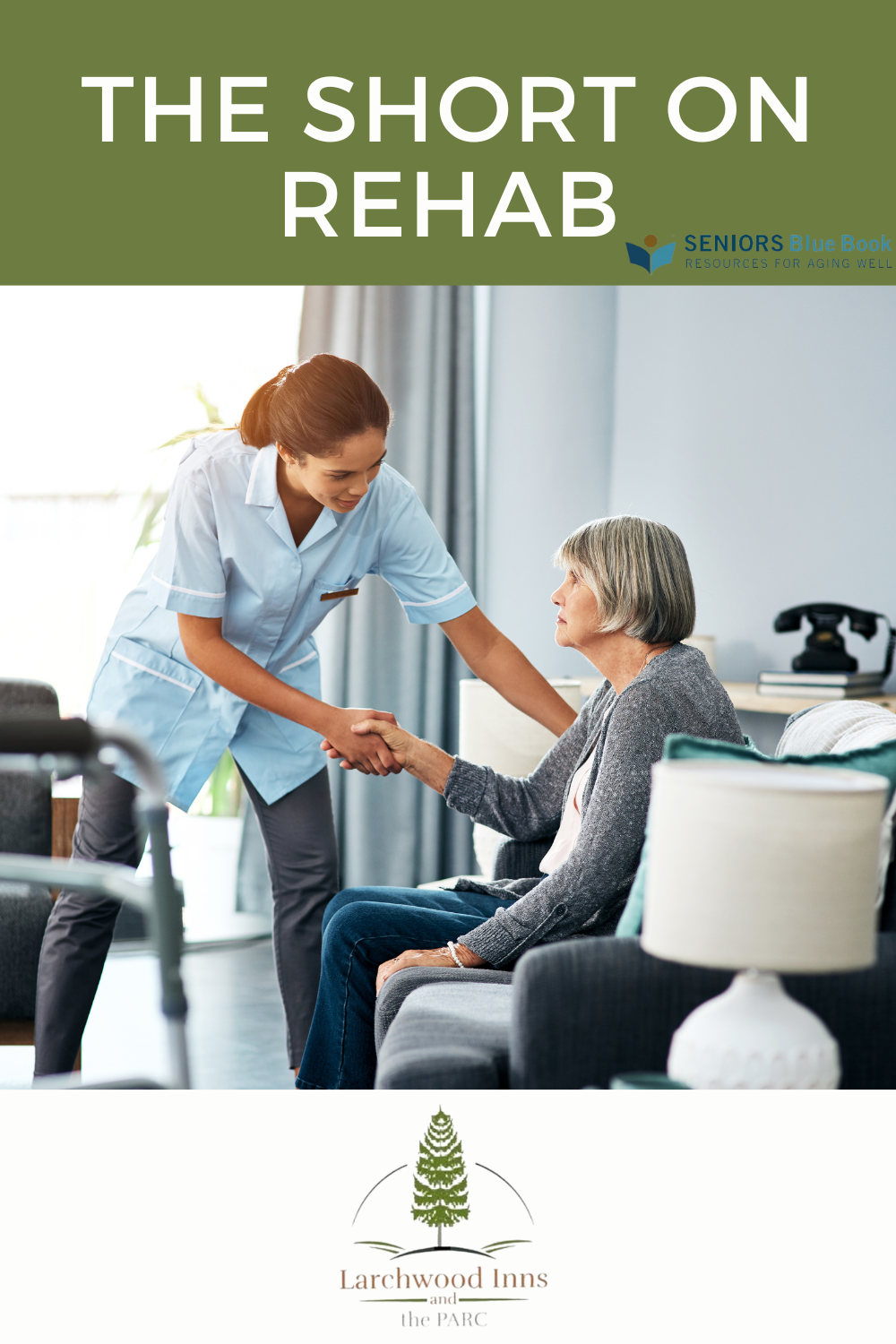
The Short on Rehab
What is Post-Acute Rehabilitation? It is an inpatient center that provides therapies and/or Skilled Nursing. Adults go there to recover from illness, injury, surgery, or other medical conditions following treatment in an Acute Care Hospital. Post-Acute Rehabilitation is a term used interchangeably with Short Term Rehab, Transitional Care Unit and Skilled Nursing Rehab Facility (SNF). These facilities offer similar services, such as: Physical Therapy, Occupational Therapy, Speech Therapy and Skilled Nursing Services. All centers have a Physician directing care and follow the same rules and regulations governed by Medicare. Not all Post-Acute Centers accept Medicaid and/or private insurance. An individuals Medicare benefits begin after a qualifying Acute Hospital stay if skilled services (Therapy and/or Nursing) are needed to regain physical health to go home safely. The first 20 days of Post-Acute Rehab is paid for by Medicare without a co-payment. Starting on day 21 there is a co-payment, and, depending on the individuals circumstance, the co-payment is that persons responsibility and may be paid by secondary insurance, by Medicaid, or by themselves. It is important to remember that not all Post-Acute Rehabilitations Centers are licensed to take Medicaid. Bearing this in mind, when co-payments begin, they may have to transfer to another Rehab facility to continue their skilled rehab services. (In extreme circumstances, Medicare stays can be as long as 100 days if the individual continues to qualify for skilled services.) Medicare Advantage plans must give pre-authorization for skilled services and will require re-authorization usually every 7 days throughout the Rehabilitation stay. One important consideration between traditional Medicare and Medicare Advantage Plans is the decision that a person no longer needs skilled services based on Medicare regulations and their Rehab benefit will end. Traditional Medicare, the Rehab facility and their therapy and nursing team makes the determination and Medicare Advantage Plans after consideration of chart review will determine when it is no longer necessary. Questions to ask: Tour the facilities and take a family member and/or trusted friend with you. Look at the room, dining area, community rooms, and Therapy Facilities. What insurances does the facility accept, and will the facility bill your private insurance? Does the facility accept Medicaid? Very important if you may need extended Rehab. Does the facility offer Physical, Occupational, and Speech Therapy? Do they have specialized equipment or services? Ask about dining services and whether the facility is able to meet your individualized preferences. Ask to view a menu and you may even want to arrange to eat a meal. What is the facilities Medicare quality (CMS) star rating? Can the facility provide 1st medication dosing on site? Do they bill secondary insurance? What does the facility do to provide an individual plan of care that meets your discharge goals? Editors note: This article was submitted by Melisa Latham, RN, NHA. Melissa is the Administrator at Larchwood Inns and the PARC and may be reached at 970-245-0022 or by email at [email protected].
Jul 02, 2018

From Their Eyes
Our Elders are facing a period were visiting their loved ones puts them at risk. They must battel internally the decision whether to venture out to the store, wrap their arms around their family or stay in their homes and visit thru windows, online meeting groups, or phone calls. These are not easy choices for our Elders to make, but we can do things to help make these choices easier and safer for them. Studies have shown that there are key steps to take to reduce passing COVID-19 onto our Elders. Perform frequent hand washing using hand sanitizers with 70% alcohol or higher. Use Social Distancing wand wear a mask or other face and nose covering, these are key factors to helping reduce the spread of COVID-19. Masks maintain source control and protects others. If we all wear a mask and use social distancing, we can prevent the spread of viruses and protect one another. If you know you have been exposed to someone with COVID-19, you need to self-quarantine in your home for 14 days. It is still good to quarantine if you have travelled somewhere that has large numbers of COVID-19 or rapidly increasing. Avoid large gatherings and perform self-screening each day including taking your temperature and monitoring for any shortness of breath, change of taste, sneezing, or coughing. Remembering that many people that are spreading the COVID-19 virus has no symptoms. While you are waiting to see if any symptoms develop, stay in close contact with your Elder so they do not worry and know that you are doing these things to help protect them. When they know you are taking extra precautions it helps to support their and your decision on which kind of visit is best. With our elders being the population at greatest risk from COVID-19, they know it may be a life or death situation and knowing their loved ones are taking all precautions to help minimize the risk to their Elder, puts their mind at a greater ease. This Pandemic will be around for several month and if we all get in the habit following these simple guidelines we can really help our Elders and still enjoy all the love, the stories, and those precious moments with them without putting them at risk.Editors Note: This article was submitted by Melissa Latham RN, NHS, Administrator at Larchwood Inns and The PARC. She may be reached at 970-245-0022 or by email at: [email protected]
Jul 21, 2020
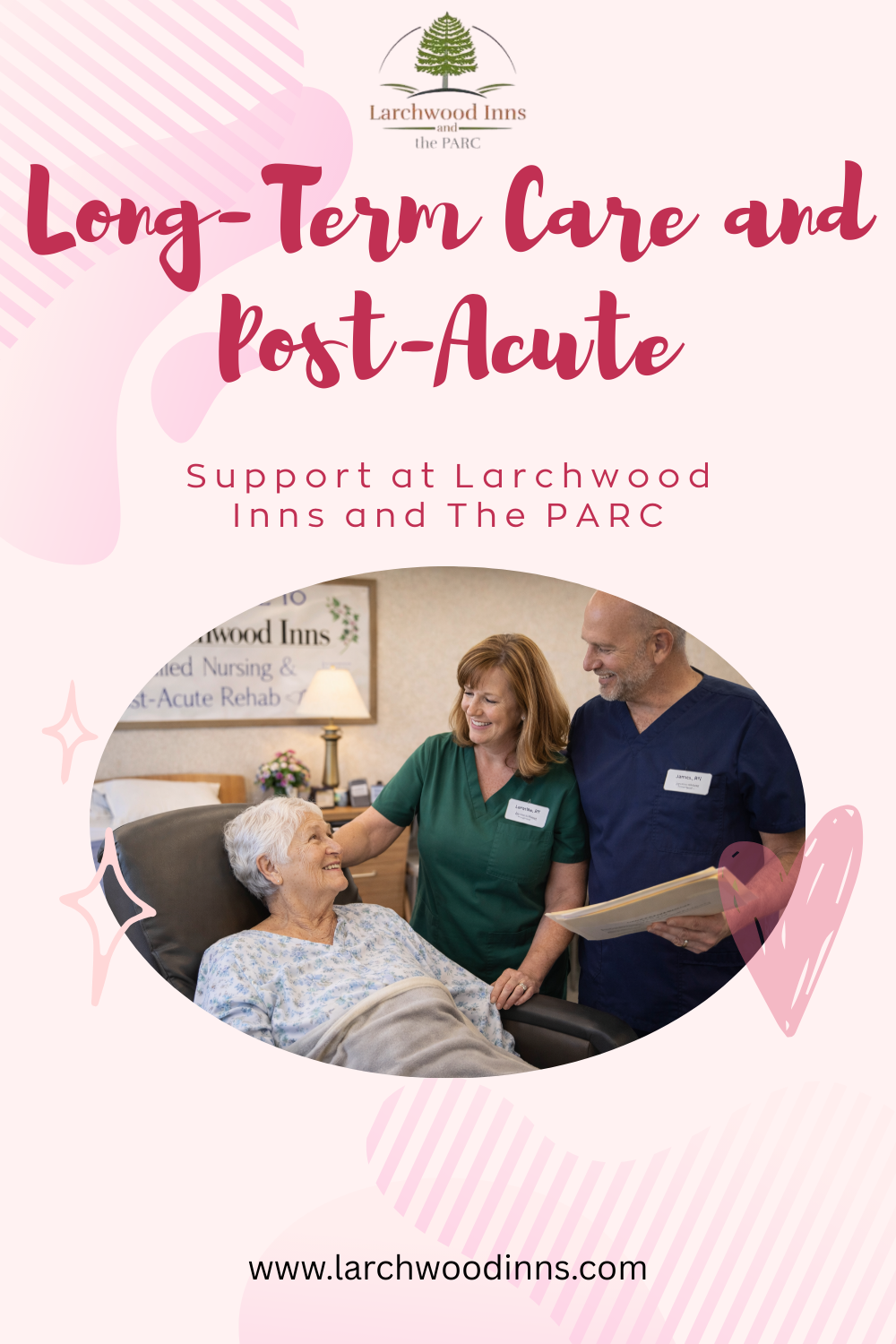
Long-Term Care and Post-Acute Support at Larchwood Inns and The PARC
Long-Term Care and Post-Acute Support at Larchwood Inns and The PARCHealthcare needs dont always follow a predictable path.Some Western Slope families seek short-term rehabilitation after surgery. Others are navigating progressive medical conditions that require long-term skilled nursing support. In either situation, the decision to move into a skilled nursing community carries emotional weight.At Larchwood Inns and The PARC in Grand Junction, led by Loretha Rolf, skilled nursing care blends clinical oversight with compassionate, individualized attention.Our goal is to provide stability during uncertain times, Loretha says. Whether someone is here for short-term recovery or long-term care, we focus on safety, dignity, and quality of life.Skilled Nursing vs. Assisted Living: Understanding the DifferenceFamilies often ask what separates skilled nursing from assisted living.Skilled nursing provides: 24-hour licensed nursing care Complex medication management IV therapy Wound care Monitoring of chronic conditions Rehabilitation coordination This higher level of medical oversight supports residents whose needs exceed what can be safely managed at home or in assisted living.Short-Term Post-Acute CareMany residents arrive at Larchwood Inns and The PARC after discharge from: St. Marys Medical Center Community Hospital Regional surgical centers Common reasons for post-acute stays include: Joint replacement recovery Stroke rehabilitation Cardiac event stabilization Infection treatment Fall-related injuries Short-term residents receive structured therapy alongside skilled nursing support to promote safe return home whenever possible.Long-Term Skilled Nursing CareNot every medical condition improves with rehabilitation.For residents requiring ongoing medical oversight, long-term skilled nursing offers: Continuous nursing supervision Assistance with daily activities Pain and symptom management Chronic disease monitoring Coordination with physicians and specialists Maintaining dignity and comfort remains central to long-term care planning.Integrated Rehabilitation ServicesFor residents in post-acute recovery, therapy plays a critical role.Services may include: Physical therapy for mobility and balance Occupational therapy for daily living tasks Speech therapy for communication or swallowing support Therapy goals focus on restoring functional independence while reducing fall risk.In Grand Junction, where many seniors hope to return to independent living, rehabilitation serves as a bridge back to community life.Clinical Stability and SafetySkilled nursing environments offer protections that private homes may not provide, including: 24-hour nursing availability Fall prevention protocols Infection control systems Medication safeguards Emergency response readiness These measures offer families reassurance during complex health situations.Supporting Families Through TransitionsThe transition into skilled nursing often comes with difficult emotions: Guilt Uncertainty Fear of loss of independence Financial concerns Open communication and collaborative care planning help families feel supported and informed.Loretha emphasizes, Families are part of the care team. We work together to make decisions that prioritize the residents well-being.Serving the Broader Western SlopeGrand Junction functions as a regional medical center for surrounding communities such as: Fruita Palisade Clifton Delta Montrose Having comprehensive skilled nursing locally allows families from across Mesa County to remain involved in their loved ones care.Proximity strengthens both recovery and emotional support.Frequently Asked Questions About Skilled Nursing in Grand JunctionHow long can someone stay in skilled nursing?Length of stay depends on medical necessity. Some residents are short-term; others require long-term care.Is skilled nursing covered by Medicare?Medicare may cover short-term, post-hospital skilled nursing stays under qualifying conditions. Long-term coverage varies.What happens if a residents health changes?Care plans are updated in collaboration with physicians and family members.Can residents participate in activities?Yes. Social engagement and recreational programming are encouraged whenever medically appropriate.How do families start the admission process?Families can contact the facility directly to discuss eligibility and next steps.Skilled Care with a Commitment to DignityLarchwood Inns and The PARC provide: 24-hour skilled nursing oversight Post-acute rehabilitation Long-term medical care Family-centered communication A structured, secure environment For Western Slope families navigating complex healthcare needs, skilled nursing offers stability, safety, and compassionate support. Visit Larchwood Inns and The PARC Skilled Nursing and Post-Acute Rehab on SeniorsBlueBook.com to connect with Loretha Rolf and explore available care options.
Feb 26, 2026
Antibiotic Stewardship
Antibiotic Stewardship is the active promotion of appropriate antibiotic use to treat bacterial infections. Antibiotics should only be taken when necessary. Like all medication, antibiotics have side effects and sometimes does more harm than good. They may give you a skin rash, allergic reaction, diarrhea, C-Diff (clostridium difficile), yeast infection, or worse, and you will still feel ill. Reactions from antibiotics caused 1 out of 5 medication-related visits to the emergency room.Antibiotics only kill bacteria and cannot treat viral illnesses like a cold or flu. Over-use and incorrect use of antibiotics causes bacteria to become resistant to medications and harder to treat. Not taking antibiotics exactly as prescribed includes stopping them to early, not taking the complete prescription or skipping doses. According to the CDC (Center for Disease Control) each year, in the United States, at least 2 million people get infected with antibiotic-resistant bacteria. At least 23,000 people die as a result. Antibiotic-resistant MRSA, or methicillin-resistant Staph aureus, is one of the most common. MRSA is the bacteria, Staph aureus which is commonly present on the skin and in the nose and has become resistant to penicillin, amoxicillin, and other antibiotics in that same class.There has been a frequent over-use of antibiotics for treatment of suspected Urinary Tract Infections, or UTIs in older adults. Older adults commonly have bacteria in their urine, but not causing a real infection. Yet there may be complaining of vague symptoms, such as increased confusion, falls, or irritability. The doctor orders a urine test that shows bacteria which leads the doctor to order an antibiotic and the vague symptoms will remain. This has led to the CDC to more specifically define the criteria of diagnosis of a UTI and when a urine test is needed. If needed, and significant for bacteria, a culture is also ordered to define what bacteria is present and what antibiotic would kill that bacteria to ensure treatment with the right antibiotic avoiding use of an antibiotic that would not be effective.Things you can do to minimize unnecessary or incorrect use of antibiotics:Avoid antibiotics when possible.When you have a cough, sore throat or other illness, tell your doctor you only want an antibiotic if necessary.If you need an antibiotic, take it exactly as it is ordered.For more information visit the CDC website Get Smart: Know when Antibiotics Work.Editors Note: This article was submitted by Melissa Latham, RN, NHS, Administrator at Larchwood Inns and the PARC. You can reach her at 970-245-0022 or email Melissa at [email protected]
Sep 01, 2019

Simple Basics Yield Long Term Effects
COVID-19 has forced us all to take a step back and re-evaluate how we manage our lives and our interactions with others. While we all use to be carefree about blowing out candles on a cake, giving hugs with everyone we met, and opening doors without a second thought of washing our hands, we now stop and think twice about what we do. We sing Happy Birthday without candles, we hesitate even before giving a hug to family members and friends, make sure we are in tip top health before hugging our elders, and we carry hand sanitizer so we can sanitize our hands after opening a door to anywhere outside our home. Life has been reshaped by a virus, are getting back to a new, more conscientious normal.They say hindsight is 20/20 but would it not have been nice to know that hand sanitizer sales would go through the roof, so we all could have bought stock! Now we all have our car hand sanitizer, our hand sanitizer wipes we take with us into places to wipe down handles and doorknobs. And those 6 rulers to measure out social distance, although it may be inconvenient, would come in handy to get stuff off the top shelf at stores. Keeping and giving personal space to those around us helps minimize the transmission of airborne viruses of any kind which leads to overall health.For each of us, COVID-19 has at least brought to light, the importance of basic health practices. Washing our hands with either soap and water or using hand sanitizer regularly and liberally is no longer an inconvenience, but rather a comfort knowing we are washing away germs to protect us and others. Giving everyone a little more space and re-evaluating when we go to stores, popular attractions, and highly populated events helps to reduce the spread of COVID-19 and other illnesses. Stop and think first is the best choice for myself, my family, and our health. We no longer brush off a cough as it is nothing and go about our day. We now evaluate whether or not that cough, sore throat, sniffle, or body ache is something more serious that we could pass to someone. We then make the decision that it is better to stay home and wait for it to pass. Becoming more conscious about how we feel and what it can do to others if we ignore it can help keep our families, our schools, and our community stay healthier and safer.Editors Note: This article was submitted by Corie Scotto, Public Relations at Larchwood Inns and The PARC. She may be reached at 970-245-0022 or by email at: [email protected] Learn More Click: https://www.seniorsbluebook.com/senior-housing/larchwood-inns-and-the-parc-skilled-nursing-grand-junction-co
Jun 23, 2021
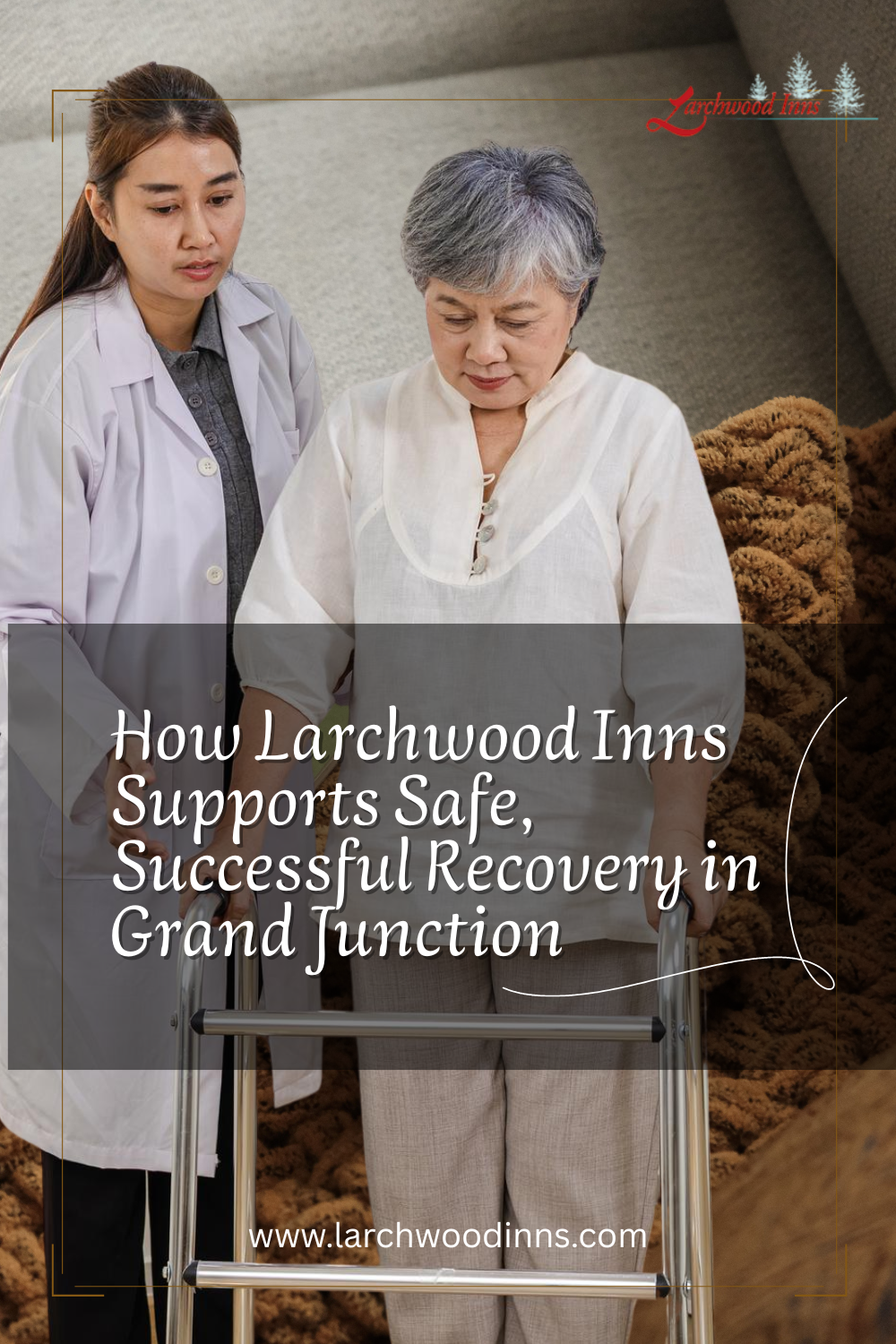
How Larchwood Inns Supports Safe, Successful Recovery in Grand Junctio
How Larchwood Inns Supports Safe, Successful Recovery in Grand Junction Leaving the hospital is often a relief but it can also bring uncertainty. After surgery, illness, or injury, patients may be medically stable but far from fully recovered. Weakness, balance issues, medication changes, and wound care needs can make returning home risky without additional support. For families in Grand Junction and across Mesa County, Larchwood Inns Skilled Nursing and Post-Acute Rehab Facility provides structured, short-term rehabilitation designed to rebuild strength and confidence before patients transition home. Recovery is a process, says Loretha Rolf of Larchwood Inns. Our role is to provide the clinical care and therapy needed to help patients safely return to the lives they value. Why Post-Acute Rehabilitation Matters Hospital stays today are shorter than ever. Patients often leave while still: Using assistive devices Managing complex medications Healing from surgical incisions Experiencing limited endurance Without structured rehabilitation, patients may face: Falls Medication errors Delayed healing Emergency readmissions Post-acute rehab facilities like Larchwood Inns bridge that gap offering medical oversight and therapy in a supportive environment. Comprehensive Rehabilitation Services At Larchwood Inns, rehabilitation plans are tailored to each patients diagnosis and goals. Common therapy services include: Physical Therapy Strength rebuilding Balance improvement Gait training Stair navigation Fall prevention Occupational Therapy Bathing and dressing safely Kitchen mobility Energy conservation Adaptive equipment training Speech Therapy Swallowing support Cognitive therapy Communication rehabilitation Therapists simulate real-life situations helping patients prepare for the specific demands of their own homes in the Grand Valley. Skilled Nursing Around the Clock Rehabilitation is only one part of recovery. Larchwood Inns provides 24/7 skilled nursing care to manage: IV medications Wound care Pain management Cardiac monitoring Chronic disease stabilization This continuous medical oversight ensures complications are addressed promptly. In the early stages after hospitalization, patients are still vulnerable, Loretha Rolf explains. Having licensed professionals available around the clock provides safety and reassurance. Supporting a Wide Range of Diagnoses Larchwood Inns frequently supports patients recovering from: Joint replacement surgery Stroke Cardiac procedures Severe infections Respiratory illness Fall-related injuries Mesa Countys growing senior population means more families are navigating these transitions. Having high-quality post-acute care locally allows families to remain involved in recovery. Preparing for a Safe Return Home Discharge planning begins early. Before returning home, care teams evaluate: Mobility readiness Home accessibility Equipment needs (walkers, shower chairs, grab bars) Medication understanding Family caregiver support Coordination with home health agencies ensures continued progress after discharge. The goal is not just improvement its sustainable independence. A Recovery Environment Rooted in Community Grand Junction residents value connection. Being close to family during rehabilitation supports emotional health and motivation. Larchwood Inns encourages: Family participation in care planning Visitation Clear communication with loved ones Recovery is stronger when families are involved. When Should Families Consider Post-Acute Rehab? Rehabilitation may be appropriate when: A loved one cannot walk safely alone Daily activities feel overwhelming Medical needs exceed home capabilities Therapy intensity is too great for outpatient care There is concern about falling or reinjury Speaking with hospital discharge planners early ensures proper placement and insurance coordination. Insurance and Medicare Coverage Short-term rehabilitation at a skilled nursing facility is often covered by: Medicare (after a qualifying hospital stay) Medicaid Private insurance Long-term care insurance Coverage depends on medical necessity and eligibility requirements. Understanding benefits before discharge reduces stress and confusion. Frequently Asked Questions About Post-Acute Rehab in Grand Junction How long does rehab usually last? Length of stay varies but often ranges from two to four weeks, depending on progress. Is therapy provided daily? Therapy frequency is determined by physician orders and patient needs. Can patients return home with additional support? Yes. Many transition home with home health services or outpatient therapy. Is rehab only for seniors? No. Adults of any age recovering from surgery or illness may qualify. What if recovery takes longer than expected? Care teams reassess and adjust plans based on patient progress and medical needs. Building Strength for the Next Chapter Recovery requires more than time it requires guidance, structure, and professional care. Larchwood Inns Skilled Nursing and Post-Acute Rehab Facility in Grand Junction provides the medical oversight and rehabilitation services patients need to transition safely from hospital to home. If you or a loved one is preparing for discharge and unsure about the next step, exploring post-acute rehabilitation may offer the support needed for a successful recovery. Visit Larchwood Inns listing on Seniors Blue Book to connect with Loretha Rolf and learn more about local rehabilitation services.
Feb 25, 2026
The Use and Mis-Use of Antibiotics
The long standing, overuse of antibiotics has led to an alarming rate of prevalence of multi-drug resistant bacteria, such as, (MRSA) Methylcillian Resistant Staph Aureus and (VRE) Vancomyacin Resistant Enterococcus.The Centers for Disease Control and Prevention (CDC) estimates that more than half of all antibiotics prescribed are not necessary. Antibiotics do not treat viruses, such as, colds and flu. Antibiotics treat bacterial infections. Antimicrobial stewardship programs promote the appropriate use of antibiotics, improves patient outcomes, reduces drug resistant organisms, and decreases the spread of infections caused by multidrug-resistant organisms. Antibiotic overuse contributes to the rapidly escalating problem of Clostridium difficile infection (C-DIFF) C.Difficile causes life-threatening diarrhea.. A 2015 CDC study found that C. difficile caused almost half a million infections among patients in the United States in a single year. An estimated 15,000 deaths are directly attributable to C. difficile infections, making it a substantial cause of infectious disease death in the United States.Urinary Tract Infections are caused by bacteria and are treated with antibiotic medications. Asymptomatic bacteriuria is possibly cloudy or malodorous urine, without accompanying symptoms of a urinary tract infection such as frequent urination, painful urination and fever. Chronic asymptomatic bacteriuria occurs in as many as 50% of the population in long-term care. Bacteriuria is often misdiagnosed as an Urinary Tract Infection and inappropriately treated with antibiotics, putting the person at risk for developing multi-drug resistant organisms and/or C. difficile, among other unwanted side effects.Do your part to decrease your risk of acquiring antibiotic resistant organisms by: Never insist that your doctor prescribe an antibiotic for you*Never take antibiotics for viral infections*Never take antibiotics that were prescribed for someone else*Never take antibiotics that were left over from a previous infection*If antibiotics are prescribed for you, finish them even if you feel betterEditors Note: This article was submitted by Melissa Latham, RN, NHA. Melissa is the Administrator at Larchwood Inns and the PARC and may be reached at 970-245-0022 or by email at [email protected]
Jun 16, 2017
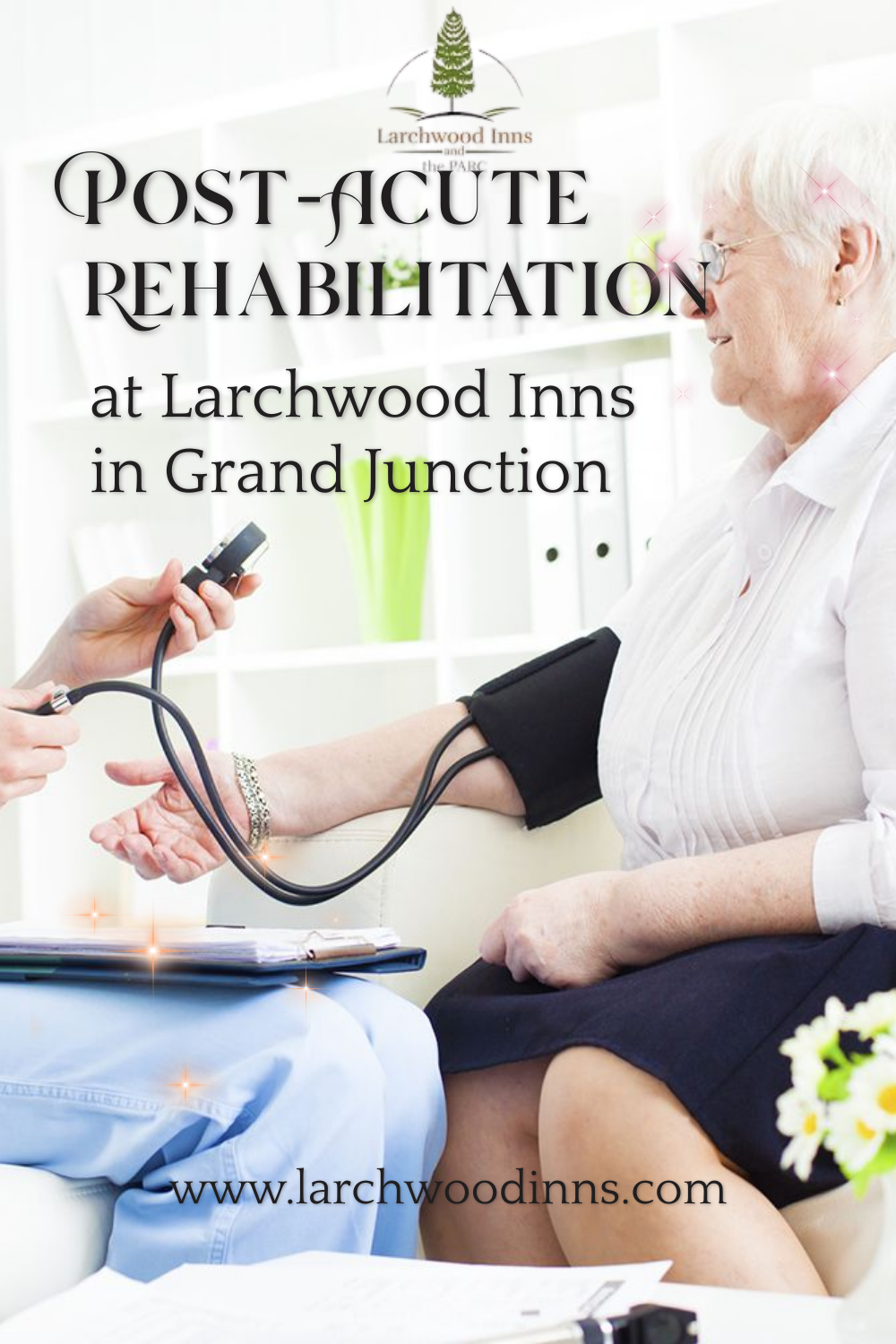
Post-Acute Rehabilitation at Larchwood Inns in Grand Junction
Post-Acute Rehabilitation at Larchwood Inns in Grand JunctionOn Colorados Western Slope, resilience is a way of life. From ranchers to retirees, people in Grand Junction know what it means to work hard and recover strong. But when a hospitalization interrupts lifewhether due to surgery, stroke, or illnessthe journey back to independence requires more than determination. It requires structured rehabilitation, clinical oversight, and compassionate support.At Larchwood Inns Skilled Nursing and Post-Acute Rehab Facility, seniors across Mesa County find a comprehensive rehabilitation environment designed to restore strength, confidence, and mobility. Rehabilitation isnt just about exercisesits about helping individuals regain control of their daily lives, says Loretha Rolf. Our team focuses on measurable progress while honoring each residents dignity. What Is Post-Acute Rehabilitation?Post-acute rehabilitation provides intensive therapy and medical oversight following a hospital stay. It serves as a bridge between acute hospital care and returning home.Patients may come to Larchwood Inns after: Joint replacement surgery Stroke Cardiac procedures Respiratory illness Falls or fractures Extended hospitalizations The goal is safe, efficient recovery in a supportive setting.Comprehensive Therapy ServicesRehabilitation at Larchwood Inns is individualized and goal-driven.Physical TherapyFocuses on rebuilding strength, balance, and mobilityespecially critical after orthopedic surgery or injury.Occupational TherapyHelps residents regain independence in daily tasks such as dressing, bathing, and meal preparation.Speech TherapySupports communication, cognitive recovery, and swallowing difficultiesoften following stroke or neurological events.Therapy programs are tailored to each patients medical needs and personal goals.Skilled Nursing Support Around the ClockUnlike outpatient therapy, post-acute rehab facilities provide 24-hour licensed nursing care.This includes: Medication management Wound care Pain control Monitoring for complications Coordination with physicians This clinical oversight is particularly important for seniors managing chronic conditions like diabetes, heart disease, or COPD.Why Local Rehabilitation Matters in Grand JunctionRecovering close to home provides emotional comfort and practical benefits.Families in Grand Junction and surrounding communities such as Fruita and Palisade can: Visit frequently Participate in care planning Stay engaged in progress updates Prepare for discharge collaboratively Family involvement strengthens outcomes, Loretha Rolf explains. When loved ones are part of the recovery process, confidence grows. Reducing Hospital ReadmissionsHospital readmissions are common when recovery isnt carefully managed. Larchwood Inns emphasizes prevention through: Early mobility programs Fall prevention strategies Nutrition management Medication reconciliation Regular physician communication These evidence-based approaches help reduce complications and improve long-term stability.Preparing for a Safe Return HomeDischarge planning begins early.The team collaborates with families to ensure: Home safety assessments Equipment recommendations (walkers, grab bars) Follow-up therapy appointments Clear medication instructions The goal is a seamless transition back to independent living.A Focus on Dignity and RespectRehabilitation is physically demanding. Emotional encouragement plays a critical role in success.Residents at Larchwood Inns benefit from: Structured daily routines Compassionate caregivers Supportive therapy staff A welcoming, community-centered environment Restoring independence often restores confidence as well.When Should Families Consider Post-Acute Rehab?Post-acute rehabilitation may be appropriate when: A loved one is not strong enough to return home after hospitalization Therapy is required daily Complex medical oversight is necessary Mobility has significantly declined Early referral helps prevent setbacks.Why Families Trust Larchwood InnsMesa County families choose Larchwood Inns because of: Skilled interdisciplinary teams Structured therapy programs Transparent communication Commitment to measurable recovery goals The facility adheres to industry standards for rehabilitation and skilled nursing care, demonstrating both expertise and accountability.Frequently Asked QuestionsHow long does post-acute rehab typically last? Length of stay varies depending on medical condition and therapy progress, often ranging from a few weeks to several months.Is rehab covered by Medicare? Medicare often covers short-term rehabilitation following a qualifying hospital stay. Coverage details should be confirmed.Are therapy sessions provided daily? Therapy frequency is based on physician recommendations and individual needs.Can family members attend care planning meetings? Yes, family involvement is encouraged.Stronger Recoveries on the Western SlopeRecovery takes effort, structure, and support. At Larchwood Inns Skilled Nursing and Post-Acute Rehab Facility, Grand Junction seniors receive comprehensive rehabilitation designed to restore independence safely and confidently. If your loved one is preparing for hospital discharge or needs structured rehabilitation, visit Larchwood Inns listing on Seniors Blue Book to learn more and connect with their team.
Feb 23, 2026
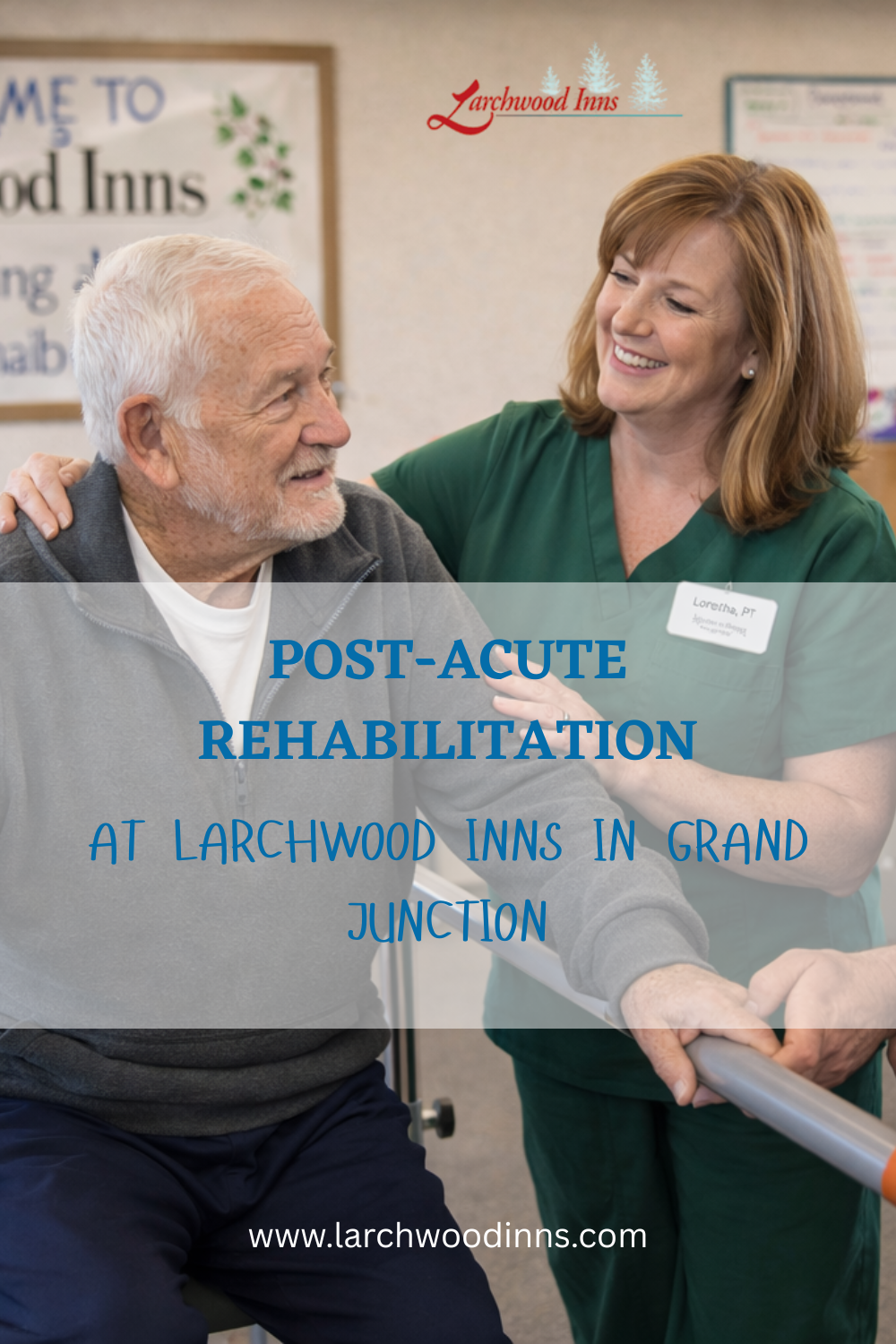
Expert Post-Acute Rehabilitation at Larchwood Inns in Grand Junction
Expert Post-Acute Rehabilitation at Larchwood Inns in Grand JunctionWhen a hospital stay ends, recovery is often just beginning.Whether following joint replacement surgery, a stroke, cardiac complications, or a serious illness, many Western Slope residents are not quite ready to return home safely even though they are medically stable enough to leave the hospital.Thats where Larchwood Inns Skilled Nursing and Post-Acute Rehab Facility in Grand Junction, under the leadership of Loretha Rolf, provides structured rehabilitation designed to restore independence and rebuild confidence.Post-acute rehab is about progress, Loretha says. We focus on helping residents regain strength, mobility, and the ability to return home safely whenever possible.Understanding Post-Acute RehabilitationPost-acute rehabilitation is short-term, goal-oriented care provided after hospitalization.Residents may arrive at Larchwood Inns following: Hip or knee replacement Fracture repair Stroke Cardiac procedures Pneumonia or respiratory illness Extended hospital stays The primary objective is to support recovery through coordinated nursing and therapy services.A Structured Path to RecoveryPost-acute rehab typically includes: Skilled nursing oversight Physical therapy Occupational therapy Speech therapy (when needed) Pain management Medication monitoring Each resident receives an individualized care plan designed to target specific functional goals.In Grand Junction, where many seniors value independence and aging in place, regaining mobility and daily living skills is essential.Physical Therapy: Restoring MobilityPhysical therapy focuses on rebuilding: Strength Balance Endurance Gait stability Therapists work closely with residents to improve mobility and reduce fall risk.For Western Slope seniors eager to return to hiking local trails or simply walking safely around their home, structured therapy makes a measurable difference.Occupational Therapy: Regaining Daily FunctionOccupational therapy helps residents relearn everyday tasks such as: Dressing Bathing Meal preparation Using assistive devices Navigating stairs The goal is not just medical recovery its restoring practical independence.Speech and Swallowing SupportAfter stroke or neurological illness, some residents may experience: Speech difficulties Cognitive challenges Swallowing issues Speech therapists provide targeted interventions to improve communication and safety.Skilled Nursing Support During RecoveryRehabilitation success depends on medical stability.Skilled nursing services at Larchwood Inns include: 24-hour nursing supervision Wound care IV therapy management Medication administration Monitoring for complications This clinical oversight ensures that therapy progress is not disrupted by medical setbacks.Preparing for a Safe Return HomeDischarge planning begins early.The care team works with families to assess: Home environment safety Equipment needs Follow-up appointments Home health coordination Caregiver education The goal is a smooth transition back to the community.Recovery doesnt stop at discharge, Loretha explains. We prepare families for the next phase.Why Local Rehabilitation MattersGrand Junction serves as a healthcare hub for surrounding communities including: Fruita Palisade Clifton Delta Montrose Having post-acute rehab locally allows families to visit frequently and remain involved in the recovery process.Proximity strengthens both emotional support and communication.Frequently Asked Questions About Post-Acute Rehab in Grand JunctionHow long does post-acute rehab last?Length of stay varies depending on medical condition and therapy goals. Many residents stay several weeks.Is rehab covered by Medicare?Medicare may cover qualifying post-hospital rehabilitation stays under specific guidelines.Can family members attend therapy sessions?Family involvement is often encouraged to support continuity of care.What happens if a resident needs longer-term care?Care plans can transition to long-term skilled nursing if medically necessary.Do residents have private rooms?Room availability varies. Families can inquire directly about accommodations.Recovery with Professional SupportRehabilitation requires patience, structure, and skilled guidance.Larchwood Inns Skilled Nursing and Post-Acute Rehab Facility provides: Coordinated therapy services 24-hour nursing care Individualized recovery plans Safe discharge preparation Compassionate Western Slope care For Grand Junction families navigating recovery after hospitalization, structured post-acute rehabilitation offers the support needed to rebuild strength and independence. Visit Larchwood Inns Skilled Nursing and Post-Acute Rehab Facility on SeniorsBlueBook.com to connect with Loretha Rolf and learn more about available rehabilitation services.