Anathan Club Adult Day Memory Care Center
200 JHF Drive, Pittsburgh, Pennsylvania, 15217
Adult Day Services


About Anathan Club Adult Day Memory Care Center
Anathan Adult Day Memory Care Services provides therapeutic programming for people with memory care needs in a warm, caring, and secure setting. Offering an engaging schedule of activities by experienced, highly trained staff, the goal of Anathan is to encourage your independence and self-esteem through peer interaction. As a member, you are exposed to familiar as well as new experiences and are valued as a unique individual. Anathan provides support and peace of mind for your regular caregiver so that he or she is more able to take care of life's daily responsibilities. Space is available Monday, Tuesday, Thursday and Friday 8:30am to 4:30pm. Medicaid and private pay are accepted. Some long term insurance companies fund adult day services. For more information or to request a tour call 412-420-4000.See More
Additional Services Offered

JAA Home Health Services
Home HealthWhen you need skilled home health services to remain independent, choose JAA. After receiving a home health referral, we visit your home within 48 hours to assess needs, create a treatment plan that incorporates your goals, and communicate with you, your family, and your personal physician. JAA Home Health Services offer assistance delivered with compassion, professionalism, and reliability.

The Harry And Jeanette Weinberg Terrace
Assisted Living 5757 Bartlett Street, Allegheny County, Pittsburgh, Pennsylvania, 15217The Harry and Jeanette Weinberg TerraceThe Harry and Jeanette Weinberg Terrace is a beautiful personal care community designed for more active residents who need occasional support to remain independent.Our friendly, supportive staff, along with a host of convenient services and amenities, helps you stay energized and vibrant.Quite simply, Weinberg Terrace is a wonderful place to call home.Spacious Apartments, Desired Squirrel Hill NeighborhoodOur spacious, comfortable apartment designs provide privacy and dignity and the touches and finishes you desire most.Conveniently located in Pittsburghs charming Squirrel Hill neighborhood, we are within walking distance of shopping, restaurants, entertainment, and more.At Weinberg Terrace, you receive the extra help you need, and our great location keeps you close to everything and everyone that matters.Active Senior LifestyleLiving at Weinberg Terrace gives you the opportunity to renew old friendships and develop new ones, find terrific partners for a game of cards, and join in singalongs to your favorite melodies. Each day, our full social calendar provides an array of opportunities for you to discover something new and exciting. Best of all, you are surrounded by the warmth of a traditional community that makes you feel right at home, right from day one.

The New Riverview Apartments
Affordable-Subsidized 52 Garetta Street, Allegheny County, Pittsburgh, Pennsylvania, 15217A vibrant senior community where the goal is to live comfortably, remain self-reliant, and enjoy life to the fullest. Part of JAA~s array of senior services, 191 renovated apartments provide affordable independent living options for tenants at all income levels. Service coordinators and on-site activities staff support active, healthy lifestyle choices, and encourage participation.

Mollie’s Meals Delivered By JAA
Home Delivered Meals 200 JHF Dr, Allegheny County, Pittsburgh, Pennsylvania, 15217Deliveries Mondays, Wednesdays, and Fridays; when ordered in advance, Friday delivery can include weekend meals. Available in Pittsburgh and surrounding neighborhoods. When you need help preparing meals or are homebound, nutritious Kosher meals delivered for a modest fee; prepared by professional staff with Allegheny Area on Aging dietary approval; accommodates many special needs diets.
Continue Your Search! Explore More Local Options.
Start SearchingLet’s engage and get educated!
Browse through thousands of expert articles in over 100 different categories.
Browse NowArticles You May Like

Community Corner: Mollies Meals
The JAAs Mollies Meals program delivers over 28,000 meals annually to seniors in the Squirrel Hill, Greenfield, and Shadyside areas. Dedicated volunteers bring nutritious meal options directly to the doors of homebound older adults who are unable to prepare their own meals. In addition to providing a hearty meal, these visits also offer a friendly greeting and an opportunity for connection.In partnership with the Allegheny County Area Agency on Aging, the program ensures that these fresh meals are affordable, thanks to subsidies. Designed to be easily microwaved or frozen for future use, the meals offer flexibility and convenience for the recipients.But dont just take our word for it! Hear from one of our very satisfied customers: I am a relatively active senior but have a difficult time shopping and Im not always motivated to cook for myself. My out-of-town daughter encouraged me to try Mollies Meals. And I am so glad that I did. Now mealtime is a treat! I anxiously await the arrival of my cheerful volunteer who always has an extra minute to visit while she makes sure I am well! Your meals have truly changed my life and my outlook! I cant thank you enough. PS. My daughter AND my doctor second those words of gratitude!!Mollies Meals isnt just about providing foodits also about the relationships our volunteers build with recipients. These bonds allow our volunteers to notice when something is wrong. For instance, when Chris arrived to deliver Mr. Hs meal, she grew concerned when he hadnt picked up his morning newspaper and wasnt answering his phone. Then, when he didnt answer his door as usual, she contacted the Mollies Meals office. We reached out to his nearby emergency contact who had a key. It turned out Mr. H had fallen and couldnt reach the phone or door. Thanks to our driver, Mr. H was able to get the help he needed. After a few days in the hospital, Mr. H was back on his feet and now wears a life alert button.If you would like to register yourself or a loved one to receive Mollies Meals, or if you would like to become one of our compassionate volunteer deliverers, please call the Mollies Meals office at 412-521-7616.-Sharyn Rubin, MEdDirector of Resident & Community Services
Nov 04, 2024
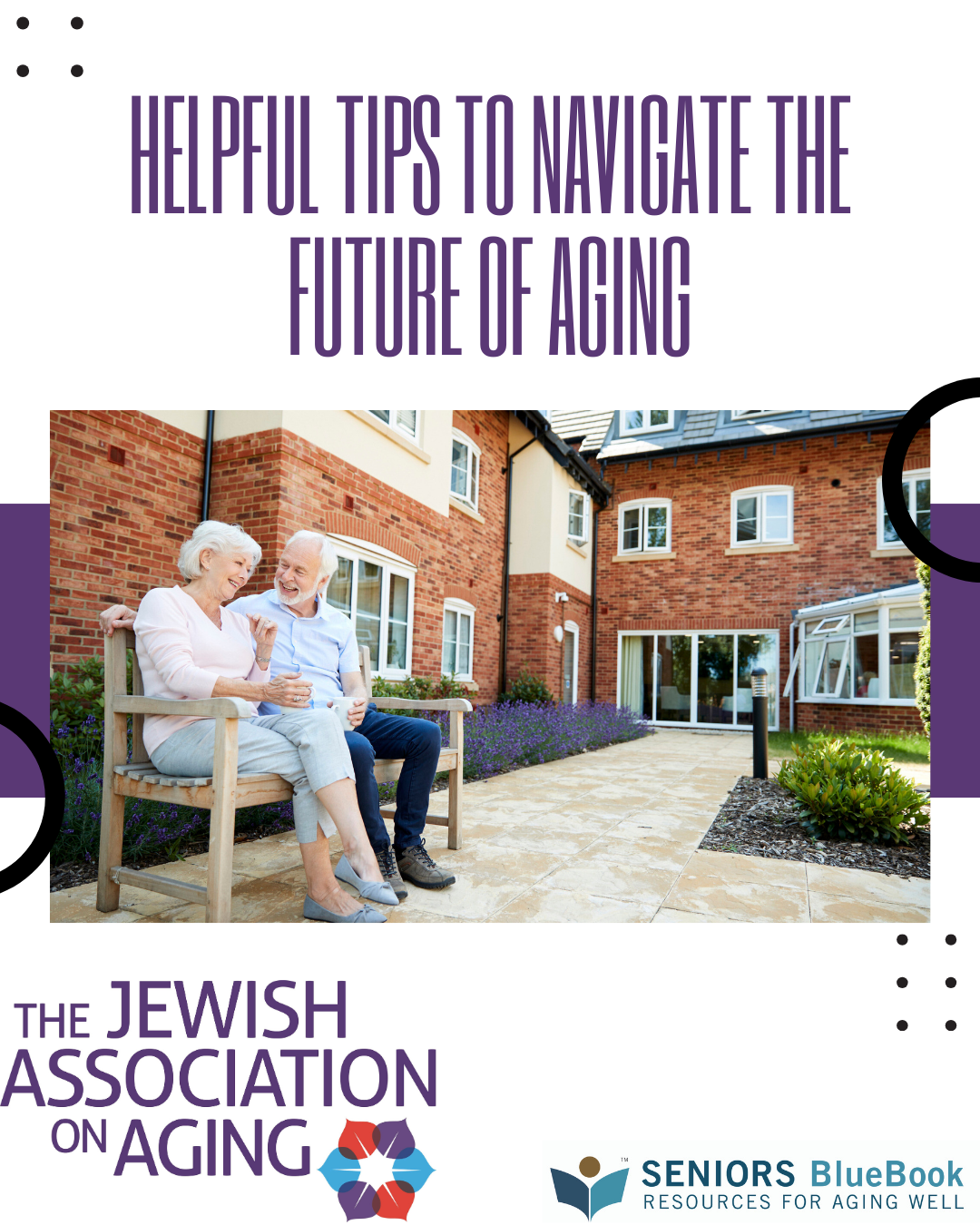
Helpful tips to navigate the future of aging
Moving to a senior community does not mean surrendering independence or identity.Deciding where and how to live as we age is one of the most significant choices individuals and families will make. Too often, these decisions are made during moments of crisis after a fall, hospitalization, or a sudden change in health when stress and urgency cloud judgment. However, with thoughtful planning and honest conversations, these changes can be navigated with dignity, confidence and peace of mind.The first step is recognizing that changing needs are not a failure of independence. Chronic illness, mobility challenges, memory changes, or safety concerns are natural parts of aging. Addressing them proactively allows individuals to maintain control over their future rather than reacting to circumstances as they arise. Understanding the spectrum of careThere are far more care options for seniors than many people realize. Personal care services support activities of daily living such as bathing, dressing, meal preparation, medication reminders or administration, and mobility assistance. These services can be provided at home or in a residential setting, depending on personal preference and level of need.Senior living communities offer a range of care levels from independent living to personal care to assisted living to memory care within one supportive environment. Residents typically live in private or semi-private apartments and benefit from regular meals, housekeeping, social activities and 24-hour access to trained staff. These communities are designed for individuals who need assistance with daily tasks but do not require skilled nursing care.Working with a senior community to choose the appropriate level of support is critical. The right fit allows individuals to remain active, engaged and supported throughout their life.Assessing what truly mattersA thoughtful assessment is the foundation of a successful transition. Families should consider not only current needs, but how those needs may evolve. Important questions to consider may include: Which daily activities are becoming difficult or unsafe? Are there memory or cognitive changes that may lead to a safety concern? How critical are social engagement and daily structure? How will connections to family, faith, culture, and community be maintained?These conversations should begin early and include the individual at the center of the decision-making process. Expressing both what you want and what you wish to avoid helps ensure that future care aligns with your values. Professional input from physicians, social workers, geriatric care managers, or care navigation teams can provide objective guidance and help families plan responsibly rather than react emotionally during this time. Exploring practical optionsThere is no single solution that fits everyone. Common options include: Aging in place with in-home support is ideal for those who wish to remain at home while gradually adding personal care. Adult day programs provide supervision, engagement and care during the day. Respite care offers short-term stays that relieve family caregivers. Senior living communities provide built-in support, social connection and the ability to adjust care as needs change. Hospice care delivers compassionate, comfort-focused support in a community-based or facility-based setting. Families have the right to choose their hospice provider.Touring senior communities and interviewing care providers early is essential. Ask clear questions about staffing, medical oversight, emergency procedures, meals, daily routines and amenities. Understand the financial structure: What is included? What costs extra? Which payment options are accepted? Ask whether the organization is a locally based nonprofit, or national or regional for-profit, and how it supports cultural and religious practices. Equally important, inquire whether multiple levels of care are available to support changing needs over time.Addressing the emotional side of changeEven well-planned transitions bring emotional complexity. Individuals may fear losing independence, while family members grapple with guilt or uncertainty. These feelings are normal and they deserve acknowledgment.Open communication is essential. Listen without judgment, speak honestly, and focus on the shared goal of safety, comfort and quality of life. Preserving routines, incorporating familiar belongings and continuing to foster meaningful relationships helps ease adjustment. Clearly articulating what makes a place feel like home can guide providers in delivering truly personalized care.A thoughtful path forwardChoosing senior care is not a one-time decision; it is an ongoing partnership. The right environment welcomes family involvement, encourages questions and adapts as needs evolve. Strong relationships among residents, families and caregivers build trust and ensure care remains responsive over time.Moving to a senior community does not mean surrendering independence or identity. With proactive planning and proper support, individuals can continue to live engaged, meaningful lives while families gain confidence knowing their loved ones are safe and well cared for. Approached with clarity and compassion, the aging journey can be transformed into an opportunity for stability, connection and renewed well-being. PJCMary Anne Foley, RN, MSN is president and chief executive officer of the Jewish Association on Aging.
Feb 02, 2026

Mindful Activities for Dementia Patients
Keeping your mind active and engaged is important at every stage of life, though for individuals living with dementia, engaging in meaningful activities is especially beneficial. These activities can help maintain verbal and motor skills, reduce feelings of loneliness and boredom and alleviate challenging dementia-related behaviors such as wandering, judgment errors, anxiety and agitation. The Alzheimers Association reports that about 1 in 9 Americans aged 65 and older, or 10.9%, are living with Alzheimers disease. In 2023, there were 11.5 million unpaid caregivers in the U.S. caring for people living with Alzheimers or other forms of dementia, many of whom were family members. These caregivers must ensure that their loved ones are safe while also nding creative ways to keep them engaged. When planning their day, it can be helpful to observe which activities the person enjoys and any spontaneous interests they show. Tailoring activities to their preferences can encourage their participation. Remember that individuals living with Alzheimers and other dementias can be easily overwhelmed, so tasks should be simple with clear and easy to follow directions. Since individuals with dementia may not initiate an activity on their own, scheduling a spefic time for an activity and inviting them to join may spark their interest and desire to participate. Establishing daily routines can help. Mindful activities for dementia patients How to keep your loved one stimulated and connected loved one feel more at ease, reduce anxiety and foster feelings of control and independence. Over time, familiar patterns may transfer to long-term memory, offering comfort and stability. When creating a daily schedule, consider what times of day your loved one functions best. Also, take into account how they used to structure their day. Allow ample time for meals, bathing, dressing and rest, and avoid overloading the schedule. Its important to have a gentle balance between stimulating activity and downtime. Tools such as a calendar or dry-erase board can serve as a helpful visual throughout the day. While an activity like watching a favorite TV show can be relaxing, it may not always offer the kind of mental stimulation that individuals with dementia need. Regularly planning creative, engaging dementia-friendly activities can feel daunting, but setting realistic goals that will support your loved ones healthy lifestyle is key. Tailoring activities to match your loved ones abilities will help ensure their success and enjoyment. Some practical activities for individuals with dementia include: Encourage participation in simple household chores, such as drying dishes, folding clothes or assisting with cooking or baking under your supervision. Take a leisurely walk outdoors or work in the garden when weather permits. Spending time outside can improve mood and physical health. Listen to their favorite music and incorporate it into daily routines even if its just in the background. Music is a powerful tool that can evoke memories, elicit emotions and oftentimes facilitate a discussion. When possible, adding music to other activities can encourage movement and social interactions.As your loved ones Alzheimers or dementia progresses, its important to modify activities to meet their abilities. In the early stage, they can often continue to participate in the activities theyve always enjoyed. This familiarity will help them to thrive with condence. Activities like card games, conversations about current events or history, social interactions and physical activities like walking or gardening are appropriate and healthy. During the middle stage, as symptoms become more significant and your loved one needs additional support, plan adaptable activities that can accommodate their varying daily needs, such as following a guided exercise video, singing familiar songs, or even a coloring pages to provide mild stimulation when they need downtime. You can reminisce with them using old photos or show them photos of things they have always liked to start a conversation. As an individual enters the late stage of dementia, they can feel comforted by therapeutic activities like holding hands or giving a gentle hand massage, playing soft music and providing light sensory or tactile stimulation, all of which reminds them they are cared for and loved. Engaging with them significantly enhances their quality of life, ensuring they feel valued and cared for at every stage. Ultimately, many caregivers want to keep their loved one at home, in a familiar community and with a sense of independence for as long as possible. Supporting them through this challenging time can often be demanding and take a toll on you as a caregiver. As you plan activities for your loved one, remember to take breaks, continue to do things you enjoy and talk with others who are experiencing the same challenges. Caring for yourself is not just benefial for you it also ensures that you can provide the best possible care for your loved one. Written by: Mary Anne Foley, RN, MSN, is president and CEO of the Jewish Association on Aging.