Antanavage Farbiarz PLLC
Elder Law


About Antanavage Farbiarz PLLC
We are experienced.
Our firm has been serving local families for over 70 years. With a long history of providing high-quality legal services, our team has the knowledge, skills, and expertise to give you peace of mind. We have seen almost everything and have trained a team to keep you in the know every step of the way. When you have questions, we have solutions.
We make it easy.
We understand that life is stressful and confusing enough. That is why we make it easy for you to get the help you need when you need it. Our two office locations are conveniently located, and our virtual services make it easy to access our team from anywhere. We also have a mobile notary we can provide if needed. So no matter your situation or tech-savviness, we will make it easy to work with our team.
We are your neighbors.
We believe it is important to give back and support the communities in which we live and work. We are proud to be involved in various local charities and organizations, and we are committed to positively impacting the lives of those around us. If you would like to learn more about the other businesses we have connected with, check out our show NOT Minding My Own Business.
See More
Continue Your Search! Explore More Local Options.
Start SearchingLet’s engage and get educated!
Browse through thousands of expert articles in over 100 different categories.
Browse NowArticles You May Like

Elder Law: What It Covers and Why It Matters for Families
May is recognized as National Elder Law Month, making it a meaningful time to learn more about planning for the future and supporting loved ones as they age. This focus encourages families to explore important topics like long-term care, estate planning, and financial protection in a thoughtful and proactive way. One area that brings all of these elements together is elder law, a field designed to help individuals and families navigate the legal aspects of aging with clarity and confidence.As people move through different stages of life, their needs and priorities evolve. Planning ahead allows families to feel prepared, organized, and supported. Understanding what elder law covers and why it matters can help individuals make informed decisions that benefit both themselves and those they care about.What Is Elder Law?Elder law is a legal practice area focused on the needs of aging individuals and their families. It brings together several important areas of planning, including estate planning, long-term care planning, Medicaid guidance, and decision-making support.At its core, elder law is about helping people prepare for the future while maintaining dignity, independence, and financial stability. Rather than focusing on one specific issue, it takes a broader view of how legal planning can support individuals over time.This approach allows families to create plans that address both immediate concerns and long-term goals.Key Areas Covered by Elder LawElder law includes several areas of planning that work together to provide a complete picture of support. Each area plays an important role in helping individuals feel prepared for the future.Estate PlanningEstate planning is one of the most well-known aspects of elder law. It involves creating legal documents such as wills, trusts, and powers of attorney to ensure that assets are managed and distributed according to personal wishes.Through elder law, estate planning also considers how these documents interact with long-term care planning and family needs. This coordination helps create a clear and organized plan.Long-Term Care PlanningPlanning for long-term care is another key component of elder law. This includes preparing for potential needs such as in-home care, assisted living, or nursing home care.With the guidance of elder law, families can explore options for managing care costs while maintaining financial stability. Planning ahead allows individuals to make decisions on their own terms.Medicaid PlanningMedicaid planning is closely connected to long-term care planning. Because Medicaid has specific eligibility requirements, families often benefit from understanding how the program works before care is needed.Elder law helps individuals navigate these requirements and consider planning strategies that align with both legal guidelines and personal goals. This preparation can provide clarity and reduce uncertainty.Powers of Attorney and Healthcare DecisionsAnother important part of elder law involves planning for situations where someone may need assistance making financial or medical decisions. Powers of attorney and healthcare directives allow individuals to choose trusted people to act on their behalf.These documents are carefully prepared to reflect personal preferences and ensure that decisions are handled appropriately.Asset ProtectionProtecting assets is an important consideration for many families. This includes preserving savings, property, and other resources while planning for future care needs.Elder law provides tools and strategies that help individuals maintain financial security while still preparing for potential expenses. This balance supports both present and future goals.Why Elder Law Matters for FamiliesPlanning for the future is not just about legal documents. It is about creating clarity, reducing uncertainty, and supporting loved ones during important life transitions.Understanding elder law helps families take proactive steps that make future decisions easier. When plans are in place, family members can focus on supporting one another rather than managing unexpected challenges.Supporting Aging ParentsMany families become involved in planning when helping aging parents. This may include organizing finances, reviewing legal documents, or exploring care options.Through elder law, adult children can better understand how to support their parents while respecting their wishes and maintaining independence. Clear planning helps families work together in a thoughtful and organized way.Planning Ahead Brings Peace of MindOne of the greatest benefits of elder law planning is peace of mind. Knowing that arrangements are in place allows individuals and families to feel more confident about the future.By using this law as a guide, people can make decisions at a comfortable pace rather than reacting to urgent situations. This proactive approach helps create stability and reassurance.When Should You Start Planning?There is no single right time to begin planning. Many people start when approaching retirement, while others begin earlier as part of general estate planning.Starting early allows more flexibility and time to consider options. With elder law, planning can evolve over time to reflect changes in health, finances, and family circumstances.How Elder Law Fits Into an Overall PlanElder law works best when it is part of a comprehensive approach to planning. It connects with financial planning, healthcare decisions, and estate planning to create a complete picture.By integrating this law into an overall plan, individuals can ensure that all aspects of their future are considered. This coordination helps avoid gaps and provides a clear path forward.Common Questions About Elder LawFamilies often have questions when learning about elder law. They may wonder what documents are needed, how planning works, or when to begin.Understanding this process helps answer these questions and provides a framework for making informed decisions. Taking time to learn about available options allows families to feel more prepared.The Value of Professional GuidanceBecause elder law involves multiple areas of planning, professional guidance can help ensure that everything is handled correctly. Legal professionals can provide clarity on requirements, documentation, and available options.Working with experienced guidance allows this planning to be tailored to each individuals needs. This support helps families feel confident that their plans are organized and complete.Moving Forward with ConfidencePlanning for the future is a meaningful step that supports both individuals and their families. By taking time to understand available options, people can create plans that reflect their values and priorities.Using elder law as part of this process helps bring structure, clarity, and reassurance. With thoughtful preparation, families can move forward with confidence and peace of mind.
Jun 11, 2026
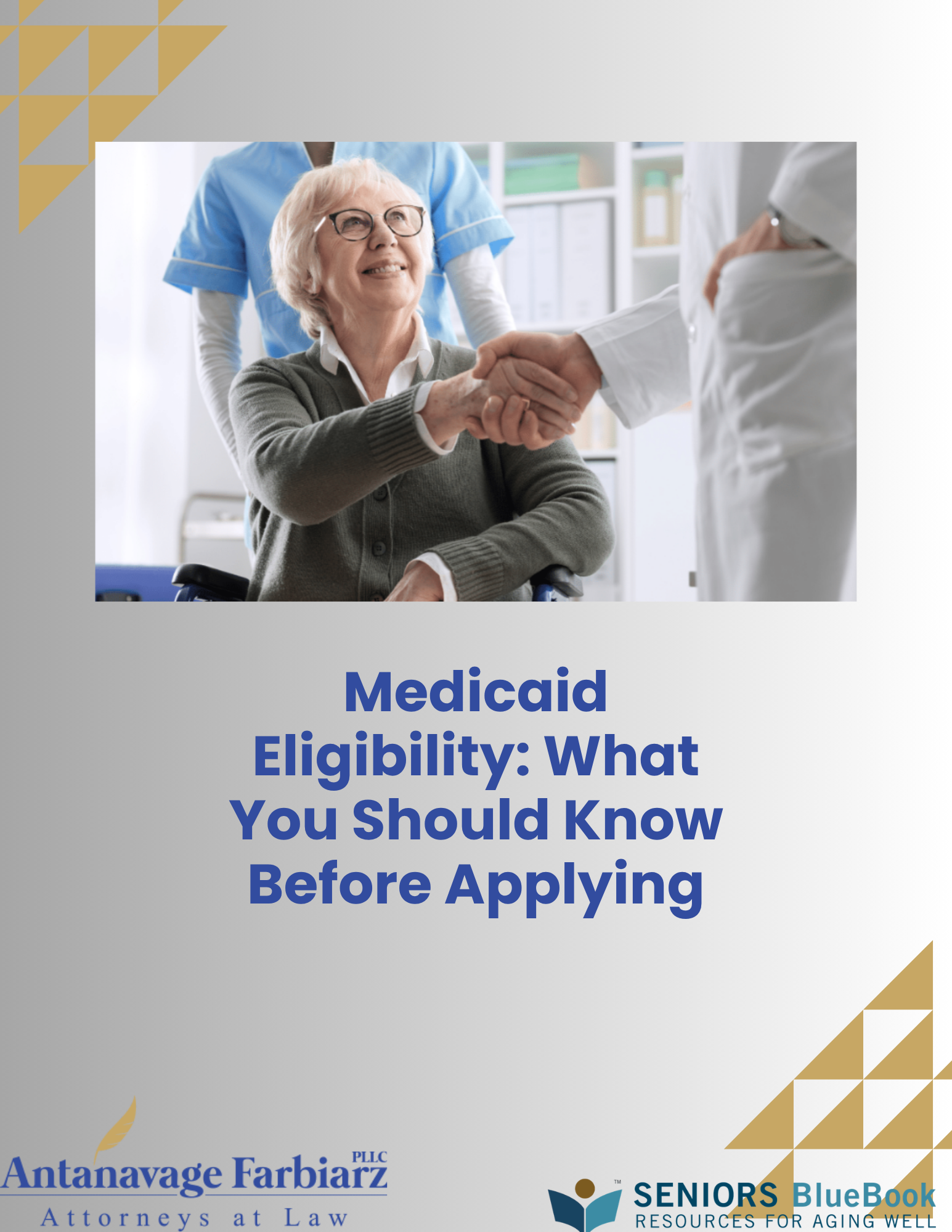
Medicaid Eligibility: What You Should Know Before Applying
Planning for long-term care is an important step for many families. As people begin to consider future care needs, questions about costs and available programs often arise. One of the most discussed programs is Medicaid, which provides assistance with healthcare and long-term care for individuals who meet certain financial and medical requirements. Understanding Medicaid eligibility before applying helps families approach the process with confidence and clarity.Medicaid rules can seem complex at first, but with the right information, families can better understand how the program works and what steps may be involved. Preparing ahead of time allows individuals to organize their finances, review their options, and feel more comfortable navigating the application process.Understanding Medicaid and Long-Term CareMedicaid is a government program that helps provide healthcare coverage for individuals who meet certain income and asset guidelines. One of its most important roles is helping cover the cost of long-term care services, such as nursing home care or certain types of in-home support.Because long-term care costs can be significant, many families look to Medicaid as part of their planning strategy. Understanding Medicaid eligibility is the first step in determining whether the program may help cover future care needs.Medicaid programs are administered at the state level, which means specific rules can vary. However, the core principles of eligibility remain similar across most states.Financial Requirements for Medicaid EligibilityOne of the primary components of Medicaid eligibility involves financial guidelines. The program reviews both income and assets to determine whether an applicant qualifies.Income limits generally consider sources such as Social Security benefits, retirement income, or other recurring payments. Asset limits may include bank accounts, investments, and other financial resources.Certain assets may be excluded depending on the situation. For example, personal belongings and some forms of property may not count toward eligibility calculations. Understanding these guidelines helps families prepare documentation and organize their finances before applying.The Role of Asset LimitsAsset limits are another important part of Medicaid eligibility. These limits determine how much property or financial resources an individual can have while still qualifying for benefits.Assets commonly reviewed may include savings accounts, investment accounts, and other financial holdings. Some assets may be treated differently depending on how they are structured or owned.Families often find that learning about these limits early helps them make thoughtful financial decisions and avoid confusion during the application process.Income ConsiderationsIncome plays a significant role in Medicaid eligibility as well. When evaluating an application, Medicaid reviews the applicants monthly income and compares it to established guidelines.Income may include Social Security benefits, pensions, retirement account distributions, or other recurring payments. Depending on the state and the type of coverage requested, certain adjustments or planning strategies may apply.Understanding how income is evaluated can help applicants prepare accurate records and feel confident about the information they provide.Medical RequirementsIn addition to financial considerations, Medicaid eligibility may also include medical requirements. For long-term care coverage, applicants often must demonstrate a level of care need that qualifies them for assistance.This assessment may involve medical evaluations or documentation showing that the individual requires ongoing support with daily activities or health management.These requirements help ensure that benefits are directed toward individuals who need them most.The Five-Year Look-Back RuleOne important concept related to Medicaid eligibility is the five-year look-back rule. This rule allows Medicaid to review certain financial transactions made during the five years prior to applying.The purpose of the rule is to ensure that assets were not transferred solely to qualify for benefits. Understanding how the look-back rule works helps families approach planning thoughtfully and avoid unexpected delays.Preparing ahead of time can make navigating this part of the process much smoother.Planning Ahead for Medicaid EligibilityMany families begin thinking about Medicaid eligibility when planning for retirement or considering long-term care options. Early preparation allows individuals to review their financial situation and explore planning tools that align with program requirements.Planning ahead may include reviewing assets, organizing documentation, and coordinating with other estate planning tools such as wills or trusts. Taking time to prepare often helps reduce stress and ensures that applications are completed accurately.Medicaid Eligibility and Married CouplesMedicaid rules recognize that married couples often face unique planning considerations. When one spouse requires long-term care, the other spouse may continue living at home.In these situations, Medicaid eligibility guidelines often include protections for the spouse who remains at home. These protections are designed to help maintain financial stability for both individuals while still allowing access to necessary care.Understanding these provisions helps couples approach planning together with greater confidence.The Application ProcessApplying for Medicaid involves submitting documentation that verifies financial and medical information. This process may include providing bank statements, income records, identification documents, and healthcare evaluations.Because the application requires detailed information, preparing ahead of time can make the process more efficient. Gathering documents early and understanding Medicaid eligibility guidelines helps applicants avoid delays and feel more comfortable navigating the system.Why Organization MattersThe Medicaid application process often requires clear documentation and careful review of financial information. Keeping records organized helps ensure that the information submitted is accurate and complete.Families who take time to prepare documents and review Medicaid eligibility requirements often find that the process feels more manageable.Common Questions Families HaveMany families have similar questions when learning about Medicaid eligibility. They may wonder which assets count, how income is calculated, or how long the application process takes.While the rules can seem detailed, learning about them early helps families approach planning with confidence. Asking questions and gathering reliable information are important steps in preparing for future care needs.The Value of Professional GuidanceBecause Medicaid rules are detailed and can change over time, many families benefit from professional guidance when exploring Medicaid eligibility. Legal professionals who work in elder law and estate planning often help families understand how Medicaid rules apply to their individual situation.Professional guidance can provide clarity about documentation, timelines, and planning options. This support helps families make informed decisions and approach the process with reassurance.Preparing for the FutureUnderstanding Medicaid eligibility before applying allows families to take thoughtful steps toward long-term care planning. With clear information and preparation, individuals can approach the application process with confidence.Planning ahead helps ensure that financial decisions align with personal goals and that families feel supported when care needs arise. By learning about eligibility requirements early, individuals can create a plan that brings peace of mind for the future.
Jun 11, 2026

Buying a Vacation Home? Heres What to Consider for Your Estate Plan
For many families, buying a vacation home is an exciting milestone. Whether it is a beach house, mountain cabin, lake property, or seasonal retreat, a second home often becomes a place where memories are made for generations. While purchasing the property itself is a major step, it is also important to think about how that property fits into your long-term planning goals. Creating a vacation home estate plan helps ensure that your property is protected and that your wishes are clearly documented for the future.A vacation home may hold both financial and emotional value. Families often hope to keep these properties within the family for years to come, which makes thoughtful planning especially important. By preparing ahead of time, property owners can create structure, avoid confusion, and help support smooth transitions for loved ones.Why Estate Planning Matters for Vacation HomesVacation homes are unique assets because they are often shared among family members and connected to long-standing traditions. Without clear planning, questions may arise later about ownership, maintenance responsibilities, and future use of the property.A vacation home estate plan helps organize these details in advance. By documenting intentions clearly, families can reduce uncertainty and create a more stable framework for managing the property over time.Planning ahead also helps ensure that the vacation home aligns with broader estate and financial planning goals.Understanding Ownership StructureOne of the first considerations when purchasing a vacation home is how the property will be titled. Ownership structure affects how the property transfers in the future and how decisions are made regarding the home.A vacation home estate plan often includes reviewing ownership options carefully. Some families hold property individually, while others may choose joint ownership arrangements or trusts depending on their goals.Choosing the right structure early can help simplify future transitions and support long-term planning.Including the Property in a WillA will is an important part of planning for any significant asset, including a vacation property. A will allows you to document how you would like the property handled and who should inherit it.Including the property in a vacation home estate plan helps provide clarity for loved ones and ensures that your intentions are clearly stated. This can be especially important when multiple family members may have an interest in the home.Clear instructions help reduce confusion and support smoother transitions.Considering a Trust for the PropertySome families choose to place a vacation home into a trust. Trusts can provide additional structure and may help streamline property management and transfer arrangements.Using a trust as part of a vacation home estate plan allows families to establish guidelines for how the property should be used, maintained, or transferred over time.This approach may also help preserve the property for future generations while creating clear expectations for everyone involved.Planning for Shared OwnershipVacation homes are often shared among siblings, children, or extended family members. While shared ownership can create wonderful opportunities for connection, it can also raise questions about scheduling, maintenance, and financial responsibilities.A vacation home estate plan helps address these details ahead of time. Families may choose to outline how costs will be divided, how decisions will be made, and what happens if one family member wants to sell their interest in the property.Having these conversations early can help support family harmony and long-term enjoyment of the home.Maintenance and Financial ResponsibilitiesOwning a vacation property involves ongoing expenses such as taxes, insurance, repairs, and maintenance. Planning ahead for these responsibilities is an important part of long-term ownership.A vacation home estate plan often includes discussions about how these costs will be managed in the future. Some families establish shared accounts or written agreements to help organize expenses.Clear planning helps ensure that the property remains financially sustainable over time.Planning for Future GenerationsMany people purchase vacation homes with the hope that future generations will continue enjoying the property. Estate planning helps create a structure that supports those long-term goals.Including future planning in a vacation home estate plan allows property owners to document how they would like the home preserved and managed for children or grandchildren.Thoughtful planning can help maintain family traditions while reducing uncertainty later.Tax and Property ConsiderationsVacation homes may involve additional legal and financial considerations, especially if the property is located in another state. Property taxes, transfer rules, and ownership laws may vary depending on location.A vacation home estate plan helps families review these considerations and coordinate them with broader financial and estate planning goals.Understanding these details early supports informed decision-making and long-term organization.Updating Beneficiary and Estate DocumentsOnce a vacation home is purchased, it is important to review existing estate planning documents. Wills, trusts, and other legal records should reflect the addition of the property.Updating documents as part of a vacation home estate plan helps ensure that everything remains coordinated and aligned with your wishes.Regular reviews also help keep plans current as family circumstances evolve.Organizing Important Property InformationKeeping records related to the vacation home organized can make future management easier for loved ones. Important documents may include deeds, insurance information, tax records, and maintenance details.A vacation home estate plan often includes creating a system for storing and organizing these records so they are accessible when needed.Good organization helps simplify property management and future transitions.The Importance of CommunicationConversations about future plans for a vacation home are just as important as legal documents. Discussing expectations with family members can help ensure everyone understands the long-term vision for the property.A vacation home estate plan works best when combined with clear communication about goals, responsibilities, and preferences.These discussions help families feel more prepared and connected.Planning Ahead Creates Peace of MindPurchasing a vacation property is often a meaningful investment in both family experiences and long-term memories. Taking time to plan ahead helps ensure that the property remains a positive part of your familys future.A vacation home estate plan provides structure, clarity, and reassurance by organizing how the property will be managed and transferred over time. Thoughtful preparation today can help support future generations and preserve the value of the home for years to come.
Jun 11, 2026
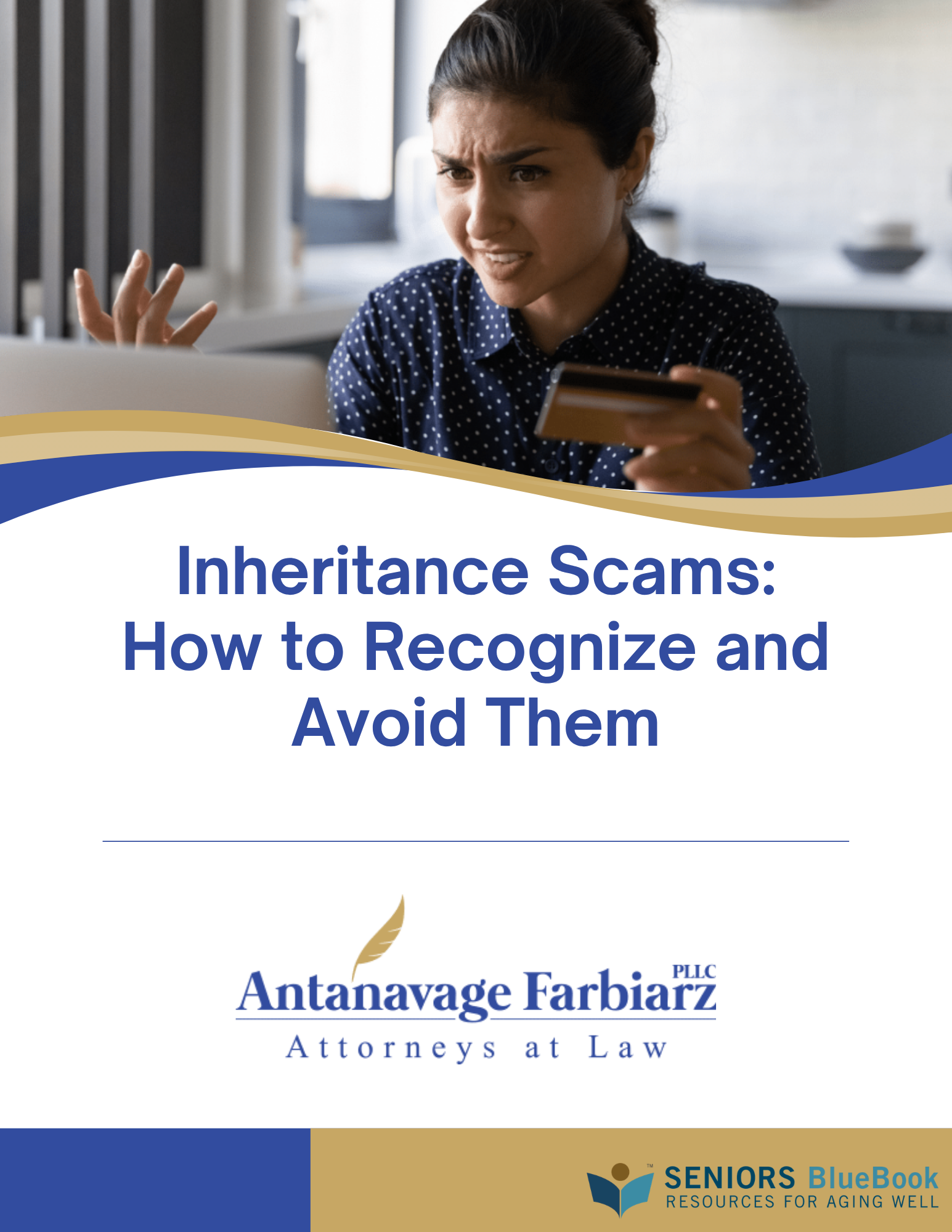
Inheritance Scams: How to Recognize and Avoid Them
Receiving unexpected messages about a financial opportunity can sometimes sound exciting, especially when the message claims that a person may be entitled to an inheritance. Unfortunately, many of these messages are not legitimate. Fraudulent schemes related to inheritances have become increasingly common, and learning how they work can help people avoid unnecessary risks. Understanding inheritance scams is an important step in protecting both personal information and financial security.These types of scams often appear through emails, phone calls, social media messages, or letters claiming that someone has been named in a will or estate. While legitimate inheritances do occur, the process usually follows clear legal procedures. When someone understands how inheritance scams operate, it becomes easier to recognize warning signs and respond cautiously.What Are Inheritance Scams?Inheritance scams are fraudulent schemes in which someone claims that the recipient is entitled to money or property from an estate. The message may say that a distant relative, wealthy individual, or unknown benefactor left funds that are waiting to be claimed.In most cases, inheritance scams attempt to convince individuals to provide personal information or send payment for supposed legal or administrative fees. Once money or information is provided, the scammer often disappears, leaving the victim without the promised inheritance.Understanding the structure of these scams helps people recognize when something may not be legitimate.Why These Scams Are IncreasingTechnology has made communication easier, but it has also created opportunities for fraudulent messages to reach large numbers of people quickly. Email, messaging platforms, and social media allow scammers to send thousands of messages in hopes that someone will respond.Because inheritance scams often involve emotional or financial promises, they can appear convincing at first glance. Learning how scammers approach potential victims helps people identify suspicious messages before any information is shared.Common Ways Scammers Contact PeopleFraudulent inheritance claims can appear in several forms. One of the most common methods is email. The message may appear to come from a lawyer, bank representative, or estate administrator.Some inheritance scams involve phone calls or text messages claiming that urgent action is needed to secure funds. Others appear as letters that look official but contain vague details about the inheritance.Scammers may also use social media platforms to contact individuals directly. Regardless of the format, the goal is often the same, convincing the recipient to respond and provide information.Warning Signs to Watch ForRecognizing warning signs is one of the best ways to avoid inheritance scams. While each message may appear slightly different, certain patterns often appear in fraudulent communications. Messages about inheritances from unknown individuals Requests for personal or financial information Claims that immediate action is required Requests for payment to process the inheritance Poorly written messages or inconsistent details These red flags often appear together in inheritance scams, making it easier to identify suspicious communications when you know what to look for.Requests for Fees or PaymentsOne of the most common tactics in inheritance scams involves requests for payment. The message may claim that a small fee is required to process legal paperwork, transfer funds, or pay taxes on the inheritance.In legitimate estate matters, beneficiaries are not typically asked to send money to strangers in order to receive their inheritance. Requests for payment are a strong indicator that the message may not be legitimate.Understanding this tactic can help individuals avoid sending funds in response to fraudulent requests.Requests for Personal InformationAnother strategy used in inheritance scams involves asking for personal information. This may include full names, addresses, identification numbers, or banking details.Providing this information can allow scammers to commit identity theft or other forms of fraud. Protecting personal information is essential, especially when the source of a request is uncertain.Taking time to verify communications before sharing any details can help prevent these situations.How Legitimate Inheritance Notifications WorkReal inheritance matters usually follow formal legal procedures. When someone is named as a beneficiary in an estate, they are typically contacted through official channels such as probate court notifications or verified legal correspondence.Unlike inheritance scams, legitimate estate notices usually provide clear documentation and verifiable contact information. The process may involve attorneys, estate administrators, or courts overseeing the distribution of assets.Understanding how legitimate notifications work helps people recognize the difference between genuine communications and fraudulent messages.Steps to Take if You Receive a Suspicious MessageIf you receive a message claiming that you are entitled to an inheritance, taking a cautious approach is wise. Avoid responding immediately, especially if the message requests payment or personal information.Instead, take time to research the claim and verify the source. Many inheritance scams rely on urgency to pressure recipients into responding quickly.By slowing down and reviewing the details carefully, individuals can avoid becoming involved in fraudulent situations.How Families Can Protect Loved OnesOlder adults are sometimes targeted by inheritance scams because scammers believe they may be more trusting of unexpected financial opportunities. Families can play an important role in helping loved ones stay informed.Encouraging open conversations about suspicious messages and sharing information about common scams can help prevent misunderstandings. When families discuss these topics openly, it becomes easier to recognize questionable communications.Education and awareness are powerful tools in preventing fraud.The Importance of Staying InformedFraudulent schemes evolve over time, which makes ongoing awareness important. Staying informed about common tactics helps individuals recognize suspicious messages quickly.Understanding how inheritance scams operate helps people approach unexpected communications with caution. When individuals remain aware of potential risks, they are better prepared to protect themselves.When to Seek GuidanceIf someone receives a message claiming they are part of an inheritance and the situation seems unclear, seeking professional guidance can be helpful. Legal professionals can help review documents, verify claims, and determine whether the communication is legitimate.Because inheritance scams can appear convincing, having experienced guidance provides reassurance and clarity.Protecting Your Financial SecurityThe promise of unexpected money can sometimes make fraudulent messages seem believable. However, understanding the warning signs of inheritance scams helps individuals approach these claims carefully.
Jun 11, 2026

How a Funeral Trust Helps Families Plan Ahead
Planning for the future often involves thinking about financial security, healthcare decisions, and how assets will be distributed to loved ones. Another important part of thoughtful planning is preparing for final expenses. By planning ahead of time, families can reduce uncertainty and ensure that personal wishes are honored. One option that supports this type of preparation is a funeral trust.A funeral trust allows individuals to set aside funds specifically for funeral and burial expenses. These funds are placed into a legal arrangement designed to ensure they are used for their intended purpose. Understanding how a funeral trust works can help families feel more confident about planning and creating a clear path for loved ones.Understanding the Purpose of Planning AheadPreparing for final expenses is a meaningful way to support family members during a difficult time. When arrangements are organized in advance, loved ones can focus on remembrance and connection rather than financial or logistical decisions.A funeral trust helps make this preparation possible by dedicating funds specifically for funeral-related costs. By setting aside these resources ahead of time, individuals create clarity and structure around an important part of their estate planning.Planning ahead can also help ensure that personal preferences are respected and that financial arrangements are handled in an organized way.What Is a Funeral Trust?A funeral trust is a legal arrangement that allows a person to place funds into a trust account that will be used to cover funeral and burial expenses in the future. The trust is managed by a trustee who ensures the funds are used according to the instructions outlined in the trust agreement.The purpose of a funeral trust is to protect these funds, so they are available when needed. Because the money is held in trust, it is dedicated specifically to covering final expenses.This structure provides reassurance that financial arrangements are in place and that funds will be used appropriately.Why Families Choose Funeral Trust PlanningFamilies choose this type of planning for many reasons. Some individuals want to make sure their loved ones are not faced with unexpected financial responsibilities. Others appreciate the ability to organize their wishes in advance.Using a funeral trust allows individuals to take an active role in planning ahead while providing support for those they care about. This preparation often brings peace of mind and clarity to families who value thoughtful organization.By addressing these details early, families can focus on honoring memories rather than managing last-minute arrangements.How a Funeral Trust Is EstablishedEstablishing a funeral trust generally involves creating a legal agreement that outlines how the funds will be managed and used. The trust document identifies the trustee, the purpose of the funds, and the instructions for how expenses should be handled.When someone creates a funeral trust, they contribute funds that will be held specifically for funeral-related costs. The trustee oversees the account and ensures that the instructions in the trust are followed when the time comes.This process helps ensure that the funds are protected and available for their intended purpose.What Expenses Can Be CoveredFuneral expenses may include a variety of services and arrangements. These costs can include funeral services, burial or cremation arrangements, transportation, and related ceremonial expenses.A funeral trust helps ensure that funds are available to cover these costs. Because the trust is designed specifically for this purpose, the resources set aside are dedicated to handling these final arrangements.Knowing that these expenses are planned can bring comfort to both individuals and their families.How Funeral Trusts Support Long-Term PlanningMany people incorporate funeral planning into a broader estate plan. Estate planning often includes wills, powers of attorney, trusts, and other tools designed to organize financial and personal decisions.A funeral trust can be one component of that overall plan. By addressing final expenses as part of long-term planning, individuals create a more complete and organized strategy for the future.This coordination ensures that financial decisions align with personal goals and family needs.The Value of OrganizationOne of the greatest benefits of planning ahead is organization. When financial resources and personal wishes are clearly documented, family members have a guide to follow during difficult times.A funeral trust contributes to this organization by setting aside funds specifically for funeral arrangements. Clear documentation helps ensure that instructions are easy to understand and that the planning process remains straightforward.This structure provides reassurance for families and helps simplify future decisions.Supporting Family Members During Difficult TimesLosing a loved one is an emotional experience, and families often face many decisions during that time. Planning ahead helps reduce the number of immediate concerns that must be addressed.By establishing a funeral trust, individuals can help relieve some of the financial and logistical responsibilities that family members might otherwise face. This thoughtful preparation allows loved ones to focus on remembrance and connection.Providing this kind of support is one of the most meaningful aspects of planning ahead.Funeral Trusts and Peace of MindPlanning for final expenses is not always an easy topic to consider, but many people find that taking proactive steps provides reassurance. Knowing that arrangements are in place helps individuals feel prepared and organized.A funeral trust offers reassurance by ensuring that funds are set aside and protected for a specific purpose. This preparation allows families to approach the future with greater confidence.When plans are clearly documented, everyone involved benefits from the added clarity.Reviewing and Updating PlansLike other estate planning tools, funeral arrangements may be reviewed over time. Changes in personal preferences, financial circumstances, or family situations may lead individuals to update their plans.Maintaining an updated funeral trust ensures that instructions remain accurate and reflect current wishes. Periodic reviews help keep the plan organized and aligned with long-term goals.The Role of Legal GuidanceBecause funeral planning involves legal and financial considerations, many families benefit from professional guidance. Legal professionals can help explain available options and ensure that documents are properly prepared.Establishing a funeral trust with the support of legal guidance helps ensure that the trust is structured correctly and that the instructions clearly reflect the individuals wishes.This support provides confidence that planning decisions are documented appropriately.