Baker Consulting Services Inc
24 South Washington Street, Butler, Pennsylvania, 16001
Counties Served: Alabama - | Arizona - | Florida - | Georgia - | Indiana - | North Carolina - | Ohio - | Pennsylvania - | South Carolina - | Virginia - | West Virginia -
Health Insurance Information & Counseling







About Baker Consulting Services Inc
We offer coverage for all situations: Individual, family, small business, and large group.With Healthcare Reform and the industrys ever-changing landscape, Baker Consulting still has options to choose from. Whether you are looking for better coverage, recently uninsured or its your first time purchasing health insurance, we will help you find a high-quality, affordable plan. Depending on your budget and your need, we will custom design a plan for you. Whichever fits you best, Major Medical-ACA Compliant, Short Term, Fixed Benefit, and Guaranteed Issue plans are all available to you.Even if your employer offers you coverage, an individual plan could still be the best option for you. Additionally, dependent coverage through your employer may not always be the most affordable option either.Customizing your coverage is essential as health insurance is not a one size fits all type of product. Therefore, a BCS agent will assist you in determining what will work best for your situation. With all the different deductibles options and product designs, choosing the right plan could be difficult and our mission is to simplify this process.See More
Additional Services Offered
Baker Consulting Services Inc
Medicare Insurance 24 South Washington Street, Butler County, Butler, Pennsylvania, 16001We offer coverage for all situations: Individual, family, small business, and large group. With Healthcare Reform and the industry~s ever-changing landscape, Baker Consulting still has options to choose from. Whether you are looking for better coverage, recently uninsured or its your first time purchasing health insurance, we will help you find a high-quality, affordable plan. Depending on your budget and your need, we will custom design a plan for you. Whichever fits you best, Major Medical-ACA Compliant, Short Term, Fixed Benefit, and Guaranteed Issue plans are all available to you. Even if your employer offers you coverage, an individual plan could still be the best option for you. Additionally, dependent coverage through your employer may not always be the most affordable option either. Customizing your coverage is essential as health insurance is not a one size fits all type of product. Therefore, a BCS agent will assist you in determining what will work best for your situation. With all the different deductibles options and product designs, choosing the right plan could be difficult and our mission is to simplify this process. Licensed States: UH, SD, PA, OH, KY, NC, SC, VA, WV, GA, TN, TX, FL, AL, AZ, IN
Videos
Continue Your Search! Explore More Local Options.
Start SearchingLet’s engage and get educated!
Browse through thousands of expert articles in over 100 different categories.
Browse NowArticles You May Like
.png)
Retiring Early? Your Health Coverage Strategy Just Became Mission-Critical
Suppose youre an early retiree living on a fixed income. In that case, 2026 brings confirmed changes you need to understandespecially around staying under the 400% Federal Poverty Level (FPL) to maintain ACA premium subsidies.The Two Key Updates:Enhanced ACA tax credits will expire after 2025.Congress has now passed legislation letting the expanded premium tax credits (originating in the American Rescue Plan and extended by the Inflation Reduction Act) lapse beginning in 2026.The subsidy cliff returns in 2026. With enhanced credits eliminated, the traditional cutoff at 400% FPL is reinstated, and crossing that threshold could result in the loss of all subsidy eligibility, leading to significant premium increases. What Early Retirees Should Know On-Exchange (Marketplace) Plans:Subsidy eligibility will once again be limited to households at or below 400% FPL. Exceeding that income level in 2026 could mean losing all premium assistance and facing significantly higher costs.Off-Exchange Plans:These are direct-to-carrier, full-price planswith no subsidies or Marketplace involvement. Silver options might offer better pricing directly through the carrier than on the Marketplace.Consider Smart Income Planning:To retain subsidies, many early retirees are working with both their broker and financial advisor to manage how income is recognized throughout the yearsuch as timing withdrawals or shifting income sourcesto remain under the 400% FPL threshold.This is not financial advicejust a reminder to consult trusted professionals. Aligning your retirement income strategy with your healthcare needs can help maintain premium support until you become eligible for Medicare.Why It Matters:Exceeding 400% FPL in 2026 could result in hundreds of dollars more per month in premiums.With no Medicare yet, coverage costs could remain high for years.Thoughtful income planning now can preserve subsidies during your critical early retirement years.Final Thoughts:As an early retiree, planning is essential. Your health coverage and income are deeply interconnected, primarily through 2026 and beyond.To navigate these changes successfully:-Consult both your financial advisor and your health insurance broker-Monitor your FPL percentage annually.-Strategize income timing and coverage decisions together. If youd like to explore your optionsor are curious how this applies to your householdplease feel free to reach out to us at Baker Consulting Services at 724-594-7648.
Jul 24, 2025

Can't I just Purchase Insurance Myself
You can, but should you?Theres a dark stain over the insurance industry for consumers searching for quotes online. Families and individuals are aware they need to carry health and life protection but dread entering their information online, consequently experiencing the bombardment of phone calls that follow. Its so bad some people would instead go without coverage than speak with a broker over the phone. When in reality, all it takes is working smarter, not harder.Some people will advise you to buy your own auto, home, health, life, or any other insurance. They will tell you horror stories about the number of calls youll receive if you submit information online. They will present a convincing argument, and youll be tempted to accept their advice. I urge you to resist that temptation.Its no surprise that many people are turning to self quoting websites and applications. The appeal is undeniable. Theres nothing inherently wrong about this approach, and it does save the consumer the headache of having to speak to countless agents. However, should you buy insurance without speaking to a licensed broker? Its fine to quote yourself and see whats out there in terms of options, but then proceeding to purchase that insurance without educational guidance is extremely risky for the consumer. When you use past experiences, personal knowledge, and stories heard from friends to make an informed decision on your insurance; the result tends to be medical debt or bankruptcy.A licensed agent or broker has a fiduciary responsibility to you. They are mandated by state and federal law to undergo licensed certification. While you may not have had pleasant experiences in the past, having a broker perform a needs analysis to personalize the policy is a better alternative. Just like any other profession, some paid attention during class, and others did not. It isnt appropriate to blanket statement all insurance brokers as untrustworthy.Heres your solution to avoid entering your information online. Instead, reach out to family members and friends. Ask them whom they use for their insurance needs and their experience with their broker. If you cant find a family or friend who uses a local agent or broker; reach out to colleagues and people within your circle of influence for guidance. By doing so, you are acquiring a real person who is aware of your personal needs and whom others trust. Its an ideal win-win situation between a trusted broker and client. You leave feeling confident in your policy because you are informed, and youve supported a local small business owner and their family. It may not be the fastest solution, but should it?When the world is more efficient, were all happy. Quicker load times, faster test results, high-speed internet. The need for convenience and expedience permeates everything we do. Theres relief in knowing you can quote and compare prices without receiving dozens of calls.However, when you go to purchase your insurance slow down, consult a professional, ask questions, and then fill out your application with the knowledge youre protected and supported.
Mar 05, 2026

Pennie: Helping Pennsylvanians Find Affordable Health Insurance
Launched in 2021, Pennie offers a variety of plans from different providers, making it easier for individuals and families to compare options and choose the right one.One of Pennies biggest benefits is that it makes health insurance more affordable. It lets people easily compare plans and prices all in one place. Pennie also offers financial help, like tax credits and cost-sharing reductions, which can lower monthly payments and reduce out-of-pocket costs for those who qualify.Pennie also makes it easy to understand what youre getting. When shopping for plans, you can see details like monthly premiums, deductibles, and coverage options side by side. This clear comparison helps you pick a plan that fits your needs and budget.Besides offering health plans, Pennie provides support to make signing up easier. It offers online tools, educational materials, and a customer service team to answer questions and help with any problems.Why Work with an Insurance Broker? While Pennie is a great resource, working with an insurance broker can make the process even simpler. Brokers are licensed experts who help people find the right health plans for their unique needs.One big advantage of using a broker is their knowledge of health insurance. They can explain tricky details, like which doctors are in-network or how prescription coverage works. They also help you understand costs, so you know what youll pay.Brokers can also handle some of the hard work for you. They help fill out forms, submit documents, and solve any issues that come up. Their support can be especially helpful if you have complex health needs or arent familiar with the healthcare system. The Bottom Line Pennie makes it easier for Pennsylvanians to find affordable health insurance. Its simple comparison tools, financial help, and support services take the stress out of shopping for coverage. And by working with an insurance broker, you get expert advice and hands-on helpmaking it even easier to find the right plan for your health and budget.
Oct 21, 2025
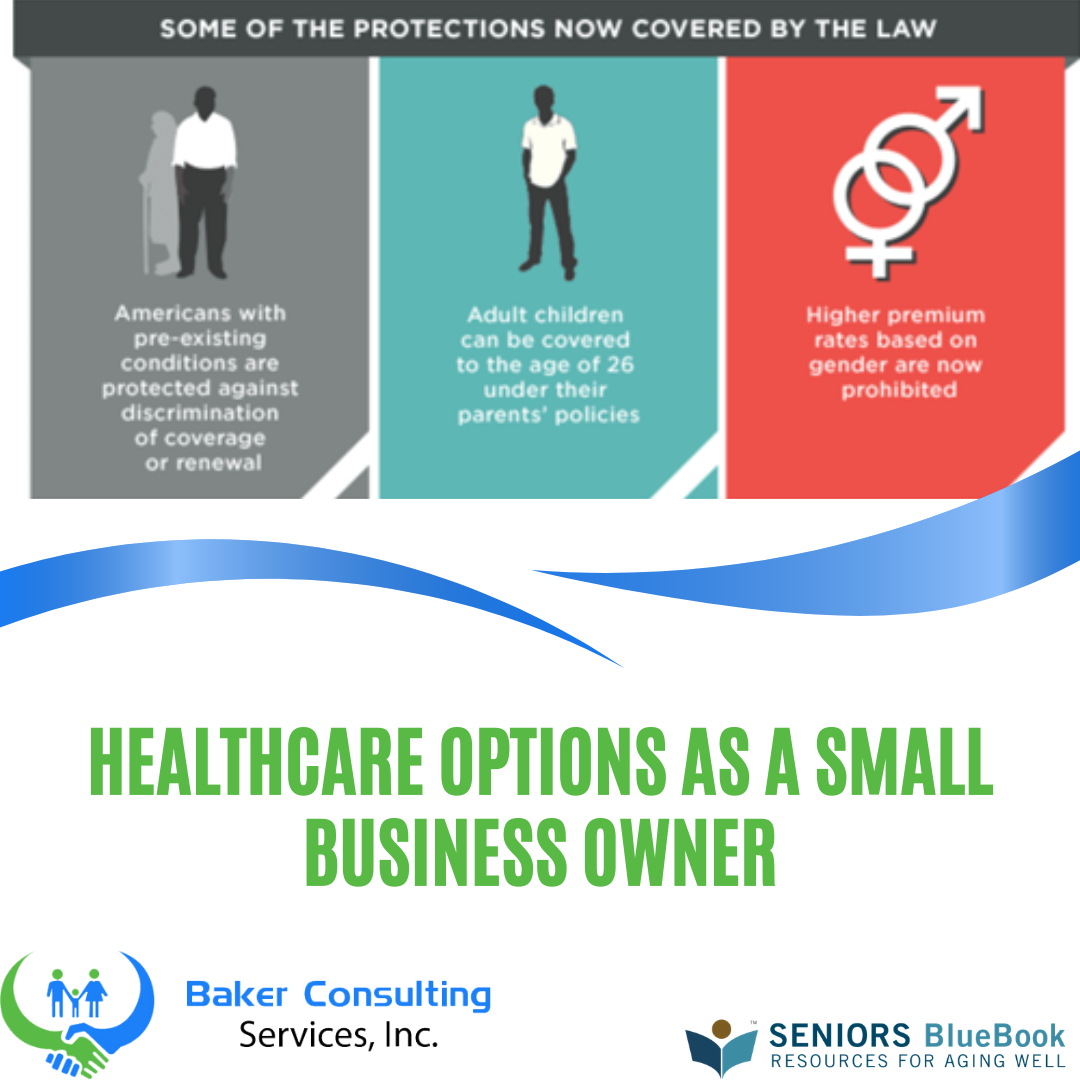
Your Healthcare Options as a Small Business Owner
You already have so many priorities to worry about as a small business owner, health insurance does not need to be an added stress. When it comes to covering you, your family, and potentially your employees these are the options you have at your disposal.Affordable Care Act:Commonly known as Major Medical insurance, the ACA has several components. ACA subsidies are determined by gross annual income. Its often expensive without premium subsidies. The income range to receive a subsidy largely depends on how many people are in your household, your state, and the zip code. Using HealthSherpa.com, you can easily find out if youll qualify for any subsidy.Here are the pros of the ACA: Possesses the 10 essential health benefits. May qualify for Cost Sharing Reduction on top of the subsidy. These plans are guaranteed issue: there is no review of the insureds health status or pre-existing conditions. Broad coverage for many generic, brand name, and specialty drugs. Here are the cons of the ACA: Often expensive without premium subsidies. Very high deductibles. Many plans limit the insured to a narrow network of healthcare providers. This quick article does a good job explaining all three networks. Cannot enroll in a plan outside of the annual Open Enrollment Period, unless youve experienced a Qualified Life Event (QLE). If you have, you are given a 60-day window to acquire an ACA plan. If youre traveling outside your state, you only have emergency coverage. Short Term Coverage:Short Term (STM) coverage operates similarly to the ACA or Major Medical plans. Nowadays, STM policies have been given options that extend from 3 months to 3 years. If youre not getting insurance during open enrollment or dont have a QLE; a short term plan is most likely going to be your best option as a small business owner.Here are the pros of STM: Affordable premiums that can cost substantially less, sometimes even half of what is charged for an ACA plan. Even employees can benefit from STM if theyre in between jobs and need insurance coverage. This is a much better choice than paying the infinitely more expensive COBRA. STM insurance has a broad network (typically PPOs) of healthcare providers and is widely accepted at many of the top hospitals in the U.S. Year-round applications for insurance that are NOT contingent on the Open Enrollment Period. As of 2019, the penalty for not having Minimal Essential Coverage is no longer in place. Here are the cons of STM: It does NOT provide coverage for pre-existing medical conditions. (Some guaranteed issue plans do offer prex coverage after a 3-month, 12-month, or 24-month waiting period. Talk to your broker to figure out options.) Pre-existing conditions are considered part of the medical underwriting process and can result in a denial of coverage. The National Association of Insurance Commissioners (NAIC) released a great What You Need to Know article for health insurance. Typically Rx coverage is not built into the STM plans but can be added as a stand-alone prescription drug policy. Some benefits, like maternity coverage, are not covered and excluded. However, you may ask your broker if there are maternity policies that can be added to the STM. Fixed-Indemnity Insurance:Unlike the other two options, a fixed indemnity (or fixed benefit) policy operates on whats called a first-dollar amount. For more details, United Healthcare does a great job explaining what exactly a fixed-indemnity policy will do for you.Here are the pros of fixed indemnity: Since these policies pay first-dollar or a fixed amount for each specific event; they tend to not have deductibles. (Some may if you stay overnight in a hospital.) Affordable premiums and most plans include additional wellness benefits such as Teladoc. STM also offers this benefit most of this time through their association. Prescription discounts often included and these policies are also not limited to the Open Enrollment Period. It can be a good alternative to a short term policy in the event your budget is tight. However, you want your broker to do their research in your state to see how much hospital costs, etc. Here are the cons of fixed indemnity: Pre-existing conditions will most likely not be covered within the first 12 months of coverage. Capped medical benefits coverage at a rate much lower than major medical plans. Fixed indemnity plans dont have whats called stop-loss. If your medical expenses do not fall under specific events, then there will be no coverage payout. General illnesses like diabetes or conditions such as pregnancy dont have benefits. Regardless of what policy you choose to purchase for your health insurance, make sure you have a knowledgable broker who can simplify these definitions and pinpoint which one best caters to your needs. The purpose of health insurance is to prevent probable medical expenses in the future. An in-depth understanding of your policy eradicates needless stress or worry, and allows you to spend more time building your business with confidence.
Mar 05, 2026
.png)
Life Insurance You Can Borrow From
Nowadays, life insurance has become a critical component of financial planning. It gives peace of mind to you and your loved ones and provides them with financial protection if the worst occurs. While considering which life insurance policy to obtain, you need to consider various aspects to look into details. To make the right decision, we want to highlight one of the implicit benefits of some policies you can borrow money from your life insurance. This option offers you a convenient and low-cost source of funding that you can rely on in different situations. Types of life insurance you can borrow from There are two main types of life insurance permanent and term. However, if youre looking for a financial backup plan whole life or universal life insurance, also known as a permanent policy, is your way to go. There is no cash value with term life insurance, which many people find a more affordable and practical option. It is only intended to last for a short time, typically between five and thirty years. The cost of whole life and universal life insurance plans is higher than term insurance, but they do not have a set expiration date. The policy is in effect for the insured persons entire lifetime if necessary premiums are paid. Although the monthly premiums are more expensive than the term, a cash value account that is an element of the policy grows as more money is deposited into it than the cost of insurance. It usually takes a few years for the cash value to increase to a point where borrowing from life insurance is reasonable. The cash value is a buffer against the escalating insurance costs as you age. This keeps rates stable throughout your life and prevents them from rising to unaffordable levels in your older years. Can you use life insurance while alive? One of its key benefits is the ability to use permanent life insurance while still alive. A type of permanent insurance known as whole and universal life insurance offers lasting protection in addition to a cash value component. And also you can take benefit from it during your life for various purposes. Key takeaways The fact that taking out a loan against your life insurance policy wont harm your credit rating or put your assets at risk is another great benefit. As a result, you can access your policys cash value without worrying about how it will affect your credit or other investments. You are not required to repay the loan as long as you live. This can give you peace of mind and the flexibility to use the money as you see fit. Whole life insurance policies have several tax benefits that make them a desirable investment choice. For instance, you do not pay taxes on the interest earned unless you withdraw the money. As the insurances cash value grows tax-deferred. Additionally, your beneficiaries obtain the death benefit tax-free, which might lead to significant tax savings. How Soon Can You Borrow Against a Life Insurance Policy? Once a life insurance policy has built up enough cash value to allow you to take out a loan in the amount needed, you can borrow against it. Depending on how your policy is set up, this may take several years to accumulate. How Much Can You Borrow Against Your Life Insurance Policy? The maximum you can borrow against your life insurance is generally up to 90% of its cash value. However, each insurance company will have different standards in place. Can I Borrow Against a Term Life Policy? There is nothing to borrow because term insurance doesnt include a cash value component. Nevertheless, its crucial to maintain the condition of your policy. To keep the coverage in effect, pay your premiums on time. If you default on your loan payments, the policy might lapse. In this case, the death benefit could be reduced or lost entirely. Working with a competent insurance broker is essential if you want to get the most out of your life insurance coverage. At Baker Consulting, we can assist you in understanding many aspects of life insurance options available and suggest one that best suits your requirements. Additionally, we may guide you in the following: comparing different policies negotiating the best prices offering continuous guidance and support as your needs change over time. Regardless of what happens, remain financially secure and prepared.
Aug 07, 2023

Healthcare and Hidden Limitations
Health insurance jargon can be the hardest to understand for consumers. Thats why you have a broker who goes to work for you and explains your policy options with clarity. However, not all brokers work ethically. You may not have an insurance broker who values you and may not elaborate on your policy limitations. The omission of these limits is illegal and should result in the termination of that broker. In contrast, the insured typically doesnt take legal action, and the broker makes his or her desired commission.This is not to say that all health insurance brokers operate in this zone of immorality. Just as with any profession, there are good and rotten eggs. Your moral compass and ability to judge a persons intention is a significant factor people can typically smell a sleazy salesperson. Below, are the most common limitations obscurely mentioned in health insurance policies. This information should adequately equip you for when you are asking questions of your broker.Heres a screenshot from the summary of the benefits of an insurance carriers product:*Note these limitations do not exist in all policies. Ask your broker.The list of benefits above is towards the end of the policy summary. Most people are interested in seven factors when it comes to their health insurance:Deductible/coinsurance/max out of pocket, doctor visits/specialists/urgent care, the network, prescription coverage, preventative/wellness coverage, emergency room fees, and ambulatory services. If your insurance broker goes over those seven things, this is how the policy would look and sound: Choice of $500-$10,000 deductible/max out of pocket (1 million in coverage) Choice of 70/30, 80/20, or 100/0 coinsurance Unlimited $25 copay to doctor, specialist, and urgent care PHCS Network (PPO) $50 copay for annual wellness/preventative checkup ER subject to deductible and coinsurance Ambulatory services (above) $500 per transport Most people would agree that those seven things sound fantastic for health coverage. You have all your daily doctor needs taken care of and one million dollars in coverage, right? Wrong, let me show you a scary breakdown if you had an appendectomy while being covered by this policy.On average, the Fair Price for an Appendectomy lies somewhere between $7,000 and $25,000 (may vary due to zip code). If there are complications, it could be upwards of $35,000 or more. Heres a breakdown of the services and their estimated costs. You can always check on any surgery, and its price by visiting Healthcare Bluebook. Hospital Services for a 2-day admission, itll cost roughly $9,700. Physician Services the fee for procedure and routine postoperative care costs around $1,400. Anesthesia the price for an average surgery time of 1 hour and 15 minutes costs about $750. This cost adds up to the lower end of about $11,000 for an appendectomy. If you look above at the example policy, youll see that for the entire coverage term an appendectomy will be given a $2,500 coverage benefit. Even though your plan has a deductible, coinsurance, and max out of pocket; theres a specific limitation for appendicitis. With this knowledge, the insured will be left an $8,500 bill as an out of pocket expense! Keep in mind; these numbers are on the low end with no complications.Of course, its always better to have health insurance instead of going uninsured. With insurance, that remaining $8,500 for the appendectomy may negotiate to a lower bill. Policygenius.com does a great job explaining the functionality of network negotiated rates. Without insurance, you would be paying the almost full retail price for your medical surgery, which is a terrifying thought!
Sep 17, 2024
What is Pennie Health Insurance and the Advantage of Using an Insurance Broker?
Pennie is Pennsylvanias insurance marketplace and provides individuals and families with the ability to shop for high-quality health care plans and easily apply for financial assistance. All PA residents who are citizens, U.S. nationals, or have a qualified immigration status can apply and enroll in health coverage through Pennie. In order to apply for Pennie, it is helpful to have an insurance broker who understands your needs. One of the key advantages of working with a broker is their in-depth knowledge of the Pennie Marketplace. This guidance empowers individuals and families to choose a plan the balances cost and coverage. It can be complex and overwhelming, but having a broker simplifies the process.Health Insurance and Medicare broker services are always free. Editors Note: This article was submitted by Lukas Baker, Independent Health Insurance Broker, Baker Consulting Services, Inc. The phone no. is 724-594-7648, or visit their website at www.consultbaker.com.
Jun 06, 2023
Whats Happening to Health Care Under the One Big Beautiful Bill
Whats Happening to Health Care Under the One Big Beautiful Bill (Plain-English Guide for PA & Beyond)Health care headlines have been loud lately. If you buy your own coverage through Pennie (PAs Marketplace), have Medicaid, or run a small business, you just want to know: Whats changing, when, and what should I do? Thats what this post is forno politics, just the parts that hit your wallet and access to care.The 60-second overview (what changed)The One Big Beautiful Bill Act (H.R. 1) is now law (July 4, 2025). Its a large package with health pieces sprinkled throughout. Big buckets: Marketplace (Pennie & other state/federal marketplaces) You must file and reconcile last years premium tax credit to qualify for new subsidies going forward (starting Jan 1, 2026). No more income-based Special Enrollment Periods (also Jan 1, 2026). Up-front document checks get strictermost people will have to pre-verify income, residence, immigration status, family size, and other details (rolling in by Jan 1, 2028). NASHP Medicaid (including expansion adults up to 138% FPL) Work/community-engagement requirement for most able-bodied adults: generally 80 hours/month of work, school, job training, or approved activities (starts Jan 1, 2027, with narrow exemptions). Semi-annual eligibility redeterminations for the expansion group (2027). Copays for some services allowed for expansion adults above 100% FPLcapped at $35 per service (starts Oct 1, 2028; many services like primary care, prenatal, pediatric, mental health/SUD remain exempt). NASHPCHCS HSAs, Telehealth, and Direct Primary Care Bronze and Catastrophic plans will be HSA-eligible starting Jan 1, 2026 (this is brand-new and expands who can open/use an HSA). Pre-deductible telehealth is permanently OK for HSA/HDHP plans (effective Jan 1, 2025). Direct Primary Care (DPC) can be paid from HSAs within certain limits (begins Jan 1, 2026). NASHPNaviaWays and Means Committee Rural care $50B Rural Provider Relief Fund for states (20262030). Expect state-level plans before dollars flow locally. NASHP If you buy your own insurance on Pennie (ACA Marketplace)Whats changing for you: Paperwork matters more. Expect pre-verification of your info during enrollment/renewal by 2028. Keep digital copies of pay stubs, 1095-A forms, proof of address, and household docs handy. NASHP You must file taxes and reconcile last years advance premium tax credit, or youll lose eligibility for new subsidies. (Start with tax year 2025 for plan year 2026.) NASHP No more income-based SEP: if you lose subsidies mid-year because your income changed, that alone wont open a special window. Youll rely on the usual SEPs (move, birth, marriage, loss of other coverage, etc.). NASHP HSA doors open wider in 2026. If youre on a Bronze or Catastrophic plan, you can likely contribute to an HSAtax-advantaged money for medical costs now and in the future. Pair this with careful budgeting and it can be a real win for healthy households. Navia Action items for Pennie shoppers: File and reconcile your 2025 APTC on your 2025 taxes (early 2026). Save documents you used to enroll (income, residence, household). Ask us to compare HSA-eligible Bronze vs. rich Silver with CSR (if eligible). The right choice depends on your expected medical use and cash flow. If youre on Medicaid (including expansion adults in PA)Whats changing for you: Community engagement (work) rules arrive Jan 1, 2027 for most able-bodied adults ages 1964. Youll need to show 80 hours/month of qualifying activity (job, classes, job training, community service). There are exemptions (e.g., medically frail, certain caregivers/veterans, American Indian/Alaska Native, etc.), but theyre narrower than past state waivers. NASHPCHCSFeldesman LLP Redeterminations twice a year begin in 2027 for the expansion groupmeaning youll prove eligibility more often. Keep addresses and contact info up to date. NASHP Small copays (up to $35 per service) could apply for expansion adults above 100% FPL starting Oct 1, 2028, with many important services exempt. NASHP Action items for Medicaid members: Update your address/phone/email with the state now. Keep proof of hours (pay stubs, training logs, class schedules) if youre likely subject to the requirement. Ask us to screen your household for Marketplace + subsidies vs. Medicaid to see which path will be more stable for you in 20272028. HSAs, Telehealth, and Direct Primary Care (the good news column) If youve wanted an HSA but didnt have an HSA-qualified plan, 2026 opens new doors: Bronze/Catastrophic + HSA: More people can shelter dollars tax-free for medical costs. Great for folks who rarely use care but want an emergency cushion and long-term savings. Telehealth stays pre-deductible for HDHPs: virtual visits can be covered before the deductible without disqualifying your HSA. DPC + HSA: Paying a monthly DPC fee can be an HSA-qualified expense (within limits). Well walk you through HSA contribution limits, eligible expenses, and how to pair this with supplemental coverage (like accident/hospital indemnity) to protect your out-of-pocket risk. NASHPWorkforce Bulletin Will coverage losses happen? Non-partisan analysts expect some drop in coverage as these rules phase in (due to tighter verification, reconciliation requirements, and Medicaid work rules). Estimates vary, but analyses project millions may lose Medicaid or Marketplace coverage over time if they miss paperwork or dont meet new criteria. Our job is to help you avoid being one of them by keeping your paperwork clean and your plan matched to your situation. NASHPCenter on Budget and Policy PrioritiesFactCheck.orgPennsylvania & local angle Pennie shoppers: plan for tighter verification and tax reconciliation in 2026. Well prep documents and compare Bronze-HSA vs. Silver w/CSR. Medicaid expansion adults: start thinking about qualifying activity and exemption status in 2026 so youre ready for 2027. Rural communities: well track how PA applies for Rural Provider Relief dollars and what that means for hospital networks locally. NASHP What to do next (simple checklist) If you use Pennie: File 2025 taxes with APTC reconciliation (early 2026). Save income/household docs now for 2026 enrollments. Ask us to run side-by-side numbers: HSA route vs. richer benefits. If youre on Medicaid: Update your contact info with the state. Keep proof of hours (if applicable) or ask us to review exemptions. If you think youll lose Medicaid in 2027, well plan a smooth handoff to Pennie. Small business owners: HSAs may become more attractive for employees on individual coverage in 2026. Lets revisit your contribution strategy and whether ICHRA/QSEHRA or a small-group plan fits better. Final wordHealth insurance shouldnt be a second job. We work for you, not the carriers. If this feels confusing, thats normal. Well translate the rules, compare the plans, and make sure youre covered without overpaying.Questions? Call (724) 594-7648 or email [email protected]. If you prefer, well do a quick needs analysis and send you clear options with the full brochures so you can see the details before you decide.Sources (for the policy-curious) Law status & timeline: Congress.gov, H.R.1 (Public Law 119-21), enacted July 4, 2025. Congress.gov Medicaid provisions (work requirement timing, redeterminations, cost-sharing caps), Marketplace provisions (pre-verification, PTC reconciliation, income-based SEP elimination), Rural Provider Relief, HSA/telehealth/DPC effective dates: NASHP summary table (PDF). NASHP HSA + Bronze/Catastrophic and telehealth permanence: ASTHO brief; Navia Benefits explainer; House Ways & Means summary of health items. ASTHONaviaWays and Means Committee Medicaid work requirement details (80 hrs/mo) & exemptions: Center for Health Care Strategies; Feldesman Tucker advisory. CHCSFeldesman LLP Projected coverage impacts (ranges/estimates): NASHP blog; CBPP; FactCheck/CBO context. NASHPCenter on Budget and Policy PrioritiesFactCheck.org
Mar 05, 2026

The ACA Subsidy Cliff Is Back in 2026: What That Means (and How We Plan Around It)
If you buy your own health insurance (youre an early retiree, a sole proprietor, or you dont get coverage at work), this matters. In 2021, Congress made ACA subsidies (the premium tax credits) bigger and open to more people. That help lasts through the 2025 plan year. In July 2025, Congress passed a broad package without extending those enhancements, so the old rule returns in 2026: if your household income is over 400% of the federal poverty level (FPL), you wont get a premium tax credit at all. This is what people call the subsidy cliff. See H.R. 1 / OBBBA on Congress.gov and KFFs coverage. Why the cliff hurtsToday (through 2025), folks above 400% FPL can still get help so they dont pay over 8.5% of income for a benchmark Silver plan. In 2026, with the cliff back, people above 400% FPL lose that help completelypaying the full price and also feeling any premium hikes. Analysts already see insurers requesting notable increases for 2026, with a median proposed rise around 18%. That means the loss of help + higher prices can hit hard. See KFFs 2026 rate analysis.A quick word on income (MAGI): what really countsFor ACA subsidies, the Marketplace uses Modified Adjusted Gross Income (MAGI). Start with your AGI, then add back non-taxable Social Security, tax-exempt interest, and certain foreign income. Thats the number we manage. (Pro tip: the popular QBI/199A business deduction does not lower AGI/MAGIits below the line.) See HealthCare.gov. Planning note: 2026 FPL numbers arent published yet. We often use current FPL as a placeholder to model what-ifs, then update when HHS posts the new 2026 guidelines. For reference, HHS published the official 2025 poverty guidelines on January 17, 2025. See Federal Register/ASPE. What well do about it (practical playbook)I like plans that are simple, legal, and kind to your future self. Here are the main levers well pull togetherearly.1) Start early: map your 2026 income nowWell estimate your 2026 MAGI in the fall (yes, before Open Enrollment). Well model how far you are from 400% FPL and how different choices move you below or above that line. If youre near the cliff, small changes can mean big dollars in premium help. See HealthCare.gov on income.2) Use above-the-line deductions to lower MAGIThese reduce AGI, so they reduce ACA-MAGI too: HSA contributions (must be in an HSA-qualified HDHP): Pre-tax dollars go in; spend tax-free on qualified medical costs; balances roll over. 2026 IRS limits: $4,400 (self-only) and $8,750 (family), plus $1,000 catch-up if 55+. (2025: $4,300 / $8,550.) See IRS Pub. 969.No payroll? You can still lower MAGI: If youre not contributing through an employer, you can move after-tax dollars from your personal checking directly into your HSA and claim the above-the-line HSA deduction on your tax return (reported on Form 8889, flows to Schedule 1). Prior-year contributions are allowed up to the filing deadline. See IRS Pub. 969 and About Form 8889. Self-employed health insurance deduction: If youre a sole prop/LLC/S-Corp owner and you buy your own coverage, this above-the-line deduction can lower MAGI; it coordinates with the premium tax credit, so we calculate it carefully. See IRS Pub. 974.Traditional IRA or Solo 401(k)/SEP contributions: Retirement contributions for the self-employed can reduce AGI/MAGI (Roth contributions do not). Well coordinate with your tax pro on the right account and timing. See IRS Pub. 974. Important: The QBI (199A) deduction is below the line. It lowers taxable income, but not AGI/MAGI. Translation: it wont help with ACA subsidy eligibility. For discussion, see CRS overview.3) Pick the right metal level (and dont forget CSR)If your income is 250% FPL and you qualify, Cost-Sharing Reductions (CSR) make Silver plans pay more and your deductibles dropsometimes a lot. If you qualify for CSR, Silver usually beats Bronze or Gold on total value. See HealthCare.gov CSR explainer. If youre >250% FPL and dont get CSR, well compare Gold vs. Silver vs. Bronze side-by-side for your meds and doctors, not just the sticker price. (Silver loading and pricing quirks mean Gold can sometimes be competitive.) See KFF on CSR & silver loading.4) Mind the APTC payback rulesIf you take advance payments of the premium credit (APTC) and your actual income ends up higher at tax time, you may have to repay some or all of that help. Below 400% FPL there are caps on payback; at or above 400% FPL, the payback can be uncapped. See IRS: Form 8962 instructions.5) Team sport: bring in your CPA and financial advisor CPAs help verify which deductions apply and how much you can contribute. Advisors help line up HSA and retirement moves with your long-term plan. Together we can trim MAGI, protect your subsidy (when available), and still build wealth. Examples (how small shifts help) Case A: Sole proprietor near the cliffYou expect 2026 MAGI at '405% FPL. A combined Solo 401(k) contribution and HSA contribution may pull you under 400% FPL, restoring eligibility for a premium tax credit. Well check the math before Open Enrollment and re-check mid-year. See IRS Pub. 969.Case B: Early retiree without employer coverageYou live off dividends and part-time income. We can pace income (for example, time capital gains), add HSA funding if you choose an HDHP, and review IRA contributions if eligible, to right-size your MAGI. See IRS Pub. 969.Case C: Family eligible for CSRYour projected income is '220% FPL. Choosing a Silver plan with CSR can drop your deductibles and out- of-pocket costs dramatically, often beating Bronze once you factor in real-life medical use. See HealthCare.gov CSR explainer.What Ill do for you (our process)Run a 2026 preview using todays FPL as a placeholder. Update when HHS releases 2026 numbers. See ASPE/HHS guidelines.Model plans and pricing with and without subsidies so there are no surprises now that the cliff is returning. KFF tracking shows the end of enhanced credits raises out-of-pocket premiums for many; carriers are also filing sizable increases for 2026. See KFF data note.Coordinate with your CPA/advisor on HSA, IRA, and Solo 401(k)/SEP strategies that actually lower MAGI. See IRS Pub. 974.Pick the best plan metal level for your doctors, meds, and risk. If you qualify for CSR, we target Silver. See HealthCare.gov. Check mid-year to see if income drift needs a course correction so you arent surprised at tax time. See IRS: The premium tax credit the basics. A little levity before we wrapI wish I could grade Congress with a red pen and write extend the help; see me after class. But until then, well keep the plan simple: learn the rules, use the tools, and start early. Thats how we protect your wallet in 2026. If you want me to run a free 2026 cliff check and plan design, reply to this post or grab a time on my calendar at www.consultbaker.com.Sources & further reading KFF: Premium payments if enhanced premium tax credits expire (2026 implications) KFF: Why 2026 Marketplace premiums are going up (median '18%) Congress.gov: H.R. 1 (OBBBA) HealthCare.gov: What counts as income (MAGI) IRS: Publication 969 (HSAs) IRS: About Form 8889 (HSA reporting/deduction) IRS: Publication 974 (Premium Tax Credit & SE health coordination) HealthCare.gov: Cost-sharing reductions (CSR) ASPE/HHS: Federal poverty guidelines (latest)
Oct 22, 2025

3 Signs Your Insurance Agent Values You
A Good Listener: When youre shopping around for health insurance, you want your agent to be dialed in to what youre saying about your past medical history. Weve all heard that the number one cause of bankruptcy in the US is medical expenses. So, your agent needs to respect the 75% listening, 25% talking rule when communicating with you. Its paramount that your agent asks the right questions to cover all potential exposure points. Youll know that you have an insurance agent that values you when theyre asking thoughtful questions and focused on your responses. Pinpointing a plan across many carriers takes great listening skills; your agent has a responsibility to ensure that the coverage you have will mitigate the most out-of-pocket exposure for your family if something does happen to you. Clarity and Knowledge: An insurance agent that values you will master their product knowledge because theyre aware of the fiduciary responsibility to their clients. The purpose of having an agent is for them to explain your policy options clearly and concisely. As a potential client, make sure youre asking questions if anything is confusing. An agent that values you will be more than happy to give you the answers you seek. If they are not, they most likely are more worried about the sale and not your needs. Whatever the budget for health insurance, a knowledgeable agent should find some form of coverage for you. Theyre genuine in their approach when explaining your policy options. If youre speaking with an agent who wont take the time to help you personally or at least refer you to someone who can, theyre limited in their knowledge and most likely commission-minded. Furthermore, you may want to inquire into finding an independent broker. These agents are appointed with dozens of insurance carriers and can build policy options based on your needs and not one companys products. In this manner, you are exposed to greater clarity through options and choice. An agent who provides value in these ways is friendly, non-combative, and committed to helping you. Staying Connected: If your agent has met the above two criteria, its most likely a good idea to keep them around. They are now aware of your medical history, and you have both established mutual trust and understanding. An agent that values this long-term relationship will reach out to you periodically throughout the year. Their purpose should be to review the policy and make adjustments if necessary. Your agent should want to know whether or not the policy has provided value. This is also a great time for you to ask any questions. Additionally, if you currently have an agent who issued you a policy but hasnt contacted you since, you may want to reach out or consider getting a new agent. Your agent should demonstrate these qualities so that you know your familys health is covered to the fullest extent.
Nov 29, 2022
Navigating Your Health: Why Pennie Is Your Best Bet for Health Insurance in Pennsylvania
In todays rapidly evolving healthcare landscape, finding the right health insurance plan can be daunting. Fortunately, for residents of Pennsylvania, the Pennsylvania Health Exchange, commonly known as Pennie, offers a robust platform that simplifies the process and provides many benefits. In this comprehensive guide, well delve into the advantages of using Pennie for your health insurance needs and explain why reaching out to a local Pennie-certified broker is wise for securing your health and financial well-being.Understanding Pennie: A Gateway to Quality Healthcare1. **Customized Plans to Fit Your Needs**Pennie offers diverse health insurance plans, ensuring you find one tailored to your specific requirements. Whether youre a young professional seeking basic coverage or a family with specific medical needs, Pennie provides many options. These plans span from comprehensive coverage to more focused programs like dental and vision insurance.2. **Affordability and Financial Assistance**One of the most significant advantages of choosing Pennie is the potential for substantial cost savings. You can access premium subsidies and tax credits through the platform, significantly lowering your monthly premiums. Additionally, Pennie can connect you with Medicaid and CHIP programs if you qualify, further expanding your options for affordable coverage.3. **Transparency and Consumer-Friendly Interface**Pennies user-friendly interface is designed to make the enrollment process straightforward and intuitive. You can make informed decisions about your health coverage with clear explanations of plan details, costs, and benefits. The platform also allows you to compare plans side-by-side, empowering you to choose the best option for your unique situation.4. **Coverage for Pre-Existing Conditions**Thanks to the Affordable Care Act, Pennie ensures that individuals with pre-existing conditions cannot be denied coverage or charged exorbitant rates. This provides peace of mind for those with chronic health conditions, knowing they can access the care they need without financial hardship.5. **Access to a Network of Trusted Providers**Pennie works with a network of reputable insurance carriers and healthcare providers, ensuring that you have access to a wide range of doctors, specialists, and hospitals. This network spans Pennsylvania, giving you the flexibility to receive care where its most convenient.How to Get Started with Pennie: Connecting with a Local BrokerWhile Pennies platform is user-friendly, navigating the nuances of health insurance can still be complex. This is where a local Pennie-certified broker can be an invaluable resource. These brokers are experts in the Pennsylvania healthcare landscape and can provide personalized guidance to help you select the best plan for your needs.Why Choose a Pennie-Certified Broker?1. **In-Depth Knowledge**: Certified brokers are well-versed in Pennies offerings and can provide expert advice tailored to your circumstances.2. **Personalized Recommendations**: They take the time to understand your health and financial situation, ensuring you receive a recommendation that aligns with your needs.3. **Assistance with Application Process**: Navigating the application process can be confusing. A broker can streamline this process, saving you time and frustration.4. **Ongoing Support**: Even after enrollment, a certified broker can answer questions, assist with claims, and help you understand your coverage.Conclusion: Secure Your Health and Financial Future with PennieChoosing the right health insurance plan is crucial to safeguarding your well-being. With Pennie, residents of Pennsylvania have a powerful tool at their disposal, offering affordable, customizable, and transparent coverage options. By connecting with a local Pennie-certified broker, you can confidently navigate the process, knowing you have expert guidance at every turn. Dont waittake the first step towards a healthier future today.For more information or to find a certified broker near you, visit Baker Consulting Services, Inc.s web page, a family-owned agency and local broker in PA.*Disclaimer: This blog post is for informational purposes only and does not constitute professional advice. Please consult a certified broker or a licensed insurance agent for personalized recommendations.*
Oct 10, 2023

Can I Just Purchase Insurance Myself?
You can, but should you?Theres a dark stain over the insurance industry for consumers searching for quotes online. Families and individuals are aware they need to carry health and life protection but dread entering their information online, consequently experiencing the bombardment of phone calls that follow. Its so bad some people would instead go without coverage than speak with a broker over the phone. When in reality, all it takes is working smarter, not harder.Some people will advise you to buy your own auto, home, health, life, or any other insurance. They will tell you horror stories about the number of calls youll receive if you submit information online. They will present a convincing argument, and youll be tempted to accept their advice. I urge you to resist that temptation.Its no surprise that many people are turning to self quoting websites and applications. The appeal is undeniable. Theres nothing inherently wrong about this approach, and it does save the consumer the headache of having to speak to countless agents. However, should you buy insurance without speaking to a licensed broker? Its fine to quote yourself and see whats out there in terms of options, but then proceeding to purchase that insurance without educational guidance is extremely risky for the consumer. When you use past experiences, personal knowledge, and stories heard from friends to make an informed decision on your insurance; the result tends to be medical debt or bankruptcy.A licensed agent or broker has a fiduciary responsibility to you. They are mandated by state and federal law to undergo licensed certification. While you may not have had pleasant experiences in the past, having a broker perform a needs analysis to personalize the policy is a better alternative. Just like any other profession, some paid attention during class, and others did not. It isnt appropriate to blanket statement all insurance brokers as untrustworthy.Heres your solution to avoid entering your information online. Instead, reach out to family members and friends. Ask them whom they use for their insurance needs and their experience with their broker. If you cant find a family or friend who uses a local agent or broker; reach out to colleagues and people within your circle of influence for guidance. By doing so, you are acquiring a real person who is aware of your personal needs and whom others trust. Its an ideal win-win situation between a trusted broker and client. You leave feeling confident in your policy because you are informed, and youve supported a local small business owner and their family. It may not be the fastest solution, but should it?When the world is more efficient, were all happy. Quicker load times, faster test results, high-speed internet. The need for convenience and expedience permeates everything we do. Theres relief in knowing you can quote and compare prices without receiving dozens of calls.However, when you go to purchase your insurance slow down, consult a professional, ask questions, and then fill out your application with the knowledge youre protected and supported.