
PHONE
Click to View NumberSee More
Additional Services Offered

Darrell M. Sipe Opticians And Hearing Aids
Hearing-Audiologists / Hearing Aids 600 Carlisle Street, York County, Hanover, Pennsylvania, 17331Darrell M. Sipe Opticians and Hearing Aids has been providing south central Pennsylvania and Northern Maryland residents with eyewear and hearing aids for over 45 years. We accept any eye doctor~s eyeglass prescription. We also offer the latest in hearing aid technology for thousands less. Open 6 days a week to serve you better. In-home services available upon request. Our staff strives to provide the best care to our patients using the latest technology for expert service. Darrell M. Sipe Opticians & Hearing Aids commitment to help people see and hear better and our compassion to each patient is what sets us apart.
Darrell M. Sipe Opticians And Hearing Aids
Hearing-Audiologists / Hearing Aids 39 North Washington Street, Adams County, Gettysburg, Pennsylvania, 17325Darrell M. Sipe Opticians and Hearing Aids has been providing south central Pennsylvania and Northern Maryland residents with eyewear and hearing aids for over 45 years. We accept any eye doctor~s eyeglass prescription. We also offer the latest in hearing aid technology for thousands less. Open 6 days a week to serve you better. In-home services available upon request. Our staff strives to provide the best care to our patients using the latest technology for expert service. Darrell M. Sipe Opticians & Hearing Aids commitment to help people see and hear better and our compassion to each patient is what sets us apart.
Darrell M. Sipe Opticians And Hearing Aids
Glasses 39 North Washington Street, Adams County, Gettysburg, Pennsylvania, 17325Darrell M. Sipe Opticians and Hearing Aids has been providing south central Pennsylvania and Northern Maryland residents with eyewear and hearing aids for over 45 years. We accept any eye doctor~s eyeglass prescription. We also offer the latest in hearing aid technology for thousands less. Open 6 days a week to serve you better. In-home services available upon request. Our staff strives to provide the best care to our patients using the latest technology for expert service. Darrell M. Sipe Opticians & Hearing Aids commitment to help people see and hear better and our compassion to each patient is what sets us apart.
Continue Your Search! Explore More Local Options.
Start SearchingLet’s engage and get educated!
Browse through thousands of expert articles in over 100 different categories.
Browse NowArticles You May Like
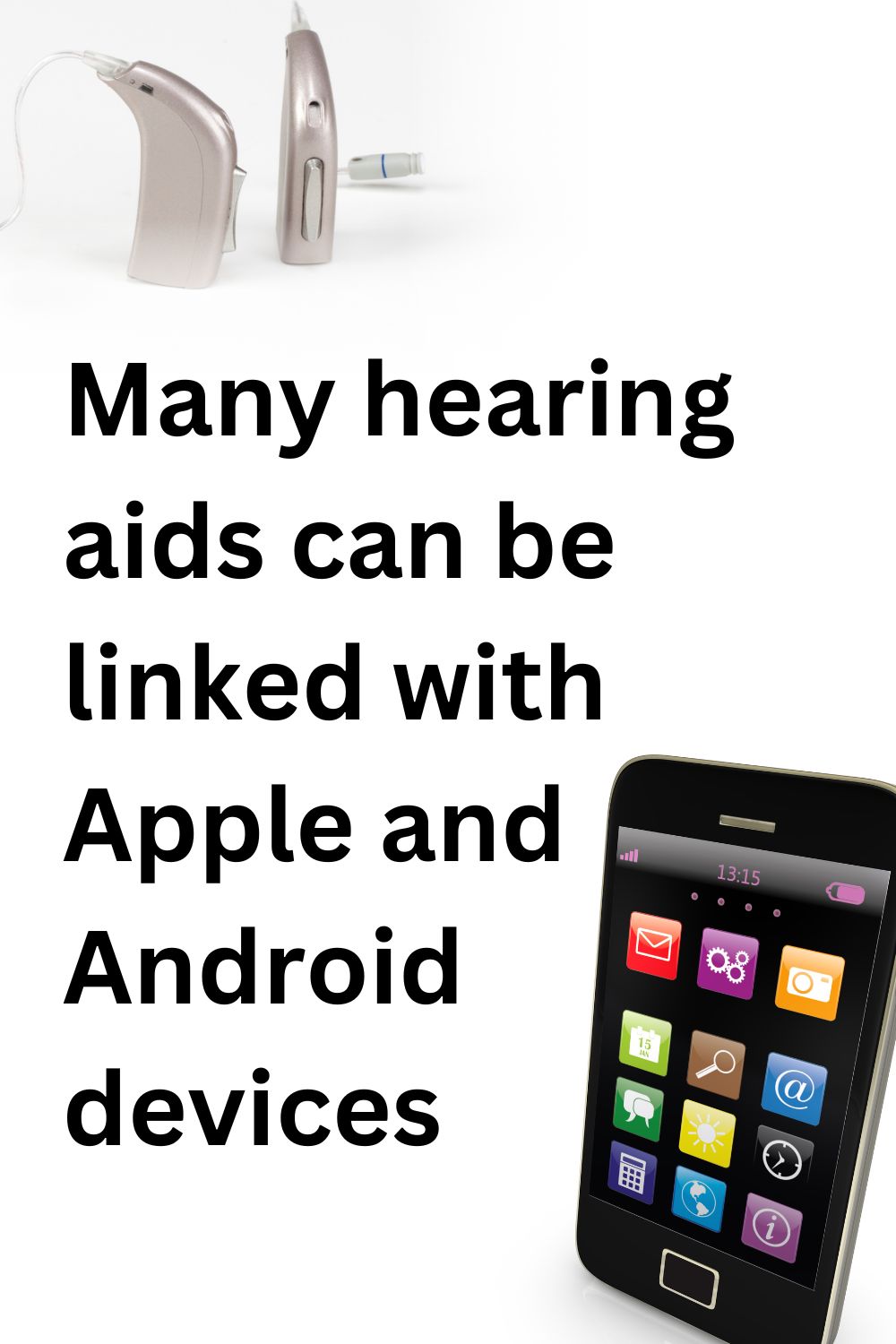
HEARING AIDS AND SMART PHONE (IN)COMPATIBILITY
Hearing aid technology is continuing to advance at rapid speeds. These advances allow wearers to hear better in many situations where listening was previously difficult. Advancements have also been made in the compatibility of hearing aids and smart phones. Many hearing aids can be linked with Apple and Android devices in order to give the wearer direct streaming between the aids and the phone. Its important to remember though that the primary purpose of hearing aids is to assist you in hearing speech and other sounds in the environment that you are in. The priority is not the streaming of audio from your phone. While this capability is there, it is still far from perfected. There are many variables which can interfere with the connection between the aids and the phone. One such interference is software updates. Almost every time you take a software update on your cell phone, the pairing between the phone and the aids will be disconnected. You will be required to re-pair the aids to the phone in this instance. Other interferences can be caused by cell service interruptions, wi-fi interruptions, and even other Bluetooth devices that may be nearby. In almost every situation, connectivity issues are caused by smart phones and not by hearing aids. Hearing aids are always and will always be first and foremost medical devices and not just another cell phone accessory. This article was submitted by Ryan Oberholtzer, Hearing Instrument Specialist with Darrell M. Sipe Opticians and Hearing Aids.
Feb 22, 2024
10 Signs You May Be Experiencing Hearing Loss
Hearing plays an important role in how we communicate, connect with others, and experience the world around us. Because hearing loss often develops gradually, many people do not realize their hearing has changed until it begins affecting their daily lives.You may find yourself asking people to repeat themselves, turning up the television, or having difficulty following conversations in busy restaurants. These may seem like minor inconveniences, but they can be signs of hearing loss.Recognizing the early signs of hearing loss is an important first step toward getting the help you need. Here are 10 common signs that it may be time to have your hearing checked.1. You Frequently Ask People to Repeat ThemselvesOne of the most common signs of hearing loss is frequently asking others to repeat what they have said. You may hear that someone is speaking but have difficulty understanding the words clearly.If this happens regularly, especially during conversations with family members, friends, or coworkers, it may be worth scheduling a hearing evaluation.2. You Turn Up the Television or RadioDo family members or friends tell you that the television or radio is too loud? You may not notice that the volume has gradually increased because it seems comfortable to you.Needing higher volume to hear your favorite programs can be a sign that your hearing has changed.3. Conversations Are Difficult in Noisy PlacesRestaurants, family gatherings, sporting events, and other busy environments can be challenging for people with hearing loss.You may be able to hear someone when you are in a quiet room but struggle to understand them when there is background noise. This happens because hearing loss can make it more difficult to separate speech from competing sounds.4. You Have Trouble Hearing on the PhoneIf you find yourself struggling to understand conversations over the telephone, hearing loss could be a contributing factor.You may notice that you need to turn up the phone volume, switch the phone from one ear to the other, or ask the person on the other end to repeat themselves.5. You Feel Like People Are MumblingPeople may seem to be speaking clearly to everyone else, yet their words sound muffled or unclear to you.You might hear the sounds of speech but have trouble distinguishing individual words. This can be especially frustrating when talking with children or people who have softer voices.6. You Avoid Social Situations Because Hearing Is DifficultHearing loss can make social activities more challenging. If you have difficulty following conversations at restaurants, parties, family gatherings, or community events, you may begin avoiding those situations altogether.Unfortunately, withdrawing from social activities can lead to feelings of loneliness or isolation. Addressing hearing difficulties can make it easier to remain engaged with the people and activities you enjoy.7. You Have Difficulty Following Group ConversationsFollowing a conversation with several people can be difficult when you have hearing loss.You may lose track of who is speaking, miss parts of the conversation, or find yourself watching people's faces closely to understand what they are saying.If you frequently feel lost during group conversations, a hearing evaluation may help determine whether hearing loss is contributing to the problem.8. You Rely More on Watching People's Faces or Reading LipsPaying attention to facial expressions and lip movements is a natural way to supplement what you hear. However, if you find yourself relying heavily on watching someone's face to understand a conversation, your hearing may not be providing enough information on its own.You may notice that communication becomes particularly difficult when someone turns away from you or when you cannot see their face.9. You Have Difficulty Hearing Certain SoundsHearing loss does not always mean that every sound becomes quieter. Some people have difficulty hearing particular frequencies or speech sounds.For example, high-pitched sounds may become harder to hear. You may have trouble understanding children's or women's voices or distinguishing certain consonants when people speak.These changes can make conversations difficult even when you feel like you can still hear most sounds.10. Friends or Family Members Notice Your Hearing DifficultySometimes the people around you recognize a hearing problem before you do.A spouse, adult child, friend, or coworker may point out that you frequently misunderstand conversations, ask for repetitions, or keep the television volume higher than usual.If someone you trust has expressed concerns about your hearing, it is worth taking those concerns seriously.Why Early Hearing Care MattersHearing loss can affect more than your ability to hear sounds. It can influence communication, relationships, confidence, and participation in everyday activities.The good news is that hearing difficulties do not have to prevent you from enjoying conversations and staying connected with the people around you. A professional hearing evaluation can help determine whether hearing loss is present and provide information about options that may help.It is also important to remember that hearing loss is not necessarily just a normal part of getting older. While age-related hearing changes are common, hearing difficulties can have many causes and can affect adults at different stages of life.When Should You Have Your Hearing Checked?If you recognize several of these signs yourself, or if friends and family have expressed concerns about your hearing, consider scheduling a hearing evaluation.A hearing professional can evaluate your hearing and help you better understand what you are experiencing. Depending on the results, they can discuss appropriate options for improving communication and hearing.You don't have to wait until hearing loss significantly interferes with your life before seeking help. Identifying hearing changes early can help you take steps toward staying connected, communicating more comfortably, and continuing to enjoy the sounds that matter most.If you or someone you love is experiencing signs of hearing loss, contact Darrell M. Sipe Opticians & Hearing Aids to learn more about hearing testing and hearing care services.
Oct 05, 2026
Eye Health Tips for Adults Over 50
As we get older, taking care of our eyes becomes increasingly important. Many people begin to notice changes in their vision after age 50, such as difficulty reading small print, needing more light to see clearly, or experiencing increased sensitivity to glare.Some vision changes are a normal part of aging, while others can be signs of an eye condition that requires professional attention. Taking proactive steps to protect your eye health can help you maintain clear vision and enjoy the activities you love.Here are several important eye health tips for adults over 50.1. Schedule Regular Eye ExaminationsOne of the most important things you can do for your eyes is to have regular comprehensive eye examinations.An eye examination does more than determine whether you need a new prescription for your glasses. Your eye care professional can also evaluate the overall health of your eyes and look for signs of potential problems.Some eye conditions may develop gradually without noticeable symptoms in their early stages. Regular examinations can help identify changes before they significantly affect your vision.Ask your eye care professional how often you should have your eyes examined based on your age, health history, family history, and individual vision needs.2. Don't Ignore Changes in Your VisionChanges in vision should not simply be dismissed as a normal part of getting older.Pay attention if you experience: Blurry or hazy vision Difficulty seeing at night Increased sensitivity to light New or increasing floaters Flashes of light Difficulty reading Distorted vision Changes in peripheral vision Double vision A sudden change in eyesight If you notice a sudden or significant change in your vision, seek prompt medical attention.3. Protect Your Eyes From UV ExposureYour eyes are exposed to sunlight throughout your life. Long-term exposure to ultraviolet (UV) radiation can contribute to eye problems.When spending time outdoors, wear sunglasses that provide 100% UVA and UVB protection. A wide-brimmed hat can also provide additional protection from direct sunlight.Prescription sunglasses can be an excellent option for adults who need vision correction while outdoors because they combine a prescription with sun protection.4. Eat a Balanced DietGood nutrition is important for overall health, including your eyes.A balanced diet that includes a variety of fruits and vegetables can provide important nutrients. Leafy green vegetables, colorful fruits and vegetables, fish, nuts, and other nutrient-rich foods can all be part of a healthy eating pattern.If you have questions about nutrition and your eye health, discuss them with your healthcare provider or eye care professional.5. Manage Health ConditionsCertain health conditions can affect your eyes and vision. Conditions such as diabetes and high blood pressure can have an impact on eye health.If you have a chronic health condition, work with your healthcare providers to manage it appropriately. Taking prescribed medications, following recommended treatment plans, and keeping regular medical appointments can all play a role in protecting your overall health.6. Give Your Eyes a Break From ScreensAdults over 50 may spend significant amounts of time looking at computers, smartphones, tablets, and televisions.Extended screen use can contribute to digital eye strain, which may cause tired eyes, dryness, headaches, or temporary blurry vision.When using a computer or other digital device for an extended period, take regular breaks. The 20-20-20 rule is a simple strategy: approximately every 20 minutes, look at something about 20 feet away for at least 20 seconds.Adjusting your screen brightness, reducing glare, and making sure your workspace has adequate lighting can also make screen use more comfortable.7. Don't SmokeSmoking can negatively affect many areas of your health, including your eyes.If you smoke, quitting can benefit your overall health and may help reduce certain health risks associated with smoking.If you need help quitting, talk with your healthcare provider about resources and strategies that may be available.8. Wear Appropriate Protective EyewearEye injuries can happen at home, at work, or while participating in hobbies and sports.Wear appropriate protective eyewear when working with tools, chemicals, machinery, or materials that could potentially injure your eyes. Protective eyewear can also be important for certain sports and recreational activities.Taking a few seconds to protect your eyes can help prevent an injury that could have lasting consequences.9. Keep Your Glasses and Contact Lenses CleanIf you wear glasses, clean your lenses regularly using appropriate lens-cleaning products and methods. Dirty or scratched lenses can interfere with comfortable, clear vision.If you wear contact lenses, follow your eye care professional's instructions for cleaning, wearing, and replacing them. Good contact lens hygiene is important for reducing the risk of eye infections and other complications.10. Pay Attention to Nighttime VisionMany adults notice changes in their ability to see clearly at night as they get older.You may find that driving after dark is more challenging, that headlights seem brighter, or that it takes longer for your eyes to adjust when moving between different levels of light.If nighttime vision has become more difficult, schedule an eye examination. Your eye care professional can determine whether changes to your prescription or other factors may be contributing to the problem.Common Eye Conditions After 50As you age, the likelihood of developing certain eye conditions increases. These can include cataracts, glaucoma, age-related macular degeneration, and other vision-related conditions.Not every change in vision means that you have one of these conditions. However, regular eye examinations are important because some eye diseases may not cause noticeable symptoms until vision has already been affected.Early detection can give you and your eye care professional more opportunities to manage a condition and protect your vision.Your Vision Is Worth ProtectingTurning 50 is an excellent time to make eye health a regular part of your overall wellness routine. Simple habits such as scheduling regular eye examinations, protecting your eyes from UV rays, eating a balanced diet, managing health conditions, and paying attention to changes in your vision can make a meaningful difference.Most importantly, don't assume that changes in your eyesight are simply something you have to live with as you get older. Many vision problems can be addressed with appropriate care, prescription eyewear, treatment, or lifestyle changes.If you are over 50 and haven't had a recent eye examination, consider scheduling one. Darrell M. Sipe Opticians & Hearing Aids can help you stay on top of your vision needs and find eyewear that provides the clarity, comfort, and protection you need.Taking care of your eyes today can help you continue seeing and enjoying the world around you for years to come.
Oct 05, 2026
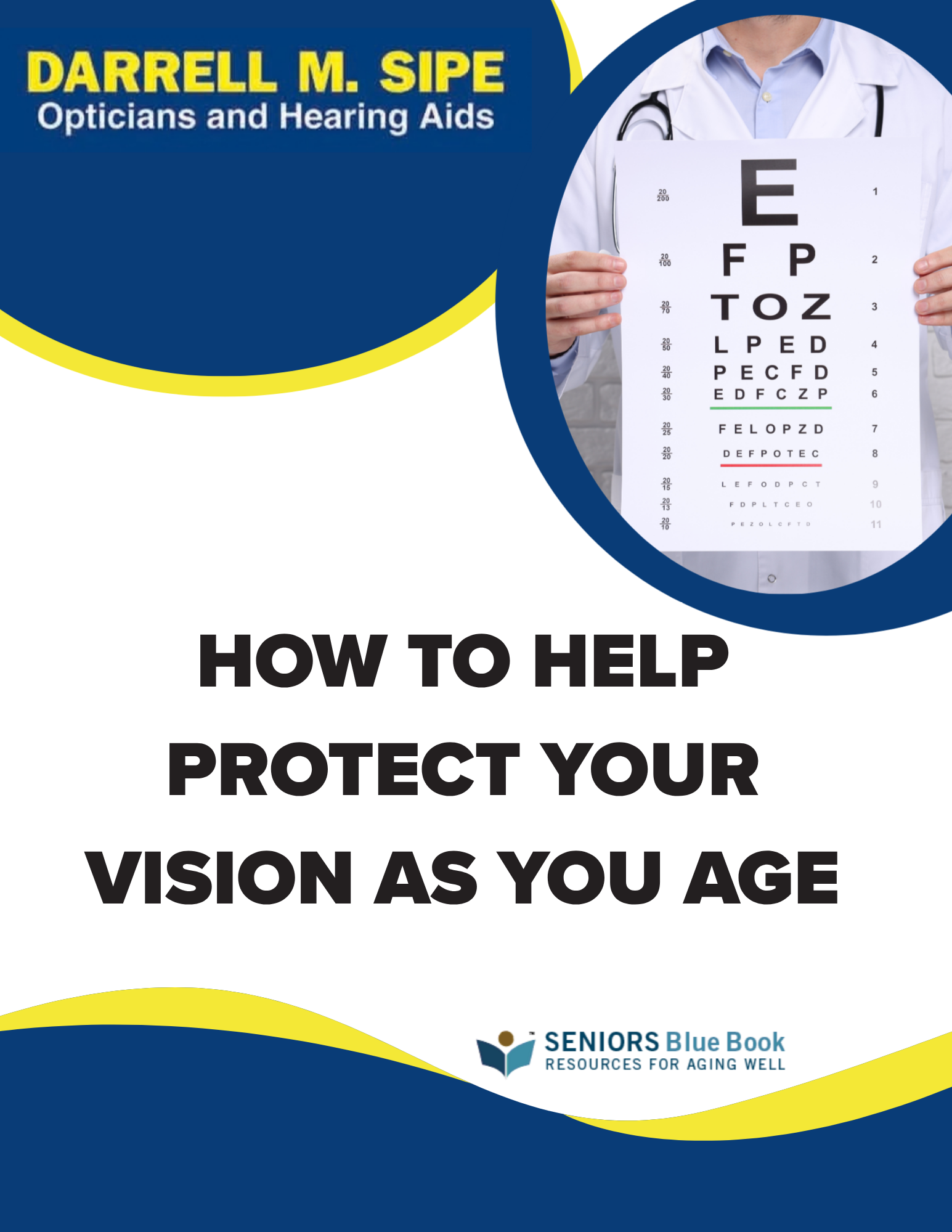
How to Help Protect Your Vision as You Age
Our eyes allow us to enjoy many of life's most important momentsfrom seeing the faces of family and friends to reading a favorite book, driving, working, and enjoying the outdoors. As we age, however, changes in our vision become more common.Some changes are a natural part of getting older, while others may be related to eye diseases or other health conditions. The good news is that there are steps you can take to help protect your vision and support healthy eyes throughout your life.Here are some important ways to care for your eyes as you age.Schedule Regular Eye ExaminationsOne of the best things you can do for your vision is to have regular comprehensive eye examinations.An eye exam isn't only about determining whether you need a stronger prescription for your glasses. Your eye care professional can also evaluate the health of your eyes and look for signs of potential problems.Some eye conditions can develop without obvious symptoms in their early stages. Regular examinations can help identify changes early, when they may be easier to manage.Your recommended examination schedule may depend on your age, health, family history, medications, and individual eye-care needs.Don't Ignore Changes in Your VisionAs you get older, you may notice changes such as needing more light to read, having difficulty seeing at night, or experiencing increased sensitivity to glare.While some vision changes can be associated with normal aging, you should not ignore significant or unexpected changes.Contact an eye care professional if you experience: Persistent blurry vision Difficulty seeing at night New or increasing floaters Flashes of light Distorted vision Double vision Loss of peripheral vision A sudden change in your eyesight A sudden change in vision can require prompt medical attention, so don't wait to have it evaluated.Protect Your Eyes From the SunYour eyes are exposed to ultraviolet (UV) radiation throughout your lifetime. Protecting them from excessive sunlight is an important part of maintaining healthy eyes.When outdoors, wear sunglasses that provide 100% UVA and UVB protection. A wide-brimmed hat can provide an additional layer of protection.If you wear prescription glasses, prescription sunglasses can provide both vision correction and protection from bright sunlight. Polarized lenses may also help reduce glare from surfaces such as roads, water, and snow.Eat for Your Eye HealthA healthy, balanced diet supports your overall health and can contribute to healthy eyes.Include a variety of fruits and vegetables in your diet, particularly colorful produce and leafy green vegetables. Fish, nuts, and other nutrient-rich foods can also be part of a balanced eating pattern.If you are considering vitamins or supplements specifically for eye health, talk with your healthcare provider or eye care professional before taking them.Manage Your Overall HealthYour overall health and your eye health are closely connected.Certain conditions, including diabetes and high blood pressure, can affect the eyes. Following your healthcare provider's recommendations for managing these conditions is an important part of protecting your vision.Take prescribed medications as directed, attend recommended medical appointments, and discuss any new vision symptoms with your healthcare providers.Protect Your Eyes From InjuryEye injuries can happen at any age. Wearing appropriate protective eyewear can help reduce the risk of injury when working with tools, chemicals, machinery, or other materials that could potentially harm your eyes.Protective eyewear may also be appropriate for certain sports and hobbies.Don't assume that an activity is safe simply because you have done it many times before. A moment of protection can help prevent a serious eye injury.Take Breaks From Digital ScreensComputers, smartphones, tablets, and other digital devices are part of everyday life for many older adults.Spending extended periods looking at screens can contribute to digital eye strain. Symptoms may include tired eyes, dryness, headaches, and temporary blurry vision.Try following the 20-20-20 rule: every 20 minutes, look at something approximately 20 feet away for at least 20 seconds.Adjusting your screen position, brightness, and lighting can also make digital devices more comfortable to use.Avoid SmokingSmoking can negatively affect your overall health and is also associated with an increased risk of several eye-related problems.If you smoke, quitting can be an important step toward improving your overall health and supporting your long-term eye health.If you are interested in quitting, speak with your healthcare provider about resources that can help.Get Enough SleepYour eyes need rest, just like the rest of your body.Not getting enough sleep may contribute to tired, dry, or irritated eyes. Establishing a consistent sleep routine and giving your eyes a break throughout the day can help promote greater comfort.If you regularly experience significant eye discomfort or dryness, talk with an eye care professional.Review Your Medications With Your Healthcare ProviderAs we age, many people take medications for a variety of health conditions. Some medications can affect the eyes or cause changes such as dryness or blurred vision.Don't stop taking a prescribed medication on your own. Instead, talk with your healthcare provider if you notice new vision-related symptoms or have concerns about your medications.Keep Your Prescription Up to DateYour vision prescription can change as you age. Even if your glasses are still in good physical condition, the prescription may no longer provide the clearest vision possible.Signs that your prescription may need to be updated can include: Squinting to see clearly Frequent headaches Blurry vision Eye strain Difficulty reading Trouble seeing at night Difficulty seeing clearly at a computer An eye examination can determine whether your prescription needs to be changed.Be Aware of Age-Related Eye ConditionsAs we get older, the risk of developing certain eye conditions increases. These may include cataracts, glaucoma, age-related macular degeneration, and other conditions that can affect vision.Some of these conditions may not cause noticeable symptoms during their early stages. That's another reason regular eye examinations are so important.Your eye care professional can help you understand your individual risk factors and recommend appropriate care.Protecting Your Vision Is a Lifelong CommitmentYou can't prevent every change that may occur in your vision as you age, but you can take steps to support your eye health and identify potential problems early.Regular eye examinations, healthy lifestyle choices, UV protection, appropriate protective eyewear, and paying attention to changes in your vision are all important pieces of a long-term eye health plan.Don't wait until a vision problem begins interfering with your daily life before seeking help. If you've noticed changes in your eyesight or it's been a while since your last eye examination, consider making an appointment with your eye care professional.Darrell M. Sipe Opticians & Hearing Aids is committed to helping patients maintain clear, comfortable vision with professional eye care and quality optical services.Your eyes have been with you for a lifetime. Taking care of them today can help you continue to see the people, places, and experiences that matter most for years to come.
Oct 05, 2026
Signs You May Need a New Prescription for Your Glasses
Your glasses are designed to help you see clearly and comfortably throughout your day. However, your vision can change over time, even if your glasses are still in good condition. A prescription that once provided sharp, comfortable vision may eventually no longer meet your needs.Sometimes the changes are obvious, such as blurry vision. Other times, the signs can be subtle and may appear as headaches, eye strain, or difficulty seeing at night.Knowing the signs that your prescription may need to be updated can help you take care of your vision and make everyday activities more comfortable.1. Your Vision Has Become BlurryOne of the most noticeable signs that you may need a new glasses prescription is blurry vision.You may notice that objects in the distance are no longer as clear as they once were. You may also have trouble reading menus, books, computer screens, or other objects up close.If your vision remains blurry even when you are wearing your glasses, it may be time to have your prescription checked.2. You Are Squinting More OftenSquinting can temporarily help your eyes focus on something that appears blurry. If you find yourself squinting frequently to read signs, watch television, use your computer, or see objects in the distance, your prescription may no longer be providing the clarity you need.Frequent squinting is a good reason to schedule an eye examination.3. You Are Experiencing Frequent HeadachesAn outdated prescription can sometimes contribute to eye strain, which may result in headaches.You may notice headaches after reading, working on a computer, driving, or performing other visually demanding activities. While headaches can have many causes, changes in your vision should not be overlooked.An eye examination can help determine whether your prescription is contributing to the problem.4. Your Eyes Feel Tired or StrainedDo your eyes feel tired after reading, working on a computer, or concentrating on something for an extended period?Eye strain can occur for many reasons, including prolonged screen use, inadequate lighting, dry eyes, or a prescription that no longer adequately corrects your vision.If your eyes frequently feel tired or strained while wearing your glasses, consider having your vision evaluated.5. You Are Having Trouble Seeing at NightNighttime driving can become more difficult when your prescription is no longer providing adequate vision correction.You may notice increased difficulty reading road signs, seeing pedestrians, or distinguishing objects in low-light conditions. Headlights and other bright lights may also seem more distracting or uncomfortable.If you are experiencing new difficulties seeing while driving at night, schedule an eye examination and discuss your symptoms with your eye care professional.6. You Are Holding Reading Material DifferentlyChanges in your vision can affect how you hold books, phones, tablets, or other reading materials.You may find yourself holding something farther away to see it clearly or moving it closer to your face. These changes may indicate that your near vision needs to be evaluated.As we age, changes in near vision are common, but they should still be discussed with an eye care professional.7. You Are Having Trouble Seeing Clearly at the ComputerComputer work requires your eyes to focus at an intermediate distance. If you spend several hours a day working at a computer, an outdated prescription may make it harder to see your screen comfortably.You may experience blurry text, eye fatigue, headaches, or the need to move closer to or farther away from the screen.Your eye care professional can determine whether your current prescription is appropriate for your visual needs, including computer use.8. Your Vision Seems Different From One Day to the NextIf you notice that your vision seems to fluctuate, don't automatically assume that you simply need stronger glasses.Changes in vision can have several possible causes. Dry eyes, medications, health conditions, and other eye-related issues can affect how clearly you see.If you experience noticeable or persistent changes in your vision, schedule an eye examination rather than simply purchasing stronger glasses.9. Your Current Glasses No Longer Feel ComfortableSometimes the problem isn't simply that your glasses are old. Your frames may have become bent, loose, scratched, or uncomfortable.However, if your glasses are in good condition but your vision still doesn't feel right, your prescription may need to be reevaluated.An optical professional can help determine whether you need a prescription change, an adjustment to your frames, or both.10. It Has Been a While Since Your Last Eye ExaminationEven if you are seeing well with your current glasses, regular eye examinations are important.An eye examination does more than determine whether you need a stronger or weaker prescription. It also gives your eye care professional an opportunity to evaluate the health of your eyes and identify potential concerns.The appropriate frequency of eye examinations depends on factors such as your age, overall health, family history, and individual eye-care needs.Don't Ignore Changes in Your VisionIt can be tempting to simply live with blurry vision, headaches, or eye strain, especially when the changes happen gradually. However, you don't have to settle for uncomfortable or unclear vision.If your glasses no longer seem to be working as well as they once did, an updated eye examination can help determine what may be causing the change.A new prescription may be all you need to enjoy clearer, more comfortable vision. In other cases, your eye care professional may identify another reason for your symptoms that deserves attention.Schedule an Eye ExaminationIf you have noticed changes in your vision or think your glasses may no longer be providing the correction you need, consider scheduling an eye examination.At Darrell M. Sipe Opticians & Hearing Aids, professional eye care and optical services can help you maintain clear, comfortable vision and find eyewear that fits your needs and lifestyle.Don't wait until blurry vision begins interfering with your daily activities. If you think your prescription may have changed, schedule an eye examination and take the next step toward seeing clearly again.
Oct 05, 2026
Hearing Aids and Seniors: What to Expect
Hearing loss can affect many areas of a senior's life, from conversations with family members to enjoying television, attending social events, or communicating with friends. For some older adults, hearing aids can be an important tool for making everyday communication easier.If you or a loved one has recently been told that hearing aids may be beneficial, you may have questions about what happens next. Will they be comfortable? Will you hear normally again? How long will it take to get used to them?Understanding what to expect can make the process less overwhelming and help seniors feel more confident about taking the next step.The First Step Is a Hearing EvaluationBefore recommending hearing aids, a hearing professional will typically evaluate your hearing.A hearing evaluation helps determine whether hearing loss is present and provides information about the type and degree of hearing difficulty. Your hearing professional can also discuss how your hearing affects your everyday activities.Be open about the situations in which you have difficulty hearing. For example, let your provider know if you struggle most with conversations in restaurants, talking on the telephone, watching television, or hearing family members.This information can help guide recommendations based on your individual needs.Your Hearing Aids Should Be Selected for YouThere is no single hearing aid that is right for every senior.Hearing aids come in different styles, sizes, features, and technology levels. Your hearing professional can help you understand your options and choose devices that fit your hearing needs, lifestyle, and preferences.Consider the activities that are important to you. Someone who spends most of their time in quiet surroundings may have different needs from someone who regularly attends family gatherings, restaurants, community events, or other busy environments.Getting Your Hearing Aids Properly FittedOnce you have selected your hearing aids, they need to be properly fitted and adjusted.A hearing professional can make sure the devices fit comfortably and are programmed appropriately for your hearing loss.Don't hesitate to speak up if something doesn't feel or sound right. Hearing aids can often be adjusted to improve comfort and sound quality.The goal is not simply to put hearing aids in your ears. The goal is to help you hear as comfortably and effectively as possible.You May Notice That Sounds Seem DifferentOne of the biggest surprises for first-time hearing aid users is that sounds may seem different when they begin wearing their devices.You may suddenly notice sounds you haven't heard clearly in a long timethe refrigerator running, birds outside, footsteps, or the rustling of clothing.Your own voice may also sound different at first.This doesn't necessarily mean something is wrong. Your brain needs time to become accustomed to receiving sounds differently.Getting Used to Hearing Aids Takes TimeAdjusting to hearing aids is a process.Some seniors become comfortable wearing their devices relatively quickly, while others need more time. Start by wearing them for the amount of time recommended by your hearing professional and gradually become accustomed to using them throughout your day.Try wearing your hearing aids during conversations with one person in a quiet environment before moving into more challenging listening situations.Patience is important. Give yourself time to adjust.Hearing in Noisy Places May Take PracticeMany people expect hearing aids to immediately make every conversation effortless. However, noisy environments can remain challenging.Restaurants, parties, family gatherings, and other busy environments contain many competing sounds. Your hearing professional can help you learn how to use your hearing aids effectively in these situations.Some hearing aids include features designed to help manage background noise, but it is still helpful to position yourself where you can see the person speaking and reduce unnecessary background noise when possible.Family Members Can HelpFamily support can make the adjustment process easier.Encourage family members to face you when speaking, reduce background noise when possible, and give you time to become accustomed to your hearing aids.It is also important for family members to understand that hearing aids don't restore hearing to exactly the way it was before hearing loss. They are designed to help improve access to sound and make communication easier.Learn How to Care for Your Hearing AidsProper care can help keep your hearing aids functioning properly.Your hearing professional can show you how to: Insert and remove your hearing aids Clean them properly Change or recharge batteries Store them safely Keep them away from moisture Recognize when they may need cleaning or servicing If your hearing aids aren't working properly, don't assume that they need to be replaced. Sometimes a simple cleaning, adjustment, or repair can solve the problem.Follow-Up Appointments Are ImportantYour first hearing aid fitting is not necessarily the end of the process.Follow-up appointments give your hearing professional an opportunity to see how you are doing and make adjustments if necessary.Let your provider know about any concerns you have. Perhaps certain sounds seem too loud, the devices feel uncomfortable, or you are still struggling in particular listening environments.Small adjustments can sometimes make a significant difference in your experience.Be Patient With YourselfIt is normal to have questions or frustrations when you first begin wearing hearing aids.Learning how to use the devices, getting comfortable with the fit, adjusting to new sounds, and incorporating hearing aids into your daily routine all take time.Don't become discouraged if everything doesn't feel perfect immediately. Stay in communication with your hearing professional and follow their recommendations.Hearing Aids Can Help You Stay ConnectedFor seniors experiencing hearing loss, the goal of hearing care isn't simply to hear more sounds. It's about making communication easier and helping you stay connected to the people and activities that are important to you.Hearing aids may help make conversations with family easier, improve your ability to participate in social situations, and make everyday sounds more accessible.If you or a loved one is experiencing hearing difficulties, a professional hearing evaluation is a good place to start.Darrell M. Sipe Opticians & Hearing Aids provides hearing care services to help seniors and their families understand hearing loss and explore appropriate hearing solutions.If hearing loss is making conversations or everyday activities more difficult, don't assume you simply have to live with it. Talk with a hearing professional, learn about your options, and take the first step toward better communication.
Oct 05, 2026
Hearing Loss in Older Adults: What Families Should Know
Hearing loss is common as we get older, but that doesn't mean it should be ignored. For many older adults, hearing changes happen gradually. They may not realize how much their hearing has changed, or they may become accustomed to asking people to repeat themselves, turning up the television, or avoiding conversations in noisy environments.Family members are often among the first people to notice that an older loved one may be having difficulty hearing. Recognizing the signs and approaching the subject with patience and understanding can make it easier for a senior to receive the hearing care they need.Understanding Hearing Loss in Older AdultsAge-related hearing loss can develop slowly over time. Rather than suddenly losing the ability to hear, an older adult may gradually have more difficulty understanding certain voices, following conversations, or hearing higher-pitched sounds.Hearing loss can affect more than the ability to hear words. It can make communication more challenging and may cause an older adult to miss important information or feel frustrated during conversations.Because hearing loss often develops gradually, a person may not realize that others are speaking normally while their ability to hear and understand has changed.Signs Your Loved One May Have Hearing LossFamily members may notice signs of hearing loss before an older adult recognizes them.Some common signs include: Frequently asking others to repeat themselves Turning the television or radio volume up very high Having difficulty following conversations Struggling to hear in restaurants or other noisy environments Frequently misunderstanding what people say Having difficulty hearing on the telephone Watching people's faces closely while they speak Complaining that everyone seems to mumble Avoiding social gatherings or group conversations Responding inappropriately because they misunderstood a question If several of these behaviors sound familiar, it may be worthwhile to encourage your loved one to have their hearing evaluated.Hearing Loss Can Affect More Than CommunicationIt can be easy to think of hearing loss as simply a problem with hearing conversations. However, communication difficulties can affect many areas of an older adult's daily life.Someone who struggles to hear may become frustrated when talking with family and friends. They may stop participating in group conversations because they cannot follow what is being said.Over time, an older adult may begin avoiding restaurants, community activities, family gatherings, or other social situations where hearing is difficult.Helping a loved one address hearing difficulties can make it easier for them to remain engaged with the people and activities they enjoy.Why Some Seniors Resist Hearing CareIt isn't unusual for an older adult to be reluctant to acknowledge hearing loss.They may believe that their hearing is "good enough," feel embarrassed about needing hearing aids, or worry that others will view them differently. Some people may also assume that hearing loss is simply an unavoidable part of aging.Family members should approach the conversation with compassion rather than criticism.Instead of saying, "You can't hear anything anymore," try explaining how better hearing could make everyday conversations easier and help your loved one stay connected with family and friends.Start the Conversation With UnderstandingTalking about hearing loss can be sensitive. Choose a quiet, comfortable time to discuss your concerns rather than bringing up the subject during a frustrating conversation.You might explain that you've noticed they are having difficulty hearing and that you would like to help them find out why.It can also help to make the conversation about their quality of life rather than focusing on what they are doing wrong.For example, you can point out that a hearing evaluation could help them hear conversations more comfortably at family gatherings, restaurants, or other activities they enjoy.Encourage a Hearing EvaluationIf you or your loved one notices signs of hearing difficulty, the next step is a professional hearing evaluation.A hearing evaluation can help determine whether hearing loss is present and provide information about the type and degree of hearing difficulty.Depending on the results, a hearing professional can discuss available options and help determine what may be appropriate for the individual's hearing needs and lifestyle.It's important not to purchase hearing aids simply because someone else has had success with a particular model. Hearing needs vary from person to person, so professional guidance is valuable.Hearing Aids May HelpFor some people with hearing loss, hearing aids can make communication easier.Modern hearing aids come in a variety of styles and features. A hearing professional can help determine which options may be appropriate based on an individual's hearing loss, lifestyle, comfort, and personal preferences.It can take some time for a person to adjust to wearing hearing aids. Family members can support the process by being patient and encouraging their loved one as they become comfortable with their devices.How Family Members Can Improve CommunicationEven when an older adult is receiving treatment for hearing loss, family members can make conversations easier.Try these simple communication strategies:Get Their Attention FirstMake sure your loved one knows you are speaking to them before beginning a conversation.Face Them When You SpeakFacing the person can make communication easier and allows them to see your facial expressions and other visual cues.Reduce Background NoiseTurn off the television or move to a quieter area when having an important conversation.Speak ClearlySpeak at a natural pace and avoid shouting. Speaking louder does not always make speech easier to understand.Be PatientGive your loved one time to process what you've said and respond. If they don't understand, try rephrasing the statement rather than simply repeating the same words louder.Don't Ignore Sudden Hearing ChangesWhile gradual hearing loss is common, sudden changes in hearing should not be ignored.If an older adult experiences sudden hearing loss, particularly in one ear, they should seek prompt medical attention. Sudden hearing changes can have different causes and may require urgent evaluation.Other symptoms such as dizziness, severe ear pain, drainage, or sudden neurological symptoms should also be evaluated by a healthcare professional.Hearing Care Can Help Older Adults Stay ConnectedHearing is an important part of maintaining relationships and participating in everyday life. When an older adult has difficulty hearing, the effects can extend beyond conversations.Families can play an important role by recognizing potential signs of hearing loss, approaching the subject with compassion, and encouraging professional hearing care.If you suspect that a parent, grandparent, spouse, or another loved one is experiencing hearing loss, don't wait until communication becomes extremely difficult. A professional hearing evaluation can provide valuable information and help your loved one understand their options.Darrell M. Sipe Opticians & Hearing Aids provides hearing care services designed to help individuals better understand their hearing needs and explore appropriate solutions.Better hearing can mean more meaningful conversations, greater participation, and more opportunities to stay connected with the people who matter most.If you're concerned about a loved one's hearing, start the conversation today. A hearing evaluation can be an important first step toward better communication and a better quality of life.
Oct 05, 2026
How Better Hearing Can Help Seniors Stay Socially Connected
Staying socially connected is an important part of healthy aging. Spending time with family, talking with friends, attending community events, and participating in hobbies can help seniors maintain meaningful relationships and enjoy a greater sense of purpose.However, hearing loss can sometimes make social activities more difficult. When conversations become challenging to follow, a senior may begin avoiding restaurants, family gatherings, clubs, religious services, or other activities they once enjoyed.The good news is that addressing hearing loss may make it easier for seniors to communicate, participate, and remain connected with the people and activities that matter most.Hearing Loss Can Make Conversations More DifficultOne of the most noticeable effects of hearing loss is difficulty following conversations. This can be especially challenging when several people are talking at once or when there is background noise.A senior may hear that someone is speaking but has trouble understanding the words. They may frequently ask others to repeat themselves or worry that they are responding incorrectly.Over time, these challenges can make everyday conversations frustrating and exhausting.Social Situations Can Become OverwhelmingMany popular social activities take place in environments where hearing clearly can be difficult. Restaurants, family celebrations, community centers, and sporting events may all have background noise that makes conversation harder to understand.Someone experiencing hearing loss may begin to think: "It's too noisy for me to hear." "I don't want to keep asking people to repeat themselves." "I'm afraid I'll miss something important." "It's easier to stay home." When these feelings lead a senior to participate less often, they can gradually become less socially active.Better Hearing Can Make Family Time More EnjoyableFamily relationships are an important source of connection for many older adults. Being able to comfortably hear conversations can make visits with children, grandchildren, siblings, and other loved ones more enjoyable.Better hearing can help seniors participate in conversations instead of simply listening from the sidelines. It can also make it easier to hear grandchildren's stories, enjoy jokes, discuss family news, and stay involved in everyday conversations.These seemingly small interactions can make a big difference in maintaining close relationships.Hearing Can Help Seniors Stay Involved in Their CommunitiesSocial connection extends beyond family. Seniors may have friendships and relationships through volunteer activities, senior centers, clubs, classes, faith communities, exercise groups, or other organizations.When hearing difficulties interfere with participation, a senior may gradually stop attending.Addressing hearing loss may help make these activities more comfortable. Being able to follow conversations and interact with others can encourage seniors to continue participating in the communities they enjoy.Better Hearing May Increase ConfidenceHearing loss can sometimes affect a person's confidence in social situations. A senior may worry about misunderstanding a question, giving an inappropriate response, or missing an important part of a conversation.These concerns can cause someone to become quieter or withdraw from conversations.Improving hearing may provide greater confidence. When seniors can hear and understand what is being said, they may feel more comfortable speaking up, asking questions, and participating in conversations.Staying Socially Active Is Important as We AgeMaintaining social connections can contribute to overall quality of life. Friends and family can provide companionship, encouragement, emotional support, and opportunities to stay engaged with the world around us.Social activities also give seniors opportunities to laugh, share experiences, learn new things, and maintain a sense of belonging.Hearing well can make it easier to take advantage of these opportunities.Hearing Aids May Help Seniors Participate More FullyFor seniors with hearing loss, hearing aids may be one option for improving communication. Modern hearing aids are designed to amplify sounds and can be selected and adjusted based on an individual's hearing needs and lifestyle.A hearing professional can evaluate a person's hearing and discuss whether hearing aids may be appropriate.It is important to remember that hearing aids are not necessarily an instant solution. Seniors may need time to adjust to hearing sounds differently, and follow-up appointments can help ensure that the devices are working comfortably and effectively.Family Members Can Help, TooFamily and friends can make communication easier for someone experiencing hearing loss.Simple changes can include: Getting the person's attention before speaking Facing them during conversations Speaking clearly and at a comfortable pace Reducing unnecessary background noise Moving to a quieter area when possible Avoiding shouting Being patient when something needs to be repeated These strategies can help make conversations more comfortable for everyone.Don't Let Hearing Loss Lead to IsolationHearing loss does not have to mean giving up the activities and relationships a senior enjoys. If communication has become increasingly difficult, it may be time to have hearing evaluated.Some common signs that a hearing evaluation may be helpful include: Frequently asking others to repeat themselves Turning the television volume higher than others prefer Having difficulty understanding conversations in restaurants or groups Struggling to hear on the telephone Feeling that people are mumbling Avoiding social gatherings because hearing is difficult Relying heavily on watching people's faces or lips when they speak Recognizing these signs and seeking professional guidance can be an important first step toward staying socially engaged.Better Hearing Can Help Seniors Stay ConnectedSocial connection is an important part of enjoying life at any age. For seniors experiencing hearing loss, improving communication may make it easier to participate in conversations, spend time with loved ones, maintain friendships, and continue enjoying favorite activities.If you or someone you love is having difficulty hearing, consider scheduling a professional hearing evaluation. Understanding the cause and degree of hearing loss can help determine what options may be available.Darrell M. Sipe Opticians & Hearing Aids is committed to helping patients with their hearing and vision needs. Better hearing can be about much more than hearing sounds, it can help seniors remain involved, confident, and connected to the people and activities that make life meaningful.
Oct 05, 2026
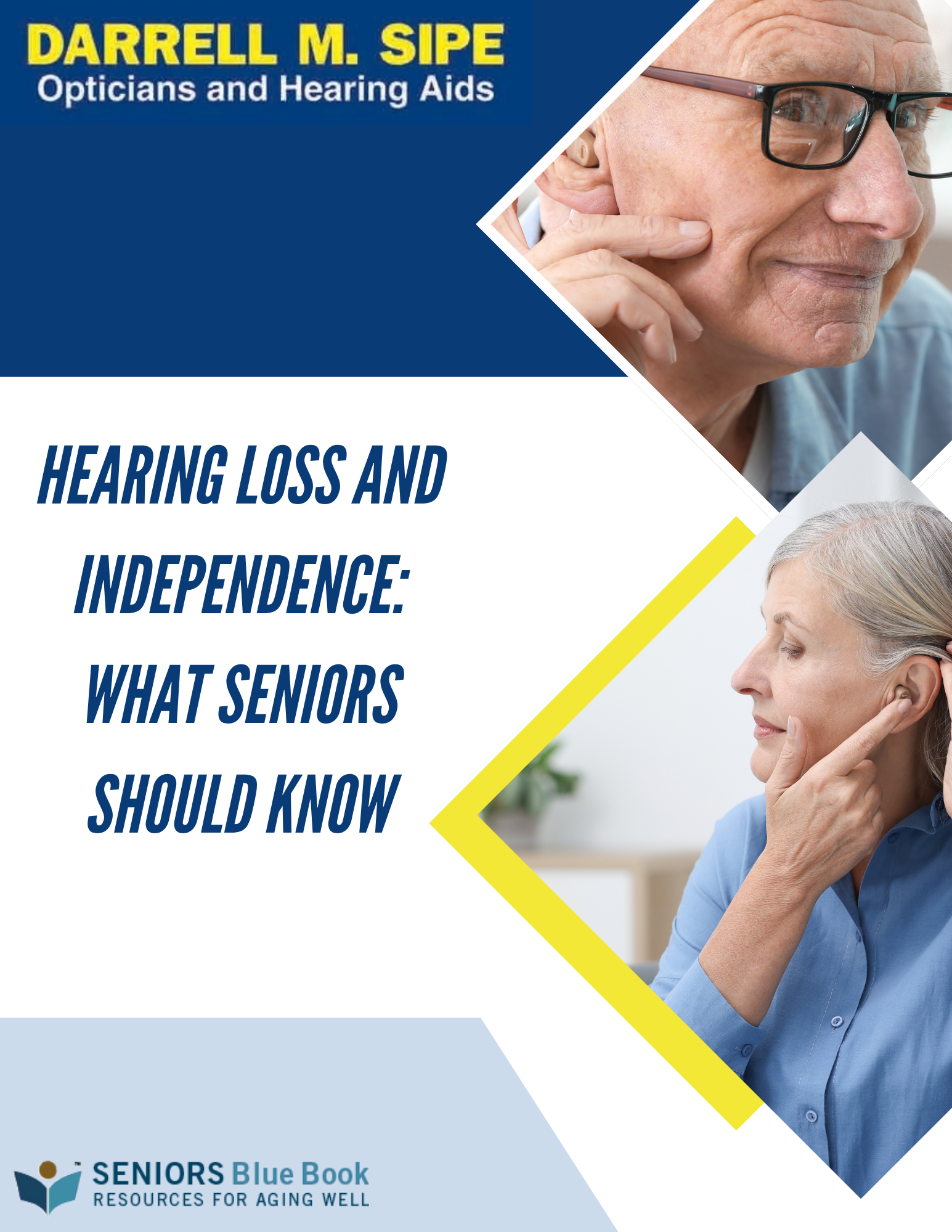
Hearing Loss and Independence: What Seniors Should Know
Independence is important at every stage of life. For many seniors, being independent means being able to communicate with others, make their own decisions, participate in social activities, manage everyday responsibilities, and continue doing the things they enjoy.Hearing plays an important role in maintaining that independence. When hearing loss goes untreated, everyday communication can become more difficult and frustrating. Over time, some seniors may begin avoiding situations where they have trouble hearing or relying more heavily on family members for help.The good news is that hearing loss doesn't have to mean giving up your independence. Understanding the signs of hearing loss and seeking appropriate hearing care can help seniors stay connected and confident in their daily lives.How Hearing Loss Can Affect IndependenceHearing loss can affect much more than the ability to hear a conversation. It can influence how a senior interacts with family, friends, healthcare providers, coworkers, and members of the community.For example, a senior with hearing loss may have difficulty: Understanding instructions Communicating with healthcare providers Hearing someone at the front door or on the telephone Following conversations in restaurants or other busy environments Participating in group activities Communicating while shopping or running errands Hearing alarms, doorbells, or other important sounds Staying connected with family and friends When these challenges become frustrating, a person may begin relying on others or avoiding certain activities altogether.Hearing Loss Can Make Communication More DifficultCommunication is a major part of independent living.If you frequently have to ask people to repeat themselves or find yourself guessing what someone said, everyday conversations can become tiring.You may also find yourself depending on family members to repeat information or explain what was said during important conversations.Addressing hearing difficulties can make it easier to communicate directly and confidently with the people around you.Staying Connected Is Part of Staying IndependentIndependence doesn't mean doing everything alone. Maintaining relationships and staying involved in your community are also important parts of a fulfilling life.Hearing loss can sometimes cause seniors to withdraw from social activities because they are embarrassed or frustrated when they cannot follow conversations.A person may stop going to restaurants, attending family gatherings, participating in community activities, or visiting friends.Seeking hearing care may make it easier to participate in these activities and maintain the social connections that contribute to a healthy and active lifestyle.Hearing Loss and Healthcare ConversationsClear communication with healthcare providers is especially important for older adults.During medical appointments, seniors may need to understand instructions, ask questions, discuss symptoms, and make decisions about their care.Having difficulty hearing important information can create unnecessary confusion.If you have hearing loss, let your healthcare provider know. Wearing your hearing aids when appropriate, asking people to speak clearly, and choosing a quieter environment can make important conversations easier.Hearing Aids May HelpFor seniors with hearing loss, hearing aids may help improve access to speech and everyday sounds.Modern hearing aids are available in a variety of styles and technology levels. A hearing professional can evaluate your hearing and help determine what type of device may be appropriate for your individual needs.Hearing aids don't necessarily make hearing the same as it was before hearing loss. However, they can help many people hear speech and environmental sounds more easily.The right hearing solution depends on factors such as hearing loss, lifestyle, communication needs, comfort, and personal preferences.Getting Used to Hearing Aids Takes TimeIf you are new to hearing aids, remember that adjusting to them can take time.Sounds may initially seem different or louder than you remember. Your brain needs time to become accustomed to hearing sounds through devices.Work with your hearing professional and follow their recommendations for wearing and caring for your hearing aids. Follow-up appointments can also help address comfort or sound-quality concerns and allow adjustments when needed.Simple Strategies Can Make Communication EasierWhether or not you use hearing aids, there are ways to make everyday communication more successful.Reduce Background NoiseWhen possible, move to a quiet area before having an important conversation. Turning down the television or radio can make it easier to focus on speech.Face the Person SpeakingBeing able to see the speaker's face provides helpful visual information and can make communication easier.Ask People to Speak ClearlyIf you dont understand something, don't be afraid to ask the person to repeat or rephrase it.Be Open About Your HearingLet friends, family members, and healthcare providers know if you have difficulty hearing. Most people are happy to make small adjustments when they understand what you need.Don't Let Embarrassment Stand in Your WaySome seniors avoid talking about hearing loss because they worry that wearing hearing aids will make them appear older or less independent.In reality, taking action to address hearing loss can be a positive step toward maintaining independence.Seeking professional help doesn't mean you are giving up control. It means you are taking an active role in managing your health and finding ways to make everyday life easier.Family Members Can Offer SupportFamily members can play an important role in helping seniors address hearing loss, but the senior should remain involved in decisions about their hearing care.Instead of making decisions for your loved one, encourage them to have their hearing evaluated and learn about their options.Be patient during conversations and avoid shouting. Face them when speaking, reduce background noise, and give them time to respond.Support and encouragement can make it easier for a senior to take the first step toward better hearing.When Should You Have Your Hearing Checked?If you have noticed changes in your hearing, don't wait until communication becomes extremely difficult before seeking help.Consider scheduling a hearing evaluation if you: Frequently ask people to repeat themselves Turn the television volume up higher than others prefer Have trouble hearing in restaurants or groups Struggle to understand conversations on the telephone Feel that people are mumbling Avoid social activities because hearing is difficult Have difficulty hearing important sounds around your home A professional hearing evaluation can help determine whether hearing loss is present and provide information about your options.Protecting Your Independence Starts With Taking Care of YourselfHearing loss doesn't have to prevent seniors from living active, independent lives. Recognizing hearing difficulties and seeking appropriate care can help make communication easier and support continued participation in the activities and relationships that matter most.If you or someone you love is experiencing hearing difficulties, consider scheduling a professional hearing evaluation. Understanding your hearing is the first step toward finding the right solution for your needs.Darrell M. Sipe Opticians & Hearing Aids provides hearing care services to help seniors understand their hearing needs and explore appropriate solutions.Your independence is worth protecting. Don't let untreated hearing loss keep you from communicating, participating, and enjoying the life you want to live.
Oct 05, 2026
How Diabetes Can Affect Your Eyes
Diabetes affects millions of people and can impact many parts of the body, including the eyes. High blood sugar levels over time can damage the small blood vessels that supply the retina, the light-sensitive tissue at the back of the eye.Because diabetes-related eye problems can develop gradually and may not cause noticeable symptoms at first, regular eye care is an important part of managing your overall health.Understanding how diabetes can affect your eyesand knowing when to seek professional carecan help you take steps to protect your vision.How Does Diabetes Affect the Eyes?When blood sugar remains higher than normal over an extended period, it can damage blood vessels throughout the body. The tiny blood vessels in the retina can be particularly vulnerable.Damaged blood vessels may leak fluid or blood, swell, or become blocked. As these changes progress, they can interfere with the retina's ability to function properly and potentially affect your vision.Diabetes can contribute to several eye conditions, including diabetic retinopathy, diabetic macular edema, cataracts, and glaucoma.Diabetic RetinopathyDiabetic retinopathy is one of the most important eye complications associated with diabetes.In its early stages, diabetic retinopathy may not cause noticeable changes in vision. Over time, however, damaged retinal blood vessels can leak or cause other changes that affect eyesight.In more advanced cases, abnormal blood vessels can develop and potentially cause serious damage to the retina.Because diabetic retinopathy may progress without obvious symptoms, regular dilated eye examinations are especially important for people with diabetes.Diabetic Macular EdemaDiabetes can also cause fluid to build up in the macula, the central portion of the retina responsible for detailed vision.This condition is called diabetic macular edema (DME). Swelling in the macula can cause blurry or distorted central vision and may interfere with activities such as reading, driving, recognizing faces, or seeing fine details.Early detection and appropriate treatment can help reduce the risk of serious vision problems.Diabetes and CataractsA cataract occurs when the normally clear lens inside the eye becomes cloudy.People with diabetes may develop cataracts at a younger age or experience cataract progression more quickly than people without diabetes.Cataracts can cause symptoms such as: Cloudy or blurry vision Increased sensitivity to light Glare or halos around lights Difficulty seeing at night Faded or less vibrant colors Frequent changes in your glasses prescription If you experience these symptoms, an eye examination can help determine what may be causing your vision changes.Diabetes and GlaucomaDiabetes is also associated with an increased risk of glaucoma.Glaucoma is a group of eye diseases that can damage the optic nerve, which connects the eye to the brain. In many cases, glaucoma can develop gradually without noticeable symptoms.Regular eye examinations can help your eye care professional monitor your eye health and identify changes that may require further evaluation or treatment.Vision Changes You Shouldn't IgnoreIf you have diabetes, don't ignore changes in your vision.Contact an eye care professional if you experience: Blurry vision Dark spots or areas in your vision New or increasing floaters Flashes of light Distorted vision Difficulty seeing at night Loss of vision A sudden change in eyesight A sudden loss or significant change in vision should be treated as an urgent medical concern.Why Regular Eye Examinations Are So ImportantOne of the best ways to protect your vision when you have diabetes is to maintain regular eye examinations.A comprehensive eye examination allows an eye care professional to look for signs of diabetic eye disease that you may not be able to see or feel yourself.Depending on your individual situation, your eye care professional may recommend dilated eye examinations or additional testing to monitor the health of your retina and other structures within your eyes.Your recommended examination schedule can depend on the type of diabetes you have, how long you have had it, your blood sugar control, and other health factors.Manage Your Blood SugarKeeping your blood sugar within the range recommended by your healthcare provider is an important part of diabetes management and can also help protect your eyes.Follow your diabetes treatment plan and monitor your blood sugar as recommended. If you have questions about managing diabetes, talk with your physician or diabetes care team.Managing blood pressure and cholesterol may also be important for people with diabetes.Take Care of Your Overall HealthYour eye health is connected to your overall health.In addition to managing blood sugar, follow your healthcare provider's recommendations for blood pressure, cholesterol, nutrition, physical activity, and other aspects of diabetes care.Don't overlook regular medical and eye appointments simply because you feel well. Some diabetes-related complications can develop before you notice symptoms.Diabetes Doesn't Have to Mean Losing Your VisionHaving diabetes does not mean that you will automatically develop serious vision problems. However, diabetes does increase the risk of certain eye conditions, making prevention, monitoring, and early detection particularly important.Regular eye examinations, appropriate diabetes management, and paying attention to changes in your vision can all play an important role in protecting your eyesight.If you have diabetes and haven't had a recent comprehensive eye examination, consider scheduling one. Your eye care professional can evaluate your eye health, monitor for diabetes-related changes, and help you understand the best steps for protecting your vision.Darrell M. Sipe Opticians & Hearing Aids is committed to helping patients maintain healthy vision through professional eye care and comprehensive optical services.Your vision is an important part of your independence and quality of life. If you have diabetes, make caring for your eyes an important part of caring for your overall health.
Oct 05, 2026
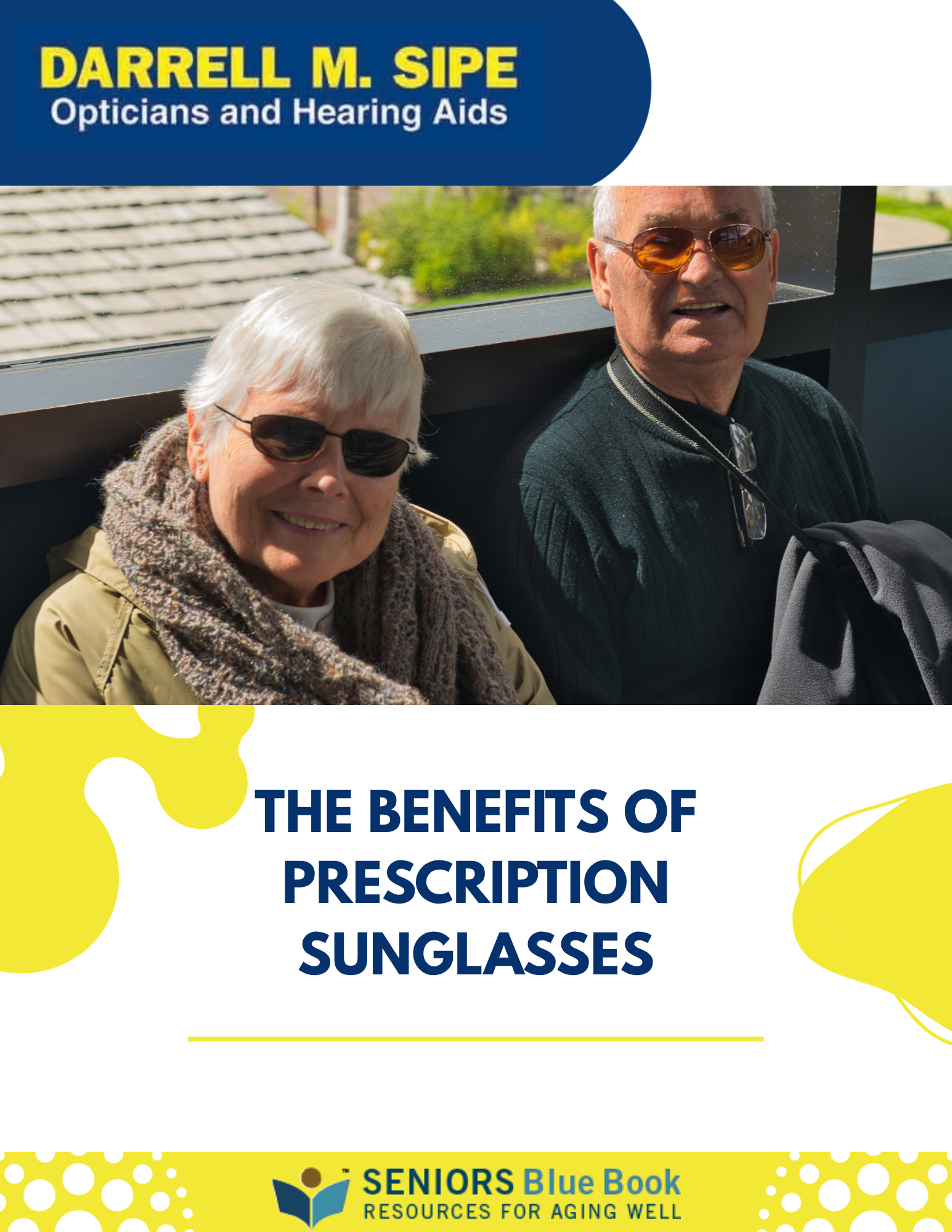
The Benefits of Prescription Sunglasses
Sunglasses are an important part of protecting your eyes from the sun, but for people who need vision correction, wearing regular sunglasses can create a problem. You may have to choose between protecting your eyes from bright sunlight and seeing clearly.Prescription sunglasses offer a convenient solution. They combine the vision correction you need with the sun protection your eyes deserve. Whether you're driving, spending time outdoors, playing sports, or simply enjoying a sunny day, prescription sunglasses can help you see more comfortably while protecting your eyes.Here are some of the key benefits of prescription sunglasses.1. They Provide Clear Vision OutdoorsIf you wear prescription glasses, you already know how important your prescription is for seeing clearly. Regular sunglasses may protect your eyes from the sun, but they don't provide the vision correction you need.Prescription sunglasses are made with your individual prescription, allowing you to enjoy clear vision while outdoors without having to wear your regular glasses underneath or switch back and forth between glasses.2. They Help Protect Your Eyes From UV RaysLong-term exposure to ultraviolet (UV) radiation can be harmful to your eyes. Just as you protect your skin from the sun, protecting your eyes is an important part of maintaining good eye health.Quality sunglasses can help block harmful UVA and UVB rays. Wearing sunglasses that provide appropriate UV protection when you are outdoors can help reduce your eyes' exposure to damaging ultraviolet radiation.Look for sunglasses that provide 100% UV protection or block both UVA and UVB rays.3. They Reduce GlareBright sunlight can create uncomfortable glare, particularly when you are driving or spending time around water, snow, or other highly reflective surfaces.Prescription sunglasses can help reduce the amount of bright light reaching your eyes, making outdoor activities more comfortable.Polarized prescription lenses can be particularly helpful for reducing glare from reflective surfaces. They can be a useful option for people who spend a lot of time driving, boating, fishing, or participating in other outdoor activities.4. They Make Driving More ComfortableBright sunlight can make driving uncomfortable and may make it harder to see clearly.Prescription sunglasses can help reduce glare and brightness while allowing you to maintain your prescription correction. This can be especially helpful when driving during the daytime or when the sun is low on the horizon.It's important to choose lenses appropriate for driving and to follow recommendations from your eye care professional.5. They Can Help Reduce Eye StrainSquinting in bright sunlight can make your eyes feel tired and uncomfortable. Prescription sunglasses reduce the amount of bright light entering your eyes, allowing you to see more comfortably outdoors.If you frequently experience eye discomfort or sensitivity to bright light, talk with your eye care professional about whether prescription sunglasses may be appropriate for you.6. They Are Convenient for an Active LifestylePrescription sunglasses eliminate the need to constantly switch between regular glasses and sunglasses.If you enjoy walking, golfing, hiking, gardening, traveling, or participating in outdoor sports, having prescription sunglasses can make it easier to stay active while maintaining clear vision.You can simply put on your prescription sunglasses when you head outdoors and enjoy the activities you love.7. They Can Be Customized to Your NeedsPrescription sunglasses aren't limited to one style or lens type. Depending on your prescription and lifestyle, you may have several options when choosing frames and lenses.Your eye care professional can help you select sunglasses based on factors such as: Your prescription Your daily activities Your frame preferences Lens color and tint Polarization UV protection Your outdoor lifestyle This allows you to choose eyewear that works for both your vision and your personal style.8. They Offer Protection While Playing Sports and Enjoying Outdoor ActivitiesOutdoor activities expose your eyes to sunlight, glare, wind, dust, and other environmental factors.Prescription sunglasses can provide vision correction while helping shield your eyes from bright sunlight. For certain sports and activities, specialized protective eyewear may also be appropriate.If you participate in outdoor sports, ask your eye care professional about eyewear designed for your particular activity.9. They Can Be StylishPrescription sunglasses are available in a wide variety of frame shapes, colors, and styles. You don't have to sacrifice fashion to get the vision correction and sun protection you need.Choosing a frame that complements your face and personal style can make prescription sunglasses an accessory you enjoy wearing rather than something you only reach for when the sun is especially bright.10. They Give You an Easy Way to Combine Vision Correction and Sun ProtectionPerhaps the greatest benefit of prescription sunglasses is convenience.Instead of carrying two pairs of glasses or constantly switching between your regular glasses and non-prescription sunglasses, prescription sunglasses give you vision correction and sun protection in one pair.For many people, that makes it easier to consistently wear sunglasses when they are outdoors.Who Can Benefit From Prescription Sunglasses?Prescription sunglasses can be beneficial for people who wear glasses and spend time outdoors. They may be especially useful for individuals who: Drive frequently during the day Spend time on or near the water Enjoy outdoor sports Work outdoors Garden or participate in outdoor hobbies Travel frequently Are sensitive to bright sunlight Want convenient vision correction outdoors Your eye care professional can help determine which lens and frame options are appropriate for your prescription and lifestyle.Protect Your Eyes and Enjoy Clear VisionYour eyes deserve protection whenever you are outside in bright sunlight. If you rely on prescription glasses, you don't have to choose between clear vision and comfortable, protected eyes.Prescription sunglasses can provide the vision correction you need while helping reduce glare, filter harmful UV radiation, and make outdoor activities more enjoyable.If you are considering prescription sunglasses, visit Darrell M. Sipe Opticians & Hearing Aids to explore your options. An experienced optical professional can help you find prescription sunglasses that provide the right combination of vision correction, protection, comfort, and style.Clear vision and healthy eyes go hand in hand. The right prescription sunglasses can help you enjoy both while you're out in the sun.