Prioritize Health - Carleen Lachman, Independent Insurance Specialist
Medicare/Medicaid/Insurance (1160 x 748 px).png)

.png)


About Prioritize Health - Carleen Lachman, Independent Insurance Specialist
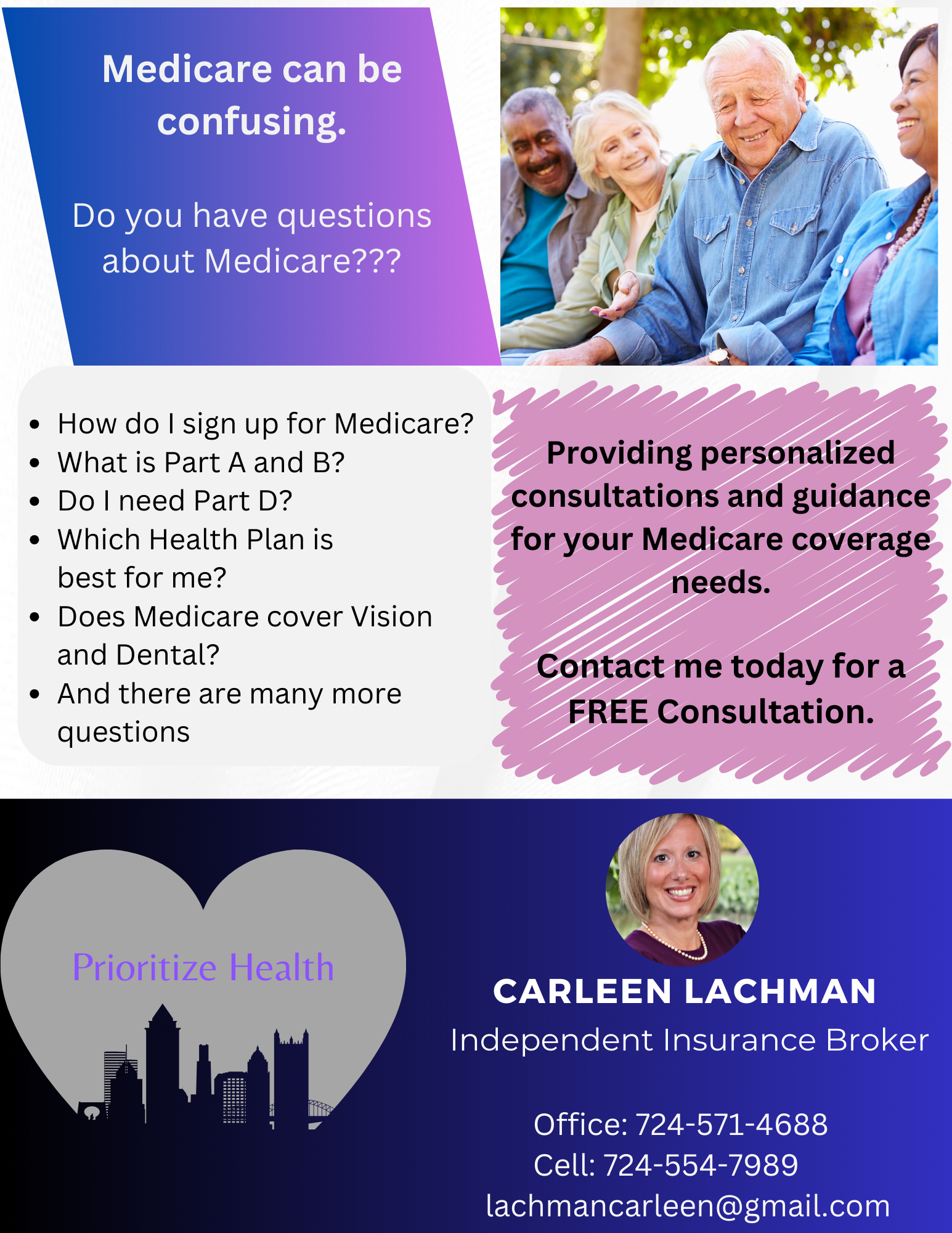
Medicare can be confusing. Do you have questions about Medicare? I provide personalized consultation and guidance for your Medicare coverage needs. Contact me today for a FREE one-on-one consultation.
As an experienced Medicare broker, I'm here to simplify the complex world of Medicare and help you find the perfect coverage for your unique needs. With so many plans available, Medicare can be overwhelming. That's where I come in. I offer personalized guidance to:
- Analyze your healthcare needs and budget
- Compare plans for multiple insurance carriers
- Explain coverage options in plain language
- Find potential cost savings opportunities
- Assist with enrollment and paperwork
Best of all, my services come at no cost to you. I am paid by the insurance companies, not by you.
Why work with me?
- Save time and reduce stress by having an expert do the research for you
- Gain confidence that you are making informed decisions about your healthcare
- Access ongoing support for questions or issues that may arise
- Stay up-to-date on Medicare changes that could affect your coverage
Let's work together to find the best Medicare plan that gives you peace of mind and comprehensive coverage. Call me today!
See More
Continue Your Search! Explore More Local Options.
Start SearchingLet’s engage and get educated!
Browse through thousands of expert articles in over 100 different categories.
Browse NowArticles You May Like
Staying Active and Warm in the Winter Months
Staying Active and Warm in the Winter Months: A Guide for Adults 65 and Older As the temperatures drop and winter sets in, staying active can feel like a challengeespecially for adults 65 and older. Yet maintaining movement and warmth during the colder months is essential for circulation, muscle strength, balance, and overall well-being. With the right strategies, winter can become an opportunity to stay healthy, energized, and safe. Why Winter Activity Matters During winter, many seniors naturally reduce their physical activity, which can lead to stiffness, weight gain, and loss of muscle strength. Cold weather can also increase the risk of falls, hypothermia, and heart strain. Staying activeeven indoorshelps: Boost circulation and warmth Maintain muscle and bone strength Improve mood and energy levels Reduce risk of falls and injury Indoor Exercise Options If its too cold or icy outside, indoor activity is a safe and effective alternative: Walking: Indoor malls, gyms, or even around your home provide excellent cardio. Chair Exercises: Gentle leg lifts, arm raises, or seated marching can strengthen muscles without strain. Strength Training: Using light weights or resistance bands preserves muscle and bone health. Balance Workouts: Standing on one leg, heel-to-toe walking, or practicing Tai Chi can reduce fall risk. Low-Impact Cardio: Water aerobics, stationary cycling, or gentle aerobic classes increase heart health while protecting joints Safe Outdoor Activities When the weather permits, outdoor exercise offers fresh air and added warmth from movement: Walking: Short walks with proper layers, gloves, and warm socks can be invigorating. Snow Activities: For those able, cross-country skiing or snowshoeing provides gentle, full-body exercise. Winter Gardening: Indoor or protected gardening tasks keep muscles active and provide mental engagement. Dressing for Warmth and Safety Proper clothing is key to staying warm and reducing winter risks: Layer Up: Start with a moisture-wicking base layer, add insulation, and top with a windproof/waterproof jacket. Protect Extremities: Hats, scarves, gloves, and warm socks prevent heat loss. Footwear: Insulated, non-slip shoes or boots help prevent slips on ice. Tips for Staying Active Indoors Take Active Breaks: Stand, stretch, or march in place every 3060 minutes. Warm Up First: Gentle stretching before any exercise helps avoid injury. Maintain Home Comfort: Keep rooms warm and use space heaters safely for added comfort. Stay Hydrated: Cold weather can mask thirst; drink water regularly. Sample Winter Routine Morning: 10 minutes of gentle stretching or chair yoga Midday: 1520 minutes of indoor walking or light resistance training Afternoon: Balance exercises like Tai Chi or heel-to-toe walking Evening: Stretching or a warm shower to relax muscles Winter doesnt have to mean hibernation. With thoughtful planning, proper clothing, and safe exercisesboth indoors and outdoorsadults 65 and older can stay active, healthy, and warm all season long. Even short periods of movement make a big difference in energy, balance, and overall well-being.
Feb 09, 2026

Navigating the World of Medicare
Medicare and health plans can be complex, but understanding the basics can help you make informed decisions about coverage whether you are already on Medicare or just about to start. First, Medicare includes Part A (hospital) and Part B (medical), is provided by the government. Part A covers hospital stays, skilled nursing facility care, hospice, and some home health care. Part B covers outpatient care, doctor visits, preventive services, and medical supplies. Medicare doesnt cover everything, which means your cost may be higher on certain services.To provide additional coverage, many individuals opt to enroll in a Medicare Advantage plan (Part C) or Medicare prescription drug plan (Part D) to supplement their benefits. Medicare Advantage plans are offered by private insurers, these plans bundle Parts A and B and often include prescription drug coverage (Part D) and additional benefits, such as dental, vision, and hearing.Medicare Advantage plans vary in their networks of doctors, hospitals, and prescription drug coverage. So, it is essential to carefully compare them to ensure they cover the doctors and prescriptions you need.Its important to consider your health status, the prescription medications you take, any chronic conditions you may have, even the gyms you go to. This will help you determine the plan and level of coverage you require.Its important to consider your budget when selecting a Medicare plan. Take into account monthly premiums, deductibles, and copayments each plan may have. For those just about to start Medicare, you have a limited window of opportunity to choose a plan. Deadlines can apply when you turn 65 or when you choose to retire. For those already on Medicare, health plans can change from year to year, including coverage, costs, and provider networks. So, taking time to review your options is important. The Annual Enrollment Period (October 15 to December 7) is your opportunity to reassess your Medicare coverage to ensure it still meets your needs. Finally, many find navigating this complex world of Medicare overwhelming. If this is you, then you are not alone. The solution is having a knowledgeable, licensed insurance agent by your side to ensure youre making the best choice for your healthcare needs. Editors Note: This article was submitted by Carleen Lachman. Carleen is an Independent Insurance Broker and owner of Prioritize Health. She may be reached at 724-571-4688.
Oct 29, 2025

What Seniors Need To Know About Changes to Medicare
Congress recently made significant changes to Medicare's Part D prescription drug benefit as part of the Inflation Reduction Act. While some changes aim to help seniors afford their medications, others may have unintended consequences.On the positive side, insulin costs are now capped at $35 per month for Medicare beneficiaries. This has already provided relief for many seniors with diabetes.Starting in 2025, out-of-pocket Part D drug costs will be capped at $2,000 annually. Seniors will also have the option to spread these costs throughout the year through the new Medicare Prescription Payment Plan. These changes can benefit seniors who rely on multiple brand-name medicines or have fixed incomes.However, awareness of the new payment plan is low. Medicare could do more to inform seniors about this option, which requires opting in. Seniors should consider contacting their Part D insurers during open enrollment if they would benefit from spreading out pharmacy costs.The law's drug price negotiation provision has led to some unintended effects on drug development. At least 36 research programs and 22 experimental drugs have been discontinued as a result.Part D premiums have also increased. This year, standalone Part D plans were set to cost 21% more on average compared to last year. Many seniors switched to lower-cost options as a result. The number of available plans has decreased by about 25% since 2020.Some insurers have moved certain medications to tiers requiring higher out-of-pocket costs, restricting access to previously covered drugs. New rules like step therapy requirements have also been implemented, potentially making it harder for patients to access drugs their doctors recommend.It's important for seniors to understand these changes and their potential impacts on drug access before Medicare's open enrollment period begins in October. Contact Carleen Lachman, Independent Insurance Specialist at 724-571-4688 to learn more.
Sep 18, 2024
Staying Safe Online
Staying Safe OnlineThe internet can help you stay connected with loved ones, manage finances, shop, and access healthcare. Unfortunately, it can also expose you to scams and fraudespecially for adults age 65 and older.The good news is that learning a few warning signs and safety habits can greatly reduce your risk.Why Scammers Target Older AdultsScammers may target older adults because they often: Have savings, retirement funds, or good credit Trust calls or messages that sound official Use email, texting, and online banking Feel pressure to act quickly in urgent situations Being aware of these tactics helps you stay in control.COMMON SCAMS TO WATCH FORPhone ScamsScammers may pretend to be: Social Security or Medicare The IRS or another government agency Your bank or credit card company A grandchild or family member in trouble WARNING SIGNS: Pressure to act immediately Threats of arrest or account closure Requests for payment using gift cards, wire transfers, or cryptocurrency IMPORTANT: Government agencies will never call you demanding immediate payment.Email and Text Message Scams (Phishing)These messages may say: There is a problem with your account You have won a prize or refund A package could not be delivered Your account will be locked unless you respond They often include links or attachments.WARNING SIGNS: Misspelled words or poor grammar Generic greetings like Dear Customer Messages from unfamiliar senders Tech Support ScamsYou may see a pop-up or receive a call saying your computer has a virus and needs immediate repair.WARNING SIGN: Legitimate technology companies do not contact you unexpectedly or display pop-ups with phone numbers to call.SIMPLE SAFETY TIPS Slow down. Scammers want you to panic. Take your time. Never share personal information, including: Social Security numbers Bank or credit card numbers Medicare numbers Passwords or one-time codes Hang up and verify. Call the company or person directly using a trusted phone number. Use strong passwords and do not reuse the same password everywhere. Keep your phone and computer updated. Talk to someone you trust if something feels suspicious.WHAT TO DO IF YOU THINK YOUVE BEEN SCAMMED Stop all contact immediately. Contact your bank or credit card company right away. Report the scam: Federal Trade Commission (FTC): ReportFraud.ftc.gov Social Security scams: oig.ssa.gov Tell a trusted family member or friend. You are not alone. Scammers are professional and convincing. Anyone can be targeted, and being scammed is not a sign of weakness.By staying informed, slowing down, and asking questions, you can protect yourself and enjoy the benefits of technology with confidence and peace of mind.
Feb 09, 2026
Mental Health, Stress Reduction, and Mindfulness for Adults
Mental Health, Stress Reduction, and Mindfulness for Adults 65 and OlderAs we age, life brings both rewards and challenges. Retirement, changes in health, loss of loved ones, and shifts in daily routines can all affect emotional well-being. While physical health often receives the most attention, mental health is just as importantand caring for it can greatly improve quality of life, independence, and overall happiness.Understanding Mental Health in Later LifeMental health includes emotional, psychological, and social well-being. Feeling stressed, anxious, lonely, or overwhelmed at times is normal, especially during major life transitions. However, persistent feelings of sadness, worry, or isolation are not simply part of aging and should never be ignored.Maintaining good mental health can help older adults: Feel more positive and hopeful Strengthen memory and focus Improve sleep quality Build resilience during difficult times Enjoy relationships and daily activities more fully Common Sources of Stress for Older AdultsStress may look different later in life but can still have a strong impact. Common stressors include: Health concerns or chronic conditions Changes in mobility or independence Financial worries Caregiving responsibilities Loss of a spouse, friends, or family members Feelings of loneliness or social isolation Recognizing these stressors is the first step toward managing them in a healthy way.Simple Stress-Reduction StrategiesReducing stress does not require major lifestyle changes. Small, consistent habits can make a meaningful difference.Stay Physically Active Gentle movement such as walking, stretching, yoga, or water aerobics helps reduce tension and improves mood by releasing natural feel-good chemicals in the brain.Maintain Social Connections Spending time with friends, family, or community groups can ease loneliness and provide emotional support. Phone calls, video chats, or senior center activities all count.Create a Daily Routine Having structure in the day can provide comfort, reduce anxiety, and create a sense of purpose.Limit Overstimulation Too much news or screen time can increase stress. Taking breaks and choosing calming activities can help restore balance.Practicing Mindfulness at Any AgeMindfulness means paying attention to the present moment with openness and without judgment. It can be especially helpful for managing stress, worry, and physical discomfort.Mindful Breathing Take slow, deep breathsin through the nose and out through the mouthfor a few minutes. This simple practice can calm the nervous system and reduce anxiety.Body Awareness Notice how your body feels while sitting or lying down. Gently release tension in the shoulders, neck, and jaw.Mindful Moments Bring full attention to everyday activities such as eating, gardening, or listening to music. This can increase enjoyment and reduce racing thoughts.Gratitude Practice Each day, reflect on one or two things you are thankful for. Gratitude can shift focus away from stress and toward positive experiences.When to Seek Additional SupportIf feelings of sadness, anxiety, or stress become overwhelming or interfere with daily life, reaching out for support is a sign of strengthnot weakness. Talking with a healthcare provider, counselor, or trusted community member can be very helpful. Many mental health services are designed specifically for older adults and can be accessed in person or through telehealth.A Positive Path ForwardMental health, stress reduction, and mindfulness are lifelong practices. It is never too late to develop new habits that support emotional well-being. By staying connected, moving your body, calming the mind, and asking for help when needed, you can continue to live a fulfilling and meaningful life at any age.Taking care of your mind is one of the most important gifts you can give yourself.
Feb 09, 2026
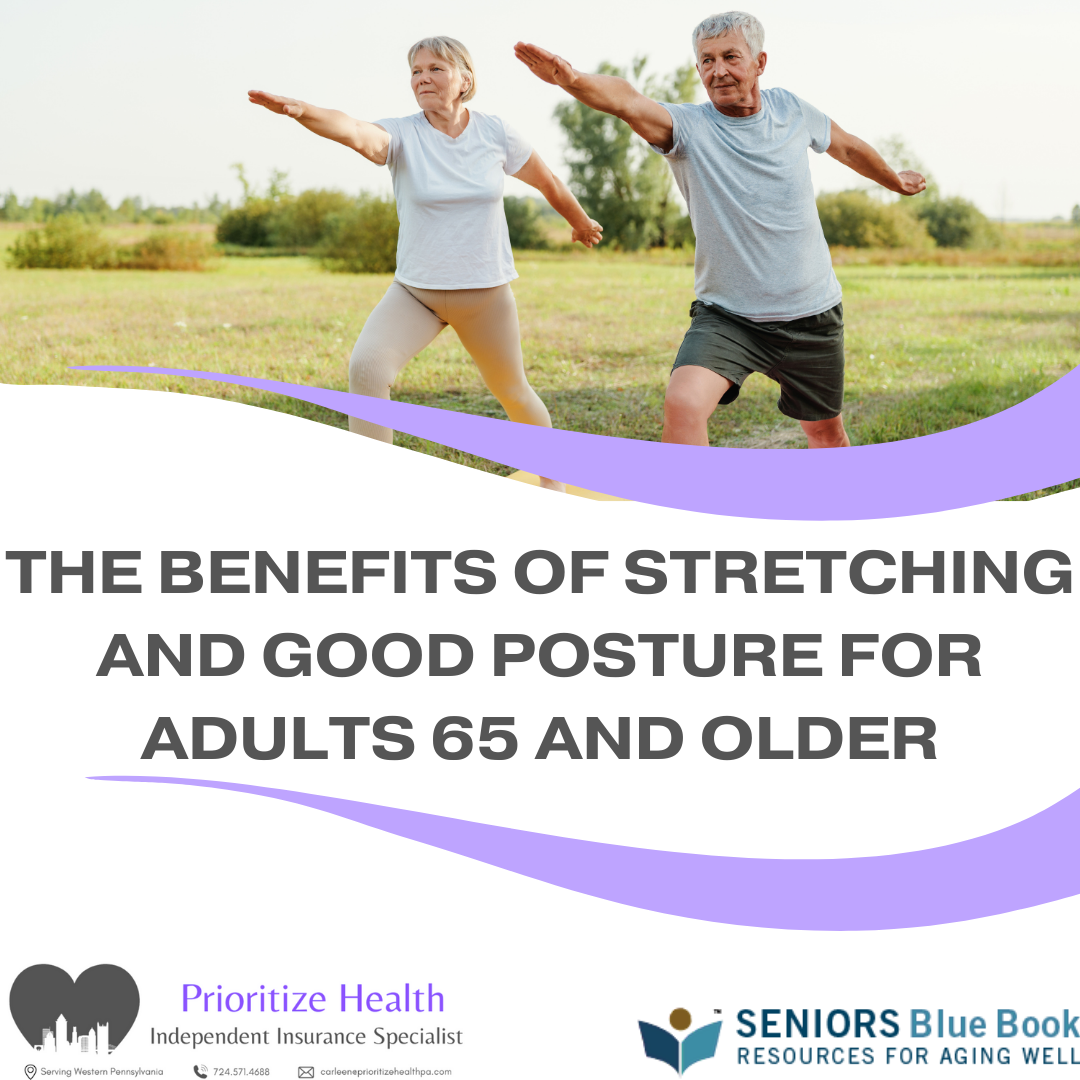
The Benefits of Stretching and Good Posture for Adults 65 and Older
The Benefits of Stretching and Good Posture for Adults 65 and Older As we age, maintaining mobility, balance, and comfort becomes increasingly important for overall quality of life. Two simple yet powerful toolsstretching and good posturecan make a significant difference in how the body feels and functions each day. Incorporating these habits into a daily routine can help older adults stay active, independent, and confident.Why Stretching Matters After 65Stretching helps keep muscles flexible, joints mobile, and the body moving smoothly. Over time, muscles naturally shorten and stiffen, which can lead to discomfort, limited range of motion, and a higher risk of injury.Key benefits of regular stretching include: Improved flexibility and mobility, making everyday activities like walking, reaching, and bending easier Reduced muscle stiffness and joint pain, especially in the neck, back, hips, and shoulders Better circulation, which supports muscle health and recovery Lower risk of falls, as flexible muscles help with balance and coordination Enhanced relaxation, reducing stress and promoting a sense of well-being Gentle stretchingeven for just 510 minutes a daycan provide noticeable improvements over time. Stretching should always be done slowly and comfortably, without bouncing or forcing the movement.The Importance of Good PosturePosture affects much more than appearance. Proper alignment helps the body work efficiently and reduces unnecessary strain on muscles and joints. Poor posture, such as slouching or rounding the shoulders, can contribute to pain, fatigue, and breathing difficulties.Benefits of maintaining good posture include: Reduced back, neck, and shoulder pain Improved balance and stability, lowering the risk of falls Easier breathing and better lung capacity Less pressure on joints, particularly the spine and hips Increased confidence and energy levels Good posture means keeping the head aligned over the shoulders, shoulders relaxed (not rounded), and the spine upright whether sitting, standing, or walking.Stretching and Posture Work Best TogetherStretching and posture go hand in hand. Tight muscles can pull the body out of alignment, while poor posture can cause muscles to become tight and weak. Stretching helps lengthen tight muscles, while posture awareness helps strengthen the muscles that support the spine.Together, they: Improve overall movement and comfort Support joint health Make daily activities safer and easier Getting Started SafelyFor adults 65 and older: Start slow and listen to your body Stretch after light movement, such as walking Hold stretches for 1530 seconds without pain Focus on posture during daily tasks like sitting, standing, and using electronic devices Consider guidance from a physical therapist, trainer, or fitness professional if needed A Small Daily Habit with Big RewardsStretching and maintaining good posture dont require expensive equipment or long workoutsjust consistency. These simple practices can help older adults stay mobile, reduce discomfort, prevent injuries, and enjoy a more active and independent lifestyle. A few minutes each day can truly make a lasting difference.
Feb 09, 2026

What is Medicare?
What is Medicare?Medicare is a federal health insurance program that gives you access to specific coverage and benefits. Medicare is different from health insurance you may have had before. It offers you a variety of coverage options and it has key enrollment dates and guidelines you need to follow. Were here to help you make sense of it all. How is Medicare Different From Other Health Insurance?You may be surprised at the differences between Medicare and other types of health insurance. If youve had health coverage through your employer, your plan likely included medical and prescription drug coverage, along with other benefits. It also may have covered both you and your spouse.Medicare only covers one person at a time. This means you and your spouse must enroll separately. In addition, Medicare gives you options that can make it possible to receive your benefits in a variety of different ways.You can: Choose hospital and medical coverage delivered through the federal government. Add prescription drug coverage delivered through a private company. Purchase a supplemental insurance policy from a private insurer that can help cover some of the costs. Choose coverage from a private insurer that combines hospital, medical and often prescription drug coverage into one plan.In short, with Medicare you can choose coverage that fits your needs, budget and lifestyle. We can help you take full advantage of that freedom. Who is Eligible for Medicare? - Age 65+ - Under age 65 with certain disabilities - Have End-Stage Renal Disease (ESRD) When and How Do I Apply?If youre like most people, youll enroll in Medicare around the time you turn 65. Your Initial Enrollment Period begins three months before your 65th birthday, includes the month you turn 65 and ends three months after that birthday.Keep in mind that if you dont get Medicare during this Initial Enrollment Period, you may have to pay Medicare Part B or Part D late enrollment penalties. Plus, you could be missing out on coverage and benefits that can help protect your health and finances. Thats why its generally a good idea to enroll as soon you can. How you enroll generally depends on if youre getting benefits from Social Security, the Railroad Retirement Board or the Office of Personnel Management.Contact me today at 724-554-7989 for a FREE consultation.
Jul 14, 2024

Hearing, Vision, and Dental Health: Why They Matter After Age 65
Hearing, Vision, and Dental Health: Why They Matter After Age 65 As we age, taking care of our hearing, vision, and dental health becomes just as important as managing blood pressure, cholesterol, or diabetes. These three areas of health play a major role in communication, independence, safety, nutrition, and overall quality of lifeyet they are often overlooked. Staying proactive can help older adults remain active, confident, and connected.Hearing Health: Staying Connected and SafeHearing loss is common with aging, affecting nearly one in three adults over 65. It often happens gradually, making it easy to miss early warning signs.Why hearing health matters Difficulty hearing can lead to social isolation and withdrawal. Untreated hearing loss has been linked to cognitive decline and increased risk of falls. Hearing clearly improves communication with family, friends, and healthcare providers. Signs of hearing changes Frequently asking others to repeat themselves Turning up the TV or radio louder than others prefer Trouble hearing in crowded or noisy environments Ringing in the ears Tips for maintaining hearing health Have a hearing test every 13 years, or sooner if changes are noticed. Protect ears from loud noises when possible. Use hearing aids or assistive devices if recommendedthey can significantly improve daily life. Vision Health: Protecting Independence and Preventing FallsVision changes are also common with age and may include difficulty reading, glare sensitivity, or trouble seeing at night. Conditions such as cataracts, glaucoma, macular degeneration, and diabetic eye disease become more common after age 65.Why vision health matters Good vision supports safe driving, reading, and daily activities. Poor vision increases the risk of falls and injuries. Early detection of eye disease can prevent vision loss. Tips for maintaining vision health Schedule a comprehensive eye exam at least once a year. Update glasses or contact lens prescriptions as needed. Manage chronic conditions like diabetes and high blood pressure, which can affect eye health. Wear sunglasses that block UV rays when outdoors. Dental Health: More Than Just a SmileOral health plays a vital role in nutrition, speech, and overall health. Gum disease, tooth decay, dry mouth, and tooth loss are more common in older adults, especially for those taking multiple medications.Why dental health matters Poor oral health can make chewing difficult, affecting nutrition. Gum disease has been linked to heart disease, diabetes, and infections. Dental pain or missing teeth can impact confidence and social interaction. Tips for maintaining dental health Brush twice daily with fluoride toothpaste and floss once a day. Visit the dentist at least once a year, even if you have dentures. Address dry mouth with proper hydration and dental products if needed. Ensure dentures fit properly to avoid sores or infections. Taking a Whole-Health ApproachHearing, vision, and dental care are essential parts of healthy aging. Regular checkups, early treatment, and preventive care can help adults 65 and older maintain independence, reduce health risks, and enjoy a better quality of life.If you or a loved one notices changes in hearing, vision, or oral health, dont ignore them. A simple exam or adjustment can make a meaningful difference in daily comfort, safety, and well-being.
Feb 09, 2026
Downsizing and Decluttering: Creating a Simpler, Safer Home After 65
As we age, our homes can sometimes feel fuller than our lives need them to be. Memories, hobbies, gifts, and years of accumulated belongings can create clutter that makes everyday life harder. Downsizing and decluttering isnt just about getting rid of thingsits about creating a home that feels safe, comfortable, and filled with what truly matters.Why Downsizing and Decluttering Helps Safety and Mobility: Fewer items mean fewer tripping hazards and easier movement around the house. Peace of Mind: A simpler home can reduce stress and make daily routines easier to manage. More Time for What Matters: Less cleaning and organizing means more time to enjoy hobbies, family, and friends. Financial Benefits: Smaller spaces can save on utilities, maintenance, and other household costs. Tips to Make Decluttering Manageable Take it Step by Step: Start smalla single drawer, a shelf, or one room at a time. Sort with Purpose: Create three categories: keep, donate, and discard. Ask yourself, Do I use this? or Does it bring me joy? Cherish Memories Wisely: You dont have to keep everything. Consider taking photos of sentimental items before letting them go. Ask for Support: Family, friends, or even professional organizers can provide encouragement and help with decisions. Give Back: Donating items to local charities, senior centers, or shelters can give your belongings a new life and help others. Downsizing Your HomeIf moving to a smaller home or apartment is part of your plan, focus on comfort and accessibility. Look for spaces with: Fewer stairs and wider hallways Bathrooms and kitchens designed for easy use Proximity to friends, family, and community services Embrace the Freedom Letting go of things doesnt mean letting go of memories or joy. Instead, its about creating spacespace for comfort, for movement, and for new experiences. A decluttered, downsized home can feel lighter, safer, and more in tune with your lifestyle, allowing you to focus on the people and activities that truly bring happiness.