
Continue Your Search! Explore More Local Options.
Start SearchingLet’s engage and get educated!
Browse through thousands of expert articles in over 100 different categories.
Browse NowArticles You May Like
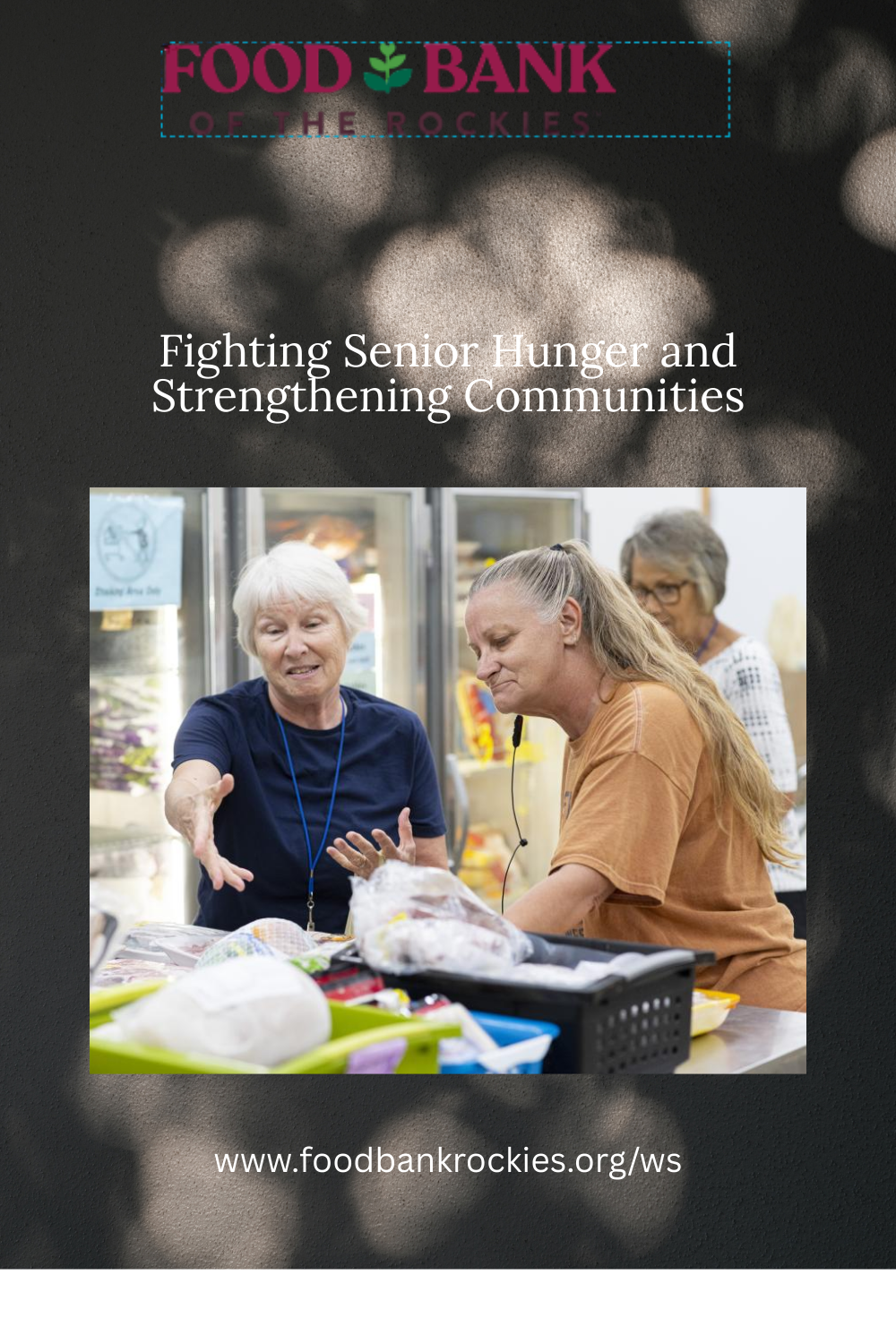
Fighting Senior Hunger and Strengthening Communities
Fighting Senior Hunger and Strengthening CommunitiesAccess to nutritious food is a basic human needyet for many seniors and vulnerable adults across Colorados Western Slope, food insecurity is a quiet, persistent challenge. Fixed incomes, rising healthcare costs, limited transportation, and rural geography can make it difficult to keep healthy food on the table. In communities like Grand Junction and the surrounding region, food resources are essential to supporting health, independence, and dignity.Food Bank of the Rockies Western Slope works to ensure that no neighbor has to choose between paying for medication and buying groceries. Through partnerships with local agencies, volunteers, and donors, the organization helps provide reliable access to nutritious food for individuals, families, and seniors throughout the region. Food is foundational to health, says Christina Gumbiner. When people have consistent access to nutritious meals, theyre better able to manage chronic conditions, stay independent, and remain connected to their community. Understanding Food Insecurity Among SeniorsSenior hunger is often hidden. Many older adults live on fixed incomes that dont stretch far enough to cover food, housing, utilities, and medical expenses. Others face physical limitations or transportation barriers that make grocery shopping difficult.On the Western Slope, these challenges can be intensified by: Rural distances between homes and stores Limited public transportation Increased healthcare and prescription costs Social isolation Food assistance programs help fill these gapssupporting not just nutrition, but overall well-being.How Food Banks Support Community HealthFood banks do more than distribute groceries. They serve as critical partners in community health, helping reduce the long-term effects of food insecurity.Access to nutritious food supports: Better management of chronic illnesses like diabetes and heart disease Improved energy and mobility Reduced hospitalizations and healthcare costs Stronger mental and emotional well-being By addressing nutrition needs, food banks play a preventative role in healthcareespecially for seniors.Serving the Unique Needs of the Western SlopeThe Western Slopes geography requires food distribution strategies that differ from urban areas. Food Bank of the Rockies Western Slope collaborates with a network of local partners to reach individuals in both population centers and remote communities.This local approach includes: Partnering with food pantries, senior centers, and community agencies Supporting mobile food distributions in underserved areas Tailoring food offerings to meet nutritional needs Responding quickly during emergencies or seasonal challenges Local partnerships ensure that food reaches people where they live.Supporting Seniors With Dignity and RespectFor seniors, asking for help can be difficult. Food assistance programs prioritize dignityoffering support in ways that respect independence and choice.Senior-focused food resources may include: Nutritious grocery items suitable for dietary needs Fresh produce and shelf-stable essentials Easy-to-prepare foods for those with limited mobility Community-based distribution sites These programs help seniors remain healthy without sacrificing pride or autonomy.Strengthening Families and CaregiversFood insecurity affects entire householdsnot just individuals. When seniors struggle to afford food, family caregivers often feel added stress as they try to fill the gap.Food assistance helps families by: Reducing financial strain Supporting caregivers managing multiple responsibilities Improving overall household stability This support allows families to focus on caregiving, connection, and quality time together.The Role of Community PartnershipsFood Bank of the Rockies Western Slope relies on strong community collaboration. Local nonprofits, faith-based organizations, healthcare providers, and volunteers all play a role in expanding access to food resources.These partnerships help: Identify unmet needs Coordinate efficient distribution Reach isolated or vulnerable populations Build long-term solutions to hunger Community involvement is essential to creating sustainable impact.Food Assistance and Aging in PlaceFor seniors who want to age in place, consistent access to food is critical. Without it, health declines faster and independence becomes harder to maintain.Food resources support aging in place by: Helping seniors maintain proper nutrition Reducing the need for emergency interventions Supporting overall health and resilience Nutrition is a cornerstone of safe, independent aging.How to Access Food Resources on the Western SlopeMany seniors and families dont realize they qualify for food assistance or dont know where to start. Connecting with a trusted local resource can provide clarity and guidance.Food Bank of the Rockies Western Slope helps connect individuals to: Local food pantries and distribution sites Senior-focused food programs Emergency food assistance Community resources and referrals Reaching out is the first step toward greater stability and peace of mind.A Community Committed to Nourishment and CareFood insecurity is a solvable problem when communities work together. By providing access to nutritious food and strengthening local partnerships, food resources help individuals live healthier, more independent lives.Nourishing Health, Preserving DignityAccess to food supports everything elsehealth, independence, and connection. Through compassionate service and community collaboration, food assistance programs strengthen the Western Slope one household at a time.To learn more about food resources available in your area, visit Food Bank of the Rockies Western Slopes Seniors Blue Book listing and connect with local partners today.FAQs Food Resources on the Western SlopeWho qualifies for food assistance? Many programs are available to seniors, families, and individuals experiencing food insecurity, often without strict income requirements.Do seniors need to prove financial hardship? Requirements vary by program, but many food resources prioritize access and dignity over documentation.Are there food programs specifically for seniors? Yes. Many partner agencies offer senior-focused distributions and nutrition support.Can caregivers help access food resources for a loved one? Absolutely. Caregivers often assist seniors in connecting with food programs. Is food assistance available in rural areas? Yes. Mobile distributions and local partners help reach rural Western Slope communities.
Feb 09, 2026

Food Bank of the Rockies Nourishing Communities on the Western Slope
Of the 32 counties we support in Colorado, 13 are located west of the Continental Divide and served by our phenomenal team in Grand Junction. Through mobile pantries and partnerships with more than 110 Hunger Relief Partners in this region, our team is able to meet the specific needs of these communities and bring food where it is needed most. We know that budgets can be stretched thin these days, so by leveraging the power of community and through programs like Everyday Eats for Older Adults, Food for Kids, mobile pantries, and more, Food Bank of the Rockies provides food to 1 in 9 people facing hunger in Colorado.Need a referral to your local food pantry? Do you want to apply for SNAP benefits? Want to learn more about our programs? Interested in volunteering or making a donation? We would love to hear from you! To contact us, please call 970-464-1138 or 877-953-3937 (toll-free) or visit foodbankrockies.org. Editors Note: This article was submitted by Food Bank of the Rockies. For more information, please call 303-371-9250.
Jul 09, 2025
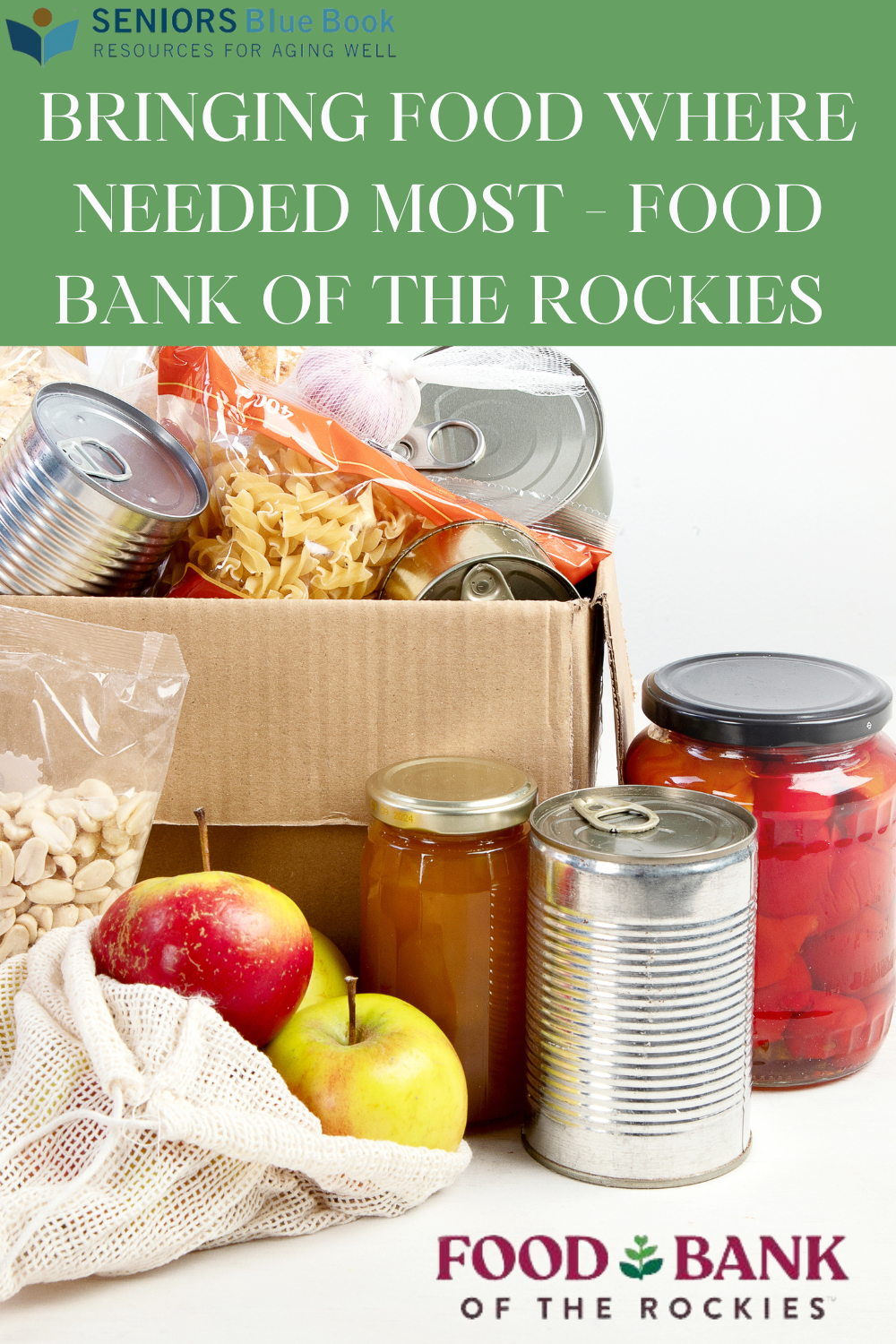
Bringing Food Where Needed Most - Food Bank of the Rockies
Of the 32 counties we support in Colorado, 13 are located west of the Continental Divide and served by our phenomenal team in Grand Junction. Through mobile pantries and partnerships with more than 110 Hunger Relief Partners in this region, our team is able to meet the specific needs of these communities and bring food where it is needed most. Leveraging the power of community and through programs like Everyday Eats for Older Adults, Food for Kids, mobile pantries, and more, Food Bank of the Rockies provides food to 1 in 9 people facing hunger in Colorado, and 96% of funding from donations, grants, and federal allotments goes directly to our hunger-relief programs. Want to learn more about our programs? Need a referral to your local Hunger Relief Partner? Interested in volunteering or making a donation? We would love to hear from you! Editors Note: This article was submitted by Food Bank of the Rockies. For more information or to contact, please call 970-464-1138 or 877-953-3937 (toll-free).
Jul 29, 2024
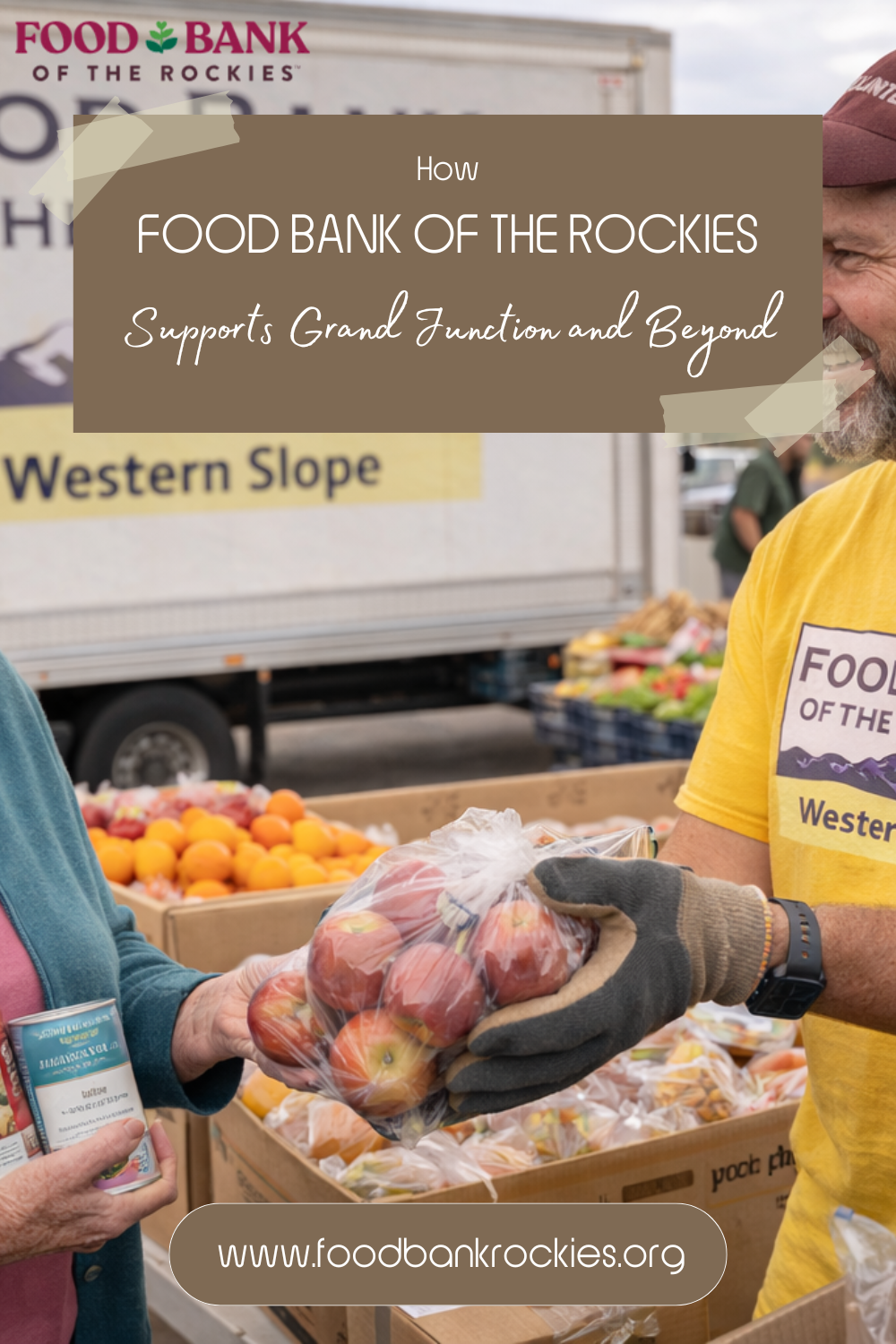
How Food Bank of the Rockies Supports Grand Junction and Beyond
How Food Bank of the Rockies Supports Grand Junction and BeyondThe Western Slope is known for abundance orchards in Palisade, farmers markets in downtown Grand Junction, and tight-knit rural communities stretching across Mesa County.But even in regions known for agriculture and outdoor beauty, food insecurity is a reality.For seniors living on fixed incomes, rising grocery costs, prescription expenses, and housing increases can make it difficult to consistently access nutritious meals.Thats where the Food Bank of the Rockies Western Slope, led locally by Christina Gumbiner, plays a vital role in strengthening community health.Food is foundational, Christina says. When seniors dont have reliable access to nutritious meals, every other part of health is affected.The Hidden Reality of Senior HungerMany seniors in Grand Junction, Clifton, Fruita, and surrounding rural communities live quietly on limited budgets.Common financial pressures include: Rising rent or property taxes Utility costs during extreme weather Prescription medications Transportation expenses Fixed Social Security income When money runs short, food is often the first thing sacrificed.Unfortunately, skipping meals or relying on low-cost, low-nutrient foods can worsen chronic conditions such as: Diabetes Heart disease High blood pressure Malnutrition Weakened immune systems Food insecurity is not just an economic issue its a healthcare issue.Serving the Western Slope CommunityThe Food Bank of the Rockies Western Slope distributes food throughout Mesa County and surrounding areas.Support may include: Fresh produce Shelf-stable goods Protein sources Dairy products Emergency food assistance Partnerships with local food pantries For seniors living in rural areas, distribution partnerships are especially important. Transportation barriers can limit grocery access, making community-based food distribution essential.Senior-Specific Nutrition ProgramsOlder adults have unique nutritional needs.The Food Bank of the Rockies works to ensure that seniors receive access to: Balanced food packages Nutrient-dense options Age-appropriate portion sizes Health-conscious choices when possible Programs may coordinate with: Senior centers Faith-based organizations Community health partners Local agencies serving older adults By collaborating across Grand Junction and the Western Slope, the organization maximizes reach and impact.Food Access and Health OutcomesProper nutrition plays a key role in: Maintaining strength Preventing falls Supporting medication effectiveness Boosting immunity Improving energy levels For seniors aging in place, food security supports independence.Christina emphasizes, When seniors have reliable access to food, theyre better able to stay healthy and remain in their homes.Supporting Families and CaregiversFood insecurity doesnt only affect seniors living alone.It can also impact: Grandparents raising grandchildren Seniors caring for disabled family members Multigenerational households By providing food assistance, the Food Bank eases pressure on entire family systems.In Western Slope communities where neighbors look out for one another, this safety net strengthens overall resilience.Community Involvement and Volunteer ImpactThe Food Bank of the Rockies relies on community partnerships and volunteer support.Local efforts may include: Food drives Volunteer sorting and packing Local business partnerships Agricultural donations Seasonal distribution events Grand Junctions strong community spirit plays a critical role in fighting hunger.Frequently Asked Questions About Food Assistance in Grand JunctionWho qualifies for food assistance?Eligibility varies depending on specific programs, but many services are available to individuals experiencing financial hardship.Is there a cost for receiving food?Most food assistance programs are provided at no cost to eligible recipients.How can seniors access food distribution sites?Contact the Food Bank of the Rockies Western Slope or local partner agencies for distribution schedules and locations.Can family members pick up food on behalf of a senior?Policies vary, but many programs allow designated individuals to assist.How can I help support the mission?Community members can volunteer, donate, or participate in local food drives.Nourishing Health, Strengthening CommunityFood is more than nourishment its dignity, stability, and health.The Food Bank of the Rockies Western Slope provides: Emergency food assistance Senior nutrition support Community partnerships Access across Mesa County A stronger safety net for vulnerable residents For Western Slope seniors facing rising costs and limited resources, food security helps preserve independence and well-being. Visit Food Bank of the Rockies Western Slope on SeniorsBlueBook.com to learn how to access assistance or support their mission today.
Feb 25, 2026
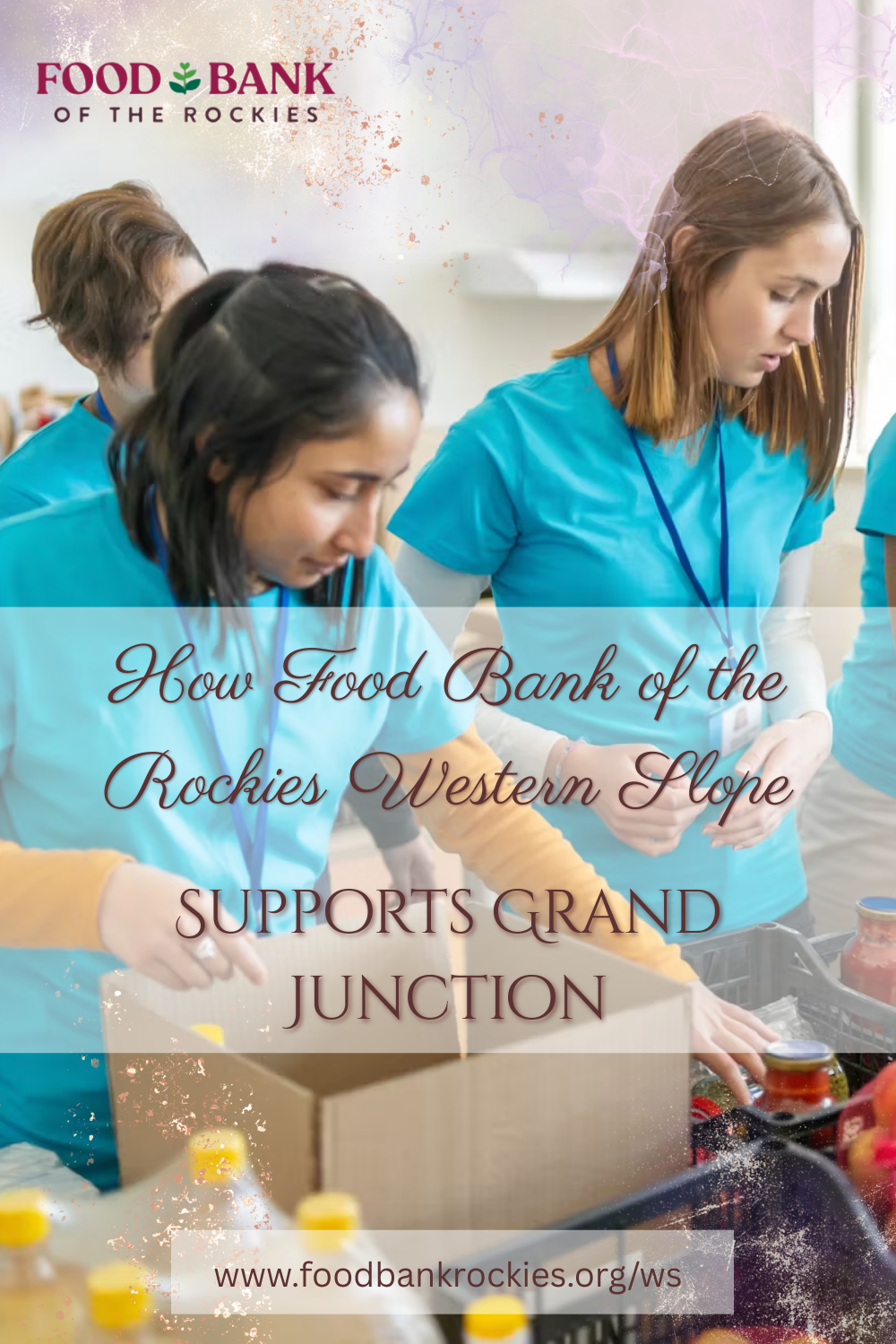
How Food Bank of the Rockies Western Slope Supports Grand Junction
How Food Bank of the Rockies Western Slope Supports Grand JunctionGrand Junction is known for its orchards, vineyards, and rich agricultural heritage. From Palisade peaches to local produce stands along the Colorado River, food is part of the Western Slopes identity.Yet even in a region rooted in farming and abundance, food insecurity remains a quiet reality especially for older adults living on fixed incomes.The Food Bank of the Rockies Western Slope plays a vital role in ensuring seniors across Mesa County have consistent access to nutritious food. Through partnerships, distribution programs, and community outreach, the organization addresses hunger while preserving dignity and independence.Food insecurity among seniors is often hidden, says Christina Gumbiner of Food Bank of the Rockies. Many older adults wont ask for help but they deserve reliable access to healthy meals.Understanding Senior Food Insecurity on the Western SlopeFood insecurity doesnt always look like an empty pantry. For many older adults, it appears as: Skipping meals to stretch a budget Choosing medication over groceries Eating low-cost, low-nutrition foods Relying on limited staples Mesa County has a growing senior population, many of whom live on: Social Security Modest retirement savings Fixed pensions Rising housing costs, healthcare expenses, and inflation strain already tight budgets.For rural seniors in areas like Fruita, Clifton, or rural Delta County, transportation challenges can further complicate access to groceries.The Role of Food Bank of the Rockies Western SlopeThe Western Slope division of Food Bank of the Rockies serves as a regional hub, distributing food through: Local food pantries Senior-specific programs Community partnerships Mobile distributions Nonprofit agencies Rather than operating as a traditional storefront, the Food Bank collaborates with local partners to expand reach and efficiency.This network approach ensures food resources are accessible throughout Grand Junction and surrounding communities.Nutrition Matters for Older AdultsFor seniors, nutrition is directly tied to health outcomes.Balanced access to fruits, vegetables, protein, and whole grains helps: Manage chronic conditions Maintain muscle strength Support immune function Reduce hospitalizations Improve energy levels When seniors skip meals or rely on low-cost processed foods, health complications can increase.Food Bank of the Rockies prioritizes nutritious options whenever possible recognizing that quality matters just as much as quantity.Preserving Dignity Through AccessMany seniors hesitate to seek food assistance due to pride or stigma.Food insecurity is not a reflection of poor planning or failure its often the result of: Rising living costs Unexpected medical bills Loss of a spouse Reduced income Caregiving responsibilities Community-based food programs aim to create welcoming, respectful environments where individuals can receive assistance without shame.Christina Gumbiner emphasizes, Everyone deserves to eat with dignity. We work to ensure access feels supportive, not transactional.Supporting Rural and Underserved AreasWestern Colorados geography presents unique challenges.Travel distances between towns can make consistent food access difficult particularly for seniors who no longer drive.Food Bank partnerships help reach: Rural communities Senior housing complexes Faith-based organizations Mobile distribution points By working through local agencies, the organization ensures coverage beyond central Grand Junction.The Power of Community CollaborationThe success of Food Bank of the Rockies Western Slope depends on collaboration with: Local nonprofits Volunteers Donors Healthcare systems Community advocates Healthcare providers increasingly recognize food insecurity as a social determinant of health. Addressing nutrition supports overall well-being and reduces preventable medical complications.Grand Junctions strong community culture makes these partnerships especially impactful.How Seniors and Families Can Get HelpSeniors facing food challenges should consider: Contacting local food pantries Asking about senior food box programs Exploring SNAP (Supplemental Nutrition Assistance Program) eligibility Connecting with senior centers Families can also reach out on behalf of loved ones.Early intervention prevents health decline and improves quality of life.Frequently Asked Questions About Food Assistance in Grand JunctionWho qualifies for food assistance?Eligibility varies by program, but many services are available to low-income seniors and individuals facing temporary hardship.Is there a cost?Most food distribution programs are free or low-cost.Can someone else pick up food for a senior?In many cases, designated individuals may assist. Its best to check with the local partner agency.Are fresh foods available?Yes. Food Bank partnerships often include fresh produce and nutritious options when available.How can community members help?Volunteering, donating, and spreading awareness all strengthen local hunger relief efforts.Strengthening the Grand Valley Through AccessIn a region known for agriculture and community pride, no senior should have to choose between groceries and medication.Food Bank of the Rockies Western Slope ensures that older adults in Grand Junction and across Mesa County have access to nutritious food resources when they need them most.If you or a loved one may benefit from food assistance or if youre looking for ways to support hunger relief efforts help is available locally. Visit Food Bank of the Rockies Western Slopes listing on Seniors Blue Book to learn more and connect with Christina Gumbiner and the team today.
Feb 24, 2026
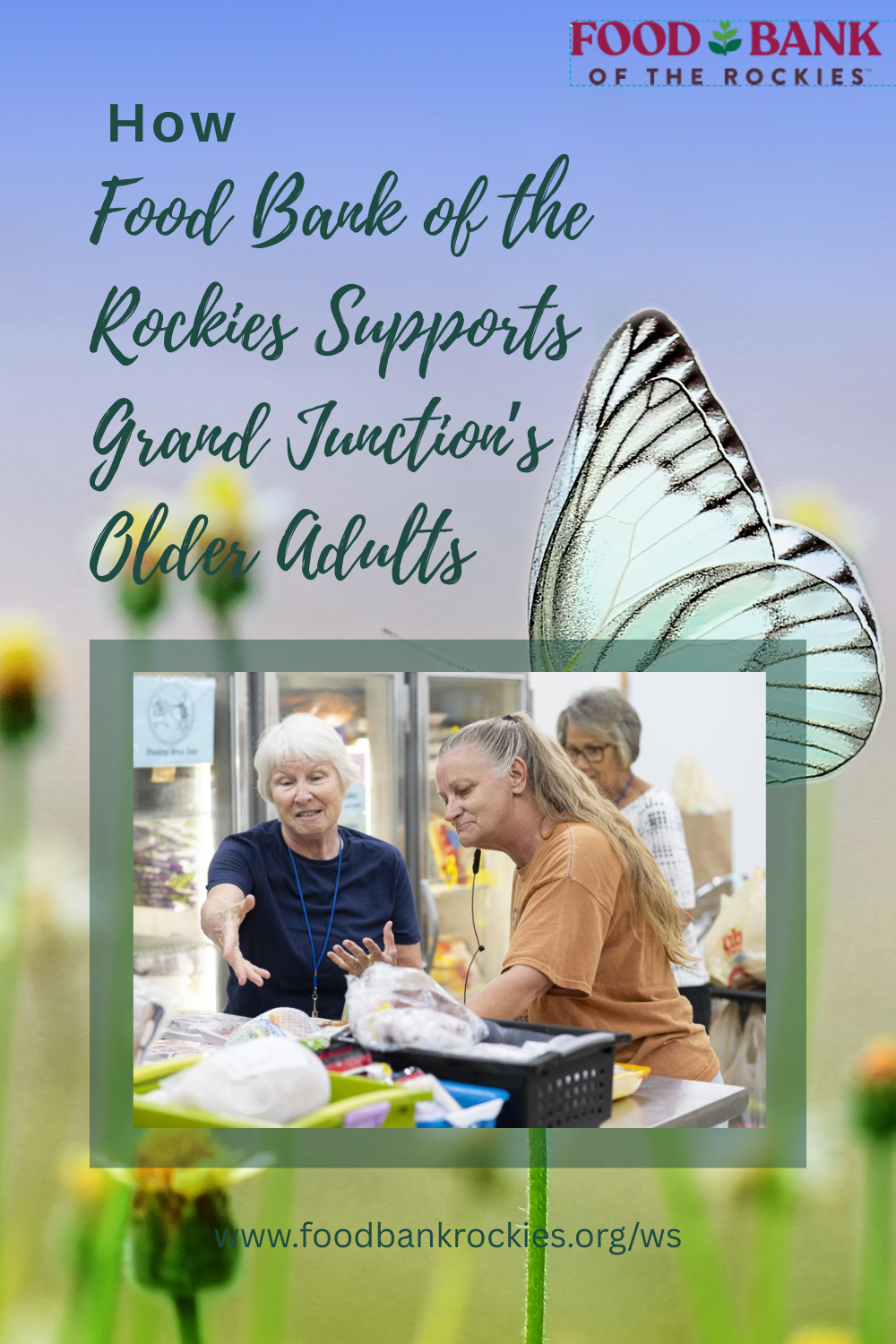
How Food Bank of the Rockies Supports Grand Junctions Older Adults
How Food Bank of the Rockies Supports Grand Junctions Older AdultsGrand Junction is known for its vineyards, orchards, and access to some of Colorados most breathtaking landscapes. Yet behind the scenic beauty of the Western Slope, many older adults quietly struggle with a very real challengefood insecurity.For seniors living on fixed incomes, rising grocery costs, medical expenses, and housing costs can create difficult choices. Should they refill prescriptions or stock the refrigerator? Pay the utility bill or buy fresh produce?The Food Bank of the Rockies Western Slope works to ensure no senior in Mesa County has to make that decision. Access to nutritious food is foundational to health and dignity, says Christina Gumbiner. For seniors especially, consistent nutrition can make the difference between stability and crisis. Understanding Senior Food Insecurity in Mesa CountyFood insecurity among older adults is often invisible. Many seniors: Live alone Have limited mobility Depend on fixed Social Security income Face transportation barriers Experience chronic health conditions According to national studies, millions of seniors face food insecurity each year. On the Western Slope, where rural communities stretch across large geographic areas, access can be even more challenging.Why Nutrition Matters for SeniorsAdequate nutrition plays a critical role in: Managing chronic diseases like diabetes and heart disease Supporting immune health Preventing falls and weakness Promoting mental clarity Reducing hospital readmissions For seniors recovering from illness or living with long-term conditions, consistent access to healthy food is not optionalits essential.How Food Bank of the Rockies Serves the Western SlopeThe Western Slope branch of Food Bank of the Rockies distributes food through a network of: Local food pantries Senior-focused programs Community partners Mobile food distributions Supplemental food assistance programs By partnering with organizations across Mesa County and surrounding rural communities, they extend their reach beyond Grand Junction.Senior-Focused Programs and PartnershipsMany older adults face barriers such as transportation limitations or physical challenges.To address these realities, Food Bank of the Rockies supports: Senior food boxes Mobile pantry distributions Partnerships with housing communities Collaboration with local nonprofits These efforts ensure access reaches seniors where they are.Supporting Rural Western Slope CommunitiesThe Western Slope includes small towns and remote communities where grocery stores may be miles away. Rising gas prices can make regular trips unaffordable for seniors on fixed incomes.Mobile distributions and regional partnerships help bridge that gap. We are committed to reaching seniors wherever they livewhether in downtown Grand Junction or rural communities across the Western Slope, Christina Gumbiner explains. The Role of Volunteers and Community SupportThe Food Bank of the Rockies relies heavily on: Volunteers Donors Community organizations Corporate partners Local volunteers play a vital role in sorting, packing, and distributing food.Grand Junctions strong community culture makes this collaborative effort possible.How Families Can Seek HelpIf you or a loved one is experiencing food insecurity, assistance is available. Families can: Contact local partner agencies Attend scheduled mobile distributions Explore senior nutrition programs Speak with social workers or healthcare providers for referrals Accessing help is confidential and focused on dignity.How You Can Make a DifferenceCommunity members can support senior nutrition by: Donating food or funds Volunteering time Hosting food drives Raising awareness about senior hunger Even small contributions can make a significant impact.Breaking the Stigma Around Asking for HelpOne of the biggest barriers seniors face is pride. Many older adults hesitate to ask for assistance.Christina Gumbiner emphasizes compassion: Seeking help is not a sign of failureits a step toward stability. Our mission is to serve with respect and dignity. Normalizing conversations about food insecurity helps ensure no one goes without.Frequently Asked QuestionsWho qualifies for food assistance? Eligibility varies by program. Many services are available to seniors experiencing financial hardship.Are distributions available outside Grand Junction? Yes, Food Bank of the Rockies partners with agencies across the Western Slope.Is assistance confidential? Yes. Programs are designed to protect privacy and dignity.How can seniors without transportation access food? Mobile distributions and partner agencies help address transportation barriers.Strengthening the Western Slope TogetherFood security is about more than mealsits about health, dignity, and community resilience. On the Western Slope, Food Bank of the Rockies works tirelessly to ensure seniors can maintain stability and independence. To learn more about food resources, volunteer opportunities, or ways to support the mission, visit Food Bank of the Rockies Western Slopes listing on Seniors Blue Book today.