6 Tips for When Your Elderly Parent Refuses Assisted Living
Inspired Living at Lakewood Ranch
For more information about the author, click to view their website: Inspired Living at Lakewood Ranch
Mar 06, 2026
Florida - Sarasota, Bradenton & Charlotte Counties

Email US
Click to Email Us
Key Takeaways
- Start conversations with compassion by listening to your parent’s concerns in a calm setting.
- Focus on the positive aspects of community life, like new connections and freedom from home maintenance.
- Address common myths about senior living by explaining how support is tailored to individual needs.
- Involve a trusted third party, like a doctor or family friend, to offer an objective perspective.
- Suggest a casual visit to a community instead of pushing for an immediate decision.
- Remain patient and focus on your loved one’s safety and well-being as your primary motivation.
How to Approach the Conversation About Assisted Living
Starting the conversation about a move to senior living can feel challenging, especially when you are met with resistance. Your parent may have strong feelings about leaving their home, and you might worry about saying the right thing. At Inspired Living at Lakewood Ranch, the team recognizes that this discussion requires sensitivity, patience, and understanding from everyone involved.
When a loved one is hesitant, the path forward can seem unclear. You can find comfort in knowing that many families navigate this same journey. The most helpful approach is to begin with a compassionate conversation, focus on how assisted living promotes independence, and move forward together with small, collaborative steps.
Start with a Compassionate Conversation
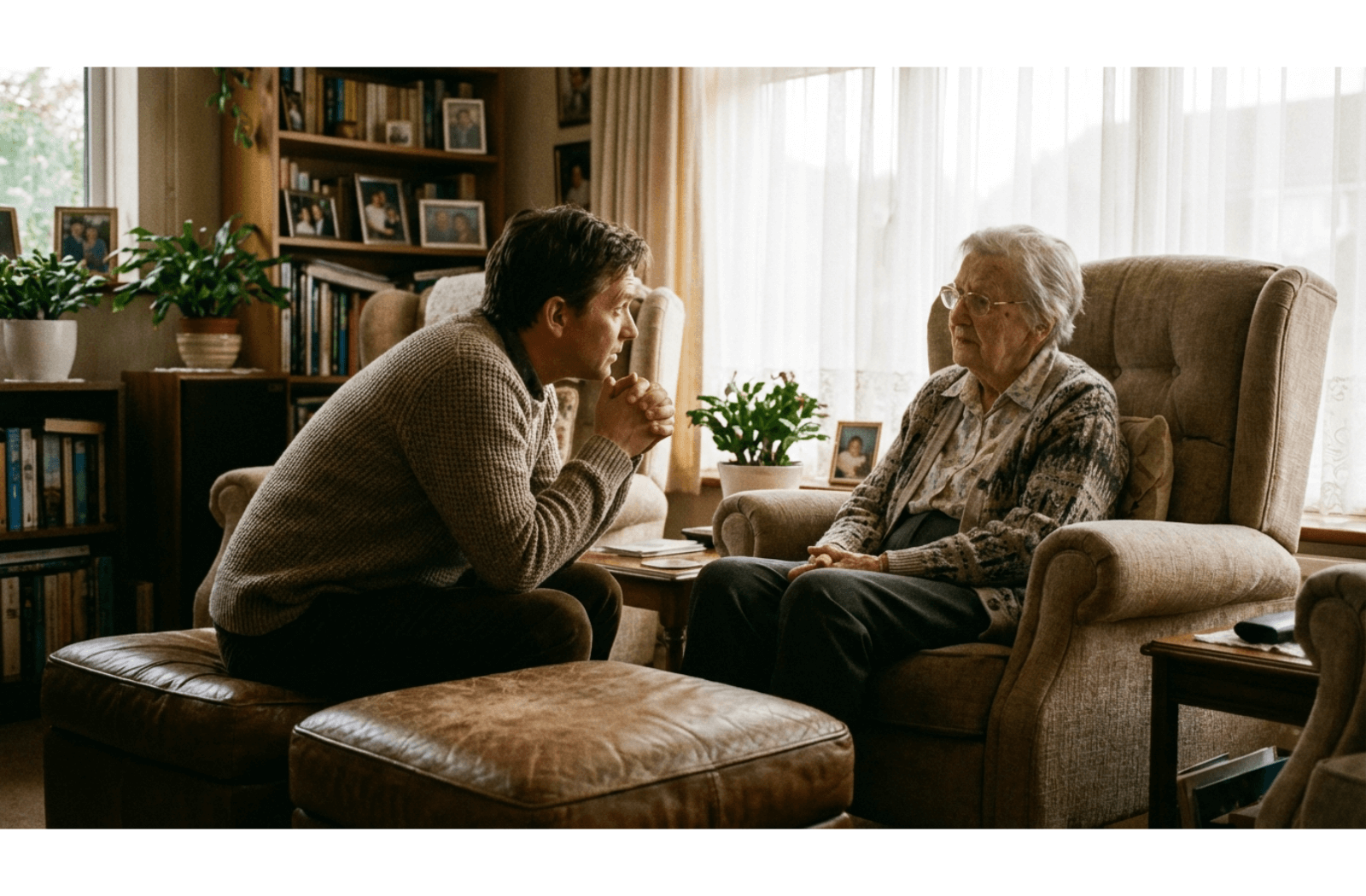
Opening the door to this topic starts with understanding your parent’s point of view. This is rarely a single conversation but often a series of talks over time. Your initial goal is simply to listen and show you care about their feelings and what they want for their future.
Ask open-ended questions to learn what worries them, such as, “What are some of the challenges you’re facing with the house?” You may find their resistance comes from a fear of losing independence or from outdated ideas about senior living. Acknowledge their feelings without judgment to build trust. According to caregiving experts, it’s helpful to prepare for these talks by gathering information first so you can address concerns calmly.
Find a comfortable place to talk where you won’t be rushed or interrupted. A relaxed environment makes the conversation feel more like a team effort than a confrontation. This approach shows you respect their autonomy and value their input.
Explore the Positives of Community Life
You can help your parent see what they might gain instead of focusing on what they feel they could lose. Shift the focus from needing assistance to gaining opportunities for connection, wellness, and enjoyment. This approach highlights the vibrant lifestyle available in a supportive senior living community.
Frame it as a choice that supports their independence. Talk about the freedom from daily chores like cooking, cleaning, and home maintenance. You can also mention the convenience of thoughtfully planned social gatherings and activities, from fitness classes to book clubs. Meaningful social interactions are shown to contribute greatly to overall happiness and well-being.
Furthermore, a focus on holistic health and wellness programs can make each day more fulfilling. From fitness-focused activities to creative pursuits, there are many ways to engage the mind, body, and spirit.
Address Common Misconceptions Together
Many ideas about senior living are based on how things were decades ago. Your parent may have a picture in their mind that no longer matches the active and supportive reality of today’s communities. You can gently challenge these old ideas by presenting a more accurate view.
Explain that support is tailored to each person’s needs, so they receive assistance only where they want it. You can discuss the different options available, such as assisted living for daily support or memory care for specialized cognitive support. Many communities also offer respite care, which allows for a short-term stay to experience the lifestyle firsthand without a long-term commitment.
Involve a Trusted Third Party
Sometimes, the message is better received when it comes from someone outside the immediate family dynamic. You can suggest bringing in a neutral and respected third party to join the conversation. This could be your parent’s doctor, a long-time family friend, or a clergy member they trust.
This person can offer an objective perspective that isn’t clouded by the emotions of the parent-child relationship. A doctor can speak to the health and safety benefits of an assisted living environment, while a friend can talk about the importance of social connection. Their input can validate your concerns and make the suggestion feel less like a directive and more like a supportive recommendation from multiple caring sources.
Suggest a Casual Visit Instead of a Commitment
Instead of pushing for a major decision all at once, you can break it down into smaller, more manageable actions. This helps your parent feel more in control of the process. An easy first step is to simply gather information without any pressure to act on it.
You might propose a casual tour of a local community with no strings attached. The goal is simply to look around, have lunch, and gather information. Seeing the environment and meeting other residents can make the idea of senior living feel much more real and appealing. A simple visit can demystify the experience and replace apprehension with curiosity. You can schedule a visit at a time that is most convenient for your family.
Remain Patient and Prioritize Safety
Remember that this is a significant life transition that requires time and adjustment. The conversation about moving to an assisted living community may need to happen more than once. The key is to remain patient and supportive, always keeping your parent’s well-being at the heart of the discussion.
If you have genuine concerns about their safety at home, express them calmly. You can explain that your motivation comes from a place of love and a desire to see them thrive in a secure setting. Discussing potential hazards, such as the causes of falls in older adults, can put the need for a supportive environment into perspective.
Framing the conversation around safety helps shift the focus from loss of independence to gaining peace of mind for everyone. It’s about being prepared with the right support if something unexpected happens, particularly if you are wondering what to do when a parent can no longer walk on their own.
Support for Your Family’s Journey
Navigating this transition with a parent requires empathy and a gentle touch. By focusing on listening, highlighting the positives, and taking things one step at a time, you can work together to find a solution that supports their health, happiness, and overall well-being. This journey is about finding a new way to live well and continue to flourish.At Inspired Living at Lakewood Ranch, the team understands these conversations are unique to every family. With offerings that include assisted living and memory care, we provide a nurturing environment where residents thrive, supported by a caring team dedicated to nurturing the mind, body, and spirit. Explore the options and see how a supportive community can make a positive difference.
- To view the original version of this article visit inspiredlivingatlakewoodranch.com/6-tips-for-when-your-elderly-parent-refuses-assisted-living/
- Seniors Blue Book was not involved in the creation of this content.
Other Articles You May Like
Understanding Your Digital Footprint
Digital what? Footprint? You may be thinking thats what you leave behind at the beach. While that may be correct, it is also what you leave behind every time you provide your email, set up a new online account, or allow your data to be tracked. Your digital footprint is the trail you leave behind with Location services on your phone. It is the data you leave behind when commenting on Aunt Sallys Facebook page, sharing your familys vacation pictures on Instagram, or traipsing around the internet to various sites looking for that cute Lladro figurine your mother wanted for Christmas. All of it tells something about you whether you realized it was happening or not.Most of the time, the sharing of your data what you do, how you do it, etc. may not be a big deal. Or is it? The reality is that your data supports big business every day. It is collected, bought and sold (mostly without your knowledge) by data brokers (i.e., Acxiom, Epsilon), credit and identity bureaus (i.e., Experian, Equifax, TransUnion), and Big Tech Companies (i.e., Google, Amazon, Meta, Microsoft, Apple) that share your data with their partners and ad networks.The danger to you is when there is a data breach at one of the many sites that has your data and your data is captured and posted on the dark web. This enables nefarious characters to better target you for scams and potentially steal your identity. Call Lily in the Details today 941-237-0157 and schedule Understanding Your Digital Footprint, Navigating the Online World Safely and Wisely for your community.
Serving America and our community
By Dr. David RiceSouthwest Florida is home to more than 100,000 veterans, according to the U.S. Department of Veterans Affairs.They own homes, manage businesses and pay taxes here. They volunteer at local nonprofits and donate to local causes. They are the core of our community.Nearly every day, at least one veteran walks into Advocate Radiation Oncology for treatment. Cancer impacts people from every background, including veterans. Even the most hardened veterans struggle with a cancer diagnosis, which is understandable; no one is invincible and cancer generates a wave of emotions shock, anxiety, frustration, fear and stress.Over the years, veterans in Charlotte and Sarasota counties have found an ally inside the treatment room Dr. Brian Lawenda. A board-certified, Harvard-trained physician who completed medical school at Temple University, Lawenda has all the credentials to help a patient feel confident that they're in good hands, medically speaking. Then they find out something else about their physician. He is a veteran, too, having served this country 13 years with the U.S. Navy and attaining the rank of commander."When I enlisted, I took an oath to serve this country and uphold the U.S. Constitution," Lawenda said. "When I became a doctor, I pledged to dedicate my practice to patients and the community I serve, and it's especially gratifying when those patients are fellow veterans."The best doctors don't just treat symptoms; they connect with patients, usually through shared experiences they're from the same state, cheer for the same sports team or attended the same university. Lawenda's military experience helps create an instant doctor-patient bond that continues during treatment and beyond. In fact, Lawenda has become the region's go-to radiation oncologist for veterans, not just Navy veterans, but those who have admirably served across all six branches of the military."When he told me he served in the Navy, it gave me comfort," said Ret. Command Master Chief Scott Fusco, a North Port resident who recently completed prostate cancer treatments at Advocate. "I had absolute trust in him from that point on."Lawenda wasn't the only veteran on Fusco's care team, either. His urologist also served in the Navy and referred Fusco to Dr. Lawenda for treatment."We served at different times and places, but we're all part of the same team," Fusco said. "They've been there, done that, just like me. There is instant respect, instant trust."Lawenda, who sees patients at Advocate's cancer treatment centers in Port Charlotte and Venice, specializes in the treatment of prostate, lung, breast, head and neck, rectal, liver, bone, cervical and other types of cancers. Although Lawenda doesn't technically specialize in the treatment of veterans, he is especially proud to support patients like Fusco on their cancer journey."A veteran may retire or end their military service, but he or she will never stop serving this country and their community," Lawenda said. "Being able to help local veterans beat cancer is extremely gratifying and certainly rewarding. The military is a brotherhood and a sisterhood, and I'll continue fighting for my brothers and sisters."About the AuthorDr. David Rice is a board-certified radiation oncologist who sees patients through Advocate Radiation Oncologys cancer treatment centers in Port Charlotte and Venice. Visit AdvocateRO.com for more information.
Living Well with Diabetes: How Exercise & Therapy Can Help
Managing diabetes is more than watching your blood sugar. Its about staying active, maintaining your strength, and continuing to enjoy the activities you love.Diabetes affects millions of older adults and can have a significant impact on overall health, mobility, and independence. As we age, managing diabetes becomes especially important because it can increase the risk of falls, nerve damage, muscle weakness, and other health complications.The good news? With the right support, regular physical activity, and a personalized treatment plan, older adults living with diabetes can take meaningful steps toward better health and a more active lifestyle.Why Is Exercise So Important for Diabetes?When you have diabetes, your body has difficulty regulating blood sugar levels. Physical activity helps your muscles use glucose for energy, which can improve blood sugar control.Regular exercise can also help:Improve muscle strength: Maintain the strength needed for walking, climbing stairs, and completing everyday activities.Improve blood sugar management: Help your body use insulin more effectively.Support heart health: Improve circulation and help manage blood pressure.Improve balance: Reduce the risk of falls and injuries.Maintain independence: Make daily activities such as dressing, bathing, cooking, and shopping easier.Increase energy and confidence: Help you feel stronger and more comfortable staying active.Even small amounts of movement throughout the day can make a difference!How Can Physical and Occupational Therapy Help?For many older adults, beginning an exercise program can feel overwhelming, especially when dealing with joint pain, weakness, balance problems, or other medical conditions.Thats where FOX Rehabilitation can help.FOX provides personalized physical and occupational therapy designed to help older adults safely improve their mobility, strength, and ability to perform everyday activities.A physical therapist can evaluate your walking, balance, endurance, and muscle strength to develop an exercise program that meets your individual needs.An occupational therapist can help you find safer, easier ways to perform everyday tasks while improving your ability to remain independent at home.Together, these professionals can help address the physical challenges associated with diabetes, including decreased sensation in the feet, muscle weakness, and difficulty with balance.The Benefits Go Beyond Blood SugarResearch has shown that structured exercise programs can help people with Type 2 diabetes improve their blood sugar control, preserve muscle mass, and increase overall strength.Regular physical activity may also improve blood pressure and reduce the risk of certain diabetes-related complications.Most importantly, staying active can help older adults maintain the freedom to do what matters most whether thats spending time with grandchildren, enjoying a walk with friends, gardening, or simply moving safely around their homes.Therapy That Comes to You!One of the greatest benefits of FOX Rehabilitation is that therapy can take place right in the comfort of your own home.FOX provides physical, occupational, and speech therapy through Medicare Part B for eligible individuals.You do not have to be homebound or recently hospitalized to receive services.This means older adults who may benefit from skilled therapy can receive personalized care in their familiar surroundings without having to travel to an outpatient clinic.Take the First Step Toward Better HealthLiving with diabetes doesnt mean giving up the activities you enjoy. With proper management, regular movement, and professional guidance, you can continue building strength, improving mobility, and maintaining your independence.Before beginning a new exercise routine, speak with your healthcare provider, particularly if you have diabetes-related complications or take medications that can cause low blood sugar.Remember: Its never too late to get stronger, move better, and take control of your health!